Important: This page is for informational purposes only, based on published peer-reviewed research and official UK dietary guidelines (NHS, EFSA, SACN). It does not constitute medical advice. Always consult your GP or pharmacist before starting, stopping, or combining supplements.
Iron and Vitamin B12 — Can You Take Them Together?
Overview
Iron and Vitamin B12 are among the most commonly deficient micronutrients in the UK population, and both play central roles in the production of healthy red blood cells. When either is insufficient, the result is anaemia — though each causes a diagnostically distinct form. Research suggests that dual deficiency is more prevalent than once recognised, particularly in women of reproductive age, older adults, and those following plant-based diets. Evidence indicates that addressing both deficiencies simultaneously, where clinically indicated, may produce more complete haematological recovery than treating each in isolation, and that the two nutrients can generally be supplemented together without concern over direct interference.
How They Interact
Iron and Vitamin B12 are both required for erythropoiesis — the continuous process of red blood cell formation in bone marrow — but each operates at a distinct stage. Iron is incorporated into haem, the prosthetic group of haemoglobin, enabling erythrocytes to carry oxygen around the body. Without sufficient iron, haemoglobin synthesis is curtailed and red blood cells are produced in a smaller, less haemoglobin-rich form — the hallmark of iron-deficiency anaemia. Vitamin B12 acts as an essential cofactor in the methylation reactions required for DNA synthesis. During rapid cellular proliferation in the bone marrow, erythroblast precursors require adequate B12 — working in concert with folate — to replicate DNA correctly. When B12 is deficient, nuclear maturation is impaired whilst cytoplasmic development continues, producing the characteristically enlarged, dysfunctional cells of megaloblastic anaemia. A critical clinical complication arises when both deficiencies coexist: the macrocytic changes associated with B12 deficiency can partially offset the microcytic pattern of iron deficiency, producing an apparently normal cell size on a standard full blood count and masking both conditions simultaneously. Research by Koury and Ponka (2004) in the Annual Review of Nutrition confirms that folate, B12, and iron are each indispensable for normal erythropoiesis, and that deficiency in any one impairs red blood cell production through distinct but interrelated pathways.
Timing & Dosage Guidance
Iron and Vitamin B12 can generally be taken at the same time without meaningful concern about mutual absorption interference. Their uptake mechanisms are entirely separate: iron is absorbed predominantly in the duodenum and proximal jejunum via divalent metal transporter-1 (DMT1), whilst Vitamin B12 relies on intrinsic factor — a glycoprotein secreted by gastric parietal cells — for absorption further along the gastrointestinal tract. Taking iron with food may modestly reduce absorption but substantially improves tolerability, particularly for ferrous sulphate, which can cause nausea or gastric discomfort when taken on an empty stomach. Iron bisglycinate is generally better tolerated and may be taken with or without food. Individual responses may vary, and those with conditions affecting gastrointestinal absorption — such as atrophic gastritis or coeliac disease — should seek personalised guidance from a healthcare professional.
UK dietary reference values, as established by the Scientific Advisory Committee on Nutrition (SACN), set the Reference Nutrient Intake (RNI) for iron at 8.7 mg/day for adult men and post-menopausal women, rising to 14.8 mg/day for women aged 19–50. Vitamin B12 carries an RNI of 1.5 mcg/day for adults, though supplemental doses typically range from 10 mcg to 1,000 mcg depending on the form and clinical context. For treating confirmed deficiency, NHS guidance recommends 100–200 mg of elemental iron daily in divided doses, whilst B12 repletion may be achieved orally — typically 1,000 mcg/day as cyanocobalamin or methylcobalamin — or via intramuscular hydroxocobalamin injections where absorption is compromised. Individual requirements vary considerably and supplementation decisions should ideally be guided by blood testing.
Recommended Action
If blood tests indicate both iron and B12 are low, supplementing both may be more effective than addressing one alone. They can generally be taken at the same time.
Iron Timing
When: Morning
Note: Best absorbed on an empty stomach with Vitamin C. Avoid with tea, coffee, calcium, or zinc within 2 hours.
Vitamin B12 Timing
When: Morning
Note: Water-soluble — morning preferred as it may support energy levels
Scientific Evidence
4 peer-reviewed studies cited. All links lead to PubMed abstracts.
Annual Review of Nutrition (2004) · PMID: 15189115
Erythroblasts require folate and vitamin B12 for proliferation and iron for haemoglobin synthesis; deficiency in any of the three impairs red blood cell production through distinct but interrelated pathways.
Indian Journal of Hematology and Blood Transfusion (2015) · PMID: 25825568
Following B12 treatment in cobalamin-deficient patients, iron deficiency became newly detectable in 49.3% of cases, demonstrating that B12 deficiency can conceal concurrent iron depletion.
Annals of Hematology (2013) · PMID: 23183879
Around 18% of iron deficiency anaemia patients also had low vitamin B12; age over 60 and elevated homocysteine were reliable markers for identifying combined deficiency, with 91% sensitivity.
International Journal of Laboratory Hematology (2015) · PMID: 25959209
Oral iron supplementation significantly raised serum vitamin B12 and folate levels in iron-deficient women, including those with initially low B12 values, suggesting reciprocal metabolic interdependence between these haematinic nutrients.
Frequently Asked Questions
Yes. Research by Remacha et al. (2013) in Annals of Hematology found that approximately 18% of patients presenting with iron deficiency anaemia also had low Vitamin B12 levels, indicating dual deficiency is clinically common rather than exceptional. The two conditions share several risk factors — including poor diet, gastrointestinal disorders, and increased physiological demand during pregnancy — and evidence suggests that testing for both nutrients is advisable when anaemia is suspected. Individual responses to combined treatment may vary.
Iron deficiency typically produces small red blood cells (microcytic anaemia), whilst B12 deficiency produces abnormally large ones (macrocytic anaemia). When both deficiencies occur simultaneously, these opposing effects can offset one another on a full blood count, resulting in apparently normal cell size. Research by Solmaz et al. (2015) demonstrated that following B12 treatment in cobalamin-deficient patients, iron deficiency became newly detectable in 49.3% of cases — in many of whom it had not been apparent beforehand.
Evidence suggests a notable interaction in this direction. Remacha et al. (2015) in the International Journal of Laboratory Hematology found that oral iron supplementation significantly raised both serum B12 and folate levels in young women with iron deficiency anaemia — including those who began treatment with particularly low B12 values, whose levels normalised by the four-month follow-up. The precise mechanisms are not yet fully established, but the finding underscores the interconnected nature of haematinic nutrient metabolism.
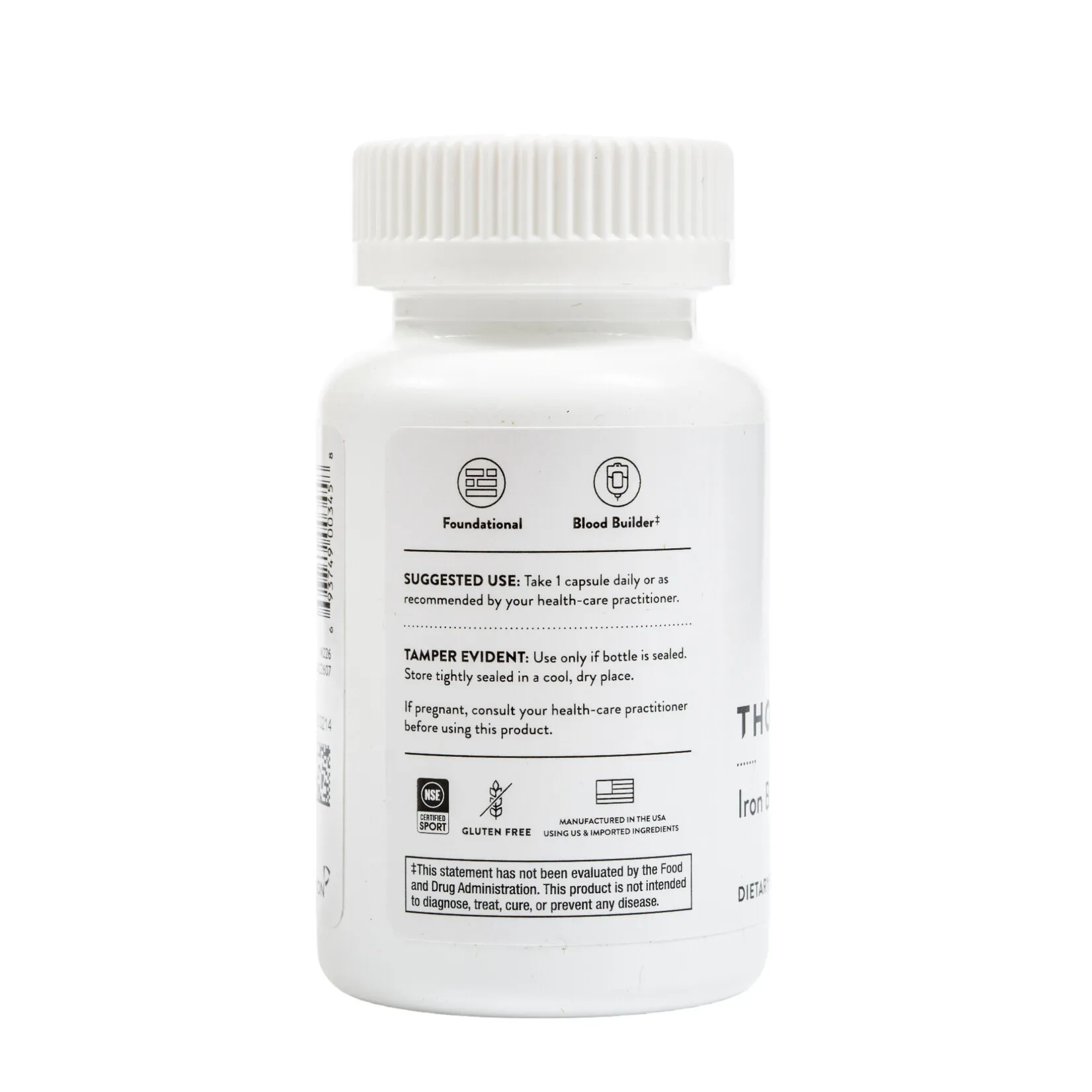
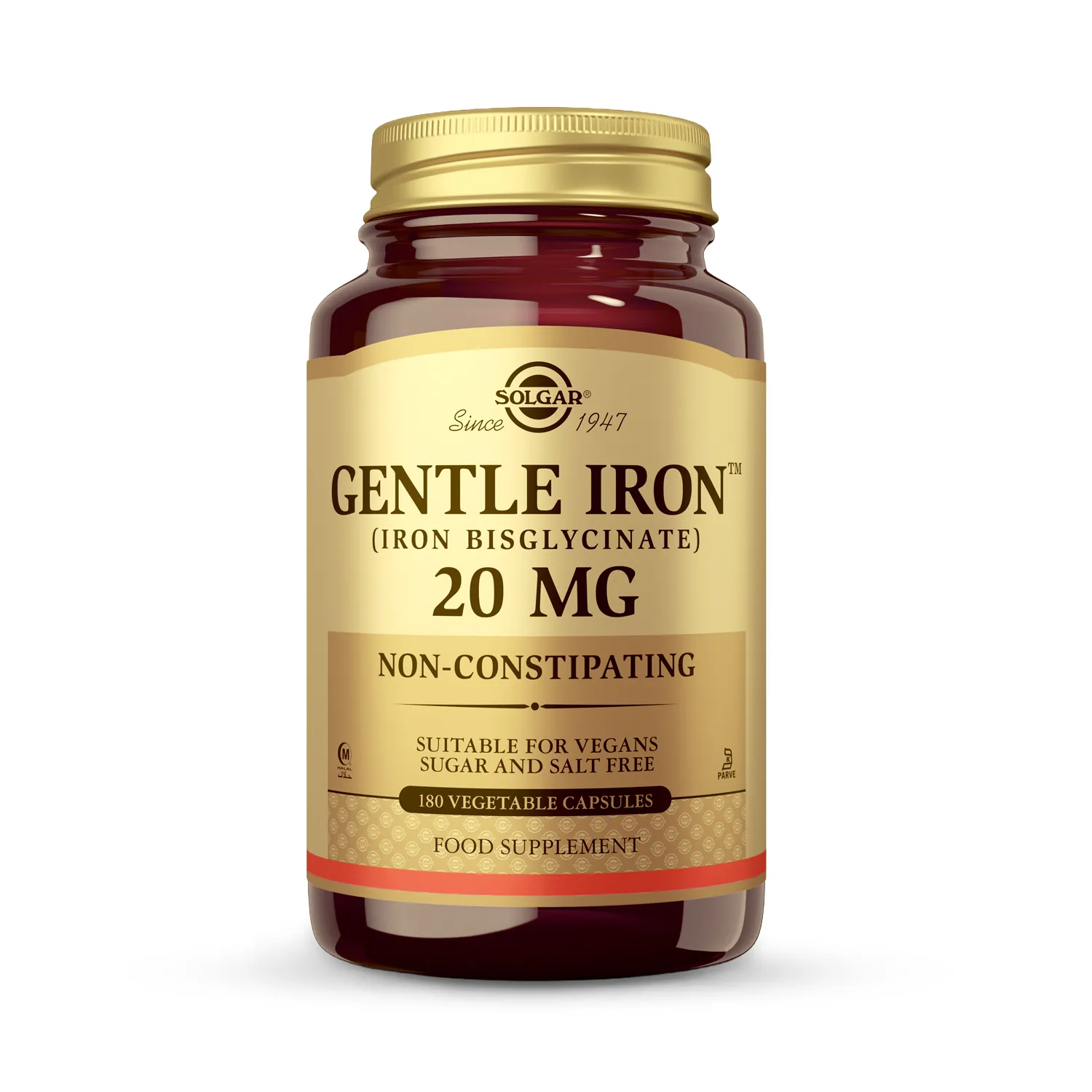
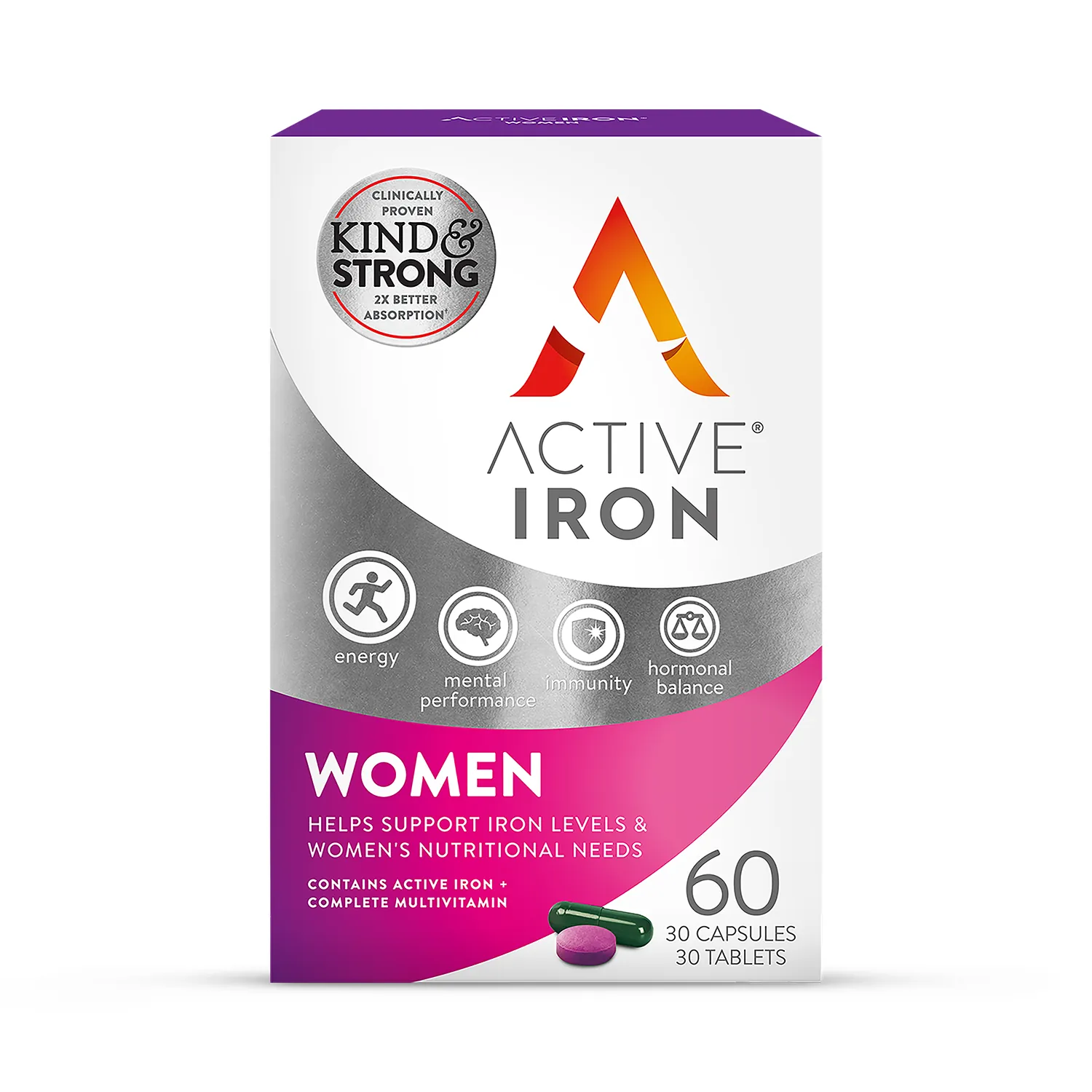
Top Iron Products on AIScored
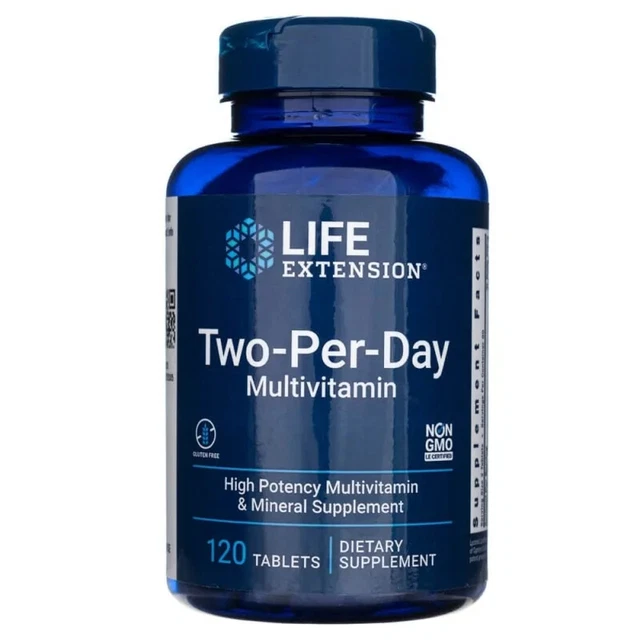
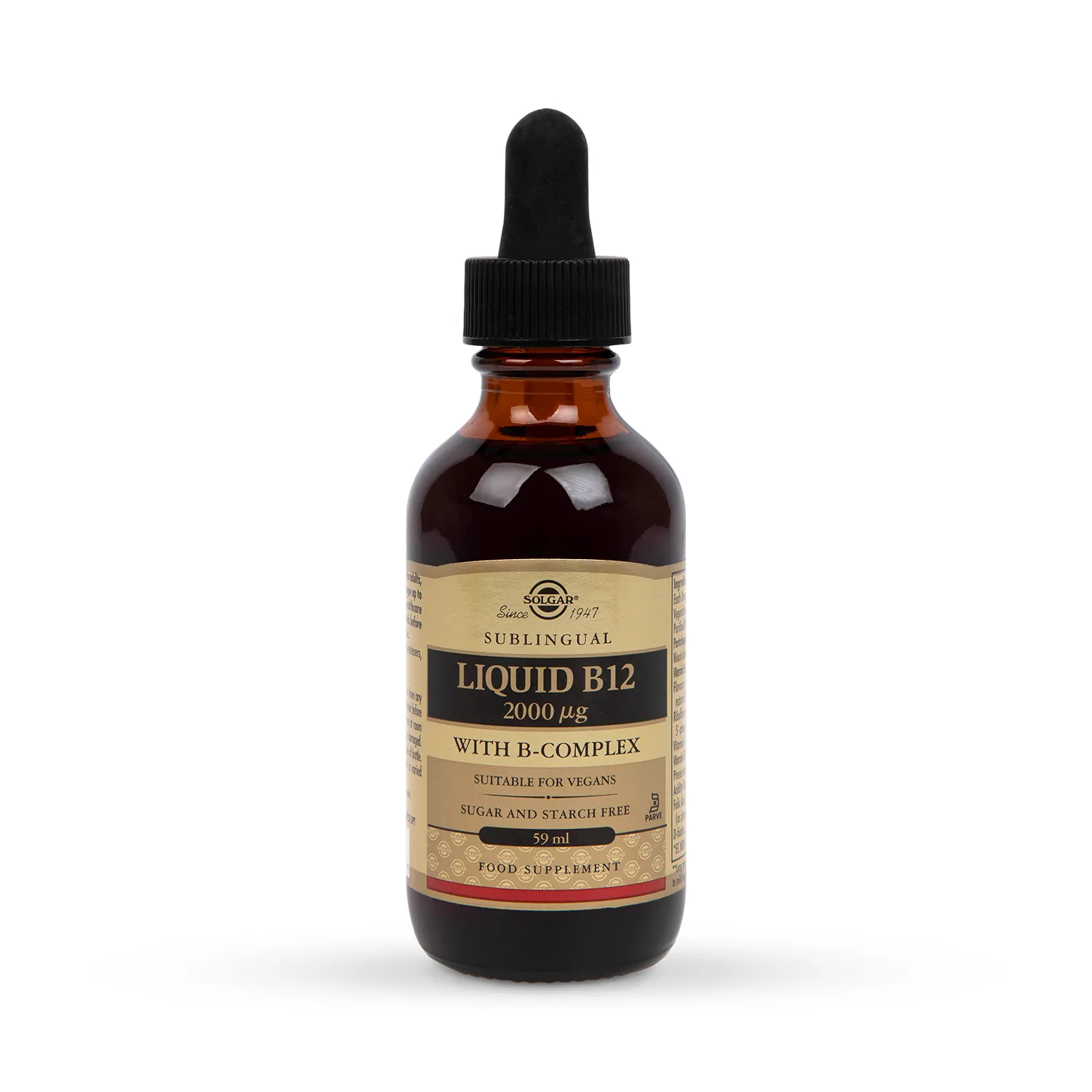
Top Vitamin B12 Products on AIScored
Want to check more interactions?
Add these and other supplements to our interactive Stack Analyzer for a full analysis.
Build your full stack →