Important: This page is for informational purposes only, based on published peer-reviewed research and official UK dietary guidelines (NHS, EFSA, SACN). It does not constitute medical advice. Always consult your GP or pharmacist before starting, stopping, or combining supplements.
Iron and Vitamin C — Can You Take Them Together?
Overview
Iron deficiency remains one of the most prevalent nutritional shortfalls in the UK, particularly among women of reproductive age and those following plant-based diets. The form of iron found in plant foods — non-heme iron — is considerably harder for the body to absorb than heme iron from animal sources. Research consistently shows that combining iron with vitamin C represents one of the most effective evidence-based strategies for improving non-heme iron uptake, with studies indicating a two- to four-fold increase in absorption. This interaction is well-supported in clinical nutrition literature and informs practical guidance from bodies including the NHS.
How They Interact
Vitamin C (ascorbic acid) enhances non-heme iron absorption through two complementary mechanisms. First, ascorbic acid acts as a reducing agent in the acidic environment of the stomach and proximal duodenum, converting ferric iron (Fe³⁺) — the oxidised form predominant in plant foods and many supplement formulations — into ferrous iron (Fe²⁺). This conversion is nutritionally significant because the primary intestinal iron transporter, divalent metal transporter 1 (DMT1), located on the apical surface of duodenal enterocytes, selectively transports iron only in the ferrous state. Second, ascorbic acid forms a soluble chelate with iron at the low pH of the stomach. As pH rises in the duodenum, this chelated complex keeps iron in solution rather than allowing it to precipitate as insoluble ferric hydroxide — a form largely unavailable for absorption. This dual action explains why the enhancement effect is both robust and reproducible across diverse meal compositions, including those high in absorption inhibitors such as phytates and polyphenols.
Timing & Dosage Guidance
Research suggests that timing is a meaningful variable when combining iron and vitamin C. The enhancing effect is most pronounced when both are consumed simultaneously, as ascorbic acid must be present in the gut lumen at the point of digestion to exert its reducing and chelating functions. Iron is generally better absorbed on an empty stomach, though this can increase gastrointestinal discomfort for some individuals; pairing it with a small amount of food alongside vitamin C may help balance tolerability with efficacy. It is advisable to avoid tea, coffee, or calcium-rich foods within one to two hours of iron supplementation, as tannins and calcium have been shown to independently inhibit non-heme iron absorption. Individual responses may vary.
A dose of 100–200 mg of vitamin C taken alongside an iron supplement is consistently cited in clinical research as sufficient to produce a meaningful enhancement in non-heme iron absorption. The landmark Hallberg et al. (1989, Am J Clin Nutr) study observed a 4.14-fold increase using 100 mg of ascorbic acid alongside a phytate-rich meal. The UK dietary reference value for vitamin C is 40 mg/day for adults (SACN), though amounts used in iron absorption research are typically higher. Iron requirements differ substantially by sex and life stage — 8.7 mg/day for adult men and 14.8 mg/day for women aged 19–50 per SACN guidelines. Individual responses may vary based on baseline iron stores, gut health, and concurrent dietary factors. Those with haemochromatosis or other iron-loading conditions should seek guidance from a healthcare professional.
Recommended Action
Taking iron with a source of Vitamin C (supplement or citrus juice) is a well-established strategy to improve absorption.
Iron Timing
When: Morning
Note: Best absorbed on an empty stomach with Vitamin C. Avoid with tea, coffee, calcium, or zinc within 2 hours.
Vitamin C Timing
When: Any
Note: Water-soluble — can be taken any time. Split doses improve absorption at higher amounts.
Scientific Evidence
4 peer-reviewed studies cited. All links lead to PubMed abstracts.
Am J Clin Nutr (1989) · PMID: 2507689
100mg ascorbic acid increased non-heme iron absorption by 4.14-fold from a phytate-rich meal
American Journal of Clinical Nutrition (1991) · PMID: 1989423
Ascorbic acid counteracted the absorption-inhibiting effects of both polyphenols and phytates on non-heme iron in a dose-dependent manner, underscoring its practical relevance in plant-rich diets.
International Journal for Vitamin and Nutrition Research (2004) · PMID: 15743017
A comprehensive review confirmed ascorbic acid as the most potent known dietary enhancer of non-heme iron absorption, with the greatest benefit observed in meals containing high concentrations of absorption inhibitors.
American Journal of Clinical Nutrition (2001) · PMID: 11124756
Increasing ascorbic acid intake significantly improved non-heme iron absorption from a complete mixed diet, suggesting the effect extends beyond single-meal studies to whole-diet contexts.
Frequently Asked Questions
Research suggests the source of ascorbic acid has little bearing on its iron-enhancing effect. Studies have demonstrated equivalent outcomes using both synthetic ascorbic acid supplements and naturally occurring vitamin C from citrus juice. A glass of orange juice — providing approximately 60–80 mg of vitamin C — alongside an iron-rich meal is a practical, evidence-based approach. Siegenberg et al. (1991, Am J Clin Nutr) demonstrated consistent enhancement effects regardless of whether the ascorbic acid source was dietary or supplemental, provided adequate amounts were present at the time of ingestion.
The vitamin C and iron interaction applies primarily to non-heme iron, which accounts for all iron in plant-based foods and a substantial proportion of iron in fortified products. Heme iron — found exclusively in animal-derived foods such as red meat and organ meats — is absorbed via a separate pathway (haem carrier protein HCP1) that is not influenced by ascorbic acid. If your diet regularly includes rich sources of heme iron, the practical significance of this interaction may be reduced, though individual responses may vary based on overall iron status and dietary pattern.
At the doses typically used in absorption research (100–200 mg), vitamin C is well-tolerated by most adults. However, doses exceeding 1,000 mg/day may cause gastrointestinal discomfort including diarrhoea. In individuals with elevated iron stores — particularly those with hereditary haemochromatosis — enhanced iron absorption could theoretically contribute to iron overload. The NHS advises caution with high-dose supplementation in these circumstances. For most healthy adults without iron-loading conditions, the combination at standard doses is considered a low-risk, evidence-based approach to supporting iron status.
Top Iron Products on AIScored
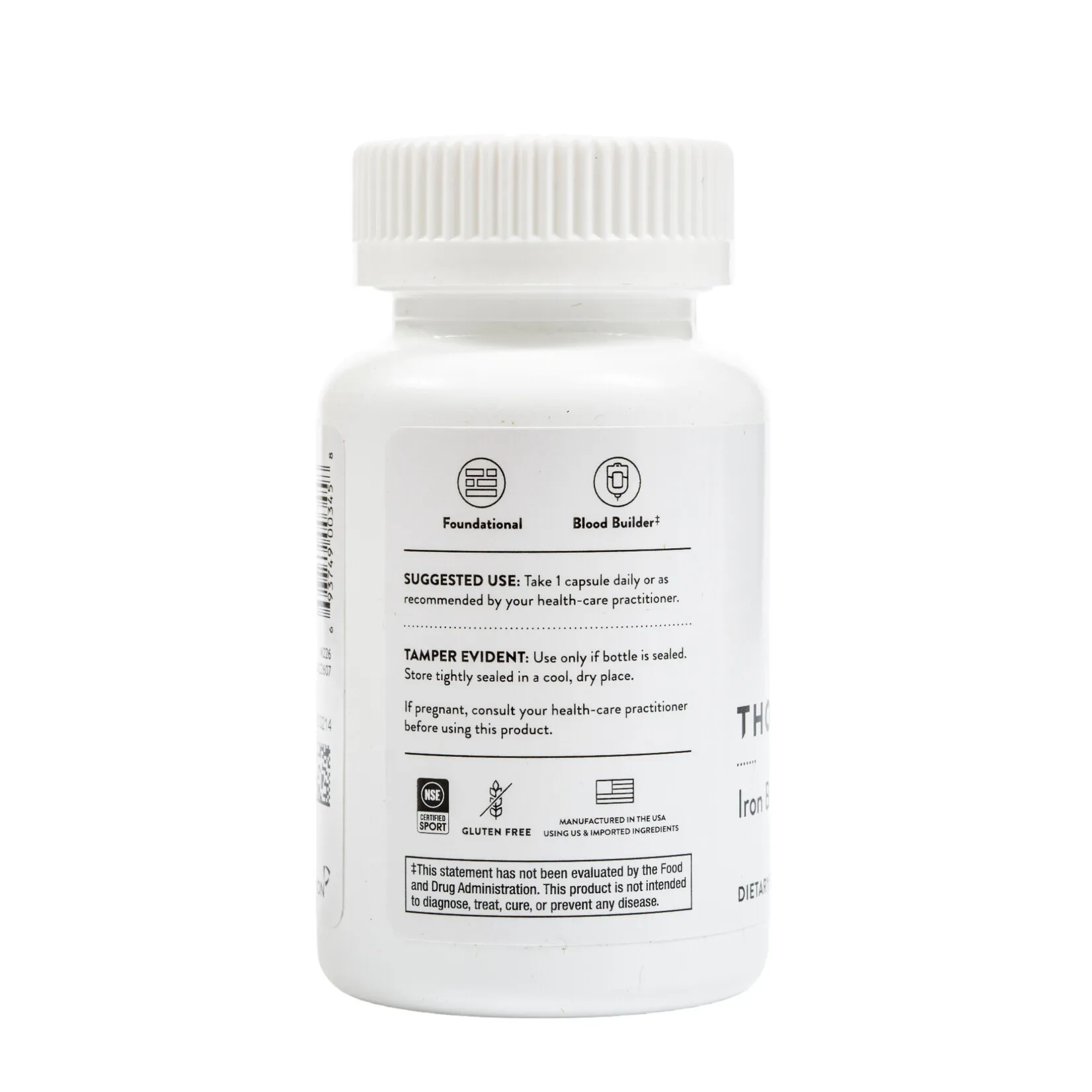
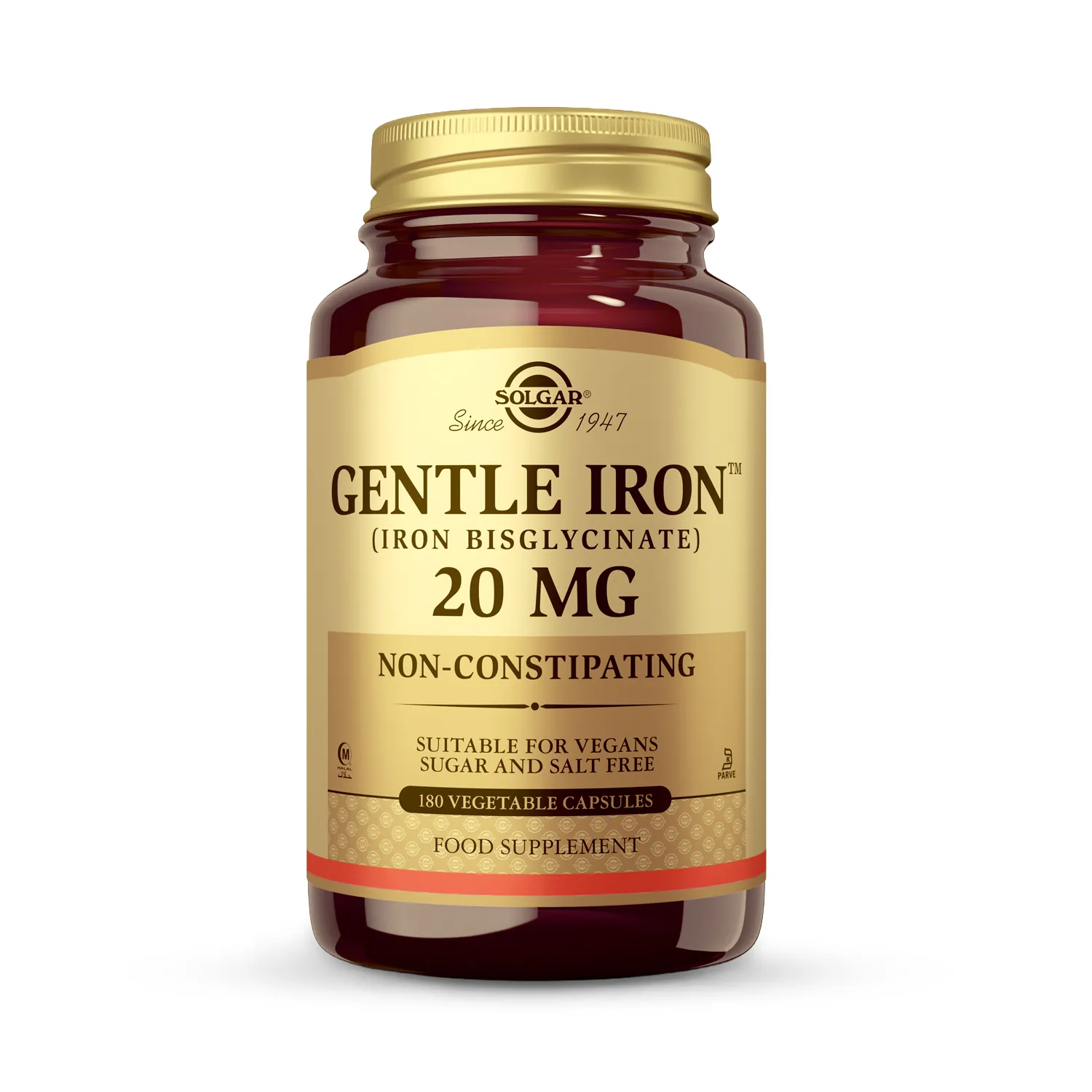
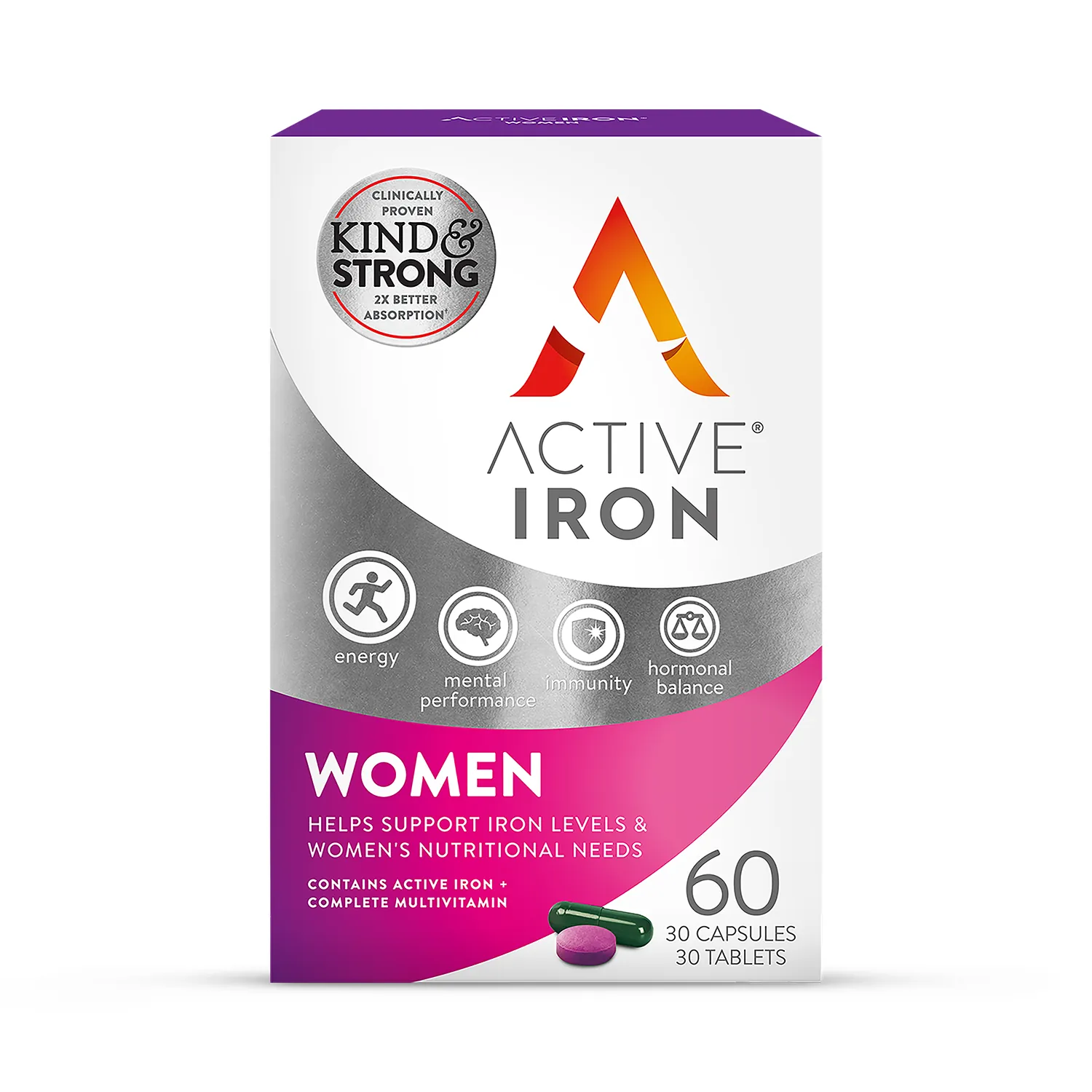
Top Vitamin C Products on AIScored
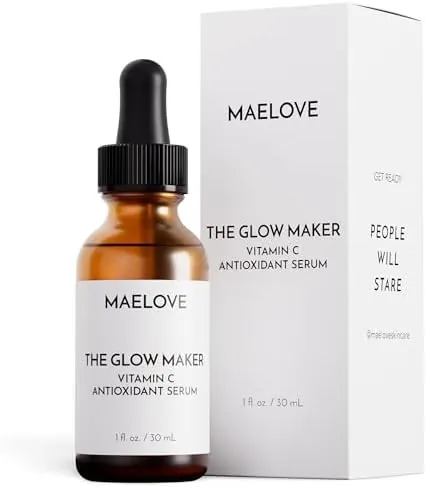
MAELOVE Vitamin C Serum, Glow Maker with Vitamins C, E, Ferulic Acid and Hyaluronic Acid, Fragrance-Free, Award-Winning Highlighting and Moisturizing Face Serum, 50 ml
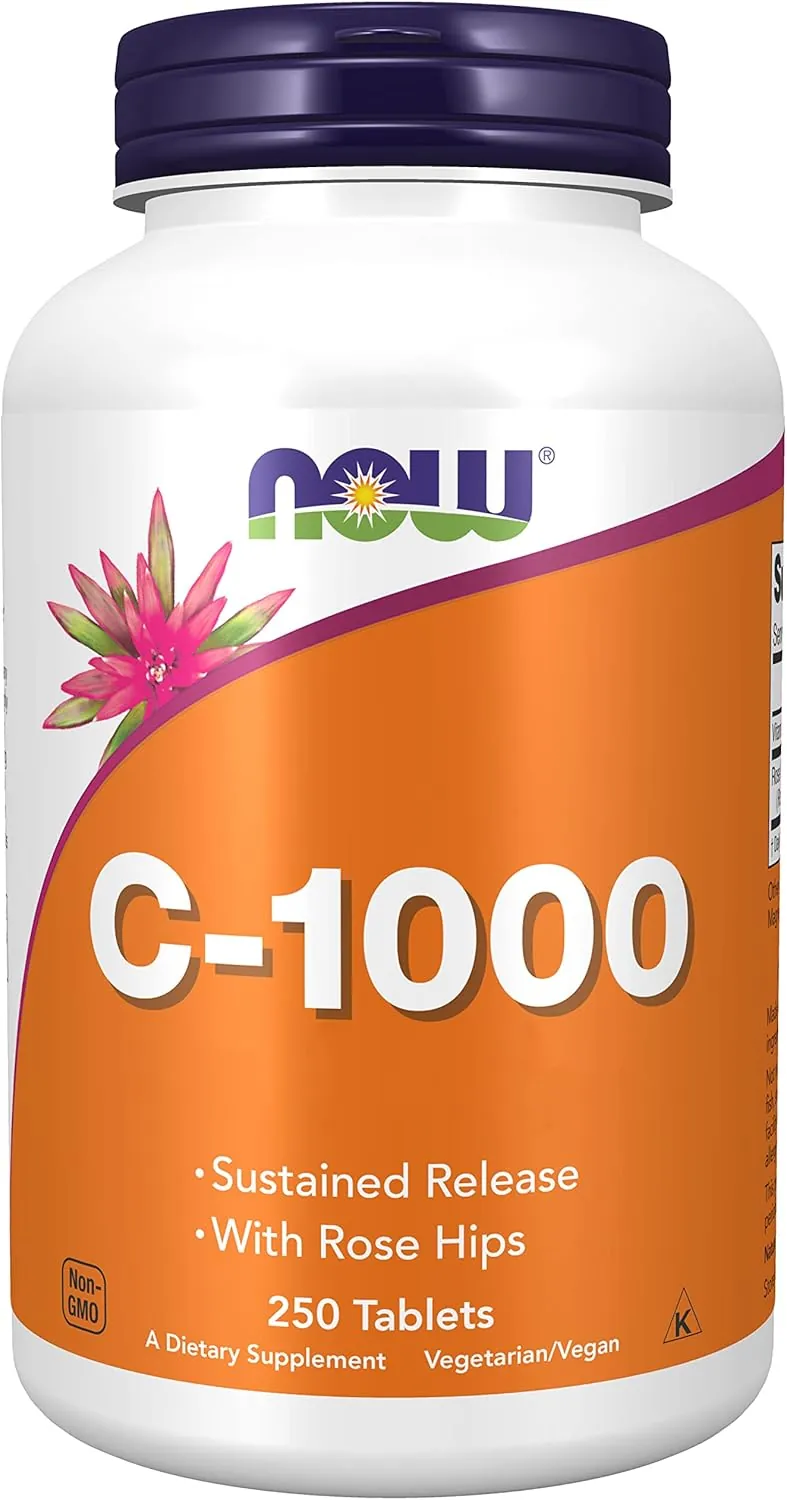
NOW Foods Vitamin C-1000 with Rose Hips & Bioflavonoids - 250 Tablets
Want to check more interactions?
Add these and other supplements to our interactive Stack Analyzer for a full analysis.
Build your full stack →