Important: This page is for informational purposes only, based on published peer-reviewed research and official UK dietary guidelines (NHS, EFSA, SACN). It does not constitute medical advice. Always consult your GP or pharmacist before starting, stopping, or combining supplements.
Iron and Zinc — Can You Take Them Together?
Overview
Iron and zinc are two of the most commonly supplemented minerals in the UK, with particular relevance for women of reproductive age, vegetarians, and those following restricted diets. Research suggests that when taken simultaneously at supplemental doses, these minerals compete directly for intestinal absorption, potentially reducing the efficacy of both. Understanding this interaction is relevant for anyone managing iron-deficiency anaemia alongside general micronutrient supplementation, or following a protocol that includes both minerals. Individual responses may vary depending on supplement form, dose, and dietary context.
How They Interact
The primary mechanism underlying the iron-zinc interaction involves competition at the divalent metal transporter 1 (DMT1), a shared intestinal uptake protein responsible for absorbing non-haem iron, zinc, and several other divalent cations. When either mineral is present in high concentrations, it saturates DMT1 and impairs transporter-mediated uptake of the other. Research by Solomons and Jacob (1981, Am J Clin Nutr) demonstrated that ferrous iron at Fe:Zn molar ratios of 2:1 and 3:1 substantially inhibited zinc absorption in healthy volunteers. Subsequent work by Whittaker (1998, Am J Clin Nutr) confirmed this bidirectional antagonism, noting that the interaction is most pronounced when minerals are co-administered in aqueous solution at supplemental doses. Importantly, this competitive inhibition appears considerably less significant when minerals are consumed as part of a mixed meal, where food matrices buffer transporter competition by slowing gastric transit and reducing free ion concentrations at the intestinal epithelium. The DMT1 pathway also transports manganese and cobalt, meaning multi-mineral formulations carry the greatest potential for inter-mineral competition.
Timing & Dosage Guidance
Research suggests that spacing iron and zinc supplementation by at least two hours may substantially reduce competitive absorption at the DMT1 transporter. A practical approach supported by the literature is to take iron in the morning — particularly alongside a source of vitamin C, which enhances non-haem iron absorption — and zinc with lunch or dinner, where food can also attenuate any residual competitive effects. EFSA notes that absorption interactions between supplemental minerals are dose-dependent, making separation especially relevant at higher therapeutic doses. Where iron is being taken under medical supervision to correct a deficiency, individual responses may vary and healthcare guidance should take precedence over general timing principles.
The competitive absorption effect between iron and zinc is dose-dependent and most clinically relevant at supplemental doses. Solomons and colleagues (1981) demonstrated significant inhibition at ferrous-to-zinc molar ratios of 2:1 or higher — ratios readily reached when combining a standard 14 mg therapeutic iron supplement with a 7 mg zinc supplement. At typical dietary intakes consistent with UK SACN reference nutrient intakes — 8.7 mg iron for adult men and 14.8 mg for women aged 19–50, alongside 9.5 mg zinc for men and 7 mg for women — the interaction is generally less clinically significant, as food matrices modify transporter kinetics. Chelated forms such as iron bisglycinate and zinc bisglycinate may be absorbed via partially distinct pathways, though robust human comparison trials remain limited.
Recommended Action
Taking these at least 2 hours apart may help avoid the absorption competition. For example, iron in the morning and zinc with lunch or dinner.
Iron Timing
When: Morning
Note: Best absorbed on an empty stomach with Vitamin C. Avoid with tea, coffee, calcium, or zinc within 2 hours.
Zinc Timing
When: Morning
Note: Take with food to prevent nausea. Away from iron and calcium supplements.
Scientific Evidence
4 peer-reviewed studies cited. All links lead to PubMed abstracts.
American Journal of Clinical Nutrition (1981) · PMID: 7223699
Ferrous iron at Fe:Zn molar ratios of 2:1 and 3:1 substantially inhibited zinc absorption in healthy volunteers, while haem iron and food-based zinc sources produced no significant competitive effect.
American Journal of Clinical Nutrition (1998) · PMID: 9701159
Confirmed bidirectional competitive inhibition between iron and zinc at high supplemental doses in aqueous solution, with the effect being substantially diminished during food-based mineral consumption.
Journal of Nutrition (1983) · PMID: 6822907
Ferric iron inhibited zinc absorption to a lesser degree than ferrous iron, and co-administration of ascorbic acid increased ferric iron's inhibitory effect by promoting its reduction to the ferrous form.
American Journal of Clinical Nutrition (2004) · PMID: 14668289
Reviewed inconsistencies in the human evidence base, concluding that iron's inhibitory effect on zinc absorption is most consistently demonstrated in supplementation trials rather than food-based or community field studies.
Frequently Asked Questions
Many multivitamin and mineral products combine iron and zinc, often at lower doses where the interaction may be less pronounced. Research suggests that competitive absorption is strongest when both minerals are taken in solution at high supplemental doses. If either mineral is being taken therapeutically — for example to address iron-deficiency anaemia — a single-mineral supplement taken separately is likely to support better bioavailability. Individual responses may vary depending on form and dose.
Studies indicate the competitive effect is strongest with inorganic salt forms such as ferrous sulphate and zinc sulphate in aqueous solution. Research by Solomons et al. (1983, J Nutr) found that ferric iron inhibited zinc absorption to a lesser degree than ferrous iron. Chelated forms such as iron bisglycinate and zinc bisglycinate may have different absorption kinetics that partially bypass DMT1, potentially reducing direct transporter competition, though robust head-to-head human trials remain limited.
Research suggests the interaction is considerably less significant when both minerals are consumed as part of a mixed meal. Food matrices slow gastric transit and reduce the concentration of free divalent ions at the intestinal epithelium, which attenuates transporter competition. The inhibitory effects documented in clinical studies were primarily observed with supplemental doses in aqueous form. Eating zinc-rich foods such as seeds, nuts, and wholegrains alongside iron-rich foods is unlikely to cause clinically meaningful absorption interference.
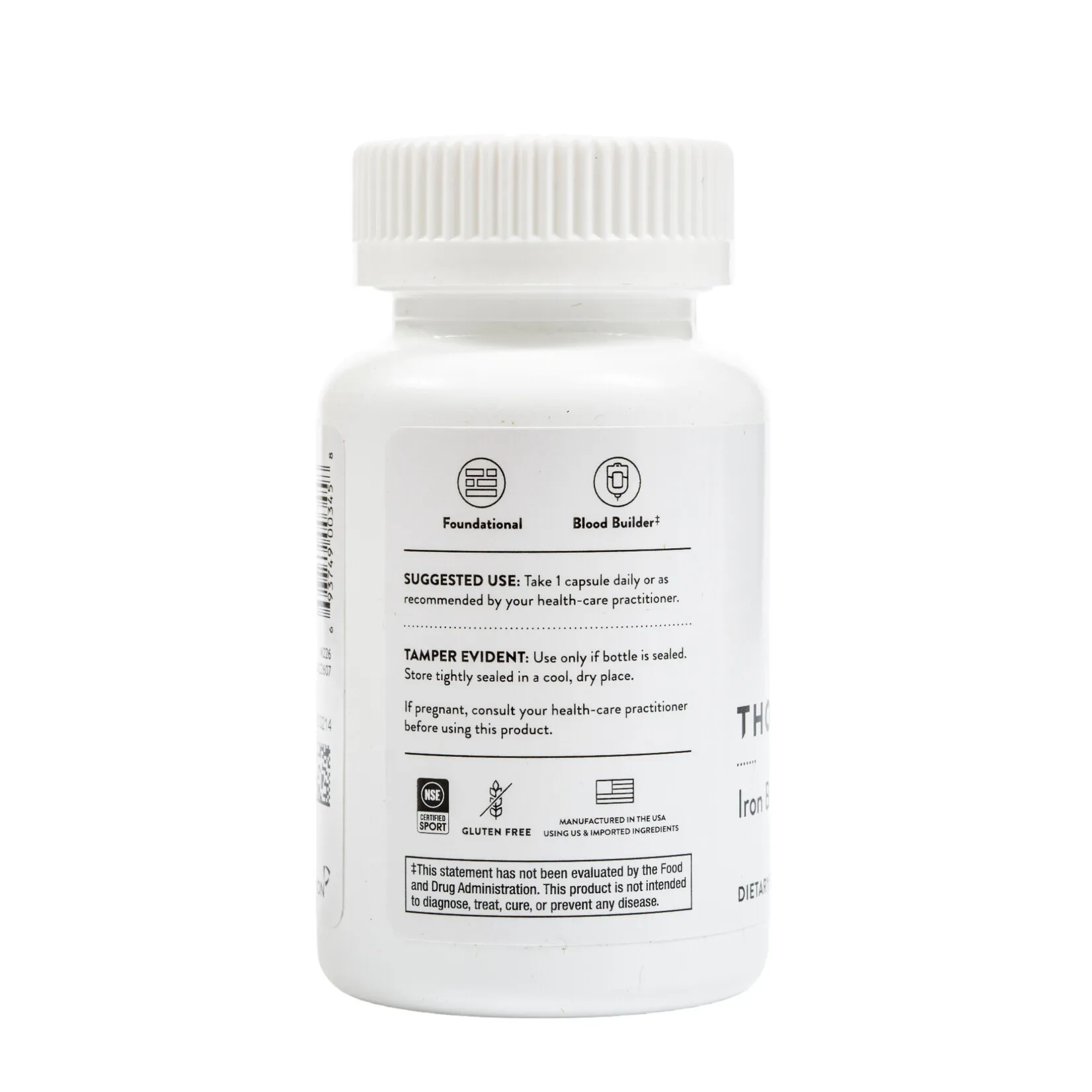
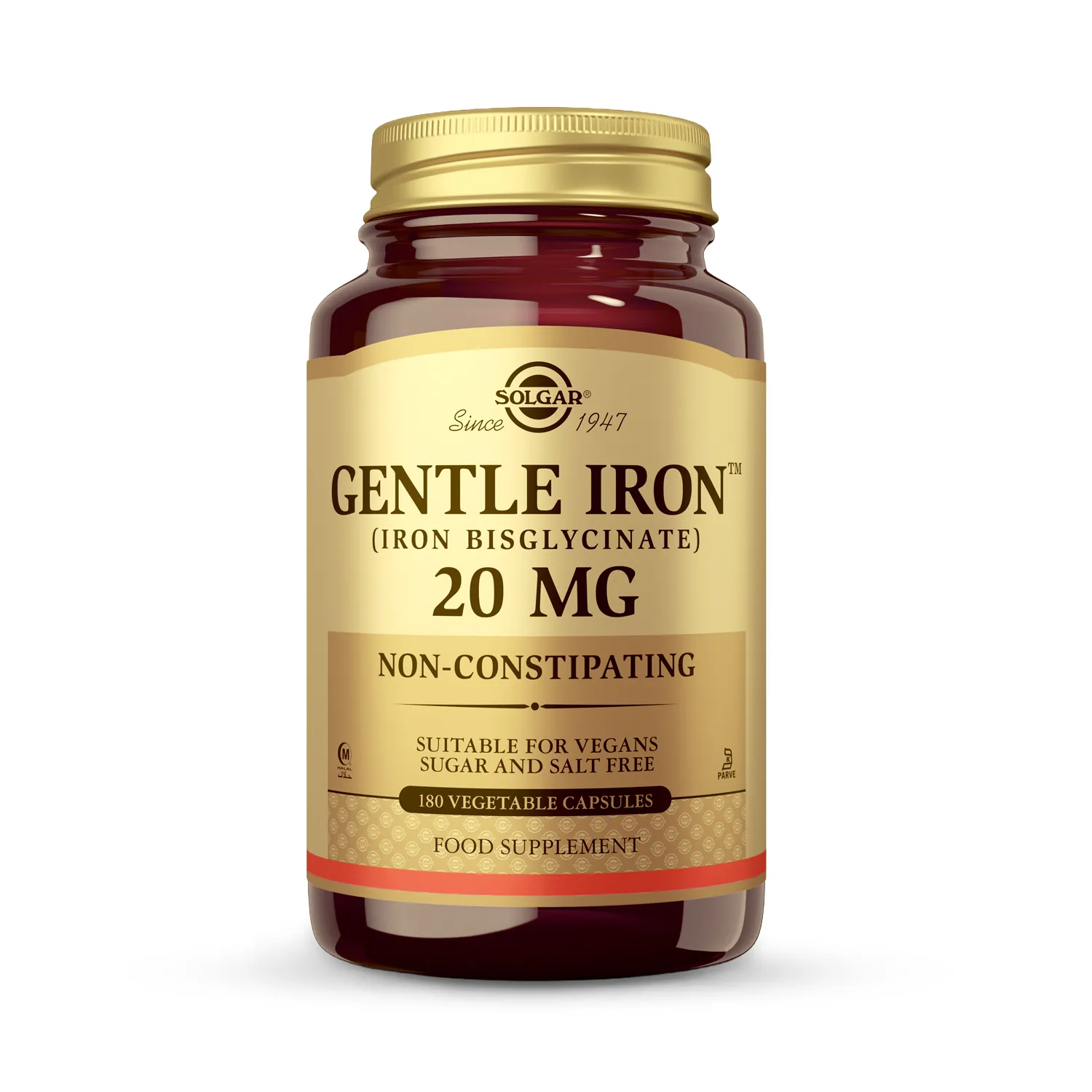
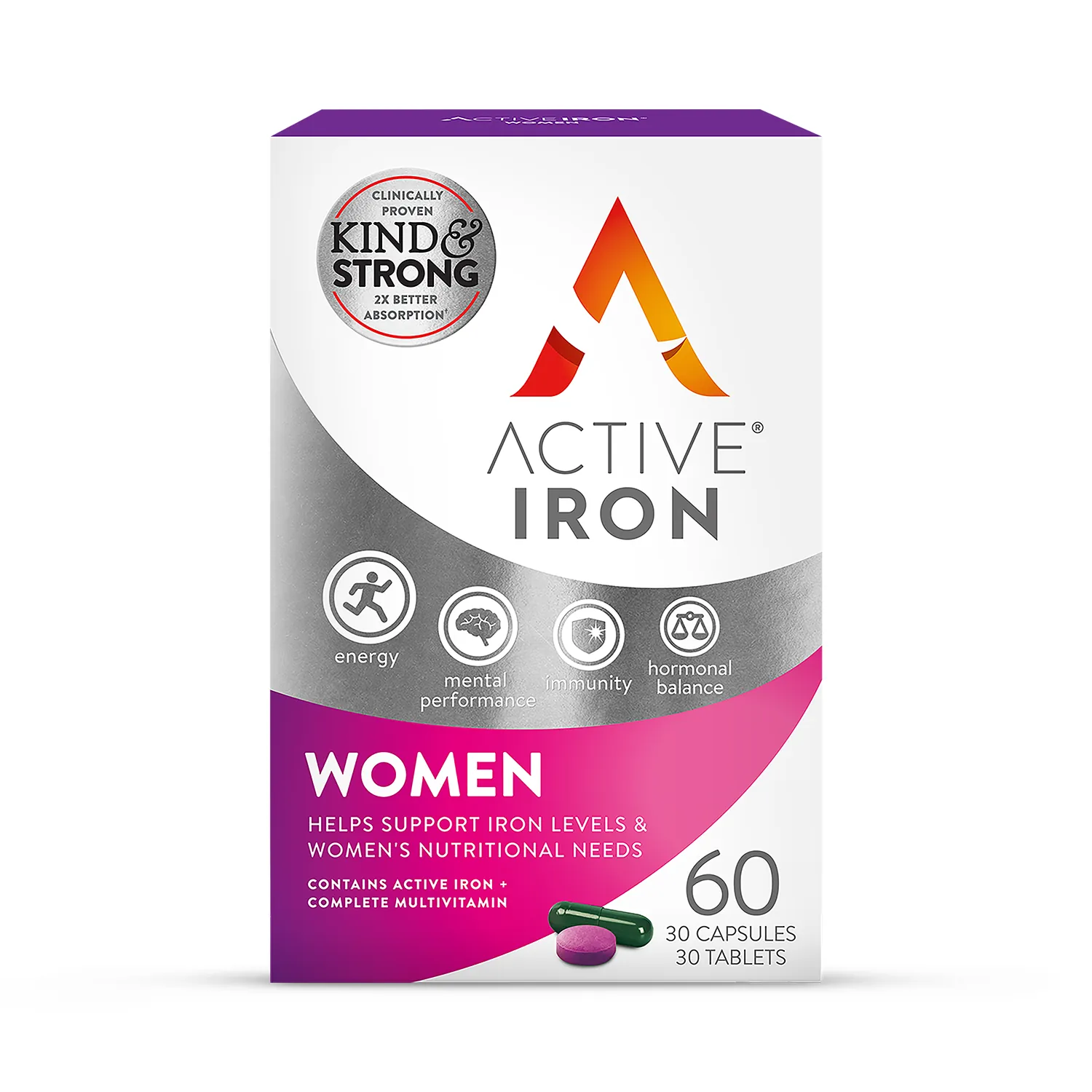
Top Iron Products on AIScored
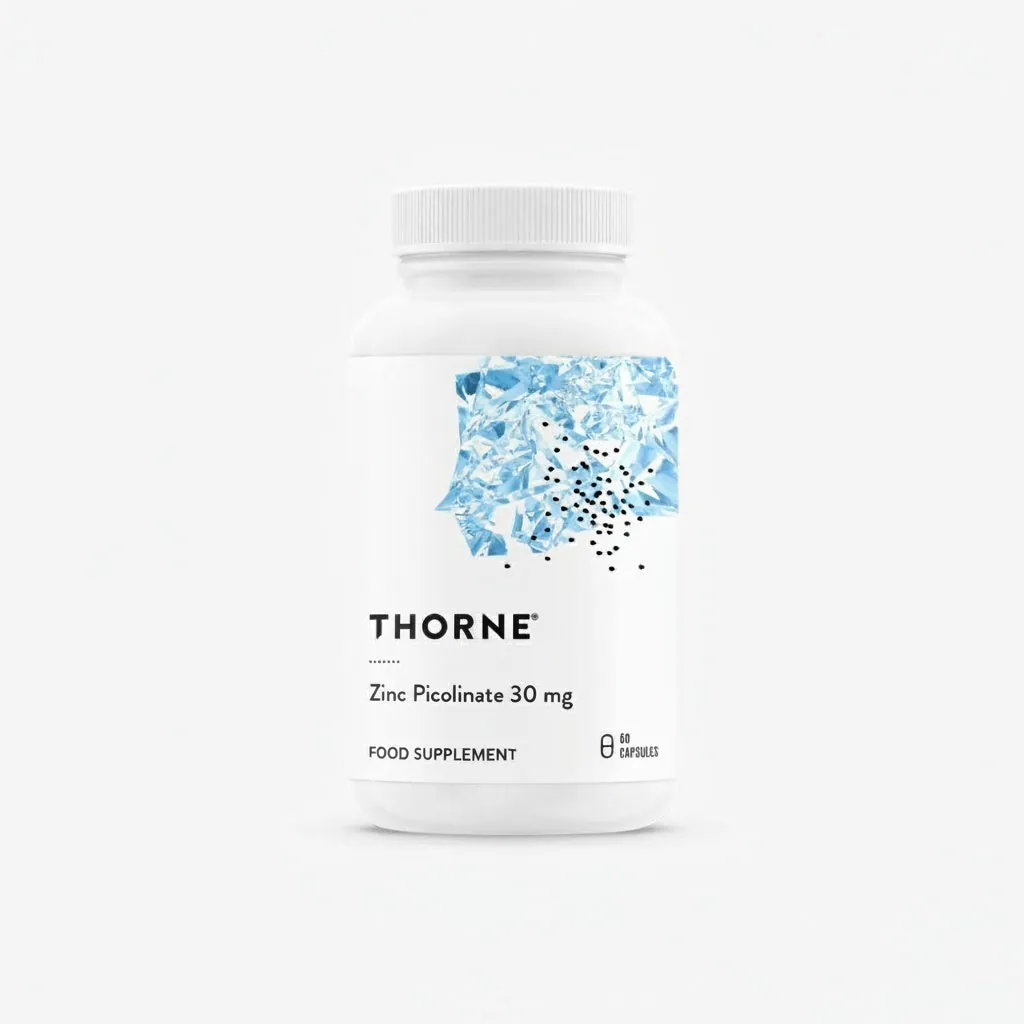
Top Zinc Products on AIScored
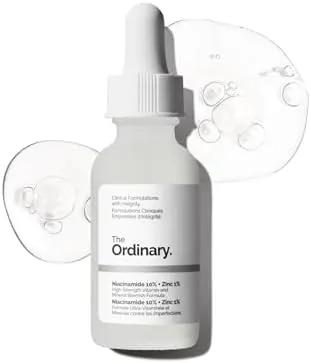
The Ordinary Niacinamide 10% + Zinc 1%, Brightening & Smoothing Serum for Blemish-Prone Skin, 30ml
Want to check more interactions?
Add these and other supplements to our interactive Stack Analyzer for a full analysis.
Build your full stack →