Important: This page is for informational purposes only, based on published peer-reviewed research and official UK dietary guidelines (NHS, EFSA, SACN). It does not constitute medical advice. Always consult your GP or pharmacist before starting, stopping, or combining supplements.
L-Theanine and Magnesium — Can You Take Them Together?
Overview
L-theanine and magnesium are among the most widely used supplements for relaxation and stress management in the UK. Both influence the central nervous system through complementary neurochemical pathways — yet they operate via distinct mechanisms, which suggests that combining them may offer additive rather than redundant benefits. Research indicates this pairing supports calm alertness rather than sedation, making it of interest to individuals managing daily stress, seeking sleep support, or aiming to maintain focus under pressure. Individual responses may vary, and neither supplement replaces professional guidance for persistent health concerns.
How They Interact
L-theanine (N-ethyl-L-glutamine), an amino acid found predominantly in green tea, exerts its calming effects through several neurochemical pathways. It elevates alpha-band brain wave activity — the oscillatory pattern associated with wakeful relaxation — and modulates the release of GABA, serotonin, and dopamine without producing sedation. Research also indicates that L-theanine inhibits glutamate binding at excitatory receptor subtypes, attenuating neural over-excitation (Kimura et al., Biological Psychology, 2007). Magnesium operates through partially overlapping but distinct mechanisms. As the body's natural NMDA receptor antagonist, it blocks the receptor channel in a voltage-dependent manner, restricting excitatory calcium influx. Research further suggests that magnesium modulates GABA-A receptor function, supporting inhibitory neurotransmission — a mechanism that may partly explain its documented effects on stress markers (Boyle et al., Nutrients, 2017). The two compounds therefore address calm alertness from different angles: L-theanine primarily via alpha-wave promotion and monoamine modulation, magnesium through glutamate suppression and GABAergic facilitation.
Timing & Dosage Guidance
Neither compound requires specific meal timing, though there are practical considerations. Magnesium forms such as magnesium oxide may cause loose stools in sensitive individuals when taken on an empty stomach; taking magnesium with food is generally recommended. L-theanine is typically absorbed within 30–60 minutes and is effective without food. When combining both, taking them together — either in the morning for daytime stress management or in the evening for sleep support — is a practical approach supported by available research. Individual responses to timing may vary depending on form and dose.
The NHS does not set a reference nutrient intake for L-theanine, as it is not an essential nutrient; studies demonstrating stress-related benefits typically use 100–200 mg per dose. For magnesium, SACN reference nutrient intakes are 300 mg/day for adult men and 270 mg/day for adult women. Supplemental doses in clinical research commonly range from 200–400 mg elemental magnesium. The NHS advises that supplemental magnesium above 400 mg/day may cause diarrhoea; dietary intake should be factored in when calculating total daily amounts. Those with renal impairment should consult a healthcare professional before supplementing magnesium.
Recommended Action
This combination is popular for relaxation and focus. Both can be taken together, any time of day.
L-Theanine Timing
When: Any
Note: Can be taken any time. Often paired with caffeine (2:1 ratio) for focused calm. Evening use supports relaxation.
Magnesium Timing
When: Evening
Note: Evening preferred — may promote relaxation. Take with food to reduce GI discomfort.
Scientific Evidence
4 peer-reviewed studies cited. All links lead to PubMed abstracts.
Biological Psychology (2007) · PMID: 16930802
Oral L-theanine attenuated acute stress-induced increases in heart rate and salivary immunoglobulin A, consistent with inhibition of sympathetic nervous activation.
Nutrients (2017) · PMID: 28445426
A systematic review found consistent evidence that magnesium supplementation reduces subjective stress measures, particularly in mildly deficient or vulnerable populations.
Nutrients (2019) · PMID: 31623400
Four weeks of L-theanine (200 mg/day) significantly reduced self-reported stress-related symptoms and improved verbal fluency and executive function compared to placebo in healthy adults.
Frontiers in Nutrition (2022) · PMID: 35449538
An Mg-L-theanine complex enhanced GABAergic and serotonergic receptor expression, reduced sleep latency, and increased delta wave power compared to L-theanine alone in a preclinical model.
Frequently Asked Questions
Research indicates no known pharmacological interaction between L-theanine and magnesium that would make simultaneous dosing problematic. Multi-ingredient formulas containing both have been studied in human trials without reported safety concerns. Taking them together is a common approach, particularly in products formulated for relaxation or sleep support. Beginning with standard doses and monitoring individual responses is a sensible precaution, as with any combination of supplements.
Available evidence suggests that L-theanine promotes relaxation without sedation — a property that distinguishes it from many sedating compounds. Magnesium at typical supplemental doses does not appear to impair daytime alertness. The combination is sometimes described in the literature as supporting calm focus rather than lethargy. Individual responses may vary based on dose, form, and personal sensitivity, so those new to either supplement may wish to trial an evening dose first.
No clinical trial has directly compared magnesium forms in combination with L-theanine. However, magnesium glycinate and magnesium taurate are generally considered well-absorbed and gentler on digestion, making them common choices for relaxation-oriented supplementation. Magnesium L-threonate has attracted research interest for neurocognitive applications due to its ability to cross the blood-brain barrier more readily. Magnesium oxide has comparatively lower bioavailability and is more likely to cause gastrointestinal discomfort.
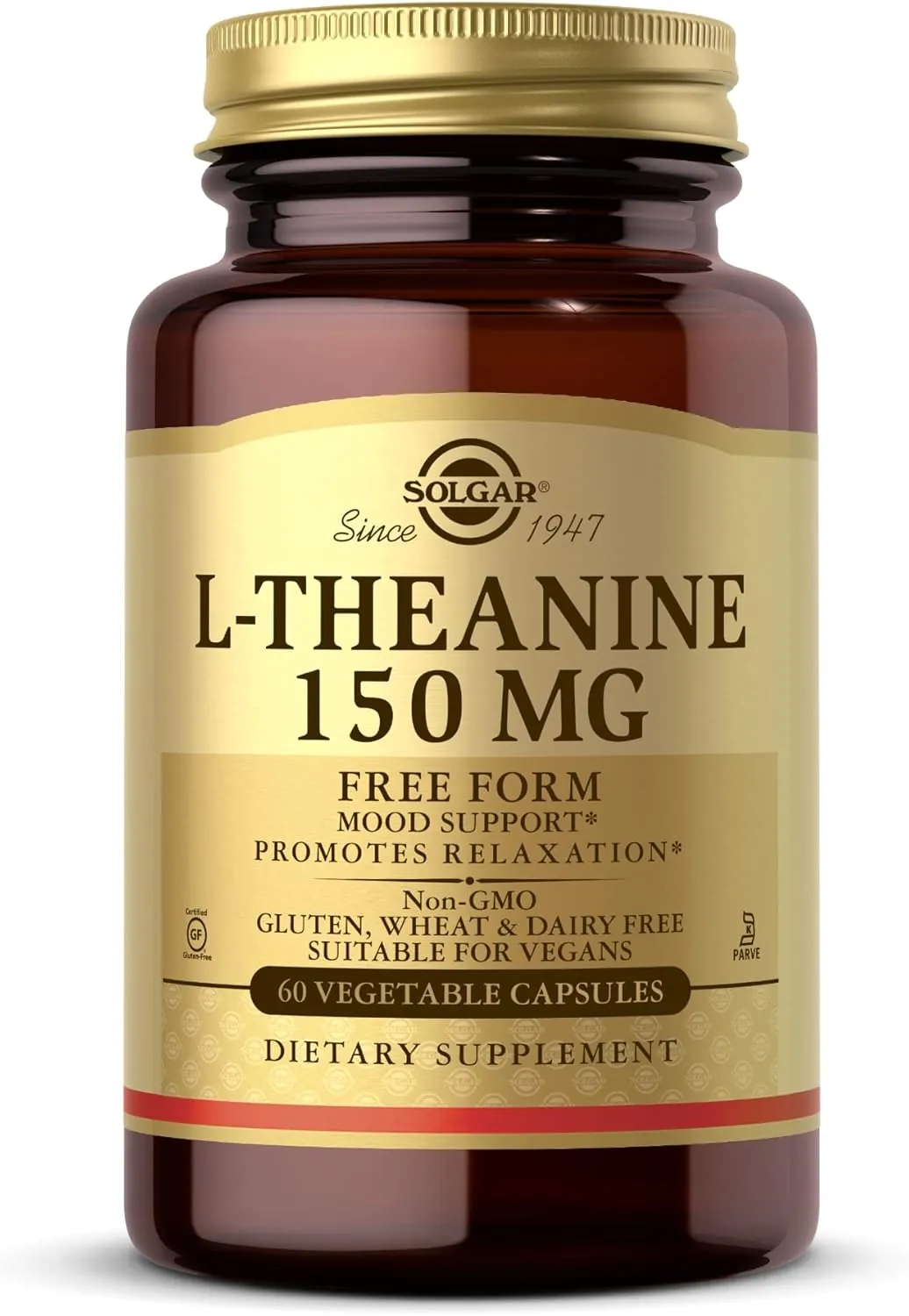
Top L-Theanine Products on AIScored
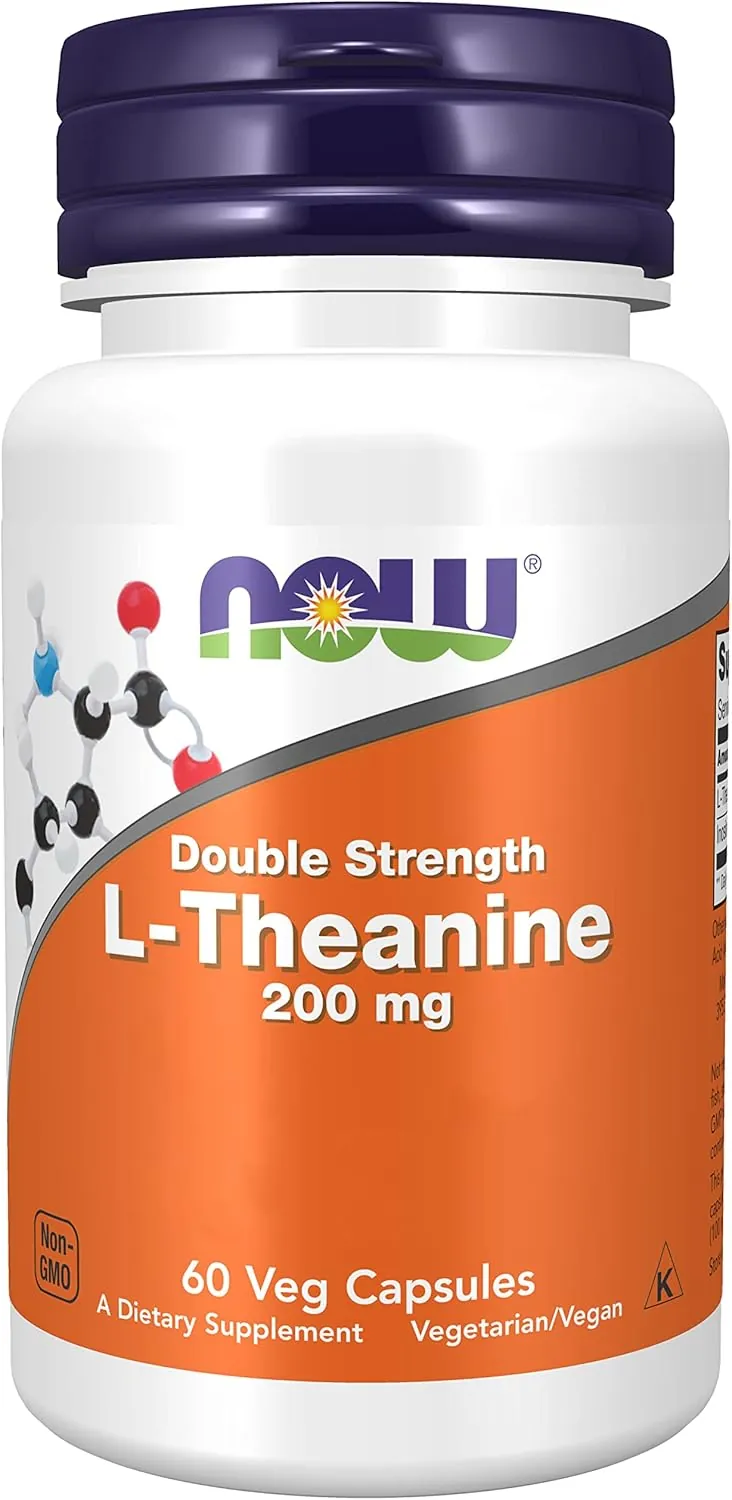
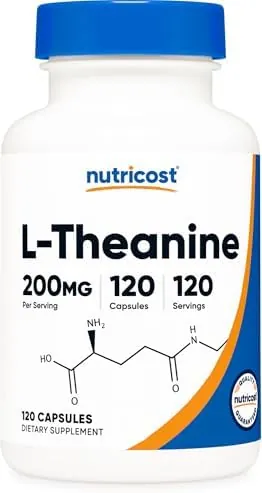
Nutricost L-Theanine 200mg, 120 Capsules, Double Strength - Non-GMO, Gluten Free
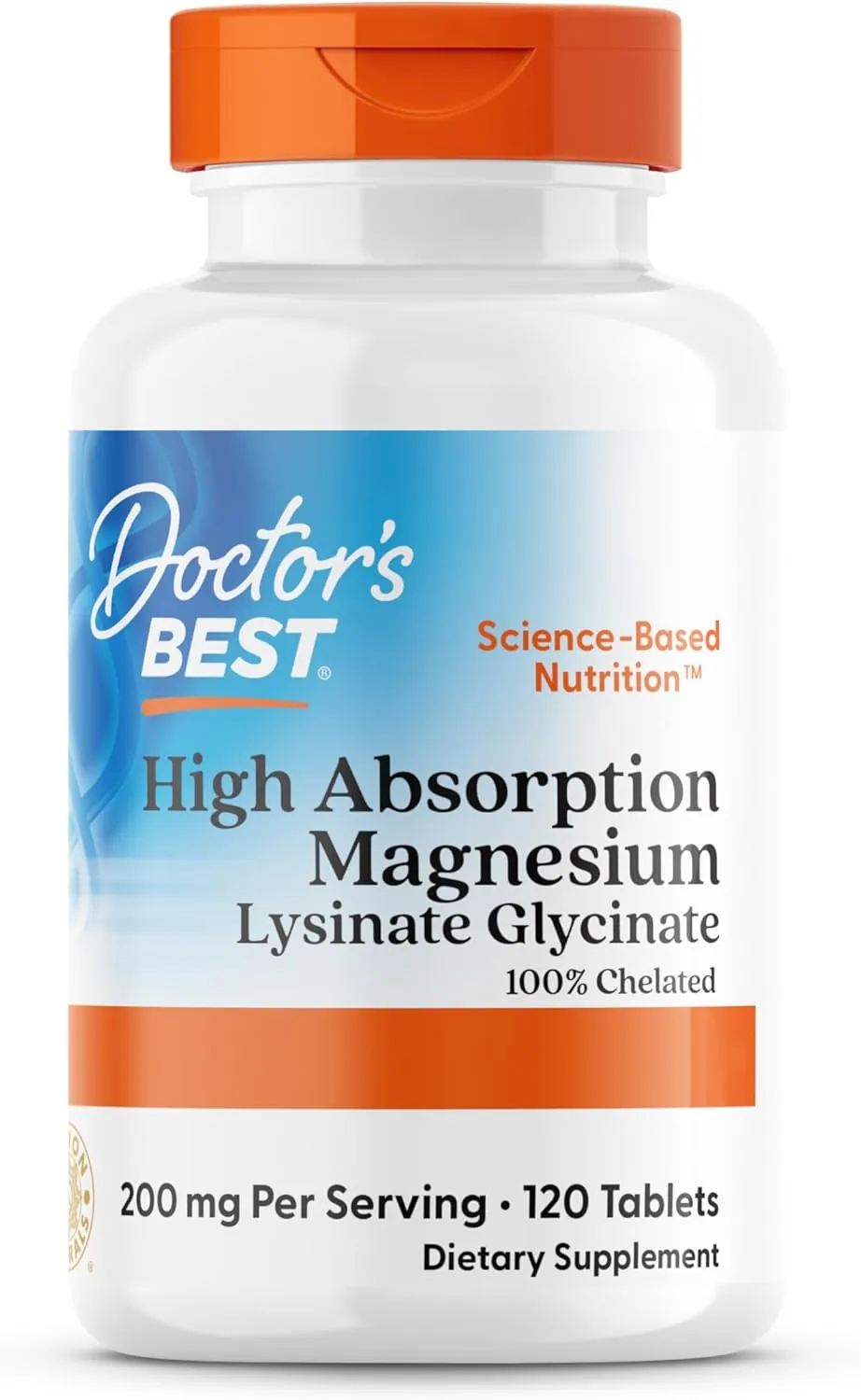
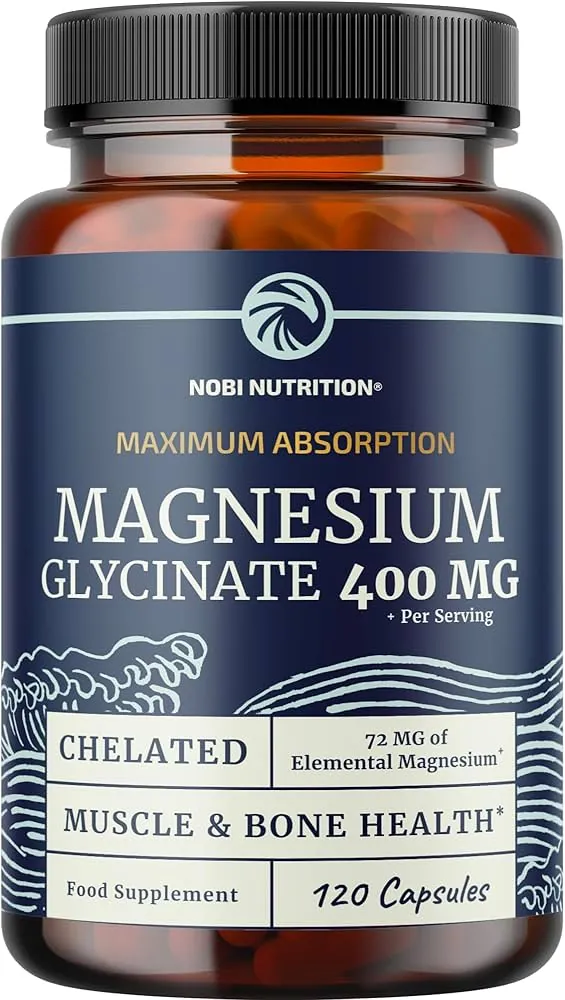
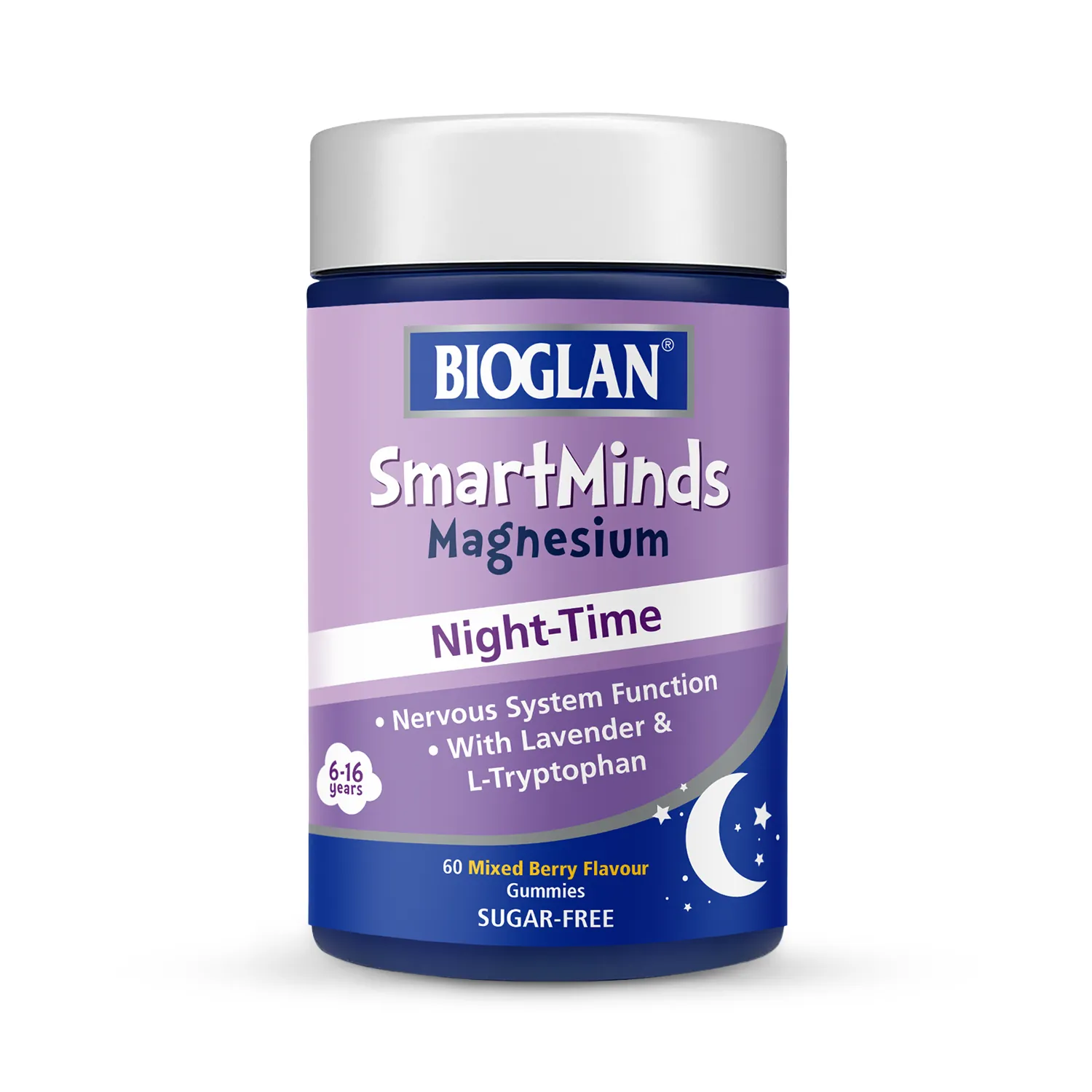
Top Magnesium Products on AIScored
Want to check more interactions?
Add these and other supplements to our interactive Stack Analyzer for a full analysis.
Build your full stack →