Important: This page is for informational purposes only, based on published peer-reviewed research and official UK dietary guidelines (NHS, EFSA, SACN). It does not constitute medical advice. Always consult your GP or pharmacist before starting, stopping, or combining supplements.
Maca and Zinc — Can You Take Them Together?
Overview
Maca (Lepidium meyenii) and zinc are both associated with reproductive health, though they appear to operate through distinct mechanisms. Zinc holds EFSA-approved status for contributing to 'normal fertility and reproduction' and 'normal testosterone levels in the blood', whilst maca — an Andean root with a long tradition of use in Peru — is under increasing scientific investigation for its effects on sexual function and fertility parameters. Research suggests these two nutrients may address complementary aspects of men's reproductive health, which likely accounts for their frequent pairing in dedicated men's health formulations. Individual responses may vary.
How They Interact
Zinc is a cofactor in numerous enzymatic reactions implicated in testosterone biosynthesis, including those involving luteinising hormone (LH) receptors on Leydig cells in the testes. A controlled dietary study by Prasad et al. (1996) published in Nutrition (PMID 8875519) demonstrated that zinc restriction in healthy young men caused a significant fall in serum testosterone over 20 weeks, whilst supplementation in marginally deficient elderly men produced measurable increases. Zinc also supports sperm maturation and DNA integrity throughout spermatogenesis, as reviewed by Fallah et al. (2018) in the Journal of Reproduction and Infertility (PMID 30009140). Maca, by contrast, does not appear to directly alter circulating testosterone. A 12-week double-blind, placebo-controlled trial by Gonzales et al. (2003) in the Journal of Endocrinology (PMID 12525260) found that 1,500 mg or 3,000 mg of maca daily had no significant effect on testosterone, FSH, LH, or oestradiol in healthy adult men. Instead, maca's bioactive compounds — principally glucosinolate derivatives known as macamides and macaenes — are hypothesised to modulate the hypothalamic-pituitary axis, supporting subjective measures of sexual function without modifying circulating hormone levels. Together, zinc may provide the biochemical substrate for testosterone synthesis whilst maca may act on neuroendocrine and functional aspects of reproductive health.
Timing & Dosage Guidance
There is no clinical evidence indicating that maca and zinc need to be taken separately throughout the day. Zinc is generally well absorbed on an empty stomach, though this can cause mild gastric discomfort in some individuals; taking it alongside a small meal is a practical and widely used approach. Maca is well tolerated with or without food, though its fat-soluble bioactive compounds may benefit from co-ingestion with dietary fat. Some individuals report that maca has an energising quality, making morning or early afternoon the preferred time of day. Neither supplement poses known timing conflicts with the other, and both can be conveniently included in a morning meal routine. Individual responses may vary.
The EFSA population reference intake for zinc is 9.5 mg per day for men and 7 mg per day for women. UK supplement doses typically range from 10 to 25 mg of elemental zinc daily; intakes consistently above 25 mg per day may impair copper absorption, a relevant consideration when assessing a combined men's health supplement stack. For maca, clinical trials have generally employed 1,500 to 3,000 mg per day of dried root powder or gelatinised equivalent. No EFSA-approved health claim currently exists for maca and no RDA has been established. Individuals taking hormonal therapies or prescribed medications are advised to consult a GP or registered dietitian before combining these supplements.
Recommended Action
This combination is used in men's health formulas. Both can be taken together with food.
Maca Timing
When: Morning
Note: Morning with food. Mildly energising. Different colours (red, black, yellow) may have different profiles — black for energy/libido, red for prostate/bone.
Zinc Timing
When: Morning
Note: Take with food to prevent nausea. Away from iron and calcium supplements.
Scientific Evidence
4 peer-reviewed studies cited. All links lead to PubMed abstracts.
Andrologia (2002) · PMID: 12472620
Maca supplementation improved self-reported sexual desire after 8 weeks of treatment without producing any significant change in serum testosterone or oestradiol levels.
Journal of Endocrinology (2003) · PMID: 12525260
A 12-week double-blind RCT found maca at 1,500 mg or 3,000 mg per day had no significant effect on serum testosterone, FSH, LH, prolactin, or oestradiol in healthy adult men.
Nutrition (1996) · PMID: 8875519
Dietary zinc restriction in healthy young men significantly reduced serum testosterone over 20 weeks; zinc supplementation in marginally deficient elderly men produced a measurable increase in testosterone levels.
Journal of Reproduction and Infertility (2018) · PMID: 30009140
Comprehensive review confirming zinc's critical role in testosterone biosynthesis, spermatogenesis, sperm motility, and morphology, with deficiency consistently linked to impaired male fertility parameters.
Frequently Asked Questions
Based on current human evidence, maca does not appear to directly elevate serum testosterone. A 12-week double-blind, placebo-controlled trial by Gonzales et al. (2003, Journal of Endocrinology, PMID 12525260) found maca supplementation had no significant effect on testosterone, FSH, LH, or oestradiol in healthy adult men. Research suggests maca's benefits for sexual function and desire may be mediated through neuroendocrine pathways rather than direct androgenic activity. Individual responses may vary.
There are no known adverse interactions between zinc and maca, and the two are routinely combined in men's health formulations. The principal consideration with zinc is dose: prolonged supplementation above approximately 25 mg per day can interfere with copper absorption, as noted in NHS and EFSA guidance. Maca is generally considered well tolerated at clinically researched doses. Anyone with a pre-existing health condition or taking prescribed medication should seek advice from a GP or pharmacist before supplementing.
Clinical trials on maca have typically run for 8 to 12 weeks. A randomised trial by Gonzales et al. (2002, Andrologia, PMID 12472620) found improvements in sexual desire were observable from approximately 8 weeks of supplementation. Zinc's contribution to testosterone is most relevant in the context of marginal deficiency, and repletion effects may take several weeks to months to manifest. Individual responses vary considerably depending on baseline nutritional status and other health factors.
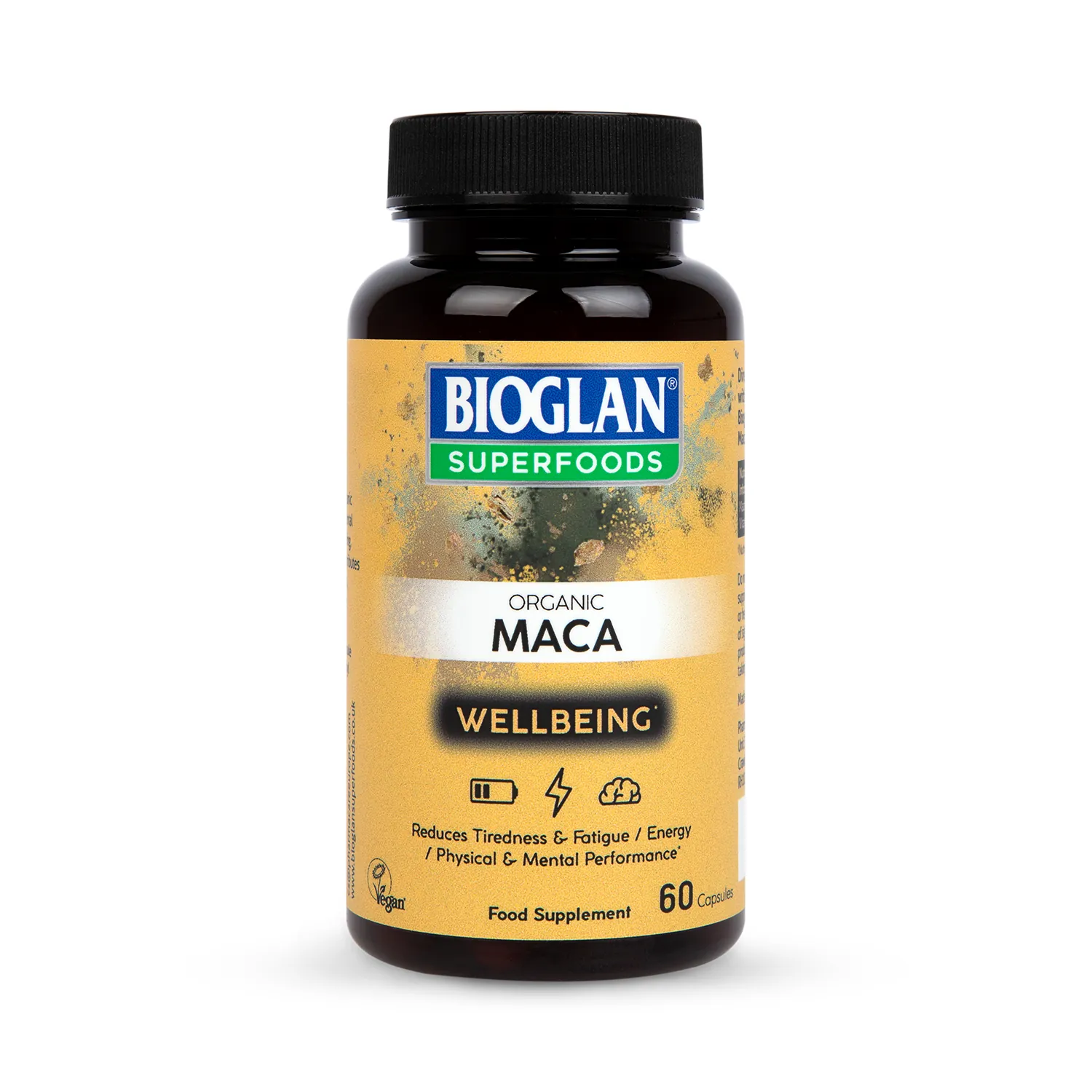
Top Maca Products on AIScored
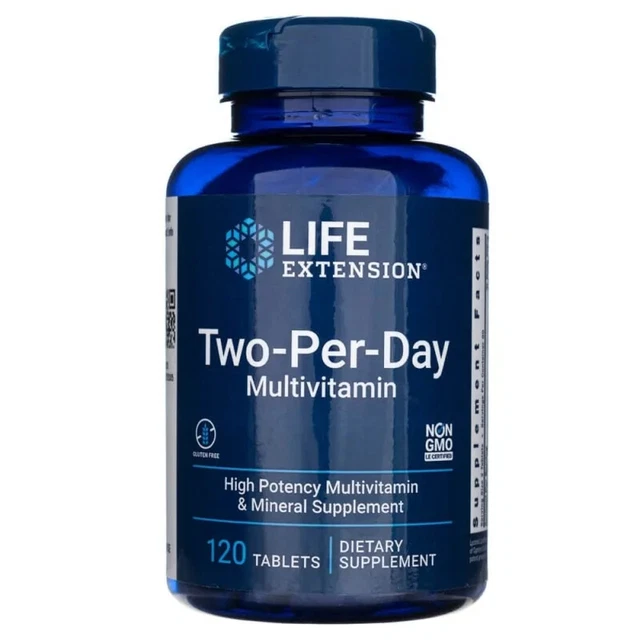
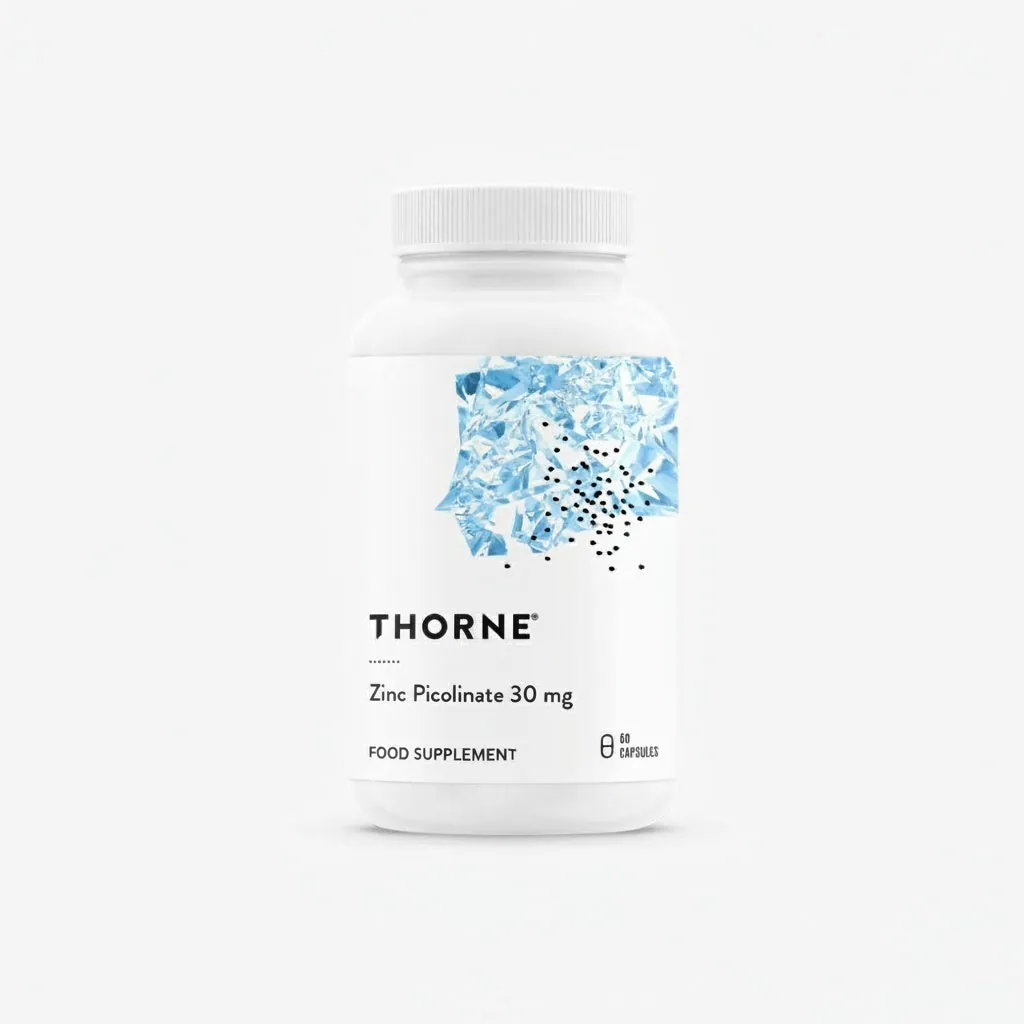
Top Zinc Products on AIScored
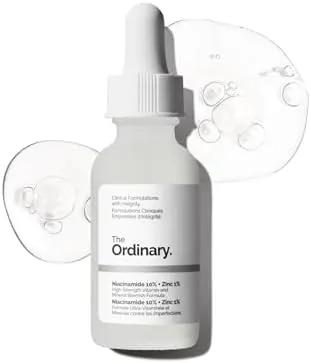
The Ordinary Niacinamide 10% + Zinc 1%, Brightening & Smoothing Serum for Blemish-Prone Skin, 30ml
Want to check more interactions?
Add these and other supplements to our interactive Stack Analyzer for a full analysis.
Build your full stack →