Important: This page is for informational purposes only, based on published peer-reviewed research and official UK dietary guidelines (NHS, EFSA, SACN). It does not constitute medical advice. Always consult your GP or pharmacist before starting, stopping, or combining supplements.
Magnesium and Melatonin — Can You Take Them Together?
Overview
Magnesium and melatonin represent one of the more studied supplement pairings for sleep support. The two compounds operate through distinct but complementary mechanisms: magnesium works upstream in the sleep pathway by modulating neurotransmitter activity and supporting the body's own melatonin synthesis, whilst exogenous melatonin acts directly on circadian signalling pathways. Research suggests that combining them may address multiple aspects of sleep regulation simultaneously. Individual responses may vary, and those with persistent sleep difficulties should consult a GP or registered healthcare professional.
How They Interact
Magnesium is a cofactor in the enzymatic conversion of tryptophan to serotonin, and subsequently in the conversion of serotonin to melatonin via serotonin N-acetyltransferase (SNAT). This places magnesium directly within the endogenous melatonin biosynthesis pathway. A double-blind trial by Abbasi et al. (2012) found that magnesium supplementation significantly increased serum melatonin concentrations compared to placebo, supporting this biochemical relationship. Separately, magnesium modulates GABA-A receptor activity — the primary inhibitory neurotransmitter system — and antagonises NMDA receptors, attenuating excitatory signalling that can delay sleep onset. It also activates the parasympathetic nervous system, reducing physiological arousal at bedtime. Exogenous melatonin operates through a downstream mechanism: binding to MT1 and MT2 receptors in the suprachiasmatic nucleus (SCN), the brain's central circadian pacemaker, triggering the physiological cascade associated with sleep onset. Together, the two compounds address both the upstream capacity to synthesise sleep hormones and the downstream circadian signal required to initiate sleep.
Timing & Dosage Guidance
Research suggests both compounds are most effective when taken in the evening. Melatonin is typically taken 30–60 minutes before the desired sleep time, mirroring the natural rise in endogenous melatonin that begins approximately 1–2 hours before habitual sleep onset. Magnesium can be taken concurrently with melatonin, as no interaction requires separation. Both are generally compatible with a light evening meal; magnesium glycinate and citrate are typically well tolerated on an empty stomach, whilst magnesium oxide may be better tolerated with food. Individual responses to timing may vary.
Studies investigating magnesium for sleep support have typically used 200–500 mg of elemental magnesium daily. The UK Scientific Advisory Committee on Nutrition (SACN) reference nutrient intakes are 300 mg/day for adult men and 270 mg/day for adult women. Magnesium glycinate, citrate, and L-threonate are generally considered to have superior bioavailability over oxide forms. In the UK, melatonin is a prescription-only medicine (POM) above 1 mg under MHRA classification; lower-dose food supplements (typically 0.5–1 mg) are available over the counter. Clinical studies have used melatonin doses ranging from 0.5 mg to 5 mg. Starting at the lowest effective dose is generally advisable, and individual responses may vary.
Recommended Action
Both are commonly taken in the evening 30-60 minutes before bed. They can be taken together.
Magnesium Timing
When: Evening
Note: Evening preferred — may promote relaxation. Take with food to reduce GI discomfort.
Melatonin Timing
When: Evening
Note: Take 30-60 minutes before bed in dim light. Lower doses (0.5-1 mg) are often more effective than high doses. In UK, doses above 2 mg are prescription only (Circadin).
Scientific Evidence
4 peer-reviewed studies cited. All links lead to PubMed abstracts.
Journal of Research in Medical Sciences (2012) · PMID: 23853635
Magnesium supplementation significantly increased serum melatonin concentrations and improved objective sleep measures including sleep time and efficiency compared to placebo in elderly participants.
Journal of the American Geriatrics Society (2011) · PMID: 21226679
Eight weeks of nightly supplementation with melatonin (5 mg), magnesium (225 mg), and zinc (11.25 mg) produced significantly better Pittsburgh Sleep Quality Index scores than placebo in elderly care facility residents.
Open Access Macedonian Journal of Medical Sciences (2019) · PMID: 31850132
A 3-month double-blind trial in 60 adults found that combined magnesium, melatonin, and B-vitamin supplementation significantly reduced insomnia severity index scores compared to baseline.
Chronobiology International (2024) · PMID: 38745424
A 4-week randomised crossover trial found that a melatonin (1.9 mg) and magnesium (200 mg) combination improved sleep efficiency, sleep onset latency, and PSQI scores compared to placebo in adults with sleep disturbances.
Frequently Asked Questions
Research suggests no adverse interaction between magnesium and melatonin. Multiple clinical trials, including Rondanelli et al. (2011) and Djokic et al. (2019), have administered both concurrently without reported safety concerns in healthy adults. Magnesium has a well-established safety profile at reference nutrient intake levels, and melatonin is generally considered well tolerated at low doses. Those taking medication or with underlying health conditions should consult a GP or pharmacist before use. Individual responses may vary.
Evidence suggests it may. A double-blind placebo-controlled trial by Abbasi et al. (2012, Journal of Research in Medical Sciences) found that magnesium supplementation was associated with significantly increased serum melatonin concentrations compared to placebo. This is consistent with magnesium's established role as a cofactor for serotonin N-acetyltransferase, the enzyme responsible for converting serotonin into melatonin within the pineal gland's biosynthesis pathway.
Magnesium glycinate (bisglycinate) is widely considered one of the most bioavailable forms and is less likely to cause gastrointestinal discomfort than magnesium oxide or sulphate. Magnesium L-threonate has been specifically studied for its ability to cross the blood-brain barrier. Magnesium citrate is another well-absorbed option. The most suitable form depends on individual tolerance and dietary context; checking the elemental magnesium content per serving, rather than the total compound weight, is advisable when comparing products.
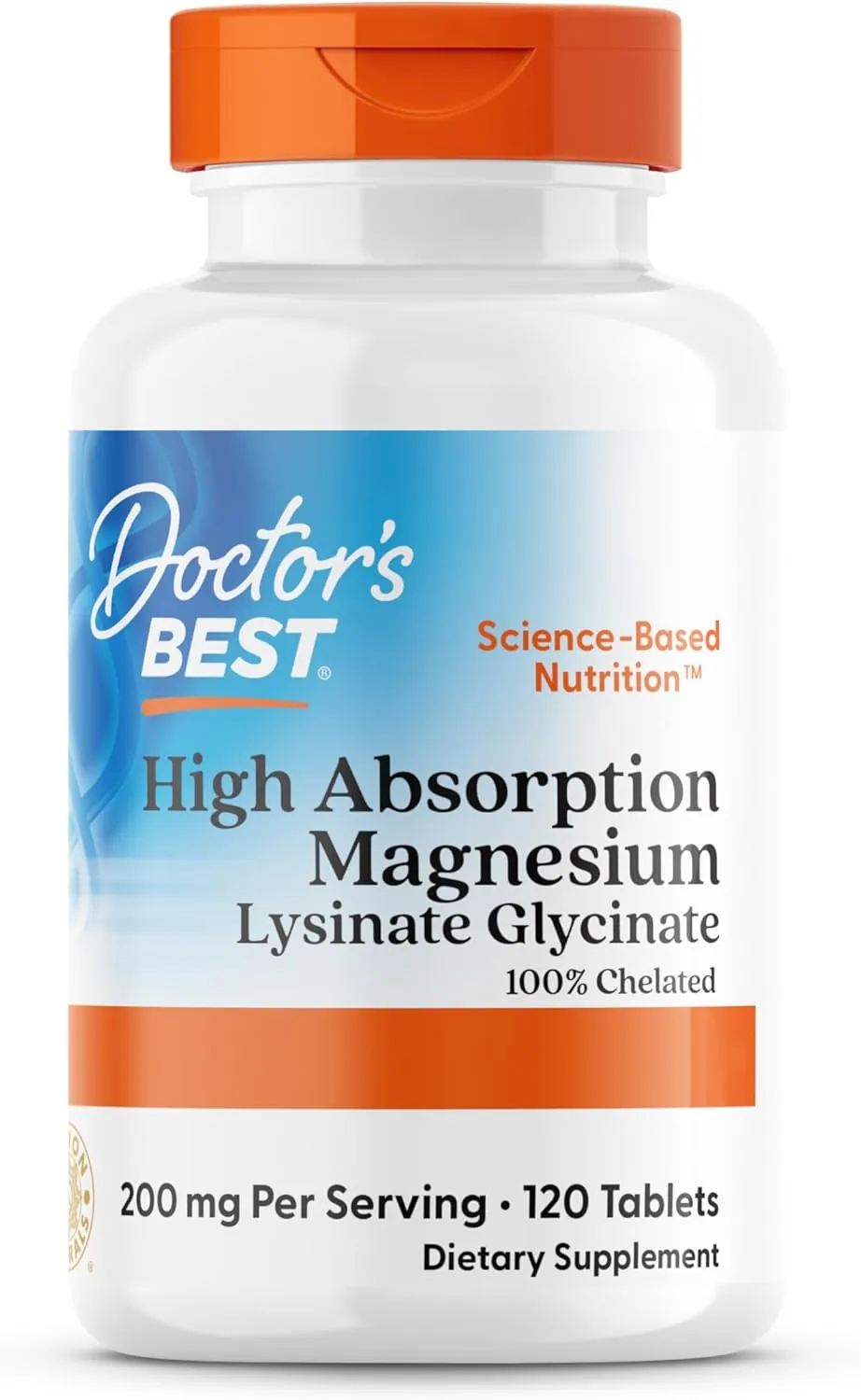
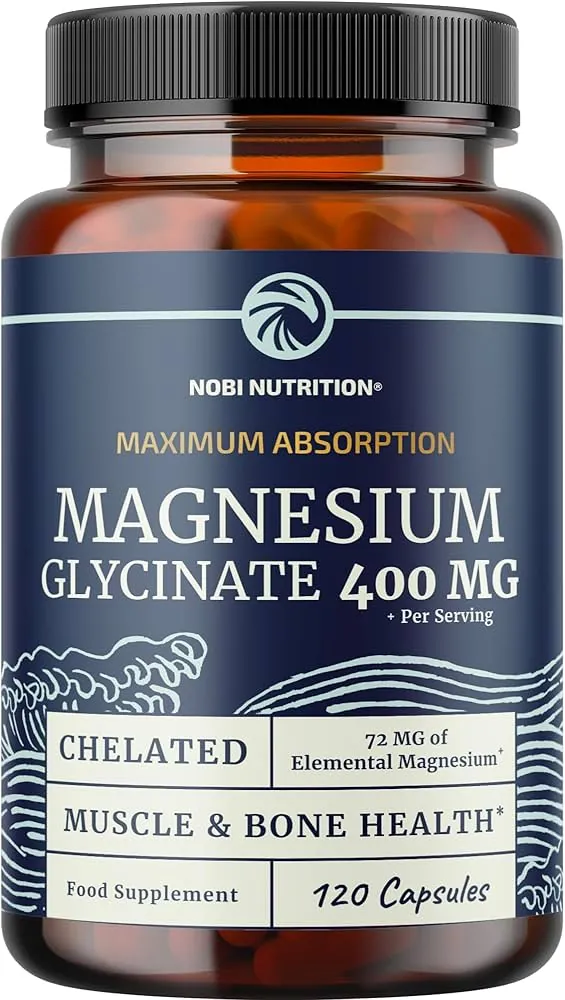
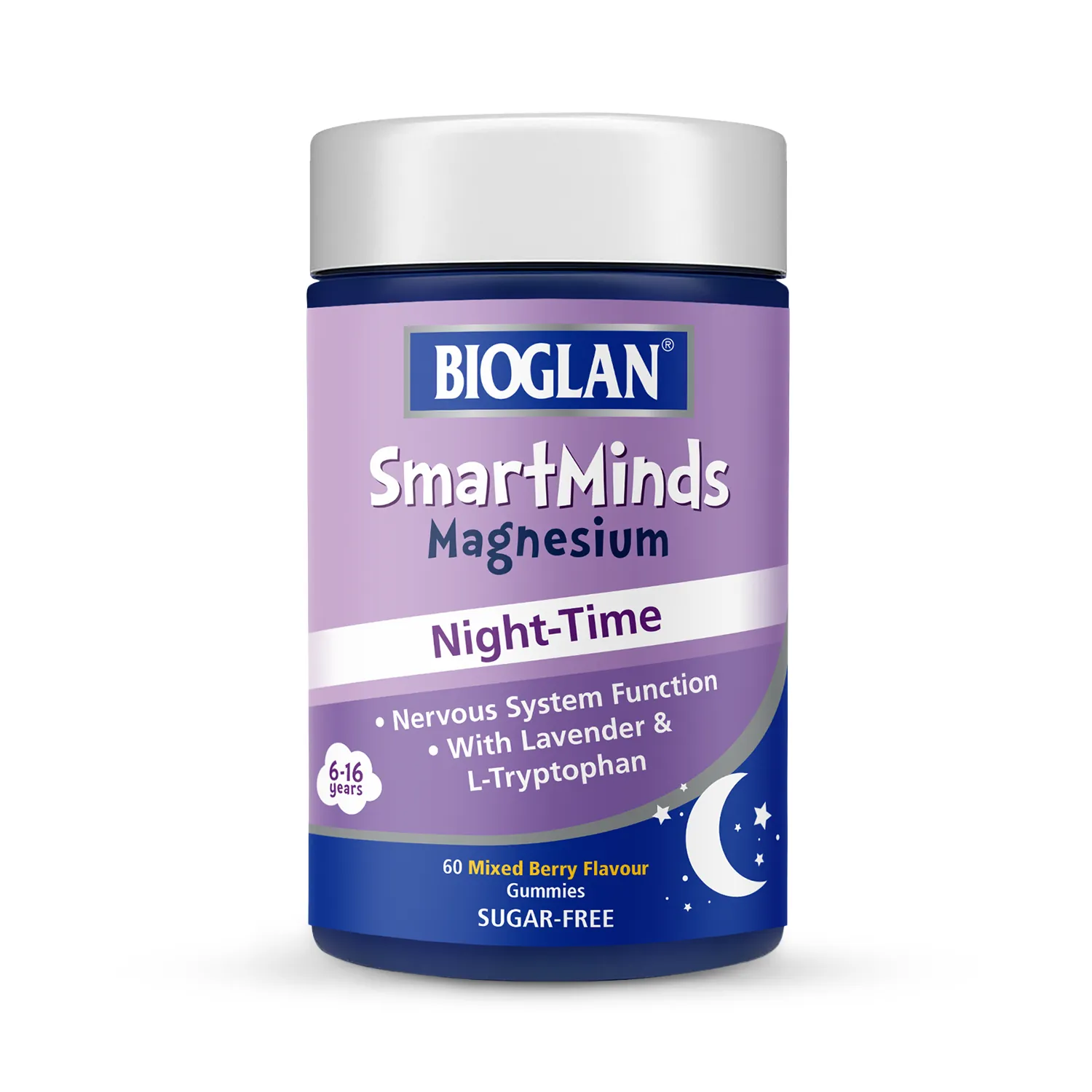
Top Magnesium Products on AIScored
Top Melatonin Products on AIScored
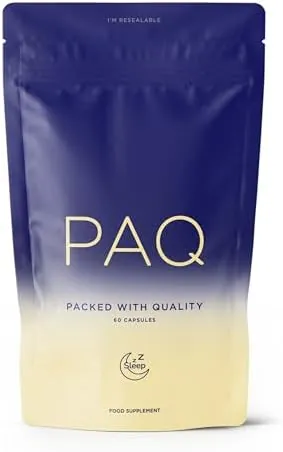
Sleep PAQ Natural Sleep Aid – 60 Vegan Capsules – Magnesium, L-Theanine, Passion Flower, Cherry – Non-Habit Forming, No Melatonin – Clinically Dosed for Sleep, Recovery & Relaxation
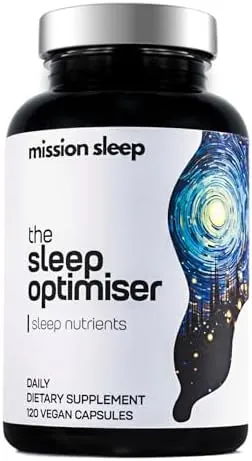
The Sleep Optimiser Sleeping Capsules - Non Melatonin Tablets Sleep Supplement for Adults with Magnesium Glycinate, L Theanine, Apigenin & Zinc - Nutrient-Based Sleeping Aid Suitable for Long Term Use
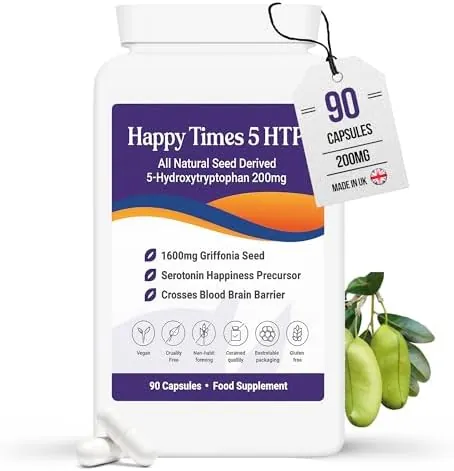
Happy Times Double Strength 5-HTP Supplement (200mg) Amino Acid 5 Hydroxytryptophan -Serotonin Melatonin Happiness Hormone Precursor Natural Griffonia Seed Extract Herbal Healthy Sleeping
Want to check more interactions?
Add these and other supplements to our interactive Stack Analyzer for a full analysis.
Build your full stack →