Important: This page is for informational purposes only, based on published peer-reviewed research and official UK dietary guidelines (NHS, EFSA, SACN). It does not constitute medical advice. Always consult your GP or pharmacist before starting, stopping, or combining supplements.
Magnesium and Vitamin B1 — Can You Take Them Together?
Overview
Magnesium and vitamin B1 (thiamine) share a biochemical dependency that is easy to overlook yet clinically significant. Thiamine cannot be converted into its biologically active coenzyme form without magnesium acting as a direct cofactor. Research suggests that even when thiamine intake meets recommended levels, concurrent magnesium insufficiency may leave much of it functionally inactive. This interplay is particularly relevant for individuals with higher energy demands, absorption concerns, or those taking diuretics. Understanding the relationship between these two nutrients may help inform more effective supplement strategies. Individual responses may vary, and those with specific health conditions should consult a healthcare professional.
How They Interact
The conversion of free thiamine to thiamine pyrophosphate (TPP) — the metabolically active coenzyme form of B1 — is catalysed by the enzyme thiamine pyrophosphokinase (TPK). Biochemical studies confirm that TPK requires magnesium ions (Mg²⁺) both to stabilise the ATP substrate and to directly activate enzymatic catalysis. Early clinical evidence from Zieve (1969) demonstrated that magnesium deficiency impairs thiamine utilisation independent of dietary B1 intake, establishing this as a substrate-activation bottleneck rather than an absorption issue. Once TPP is formed, it serves as an essential coenzyme for three pivotal enzyme complexes involved in carbohydrate metabolism: pyruvate dehydrogenase, alpha-ketoglutarate dehydrogenase, and transketolase. All three are themselves magnesium-dependent, creating a compounding effect. Magnesium deficiency simultaneously reduces TPP synthesis and undermines the downstream enzymatic machinery TPP would ordinarily activate. Lonsdale (2015) characterises this dual dependency as central to understanding multiple patterns of metabolic dysfunction, and clinical case reports document patients in whom thiamine supplementation failed to resolve symptoms until hypomagnesaemia was corrected.
Timing & Dosage Guidance
There are no established contraindications to taking magnesium and vitamin B1 simultaneously. Both are primarily water-soluble — with the exception of benfotiamine, a fat-soluble thiamine analogue — and do not appear to compete for absorption pathways. Taking both with a meal is generally advisable: magnesium forms such as magnesium oxide can cause loose stools on an empty stomach, whilst food co-ingestion may modestly support thiamine uptake. If using benfotiamine rather than thiamine HCl, consuming it alongside a meal containing dietary fat may improve bioavailability. There is no research indicating benefit from separating doses of magnesium and B1 throughout the day.
The UK Reference Nutrient Intake (RNI) for magnesium is 300 mg/day for adult men and 270 mg/day for adult women, as set by the Scientific Advisory Committee on Nutrition (SACN). For vitamin B1, the UK RNI is 1.0 mg/day for men and 0.8 mg/day for women. EFSA has not established a Tolerable Upper Intake Level for thiamine given its very low toxicity profile. Supplemental magnesium above 250 mg/day may cause loose stools in some individuals per SACN guidance. Those with renal impairment should exercise caution with magnesium supplementation and seek professional advice. Individual responses may vary depending on baseline nutrient status.
Recommended Action
Ensuring adequate magnesium intake may support thiamine function, particularly relevant for individuals with higher B1 requirements.
Magnesium Timing
When: Evening
Note: Evening preferred — may promote relaxation. Take with food to reduce GI discomfort.
Vitamin B1 Timing
When: Morning
Note: Water-soluble — morning with food. B vitamins may affect sleep if taken late.
Scientific Evidence
4 peer-reviewed studies cited. All links lead to PubMed abstracts.
Annals of the New York Academy of Sciences (1969) · PMID: 5259566
Foundational study demonstrating that magnesium deficiency impairs thiamine utilisation independently of vitamin B1 intake, establishing the activation bottleneck at the level of thiamine pyrophosphokinase.
Acta Medica Scandinavica (1985) · PMID: 4050546
Case report in which high-dose thiamine supplementation failed to resolve clinical signs of deficiency until concurrent hypomagnesaemia was corrected, providing direct clinical evidence of magnesium-dependent thiamine activation.
Medical Hypotheses (2015) · PMID: 25542071
Reviews the interdependency of thiamine and magnesium across TPP-dependent and magnesium-dependent enzyme systems, proposing that combined insufficiency of both nutrients underlies a range of metabolic dysfunction patterns.
Drug and Alcohol Review (2015) · PMID: 25693730
Cross-sectional study of 105 patients finding that low magnesium was prevalent in those with alcohol misuse and could contribute to impaired thiamine utilisation, supporting the clinical relevance of assessing both nutrients concurrently.
Frequently Asked Questions
Research suggests that adequate magnesium is necessary for thiamine activation, but supplementing beyond what is required to correct a deficiency is unlikely to enhance B1 function further. The relationship is one of biochemical dependency rather than dose-response amplification — once magnesium status is sufficient, the activation pathway functions normally. Focusing on meeting UK RNI levels for both nutrients is a more evidence-grounded approach than high-dose supplementation. Individual responses may vary.
Studies indicate that people with alcohol dependency, those prescribed loop or thiazide diuretics, individuals with malabsorption conditions such as coeliac disease or Crohn's disease, and those following high-carbohydrate diets with limited dietary variety face elevated risk of concurrent depletion. Alcohol simultaneously impairs intestinal absorption and increases renal excretion of both nutrients, which is why clinical guidance for alcohol-related thiamine deficiency increasingly recognises the need to address magnesium status alongside B1 repletion.
Research does not identify a specific combination requirement, but magnesium glycinate and magnesium citrate are generally better absorbed than magnesium oxide and tend to produce fewer gastrointestinal side effects. For thiamine, standard thiamine hydrochloride (HCl) is appropriate for most supplementation purposes. Benfotiamine, a fat-soluble analogue, may offer superior tissue penetration in certain contexts, though comparative evidence specifically examining its interaction with different magnesium forms remains limited.
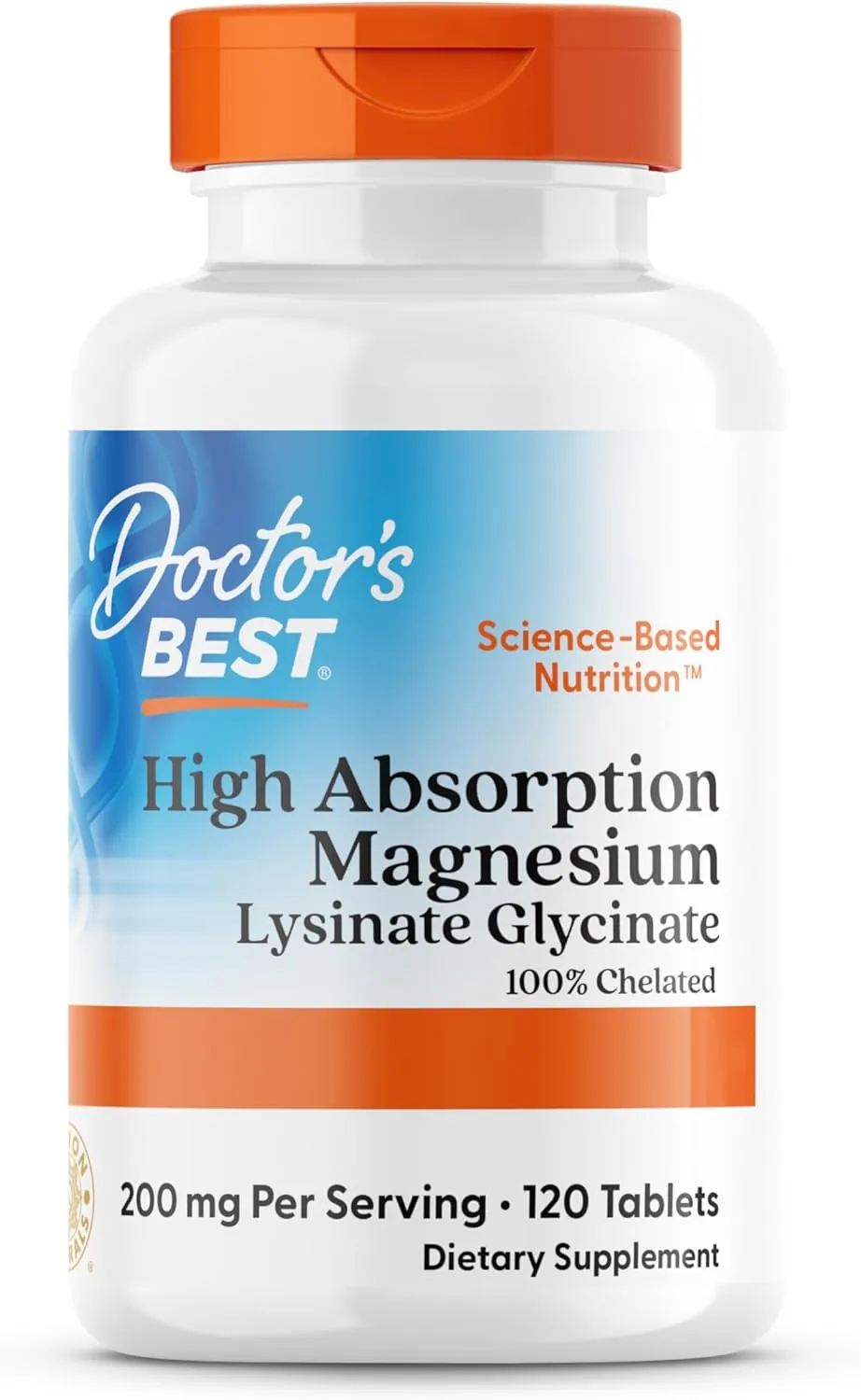
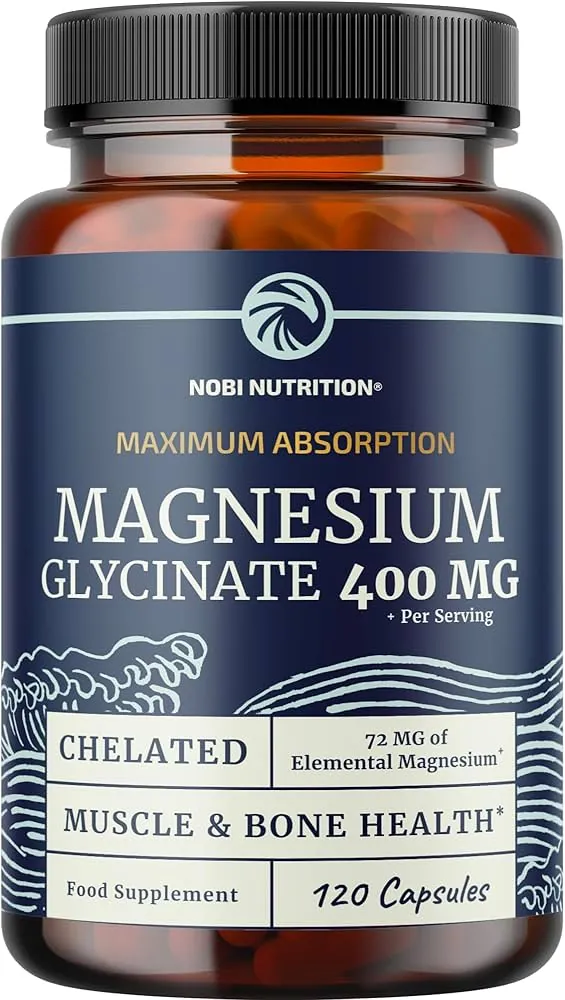
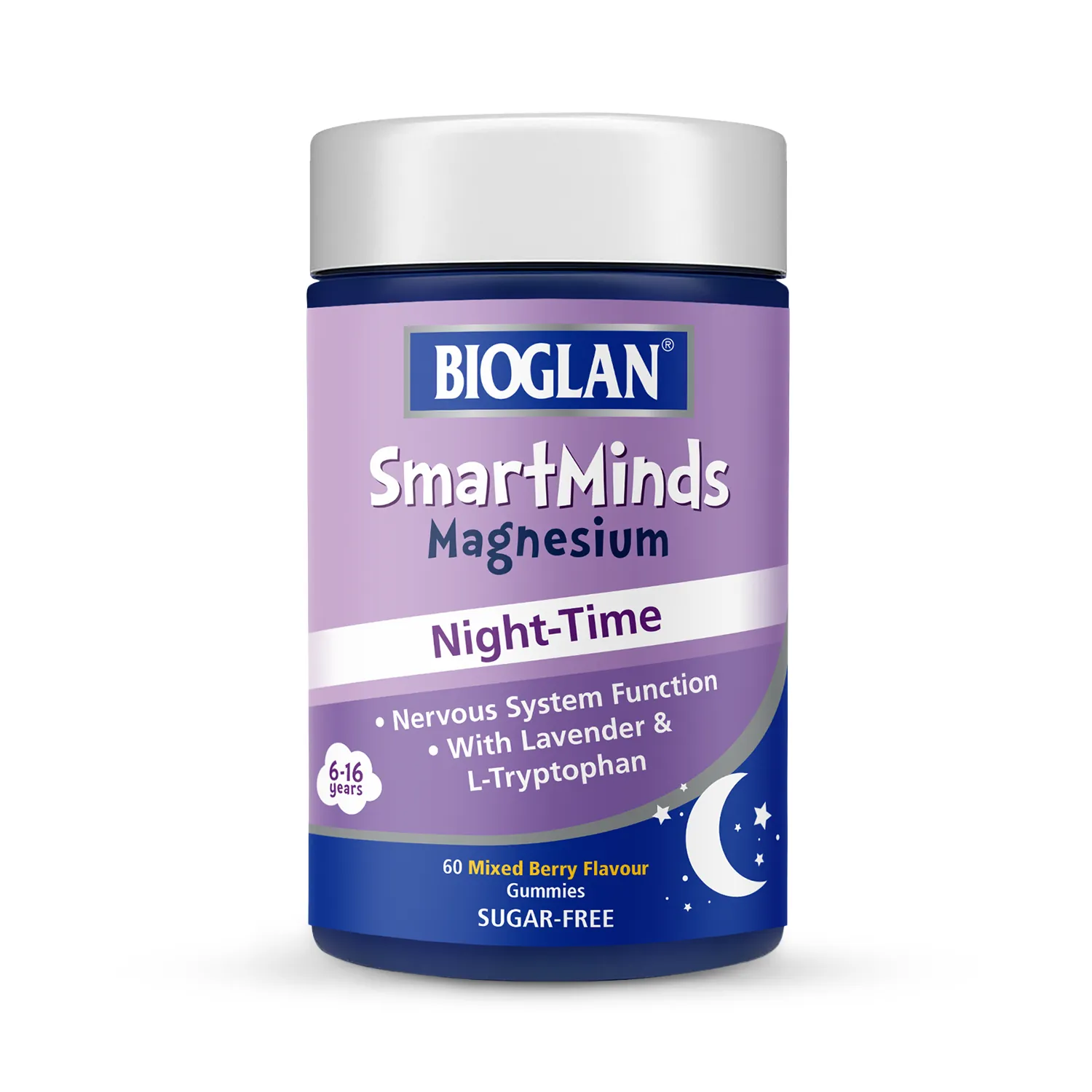
Top Magnesium Products on AIScored
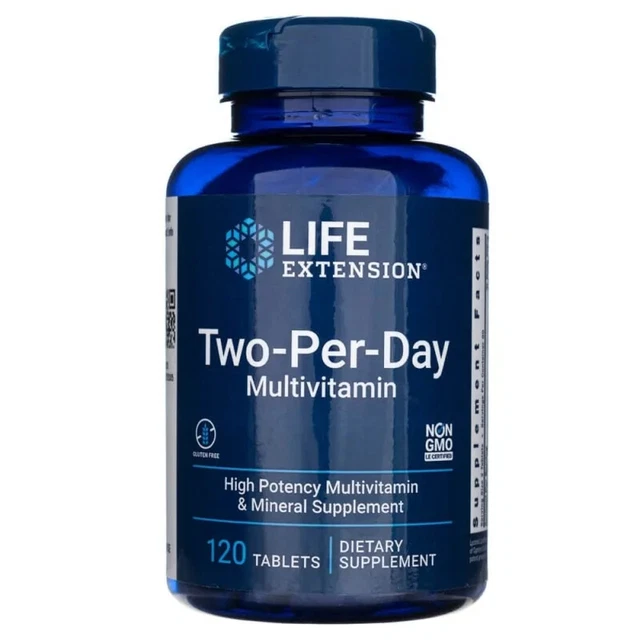
Top Vitamin B1 Products on AIScored

Want to check more interactions?
Add these and other supplements to our interactive Stack Analyzer for a full analysis.
Build your full stack →