Important: This page is for informational purposes only, based on published peer-reviewed research and official UK dietary guidelines (NHS, EFSA, SACN). It does not constitute medical advice. Always consult your GP or pharmacist before starting, stopping, or combining supplements.
Magnesium and Vitamin B2 — Can You Take Them Together?
Overview
Magnesium and riboflavin (vitamin B2) represent one of the more researched nutritional pairings in the context of migraine prevention. Both nutrients have been evaluated independently in randomised controlled trials, and evidence suggests their complementary mechanisms may produce a more meaningful effect when combined. Magnesium is involved in over 300 enzymatic reactions and plays a central role in neurological function, while riboflavin is a water-soluble B vitamin essential to cellular energy metabolism. Neither nutrient replaces standard medical care, and individual responses may vary considerably depending on baseline nutritional status and migraine subtype.
How They Interact
The scientific rationale for combining magnesium and riboflavin lies in their distinct but complementary roles in migraine pathophysiology. Riboflavin serves as the precursor to flavin adenine dinucleotide (FAD) and flavin mononucleotide (FMN) — coenzymes critical for mitochondrial Complex I and Complex II activity within the electron transport chain. Research indicates that a subset of migraineurs exhibit evidence of impaired mitochondrial oxidative phosphorylation, and riboflavin supplementation may help compensate for this metabolic deficit. Magnesium, meanwhile, acts as a physiological antagonist at N-methyl-D-aspartate (NMDA) receptors; reduced intracellular magnesium levels may lower the threshold for cortical spreading depression, the electrophysiological wave widely considered to underlie migraine aura. Magnesium also modulates nitric oxide synthase activity and stabilises neuronal membrane excitability more broadly. By addressing both the metabolic and neuroexcitatory dimensions of migraine, these two nutrients target different points in the same pathological cascade — which may explain why combination approaches show promise in clinical observations beyond what either nutrient achieves independently.
Timing & Dosage Guidance
Both magnesium and riboflavin are generally well-tolerated when taken with food, which also supports absorption. Riboflavin is water-soluble, but uptake can be improved when taken alongside a meal, particularly one containing a modest amount of dietary fat. Magnesium is best taken with food to reduce the risk of gastrointestinal discomfort — a common side effect at higher doses, particularly with oxide forms. If taking higher-dose magnesium (above 300 mg/day), splitting the daily amount across two doses, such as morning and evening meals, may help limit the laxative effect. There is no known disadvantage to taking both supplements at the same meal, and doing so may improve adherence.
The UK Reference Nutrient Intake (RNI) for riboflavin is 1.3 mg/day for adults, while SACN sets magnesium RNIs at 300 mg/day for men and 270 mg/day for women. However, the doses used in migraine prevention research are considerably higher: riboflavin trials have typically used 400 mg/day, and magnesium studies have used 300–600 mg/day. The European Food Safety Authority (EFSA) considers high-dose riboflavin safe due to saturable intestinal absorption above approximately 30 mg. Supplemental magnesium above 250 mg/day may cause loose stools in some individuals; chelated forms such as glycinate or citrate are generally better tolerated than oxide. Individual responses may vary, and discussing long-term supplementation with a GP or registered nutritionist is advisable.
Recommended Action
This combination is commonly used as a natural approach to migraine prevention. Both can be taken together with food.
Magnesium Timing
When: Evening
Note: Evening preferred — may promote relaxation. Take with food to reduce GI discomfort.
Vitamin B2 Timing
When: Morning
Note: Water-soluble. Bright yellow urine after taking is harmless — it is the excess being excreted.
Scientific Evidence
4 peer-reviewed studies cited. All links lead to PubMed abstracts.
Neurology (1998) · PMID: 9448572
Riboflavin at 400 mg/day significantly reduced migraine attack frequency and headache days compared to placebo over a three-month period.
Cephalalgia (1996) · PMID: 8792038
Oral magnesium 600 mg/day reduced migraine attack frequency by 41.6% versus a 15.8% reduction in the placebo group.
Journal of Headache and Pain (2015) · PMID: 25599528
A combination supplement containing riboflavin, magnesium, and coenzyme Q10 significantly reduced migraine days, attack duration, and intensity versus placebo.
European Journal of Neurology (2004) · PMID: 15257686
High-dose riboflavin (400 mg/day) reduced migraine attack frequency and duration in a clinical cohort, supporting earlier randomised trial findings.
Frequently Asked Questions
Research indicates no known adverse interaction between magnesium and riboflavin. Both nutrients have well-established safety profiles at supplemental doses, and EFSA has reviewed both within its food supplement framework. As with any supplement programme, individual responses may vary. Those taking prescription medications — particularly drugs with magnesium-sensitive pharmacokinetics, such as certain antibiotics or bisphosphonates — should consult a GP or pharmacist before starting higher-dose magnesium supplementation.
Clinical trials studying riboflavin for migraine prevention have generally run for three months, with meaningful outcomes observed at the 12-week mark (Schoenen et al., 1998, Neurology). Magnesium trials follow a similar timeline. Research suggests it is therefore reasonable to allow at least 8–12 weeks of consistent daily use before drawing conclusions about efficacy. Keeping a headache diary during this period can help objectively track any changes in frequency, duration, or intensity. Individual responses may vary considerably.
For magnesium, citrate and glycinate forms are generally considered more bioavailable than oxide and less likely to cause gastrointestinal side effects. Magnesium taurate may offer additional neurological relevance given taurine's role in membrane stabilisation. For riboflavin, riboflavin-5-phosphate (R5P) is the active coenzyme form and may be preferable for individuals with impaired riboflavin kinase activity, though standard riboflavin is adequate for most people and is what was used in the major clinical trials.
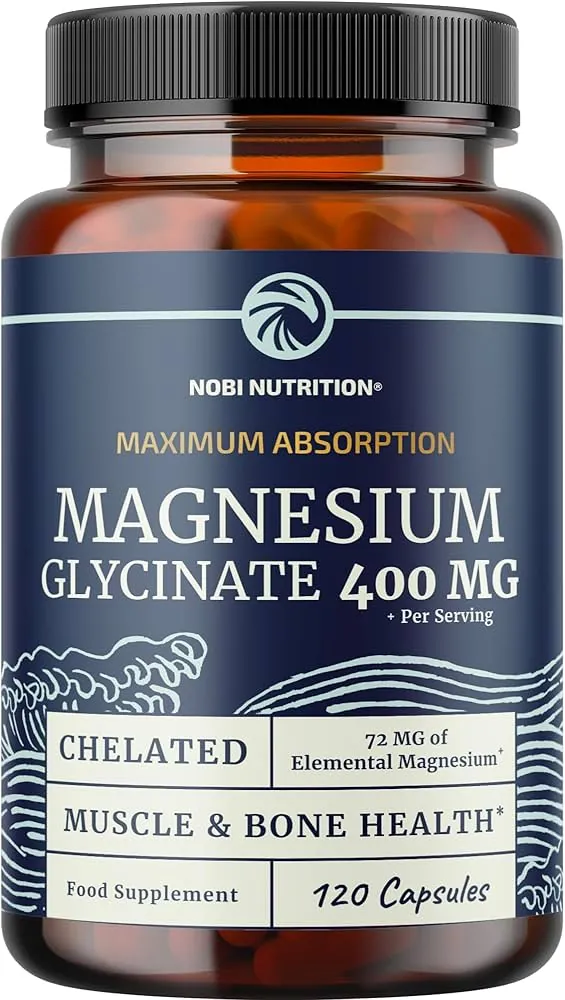
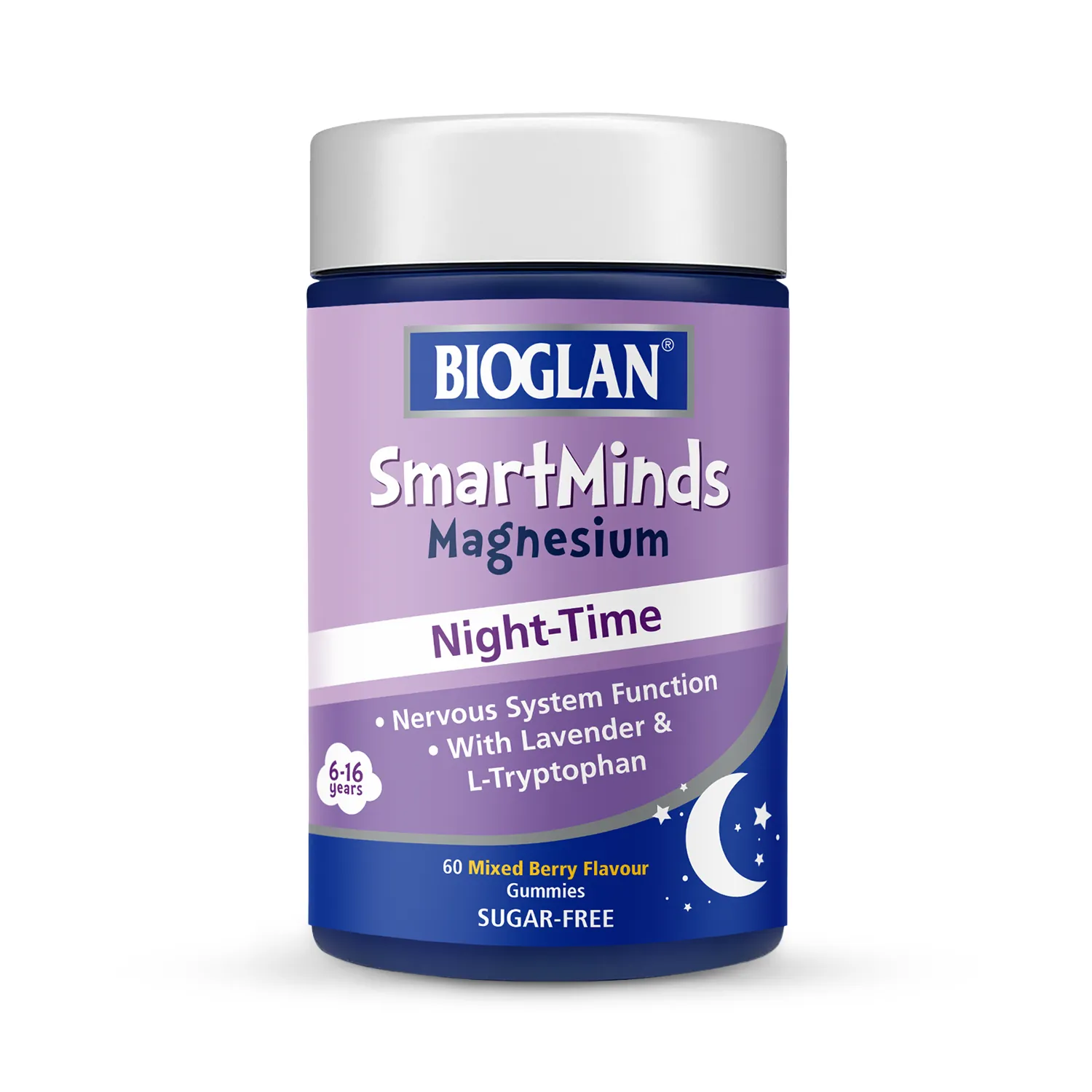
Top Magnesium Products on AIScored

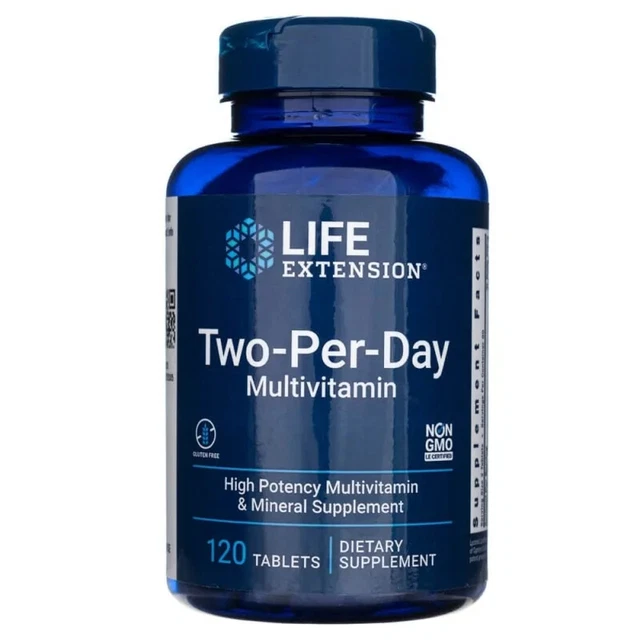
Top Vitamin B2 Products on AIScored
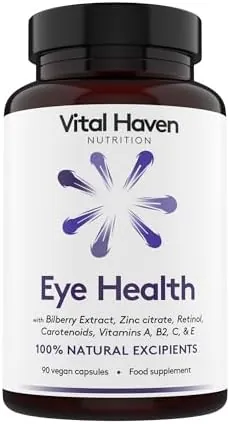
Eye Health Supplement - Meso Zeaxanthin + Lutein + Zeaxanthin + Bilberry and VIT C/A/E/B2 with Zinc - UK Made

Want to check more interactions?
Add these and other supplements to our interactive Stack Analyzer for a full analysis.
Build your full stack →