Important: This page is for informational purposes only, based on published peer-reviewed research and official UK dietary guidelines (NHS, EFSA, SACN). It does not constitute medical advice. Always consult your GP or pharmacist before starting, stopping, or combining supplements.
Magnesium and Zinc — Can You Take Them Together?
Overview
Magnesium and zinc are two of the most widely supplemented minerals in the UK, valued for their respective roles in sleep support, muscle function, and immune health. When taken together at higher doses, research suggests these minerals may compete for the same intestinal absorption pathways — potentially reducing the efficacy of both. Understanding this interaction is particularly relevant for those supplementing above dietary reference values, as the absorption conflict appears dose-dependent rather than a significant concern at typical food-based intakes. Individual responses may vary.
How They Interact
Both magnesium and zinc are divalent cations (Mg²⁺ and Zn²⁺), and studies suggest they share common transporter proteins in the intestinal brush border membrane, including the divalent metal transporter DMT1 (SLC11A2) and the non-selective cation channel TRPM7, which has been identified as a key route for cellular magnesium uptake. When both minerals are present simultaneously in the gut lumen at elevated concentrations, competitive inhibition at these shared transporters may occur. Spencer et al. (1994, J Am Coll Nutr) demonstrated that very high supplemental zinc intake — around 142 mg per day — significantly inhibited magnesium absorption in human subjects. At doses most commonly found in UK retail supplements, typically 200–400 mg magnesium and 10–25 mg zinc, the competitive effect is considerably more modest, though not entirely absent. Chelated mineral forms, such as zinc bisglycinate or magnesium glycinate, may be somewhat less susceptible to this competition than inorganic forms, though direct comparative data remain limited. Individual responses may vary based on gut transit time, overall mineral status, and the specific formulations used.
Timing & Dosage Guidance
Where both magnesium and zinc are taken at higher supplemental doses, research suggests separating intake by two to four hours may help optimise absorption of each mineral. A practical approach observed in nutritional practice is to take zinc in the morning with food and magnesium in the evening — the latter aligning with magnesium's well-documented role in sleep support. At standard one-a-day supplement doses within SACN and EFSA safe upper levels (around 10–15 mg zinc and 200–300 mg magnesium), timing is a lower priority, though separation remains a reasonable precaution. Individual responses may vary.
The competitive absorption effect between magnesium and zinc is most clinically relevant at higher supplemental doses. UK Dietary Reference Values set the reference nutrient intake for magnesium at 300 mg per day for adult men and 270 mg per day for women, with SACN advising against supplemental intake exceeding 400 mg per day without medical supervision. For zinc, EFSA sets a tolerable upper intake of 25 mg per day for adults. Research indicates that competitive interference becomes more pronounced when zinc exceeds approximately 50 mg per day — substantially above typical UK retail doses. At doses within SACN and EFSA guidance, the interaction is modest. Those using higher therapeutic doses under clinical supervision should consider separating intake and monitoring status where appropriate.
Recommended Action
If taking both at high doses, separating them by a few hours may optimise absorption — for example, zinc in the morning and magnesium in the evening.
Magnesium Timing
When: Evening
Note: Evening preferred — may promote relaxation. Take with food to reduce GI discomfort.
Zinc Timing
When: Morning
Note: Take with food to prevent nausea. Away from iron and calcium supplements.
Scientific Evidence
2 peer-reviewed studies cited. All links lead to PubMed abstracts.
Journal of the American College of Nutrition (1994) · PMID: 7836628
High supplemental zinc intake of approximately 142 mg per day significantly inhibited magnesium absorption and reduced magnesium balance in healthy human subjects.
British Journal of Nutrition (2001) · PMID: 11509099
A review of divalent mineral interactions concluded that shared intestinal transporters create dose-dependent competitive effects between minerals including zinc and magnesium, with mineral form and dietary context as key moderating variables.
Frequently Asked Questions
At doses within established safe upper limits — 25 mg zinc per day (EFSA) and up to 400 mg supplemental magnesium (SACN) — combined formulations are generally considered suitable for most healthy adults. Research suggests the competitive absorption effect is most significant at higher, therapeutic-level doses rather than those found in standard combined products. Those taking high-dose individual supplements of both minerals may benefit from separating intake. Individual responses may vary, and those with underlying health conditions should seek advice from a qualified healthcare professional.
Evidence suggests that highly chelated forms such as zinc bisglycinate and magnesium glycinate may be partially protected from mineral competition compared with inorganic forms such as zinc oxide or magnesium oxide, as chelation can reduce the free divalent cation concentration available to compete at shared intestinal transporters. Sandström (2001, Br J Nutr) noted that mineral form and food matrix significantly influence bioavailability interactions. However, direct head-to-head comparisons of chelated forms taken together remain limited, and individual responses may vary.
Taking both minerals with a meal, rather than in a fasted state, generally slows gastric emptying and dilutes the luminal concentration of each mineral reaching the small intestine simultaneously, which may reduce competitive inhibition. Food also provides additional ligands that can form mineral complexes influencing bioavailability. Research on divalent mineral interactions consistently identifies the food matrix as a significant moderating factor, though high-phytate meals — such as those rich in whole grains and legumes — may reduce absorption of both minerals regardless of timing.
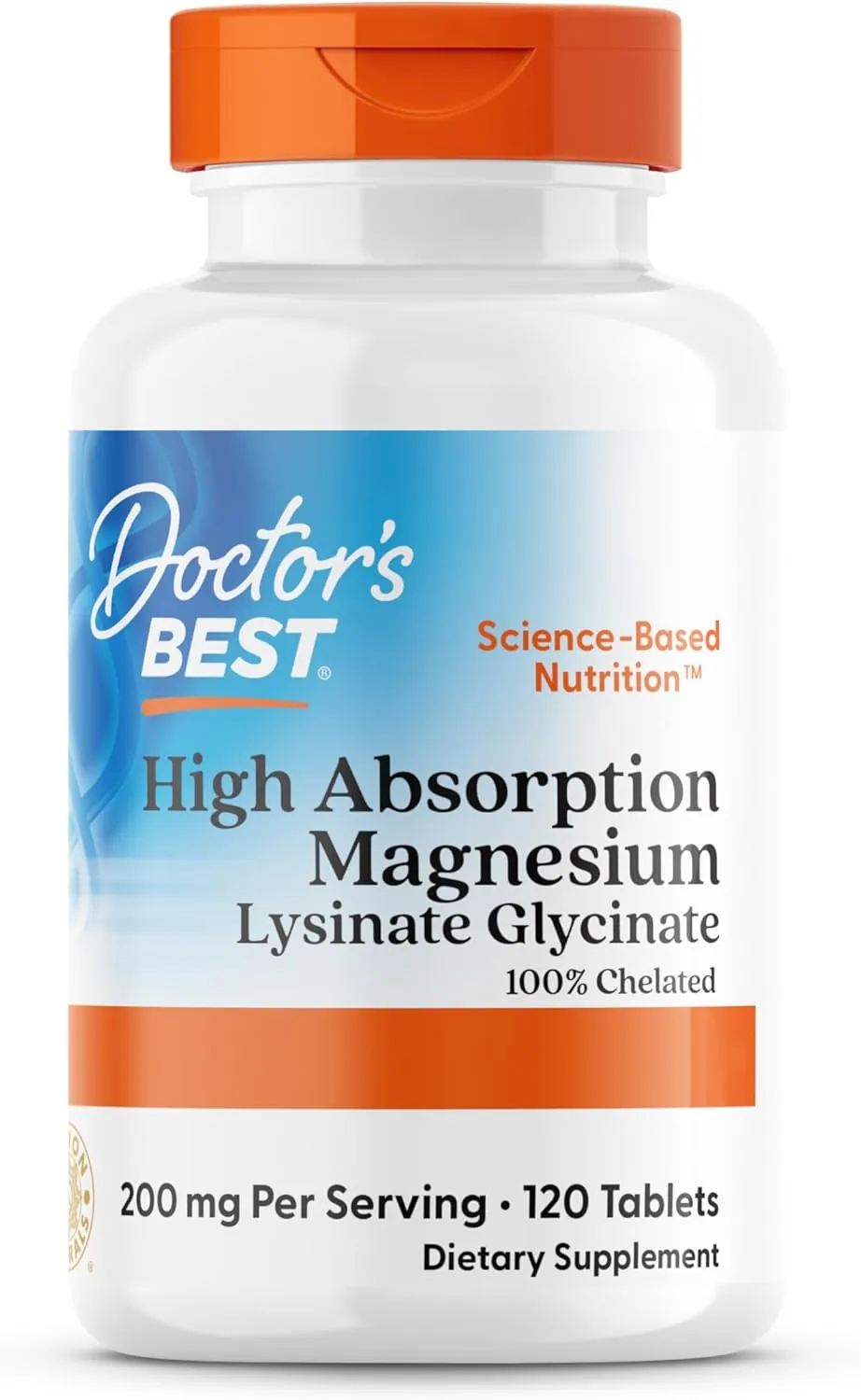
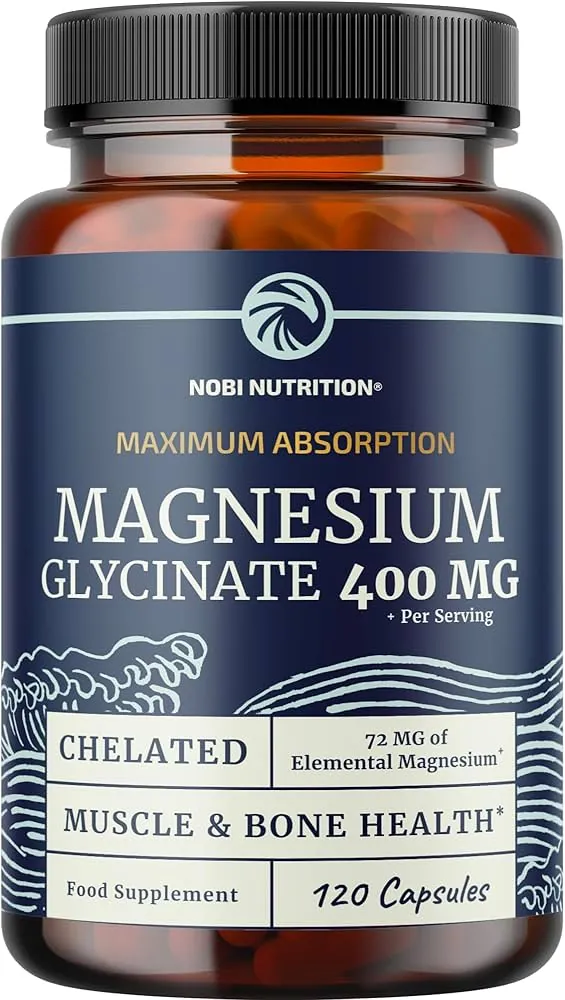
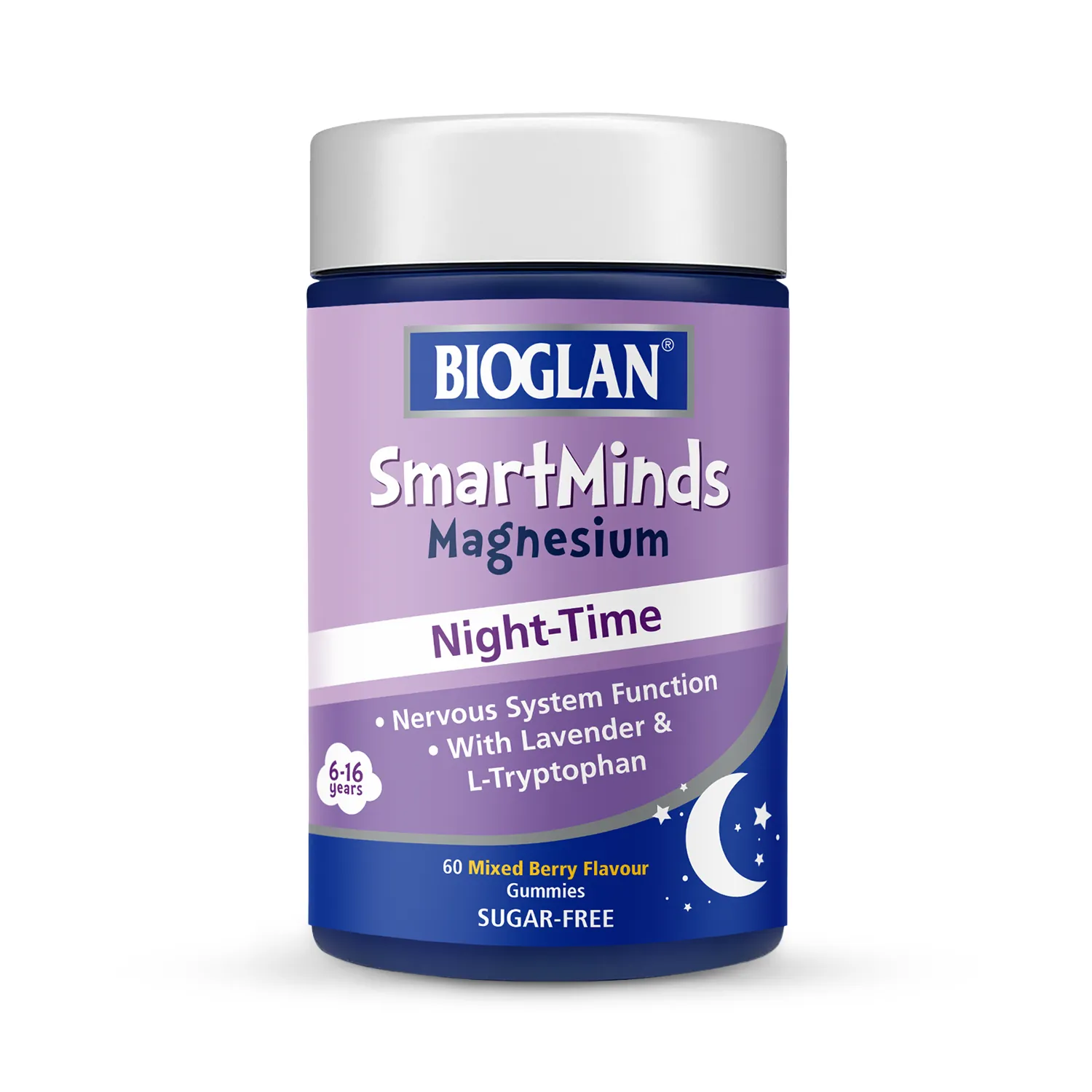
Top Magnesium Products on AIScored
Top Zinc Products on AIScored
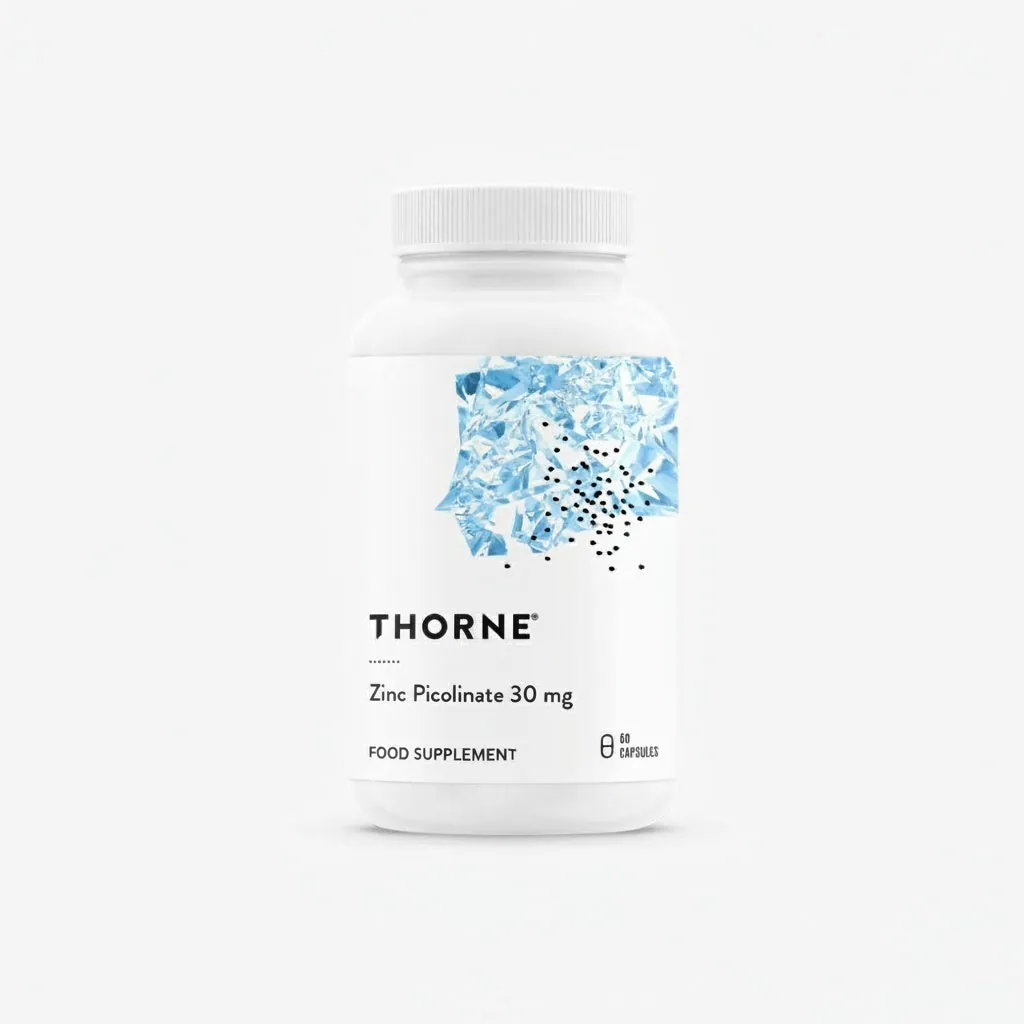
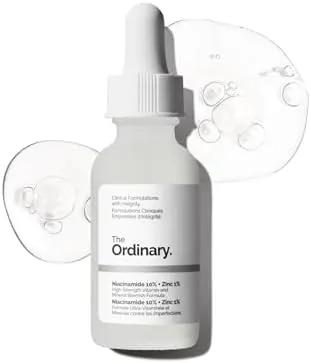
The Ordinary Niacinamide 10% + Zinc 1%, Brightening & Smoothing Serum for Blemish-Prone Skin, 30ml
Want to check more interactions?
Add these and other supplements to our interactive Stack Analyzer for a full analysis.
Build your full stack →