Important: This page is for informational purposes only, based on published peer-reviewed research and official UK dietary guidelines (NHS, EFSA, SACN). It does not constitute medical advice. Always consult your GP or pharmacist before starting, stopping, or combining supplements.
Melatonin and Rhodiola Rosea — Can You Take Them Together?
Overview
Melatonin and Rhodiola rosea occupy opposite ends of the alertness-sleep continuum. Melatonin is a hormone produced by the pineal gland that signals the onset of sleep through receptors in the brain's circadian pacemaker. Rhodiola rosea is an adaptogenic herb with a well-documented capacity to reduce fatigue and sustain mental performance under stress. Used at appropriate times of day, these supplements serve genuinely distinct purposes. However, their pharmacological mechanisms are fundamentally opposed, and taking them in close proximity may cause one to undermine the other. Understanding why — and how to time them correctly — is the central question for anyone considering both.
How They Interact
Melatonin exerts its sleep-promoting effects primarily via MT1 and MT2 receptors in the suprachiasmatic nucleus (SCN), the brain's principal circadian pacemaker. Activation of MT1 receptors suppresses neuronal firing in the SCN, reducing arousal, whilst MT2 receptor binding helps shift circadian phase. Melatonin also lowers core body temperature and modulates cortisol secretion in ways that reinforce sleep onset (Ferracioli-Oda et al., 2013, PLoS One). Rhodiola rosea acts through contrasting pathways. Its primary bioactive compounds — rosavins and salidroside — have been demonstrated to inhibit both MAO-A and MAO-B enzymes in vitro, increasing synaptic concentrations of monoamines including dopamine, serotonin, and norepinephrine (van Diermen et al., 2009, Journal of Ethnopharmacology). This catecholaminergic activity promotes wakefulness and cognitive throughput. Rhodiola additionally modulates the HPA axis, attenuating the cortisol stress response. Administered simultaneously or in close temporal proximity, these opposing mechanisms create conflicting neurological signals — melatonin attempting to suppress arousal whilst Rhodiola's monoaminergic activity sustains or amplifies it. Individual responses may vary, but this mechanistic opposition is supported by published pharmacological data.
Timing & Dosage Guidance
Research suggests that the timing conflict between melatonin and Rhodiola rosea is largely resolvable through schedule separation. Studies on Rhodiola indicate that its energising and anti-fatigue effects emerge within 30–60 minutes of ingestion and remain active for several hours thereafter; Darbinyan et al. (2000, Phytomedicine) demonstrated significant cognitive benefits in physicians taking a single morning dose before a night shift. Taking Rhodiola in the morning — or no later than early afternoon — allows its stimulating effects to diminish substantially before evening. Melatonin is typically taken 30–60 minutes before intended sleep. An 8–12 hour gap between the two supplements is considered a practical minimum to avoid pharmacological interference. Individual chronotype and sensitivity to adaptogens may influence the optimal interval.
Clinical research on Rhodiola rosea has primarily used standardised SHR-5 extracts (3% rosavins, 1% salidroside), with studied doses ranging from 170–576 mg per day (Darbinyan et al., 2000; Olsson et al., 2009, Planta Medica). Higher doses within this range may produce more pronounced alerting effects, potentially extending the window during which stimulation remains active. For melatonin, evidence supports conservative dosing: a meta-analysis by Ferracioli-Oda et al. (2013, PLoS One) found meaningful improvements in sleep onset latency at doses well below 5 mg. When using both supplements across the same day, a lower melatonin dose (0.5–1 mg) is reasonable if residual Rhodiola activity remains a concern. Individual responses may vary considerably, and those sensitive to either compound should begin at the lower end of studied dose ranges.
Recommended Action
Rhodiola is best taken in the morning for energy and focus. Melatonin is taken in the evening before bed. Natural timing separation avoids the conflict.
Melatonin Timing
When: Evening
Note: Take 30-60 minutes before bed in dim light. Lower doses (0.5-1 mg) are often more effective than high doses. In UK, doses above 2 mg are prescription only (Circadin).
Rhodiola Rosea Timing
When: Morning
Note: Morning or early afternoon — mildly stimulating. Take before meals. Avoid evening use as it may affect sleep.
Scientific Evidence
4 peer-reviewed studies cited. All links lead to PubMed abstracts.
Journal of Ethnopharmacology (2009) · PMID: 19168123
Rhodiola rosea root extracts demonstrated inhibition of both MAO-A and MAO-B enzymes in vitro, providing a pharmacological basis for its monoaminergic and stimulating effects.
Phytomedicine (2000) · PMID: 11081987
A single low daily dose of SHR-5 extract significantly improved the fatigue index and mental performance in physicians during night duty, confirming a rapid-onset alerting effect consistent with morning dosing protocols.
PLoS One (2013) · PMID: 23691095
Melatonin significantly decreased sleep onset latency and increased total sleep time versus placebo, with clinically meaningful effects observed at doses well below 5 mg.
Planta Medica (2009) · PMID: 19016404
Rhodiola rosea SHR-5 at 576 mg/day improved burnout scale scores and attention measures in subjects with stress-related fatigue, supporting its application during daytime hours for energy and cognitive function.
Frequently Asked Questions
Research suggests yes, provided they are taken at well-separated times. Rhodiola's stimulating effects are most active within the first few hours post-ingestion and diminish over the course of the day. Taking Rhodiola in the morning and melatonin in the evening — at least 8 hours apart — should provide sufficient separation. Individual responses may vary, particularly in those who are especially sensitive to adaptogenic herbs or who find Rhodiola's effects persist longer than average.
Melatonin is synthesised from serotonin in the pineal gland. Because Rhodiola inhibits MAO enzymes that break down serotonin (van Diermen et al., 2009), it could theoretically increase serotonin availability — a direct precursor to melatonin. However, no clinical studies have directly examined how Rhodiola affects endogenous melatonin levels. The interaction of primary concern is pharmacodynamic — competing arousal and sedation signals — rather than any well-established interference with melatonin biosynthesis.
This interaction is classified as a timing conflict rather than a harmful combination. No published evidence suggests that taking Rhodiola and melatonin together poses a direct safety risk. The concern is primarily one of reduced efficacy: Rhodiola's alerting properties may blunt melatonin's sleep-supporting effects if the two are taken too close together. Individuals taking prescription medications that affect monoamine neurotransmission should consult a healthcare professional before combining these supplements.
Top Melatonin Products on AIScored
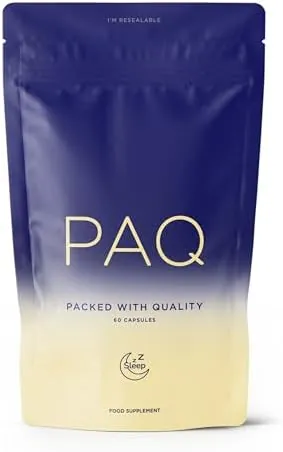
Sleep PAQ Natural Sleep Aid – 60 Vegan Capsules – Magnesium, L-Theanine, Passion Flower, Cherry – Non-Habit Forming, No Melatonin – Clinically Dosed for Sleep, Recovery & Relaxation

The Sleep Optimiser Sleeping Capsules - Non Melatonin Tablets Sleep Supplement for Adults with Magnesium Glycinate, L Theanine, Apigenin & Zinc - Nutrient-Based Sleeping Aid Suitable for Long Term Use
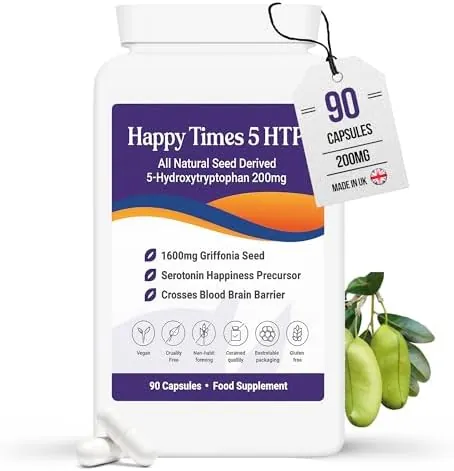
Happy Times Double Strength 5-HTP Supplement (200mg) Amino Acid 5 Hydroxytryptophan -Serotonin Melatonin Happiness Hormone Precursor Natural Griffonia Seed Extract Herbal Healthy Sleeping
Top Rhodiola Rosea Products on AIScored

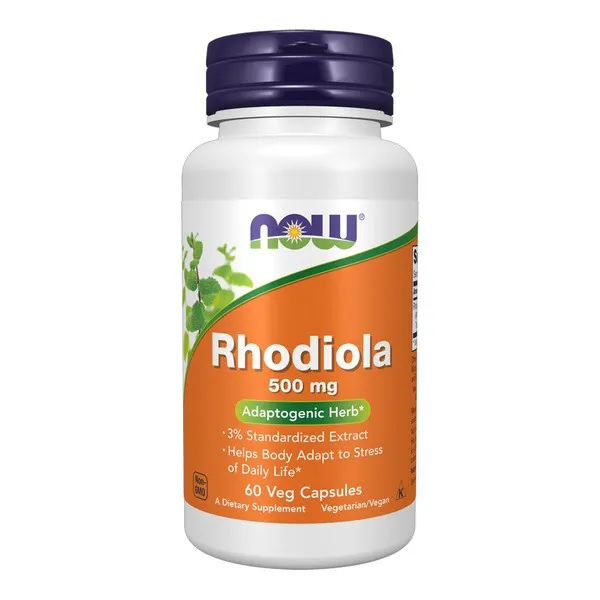
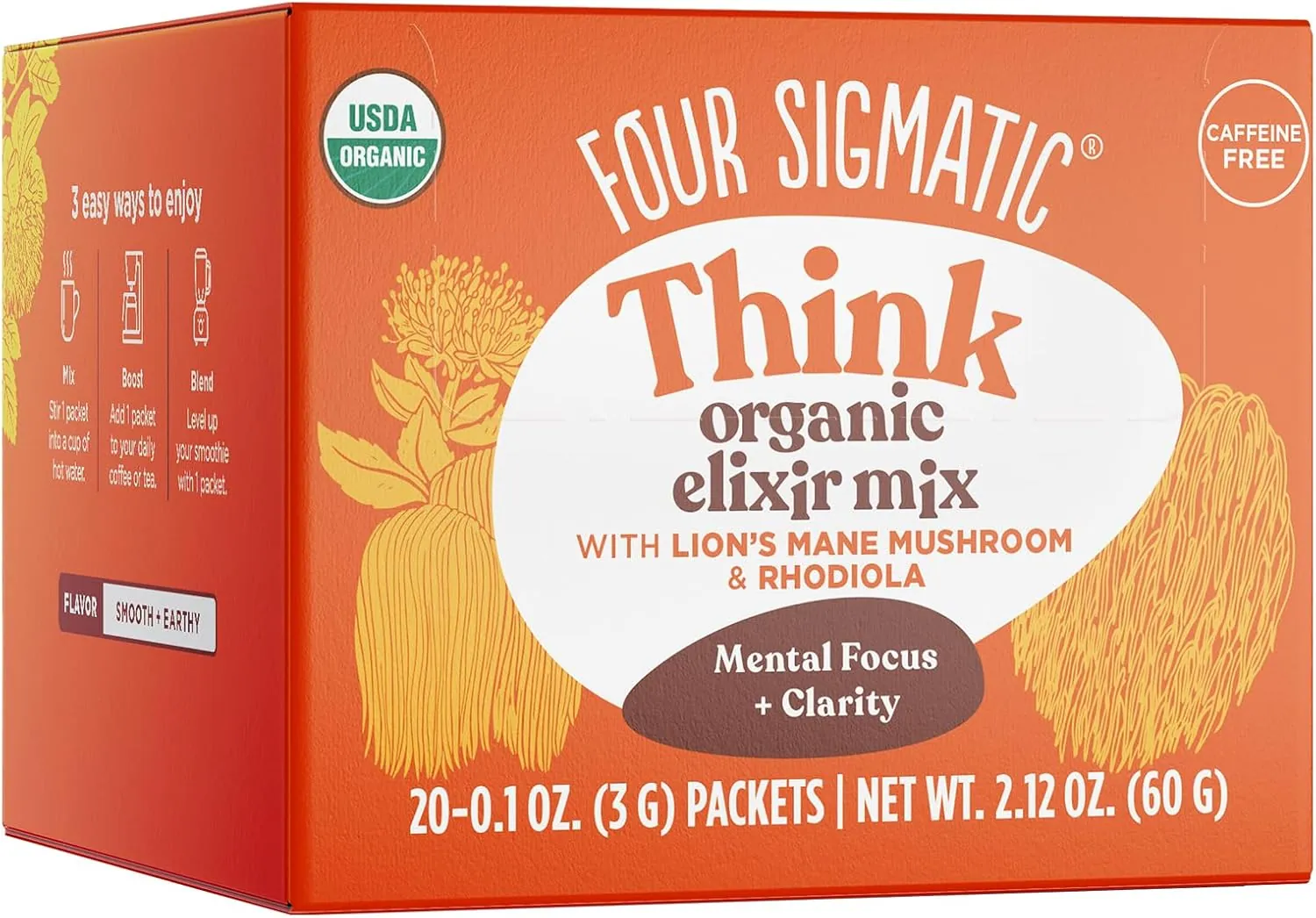
Want to check more interactions?
Add these and other supplements to our interactive Stack Analyzer for a full analysis.
Build your full stack →