Important: This page is for informational purposes only, based on published peer-reviewed research and official UK dietary guidelines (NHS, EFSA, SACN). It does not constitute medical advice. Always consult your GP or pharmacist before starting, stopping, or combining supplements.
Melatonin and Vitamin B6 — Can You Take Them Together?
Overview
Melatonin and vitamin B6 share an uncommon relationship: B6, in its active coenzyme form pyridoxal-5'-phosphate (P5P), is a required participant in the biochemical pathway that produces melatonin. This might suggest the two are natural allies. However, P5P simultaneously drives synthesis of dopamine and norepinephrine — neurotransmitters associated with wakefulness and alertness. The result is a timing conflict of moderate significance: when and how each is taken materially affects whether they work in concert or against each other. Individual responses may vary based on baseline B6 status, dose, and circadian rhythm.
How They Interact
Melatonin synthesis in the pineal gland proceeds from dietary tryptophan via a multi-step pathway. The critical bottleneck step involves aromatic L-amino acid decarboxylase (AADC), which converts 5-hydroxytryptophan (5-HTP) into serotonin — the immediate precursor to melatonin. AADC is strictly dependent on P5P as its cofactor. Serotonin is subsequently N-acetylated and O-methylated by pineal enzymes (AANAT and ASMT) to yield melatonin, particularly during darkness. Animal research published in 2008 (PMID 18250494) found that two months of vitamin B6 supplementation increased plasma melatonin by approximately 36% in rats compared to controls, providing direct experimental evidence for this upstream supporting role. The complication arises because AADC and the related enzyme DOPA decarboxylase — both P5P-dependent — also synthesise dopamine and, downstream, norepinephrine. These catecholamines are primary drivers of cortical arousal. Elevating P5P availability through supplementation therefore risks simultaneously boosting both melatonin precursor flux and wakefulness-promoting neurotransmitter synthesis, with the net physiological outcome depending heavily on which pathway is rate-limited at any given time of day.
Timing & Dosage Guidance
Research suggests that morning supplementation with vitamin B6 is preferable for those also taking melatonin in the evening. A controlled human crossover study (Kostoglou-Athanassiou et al., 2002; PMID 12080281) administered 100 mg pyridoxine orally at 17:00h to twelve healthy men and found no significant effect on nocturnal melatonin secretion, onset timing, or sleep quality compared to placebo. This indicates that B6 taken in the late afternoon does not suppress endogenous melatonin production. For supplemental melatonin, evidence reviewed by EFSA supports a 0.5–5 mg dose taken 30–60 minutes before the intended sleep time. Taking B6 in the morning aligns its catecholamine-stimulating effects with normal daytime physiology, whilst allowing melatonin to act in the evening without neurochemical competition. Individual responses may vary.
The UK Nutrient Reference Value (NRV) for vitamin B6 is 1.4 mg per day, readily met through a balanced diet. The European Food Safety Authority (EFSA) has set a tolerable upper intake level of 25 mg/day for supplemental B6, noting that chronic intakes above 200 mg/day carry a clinically recognised risk of peripheral sensory neuropathy. Many sleep and B-complex supplements contain B6 at 5–25 mg, well within EFSA's safe range. For melatonin, research supports starting at the lowest effective dose (typically 0.5–1 mg); in the UK, higher-dose melatonin preparations are prescription-only medicines and should only be used under medical supervision. When combining both, lower doses of each are advisable before titrating upward, and a GP or registered pharmacist should be consulted if either is used long-term. Individual responses may vary.
Recommended Action
Taking B6 in the morning may be preferable to avoid any interference with evening melatonin. Paradoxically, B6 earlier in the day may support the body's natural melatonin production at night.
Melatonin Timing
When: Evening
Note: Take 30-60 minutes before bed in dim light. Lower doses (0.5-1 mg) are often more effective than high doses. In UK, doses above 2 mg are prescription only (Circadin).
Vitamin B6 Timing
When: Morning
Note: Morning preferred — B vitamins may affect sleep if taken late
Scientific Evidence
4 peer-reviewed studies cited. All links lead to PubMed abstracts.
Neuroendocrinology Letters (2002) · PMID: 12080281
Oral pyridoxine 100 mg administered at 17:00h had no significant effect on nocturnal melatonin onset, peak concentration, mean level, or AUC in twelve healthy adult men compared to placebo, suggesting afternoon B6 intake does not suppress circadian melatonin rhythms.
Perceptual and Motor Skills (2002) · PMID: 11883552
Pyridoxine taken before sleep significantly enhanced a composite measure of dream vividness, bizarreness, emotionality, and colour compared to placebo in a double-blind crossover design, with findings attributed to increased cortical arousal during REM sleep.
Nutrients (2022) · PMID: 36079774
Higher serum PLP concentrations were associated with significantly lower odds of daytime sleepiness in a large cross-sectional analysis of NHANES 2005–2010 data, supporting a role for adequate B6 status in maintaining normal sleep-wake function.
Complementary Therapies in Medicine (2019) · PMID: 31331545
A 4-week open-label pilot in 40 adults found statistically significant improvements in subjective sleep quality with a combined supplement containing melatonin, vitamin B6, and herbal extracts, though the individual contribution of each component could not be isolated.
Frequently Asked Questions
Research suggests separating them is preferable. Kostoglou-Athanassiou et al. (2002; PMID 12080281) found that 100 mg pyridoxine taken at 17:00h did not alter nocturnal melatonin secretion in healthy men, suggesting earlier B6 intake avoids interference. Evening B6 may, however, promote cortical arousal through catecholamine synthesis pathways, as indicated by REM-phase findings in sleep studies (Ebben et al., 2002; PMID 11883552). Taking B6 in the morning and melatonin 30–60 minutes before bed appears a more complementary approach.
Biochemically, yes — P5P is a required cofactor for aromatic L-amino acid decarboxylase, the enzyme converting 5-HTP to serotonin, a direct melatonin precursor. A 2008 animal study (PMID 18250494) found B6 supplementation raised plasma melatonin by approximately 36% in rats. Human data specifically isolating this effect are limited, and dietary adequacy of B6 at the UK NRV of 1.4 mg/day is generally sufficient to support normal endogenous melatonin synthesis without requiring additional supplementation for this purpose alone.
Research suggests B6 can increase cortical arousal during REM sleep when taken close to bedtime. Ebben et al. (2002; PMID 11883552) found pyridoxine enhanced dream vividness, emotionality, and recall compared to placebo in a double-blind trial. Aspy et al. (2018; PMID 29665762) confirmed significantly increased dream recall with 240 mg B6 in a larger randomised study. These effects are consistent with B6 promoting alerting neurotransmitter activity — a finding relevant to those using melatonin precisely to ease sleep onset. Individual responses may vary.
Top Melatonin Products on AIScored

Sleep PAQ Natural Sleep Aid – 60 Vegan Capsules – Magnesium, L-Theanine, Passion Flower, Cherry – Non-Habit Forming, No Melatonin – Clinically Dosed for Sleep, Recovery & Relaxation
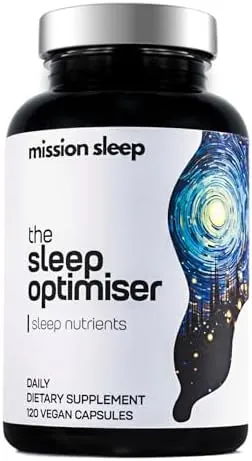
The Sleep Optimiser Sleeping Capsules - Non Melatonin Tablets Sleep Supplement for Adults with Magnesium Glycinate, L Theanine, Apigenin & Zinc - Nutrient-Based Sleeping Aid Suitable for Long Term Use
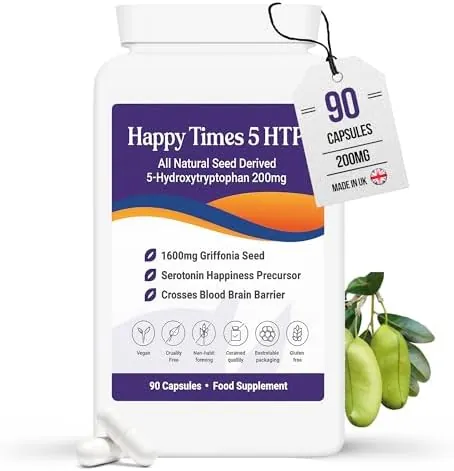
Happy Times Double Strength 5-HTP Supplement (200mg) Amino Acid 5 Hydroxytryptophan -Serotonin Melatonin Happiness Hormone Precursor Natural Griffonia Seed Extract Herbal Healthy Sleeping
Top Vitamin B6 Products on AIScored
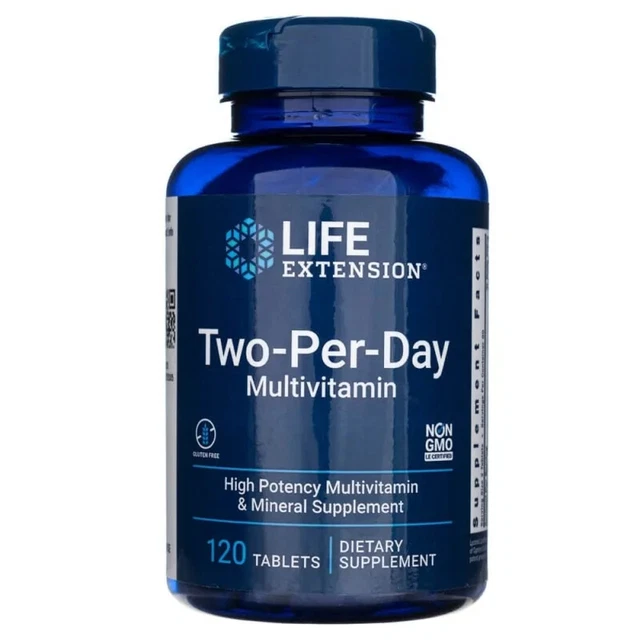


Want to check more interactions?
Add these and other supplements to our interactive Stack Analyzer for a full analysis.
Build your full stack →