Important: This page is for informational purposes only, based on published peer-reviewed research and official UK dietary guidelines (NHS, EFSA, SACN). It does not constitute medical advice. Always consult your GP or pharmacist before starting, stopping, or combining supplements.
NAC and Vitamin C — Can You Take Them Together?
Overview
NAC (N-acetyl cysteine) and Vitamin C share a well-documented functional relationship centred on the body's glutathione antioxidant system. NAC supplies cysteine — the rate-limiting precursor to glutathione synthesis — while Vitamin C works to maintain glutathione in its active, reduced form. This complementary action has attracted growing research interest, particularly in the context of oxidative stress. Both supplements are widely used in the UK, with Vitamin C among the most popular dietary supplements on the market. Their combined use represents a scientifically coherent strategy for supporting endogenous antioxidant defences, underpinned by a moderate body of published evidence.
How They Interact
Glutathione (GSH) is the body's principal intracellular antioxidant, produced through a two-step enzymatic process. The first and rate-limiting step involves glutamate-cysteine ligase combining glutamate with cysteine. Because free dietary cysteine is unstable and poorly absorbed in the gut, NAC is used as a stable prodrug — the acetyl group is cleaved intracellularly, releasing cysteine for glutathione synthesis. Rushworth and Megson (Pharmacology & Therapeutics, 2014) review this mechanism comprehensively, noting that NAC's efficacy as an antioxidant is largely mediated through its conversion to intracellular GSH rather than through direct free-radical scavenging. Once glutathione neutralises a reactive oxygen species, it becomes oxidised to glutathione disulphide (GSSG). For the antioxidant cycle to continue, GSSG must be reduced back to active GSH — a process partially mediated by ascorbate (Vitamin C) through the glutathione-ascorbate pathway. Johnston et al. (American Journal of Clinical Nutrition, 1993) demonstrated that oral Vitamin C supplementation significantly elevates red blood cell glutathione in healthy adults, providing human evidence for this recycling mechanism. Individual responses may vary based on nutritional status and underlying health factors.
Timing & Dosage Guidance
NAC is commonly taken on an empty stomach — approximately 30–60 minutes before meals — as food may reduce its absorption rate. Vitamin C is more versatile and can be taken with or without food, though consuming it with meals may reduce gastrointestinal discomfort at higher doses. No published evidence suggests that co-administration of the two reduces the efficacy of either supplement; the complementary mechanisms actually support concurrent use. A practical approach is to take NAC fasted in the morning and distribute Vitamin C doses alongside meals throughout the day. Those taking prescription medication, particularly paracetamol or anticoagulants, should consult a healthcare professional before combining these supplements.
Clinical studies investigating glutathione support have typically used NAC at 600–1,800 mg per day. As NAC is not classified as a vitamin or mineral in the UK, SACN has not established a formal tolerable upper intake level for it. For Vitamin C, EFSA sets a tolerable upper intake level of 1,000 mg per day for adults; the NHS Reference Nutrient Intake is 40 mg/day, though research studies often use 200–500 mg for antioxidant purposes. When combining both supplements, mid-range doses — for example, 600 mg NAC and 250–500 mg Vitamin C — represent a reasonable starting point. No established combined dosing protocol exists in the literature. Individual responses may vary, and higher doses should be discussed with a healthcare professional.
Recommended Action
These can be taken together. NAC is often taken on an empty stomach, while Vitamin C can be taken with or without food.
NAC Timing
When: Any
Note: Can be taken on empty stomach. Precursor to glutathione — the body's master antioxidant. Pair with vitamin C for synergy.
Vitamin C Timing
When: Any
Note: Water-soluble — can be taken any time. Split doses improve absorption at higher amounts.
Scientific Evidence
2 peer-reviewed studies cited. All links lead to PubMed abstracts.
American Journal of Clinical Nutrition (1993) · PMID: 8317379
Oral Vitamin C supplementation (500 mg/day for two weeks) significantly increased red blood cell glutathione concentrations in healthy adults, providing direct human evidence for ascorbate's role in supporting glutathione status.
Pharmacology & Therapeutics (2014) · PMID: 24080471
Comprehensive review establishing that NAC's antioxidant effects are primarily mediated through intracellular conversion to cysteine and subsequent glutathione synthesis, rather than through direct free-radical scavenging.
Frequently Asked Questions
Research suggests co-administration is reasonable, as the two supplements act at distinct points in the glutathione cycle rather than competing for the same pathway. NAC supports glutathione synthesis by supplying cysteine; Vitamin C supports recycling of oxidised glutathione back to its active form. No known pharmacokinetic interaction reduces the efficacy of either when taken together. Individual responses may vary, and those with chronic health conditions should seek guidance from a qualified healthcare professional.
Not necessarily. Johnston et al. (Am J Clin Nutr, 1993) showed that Vitamin C supplementation alone can elevate red blood cell glutathione, indicating an independent contribution to GSH status. However, NAC acts upstream by providing the substrate for fresh glutathione synthesis — a function Vitamin C cannot replicate. The two mechanisms are additive rather than interchangeable. Dosage decisions should reflect individual health goals and, where relevant, advice from a qualified healthcare professional.
At commonly available doses, no significant adverse interactions between NAC and Vitamin C have been reported in the published literature. EFSA's tolerable upper intake level for Vitamin C is 1,000 mg/day in adults. High doses of either supplement individually may cause gastrointestinal discomfort. Those with kidney conditions should exercise caution, as both high-dose Vitamin C and cysteine-containing compounds may warrant medical supervision. Individual responses vary considerably, and this information does not constitute medical advice.
Top NAC Products on AIScored

WOOLF Soft Duck Fillet Dog Treats - Complementary Snacks for Dogs. All-Natural Ingredients, High Meat Content, Nutritional, Free from Artificial Additives. Suitable for Dogs (100g)
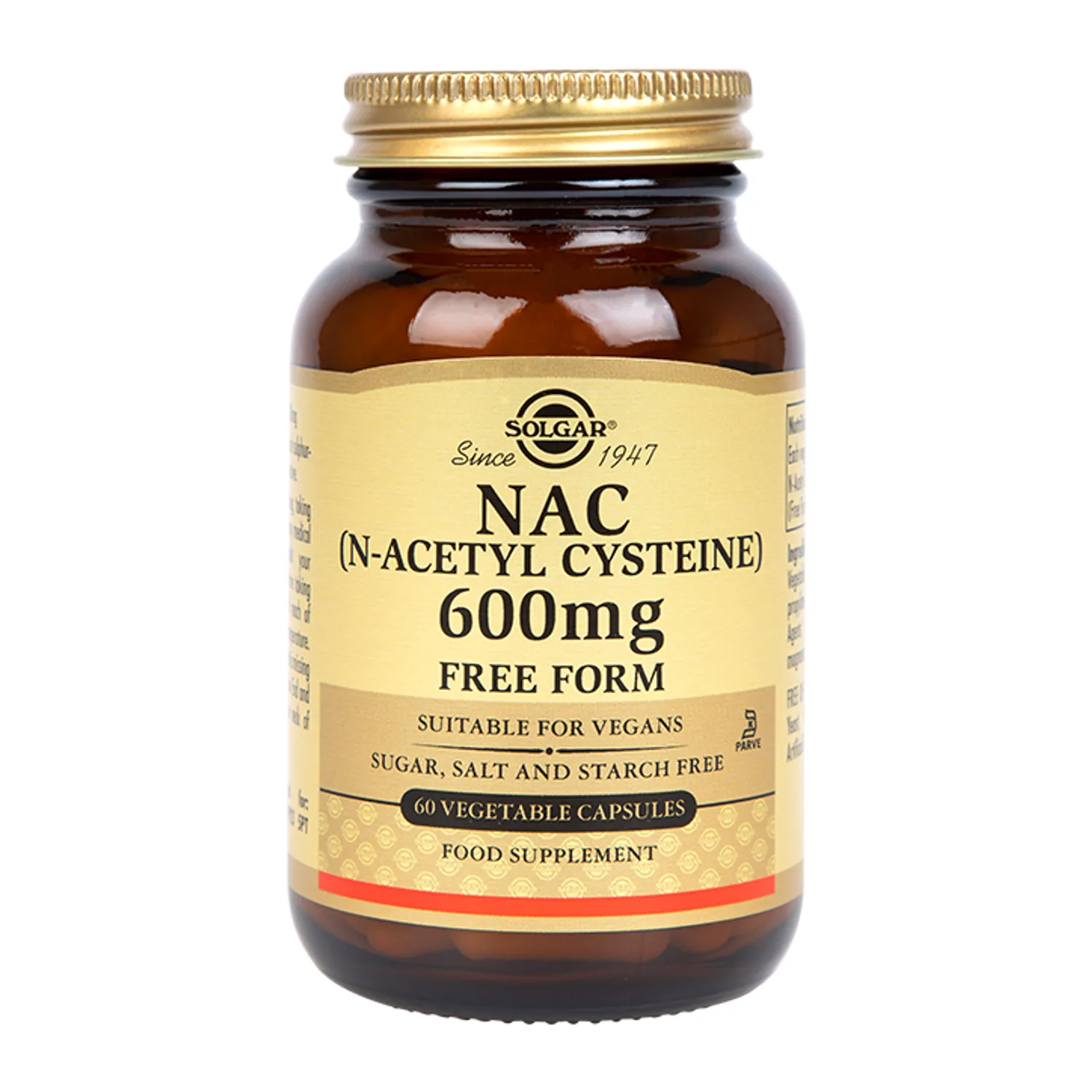
WOOLF Chunkies - Complementary Snacks for Dogs. Dog Treats with Natural Ingredients and High Meat Content, Balanced Nutrition, Free from Artificial Additives. Suitable for Puppies (Rabbit, 100g)
Top Vitamin C Products on AIScored
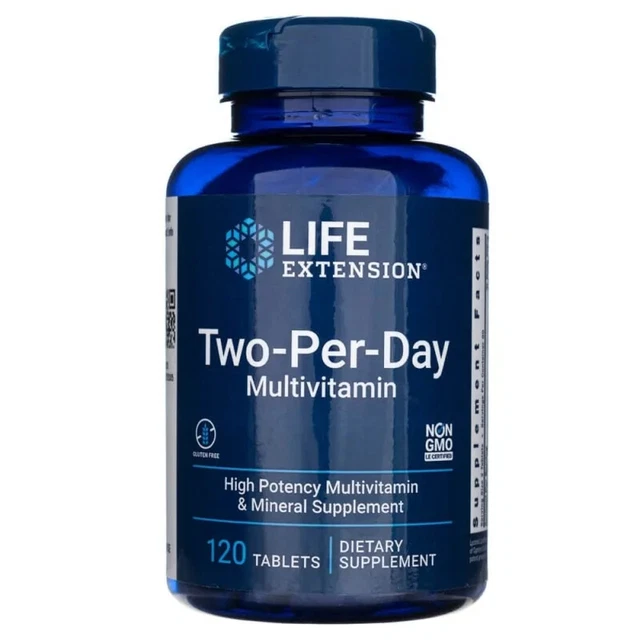
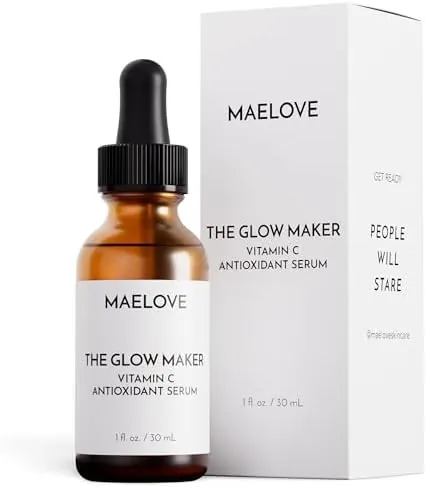
MAELOVE Vitamin C Serum, Glow Maker with Vitamins C, E, Ferulic Acid and Hyaluronic Acid, Fragrance-Free, Award-Winning Highlighting and Moisturizing Face Serum, 50 ml
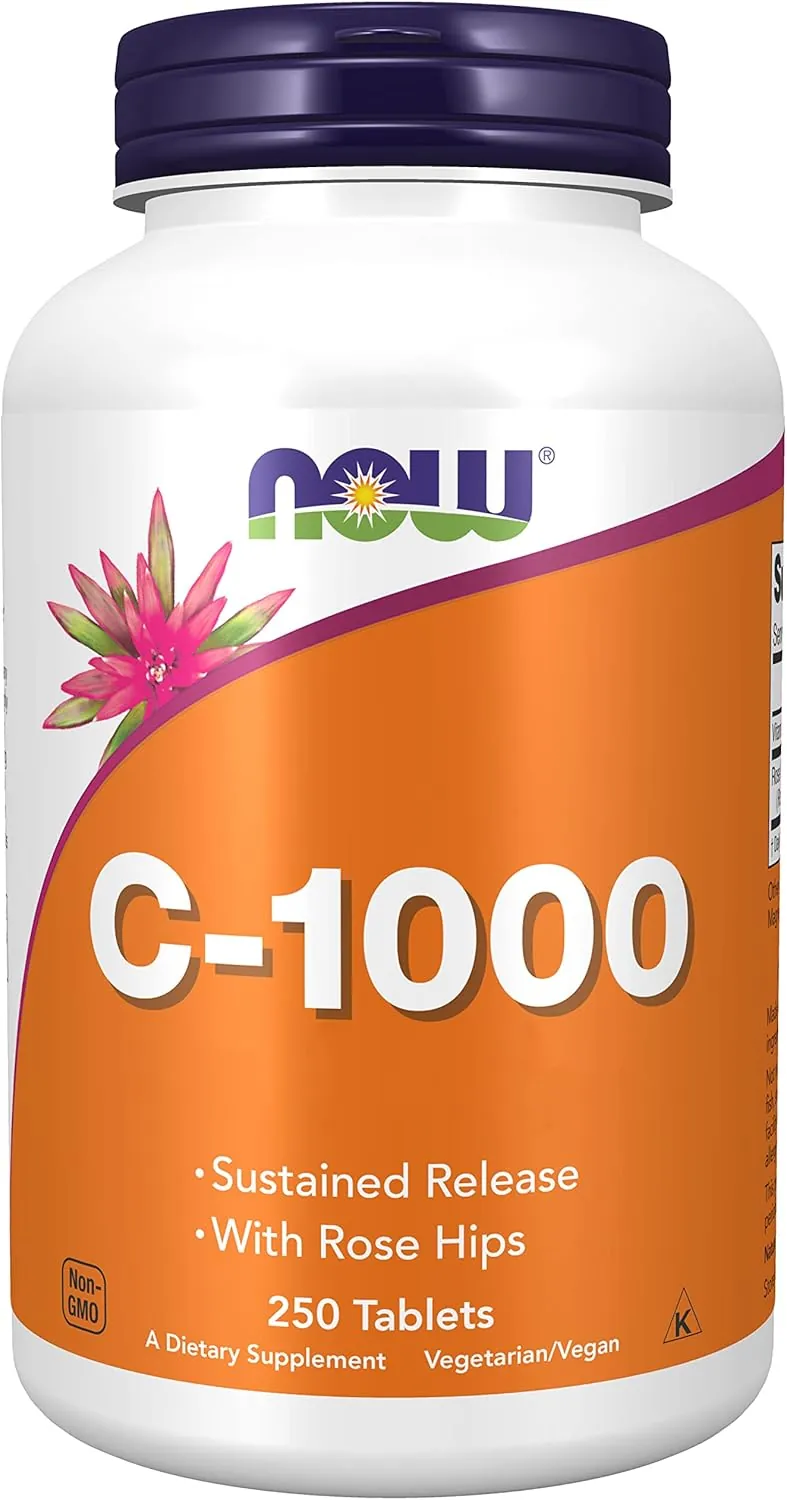
NOW Foods Vitamin C-1000 with Rose Hips & Bioflavonoids - 250 Tablets
Want to check more interactions?
Add these and other supplements to our interactive Stack Analyzer for a full analysis.
Build your full stack →