Important: This page is for informational purposes only, based on published peer-reviewed research and official UK dietary guidelines (NHS, EFSA, SACN). It does not constitute medical advice. Always consult your GP or pharmacist before starting, stopping, or combining supplements.
NAC and Zinc — Can You Take Them Together?
Overview
N-acetylcysteine (NAC) and zinc are both widely used supplements with well-established roles in cellular protection and immune support. NAC serves as the rate-limiting precursor to glutathione — the body's primary endogenous antioxidant — whilst zinc is essential for over 300 enzymatic reactions, normal immune function, and wound healing. When taken concurrently, however, research suggests their co-administration warrants consideration. The sulfhydryl (–SH) group in NAC has the potential to bind zinc ions in the gastrointestinal tract, potentially influencing absorption of both compounds. Understanding this interaction may help individuals optimise the timing of each supplement. Individual responses may vary.
How They Interact
The interaction between NAC and zinc is rooted in thiol-metal coordination chemistry. NAC's sulfhydryl group (–SH) can act as a ligand for divalent metal cations, including zinc (Zn²⁺), forming stable coordination complexes within the gut lumen. Bretti et al. (2020) used thermodynamic modelling to demonstrate that NAC forms multiple stable species with Zn²⁺ — including ZnL⁰(aq) and ZnL₂²⁻ — with zinc exhibiting considerably stronger binding affinity to NAC than calcium or magnesium (PMID: 32904480). These complexes may alter zinc solubility and its transport across the intestinal epithelium, potentially reducing net absorption. The effect appears dose-dependent. Brumas et al. (1992) showed through computer simulation that NAC can mobilise zinc into urinary-excretable complexes from concentrations of approximately 10⁻³ mol/dm³, with NAC's metabolite cysteine identified as a particularly potent zinc-sequestering agent (PMID: 1529808). At standard oral supplemental doses the thermodynamic interaction is less pronounced in vivo, though the underlying chemistry remains operative and may be of greater relevance in individuals with marginal zinc status.
Timing & Dosage Guidance
To minimise the potential for zinc–NAC complex formation in the gastrointestinal tract, pharmacological reasoning suggests separating these supplements across meal times. Taking NAC on an empty stomach — approximately 30 minutes before a meal — facilitates faster mucosal absorption, reducing the duration of co-localisation with zinc in the gut lumen. Zinc is generally better tolerated and absorbed when taken with food, making a mealtime dose a practical arrangement. Wolfram et al. (2020) observed reduced zinc concentrations in key tissues following chronic NAC use in animal models, suggesting that consistent separation may be particularly relevant for longer-term supplementation protocols (PMID: 33198336). Individual responses may vary.
The NAC–zinc interaction appears dose-dependent. Standard supplemental NAC doses range from 400–1,200 mg per day, whilst NHS guidance places the reference nutrient intake for zinc at 9.5 mg for adult men and 7 mg for adult women. Hjortsø et al. (1990) found no significant change in plasma zinc or urinary zinc excretion in healthy volunteers receiving 600 mg oral NAC daily for two weeks (PMID: 2276385). Individuals with borderline zinc status — including vegetarians, older adults, and those with gastrointestinal conditions affecting mineral absorption — may be more susceptible to this interaction. Research suggests that maintaining adequate dietary zinc intake may be particularly important within these groups.
Recommended Action
Taking NAC on an empty stomach (30 min before food) and zinc with a meal may help avoid the chelation interaction.
NAC Timing
When: Any
Note: Can be taken on empty stomach. Precursor to glutathione — the body's master antioxidant. Pair with vitamin C for synergy.
Zinc Timing
When: Morning
Note: Take with food to prevent nausea. Away from iron and calcium supplements.
Scientific Evidence
4 peer-reviewed studies cited. All links lead to PubMed abstracts.
Antioxidants (Basel) (2020) · PMID: 33198336
NAC treatment reduced cellular concentrations of zinc and copper in vitro, and chronic NAC administration decreased zinc and copper levels in liver and spleen tissue in mice, raising considerations for long-term supplementation in individuals with marginal trace element status.
European Journal of Clinical Pharmacology (1990) · PMID: 2276385
In ten healthy volunteers receiving 600 mg oral NAC daily for two weeks, no significant change in plasma zinc concentration or urinary zinc excretion was observed, suggesting standard therapeutic oral doses do not meaningfully compromise zinc status in healthy individuals.
Agents Actions (1992) · PMID: 1529808
Computer simulation demonstrated that NAC can mobilise zinc into urinary-excretable complexes at concentrations of 10⁻³ mol/dm³, with cysteine — a principal NAC metabolite — identified as the most potent zinc-sequestering agent, an effect especially pronounced at the high intravenous doses used clinically.
Journal of Molecular Liquids (2020) · PMID: 32904480
Thermodynamic modelling confirmed that Zn²⁺ binds substantially more strongly to NAC than Ca²⁺ or Mg²⁺, forming multiple stable complex species, with over 76% of trace zinc distributed as NAC complexes under certain physiological-range conditions.
Frequently Asked Questions
The evidence is nuanced. Hjortsø et al. (1990) found no significant change in plasma zinc or urinary zinc excretion in healthy volunteers taking 600 mg oral NAC daily for two weeks (PMID: 2276385). However, Wolfram et al. (2020) observed reduced zinc concentrations in liver and spleen tissue in mice chronically treated with NAC (PMID: 33198336). The effect appears dose- and duration-dependent, with individuals of marginal zinc status potentially more susceptible. Individual responses may vary.
Direct comparative trials of zinc forms co-administered with NAC are currently limited. Generally, organic zinc forms — such as zinc bisglycinate, zinc picolinate, and zinc citrate — are considered more bioavailable than zinc oxide across a range of gut pH conditions. These forms may offer more consistent absorption even in the presence of chelating compounds. Research and pharmacological reasoning suggest separating NAC and zinc by at least 30–60 minutes, regardless of zinc form. Individual responses may vary.
Research suggests the interaction is most clinically relevant at higher doses and with extended use. For those taking NAC at standard doses (400–600 mg) over short periods, the impact on zinc status in healthy individuals appears modest based on available evidence (Hjortsø et al., 1990; PMID: 2276385). Those using NAC long-term, or with borderline zinc intake — including individuals following plant-based diets — may benefit from consciously separating the two supplements. EFSA recognises zinc as essential for normal immune function and DNA synthesis.
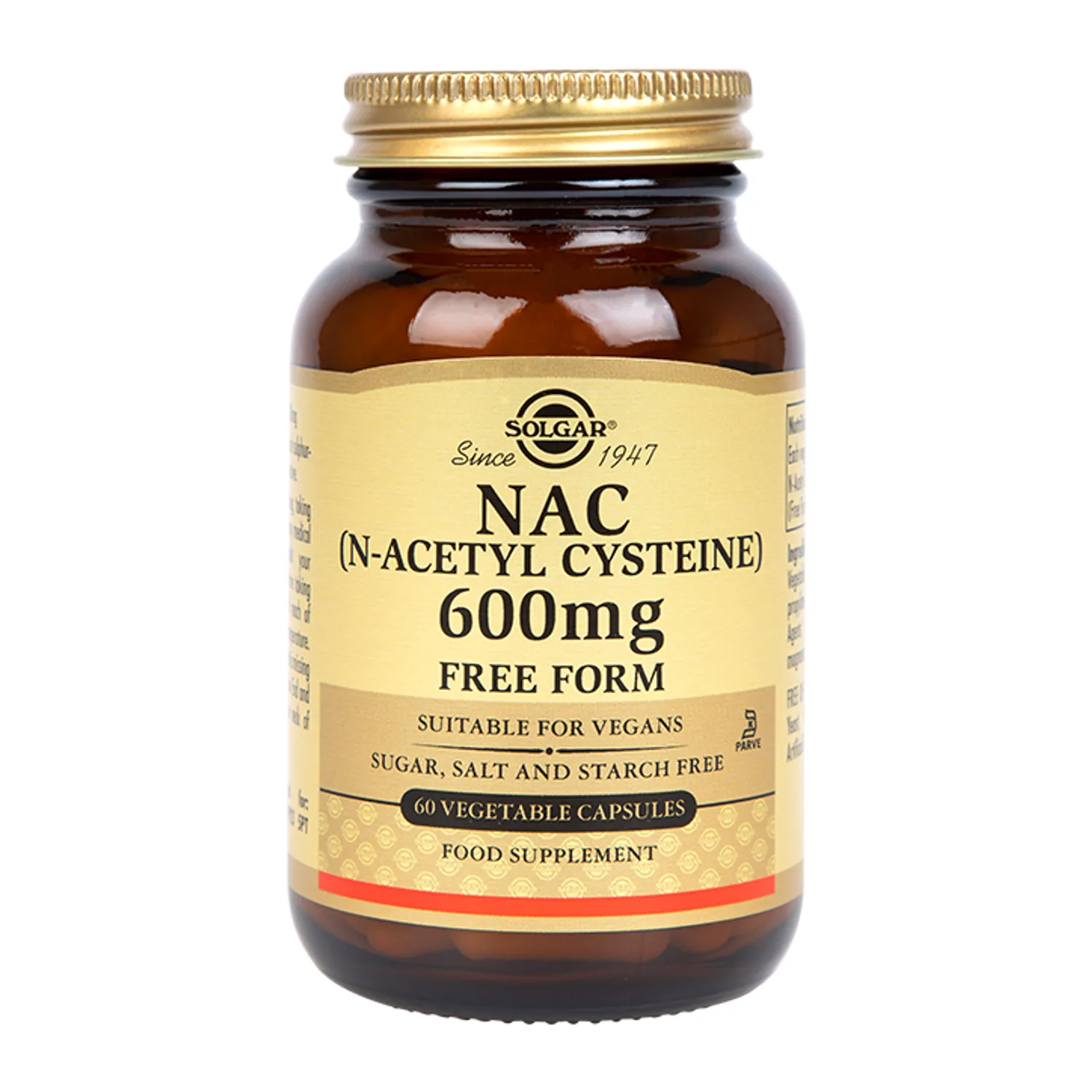
Top NAC Products on AIScored

WOOLF Soft Duck Fillet Dog Treats - Complementary Snacks for Dogs. All-Natural Ingredients, High Meat Content, Nutritional, Free from Artificial Additives. Suitable for Dogs (100g)
WOOLF Chunkies - Complementary Snacks for Dogs. Dog Treats with Natural Ingredients and High Meat Content, Balanced Nutrition, Free from Artificial Additives. Suitable for Puppies (Rabbit, 100g)
Top Zinc Products on AIScored
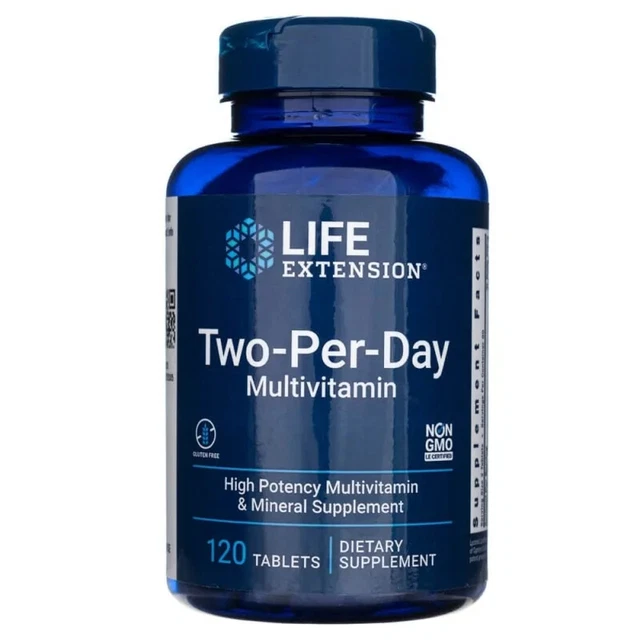
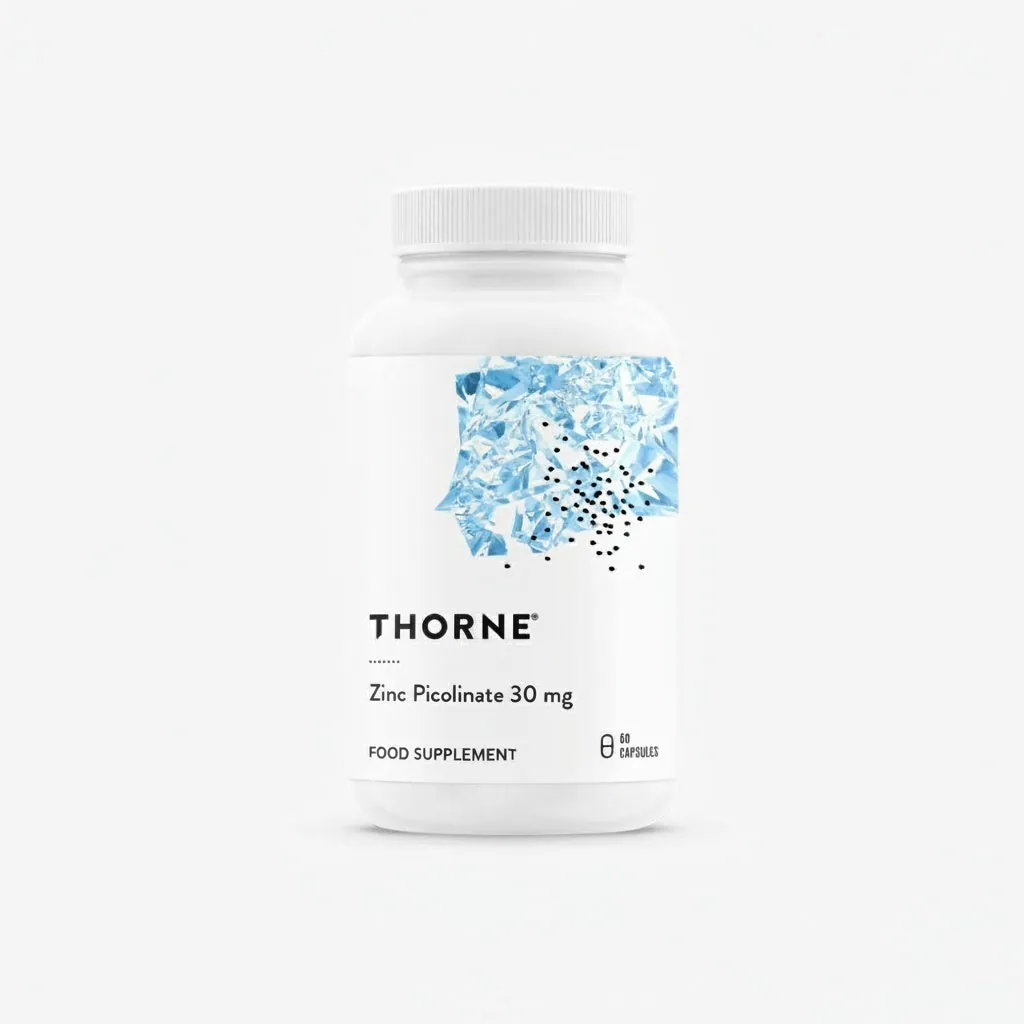
The Ordinary Niacinamide 10% + Zinc 1%, Brightening & Smoothing Serum for Blemish-Prone Skin, 30ml
Want to check more interactions?
Add these and other supplements to our interactive Stack Analyzer for a full analysis.
Build your full stack →