Important: This page is for informational purposes only, based on published peer-reviewed research and official UK dietary guidelines (NHS, EFSA, SACN). It does not constitute medical advice. Always consult your GP or pharmacist before starting, stopping, or combining supplements.
Omega-3 and GLA (Omega-6) — Can You Take Them Together?
Overview
Omega-3 fatty acids (EPA and DHA) and gamma-linolenic acid (GLA) are both polyunsaturated fatty acids, yet they belong to different structural families. Where most omega-6 fats are associated with pro-inflammatory activity, GLA is a notable exception — research suggests it follows a distinct metabolic pathway that produces anti-inflammatory mediators, making it functionally more similar to omega-3 than to linoleic acid, the dominant omega-6 in Western diets. The conventional concern about omega-6 supplementation undermining omega-3 benefits does not appear to apply to GLA. For those taking fish oil, algae oil, or krill oil alongside evening primrose, borage, or starflower oil, this interaction warrants closer attention.
How They Interact
The synergy between GLA and omega-3 fatty acids operates through complementary branches of the eicosanoid pathway. After consumption, GLA is elongated by the enzyme ELOVL5 to dihomo-gamma-linolenic acid (DGLA), which accumulates in phospholipid membranes of immune cells. Cyclooxygenase-1 and -2 (COX-1/2) then act on DGLA to produce prostaglandin E1 (PGE1) — a signalling lipid with vasodilatory and anti-inflammatory properties. Separately, the omega-3 fatty acid EPA is metabolised by the same COX and 5-lipoxygenase pathways to produce prostaglandin E3 (PGE3) and specialised pro-resolving mediators (SPMs), including resolvins and protectins, which actively resolve inflammatory responses rather than merely suppressing them. Critically, EPA and DHA appear to compete with the downstream conversion of DGLA to arachidonic acid (AA) — the precursor to strongly pro-inflammatory eicosanoids. Research by Sergeant, Rahbar, and Chilton (European Journal of Pharmacology, 2016) describes how this competitive inhibition allows DGLA to accumulate in immune cell membranes, amplifying anti-inflammatory output. This mechanism distinguishes GLA from linoleic acid (LA), which does not confer the same benefit and may compete with omega-3 for the same elongase and desaturase enzymes.
Timing & Dosage Guidance
Both GLA-containing oils — evening primrose, borage (starflower), and blackcurrant seed — and omega-3 supplements are fat-soluble and require dietary fat for optimal absorption. Research suggests no specific timing advantage to separating these two supplement types; taking them with the same fat-containing meal is a practical approach. Some individuals find that dividing fatty acid supplements between two meals (for example, one capsule at lunch and one at dinner) reduces the mild gastrointestinal discomfort that can occasionally accompany higher combined doses. Individual responses may vary. If you are introducing both supplements for the first time, establishing tolerability with one before adding the other is a sensible approach.
There is no established UK RDA for GLA; SACN has not issued a specific target intake. Clinical studies examining GLA alongside omega-3 have used GLA doses from 0.5 g to 2.8 g per day, with EPA+DHA doses of 1–4 g per day. A 2003 study by Laidlaw and Holub (American Journal of Clinical Nutrition, PMID 12499320) used 4 g EPA+DHA combined with 2 g GLA daily in healthy women and found favourable effects on blood lipid and fatty acid profiles. SACN recommends at least 450 mg EPA+DHA per week from oily fish or supplements as a population target. For GLA, borage oil (20–24% GLA by weight) delivers substantially more per capsule than evening primrose oil (8–10% GLA). Individual metabolic responses — including genetic variation in the FADS gene cluster — may influence how effectively GLA is converted to DGLA.
Recommended Action
GLA from evening primrose or borage oil can be taken alongside omega-3 fish oil. Both support anti-inflammatory prostaglandin production.
Omega-3 Timing
When: Any
Note: Take with a meal containing fat for best absorption. Split high doses across meals to reduce fishy burps. Freeze capsules to reduce aftertaste.
GLA (Omega-6) Timing
When: Any
Note: Fat-soluble — take with a meal. Unlike most omega-6 fats, GLA is anti-inflammatory.
Scientific Evidence
4 peer-reviewed studies cited. All links lead to PubMed abstracts.
Evidence-Based Complementary and Alternative Medicine (2014) · PMID: 24803948
Supplementation with borage seed oil (GLA source) and fish oil each produced significant reductions in rheumatoid arthritis disease activity over 18 months, with patients in both groups able to reduce DMARD medication use; the combination arm showed no adverse interactions.
American Journal of Clinical Nutrition (2003) · PMID: 12499320
A daily combination of 4 g EPA+DHA with 2 g GLA significantly reduced triglycerides and LDL cholesterol in healthy women, with an estimated 43% reduction in 10-year cardiovascular risk compared with baseline.
European Journal of Pharmacology (2016) · PMID: 27083549
Omega-3 EPA and DHA compete with the conversion of DGLA (GLA's metabolite) to pro-inflammatory arachidonic acid, allowing DGLA to accumulate in immune cell membranes and sustain anti-inflammatory prostaglandin E1 production.
Journal of Nutrition (1998) · PMID: 9732298
Dietary GLA reliably increases DGLA concentration in cell membranes without elevating arachidonic acid, enabling production of anti-inflammatory and antiproliferative eicosanoids when immune cells are stimulated.
Frequently Asked Questions
No. GLA is metabolically distinct from linoleic acid, the most prevalent omega-6 in Western diets. Whereas linoleic acid is readily converted to arachidonic acid — a precursor to pro-inflammatory eicosanoids — GLA is preferentially elongated to DGLA, which produces anti-inflammatory prostaglandin E1. Research by Fan and Chapkin (Journal of Nutrition, 1998; PMID 9732298) found that dietary GLA increases DGLA in cell membranes without raising arachidonic acid levels, a key distinction from other omega-6 fatty acids. Individual responses may vary.
Research suggests these are compatible and potentially complementary. A double-blind 18-month trial by Reed et al. (Evidence-Based Complementary and Alternative Medicine, 2014; PMID 24803948) found that borage seed oil — a GLA source — and fish oil each produced meaningful reductions in rheumatoid arthritis disease activity, with no adverse interactions reported for the combination group. Standard fish oil and evening primrose oil can generally be taken with the same meal. Consult a healthcare professional if you take blood-thinning medications, as both fatty acid classes may influence platelet function.
Borage oil (also labelled as starflower oil) contains the highest GLA concentration — typically 20–24% of total fatty acids — compared with evening primrose oil (8–10%) and blackcurrant seed oil (15–20%). Borage therefore delivers more GLA per gram. Evening primrose oil has the longest clinical research history in the UK context. Supplement freshness and cold-pressing quality matter for all GLA sources, as polyunsaturated fatty acids are susceptible to oxidation. Individual metabolic factors, including genetic variants in the FADS gene cluster, may affect conversion efficiency regardless of source.
Top Omega-3 Products on AIScored
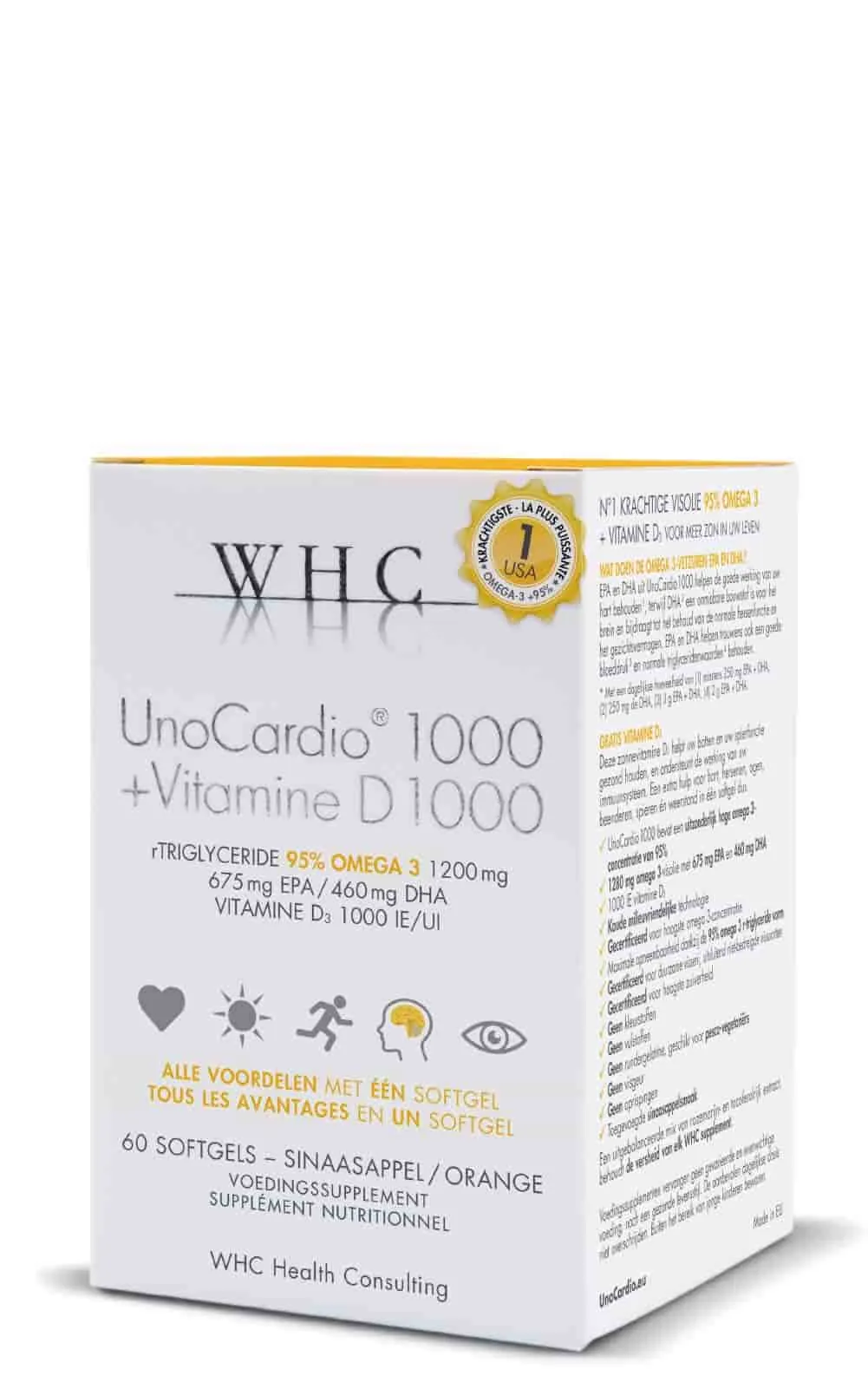
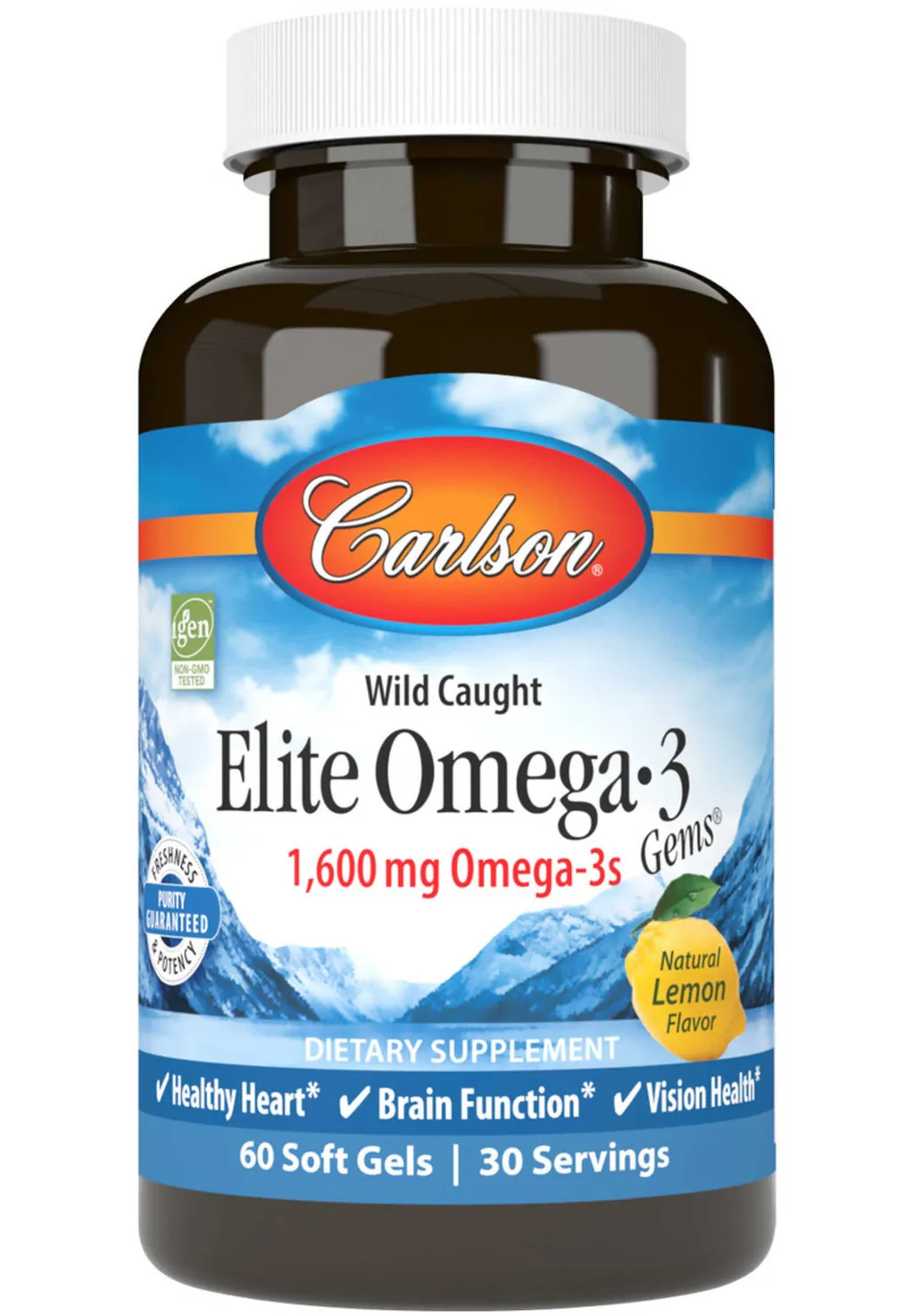
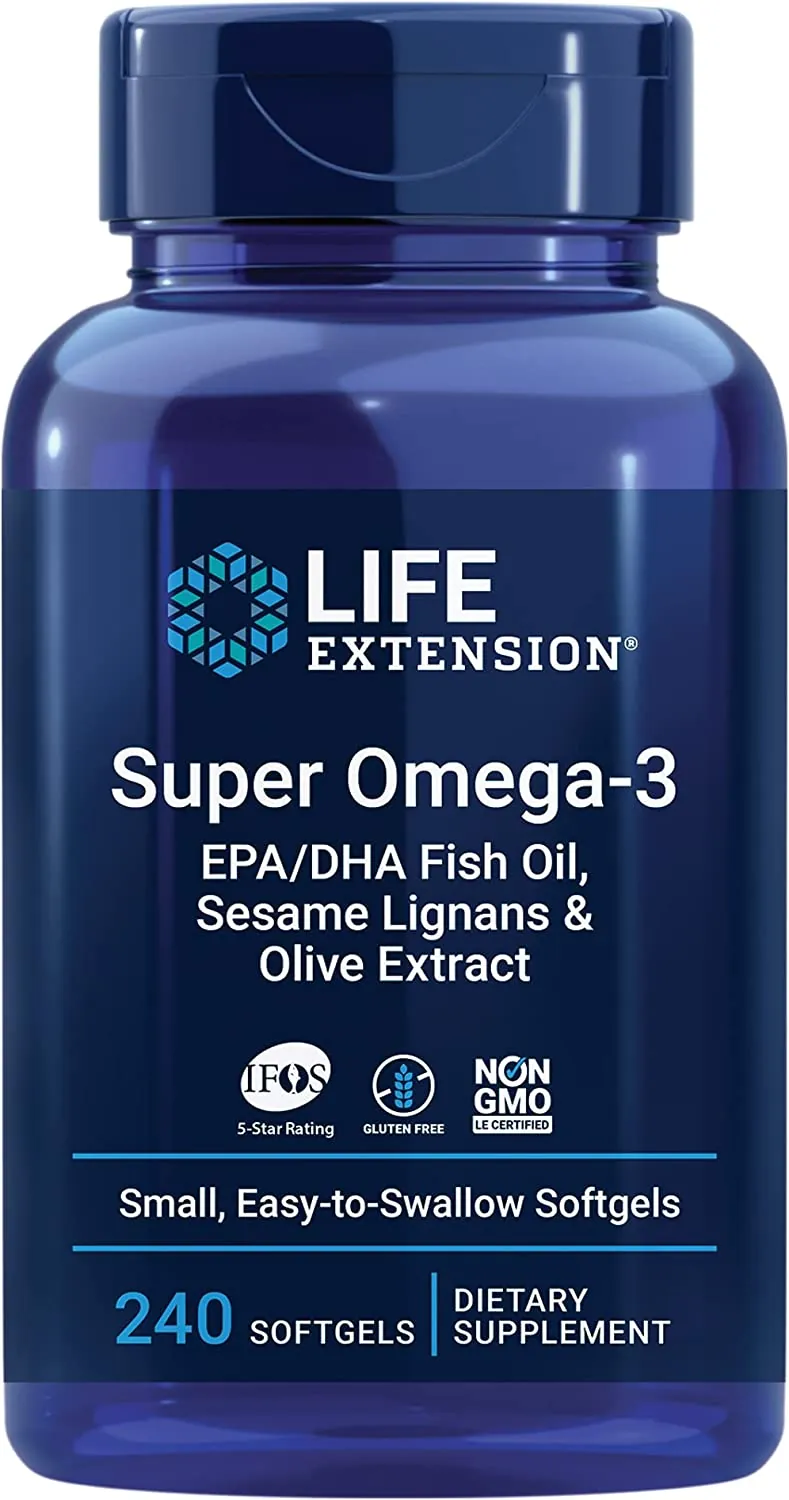
Top GLA (Omega-6) Products on AIScored
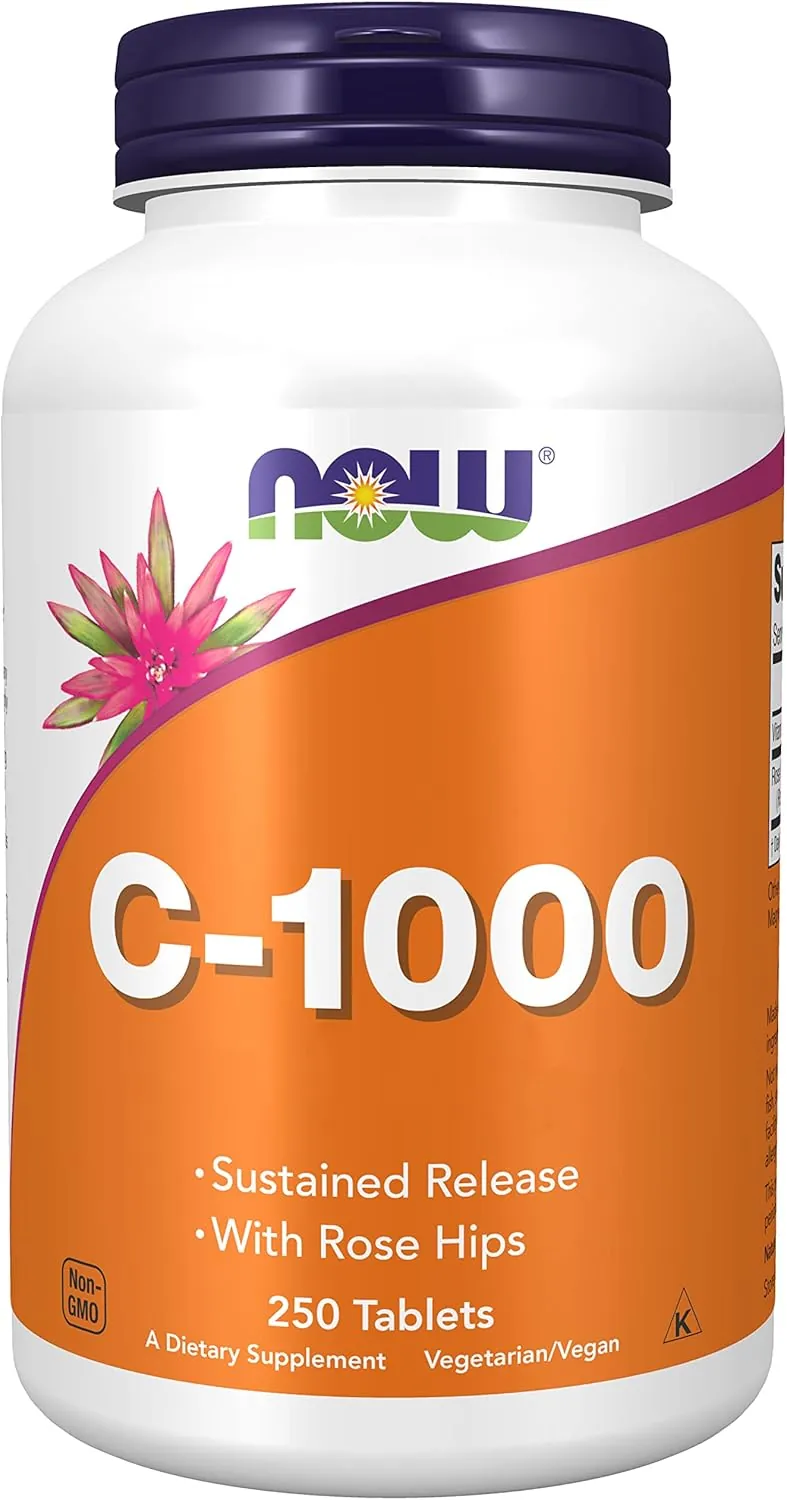
NOW Foods Vitamin C-1000 with Rose Hips & Bioflavonoids - 250 Tablets
Forthglade Dry Dog Food, Cold Pressed (6kg), Hypoallergenic and Grain Free Dog Food, Duck & Vegetables, Natural Senior, Adult and Puppy Meal, Vet Approved For Good Gut Health
Forthglade Wet Dog Food Variety Pack (12 x 395g Trays) - Grain Free & Hypoallergenic Dog Food, Adult 1 Year+, Chicken, Chicken with Liver & Turkey, Vegetables, Stomach Sensitive, Natural Ingredients
Want to check more interactions?
Add these and other supplements to our interactive Stack Analyzer for a full analysis.
Build your full stack →