Important: This page is for informational purposes only, based on published peer-reviewed research and official UK dietary guidelines (NHS, EFSA, SACN). It does not constitute medical advice. Always consult your GP or pharmacist before starting, stopping, or combining supplements.
Omega-3 and Probiotics — Can You Take Them Together?
Overview
Omega-3 fatty acids and probiotics represent two of the most widely studied nutritional supplements in the UK, yet their potential to interact beneficially within the gut is a relatively recent area of investigation. Omega-3s — primarily EPA (eicosapentaenoic acid) and DHA (docosahexaenoic acid) — are established for cardiovascular and anti-inflammatory support, while probiotics deliver live microbial strains to the gut. Emerging research suggests these two supplement categories may work in a complementary fashion, with omega-3 potentially creating a more favourable intestinal environment for probiotic bacteria to establish and thrive. Individual responses may vary, and the evidence base remains in early stages.
How They Interact
Omega-3 fatty acids appear to modulate gut microbiome composition through several interconnected pathways. EPA and DHA are partially metabolised in the intestinal environment into bioactive lipid mediators — including resolvins and protectins — which exert localised anti-inflammatory effects on the gut mucosa. This reduction in intestinal inflammation may create a more hospitable niche for beneficial bacterial strains such as Bifidobacterium and Lactobacillus, species commonly found in probiotic formulations. Additionally, research indicates that omega-3 supplementation may promote short-chain fatty acid (SCFA) production — butyrate, propionate, and acetate — by selectively enriching SCFA-producing bacterial populations. These metabolites reinforce colonocyte integrity and tighten the intestinal barrier, potentially facilitating probiotic colonisation. A randomised trial by Watson et al. (2018, Gut) observed significant shifts in gut microbiota composition following omega-3 supplementation in healthy adults, including increased Bifidobacterium relative abundance. The overall pattern suggests omega-3 may exert a prebiotic-like modulatory effect, though the clinical magnitude of this synergy with probiotic supplementation has not yet been definitively quantified in head-to-head trials.
Timing & Dosage Guidance
Omega-3 fatty acids are fat-soluble, and their absorption is substantially improved when taken with a meal containing dietary fat. Research suggests bioavailability of EPA and DHA may increase markedly under fed versus fasted conditions, making mealtimes the practical recommendation. Timing of probiotics is strain-dependent: Lactobacillus and Bifidobacterium strains are typically advised 15–30 minutes before a meal or alongside a low-acid food, as gastric pH affects bacterial survival. Spore-forming Bacillus strains are generally more resilient and less timing-sensitive. There is no known pharmacokinetic interaction requiring omega-3 and probiotics to be separated; both may be taken on the same day without concern.
SACN recommends a dietary omega-3 intake equivalent to at least one portion of oily fish per week, providing approximately 450 mg EPA+DHA daily, though no formal RDA exists for supplements. Studies examining omega-3 effects on gut microbiome composition have typically used doses of 1–4 g combined EPA+DHA daily. For probiotics, no established RDA exists; clinical trials commonly use doses of 1–10 billion CFU (colony-forming units) per day, with efficacy being highly strain-specific rather than dose-dependent above a threshold. There is currently no evidence that co-supplementation alters the effective dose of either. Individuals on anticoagulant or immunosuppressant medication should seek GP guidance before combining high-dose omega-3 with probiotic supplementation.
Recommended Action
These can be taken together. Omega-3 with food and probiotics as directed (strain-dependent timing).
Omega-3 Timing
When: Any
Note: Take with a meal containing fat for best absorption. Split high doses across meals to reduce fishy burps. Freeze capsules to reduce aftertaste.
Probiotics Timing
When: Morning
Note: Take with or just before a meal — food buffers stomach acid, improving bacterial survival. Strain specificity matters — different strains have different effects.
Scientific Evidence
3 peer-reviewed studies cited. All links lead to PubMed abstracts.
Gut (2018) · PMID: 28971994
Omega-3 supplementation significantly altered gut microbiota composition in healthy adults, including increased Bifidobacterium and Lachnospiraceae family abundance, supporting a modulatory role for EPA and DHA on the intestinal microbiome.
International Journal of Molecular Sciences (2017) · PMID: 29215589
A systematic review of human and animal studies found consistent associations between omega-3 supplementation and increased abundance of beneficial genera including Bifidobacterium and Lactobacillus, alongside reductions in potentially pathogenic species.
Scientific Reports (2017) · PMID: 28894110
In a large observational cohort, higher habitual omega-3 intake was positively correlated with greater gut microbiome alpha-diversity and enrichment of butyrate-producing bacterial taxa, suggesting a diet-microbiome interaction relevant to probiotic supplementation contexts.
Frequently Asked Questions
There is no evidence of adverse interaction between omega-3 fatty acids and probiotic bacteria. Taking omega-3 with a meal (to maximise absorption) alongside or around the same time as a probiotic is a practical approach. Strain-specific product guidance should still be followed, as some Lactobacillus formulations recommend pre-meal dosing to improve bacterial survival through gastric acid. Individual responses may vary.
Emerging evidence suggests omega-3 may selectively promote the growth of beneficial bacterial species, which is conceptually similar to prebiotic activity. A 2017 review by Costantini et al. (Int J Mol Sci) noted associations between omega-3 supplementation and increased Bifidobacterium and Lactobacillus abundance across multiple human and animal studies. However, omega-3 is not classified as a prebiotic under EFSA definitions, and the effect appears modest and variable across individuals.
Algae oil is a plant-derived source of DHA (and some EPA in certain products) and is the primary omega-3 form studied in vegan populations. While most gut microbiome research has used fish-derived EPA+DHA, the proposed mechanisms centre on the fatty acid molecules themselves rather than the delivery matrix. No direct comparative trials have established superiority of one omega-3 form over another for microbiome modulation specifically. Algae oil remains a suitable option for those avoiding fish-derived supplements.
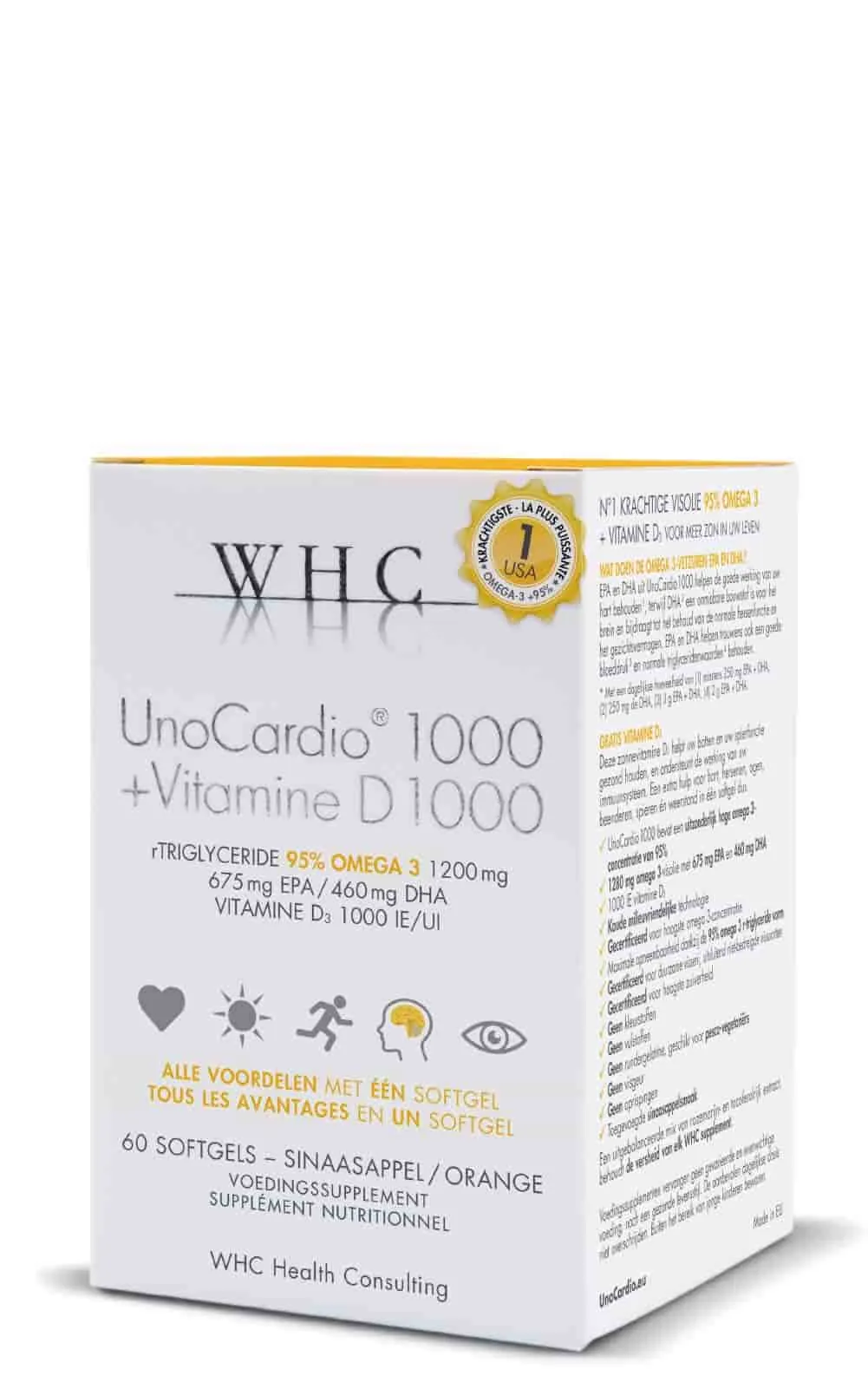
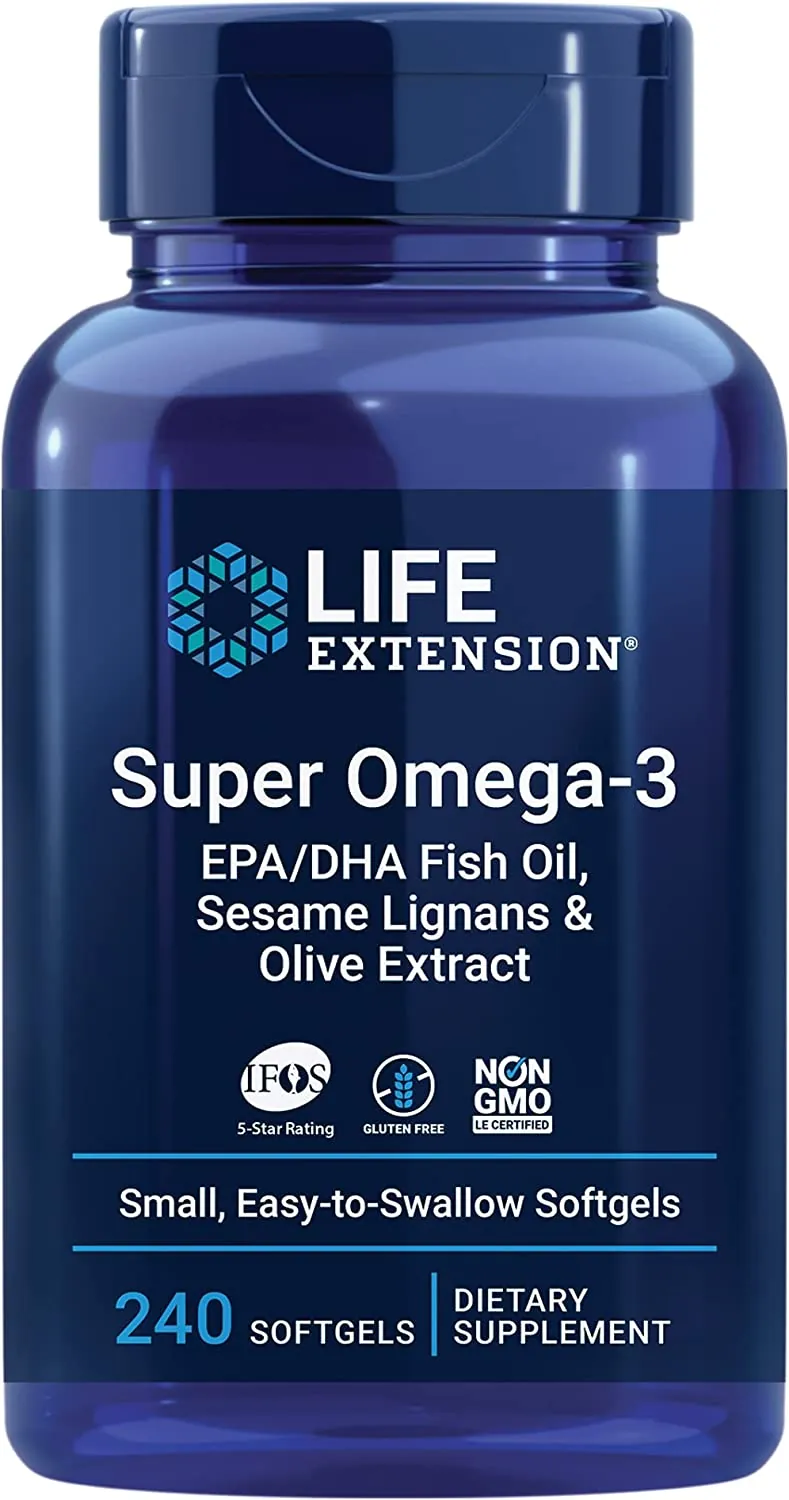
Top Omega-3 Products on AIScored

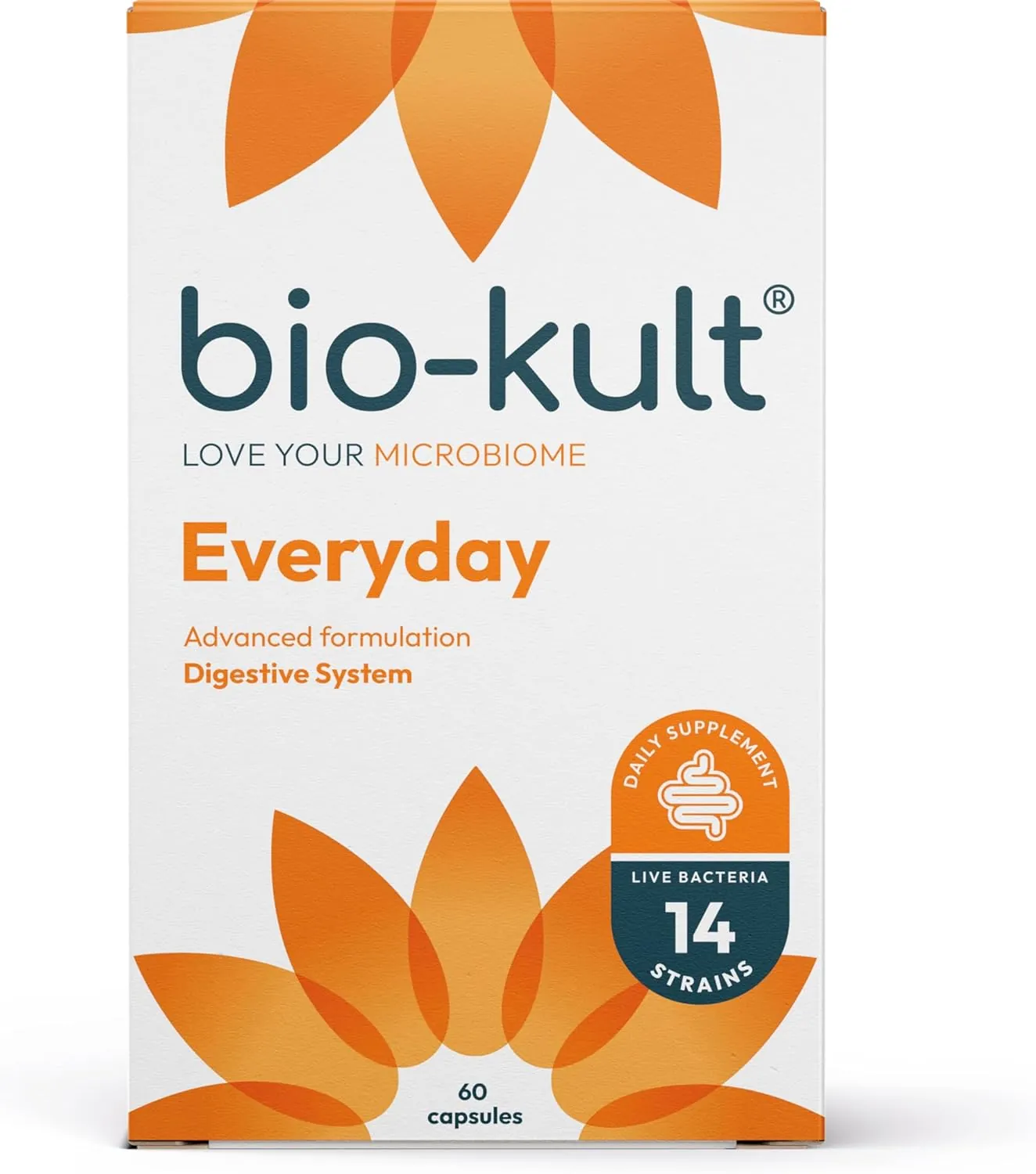
Top Probiotics Products on AIScored

Beauty of Joseon Relief Sun Rice Probiotics SPF 50+ PA++++ Korean Sunscreen sunblock for Face Daily Sunscreen for Men Women Skincare 50ml

Want to check more interactions?
Add these and other supplements to our interactive Stack Analyzer for a full analysis.
Build your full stack →