Important: This page is for informational purposes only, based on published peer-reviewed research and official UK dietary guidelines (NHS, EFSA, SACN). It does not constitute medical advice. Always consult your GP or pharmacist before starting, stopping, or combining supplements.
Omega-3 and Taurine — Can You Take Them Together?
Overview
Omega-3 fatty acids (EPA and DHA) and taurine are two extensively studied nutrients with independent bodies of evidence supporting cardioprotective properties. Research suggests they operate through distinct physiological mechanisms, raising the possibility of complementary benefits when combined. Notably, a 2021 study in the Journal of Clinical Investigation identified a direct biochemical connection: omega-3 supplementation generates N-acyl taurine (NAT) metabolites that appear to influence lipid metabolism, suggesting the relationship between these two nutrients may be more interlinked than previously recognised. For UK adults, the Science Advisory Committee on Nutrition (SACN) recommends a minimum of 450 mg EPA+DHA per week. Individual responses to supplementation may vary.
How They Interact
Taurine exerts its cardioprotective effects primarily through modulation of intracellular calcium handling in cardiomyocytes. It regulates the sodium-calcium exchanger (NCX), limiting calcium overload — a key driver of arrhythmias and ischaemia-reperfusion injury. Research has characterised taurine's broad antiarrhythmic profile through its simultaneous modulation of potassium, sodium, and calcium ion channels (PMID: 9635023). Omega-3 EPA and DHA act on separate ion channel targets: EPA stabilises cardiomyocyte membranes and modulates late sodium currents, while DHA influences calcium and potassium channel conductance — mechanisms distinct from those of taurine, as reviewed by Mason, Libby and Bhatt (PMID: 32212849). EPA and DHA also suppress hepatic very-low-density lipoprotein (VLDL) synthesis and enhance fatty acid oxidation, substantially reducing circulating triglycerides. A particularly striking finding from PMID: 33720044 (J Clin Invest, 2021) is that omega-3 supplementation generates N-acyl taurine metabolites — particularly C22:6 NAT — that accumulate in bile and plasma and inhibit intestinal triglyceride hydrolysis. This biochemical intersection suggests that part of omega-3's triglyceride-lowering effect may operate through a taurine-conjugated metabolite pathway, implying that adequate taurine status could influence the downstream efficacy of omega-3 supplementation.
Timing & Dosage Guidance
Both omega-3 and taurine can be taken together and are well-suited to co-administration with meals. Omega-3 fatty acids are fat-soluble, and research consistently demonstrates improved bioavailability when consumed alongside a fat-containing meal; this applies equally to triglyceride-form (rTG) fish oil and ethyl ester (EE) formulations. Taurine is water-soluble and can be taken with or without food, though pairing it with a meal may reduce the likelihood of mild gastrointestinal discomfort in sensitive individuals. There is no known pharmacokinetic interaction between taurine and omega-3 that would necessitate separating intake, and no evidence of competitive absorption at the intestinal level. Many clinical studies have administered both nutrients concurrently without timing restrictions.
SACN recommends a minimum of 450 mg EPA+DHA per week for the general UK adult population, though clinical cardiovascular trials typically employ substantially higher doses — often 1–4 g EPA+DHA per day. A dose-response study (PMID: 21159789) found that 3.4 g EPA+DHA daily produced significant triglyceride reductions in adults with moderate hypertriglyceridaemia. Taurine has no established Recommended Daily Amount under UK or EFSA guidelines; research doses for cardiovascular endpoints have ranged from 500 mg to 6 g per day. When combining the two supplements, standard doses in the literature — typically 1–2 g EPA+DHA and 500 mg–2 g taurine daily — appear well tolerated. Individual responses may vary considerably based on baseline cardiovascular status, dietary intake, and genetics. Those taking prescribed cardiovascular medications are advised to consult a qualified healthcare professional before beginning either supplement.
Recommended Action
These can be taken together with a meal. Both support heart health through different mechanisms.
Omega-3 Timing
When: Any
Note: Take with a meal containing fat for best absorption. Split high doses across meals to reduce fishy burps. Freeze capsules to reduce aftertaste.
Taurine Timing
When: Any
Note: Conditionally essential amino acid. Can be taken any time. Found abundantly in heart, brain, and eyes.
Scientific Evidence
4 peer-reviewed studies cited. All links lead to PubMed abstracts.
Journal of Clinical Investigation (2021) · PMID: 33720044
Omega-3 supplementation generates N-acyl taurine metabolites (particularly C22:6 NAT) that accumulate in bile and plasma, inhibiting intestinal triglyceride hydrolysis — directly linking omega-3 and taurine metabolic pathways in lipid regulation.
Journal of Dietary Supplements (2017) · PMID: 28118062
Short-term taurine supplementation (500 mg three times daily for two weeks) significantly improved functional capacity and reduced myocardial oxygen consumption in heart failure patients, supporting taurine's role in cardiac energy metabolism.
Arteriosclerosis, Thrombosis, and Vascular Biology (2020) · PMID: 32212849
EPA exerts cardioprotection through multiple mechanisms beyond triglyceride lowering, including cardiomyocyte membrane stabilisation, ion channel modulation, anti-inflammatory lipid mediator production, and improved endothelial function.
American Journal of Clinical Nutrition (2011) · PMID: 21159789
Higher-dose omega-3 supplementation (3.4 g EPA+DHA per day) produced significant triglyceride reductions in adults with moderate hypertriglyceridaemia, confirming the dose-dependent lipid-lowering effect of combined EPA and DHA.
Frequently Asked Questions
Yes — research published in the Journal of Clinical Investigation (PMID: 33720044, 2021) found that omega-3 supplementation generates N-acyl taurine metabolites, particularly C22:6 NAT, which accumulate in bile and plasma. These metabolites appear to inhibit intestinal triglyceride hydrolysis, suggesting that part of omega-3's lipid-lowering effect may operate through a taurine-conjugated pathway. This represents a genuinely novel biochemical intersection, though further human trials are needed to confirm the clinical significance of these findings.
No — studies indicate they act through distinct but potentially complementary ion channel pathways. Taurine primarily modulates the sodium-calcium exchanger and regulates intracellular calcium in cardiomyocytes (PMID: 9635023). Omega-3 EPA and DHA stabilise cardiomyocyte membranes and modulate late sodium currents through separate molecular targets (PMID: 32212849). This mechanistic divergence means the two nutrients may offer broader cardiac rhythm support when used in combination, though direct clinical trials comparing combined versus solo supplementation remain limited.
Available evidence suggests no known adverse interactions between taurine and omega-3 fish oil. Both are widely studied as standalone interventions and are commonly combined without reported safety concerns. Taurine is generally well tolerated at doses up to 3 g per day in healthy adults, and omega-3 at standard supplemental doses is considered safe for most people. As individual responses may vary, those with existing cardiovascular conditions or taking anticoagulant or lipid-lowering medications are advised to seek guidance from a qualified healthcare professional before combining the two.
Top Omega-3 Products on AIScored
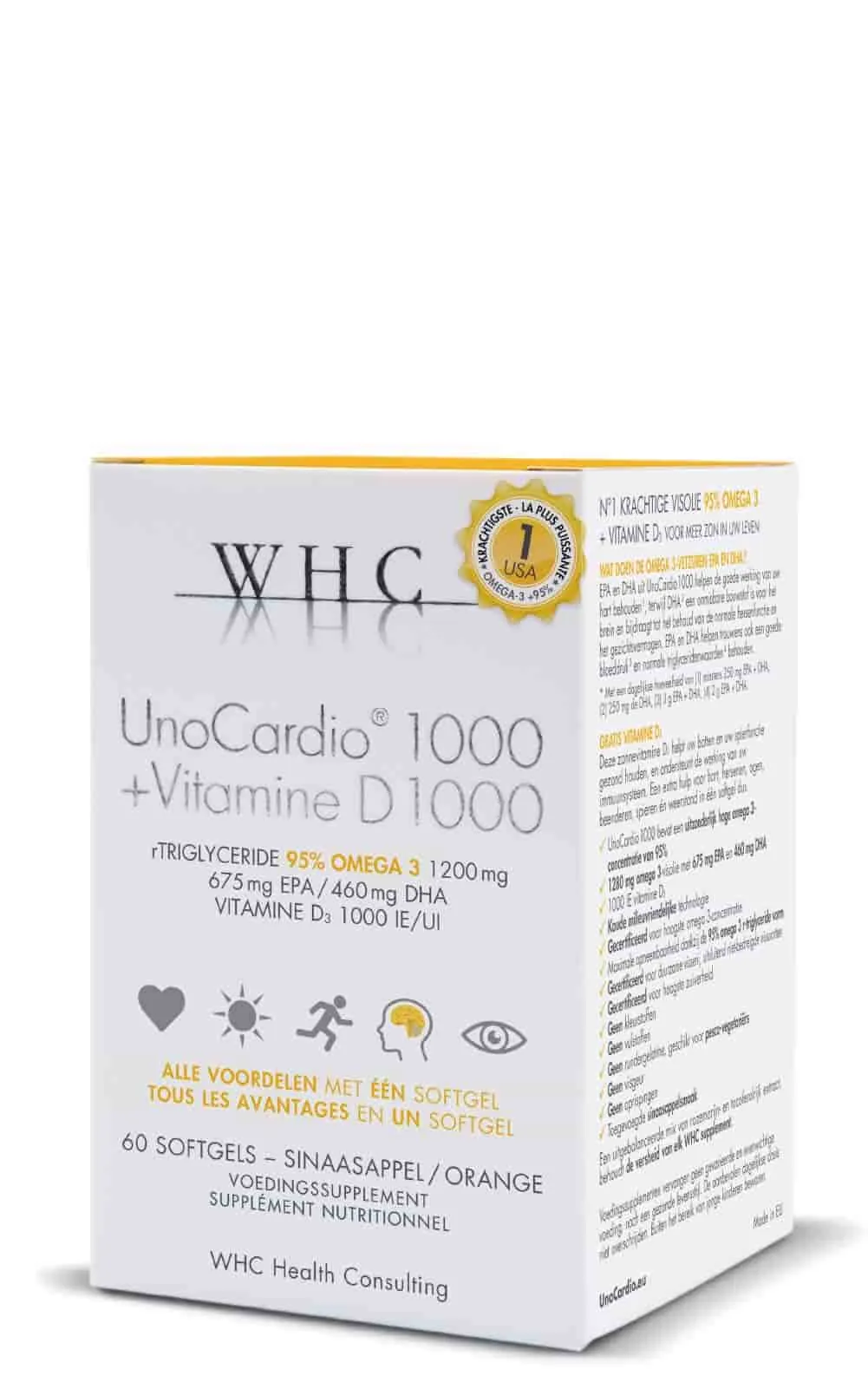
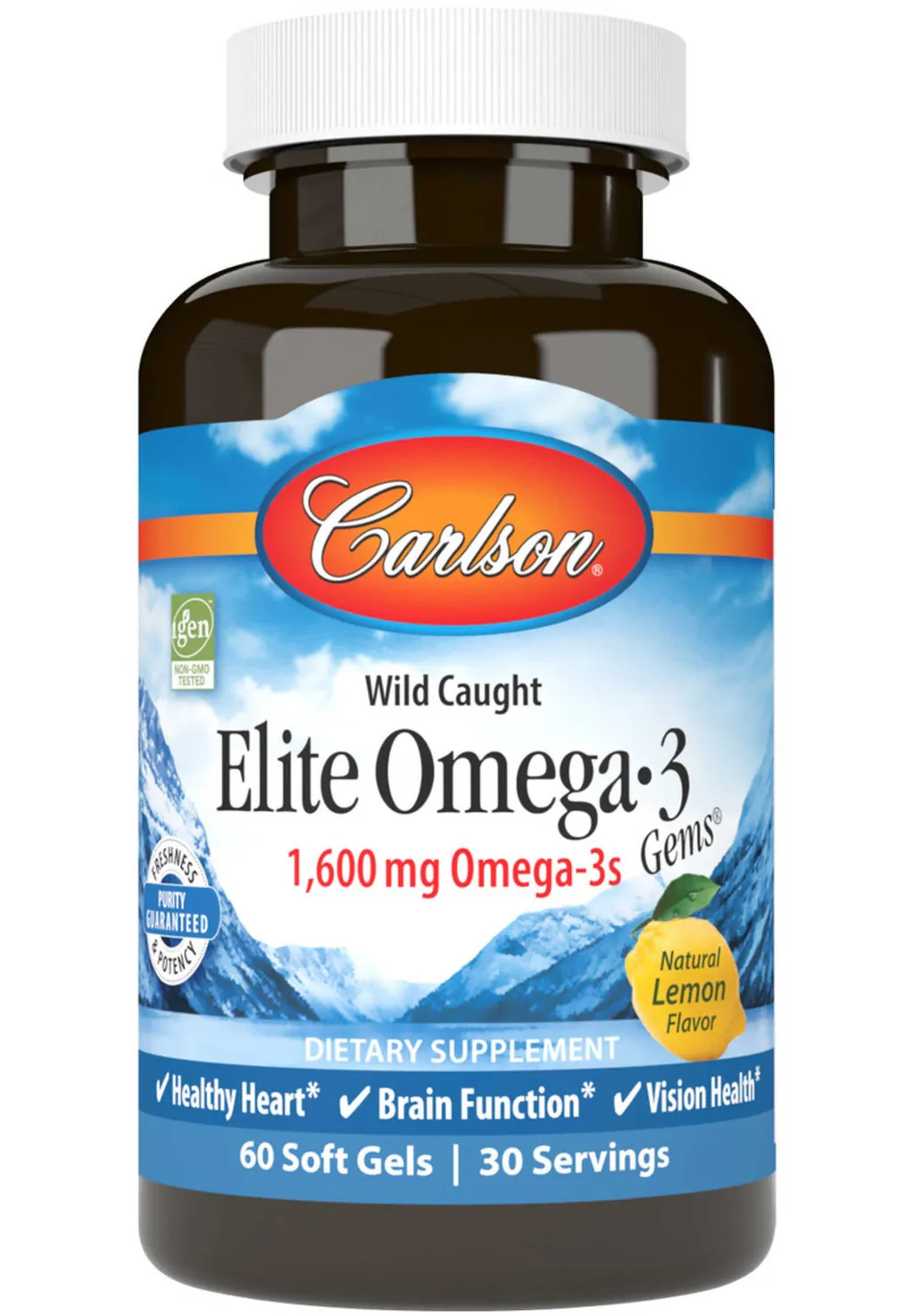
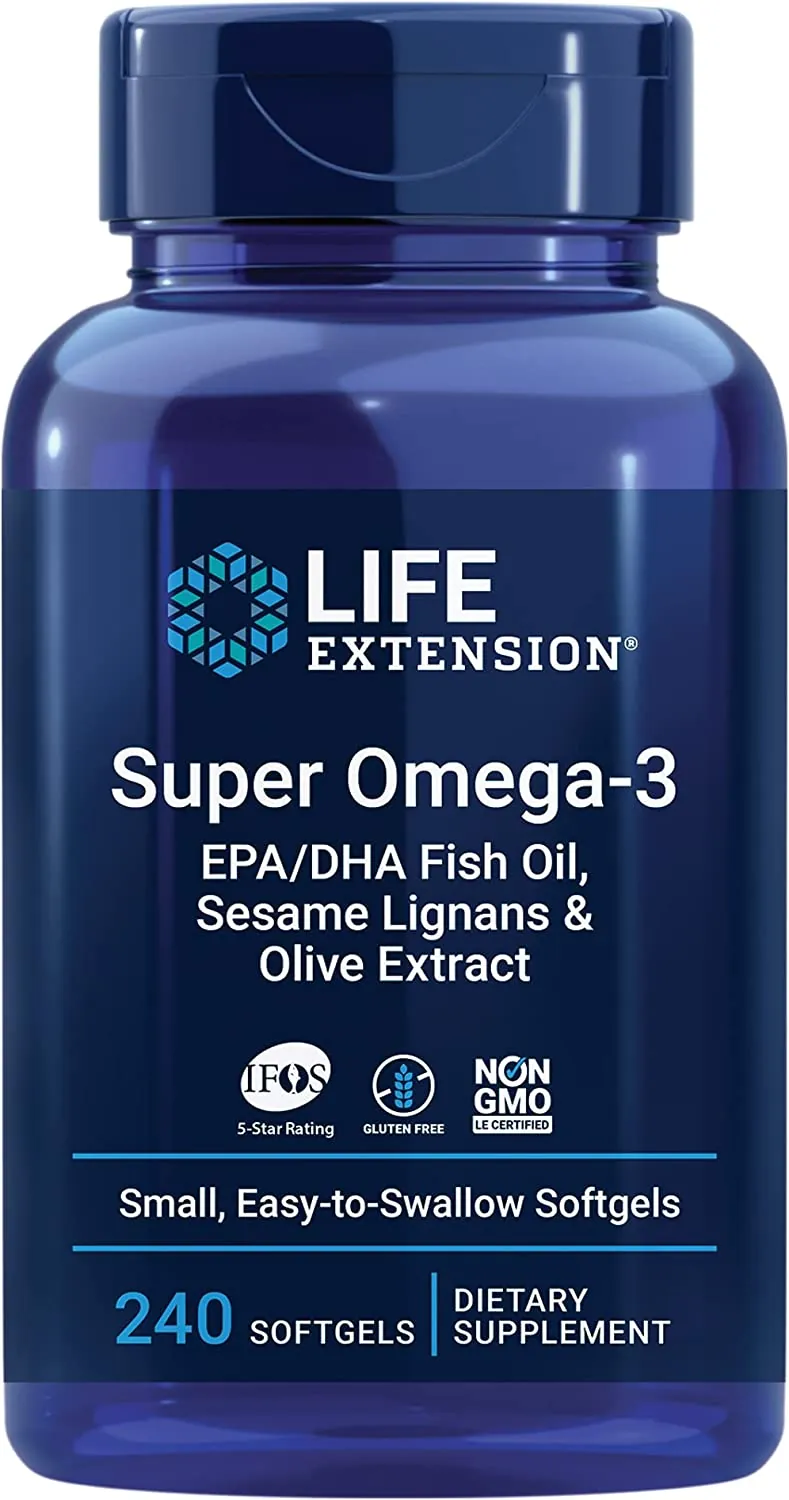
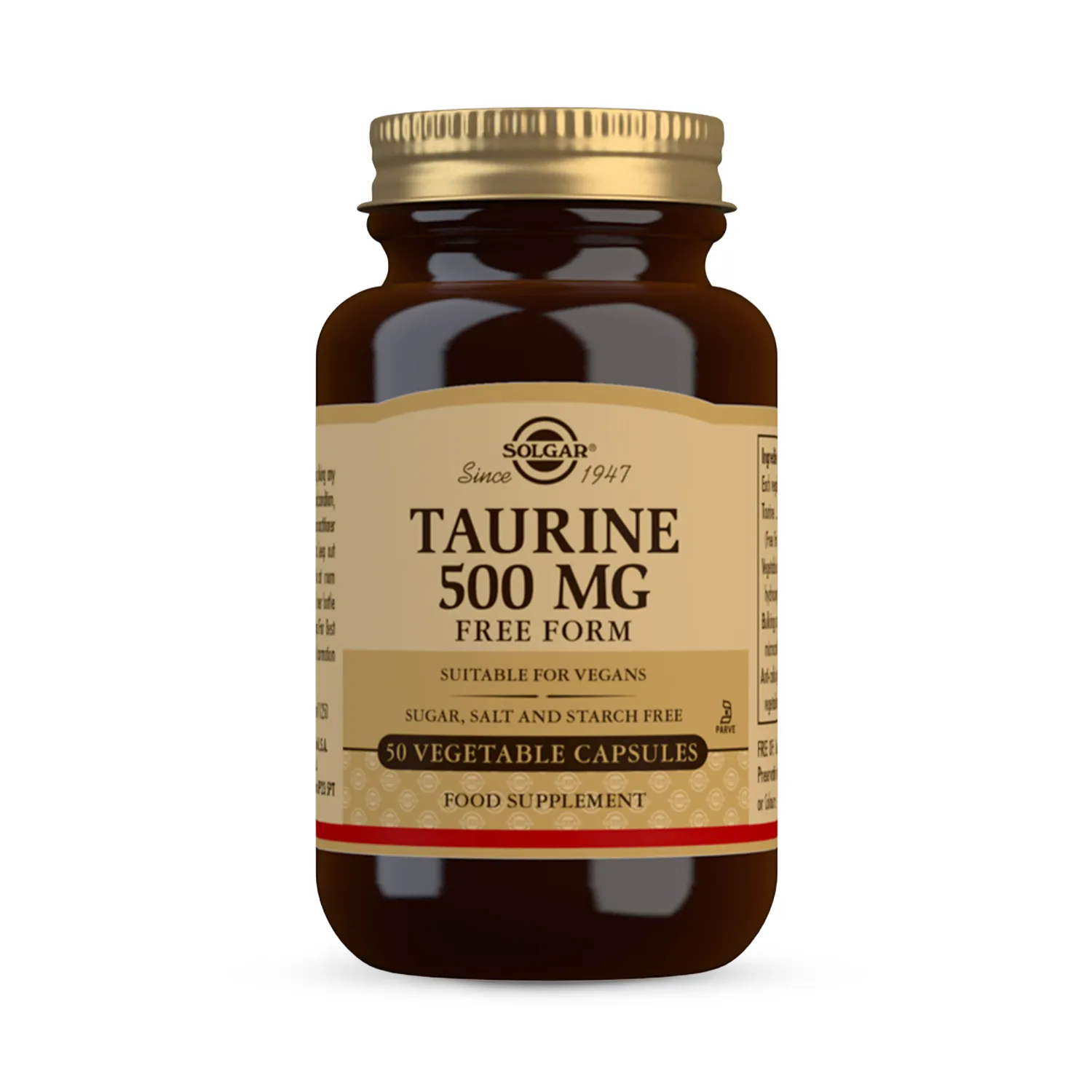
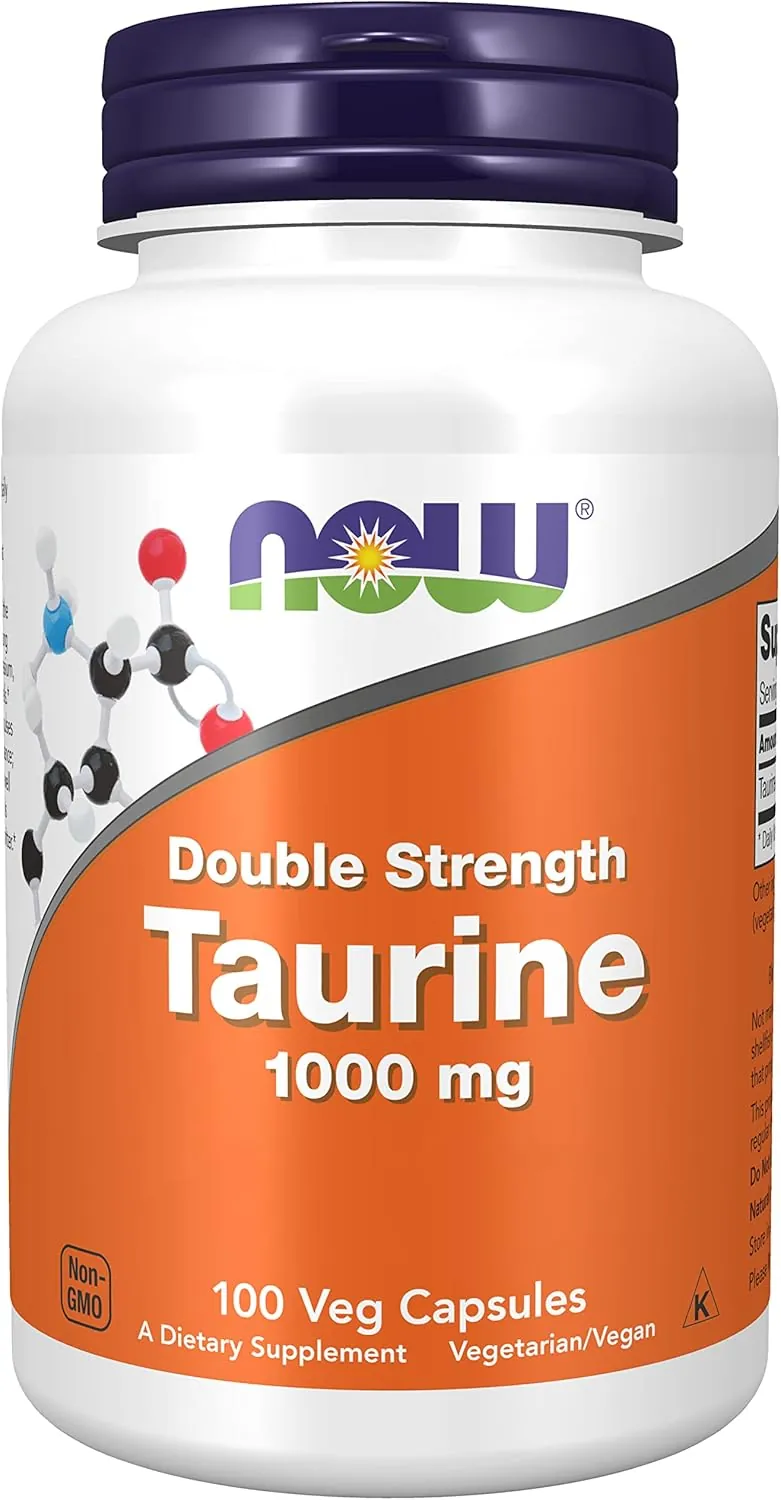
Top Taurine Products on AIScored
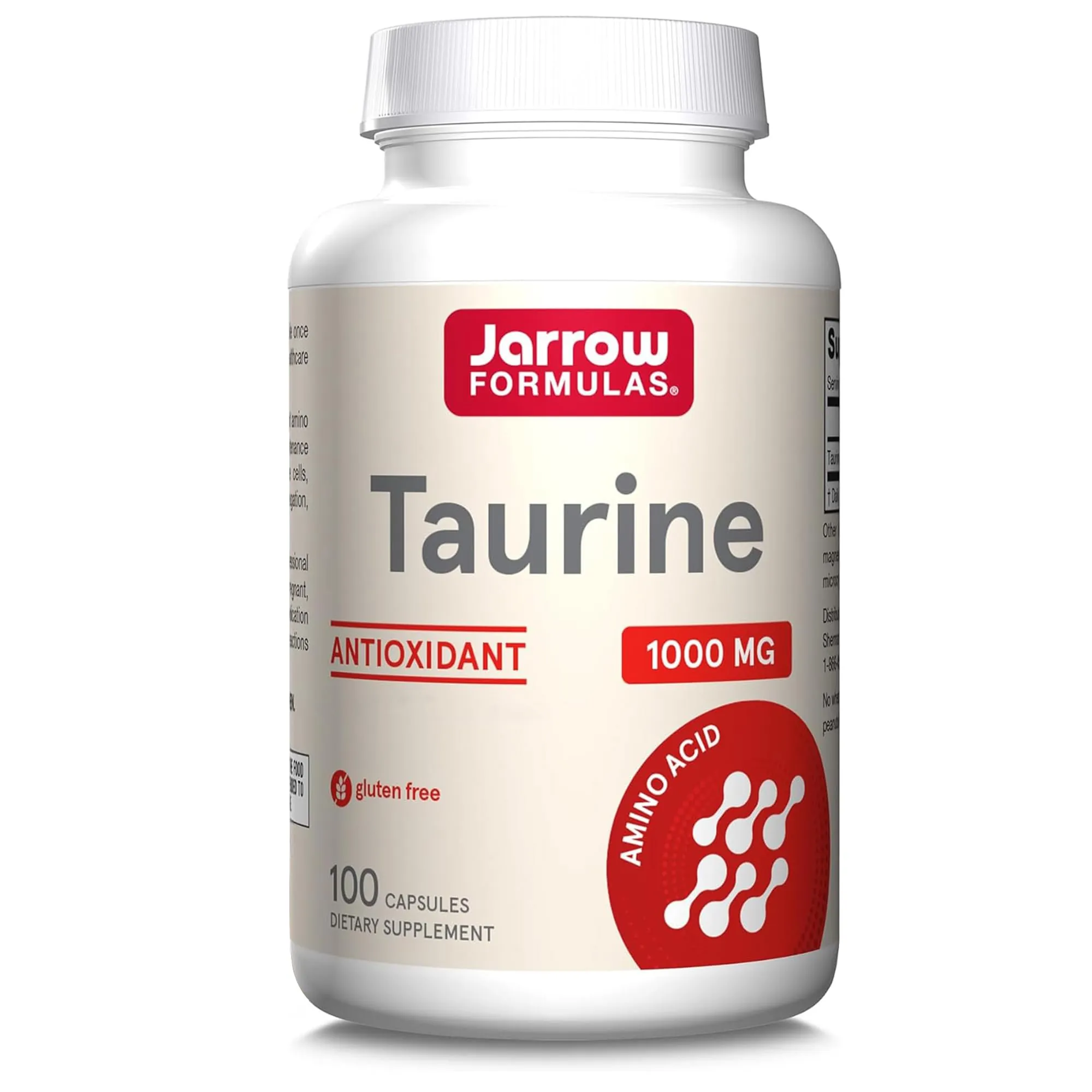
Want to check more interactions?
Add these and other supplements to our interactive Stack Analyzer for a full analysis.
Build your full stack →