Important: This page is for informational purposes only, based on published peer-reviewed research and official UK dietary guidelines (NHS, EFSA, SACN). It does not constitute medical advice. Always consult your GP or pharmacist before starting, stopping, or combining supplements.
Omega-3 and Turmeric / Curcumin — Can You Take Them Together?
Overview
Omega-3 fatty acids — specifically EPA and DHA from marine sources — and curcumin, the primary active polyphenol in turmeric, are two of the most extensively studied natural compounds in the context of inflammation. Each acts through distinct molecular mechanisms, yet emerging research suggests their effects may be complementary rather than redundant. There is also a practical dimension to this pairing: curcumin is highly lipophilic and absorbs poorly on its own, and the dietary fats present in omega-3 capsules may assist its uptake in the gastrointestinal tract. Individual responses may vary, and this information does not constitute medical advice.
How They Interact
Curcumin's anti-inflammatory properties are attributed primarily to its suppression of nuclear factor kappa-B (NF-κB), a transcription factor that drives expression of pro-inflammatory cytokines such as TNF-α, IL-1β, and IL-6, as well as the enzyme cyclooxygenase-2 (COX-2) — a key mediator of the inflammatory cascade (Shehzad et al., 2013, Biofactors, PMID 23303705). Omega-3 fatty acids work through a distinct and complementary route: EPA and DHA generate specialised pro-resolving mediators (SPMs) — including resolvins, protectins, and maresins — that actively promote resolution of inflammation at the tissue level, rather than simply blocking its initiation (Calder, 2017, Biochemical Society Transactions, PMID 28900017). Because these pathways target different stages of the inflammatory response, their combination may offer additive benefit without pharmacological overlap. A secondary mechanism also applies: curcumin's lipophilic nature means its intestinal absorption is substantially enhanced in the presence of dietary fat, including the oils found in omega-3 capsules.
Timing & Dosage Guidance
Research suggests curcumin absorption is significantly improved when consumed alongside dietary fat. Taking curcumin and omega-3 supplements together with a meal containing fat — such as lunch or dinner — may therefore support both compounds' uptake simultaneously. There is no established UK guidance on optimal timing between doses; however, co-administration at a main meal appears the most practical approach. This consideration is particularly relevant for standard curcumin capsules without built-in bioavailability enhancements. Formulations such as Meriva (phytosome), Longvida, or Theracurmin already incorporate absorption-enhancing technology, and the benefit of co-administration with omega-3 in those cases may be less pronounced, though not harmful.
No UK recommended daily amount (RDA) exists for curcumin. The British Pharmacopoeia and EFSA have not established a formal intake recommendation; most clinical research has used 500–2,000 mg of curcuminoids daily, often paired with piperine or lipid carriers to improve absorption. For omega-3, SACN recommends at least 450 mg of combined EPA and DHA per week from oily fish or supplements, while EFSA recognises 250 mg DHA+EPA per day as supporting normal cardiac function. No evidence currently suggests that combining these supplements requires adjustment to either dose. Individuals taking anticoagulant medicines — including warfarin or aspirin — should consult a GP or pharmacist before use, as both omega-3 and curcumin may have mild antiplatelet effects at higher doses.
Recommended Action
Taking curcumin with a fat-containing meal or alongside omega-3 may also improve curcumin's lipophilic absorption.
Omega-3 Timing
When: Any
Note: Take with a meal containing fat for best absorption. Split high doses across meals to reduce fishy burps. Freeze capsules to reduce aftertaste.
Turmeric / Curcumin Timing
When: Any
Note: Fat-soluble — take with food and fat. Piperine (black pepper extract) increases absorption by up to 2,000%. Avoid within 2 hours of medication.
Scientific Evidence
4 peer-reviewed studies cited. All links lead to PubMed abstracts.
Biochemical Society Transactions (2017) · PMID: 28900017
EPA and DHA generate specialised pro-resolving mediators — resolvins, protectins, and maresins — that actively resolve tissue inflammation, operating through mechanisms distinct from NF-κB suppression.
Biochimica et Biophysica Acta (2015) · PMID: 25149823
Marine omega-3 fatty acids inhibit multiple aspects of inflammation including NF-κB activation and pro-inflammatory cytokine production; clinical benefit was demonstrated in rheumatoid arthritis trials.
Clinical and Translational Oncology (2019) · PMID: 30293230
Combined supplementation containing omega-3 and curcumin significantly reduced CRP from 8.2 to 5.3 mg/L (p=0.014) and pain scores in 45 post-menopausal patients over one month.
Pharmaceutics (2022) · PMID: 36365088
A krill oil-based lipid formulation raised curcumin Cmax 13-fold and AUC 23-fold compared to unformulated curcumin, demonstrating that marine lipids substantially enhance curcumin's gastrointestinal absorption.
Frequently Asked Questions
Both supplements are generally well tolerated at commonly used doses. However, omega-3 fatty acids and curcumin both possess mild antiplatelet properties, and research suggests that caution may be warranted at higher doses in those taking prescribed anticoagulants such as warfarin or clopidogrel. For most healthy adults consuming standard supplement doses, the combination is considered low-risk, but consulting a GP or pharmacist is advisable if you take any blood-thinning medication. Individual responses may vary.
Curcumin is a lipophilic compound with very low intrinsic water solubility, which limits its absorption from standard capsules. Studies indicate that lipid-based delivery systems substantially improve bioavailability; research published in Pharmaceutics (Song et al., 2022, PMID 36365088) found a krill oil-based formulation raised curcumin plasma levels 13-fold compared to unformulated curcumin. While a standard fish oil capsule is not a pharmaceutical carrier, the fats it provides at mealtimes may assist curcumin's micellarisation and absorption across the intestinal epithelium.
Clinical research on curcumin supplementation typically runs for 8–12 weeks before assessing inflammatory biomarkers such as CRP or IL-6. Omega-3 research similarly suggests consistent use over several weeks is needed before measurable changes in inflammatory indices occur. A pilot study by Martínez et al. (2019, Clin Transl Oncol, PMID 30293230) observed CRP reductions after one month of combined supplementation. Neither compound should be regarded as a substitute for medical treatment, and anyone managing a diagnosed condition should not delay professional care. Individual responses may vary.
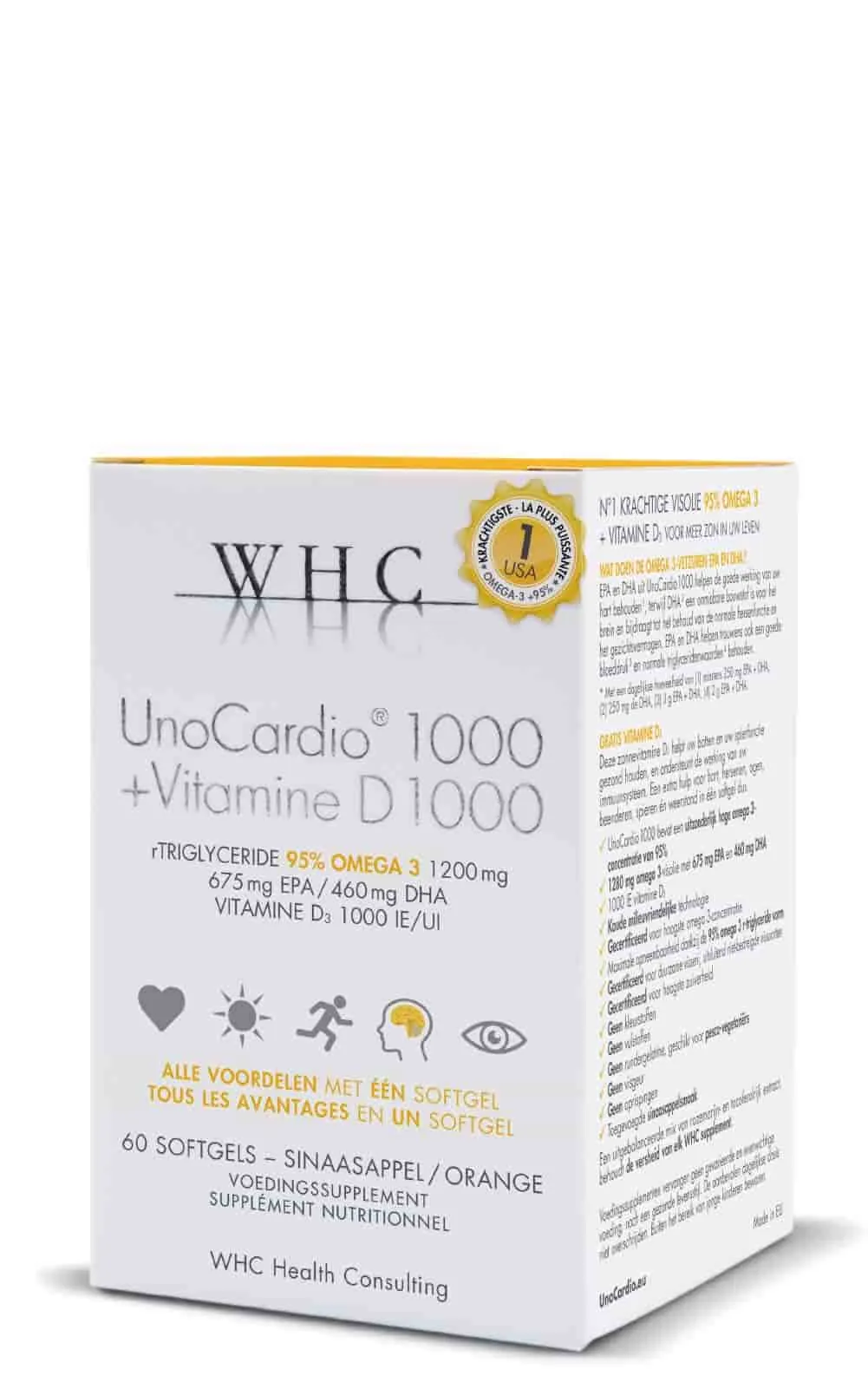
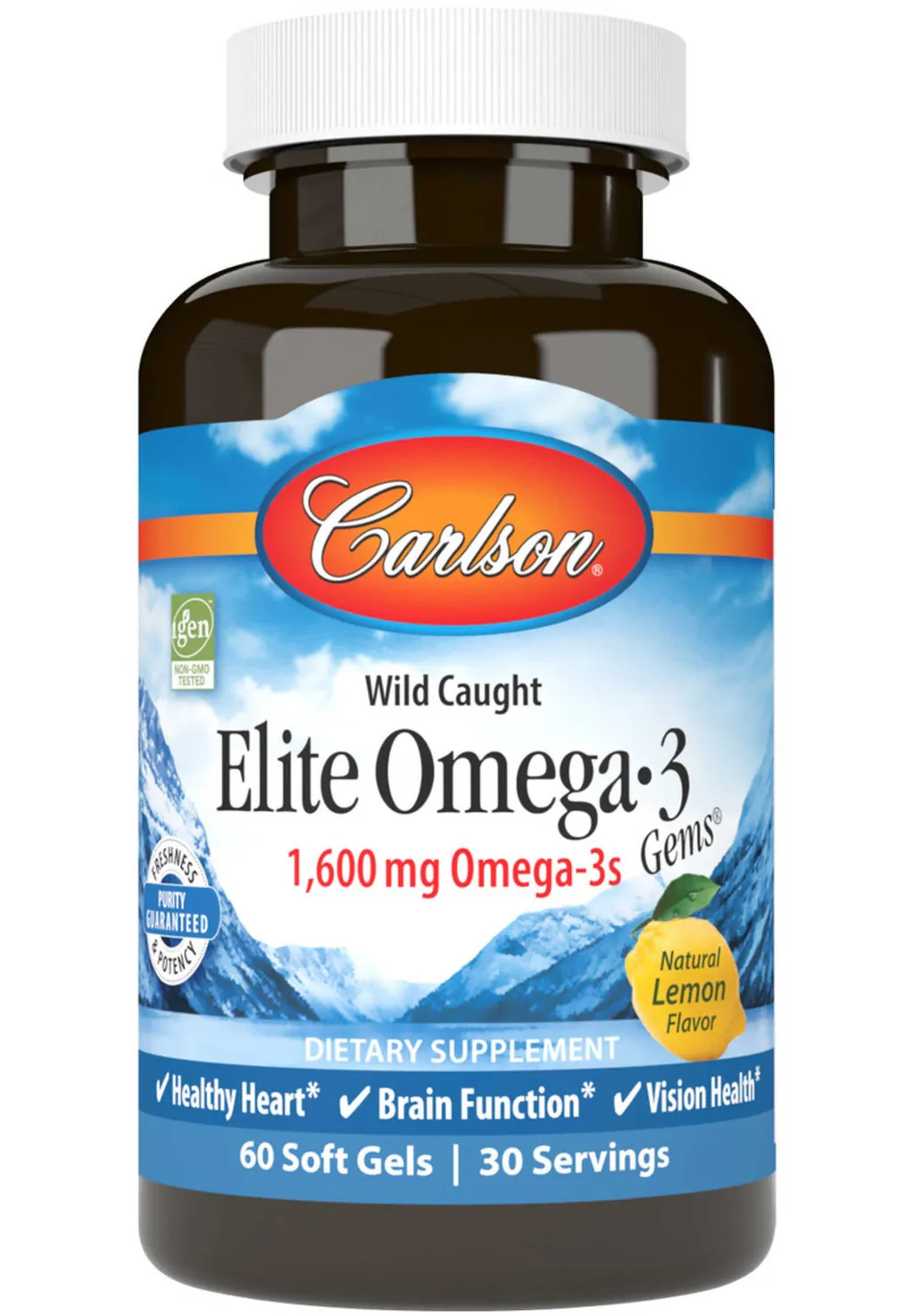
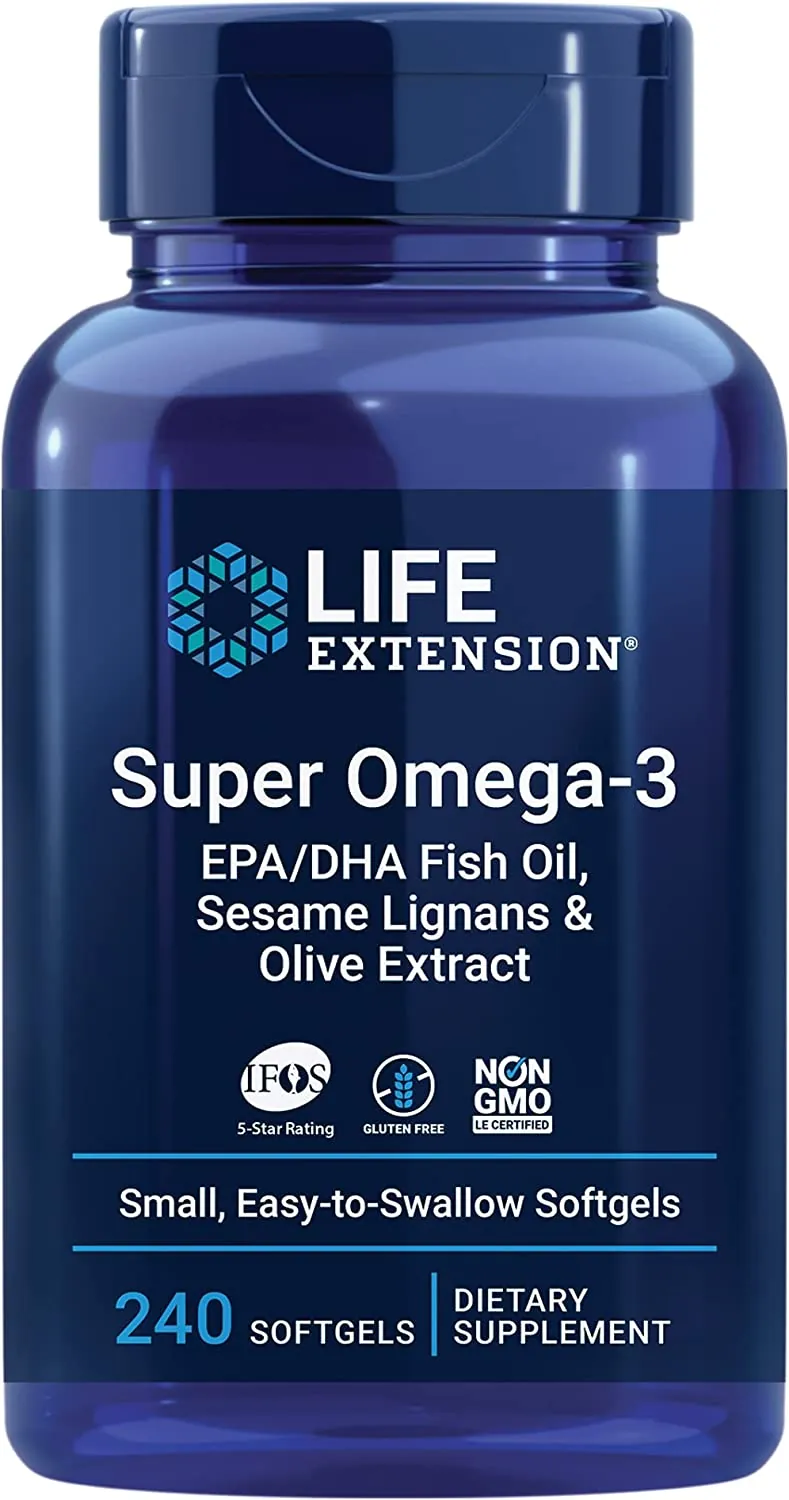
Top Omega-3 Products on AIScored
Top Turmeric / Curcumin Products on AIScored
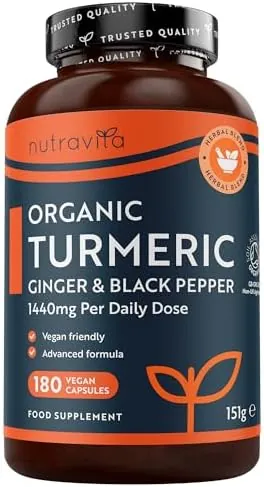
Nutravita Organic Turmeric 1440mg (High Strength) with Black Pepper & Ginger - 180 Vegan Turmeric Capsules (3 Month Supply) – Organic Termeric with Active Ingredient Curcumin - Made in The UK
Want to check more interactions?
Add these and other supplements to our interactive Stack Analyzer for a full analysis.
Build your full stack →