Important: This page is for informational purposes only, based on published peer-reviewed research and official UK dietary guidelines (NHS, EFSA, SACN). It does not constitute medical advice. Always consult your GP or pharmacist before starting, stopping, or combining supplements.
Omega-3 and Vitamin A — Can You Take Them Together?
Overview
Vitamin A and omega-3 fatty acids are both essential nutrients with well-established roles in immune function, vision, and cellular health. What is less widely appreciated is how meaningfully the presence of dietary fat — including the long-chain polyunsaturated fatty acids found in omega-3 supplements — can influence how well the body absorbs vitamin A and its precursor, beta-carotene. As a fat-soluble vitamin, retinol and beta-carotene require incorporation into lipid-containing structures in the gut before they can enter the bloodstream. Research suggests that taking vitamin A alongside omega-3 fatty acids may represent a practical strategy for improving bioavailability, particularly for those relying on plant-derived beta-carotene. Individual responses may vary.
How They Interact
Vitamin A exists in two primary dietary forms: preformed retinol (found in animal sources such as liver and oily fish) and provitamin A carotenoids, predominantly beta-carotene (from plant foods). Both forms require emulsification in the small intestine before absorption. The process centres on the formation of mixed micelles — colloidal structures composed of bile salts, phospholipids, free fatty acids, and fat-soluble compounds — which solubilise retinol and beta-carotene and transport them to the intestinal mucosa for uptake via specialised transporter proteins including SR-BI and CD36. Dietary lipids are essential to efficient micellar formation, and the type of fat appears to matter considerably. Research published in the Journal of Food Science and Technology (Mashurabad et al., 2017; PMID 28242932) found that carotenoid micellarisation was two- to threefold higher with long-chain unsaturated fatty acids compared to saturated fats. As omega-3 supplements supply EPA and DHA — long-chain polyunsaturated fatty acids — they are well positioned to support this process. Preformed retinol is typically absorbed at 70–90% efficiency, whereas beta-carotene from plant sources absorbs at just 5–65% depending on the food matrix (Haskell, 2012; PMID 23053560). Adequate co-ingested fat significantly narrows this variability.
Timing & Dosage Guidance
Research suggests that as little as 3–5 g of dietary fat per meal is sufficient to support adequate carotenoid micellarisation (van Het Hof et al., 2000; PMID 10702576). In practical terms, taking a vitamin A supplement — particularly one supplying beta-carotene — alongside an omega-3 fish oil or algae oil capsule during a fat-containing meal appears to represent the most favourable absorption scenario. Because micellar formation is a simultaneous intestinal process, taking fat-soluble vitamins on an empty stomach or without a co-ingested fat source is likely to reduce absorption efficiency. No formal clinical trials have defined a precise co-administration window, but taking both supplements at the same mealtime is a widely adopted and mechanistically supported approach.
The UK Reference Nutrient Intake (RNI) for vitamin A is 700 mcg retinol equivalents per day for men and 600 mcg for women. The tolerable upper intake level for preformed retinol is 3,000 mcg RE per day for adults; prolonged high-dose supplementation warrants caution, particularly during pregnancy, where the NHS advises avoiding liver and high-dose supplements containing retinol. SACN does not set a formal daily RDA for EPA+DHA but recommends at least 450 mg combined per week, broadly equivalent to two portions of oily fish. The absorption-enhancing effect of omega-3 relates solely to micellar solubilisation and does not alter the established upper intake limits for either nutrient. Individual responses may vary based on baseline vitamin A status and digestive health.
Recommended Action
Taking Vitamin A (or beta-carotene) with omega-3 or during a fat-containing meal improves bioavailability.
Omega-3 Timing
When: Any
Note: Take with a meal containing fat for best absorption. Split high doses across meals to reduce fishy burps. Freeze capsules to reduce aftertaste.
Vitamin A Timing
When: Morning
Note: Fat-soluble — take with a meal containing dietary fat. Avoid high doses during pregnancy.
Scientific Evidence
4 peer-reviewed studies cited. All links lead to PubMed abstracts.
Nutrition Reviews (2002) · PMID: 12002680
A minimum of approximately 3–5 g of dietary fat per meal facilitates carotenoid utilisation, though the author notes that optimal amounts require further study measuring long-term changes in vitamin A body stores.
Journal of Nutrition (2000) · PMID: 10702576
Carotenoid bioavailability is substantially influenced by meal fat content, food matrix, and processing; modest dietary fat of around 3–5 g per meal is sufficient to support adequate intestinal absorption.
American Journal of Clinical Nutrition (2012) · PMID: 23053560
Beta-carotene absorption from plant sources ranges from 5% to 65% in humans, with vitamin A equivalency ratios varying from 3.8:1 to 28:1 depending on food matrix composition and co-ingested dietary factors.
Journal of Food Science and Technology (2017) · PMID: 28242932
Carotenoid micellarisation was two- to threefold higher with dietary fat rich in unsaturated fatty acids compared to saturated fats, indicating that fat type — not merely quantity — influences provitamin A absorption.
Frequently Asked Questions
Research suggests co-administration during a fat-containing meal is beneficial. Because vitamin A is fat-soluble, its absorption depends on the formation of lipid-bile mixed micelles in the small intestine. Taking vitamin A alongside an omega-3 supplement during a meal provides the lipid environment this process requires. There is no known adverse interaction between the two nutrients at standard supplemental doses. Individual responses may vary.
Yes — the distinction is meaningful. Preformed retinol (retinyl palmitate or acetate) is typically absorbed at 70–90% efficiency and is less dependent on fat co-ingestion. Beta-carotene from plant-based sources absorbs at just 5–65% depending on the food matrix (Haskell, 2012; PMID 23053560), making the pairing with omega-3 or other dietary fat particularly relevant for supplements and fortified foods relying on provitamin A carotenoids. Those using beta-carotene-based vitamin A supplements may see the greatest benefit from co-administration.
Improved absorption from fat co-ingestion does not change the upper intake levels set by UK health authorities. The tolerable upper level for preformed retinol remains 3,000 mcg RE per day for adults. Beta-carotene is not subject to the same upper limit, as the body self-regulates its conversion to retinol. Anyone taking high-dose preformed retinol supplements should remain within established UK guidelines regardless of co-administration with omega-3. Those with liver conditions should seek professional guidance, as individual responses may vary.
Top Omega-3 Products on AIScored
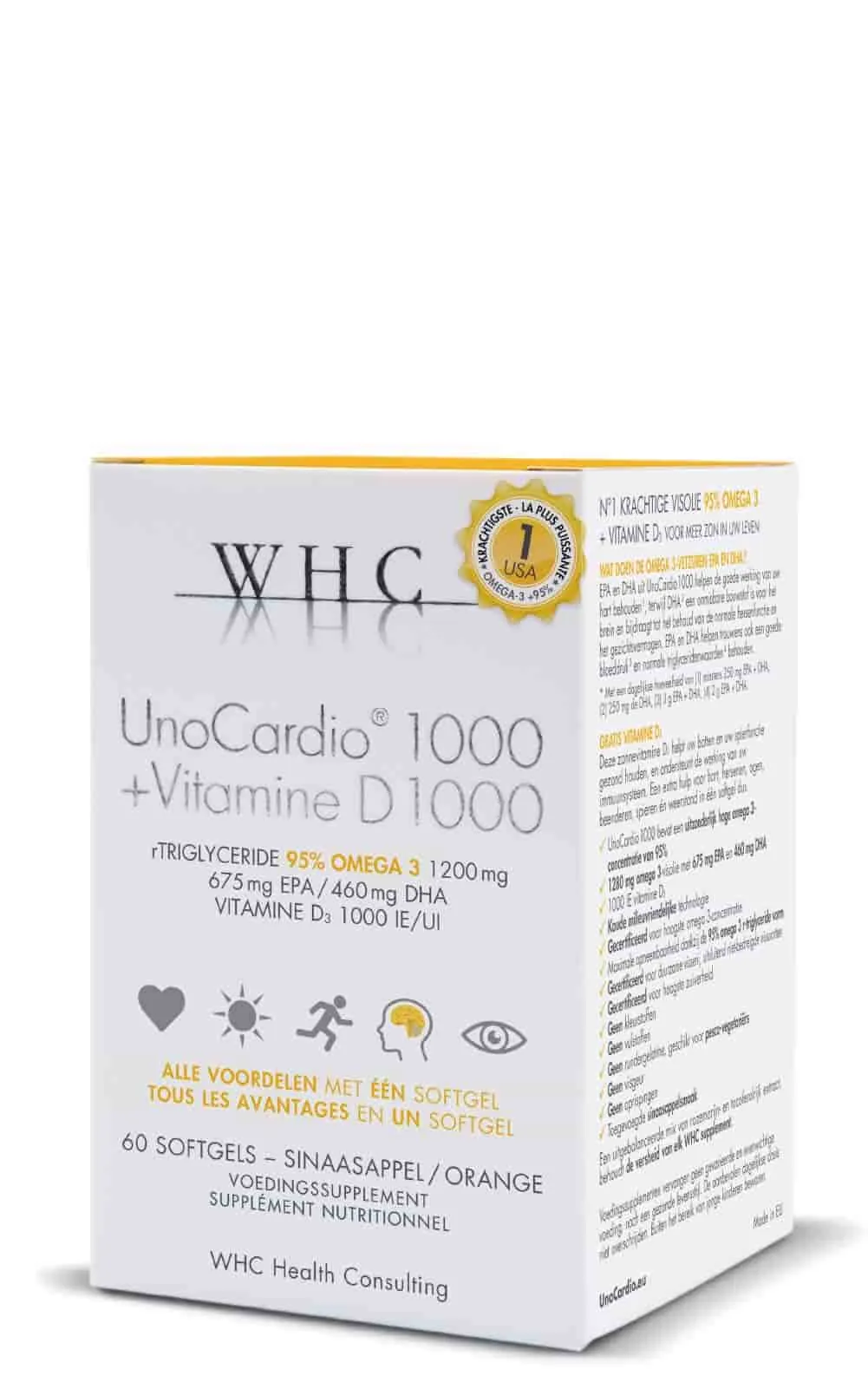
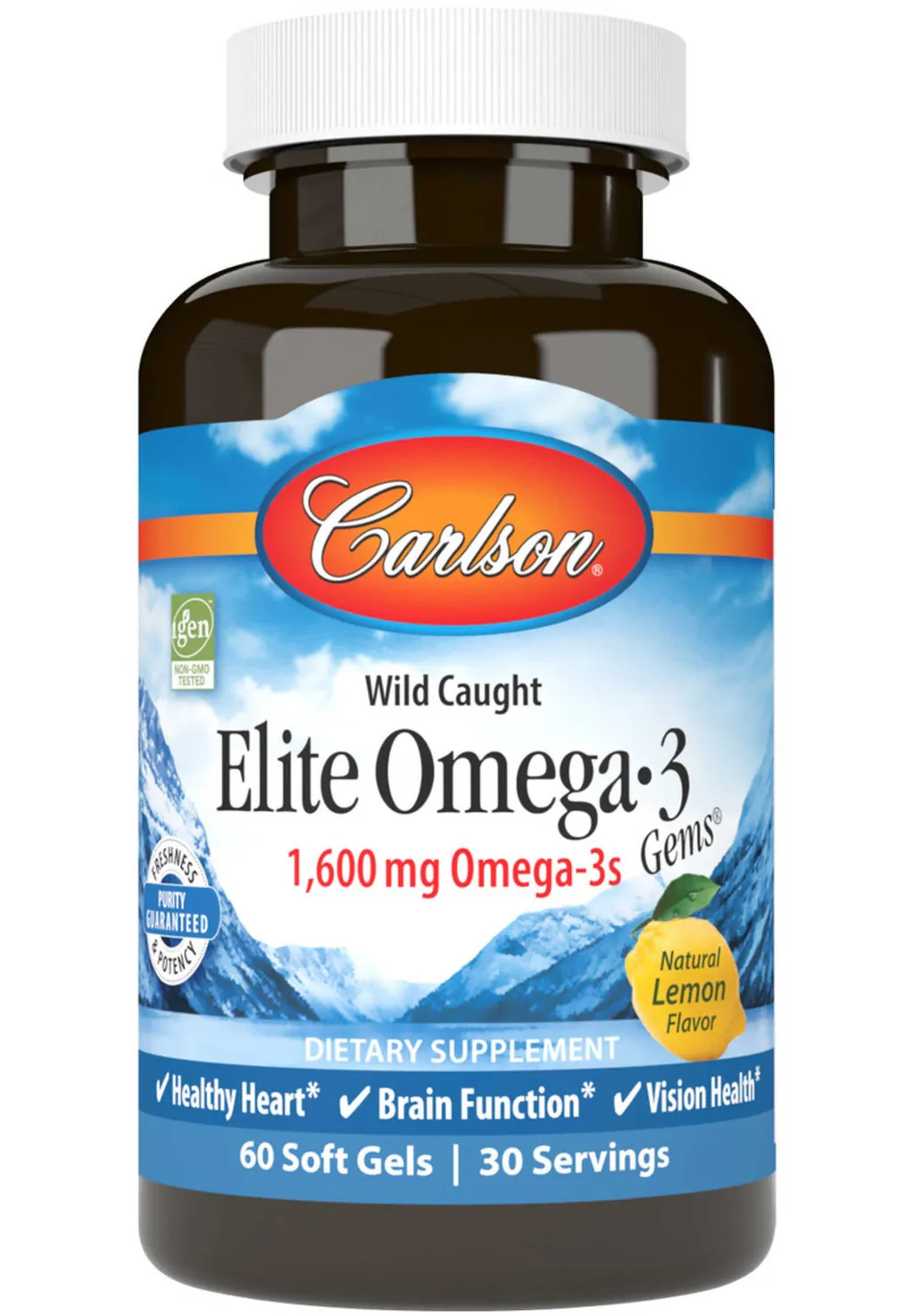
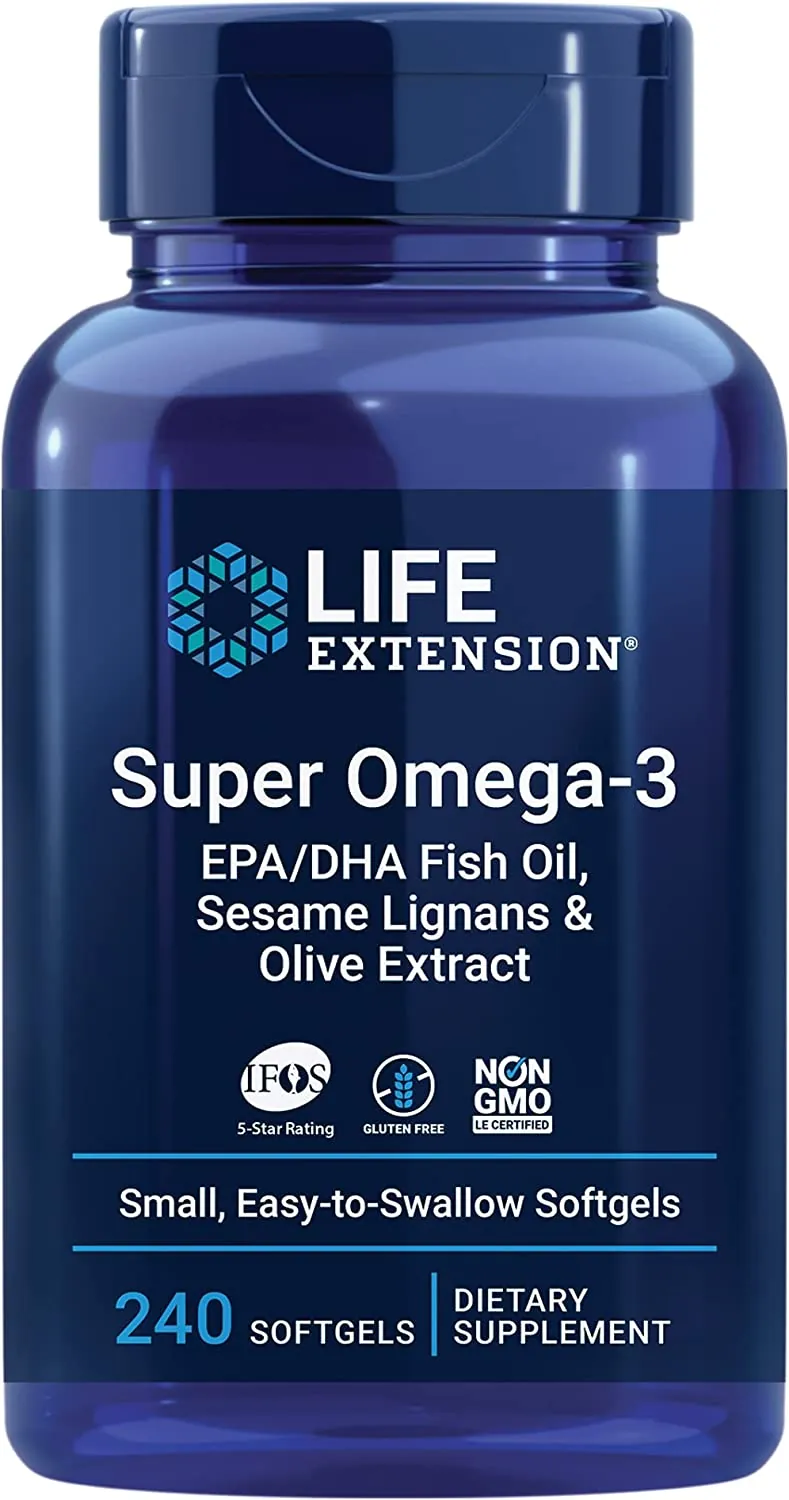
Top Vitamin A Products on AIScored

Advanced Hydrolysed Marine Liquid Collagen Couples Supply (2x 28-Day Supply)

Want to check more interactions?
Add these and other supplements to our interactive Stack Analyzer for a full analysis.
Build your full stack →