Important: This page is for informational purposes only, based on published peer-reviewed research and official UK dietary guidelines (NHS, EFSA, SACN). It does not constitute medical advice. Always consult your GP or pharmacist before starting, stopping, or combining supplements.
Omega-3 and Vitamin D3 — Can You Take Them Together?
Overview
Omega-3 fatty acids and vitamin D3 represent one of the more evidence-supported supplement pairings available. Both nutrients naturally co-occur in oily fish such as salmon, mackerel, and herring — a pairing that may not be coincidental. Research suggests these two nutrients operate through complementary mechanisms: omega-3s modulating the inflammatory cascade, and vitamin D3 regulating immune cell function. The large-scale VITAL trial examined their combined effects, and mechanistic research indicates that the fat content of omega-3 supplements may meaningfully improve vitamin D3 absorption. For those supplementing both, combining them offers practical and potentially physiological advantages. Individual responses may vary.
How They Interact
Omega-3 fatty acids — specifically eicosapentaenoic acid (EPA) and docosahexaenoic acid (DHA) — exert anti-inflammatory effects primarily by reducing synthesis of pro-inflammatory eicosanoids and suppressing expression of cytokines including tumour necrosis factor-alpha (TNF-α) and interleukin-6 (IL-6). This occurs partly through competition with arachidonic acid in the inflammatory pathway and through activation of specialised pro-resolving mediators (SPMs) such as resolvins and protectins. Vitamin D3, meanwhile, exerts its immunomodulatory effects by binding to the vitamin D receptor (VDR), which is expressed on virtually all immune cell types including T-lymphocytes, B-lymphocytes, and macrophages. VDR activation influences gene transcription involved in both innate and adaptive immune responses. Critically, vitamin D3 is a fat-soluble compound — its intestinal absorption depends on the presence of dietary fat, specifically micellar solubilisation in the small intestine. Research suggests that co-ingesting vitamin D3 with a lipid source such as fish oil may increase its bioavailability. The natural co-occurrence of both nutrients in oily fish suggests an evolutionary co-dependency that may be worth replicating when supplementing.
Timing & Dosage Guidance
Both omega-3 and vitamin D3 are fat-soluble nutrients, meaning they are best absorbed alongside dietary fat. Taking them together at a main meal — such as breakfast or lunch — is a practical approach consistent with the absorption literature. Vitamin D3 in particular shows meaningfully improved absorption when taken with fat-containing foods or oil-based supplements. Some research suggests vitamin D may be best absorbed when taken with the largest meal of the day. There is no known pharmacological interaction requiring these supplements to be spaced apart. Most supplementation trials administer vitamin D with food, and this is broadly recommended practice. Individual responses may vary depending on meal composition and existing nutrient status.
The NHS recommends 10 mcg (400 IU) of vitamin D daily for most UK adults, particularly from October through March. In clinical practice, supplementation at 25 mcg (1,000 IU) is common, with the VITAL trial using 50 mcg (2,000 IU). The UK Scientific Advisory Committee on Nutrition (SACN) recommends at least 450 mg of combined EPA and DHA per week from oily fish; supplements typically provide 500–2,000 mg per capsule. Cholecalciferol (D3) is the preferred form over ergocalciferol (D2) for raising and maintaining serum 25-hydroxyvitamin D levels. Standard doses of both appear well tolerated in the research literature. Those with specific health conditions should consult a healthcare professional before supplementing.
Recommended Action
Taking Vitamin D3 with omega-3 (fish oil) provides the fat needed for D3 absorption. They can be taken together at a meal.
Omega-3 Timing
When: Any
Note: Take with a meal containing fat for best absorption. Split high doses across meals to reduce fishy burps. Freeze capsules to reduce aftertaste.
Vitamin D3 Timing
When: Morning
Note: Fat-soluble — better absorbed with a meal containing dietary fat
Scientific Evidence
4 peer-reviewed studies cited. All links lead to PubMed abstracts.
New England Journal of Medicine (2019) · PMID: 30415628
The VITAL trial found that omega-3 supplementation at 1 g per day reduced the risk of myocardial infarction, with more pronounced effects observed in participants with low baseline fish consumption.
New England Journal of Medicine (2019) · PMID: 30415629
Vitamin D3 supplementation at 50 mcg per day in the VITAL trial was associated with a reduction in cancer mortality over follow-up, without a statistically significant reduction in cancer incidence overall.
Journal of Clinical Endocrinology and Metabolism (2011) · PMID: 21816783
Niramitmahapanya, Harris, and Dawson-Hughes found that the type of fat consumed alongside vitamin D supplementation influenced serum 25-hydroxyvitamin D response, with polyunsaturated fat sources showing favourable associations with absorption.
BMJ (2017) · PMID: 28202713
Martineau et al. found that vitamin D supplementation reduced the risk of acute respiratory tract infections overall, with the greatest protective effect observed in individuals with baseline vitamin D deficiency.
Frequently Asked Questions
Research suggests that taking vitamin D3 alongside an oil-based supplement such as fish oil may actually improve D3 absorption. Both are fat-soluble nutrients with complementary mechanisms, and no adverse interactions have been identified in the published literature. Taking them together with a meal containing fat is the most practical and evidence-consistent approach. Individual responses may vary based on diet and baseline nutrient status.
Research suggests it may. A study by Niramitmahapanya, Harris, and Dawson-Hughes (2011, Journal of Clinical Endocrinology and Metabolism, PMID 21816783) found that the type of dietary fat consumed with vitamin D supplementation influenced the subsequent rise in serum 25-hydroxyvitamin D. Polyunsaturated fats — as found in fish oil — appeared to support D3 absorption. This is consistent with the fat-soluble nature of vitamin D3 and its dependence on micellar solubilisation for intestinal uptake.
The VITAL trial (Manson et al., 2019, NEJM) was a large randomised controlled trial investigating vitamin D3 at 50 mcg (2,000 IU) per day and omega-3 fatty acids at 1 g EPA+DHA per day, separately and in combination, over approximately five years. Whilst primary cardiovascular and cancer endpoints showed modest overall results, secondary analyses indicated benefits in specific subgroups. It remains one of the largest combined investigations of both nutrients conducted to date.
Top Omega-3 Products on AIScored
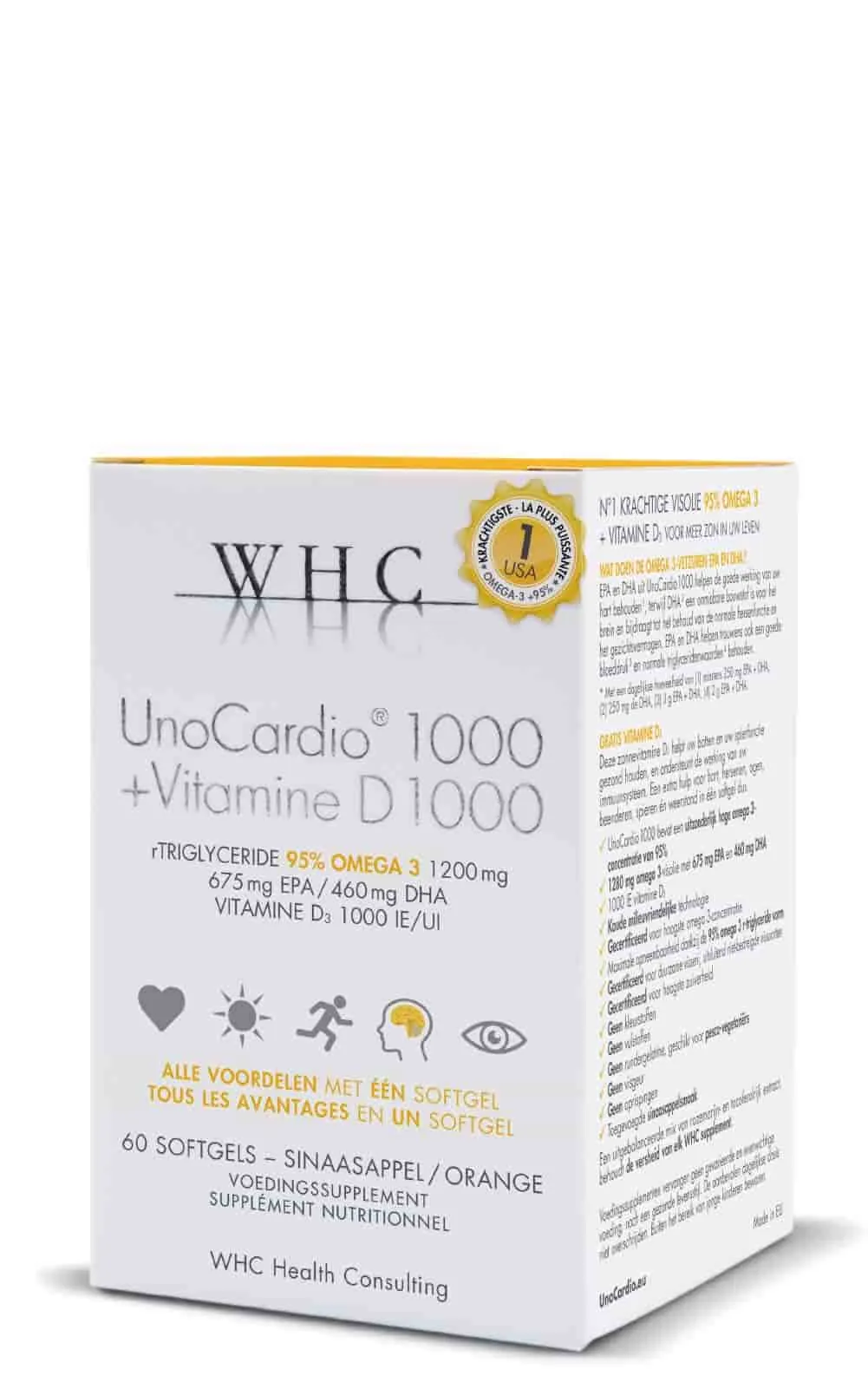
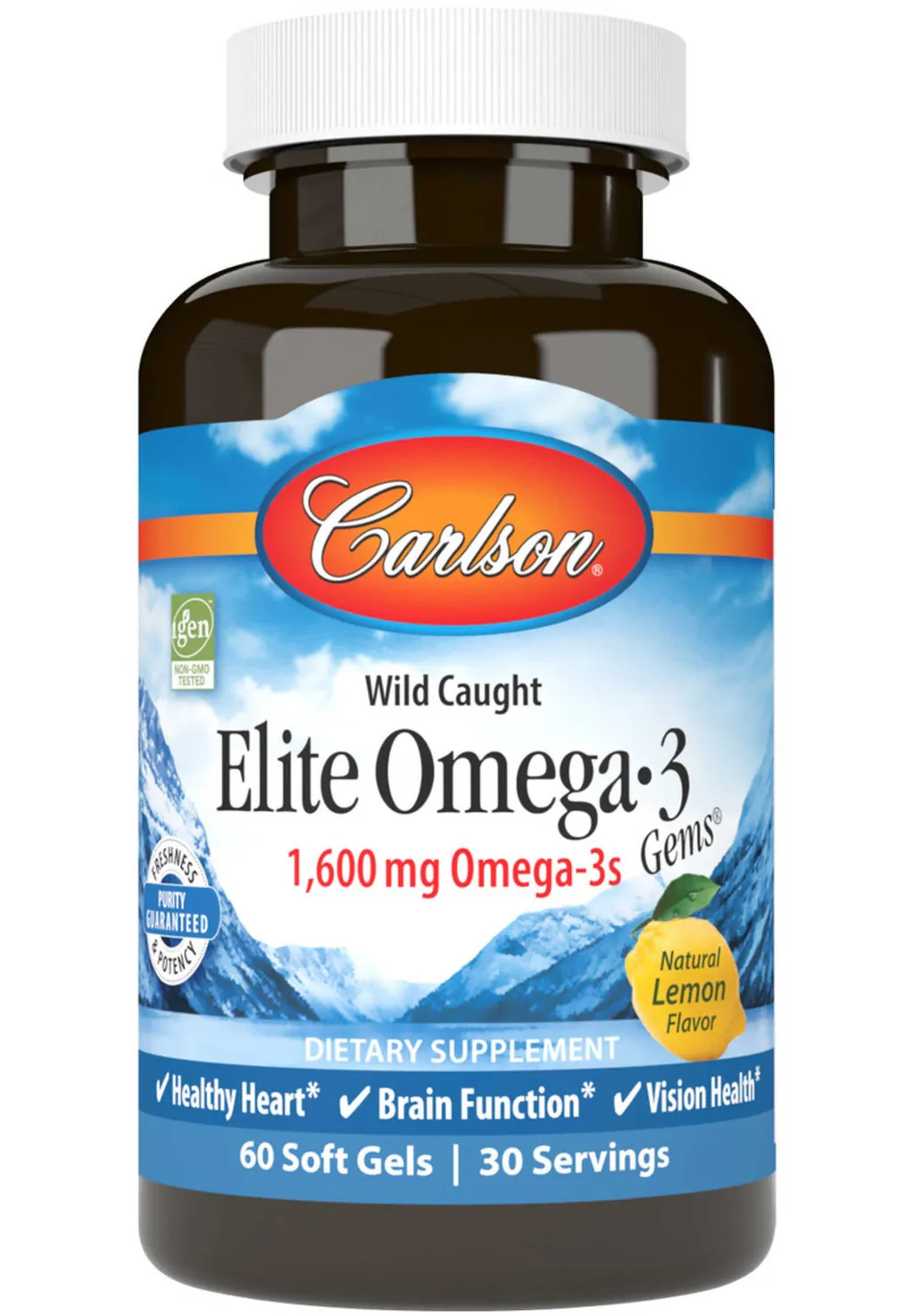
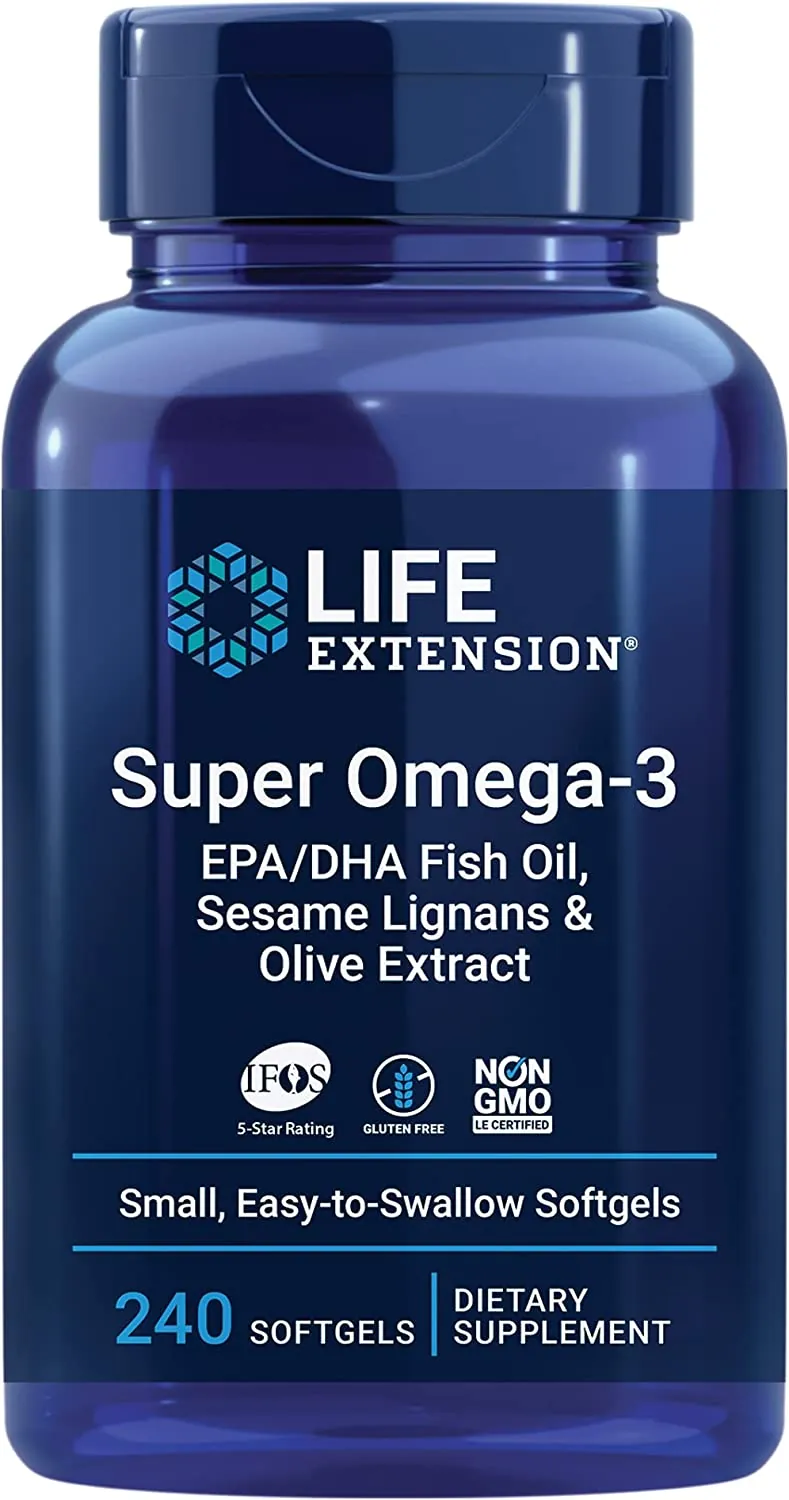
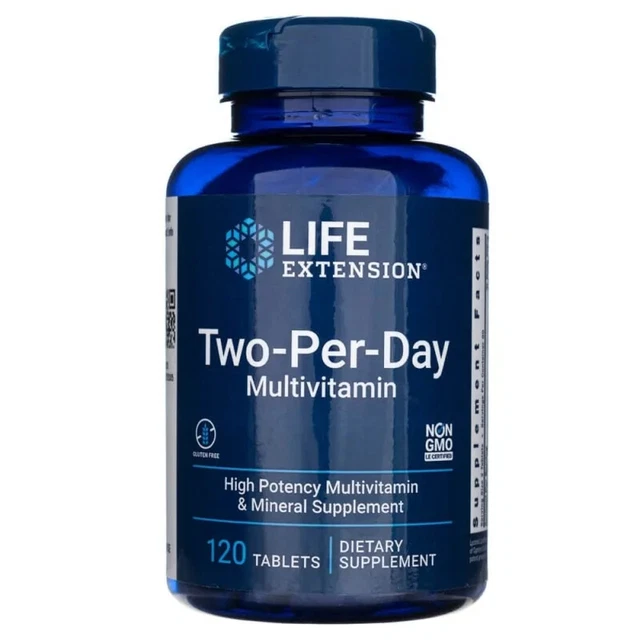
Top Vitamin D3 Products on AIScored
Want to check more interactions?
Add these and other supplements to our interactive Stack Analyzer for a full analysis.
Build your full stack →