Important: This page is for informational purposes only, based on published peer-reviewed research and official UK dietary guidelines (NHS, EFSA, SACN). It does not constitute medical advice. Always consult your GP or pharmacist before starting, stopping, or combining supplements.
Omega-3 and Vitamin E — Can You Take Them Together?
Overview
Omega-3 fatty acids — particularly EPA and DHA — and Vitamin E represent a well-characterised nutritional pairing within lipid biochemistry. Because EPA and DHA contain multiple double bonds, they are among the most oxidation-prone nutrients in the human diet. Vitamin E, specifically alpha-tocopherol, is the body's primary fat-soluble antioxidant and the principal defence against lipid peroxidation in cell membranes. Research suggests that higher intake of long-chain polyunsaturated fatty acids increases demand on the body's antioxidant reserves, making adequate Vitamin E status an important consideration when supplementing with fish oil or algae oil. Individual responses may vary.
How They Interact
Eicosapentaenoic acid (EPA) and docosahexaenoic acid (DHA) possess five and six carbon–carbon double bonds respectively, making them exceptionally susceptible to a self-propagating chain reaction known as lipid peroxidation. Once a free radical abstracts a hydrogen atom from a polyunsaturated fatty acid, it creates a lipid radical that reacts with oxygen to form a lipid peroxyl radical, which then attacks adjacent fatty acid molecules. Alpha-tocopherol acts as a chain-breaking antioxidant: it donates a hydrogen atom to the peroxyl radical, quenching the chain reaction and forming the relatively stable tocopheroxyl radical. This radical is subsequently recycled by Vitamin C (ascorbate) in a complementary antioxidant network. Because EPA and DHA are incorporated into phospholipid bilayers throughout the body — particularly in neuronal and immune cell membranes — alpha-tocopherol's presence within these membranes provides direct structural protection. Wander et al. (1996, American Journal of Clinical Nutrition) demonstrated that alpha-tocopheryl acetate supplementation at doses as low as 100 mg/day significantly increased LDL resistance to oxidation in women supplementing with fish oil, illustrating a dose-dependent protective relationship.
Timing & Dosage Guidance
Both omega-3 fatty acids and Vitamin E are fat-soluble nutrients, absorbed most efficiently alongside dietary fat. Research does not indicate any requirement to separate their intake — consuming them together at a meal containing fat is considered appropriate practice and consistent with their shared absorption pathway via chylomicrons in the lymphatic system. Many commercial fish oil products already include small quantities of Vitamin E (typically d-alpha-tocopherol, 1–2 mg per capsule) as a stabilising agent, meaning co-ingestion at the same meal is standard industry practice. The UK Food Standards Agency does not specify a mandatory timing interval between these two nutrients.
SACN recommends a minimum of 450 mg combined EPA and DHA per week for the general UK adult population, though many supplementation protocols for cardiovascular or inflammatory support use 1–3 g EPA+DHA daily. At higher omega-3 intakes, research suggests the body's requirement for antioxidant protection of lipid membranes increases proportionally. The UK Reference Nutrient Intake (RNI) for Vitamin E is 4 mg/day for men and 3 mg/day for women. EFSA's Tolerable Upper Intake Level (UL) for supplemental Vitamin E is 300 mg/day for adults. Wander et al. (1996) found that 100 mg alpha-tocopheryl acetate daily was sufficient to improve LDL oxidative resistance in women taking fish oil — a dose achievable from standard food-combined dietary sources for most people eating a varied UK diet. Individual responses may vary depending on overall dietary antioxidant status.
Recommended Action
Many fish oil supplements include Vitamin E for stability. If taking a high-dose omega-3 without added E, a separate Vitamin E supplement may be considered.
Omega-3 Timing
When: Any
Note: Take with a meal containing fat for best absorption. Split high doses across meals to reduce fishy burps. Freeze capsules to reduce aftertaste.
Vitamin E Timing
When: Morning
Note: Fat-soluble — take with a meal containing dietary fat. High doses may increase bleeding risk.
Scientific Evidence
4 peer-reviewed studies cited. All links lead to PubMed abstracts.
American Journal of Clinical Nutrition (1996) · PMID: 8561059
Alpha-tocopheryl acetate supplementation of as little as 100 mg/day significantly increased LDL resistance to oxidation in postmenopausal women supplementing with fish oil.
Journal of Nutrition (1996) · PMID: 8598549
Urinary markers of lipid peroxidation decreased in a dose-dependent manner with increasing alpha-tocopherol intake in women supplementing with fish oil, supporting a protective antioxidant role for Vitamin E.
Lipids (1998) · PMID: 9930401
Fish oil supplements with added Vitamin E produced distinct effects on plasma antioxidant profiles compared to fish oil alone, demonstrating a measurable antioxidant interaction between the two nutrients in healthy women.
International Urology and Nephrology (2016) · PMID: 27554670
Combined omega-3 and alpha-tocopherol supplementation for 12 weeks significantly improved total antioxidant capacity and inflammation biomarkers compared with placebo in haemodialysis patients.
Frequently Asked Questions
Many fish oil supplements include small amounts of Vitamin E as a preservative, typically 1–2 mg per capsule. Research by Turley et al. (1998, Lipids) found that fish oil with added Vitamin E modulated plasma antioxidant concentrations differently from fish oil without it. Whether additional supplementation is warranted depends on total omega-3 dose and overall dietary Vitamin E intake from foods such as nuts, seeds, and plant oils. Individual responses may vary based on background antioxidant status.
Research suggests that higher intakes of long-chain polyunsaturated fatty acids increase oxidative demand within cell membranes, potentially drawing on the body's tocopherol reserves more heavily. Wander et al. (1996, Journal of Nutrition) observed that alpha-tocopherol supplementation influenced in vivo lipid peroxidation markers in women taking fish oil in a dose-dependent manner. This does not necessarily indicate frank depletion at moderate fish oil doses, but maintaining good dietary Vitamin E intake is a reasonable consideration when supplementing above 1 g EPA+DHA daily.
Both nutrients are well-tolerated at commonly used supplementation doses. EFSA's Tolerable Upper Intake Level for supplemental Vitamin E is 300 mg/day for adults. There is a theoretical consideration regarding mild antiplatelet activity, as high doses of both omega-3 and Vitamin E may influence platelet function. Individuals taking anticoagulant medications such as warfarin should consult their GP before combining these supplements. This content does not constitute medical advice, and individual responses may vary.
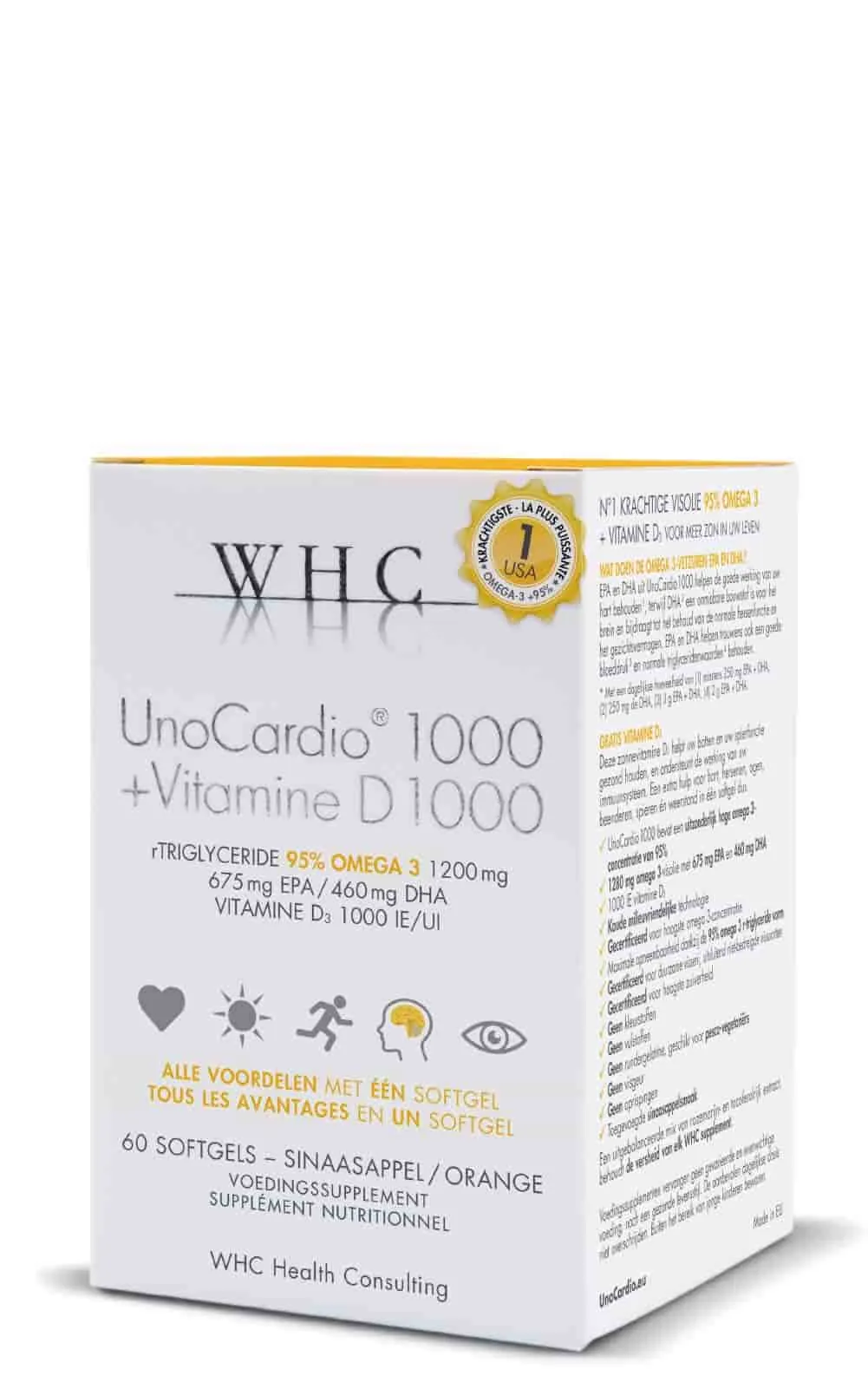
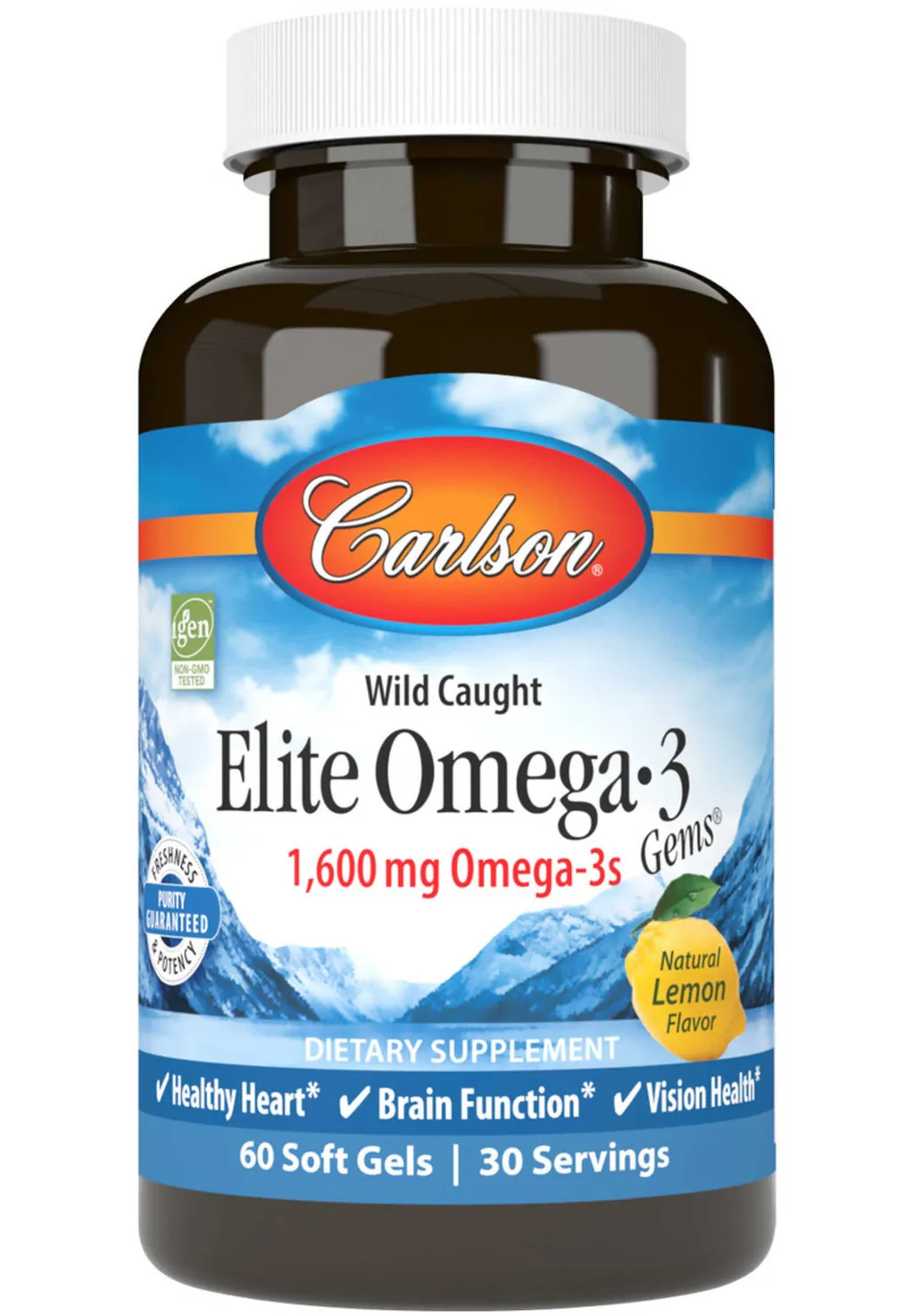
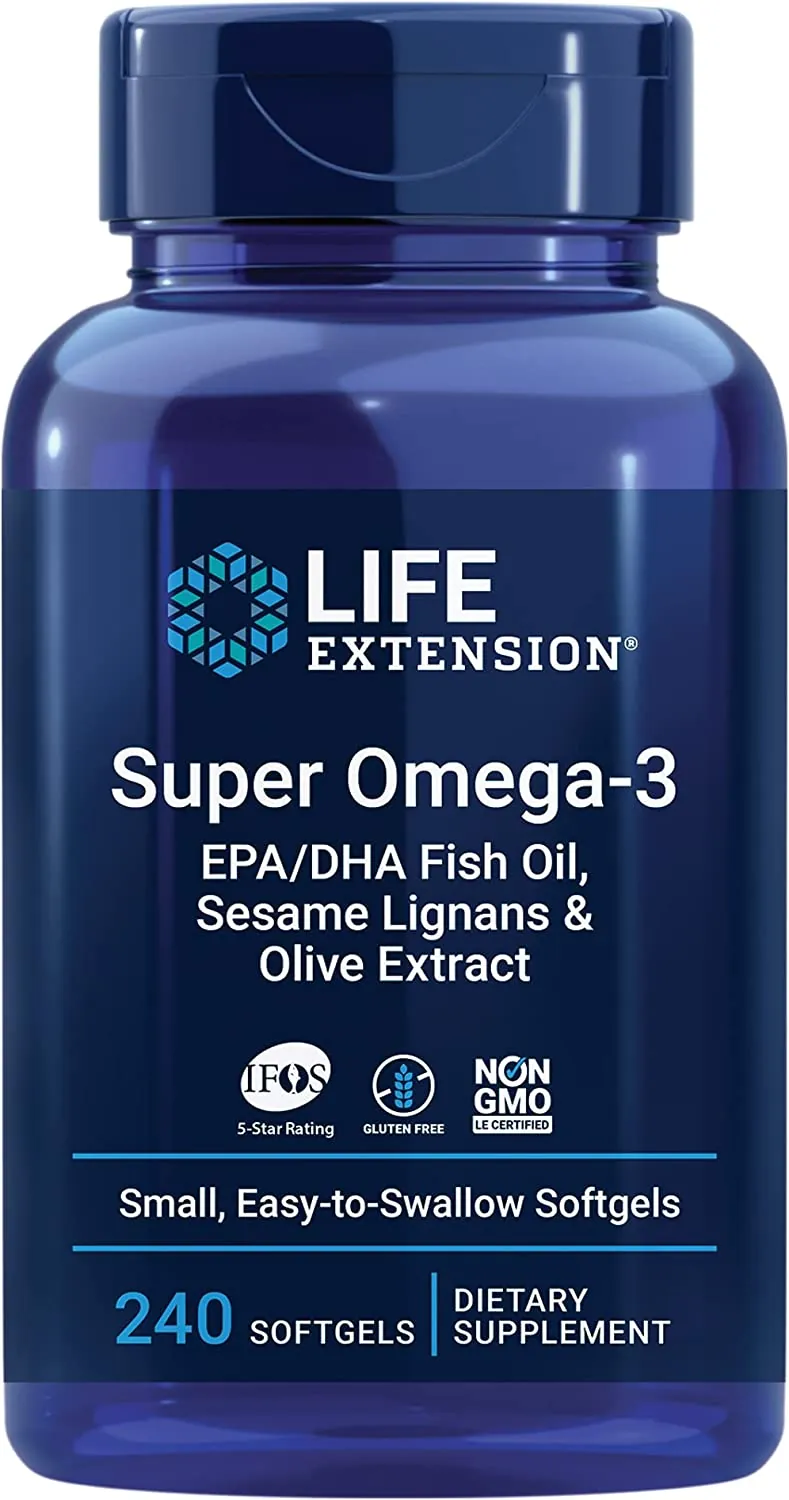
Top Omega-3 Products on AIScored
Top Vitamin E Products on AIScored

Advanced Hydrolysed Marine Liquid Collagen Couples Supply (2x 28-Day Supply)

Want to check more interactions?
Add these and other supplements to our interactive Stack Analyzer for a full analysis.
Build your full stack →