Important: This page is for informational purposes only, based on published peer-reviewed research and official UK dietary guidelines (NHS, EFSA, SACN). It does not constitute medical advice. Always consult your GP or pharmacist before starting, stopping, or combining supplements.
Probiotics and Vitamin D3 — Can You Take Them Together?
Overview
Vitamin D insufficiency is widespread in the UK — SACN (2016) estimates that approximately one in five adults has low vitamin D status, particularly during autumn and winter months. Probiotics, live microbial preparations, are increasingly studied for benefits extending well beyond digestive health. Emerging research suggests a bidirectional relationship between gut microbiota and vitamin D metabolism: certain probiotic strains appear to improve circulating 25-hydroxyvitamin D levels, whilst vitamin D itself influences microbiome composition. This pairing may offer complementary support for immune function through distinct but interconnected pathways, though individual responses may vary and the evidence base remains early-stage.
How They Interact
The interaction between probiotics and vitamin D operates across several overlapping mechanisms. Most notably, specific strains — particularly Lactobacillus reuteri NCIMB 30242 — appear to improve vitamin D status, possibly by modifying bile acid profiles in the small intestine. As cholecalciferol (D3) is fat-soluble, it depends on bile acid-mediated emulsification for absorption; probiotic-mediated shifts in bile composition may facilitate this process. Separately, Lactobacillus rhamnosus GG (LGG) and Lactobacillus plantarum have been shown to upregulate vitamin D receptor (VDR) protein expression and transcriptional activity in intestinal epithelial cells, potentially amplifying intracellular response to circulating 25(OH)D (PMID 27915988). A further pathway involves fibroblast growth factor 23 (FGF23): research in germ-free animal models demonstrated that gut microbiota regulate the conversion of 25(OH)D to its active form, 1,25(OH)2D, via FGF23 signalling (PMID 29599772). Collectively, these findings suggest that the gut environment shaped by probiotic supplementation may meaningfully influence how the body processes vitamin D.
Timing & Dosage Guidance
Both supplements can be taken at the same time without known adverse interaction. Vitamin D3 is fat-soluble, so taking it with a meal containing dietary fat — such as breakfast or lunch — is generally advised to support absorption. For probiotics, timing guidance varies by strain and formulation: some manufacturers recommend taking them on an empty stomach before breakfast, whilst spore-based (Bacillus) and enteric-coated formulations are typically less sensitive to meal timing. If using a multi-strain capsule, follow the product-specific labelling. There is no current evidence suggesting that separating these two supplements produces better outcomes. Individual responses may vary.
The NHS and SACN recommend that UK adults take 10 mcg (400 IU) of vitamin D daily during autumn and winter, or year-round for those with limited sun exposure. Higher intakes of up to 25 mcg (1,000 IU) are widely used, though SACN sets the tolerable upper intake at 100 mcg (4,000 IU) daily for adults; exceeding this level without medical supervision is not advisable. For probiotics, clinical studies relevant to vitamin D status have typically used doses in the range of 3–9 billion CFU per day. No UK regulatory body has established a general guideline for probiotic dosing. Both supplements are broadly considered safe at standard doses, but individuals taking immunosuppressants or with significant gut conditions should consult a healthcare professional. Individual responses may vary.
Recommended Action
These can be taken together. Both support immune function through different pathways.
Probiotics Timing
When: Morning
Note: Take with or just before a meal — food buffers stomach acid, improving bacterial survival. Strain specificity matters — different strains have different effects.
Vitamin D3 Timing
When: Morning
Note: Fat-soluble — better absorbed with a meal containing dietary fat
Scientific Evidence
4 peer-reviewed studies cited. All links lead to PubMed abstracts.
Journal of Clinical Endocrinology & Metabolism (2013) · PMID: 23609838
Supplementation with L. reuteri NCIMB 30242 significantly increased serum 25(OH)D by 25.5% relative to placebo over a 9-week double-blind RCT.
Cell Host & Microbe (2016) · PMID: 27915988
Lactobacillus rhamnosus GG and Lactobacillus plantarum upregulated VDR protein expression and transcriptional activity in human and mouse intestinal epithelial cells.
Frontiers in Microbiology (2018) · PMID: 29599772
Germ-free mouse models demonstrated that gut microbiota regulate the systemic vitamin D axis via FGF23 signalling, altering circulating 25(OH)D and 1,25(OH)2D concentrations.
Nutrients (2021) · PMID: 33396898
Co-supplementation with vitamin D and probiotics yielded superior outcomes compared to control conditions in 6 of 7 reviewed RCTs, with VDR upregulation proposed as a key shared mechanism.
Frequently Asked Questions
A post-hoc analysis of a randomised controlled trial found that supplementation with Lactobacillus reuteri NCIMB 30242 increased mean circulating 25-hydroxyvitamin D by approximately 22% relative to placebo over nine weeks (Jones et al., 2013, PMID 23609838). However, this result was specific to one strain under controlled conditions; not all probiotic products have been tested for this effect. Individual responses may vary, and probiotics should not be used as a substitute for vitamin D supplementation in those with confirmed deficiency.
A 2021 systematic review of seven randomised controlled trials found that co-supplementation with vitamin D and probiotics produced greater improvements in relevant health markers than comparators in six of the seven studies reviewed (Infante et al., Nutrients, PMID 33396898). Proposed mechanisms include enhanced VDR expression and improved intestinal vitamin D absorption. The authors noted that the evidence is heterogeneous across populations and conditions, and further large-scale trials are needed before firm conclusions can be drawn.
Current strain-specific clinical evidence is most robust for Lactobacillus reuteri NCIMB 30242, the subject of the Jones et al. (2013) RCT demonstrating elevated 25(OH)D. Laboratory and preclinical research also highlights Lactobacillus rhamnosus GG and Lactobacillus plantarum as strains that upregulate intestinal VDR expression (PMID 27915988). Most commercial multi-strain blends have not been independently tested in the context of vitamin D metabolism, so strain-level detail on product labelling is worth checking.
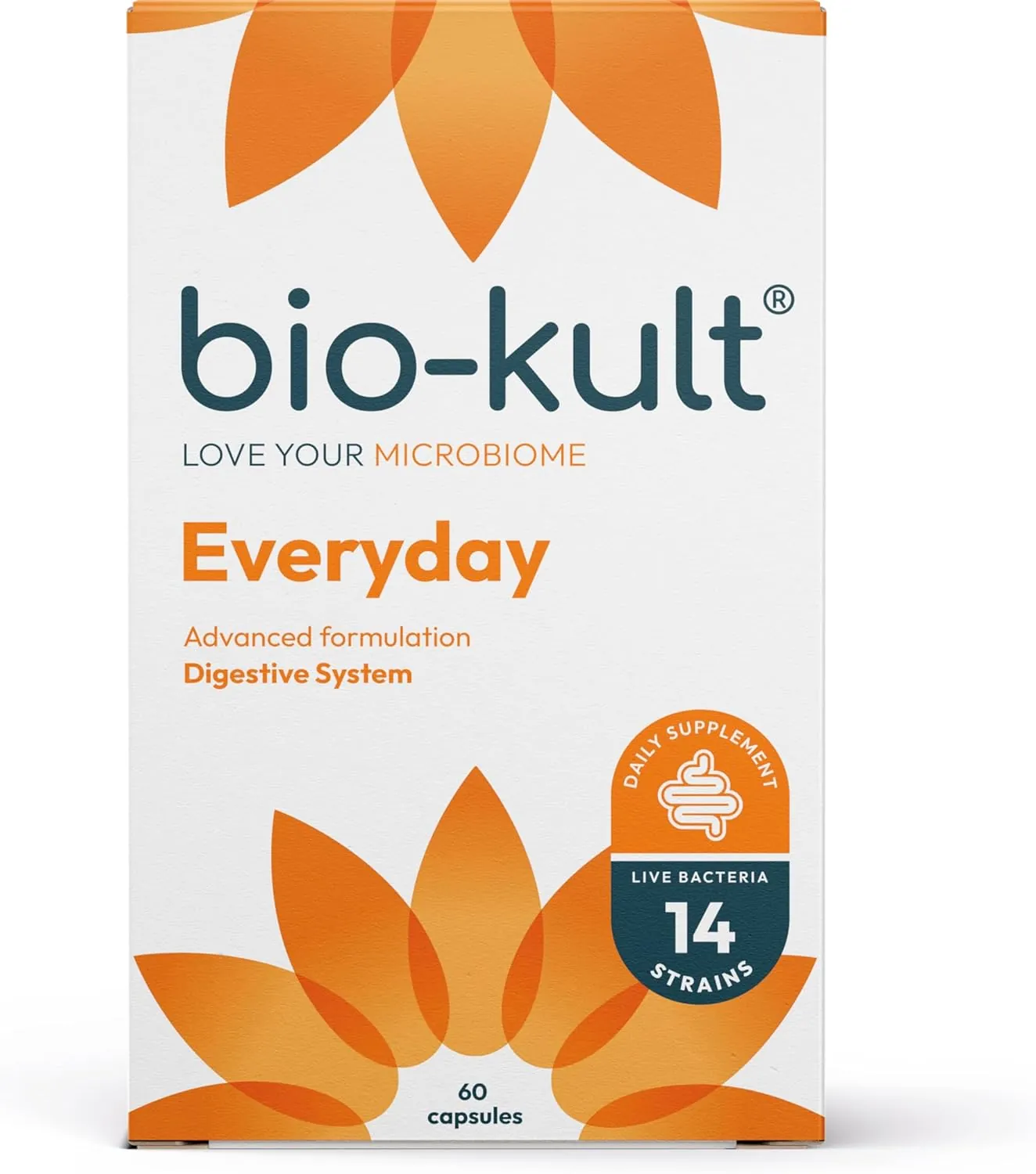
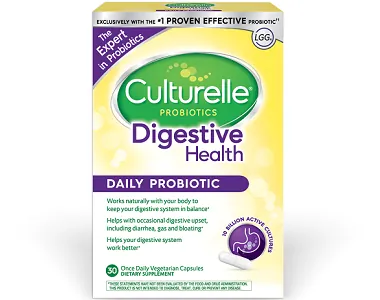
Top Probiotics Products on AIScored
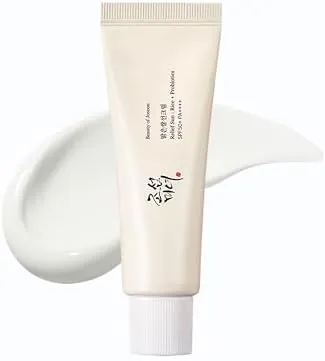
Beauty of Joseon Relief Sun Rice Probiotics SPF 50+ PA++++ Korean Sunscreen sunblock for Face Daily Sunscreen for Men Women Skincare 50ml
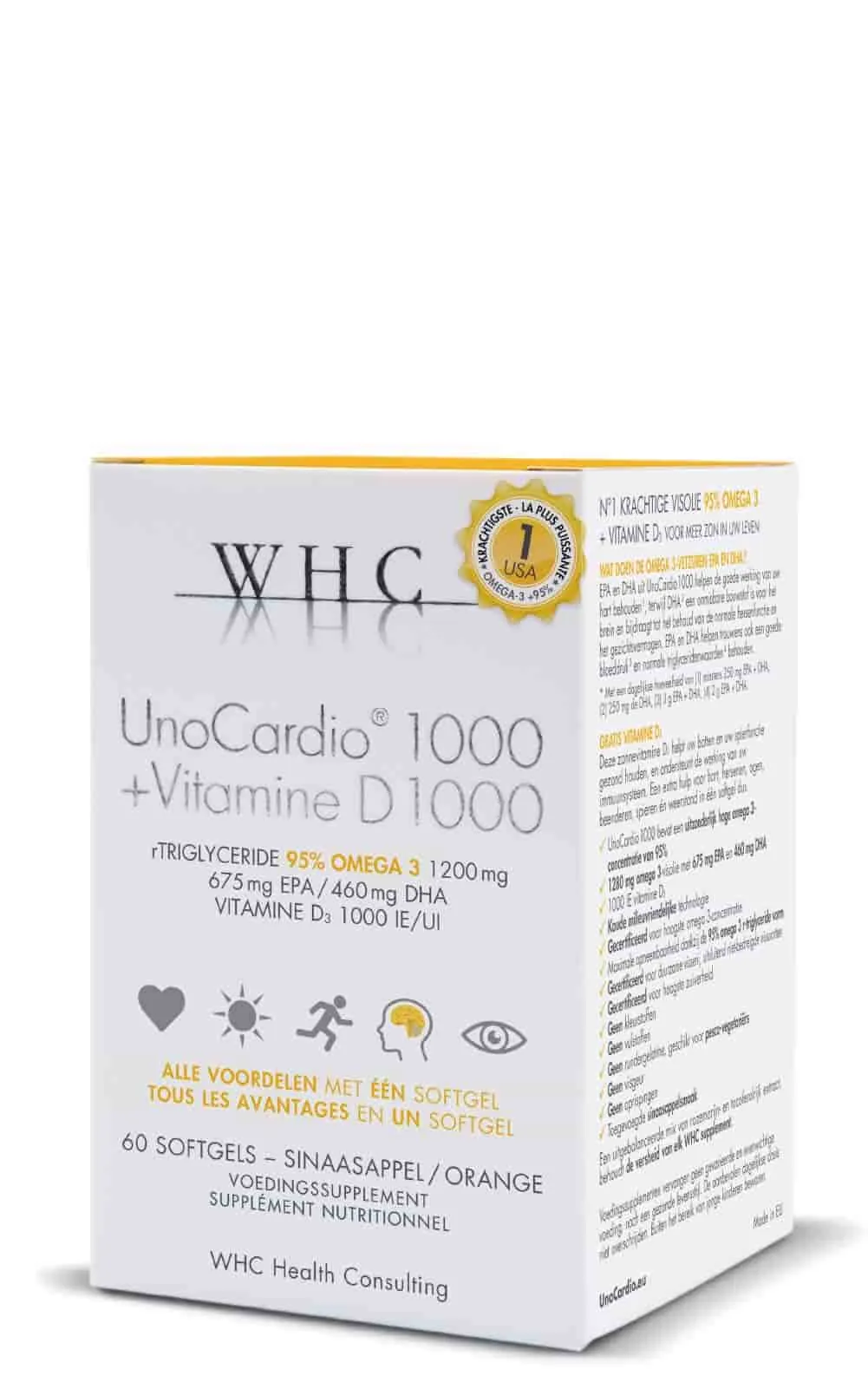
Top Vitamin D3 Products on AIScored
Want to check more interactions?
Add these and other supplements to our interactive Stack Analyzer for a full analysis.
Build your full stack →