Important: This page is for informational purposes only, based on published peer-reviewed research and official UK dietary guidelines (NHS, EFSA, SACN). It does not constitute medical advice. Always consult your GP or pharmacist before starting, stopping, or combining supplements.
Saw Palmetto and Zinc — Can You Take Them Together?
Overview
Saw palmetto (Serenoa repens) and zinc are two of the most studied natural compounds in the context of male prostate health. Both have been investigated for their role in regulating 5-alpha-reductase (5AR) — the enzyme responsible for converting testosterone into the more potent androgen dihydrotestosterone (DHT), a key driver of benign prostatic hyperplasia (BPH). Their combination is a common feature of dedicated prostate support supplements. Research suggests their mechanisms may be complementary, with zinc playing a structural role in prostate tissue homeostasis and saw palmetto's fatty acid constituents targeting androgen metabolism. Individual responses may vary, and neither compound is a substitute for medical evaluation of urinary symptoms.
How They Interact
The central mechanistic link between saw palmetto and zinc involves inhibition of 5-alpha-reductase (5AR), the enzyme that converts testosterone to DHT within prostatic tissue. Elevated intraprostatic DHT is strongly implicated in the development and progression of BPH. Leake et al. (1984, Journal of Steroid Biochemistry; PMID: 6200703) demonstrated that zinc inhibits 5AR activity in hyperplastic human prostate tissue in a concentration-dependent manner, with millimolar concentrations producing significant inhibition. The healthy prostate gland normally accumulates among the highest zinc concentrations of any tissue in the body; research indicates this is significantly reduced in BPH, with one cross-sectional study reporting a 61% decrease in mean prostate tissue zinc compared to normal controls (Christudoss et al., 2011, Indian Journal of Urology; PMID: 21716879), suggesting zinc depletion may compromise androgen regulation. Saw palmetto's liposterolic extract — standardised to 85–95% fatty acids including lauric acid and beta-sitosterol — has been shown to inhibit both type I and type II isoforms of 5AR non-selectively, unlike the pharmaceutical finasteride which targets type II only (PMID: 20623347). This isoform non-selectivity is considered mechanistically distinct from zinc's action. Together, the two compounds may act on the 5AR pathway via separate but potentially additive routes, though direct combination studies in humans remain limited.
Timing & Dosage Guidance
Both saw palmetto and zinc are generally recommended with food. Saw palmetto's liposterolic extract is fat-soluble; co-administration with a meal containing dietary fat may improve absorption of its active fatty acid constituents, including the lauric acid fraction implicated in 5AR inhibition. Zinc is similarly better tolerated alongside food, as taken on an empty stomach it may cause gastrointestinal discomfort in some individuals. There is no published evidence suggesting these two compounds require temporal separation — they are routinely combined in a single dose in commercial prostate formulas. Once or twice daily dosing with meals represents the most commonly studied regimen. Individual responses may vary.
The standard clinical dose for saw palmetto is 320 mg of liposterolic extract (standardised to 85–95% fatty acids) per day, taken as a single or divided dose. This is the dose employed in major clinical trials and systematic reviews of Serenoa repens for lower urinary tract symptoms. For zinc, the UK NHS Reference Nutrient Intake is 9.5 mg/day for adult men and 7 mg/day for adult women. The EFSA tolerable upper intake level for zinc is 25 mg/day for adults. Many prostate-specific formulas contain 10–25 mg of elemental zinc per serving. Individuals should account for total daily zinc intake from all dietary and supplementary sources, as chronic intake above the tolerable upper level may impair copper absorption. Bioavailable forms such as zinc bisglycinate or zinc picolinate may be preferable to zinc oxide for supplementation purposes.
Recommended Action
This combination is common in prostate health formulas. Both can be taken together with food.
Saw Palmetto Timing
When: Any
Note: Take with food. Fat-soluble extract. Most studies use 320 mg/day (as single dose or 160 mg twice daily).
Zinc Timing
When: Morning
Note: Take with food to prevent nausea. Away from iron and calcium supplements.
Scientific Evidence
3 peer-reviewed studies cited. All links lead to PubMed abstracts.
Journal of Steroid Biochemistry (1984) · PMID: 6200703
In vitro study demonstrating concentration-dependent inhibition of 5-alpha-reductase activity by zinc in hyperplastic human prostate tissue, providing foundational evidence for zinc's role in androgen regulation at the prostatic level.
Indian Journal of Urology (2011) · PMID: 21716879
Cross-sectional study of 123 BPH patients showing a 61% decrease in mean prostate tissue zinc compared to normal controls and a 20% increase in urinary zinc excretion, supporting an association between zinc depletion and benign prostatic hyperplasia.
Advances in Therapy (2010) · PMID: 20623347
Novel liposterolic saw palmetto ethanol extract demonstrated potent in vitro inhibition of 5-alpha-reductase type II with an IC50 of 2.88 μg/mL, supporting the mechanistic basis for saw palmetto's effects on intraprostatic DHT biosynthesis.
Frequently Asked Questions
Research suggests no known pharmacological interaction requires these compounds to be taken separately. Both are commonly co-formulated in prostate health supplements and can be taken together with a meal. Saw palmetto's fat-soluble fatty acids may benefit from concurrent dietary fat intake, whilst zinc is generally better tolerated with food to reduce the risk of gastrointestinal discomfort. Individual responses may vary; those with sensitive digestion may prefer splitting doses across morning and evening meals.
Direct randomised controlled trials examining this combination are limited in the published literature. The evidence for each compound individually is more developed — including foundational in vitro studies on zinc's inhibitory effect on 5-alpha-reductase in hyperplastic human prostate tissue (PMID: 6200703) and multiple clinical reviews of saw palmetto's pharmacological activity. Their combined use reflects mechanistic overlap rather than confirmed additive efficacy in controlled human trials. More rigorous combination research would be needed to establish synergistic clinical outcomes.
Clinical studies on saw palmetto for lower urinary tract symptoms typically assess outcomes over 12 to 24 weeks. Zinc's role is more supportive of prostate tissue homeostasis than acutely symptomatic, and restoration of depleted tissue zinc levels is unlikely to occur rapidly. Research suggests consistent supplementation over several months is more informative than short-term use. Any assessment of efficacy for urinary symptoms should involve objective evaluation by a GP, who can monitor prostate-related measurements over time.
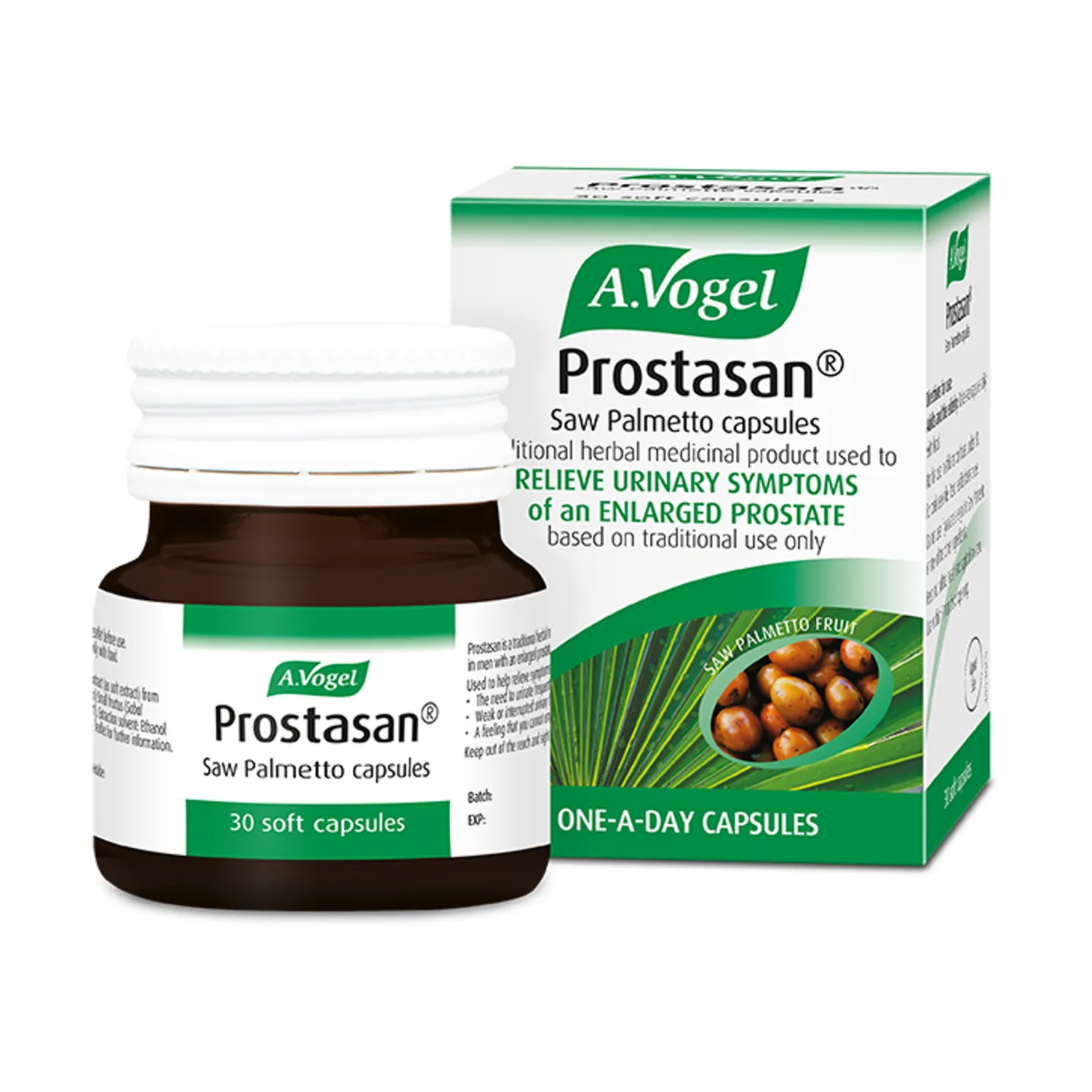
Top Saw Palmetto Products on AIScored
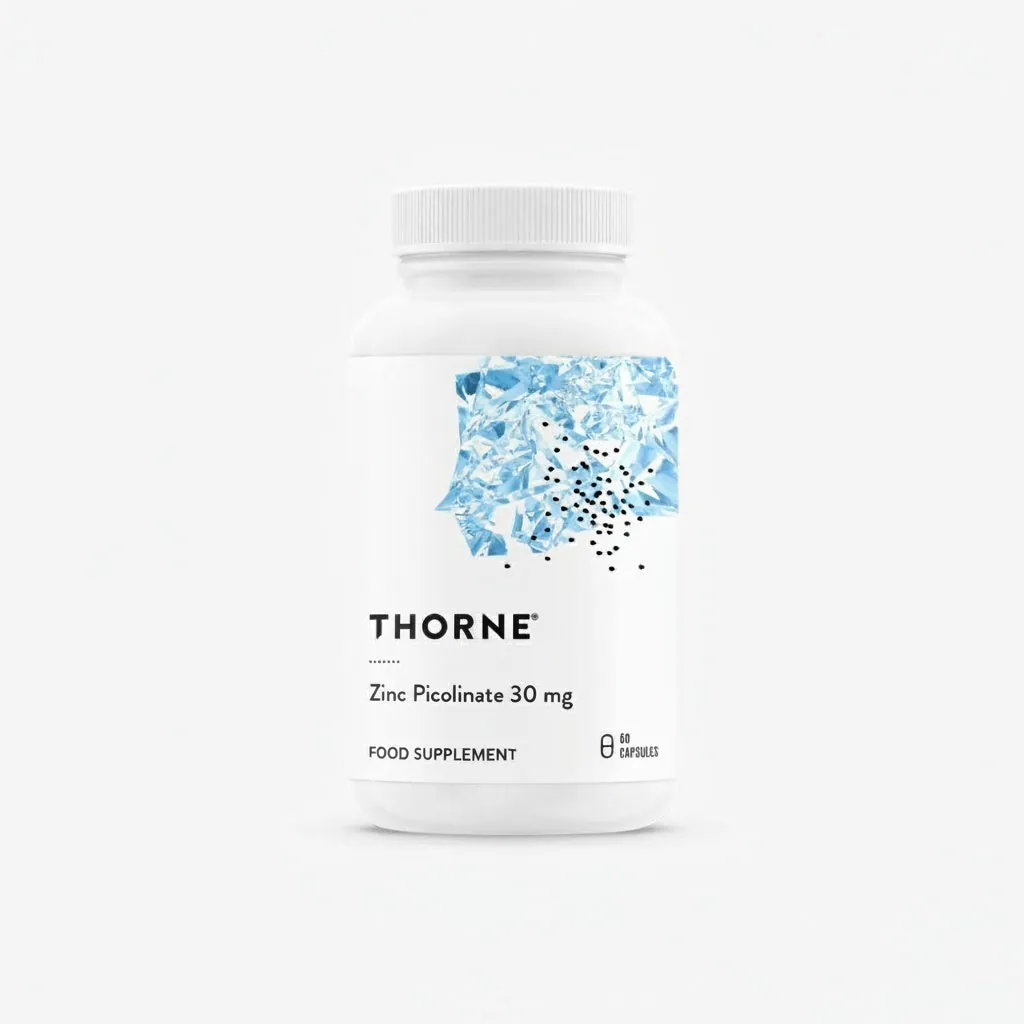
Top Zinc Products on AIScored
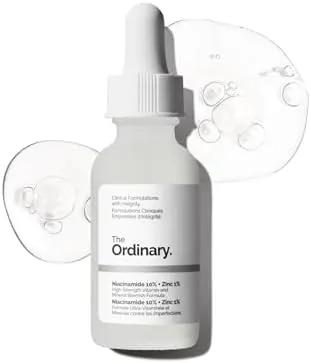
The Ordinary Niacinamide 10% + Zinc 1%, Brightening & Smoothing Serum for Blemish-Prone Skin, 30ml
Want to check more interactions?
Add these and other supplements to our interactive Stack Analyzer for a full analysis.
Build your full stack →