Important: This page is for informational purposes only, based on published peer-reviewed research and official UK dietary guidelines (NHS, EFSA, SACN). It does not constitute medical advice. Always consult your GP or pharmacist before starting, stopping, or combining supplements.
Selenium and Vitamin C — Can You Take Them Together?
Overview
Selenium and vitamin C are among the most widely used micronutrient supplements in the UK, and their relationship within the body's antioxidant defence system makes understanding their interaction genuinely worthwhile. Both nutrients contribute to protection against oxidative stress — selenium through its role in selenoproteins such as glutathione peroxidase, and vitamin C as a direct water-soluble antioxidant. Research suggests this pairing is broadly complementary at everyday supplement doses, though evidence indicates that very high vitamin C intakes may reduce the absorption of certain selenium forms. The practical implications depend significantly on dose and the type of selenium supplement used.
How They Interact
Selenium exerts the majority of its antioxidant activity through incorporation into selenoproteins, most notably the glutathione peroxidase (GPx) family. These enzymes catalyse the reduction of hydrogen peroxide and lipid hydroperoxides using reduced glutathione (GSH) as a cofactor, thereby neutralising reactive oxygen species before they can damage cell membranes and DNA. Vitamin C (ascorbic acid) operates as a direct free-radical scavenger in aqueous compartments and participates in the recycling of oxidised glutathione, supporting the same substrate pool that GPx depends upon. Hondal et al. (2023, Current Opinion in Chemical Biology, PMID 37236134) demonstrated that selenium coordinates with vitamin C and vitamin E across the broader antioxidant network, enabling mutual reinforcement. However, at the chemical level, ascorbic acid is a reducing agent capable of converting selenite (selenium IV) to elemental selenium — a form with significantly lower bioavailability. Mutanen et al. (1985, Human Nutrition: Clinical Nutrition, PMID 4019267) established that this interaction is form-specific: it is most relevant to inorganic selenite, whereas organic selenium forms such as selenomethionine are not subject to this reduction. The net biological effect therefore depends on both dose and selenium source.
Timing & Dosage Guidance
At doses commonly found in UK supplements — typically 55–200 mcg of selenium and up to 500 mg of vitamin C — available evidence suggests co-administration is unlikely to cause meaningful interference. Robinson et al. (1985, New Zealand Medical Journal, PMID 3861972) found that a gram-level megadose of ascorbic acid taken simultaneously with sodium selenite on an empty stomach significantly reduced selenite absorption, whereas taking supplements with food attenuated this effect. For individuals supplementing with inorganic selenium forms (sodium selenite) alongside high-dose vitamin C (above 1,000 mg), separating the two by one to two hours — taking selenium with a meal and vitamin C at a different time of day — represents a straightforward precautionary approach. Those using selenomethionine or selenium yeast have considerably less cause for concern around timing. Individual responses may vary.
The NHS Reference Nutrient Intake for selenium is 75 mcg per day for adult men and 60 mcg per day for adult women. The Expert Group on Vitamins and Minerals (EVM) sets the safe upper level at 350 mcg per day for adults. For vitamin C, the NHS RNI is 40 mg per day, with the EVM noting that intakes up to 1,000 mg per day are unlikely to cause harm for most adults, though higher sustained doses are not recommended. The majority of UK selenium supplements fall within 100–200 mcg per serving, while vitamin C supplements typically provide 500–1,000 mg. At these everyday quantities, the ascorbate-mediated reduction of selenite is unlikely to be of clinical significance. Those exceeding these ranges — particularly combining gram-level vitamin C with selenite-based selenium — may wish to separate doses as a precautionary measure. Individual responses may vary based on dietary selenium intake, gut health, and baseline status.
Recommended Action
At typical supplement doses, these can be taken together. If taking high-dose Vitamin C (>1000mg), separating from selenium by an hour may be prudent.
Selenium Timing
When: Any
Note: Take with food. UK soils are low in selenium — supplementation is common.
Vitamin C Timing
When: Any
Note: Water-soluble — can be taken any time. Split doses improve absorption at higher amounts.
Scientific Evidence
3 peer-reviewed studies cited. All links lead to PubMed abstracts.
Current Opinion in Chemical Biology (2023) · PMID: 37236134
Selenium coordinates with vitamin C and vitamin E in a synergistic antioxidant network, with selenium enabling recycling of oxidised vitamin C and preventing lipid peroxidation alongside vitamin E.
Human Nutrition: Clinical Nutrition (1985) · PMID: 4019267
Ascorbic acid supplementation enhanced selenium bioavailability from food-derived organic sources but showed no adverse effect on sodium selenate absorption, confirming that the interaction is form-dependent.
New Zealand Medical Journal (1985) · PMID: 3861972
A gram-level megadose of ascorbic acid taken simultaneously with sodium selenite on an empty stomach significantly impaired selenium absorption, while food co-ingestion attenuated this interference.
Frequently Asked Questions
Research suggests this risk is largely limited to high-dose vitamin C (above 1,000 mg) taken simultaneously with inorganic selenite forms. Robinson et al. (1985) found that a gram-level ascorbic acid megadose significantly impaired selenite absorption when taken together on an empty stomach. At typical supplement doses, and particularly with organic selenium forms such as selenomethionine or selenium yeast, meaningful interference is considered unlikely. Individual responses may vary.
Organic selenium forms — selenomethionine and selenium yeast — are generally considered the forms least affected by co-ingestion with ascorbic acid. Mutanen et al. (1985) demonstrated that ascorbic acid supplementation did not impair the bioavailability of selenium from these organic sources, whereas sodium selenate and sodium selenite are more susceptible to chemical reduction by ascorbic acid. Selenomethionine is the most widely available organic form in UK supplements and is typically well absorbed.
At doses commonly found in UK supplements — up to 200 mcg selenium and 1,000 mg vitamin C — research suggests co-administration is broadly safe and may support complementary antioxidant functions. Hondal et al. (2023) highlighted the coordinated role selenium and vitamin C play within the broader antioxidant defence network. Taking both supplements with a meal further reduces any potential for absorption interference. Those on high-dose vitamin C protocols (above 1,000 mg) using inorganic selenite may prefer to separate doses by an hour or two as a precaution.
Top Selenium Products on AIScored
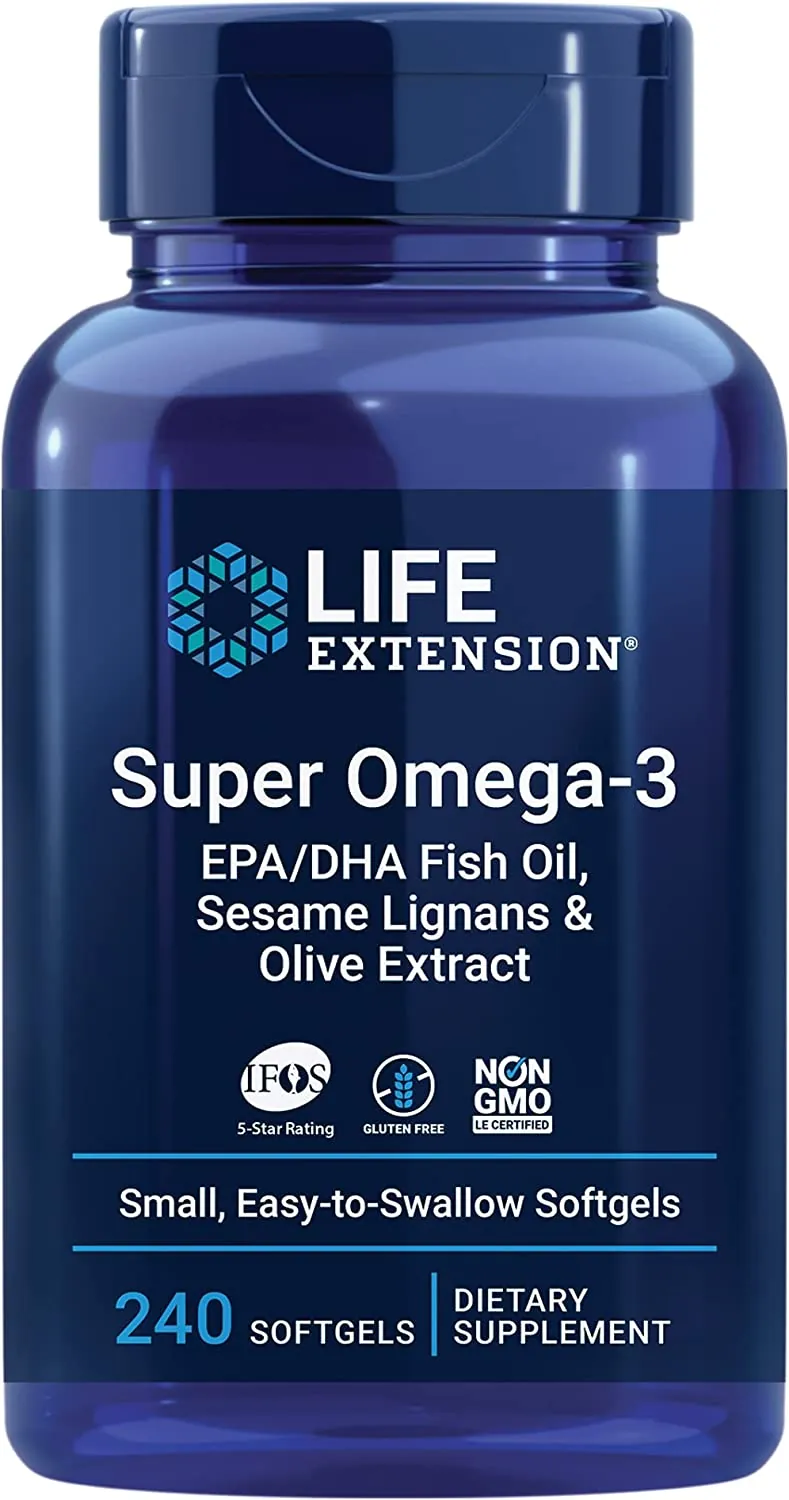
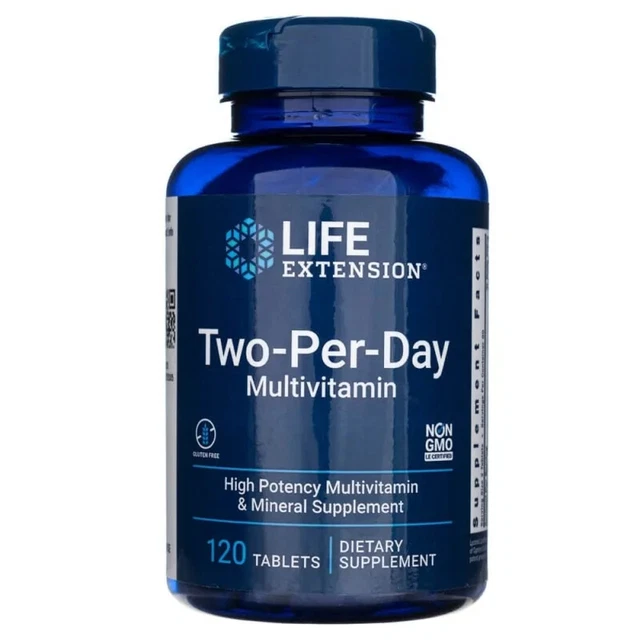
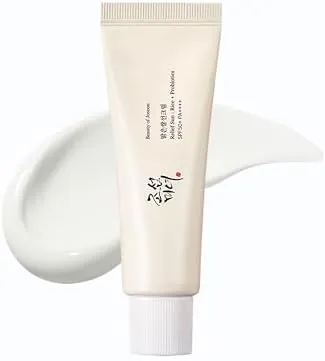
Beauty of Joseon Relief Sun Rice Probiotics SPF 50+ PA++++ Korean Sunscreen sunblock for Face Daily Sunscreen for Men Women Skincare 50ml
Top Vitamin C Products on AIScored
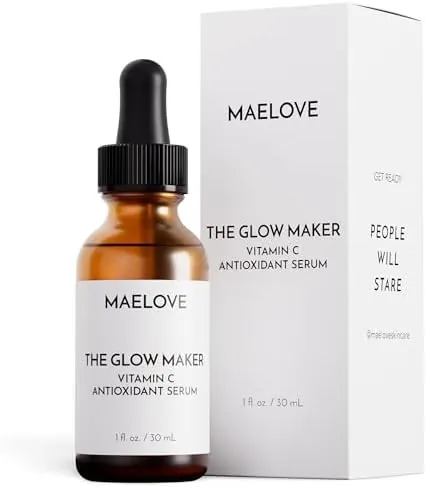
MAELOVE Vitamin C Serum, Glow Maker with Vitamins C, E, Ferulic Acid and Hyaluronic Acid, Fragrance-Free, Award-Winning Highlighting and Moisturizing Face Serum, 50 ml
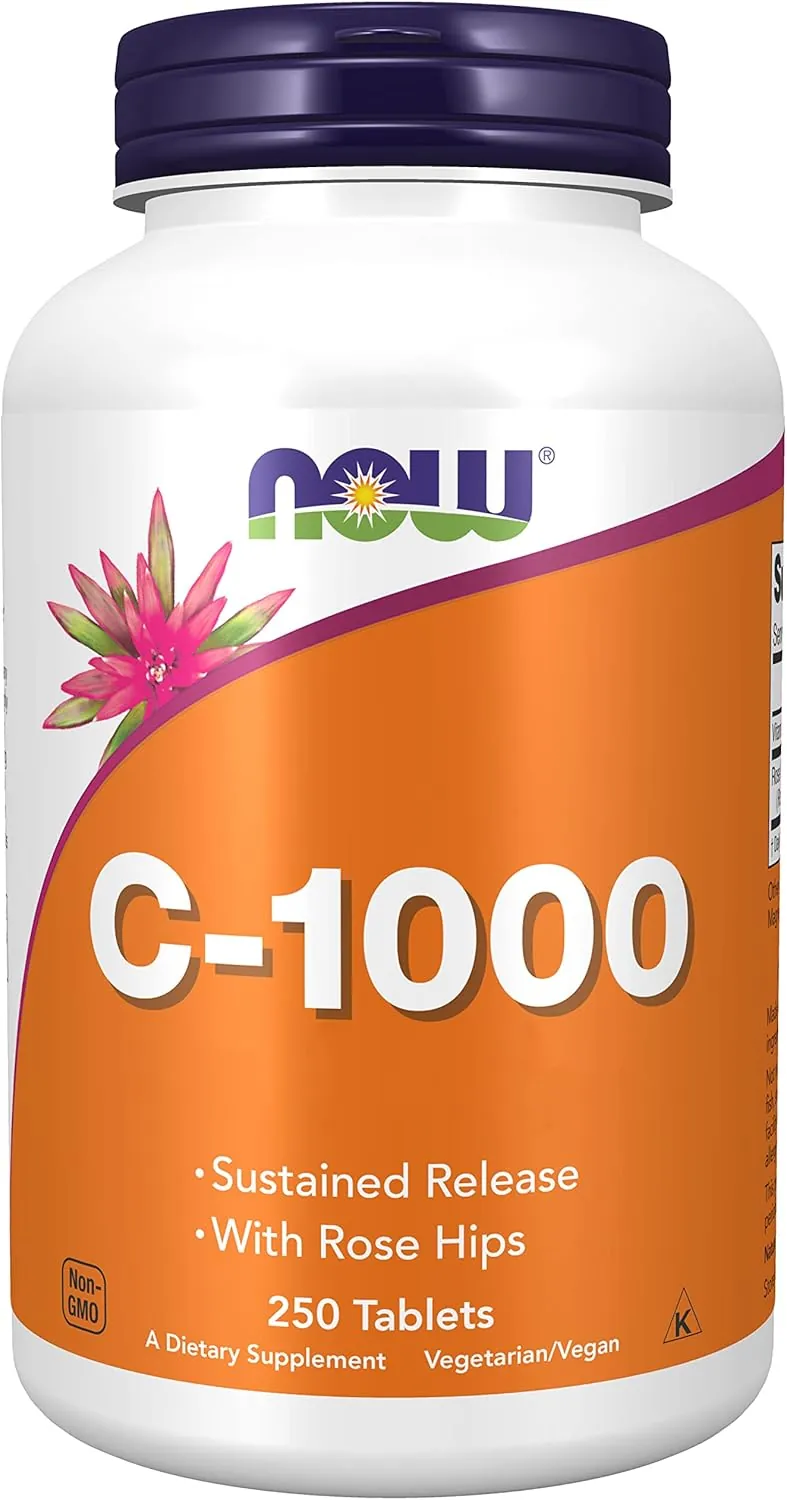
NOW Foods Vitamin C-1000 with Rose Hips & Bioflavonoids - 250 Tablets
Want to check more interactions?
Add these and other supplements to our interactive Stack Analyzer for a full analysis.
Build your full stack →