Important: This page is for informational purposes only, based on published peer-reviewed research and official UK dietary guidelines (NHS, EFSA, SACN). It does not constitute medical advice. Always consult your GP or pharmacist before starting, stopping, or combining supplements.
Selenium and Vitamin E — Can You Take Them Together?
Overview
Selenium and vitamin E are two essential micronutrients that research suggests play complementary roles within the body's antioxidant defence system. Selenium functions as a structural cofactor for a family of glutathione peroxidase (GPx) enzymes, whilst vitamin E — primarily as alpha-tocopherol — acts as a fat-soluble, chain-breaking antioxidant embedded in cell membranes. Studies indicate these two nutrients do not simply work in parallel: GPx activity can reduce the rate at which vitamin E is consumed under oxidative stress, effectively sparing it for continued antioxidant function. This biochemical interdependence is why selenium and vitamin E are frequently combined in antioxidant supplement formulations. Individual responses may vary.
How They Interact
The synergy between selenium and vitamin E centres on lipid peroxidation — a damaging chain reaction in which free radicals attack polyunsaturated fatty acids in cell membranes. Vitamin E (alpha-tocopherol) is the principal fat-soluble antioxidant embedded within these membranes. It interrupts radical chain reactions by donating a hydrogen atom to lipid peroxyl radicals, becoming a tocopheryl radical in the process. Selenium-dependent GPx enzymes — particularly phospholipid hydroperoxide GPx (GPx4) — reduce the lipid hydroperoxides generated during this process, converting them into non-reactive lipid alcohols before they can propagate further radical formation. A 2023 review by Hondal in Current Opinion in Chemical Biology describes this as a cooperative mechanism: vitamin E quenches the initial radical species whilst selenium-containing GPx neutralises the resulting peroxide products. By intercepting lipid hydroperoxides, GPx reduces the oxidative load on vitamin E, effectively extending the duration over which it can function as a membrane antioxidant. This sparing relationship means that adequate selenium status may support vitamin E sufficiency in tissues under sustained oxidative challenge.
Timing & Dosage Guidance
Both selenium and vitamin E are best absorbed when taken alongside a fat-containing meal. Vitamin E, as a fat-soluble vitamin, requires dietary fat for micellar incorporation and intestinal absorption. Selenium absorption is generally high regardless of fat content, but taking it with food can reduce the risk of gastrointestinal discomfort. There is no evidence suggesting that selenium and vitamin E need to be taken at separate times — co-administration is standard in combined antioxidant formulas. Taking both with lunch or an evening meal that includes a moderate source of healthy fat — such as olive oil, nuts, or oily fish — is a practical and well-supported approach. Individual absorption may vary depending on gut health and baseline nutritional status.
The NHS Reference Nutrient Intake (RNI) for selenium is 75 mcg/day for men and 60 mcg/day for women; EFSA sets the tolerable upper intake level at 300 mcg/day for adults. For vitamin E, the NHS RNI is 4 mg/day for men and 3 mg/day for women, and the NHS notes that 540 mg/day or less from supplements is unlikely to cause harm. Most antioxidant formulas pair selenium at 50–200 mcg with vitamin E at 67–134 mg (100–200 IU) — within established safe ranges. The SELECT trial tested markedly higher doses (400 IU/day vitamin E; 200 mcg/day L-selenomethionine), and its findings — including a modest increase in prostate cancer risk in the high-dose vitamin E arm — reinforce the principle that more is not necessarily better, and that staying within recommended supplemental doses is advisable.
Recommended Action
These are commonly found together in antioxidant formulas. Both can be taken with a fat-containing meal.
Selenium Timing
When: Any
Note: Take with food. UK soils are low in selenium — supplementation is common.
Vitamin E Timing
When: Morning
Note: Fat-soluble — take with a meal containing dietary fat. High doses may increase bleeding risk.
Scientific Evidence
4 peer-reviewed studies cited. All links lead to PubMed abstracts.
Current Opinion in Chemical Biology (2023) · PMID: 37236134
Reviews the cooperative antioxidant mechanism whereby vitamin E quenches lipid hydroperoxyl radicals and selenium-containing glutathione peroxidase then neutralises the resulting lipid hydroperoxides, demonstrating their functional interdependence.
Biological Trace Element Research (1998) · PMID: 9845467
Combined vitamin E and selenium supplementation elevated tissue alpha-tocopherol concentrations and GPx activity respectively, with both interventions independently reducing susceptibility to lipid peroxidation across reproductive and hepatic tissues.
FASEB Journal (1999) · PMID: 10385606
Identifies alpha-tocopherol as the biologically dominant form of vitamin E and describes its role as a membrane-bound chain-breaking antioxidant, detailing its interaction with cellular reducing systems including GPx-dependent pathways.
JAMA (2011) · PMID: 21990298
In a randomised trial of 35,533 men, high-dose vitamin E supplementation (400 IU/day) significantly increased prostate cancer risk, whilst selenium alone showed no significant benefit or harm, highlighting dose-dependency in long-term supplementation outcomes.
Frequently Asked Questions
Research supports taking selenium and vitamin E together — there is no evidence of antagonism between them, and they are routinely co-formulated in antioxidant products. Both benefit from co-ingestion with dietary fat, so taking a combined supplement with a meal is advisable. As with all supplements, it is worth checking total daily intake from all sources, including multivitamins, to avoid exceeding upper intake levels.
The Selenium and Vitamin E Cancer Prevention Trial (Klein EA et al., JAMA, 2011; PMID 21990298) randomised over 35,000 men to receive high-dose vitamin E (400 IU/day), selenium (200 mcg/day), both, or placebo. Neither supplement reduced prostate cancer risk, and high-dose vitamin E was associated with a modest but significant increase in risk. These outcomes reflect very high supplemental doses and do not undermine the nutrients' normal physiological roles at dietary intake levels.
Selenium has a relatively narrow margin between nutritional and toxic intakes. EFSA sets the adult tolerable upper intake at 300 mcg/day; chronic excess can cause selenosis, characterised by hair and nail changes and gastrointestinal symptoms. At the doses found in most antioxidant supplements (50–200 mcg selenium; 67–134 mg vitamin E), the combination is considered safe for healthy adults. Individuals taking multiple supplements should account for cumulative intake across all products.
Top Selenium Products on AIScored
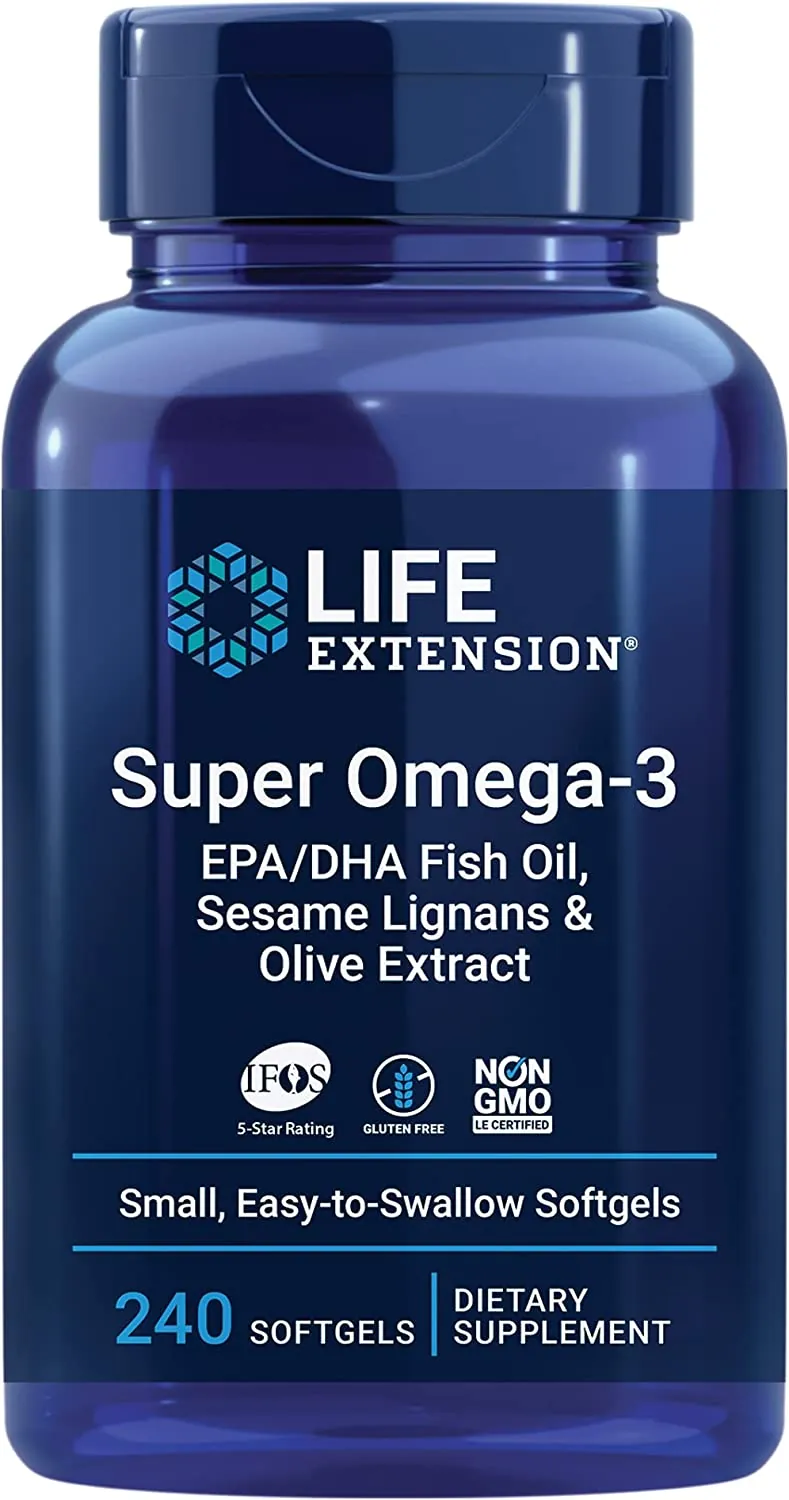
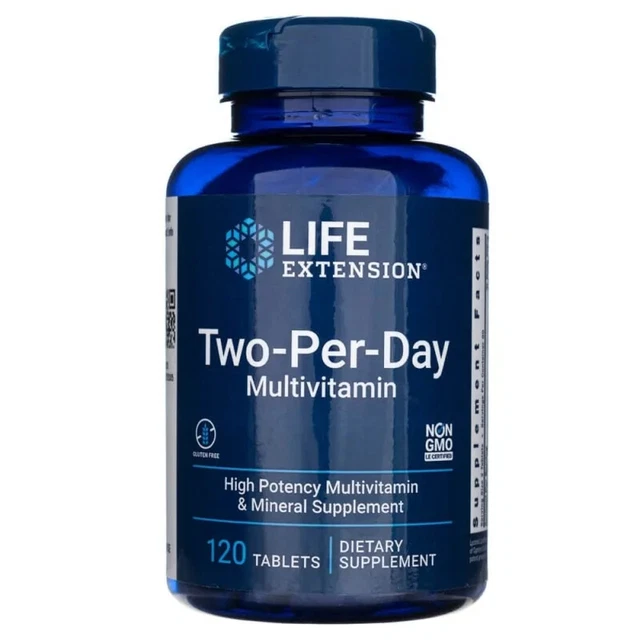
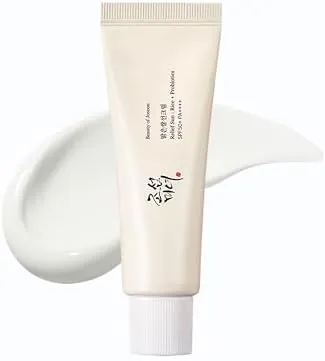
Beauty of Joseon Relief Sun Rice Probiotics SPF 50+ PA++++ Korean Sunscreen sunblock for Face Daily Sunscreen for Men Women Skincare 50ml
Top Vitamin E Products on AIScored

Advanced Hydrolysed Marine Liquid Collagen Couples Supply (2x 28-Day Supply)

Want to check more interactions?
Add these and other supplements to our interactive Stack Analyzer for a full analysis.
Build your full stack →