Important: This page is for informational purposes only, based on published peer-reviewed research and official UK dietary guidelines (NHS, EFSA, SACN). It does not constitute medical advice. Always consult your GP or pharmacist before starting, stopping, or combining supplements.
Selenium and Zinc — Can You Take Them Together?
Overview
Selenium and zinc are both essential trace minerals with overlapping roles in immune defence, antioxidant protection, and thyroid function. At typical dietary and supplemental doses, the evidence suggests they work in a complementary fashion. However, at elevated intakes, research indicates the two minerals may compete for shared transport mechanisms in the gut, potentially reducing the uptake of one or both. Understanding the circumstances under which this competition occurs — and how to minimise it — is relevant for anyone combining these nutrients in a supplement stack.
How They Interact
At the intestinal level, both zinc and selenium may engage shared transport proteins and compete for binding sites on metallothionein — a cysteine-rich protein central to trace mineral regulation. A rat study by Myron et al. (1989, PMID 2746373) demonstrated that excess selenium reduced zinc absorption in zinc-depleted animals, and vice versa, suggesting a bidirectional antagonism at high supplemental concentrations. At a molecular level, selenium compounds — particularly oxidised forms such as sodium selenite — can interact with zinc finger motifs found in DNA-repair enzymes and transcription factors. Research by Kolachi et al. (2019, PMID 31624720) highlighted that the form and concentration of selenium critically determines whether this zinc-finger interaction is protective or disruptive. At physiological concentrations, however, the two minerals complement rather than antagonise each other: selenium is essential for glutathione peroxidase and thioredoxin reductase activity, while zinc supports copper-zinc superoxide dismutase — together spanning key branches of the cellular antioxidant network. Individual responses may vary depending on baseline mineral status.
Timing & Dosage Guidance
For most individuals supplementing within standard ranges, selenium and zinc can be taken at the same time without meaningful concern. However, those taking higher therapeutic doses — such as 25 mg or more of zinc, or selenium above 150 mcg — may benefit from separating the two by two to four hours to minimise any competitive absorption at intestinal transport sites. Both minerals are generally well-absorbed with or without food, though zinc in particular is better tolerated alongside a meal to reduce the risk of gastrointestinal discomfort. If taking selenium in the selenomethionine form, absorption is typically more consistent across timing conditions compared to inorganic sodium selenite.
The UK Reference Nutrient Intake (RNI) for selenium is 75 mcg per day for men and 60 mcg for women; for zinc it is 9.5 mg per day for men and 7 mg for women. EFSA has set a tolerable upper intake level (UL) of 300 mcg per day for selenium and 25 mg per day for zinc in adults. Most supplemental formulas sit well within these limits — typically 50–200 mcg selenium and 10–25 mg zinc. At these doses, Rayman (2012, Lancet, PMID 22381456) notes that selenium's effects are highly status-dependent, meaning those with adequate baseline selenium may gain little benefit and excess intake carries risk. Zinc supplementation above 25 mg daily over extended periods has been associated with copper depletion, a separate concern independent of selenium.
Recommended Action
At standard doses (15-30mg zinc, 55-200mcg selenium), these can generally be taken together without concern.
Selenium Timing
When: Any
Note: Take with food. UK soils are low in selenium — supplementation is common.
Zinc Timing
When: Morning
Note: Take with food to prevent nausea. Away from iron and calcium supplements.
Scientific Evidence
4 peer-reviewed studies cited. All links lead to PubMed abstracts.
Journal of Nutrition (1989) · PMID: 2746373
Excess selenium reduced zinc absorption in zinc-depleted rats, and excess zinc reduced selenium absorption in zinc-adequate rats, demonstrating a bidirectional antagonism at high concentrations.
Journal of Cancer Prevention (2019) · PMID: 31624720
Selenium compounds — particularly oxidised forms — can interact with zinc finger motifs in DNA repair proteins, with the form and concentration of selenium determining whether the interaction is protective or disruptive.
The Lancet (2012) · PMID: 22381456
Selenium's health effects follow a U-shaped relationship with status; those with low selenium benefit from supplementation, while those with adequate-to-high levels may be adversely affected by additional intake.
Molecular Medicine (2008) · PMID: 18385818
Zinc is essential for the development and function of immune cells including T lymphocytes and natural killer cells, with deficiency causing significant immune dysfunction primarily affecting T-helper cell populations.
Frequently Asked Questions
For most people, yes. At the doses found in standard multivitamins — typically 7–15 mg zinc and 25–100 mcg selenium — research does not indicate clinically significant competitive absorption. The antagonism documented in animal studies (PMID 2746373) was observed at substantially higher concentrations than those used in typical daily supplements. Individual responses may vary, but co-formulated products at standard doses are generally considered safe.
Research suggests it does. Selenomethionine (the organic form found in selenium yeast) has higher and more consistent bioavailability than inorganic sodium selenite, and appears less likely to interfere with zinc finger protein function at physiological doses. A 2019 review (PMID 31624720) highlighted that oxidised inorganic selenium forms are more likely to disrupt zinc-dependent molecular structures, making selenomethionine or selenium yeast the preferred choice when combining with zinc supplementation.
Studies indicate yes, within appropriate dose ranges. Zinc supports the development and function of T lymphocytes and natural killer cells, as reviewed by Prasad (2008, PMID 18385818), while selenium contributes to selenoprotein-driven antioxidant defence that modulates inflammatory responses. Together, they cover complementary arms of the immune system. Rayman's Lancet review (2012, PMID 22381456) notes selenium's role in antiviral defence, suggesting additive benefit when both minerals are present at adequate — but not excessive — levels. Individual responses may vary.
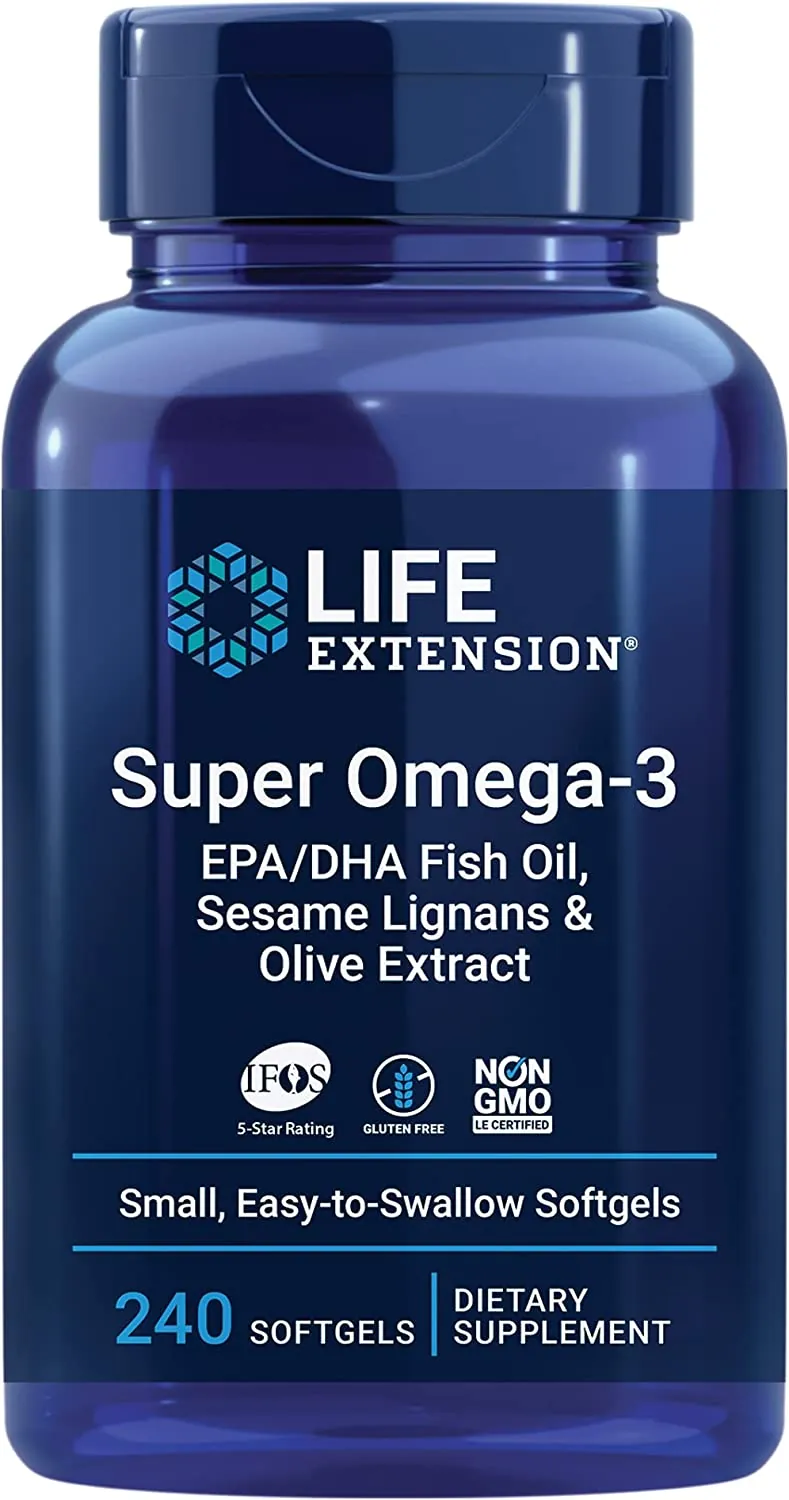
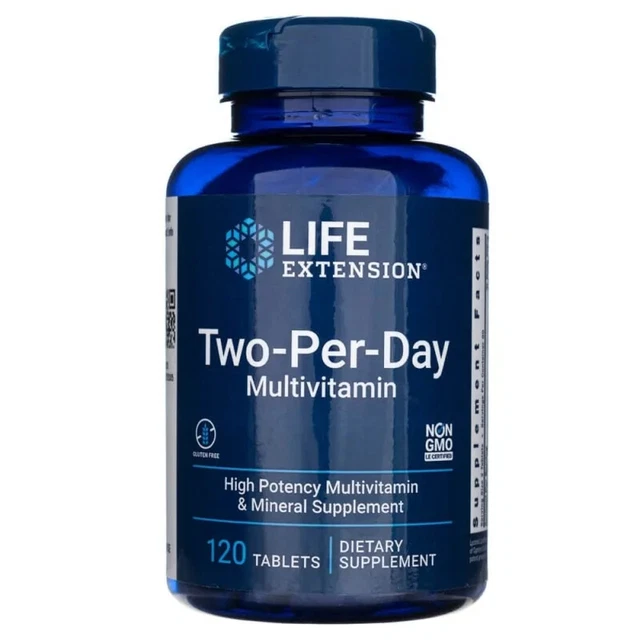
Top Selenium Products on AIScored
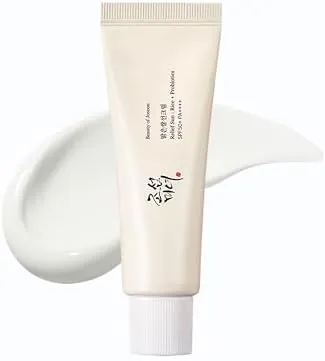
Beauty of Joseon Relief Sun Rice Probiotics SPF 50+ PA++++ Korean Sunscreen sunblock for Face Daily Sunscreen for Men Women Skincare 50ml
Top Zinc Products on AIScored
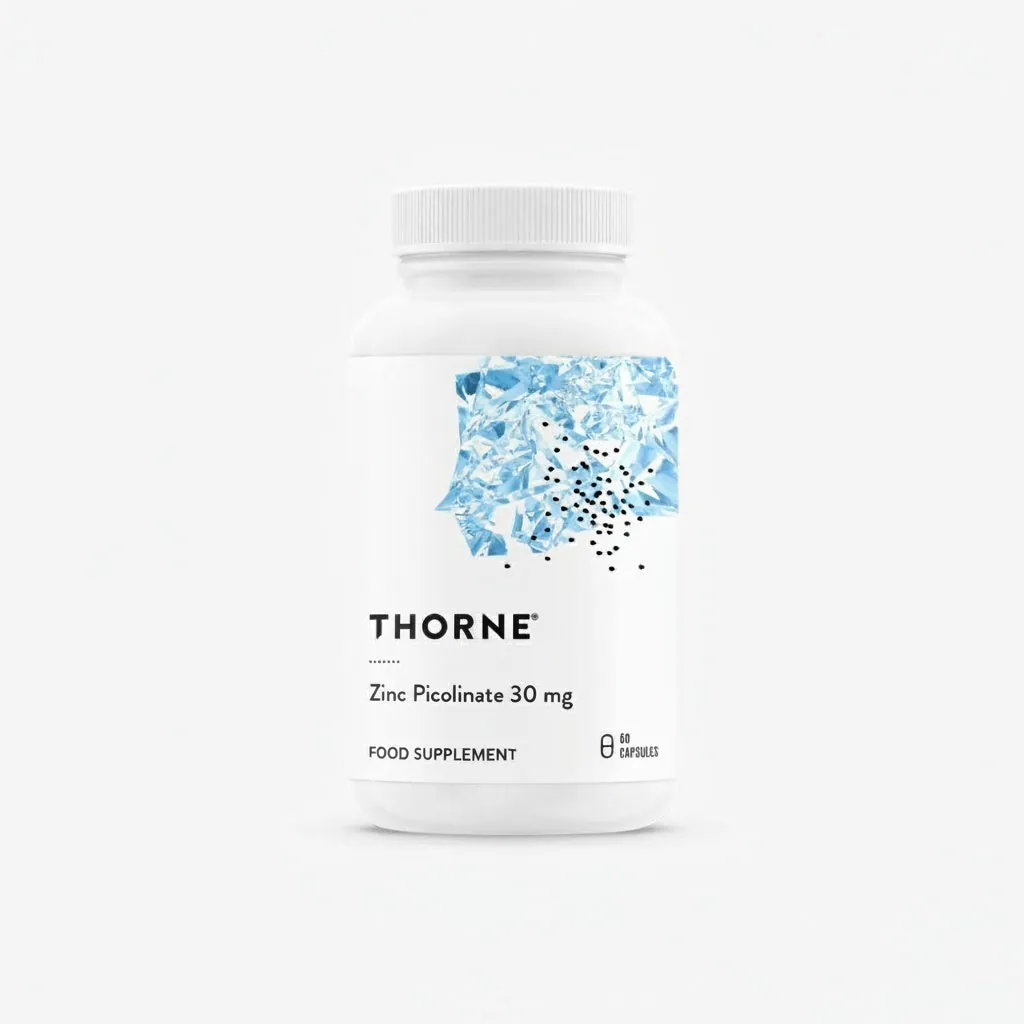
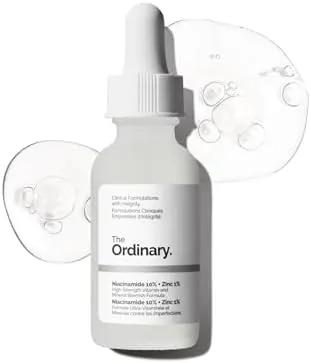
The Ordinary Niacinamide 10% + Zinc 1%, Brightening & Smoothing Serum for Blemish-Prone Skin, 30ml
Want to check more interactions?
Add these and other supplements to our interactive Stack Analyzer for a full analysis.
Build your full stack →