Important: This page is for informational purposes only, based on published peer-reviewed research and official UK dietary guidelines (NHS, EFSA, SACN). It does not constitute medical advice. Always consult your GP or pharmacist before starting, stopping, or combining supplements.
Supplements Studied for Anxiety Support
Ingredients researched for supporting calm and reducing physiological stress markers
Why This Stack?
Anxiety disorders are the most common mental health conditions in the UK, with generalised anxiety disorder (GAD) alone affecting roughly 5-6% of adults at any given time. NICE clinical guideline CG113 recommends a stepped care model for GAD management, with cognitive behavioural therapy (CBT) as the primary psychological intervention and SSRIs as first-line pharmacological treatment. Supplements are not part of formal NICE recommendations, and this stack is not intended to replace professional treatment. Anyone experiencing persistent or worsening anxiety should speak to their GP or contact NHS mental health services. That said, a growing body of clinical trial evidence suggests that certain nutrients and botanical extracts may offer modest support for anxiety-related symptoms when used alongside appropriate lifestyle and professional interventions. The five ingredients in this stack target overlapping but distinct aspects of the anxiety response: HPA axis regulation, GABAergic neurotransmission, neuroinflammation, and cortical arousal patterns. Ashwagandha (Withania somnifera) has the broadest evidence base among adaptogens for anxiety, with a 2022 meta-analysis of 12 randomised controlled trials reporting significant reductions in anxiety scores (Akhgarjand et al., Phytotherapy Research). Magnesium is an essential mineral that modulates both NMDA receptor and GABA-A receptor activity; a systematic review by Boyle, Lawton and Dye (2017, Nutrients) found beneficial effects on subjective anxiety in vulnerable populations. L-theanine, an amino acid from green tea, promotes alpha brain wave activity associated with calm alertness. Omega-3 fatty acids, particularly EPA, were associated with reduced anxiety symptoms in a meta-analysis of 19 trials published in JAMA Network Open (Su et al., 2018). Rhodiola rosea rounds out the stack as an adaptogen with preliminary evidence for mild anxiety reduction. Individual responses to supplementation vary considerably based on baseline nutritional status, the nature and severity of anxiety, concurrent medications, and lifestyle factors. These ingredients are best understood as potential adjuncts to — not replacements for — evidence-based treatments including CBT, medication where appropriate, regular physical activity, and adequate sleep.
What’s in This Stack
Ashwagandha
300–600mg (KSM-66 or Sensoril extract)A 2014 systematic review of 5 RCTs found ashwagandha significantly reduced anxiety scores compared to placebo (Pratte et al., J Altern Complement Med). A 2012 RCT reported 300mg KSM-66 twice daily reduced serum cortisol by 27.9% (Chandrasekhar et al., Indian J Psychol Med).
Available Forms
| Form | Bioavailability | Notes |
|---|---|---|
| KSM-66 (Root Extract) | high | Full-spectrum root extract, 5% withanolides, most clinically studied form |
| Sensoril (Root + Leaf Extract) | high | Standardised to 10% withanolides, more potent per mg, calming profile |
| Raw Root Powder | low | Unextracted, requires higher doses (3-6 g), less consistent potency |
Top Products
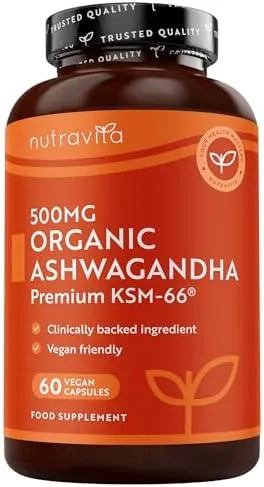
Nutravita Organic Ashwagandha KSM-66® 500mg - Premium Full-Spectrum Root Extract - Naturally Occurring Withanolides - 60 Vegan Capsules – Certified Organic Ashwagandha Supplement - Made in the UK


Magnesium
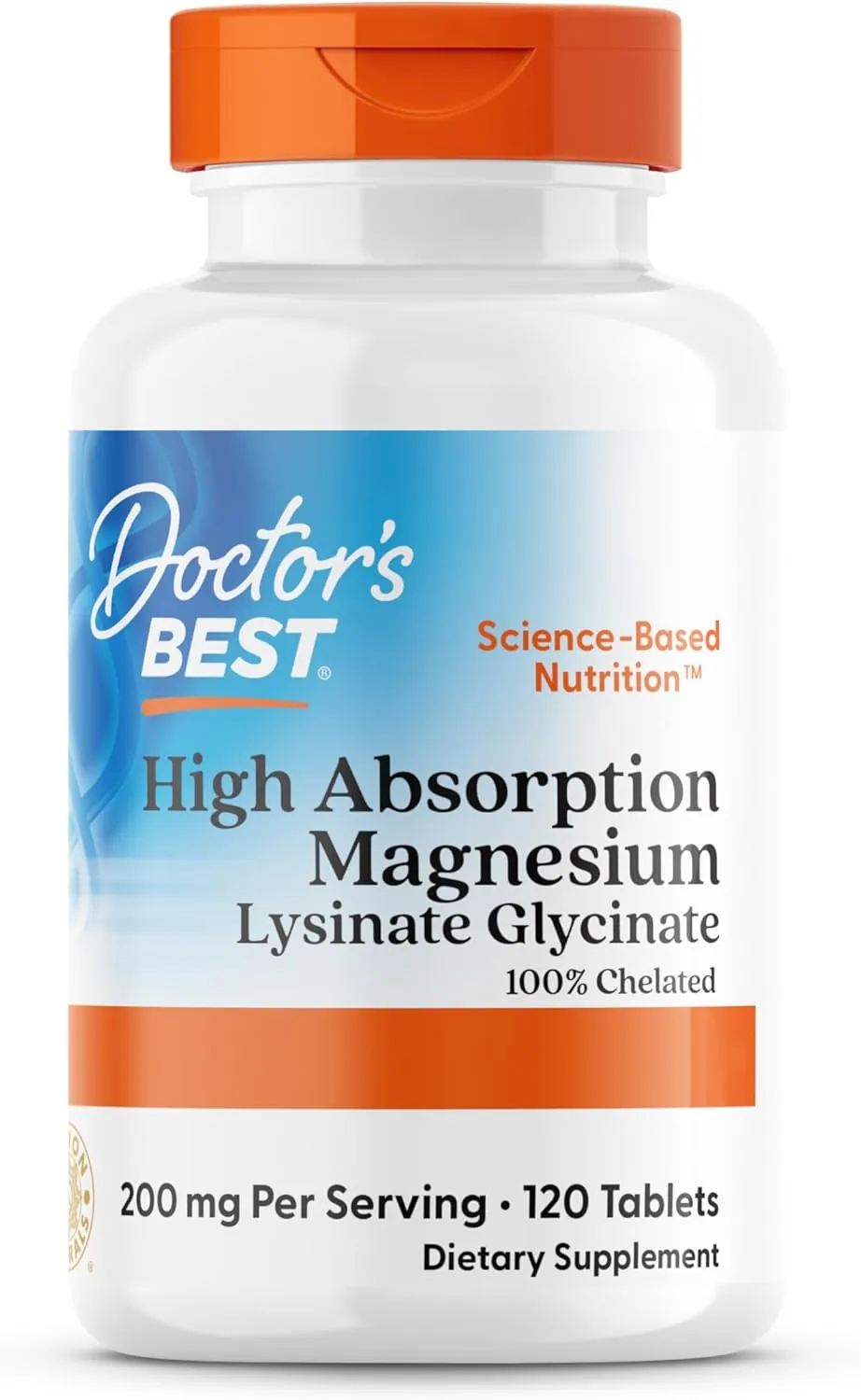
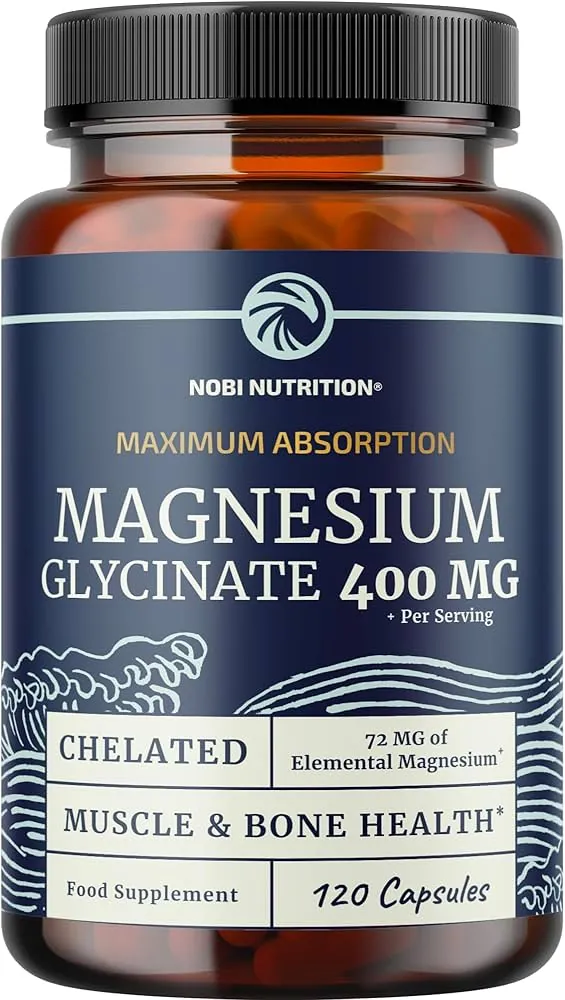
300–400mg (glycinate)A 2017 systematic review of 18 studies found magnesium supplementation had a positive effect on subjective anxiety, particularly in those with low baseline magnesium status (Boyle et al., Nutrients).
Available Forms
| Form | Bioavailability | Notes |
|---|---|---|
| Magnesium Glycinate | high | Chelated form, well-absorbed, least likely to cause GI issues, calming effect |
| Magnesium Citrate | high | Good absorption, mild laxative effect at higher doses |
| Magnesium Oxide | low | ~4% bioavailability, primarily used as laxative, poor supplement choice |
| Magnesium Taurate | high | Combined with taurine, studied for cardiovascular and sleep support |
| Magnesium L-Threonate | high | Crosses blood-brain barrier, studied for cognitive function |
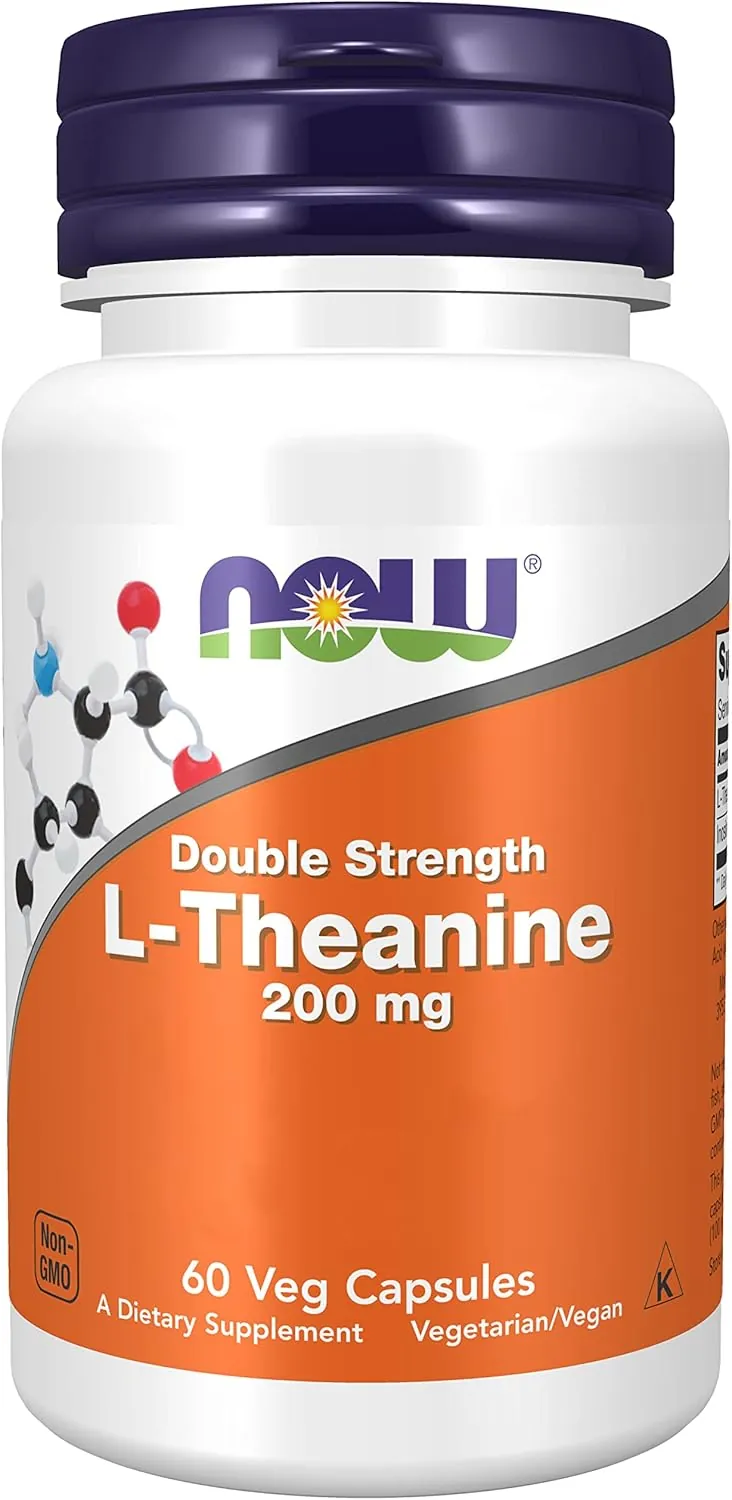
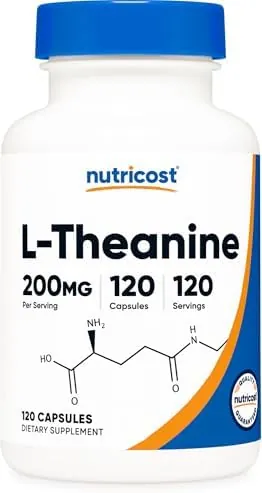
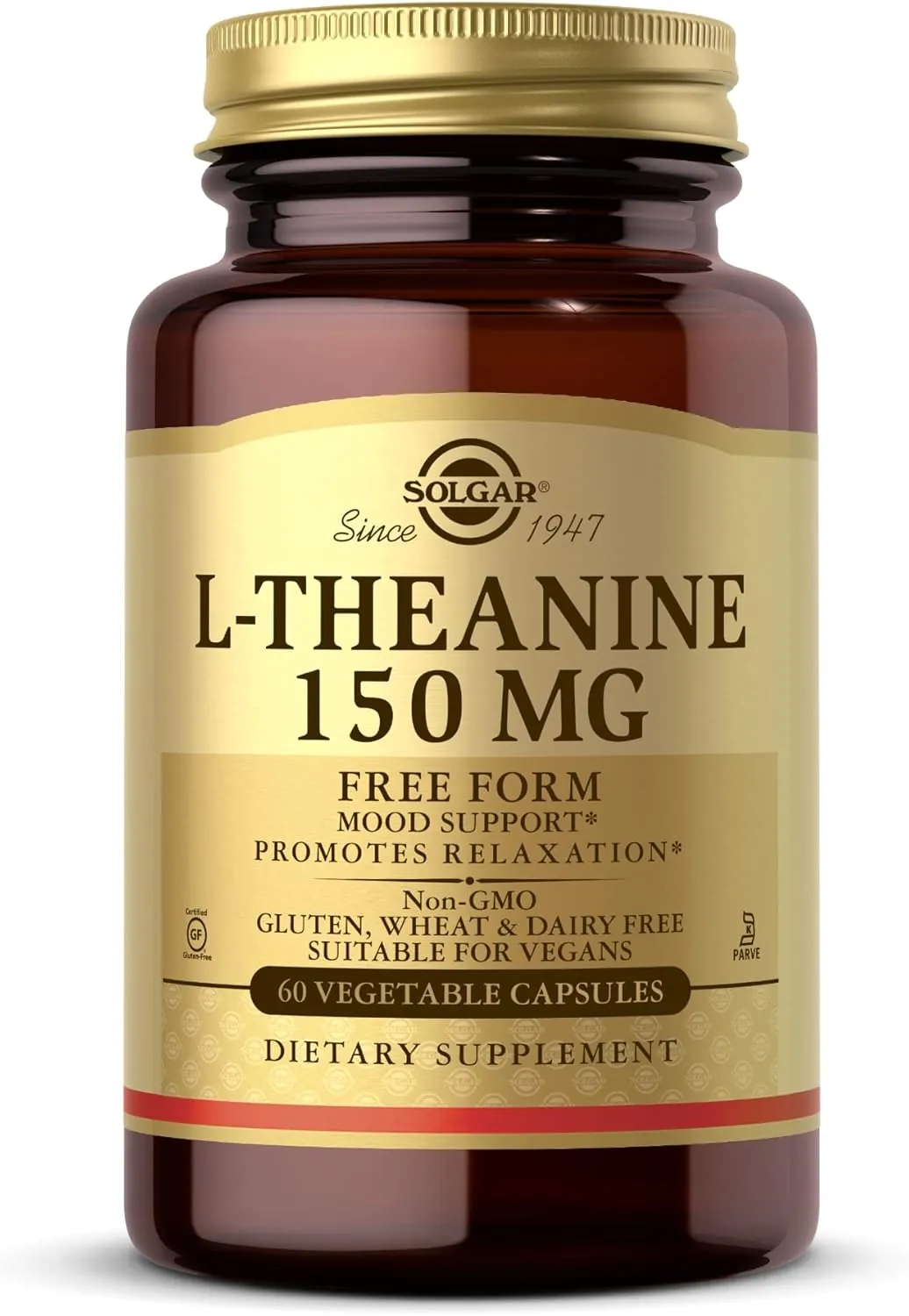
L-Theanine
200–400mgL-theanine promotes alpha brain wave activity associated with relaxed alertness. Kimura et al. (2007, Biol Psychol) found it reduced physiological stress markers including heart rate and salivary alpha-amylase.
Available Forms
| Form | Bioavailability | Notes |
|---|---|---|
| L-Theanine | high | Standard form, well-absorbed |
| Suntheanine | high | Patented pure L-isomer form, used in most clinical trials |
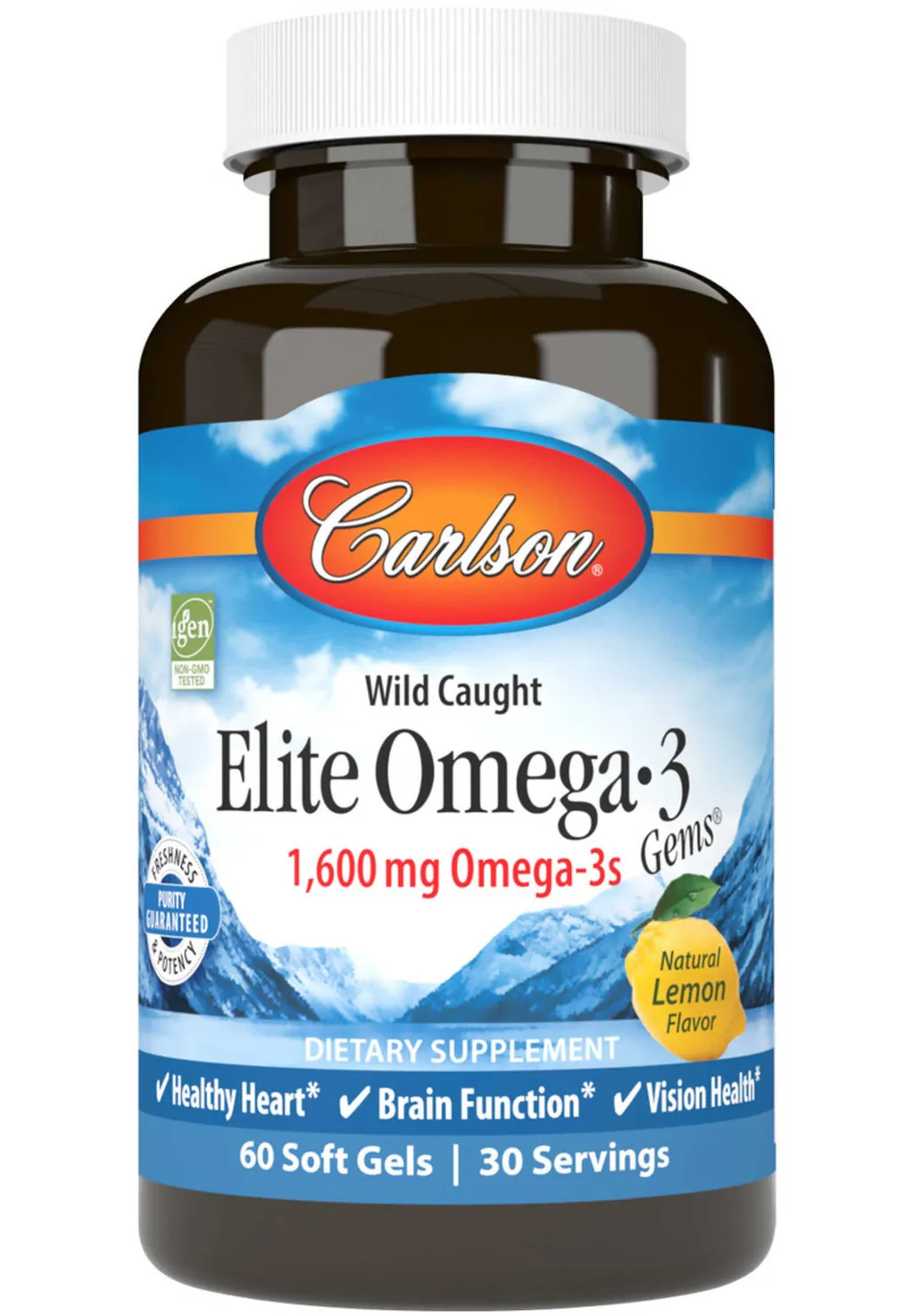
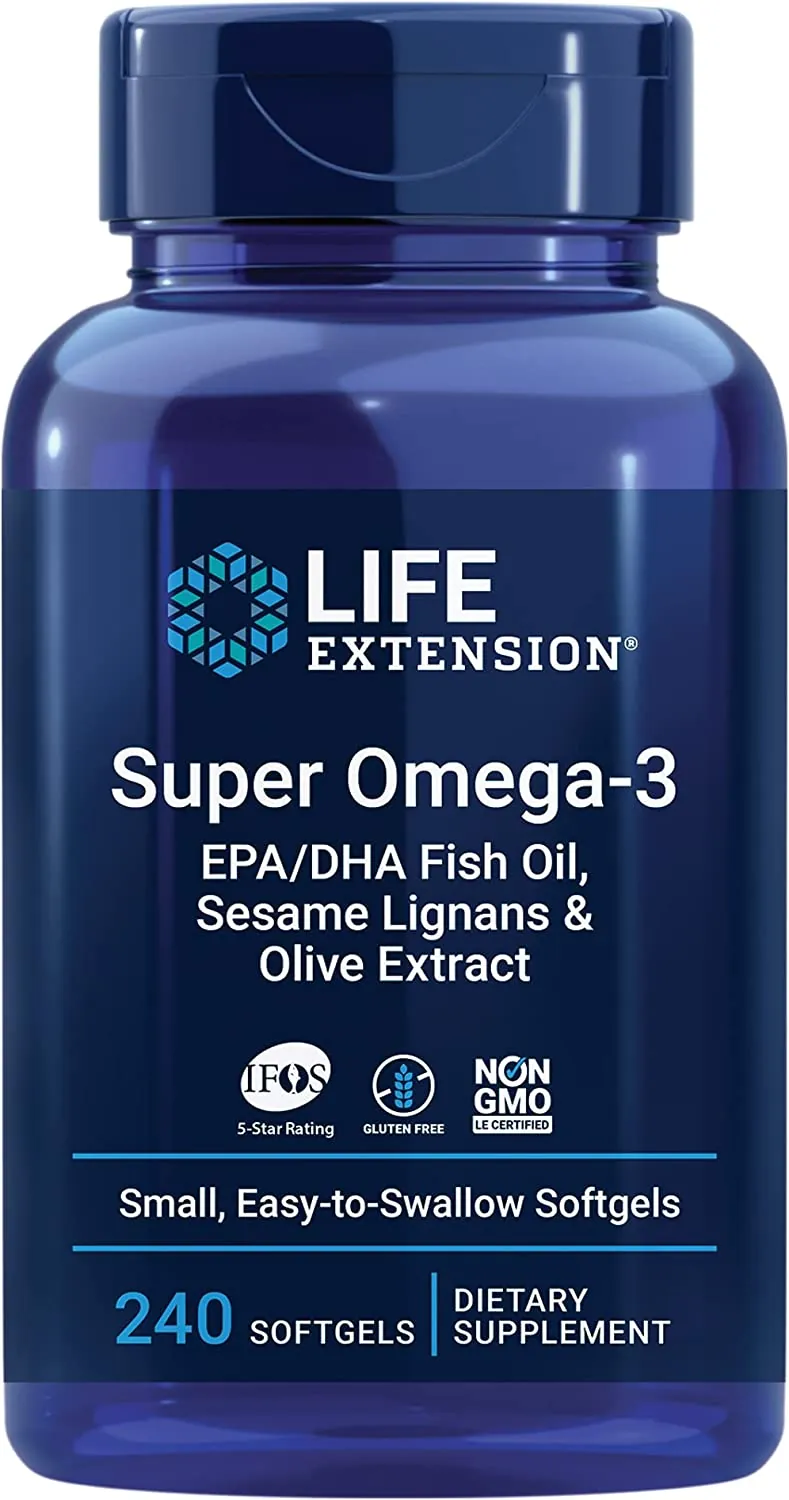
Omega-3
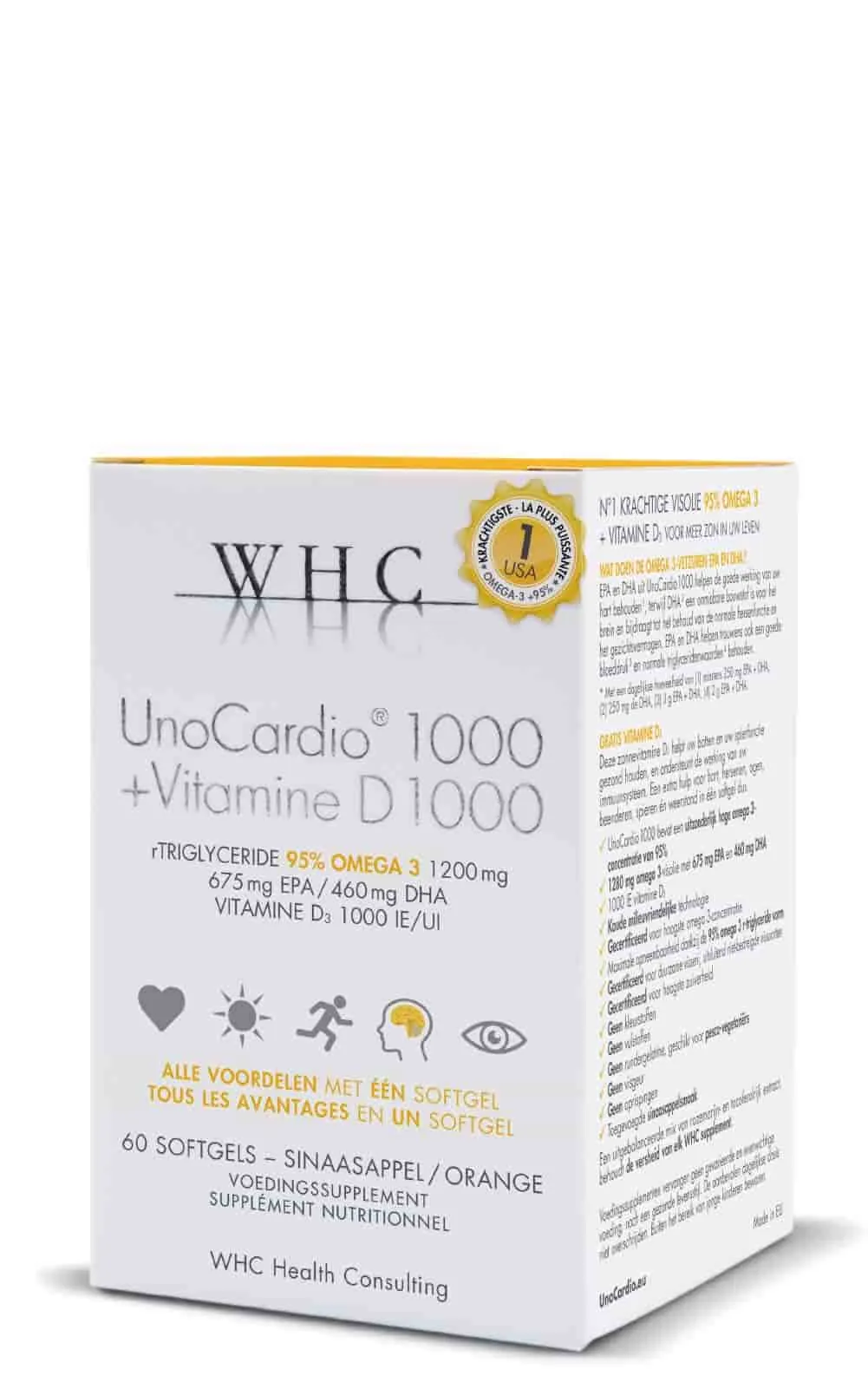
1,000–2,000mg EPA+DHAA 2018 meta-analysis of 19 RCTs found omega-3 supplementation was associated with reduced anxiety symptoms, with effects strongest in those with clinical anxiety (Su et al., JAMA Network Open).
Available Forms
| Form | Bioavailability | Notes |
|---|---|---|
| Triglyceride (rTG) Fish Oil | high | Re-esterified triglyceride, best absorbed form, premium |
| Ethyl Ester (EE) Fish Oil | moderate | Most common, requires more processing by the body, cheaper |
| Algae Oil (DHA-rich) | high | Vegan source, primarily DHA, sustainable |
| Krill Oil | high | Phospholipid-bound, contains astaxanthin, well-absorbed but lower EPA+DHA per capsule |
Rhodiola Rosea
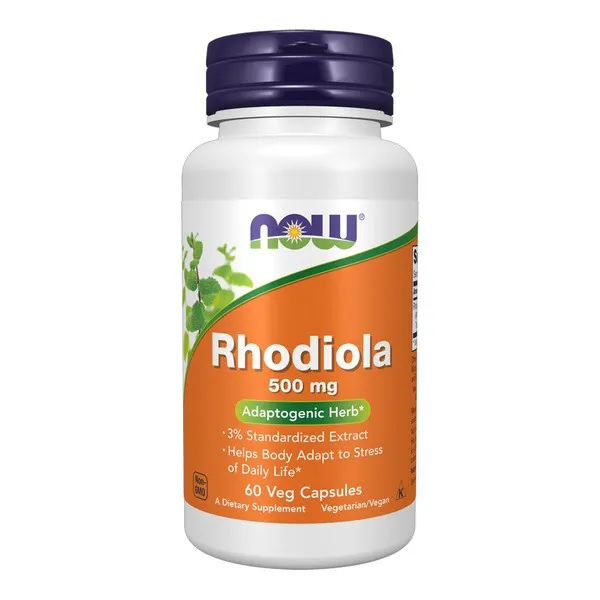
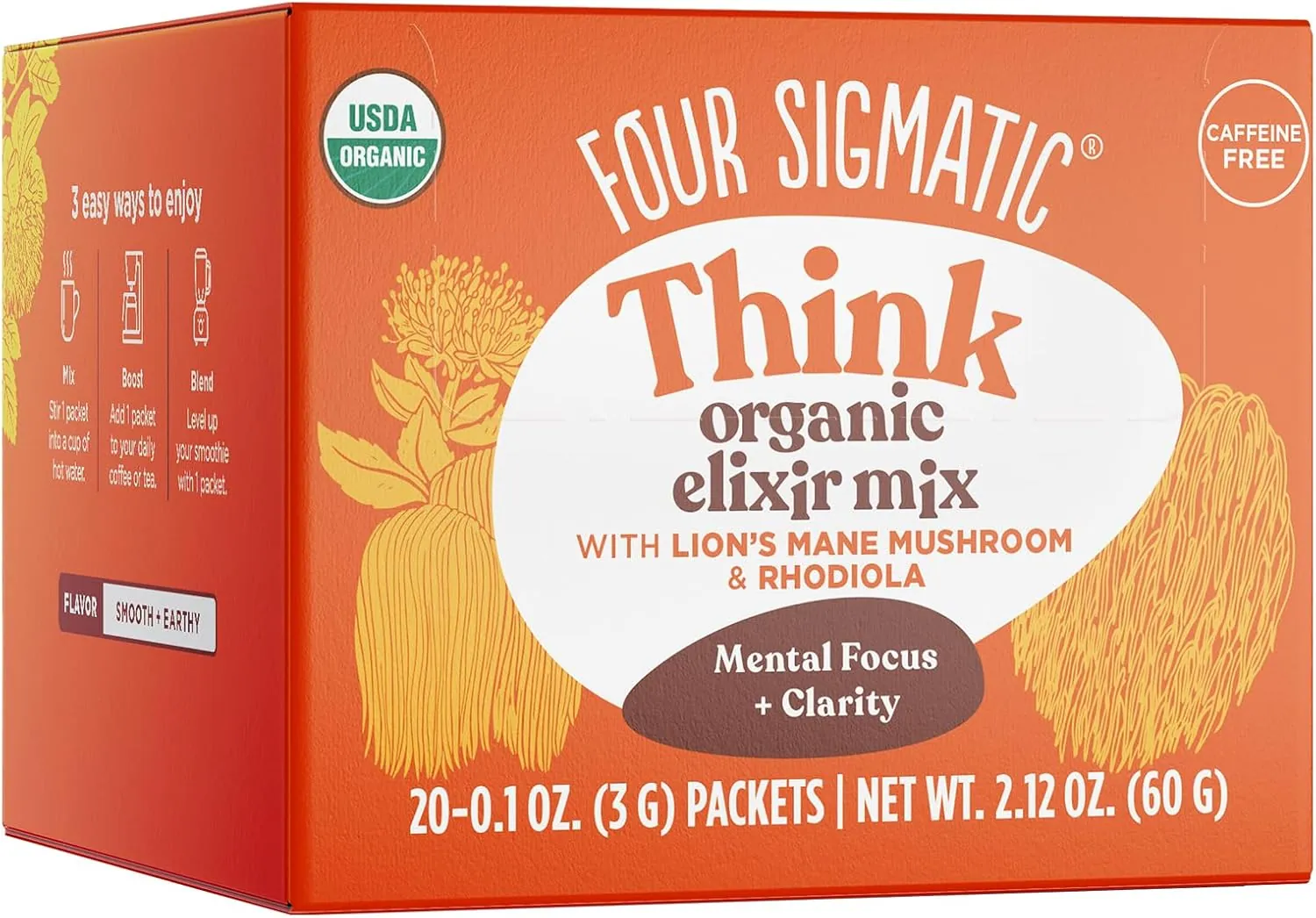
200–400mgRhodiola rosea is classified as an adaptogen. A 2012 review found it improved symptoms of stress and anxiety across multiple clinical trials (Panossian & Wikman, Pharmaceuticals).
Available Forms
| Form | Bioavailability | Notes |
|---|---|---|
| Standardised Extract (3% rosavins, 1% salidroside) | high | The clinical standard ratio matching the natural root profile |
| SHR-5 Extract | high | Specific extract used in many clinical trials |

How This Stack Works
Each ingredient in this stack addresses a different facet of the neurobiological processes associated with anxiety. The rationale for combining them rests on the principle that anxiety involves multiple overlapping systems rather than a single pathway.
Research suggests ashwagandha acts primarily through modulation of the hypothalamic-pituitary-adrenal (HPA) axis. Its principal bioactive compounds, withanolides (particularly withaferin A and withanolide A), appear to suppress excessive corticotropin-releasing hormone (CRH) production and enhance glucocorticoid receptor sensitivity, helping to restore normal cortisol feedback loops. Additionally, withanolides interact with GABA-A receptors, potentially enhancing inhibitory neurotransmission without the sedation profile of benzodiazepines. In a landmark randomised, double-blind, placebo-controlled trial, Chandrasekhar, Kapoor and Anishetty (2012, Indian Journal of Psychological Medicine) administered 300mg of high-concentration ashwagandha root extract twice daily for 60 days to adults with chronic stress. The treatment group showed significant reductions in perceived stress and a substantial decrease in serum cortisol levels compared to placebo. A 2022 systematic review and meta-analysis by Akhgarjand et al. (Phytotherapy Research), encompassing 12 RCTs with 1,002 participants, confirmed a significant overall reduction in anxiety scores with ashwagandha supplementation, though the certainty of evidence was rated as low due to heterogeneity across trials.
Magnesium supports GABAergic function through two complementary mechanisms: it acts as a physiological antagonist at NMDA (N-methyl-D-aspartate) receptors, dampening excitatory glutamate signalling, and it positively modulates GABA-A receptor activity, supporting the brain's primary inhibitory neurotransmitter system. The relationship between magnesium and anxiety appears bidirectional, with psychological stress depleting intracellular magnesium stores while low magnesium status heightens stress reactivity. Boyle, Lawton and Dye conducted a systematic review published in Nutrients (2017, 9(5):429), examining 18 studies across anxiety-vulnerable populations. They found suggestive evidence that magnesium supplementation may benefit subjective anxiety in vulnerable populations, though the review noted that the quality of the existing evidence is poor, with roughly half of the trials in anxious samples and PMS samples reporting positive effects and the strongest benefits observed in those with lower baseline magnesium status. The glycinate form is often preferred for its bioavailability and reduced gastrointestinal side effects compared to oxide or citrate forms. The UK safe upper level for supplemental magnesium is 400mg per day according to guidance aligned with the Expert Group on Vitamins and Minerals.
L-theanine promotes a distinctive neurological state characterised by increased alpha brain wave activity, the pattern associated with calm, wakeful relaxation. It modulates several neurotransmitter systems, including GABA, serotonin and dopamine, without causing drowsiness. Hidese et al. (2019, Nutrients, 11(10):2362) conducted a randomised, placebo-controlled, crossover trial in 30 healthy adults and found that 200mg per day of L-theanine for four weeks significantly reduced trait anxiety scores compared to placebo. A separate crossover trial by Evans et al. (2021, Neurology and Therapy) demonstrated that a single dose of L-theanine significantly increased frontal alpha brain wave power and reduced salivary cortisol in response to an acute stress challenge, providing a measurable physiological correlate for its calming effects.
Omega-3 fatty acids, particularly eicosapentaenoic acid (EPA), may influence anxiety through anti-neuroinflammatory pathways. Chronic low-grade neuroinflammation has been implicated in the pathophysiology of anxiety disorders, and EPA-derived resolvins and protectins help regulate inflammatory cascades in the central nervous system. Su et al. (2018, JAMA Network Open) published a meta-analysis of 19 clinical trials involving 2,240 participants and found a significant association between omega-3 supplementation and reduced anxiety symptoms, with the effect most pronounced at dosages of at least 2,000mg per day and in participants with clinical anxiety diagnoses.
Rhodiola rosea operates as a broad-spectrum adaptogen, modulating the stress response at multiple levels including cortisol regulation and monoamine neurotransmitter balance. Cropley, Banks and Boyle (2015, Phytotherapy Research, 29:1934-1939) conducted a trial in 80 mildly anxious participants and found that 400mg daily of Rhodiola rosea extract for 14 days significantly reduced self-reported anxiety, stress, anger and confusion compared to controls. An earlier pilot study by Bystritsky, Kerwin and Feusner (2008, Journal of Alternative and Complementary Medicine) in 10 participants with diagnosed GAD found significant decreases in Hamilton Anxiety Rating Scale scores after 10 weeks of supplementation, though the small sample size and lack of placebo control limit the strength of these conclusions.
Taken together, these five ingredients address cortisol dysregulation, excitatory-inhibitory neurotransmitter imbalance, neuroinflammation, and maladaptive arousal patterns. However, the overall evidence base ranges from moderate (ashwagandha, omega-3) to preliminary (rhodiola), and none of these ingredients has been validated as a standalone treatment for diagnosed anxiety disorders.
Interaction Analysis
4 known interactions between ingredients in this stack.
Ashwagandha and magnesium may have complementary effects on stress and sleep. Both are associated with cortisol reduction and relaxation through different pathways.
Action: This combination is commonly used in evening routines for relaxation. Magnesium glycinate in the evening pairs well with ashwagandha.
Read full analysis →Both L-theanine and ashwagandha may support relaxation and stress reduction through different mechanisms. Research suggests they can be complementary in an anxiolytic stack.
Action: This combination is popular for daytime stress management without sedation. L-theanine provides calm focus while ashwagandha addresses cortisol.
Read full analysis →Both are classified as adaptogens. Research suggests they may support stress resilience through complementary mechanisms — rhodiola primarily through stimulating pathways, ashwagandha through calming ones.
Action: Some practitioners combine a morning rhodiola dose (for energy/focus) with an evening ashwagandha dose (for relaxation/sleep).
Read full analysis →Both magnesium and L-theanine promote relaxation without sedation. Research suggests they may have complementary calming effects through different GABA-related mechanisms.
Action: This combination is popular for relaxation and focus. Both can be taken together, any time of day.
Read full analysis →Suggested Timing Schedule
Morning
Morning or early afternoon — mildly stimulating. Take before meals. Avoid evening use as it may affect sleep.
Evening
Evening preferred for stress/sleep. Can be taken morning for energy/endurance. With food to avoid GI discomfort.
Evening preferred — may promote relaxation. Take with food to reduce GI discomfort.
Any Time
Can be taken any time. Often paired with caffeine (2:1 ratio) for focused calm. Evening use supports relaxation.
Take with a meal containing fat for best absorption. Split high doses across meals to reduce fishy burps. Freeze capsules to reduce aftertaste.
What to Avoid with This Stack
- • Ashwagandha may interact with thyroid medications, immunosuppressants, and sedatives
- • Rhodiola may interact with antidepressants (SSRIs, MAOIs) — consult your GP
Alternatives & Variations
Several other supplements have been studied in the context of anxiety but were not included in this primary stack, either due to weaker evidence, regulatory concerns, or mechanistic overlap.
GABA supplements are a logical candidate given that GABAergic dysfunction is central to anxiety neurobiology. However, there is ongoing scientific debate about whether orally ingested GABA crosses the blood-brain barrier in sufficient quantities to produce meaningful central nervous system effects. A review by Boonstra et al. (2015, Frontiers in Psychology) noted that while blood GABA levels rise after oral intake, evidence for a direct central mechanism in humans remains inconclusive.
5-HTP (5-hydroxytryptophan) acts as a direct precursor to serotonin and has theoretical appeal for anxiety. However, robust randomised controlled trial data specifically for anxiety are limited, and long-term safety data are sparse. There are also concerns about serotonin syndrome risk when combined with SSRIs or other serotonergic medications, making it a poor fit for a general-purpose stack.
Passionflower (Passiflora incarnata) has preliminary evidence from small trials suggesting anxiolytic effects comparable to low-dose benzodiazepines, possibly through GABA-A receptor modulation. The evidence base remains thin, with most trials being small and short in duration.
Lavender oil (as the standardised preparation Silexan) has perhaps the strongest evidence among these alternatives. Kasper et al. (2014, International Journal of Neuropsychopharmacology) conducted a four-arm randomised trial with 539 GAD patients and found that both 80mg and 160mg doses of Silexan outperformed placebo, with the higher dose showing effects comparable to paroxetine. Silexan was excluded from this stack primarily because it operates as a standalone intervention rather than a synergistic component, and it is available as a licensed product in some European markets.
Notes & Caveats
Anxiety is a complex condition with many contributing factors. Supplements may support but do not replace evidence-based treatments such as CBT or prescribed medication. Consult a GP if anxiety is persistent or affects daily functioning.
Customise This Stack
Load these supplements into our interactive Stack Analyzer to adjust dosages, add or remove ingredients, and get personalised timing.
Customise this stack →Frequently Asked Questions
No. These supplements should not be used as a substitute for prescribed medication, particularly SSRIs, SNRIs or benzodiazepines. NICE guideline CG113 recommends CBT and pharmacotherapy as first-line treatments for generalised anxiety disorder, and any changes to prescribed medication should only be made under medical supervision. Abruptly stopping anxiety medication can cause withdrawal effects and symptom rebound. If you are interested in exploring supplements alongside your current treatment, discuss this with your GP or pharmacist to check for potential interactions, particularly between ashwagandha and thyroid or immunosuppressant medications.
The timeline varies by ingredient. L-theanine has the fastest onset, with research showing measurable increases in alpha brain wave activity within one to three hours of a single dose. Magnesium may take two to four weeks of consistent supplementation to influence anxiety markers, particularly in those with suboptimal baseline levels. Ashwagandha trials typically measure outcomes at 8 to 12 weeks, with the Chandrasekhar et al. (2012) trial observing significant cortisol and stress reductions at 60 days. Omega-3 benefits in clinical trials generally emerged over 8 to 12 weeks. Rhodiola showed effects within 14 days in the Cropley et al. (2015) trial, though longer-term data are limited.
There are no published reports of clinically significant adverse interactions between these five ingredients at the doses used in clinical trials. However, individual caution is warranted. Ashwagandha may affect thyroid hormone levels and could interact with thyroid medications, immunosuppressants, or sedative drugs. Magnesium at supplemental doses above 400mg daily can cause gastrointestinal discomfort and may interact with certain antibiotics, bisphosphonates, and diuretics. Omega-3 fatty acids at high doses may have mild blood-thinning effects. Anyone taking prescription medication, particularly for anxiety, thyroid conditions, or blood clotting disorders, should consult their GP or pharmacist before starting this combination.