Important: This page is for informational purposes only, based on published peer-reviewed research and official UK dietary guidelines (NHS, EFSA, SACN). It does not constitute medical advice. Always consult your GP or pharmacist before starting, stopping, or combining supplements.
Supplements Studied for Athletic Performance
Ingredients with evidence for strength, power output, and exercise capacity
Why This Stack?
Competitive and recreational athletes place sustained demands on their musculoskeletal, cardiovascular, and energy systems that elevate requirements for specific nutrients beyond general population thresholds. This stack combines five ingredients — creatine monohydrate, omega-3 fatty acids (EPA and DHA), magnesium, vitamin D3, and coenzyme Q10 — each supported by sport-specific research and recognised by leading sports nutrition bodies. Creatine is arguably the most extensively studied ergogenic supplement in existence. The International Society of Sports Nutrition (ISSN) published an updated position stand in 2017 (Kreider et al., Journal of the International Society of Sports Nutrition) concluding that creatine monohydrate is the most effective nutritional supplement available to athletes for increasing high-intensity exercise capacity and lean body mass. Importantly, none of the five ingredients in this stack appear on the World Anti-Doping Agency (WADA) 2026 Prohibited List, meaning they are permitted in all sanctioned competition. Omega-3 fatty acids gained their own ISSN position stand in 2025 (Jäger et al., Journal of the International Society of Sports Nutrition), which concluded that athletes may be at particular risk of omega-3 insufficiency and that supplementation can enhance endurance capacity and reduce post-exercise soreness. Magnesium requirements in athletes are estimated at 10–20% above sedentary levels, owing to increased urinary and sweat losses during training. Vitamin D3 status is a concern across the UK population — SACN recommends a baseline of 10 micrograms (400 IU) daily for all adults — and research in athletic populations suggests that deficiency is associated with impaired muscle function and elevated injury risk. CoQ10 rounds out the stack by supporting mitochondrial ATP production, the fundamental currency of muscular work. This stack is designed as a nutritional foundation for training adaptation and recovery. It does not replace a well-structured diet, periodised training programme, or adequate sleep. Athletes taking prescribed medication or competing under anti-doping regulations should confirm supplement purity through third-party testing schemes such as Informed Sport.
What’s in This Stack
Creatine
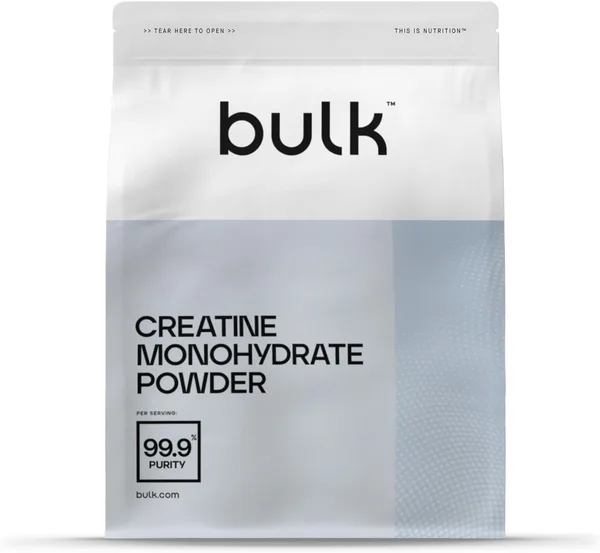
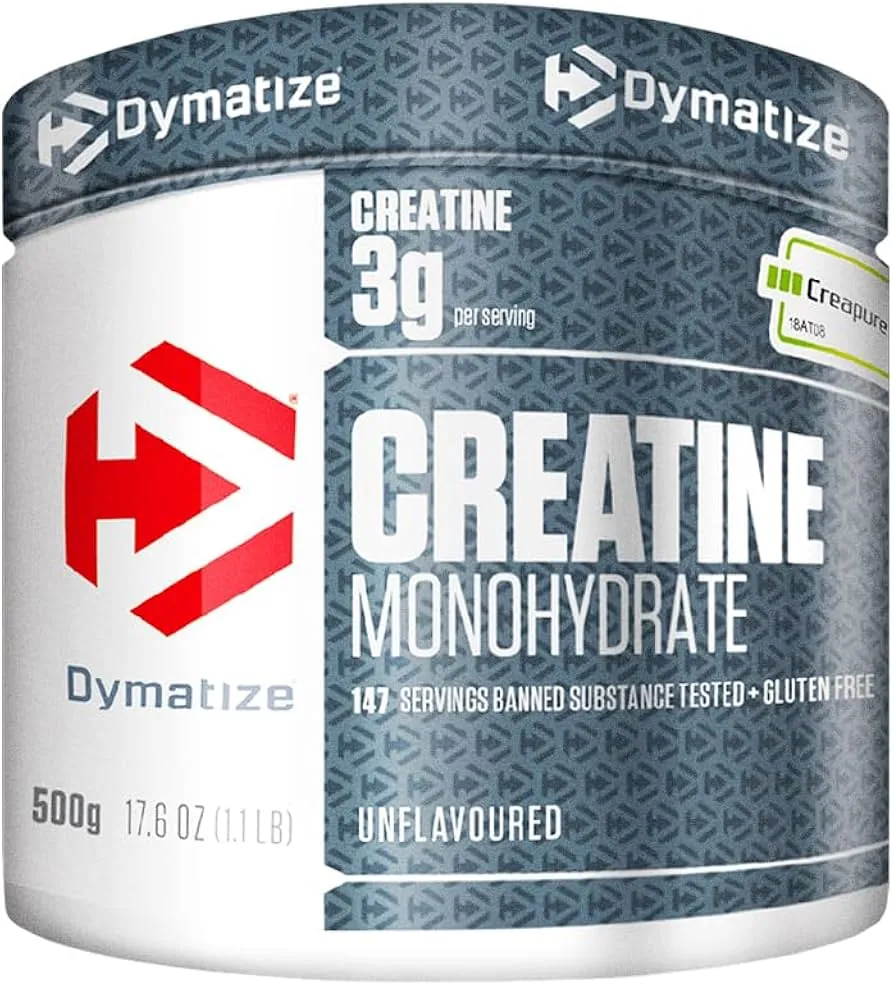
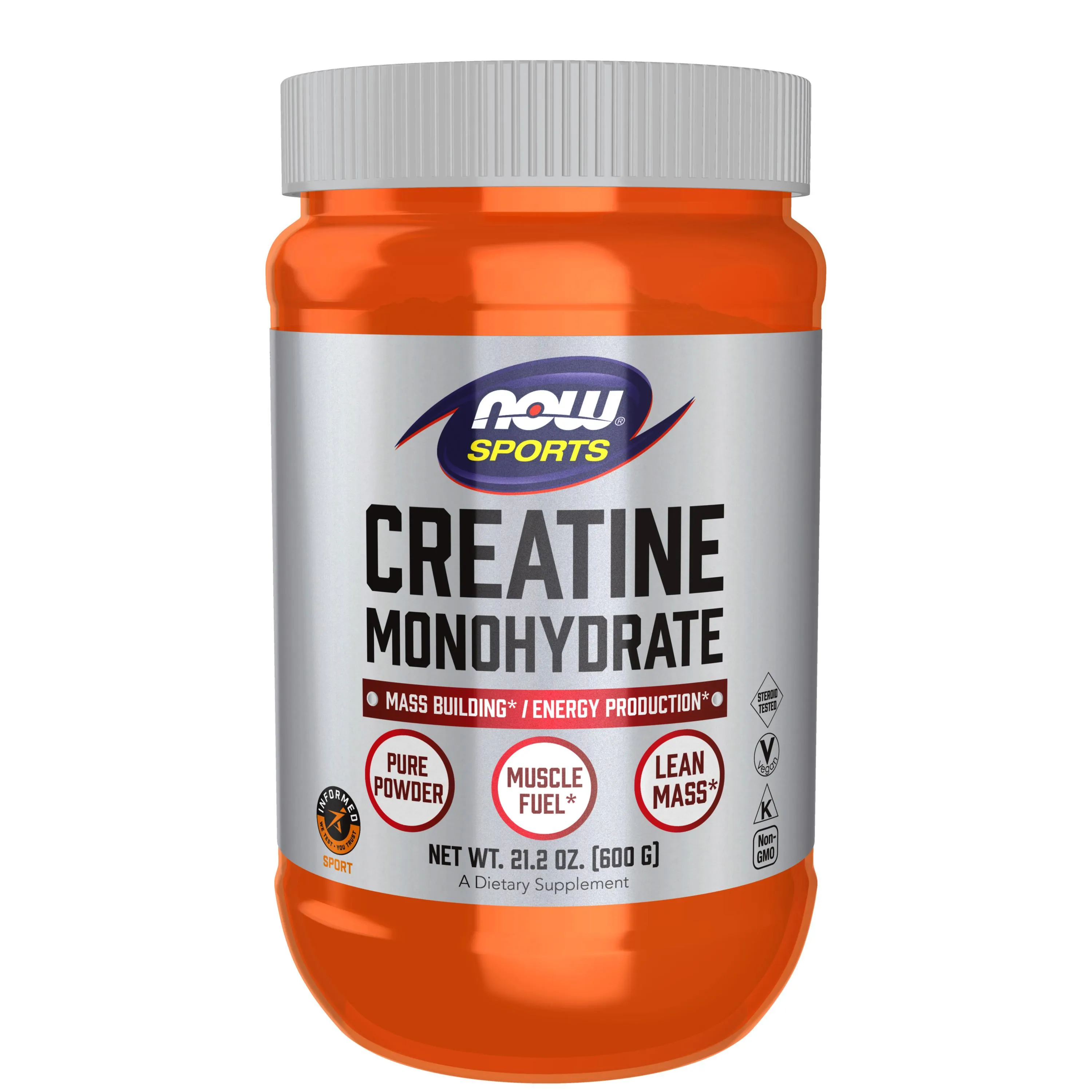
3–5g (monohydrate)Creatine monohydrate has the largest body of evidence of any sports supplement. The ISSN position stand confirms it increases high-intensity exercise capacity, lean mass, and training adaptations (Kreider et al., 2017, J Int Soc Sports Nutr).
Available Forms
| Form | Bioavailability | Notes |
|---|---|---|
| Creatine Monohydrate | high | Gold standard, most studied form, cheapest and most effective |
| Creatine HCl | high | More soluble, smaller doses claimed — but no evidence it outperforms monohydrate |
| Creapure | high | Premium German-manufactured monohydrate, tested for purity |
Omega-3
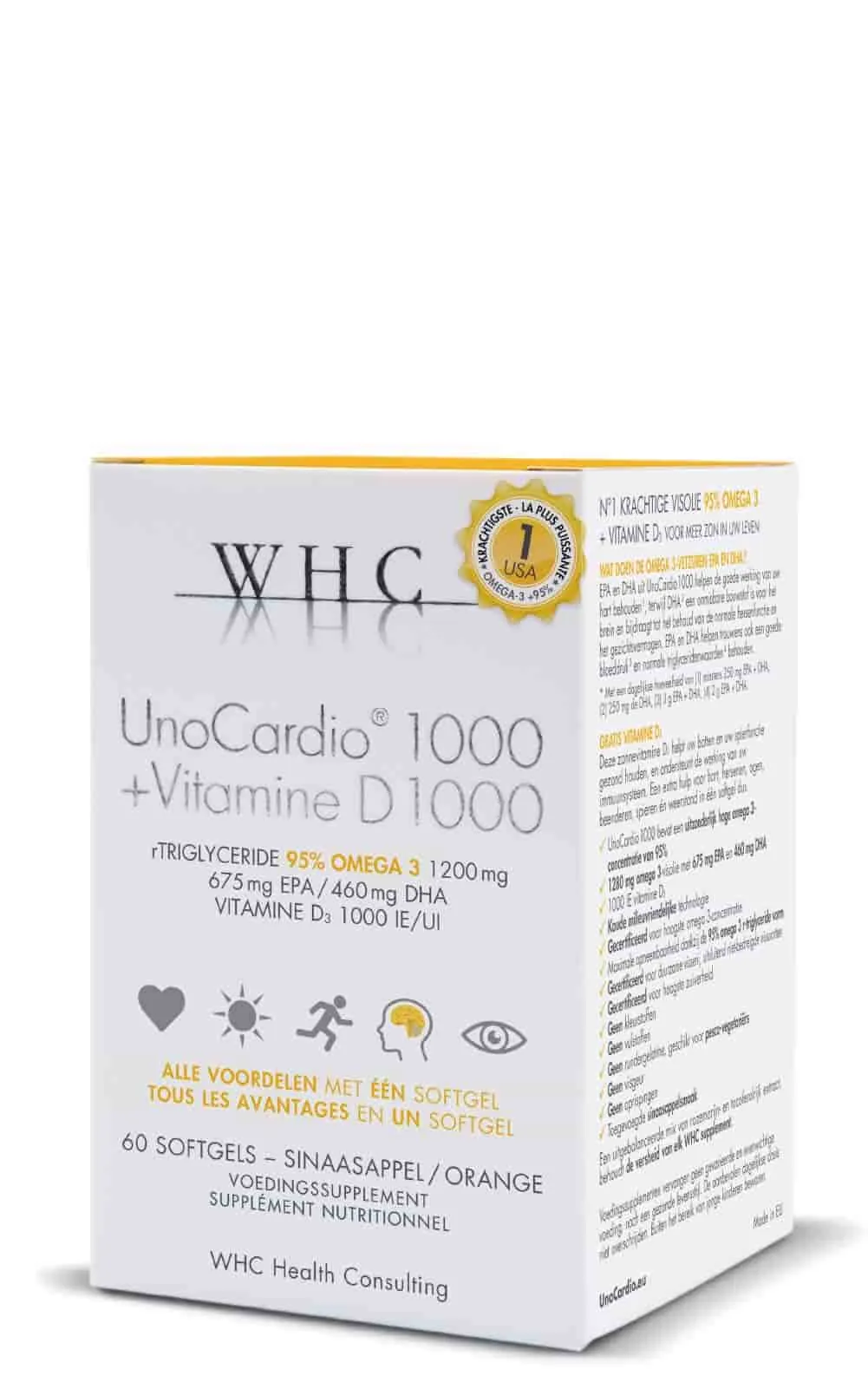
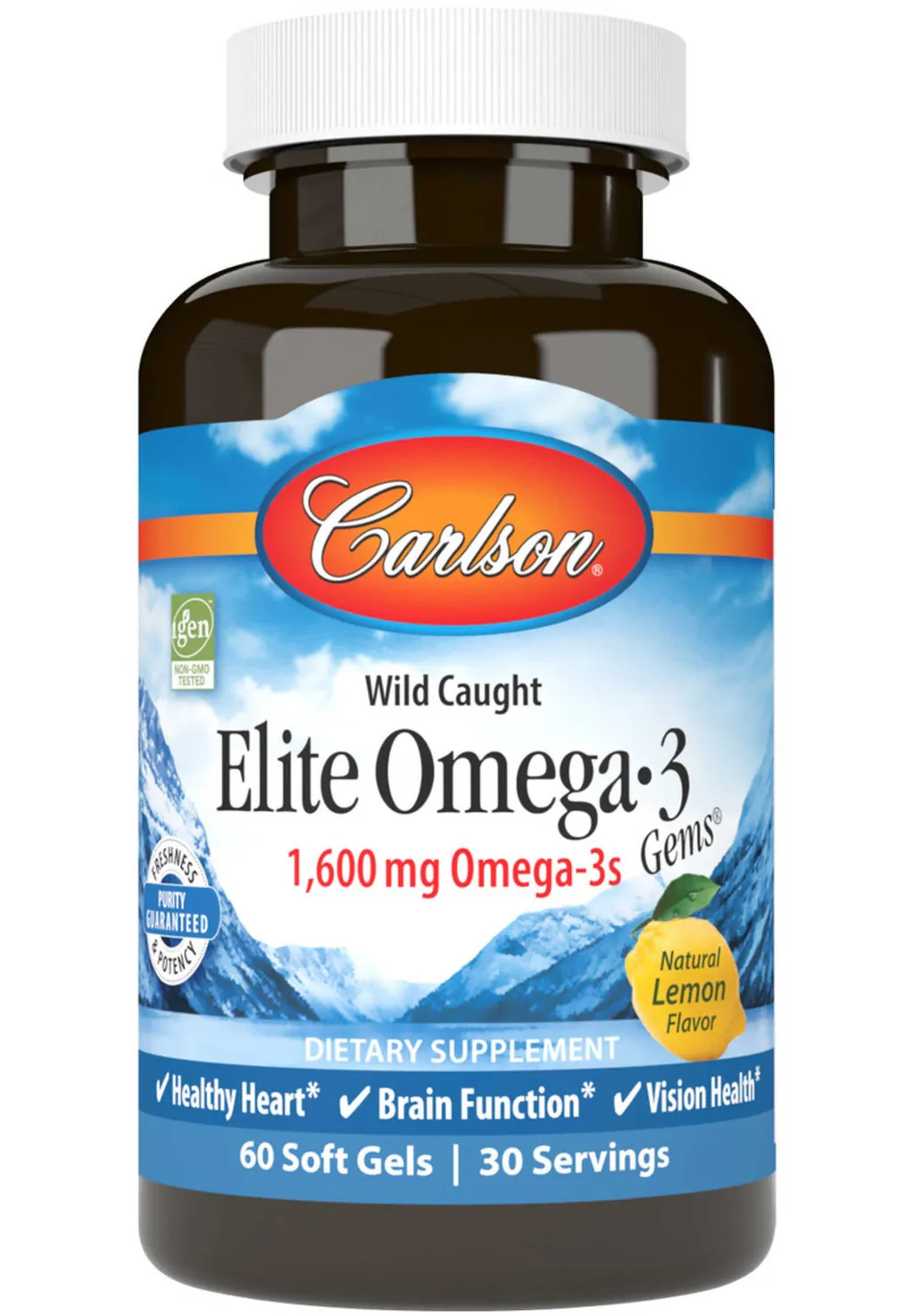
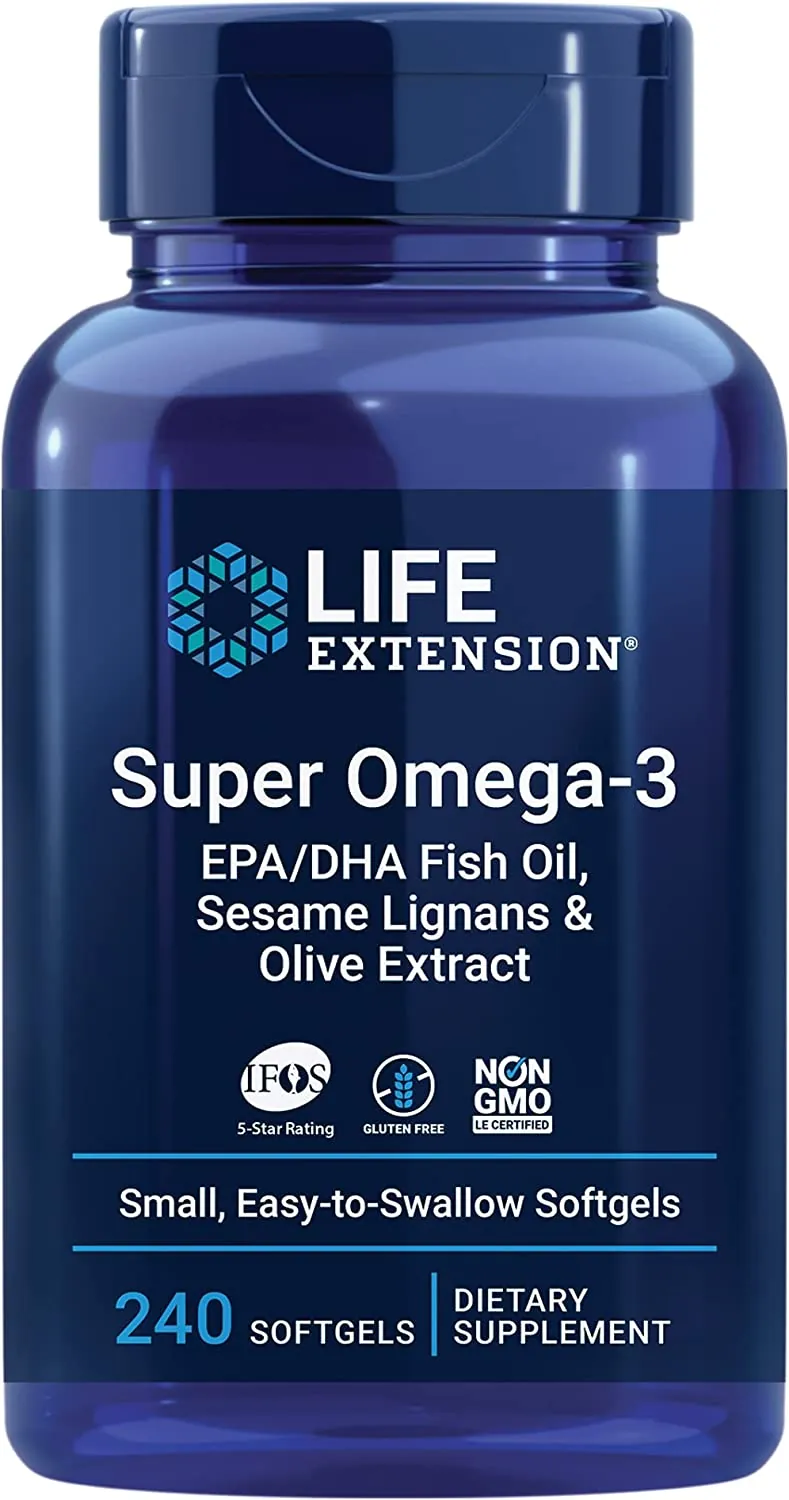
2,000–3,000mg EPA+DHAResearch indicates omega-3 supplementation reduces exercise-induced inflammation and may improve recovery between sessions (Tsuchiya et al., 2016, J Sports Sci Med).
Available Forms
| Form | Bioavailability | Notes |
|---|---|---|
| Triglyceride (rTG) Fish Oil | high | Re-esterified triglyceride, best absorbed form, premium |
| Ethyl Ester (EE) Fish Oil | moderate | Most common, requires more processing by the body, cheaper |
| Algae Oil (DHA-rich) | high | Vegan source, primarily DHA, sustainable |
| Krill Oil | high | Phospholipid-bound, contains astaxanthin, well-absorbed but lower EPA+DHA per capsule |
Magnesium
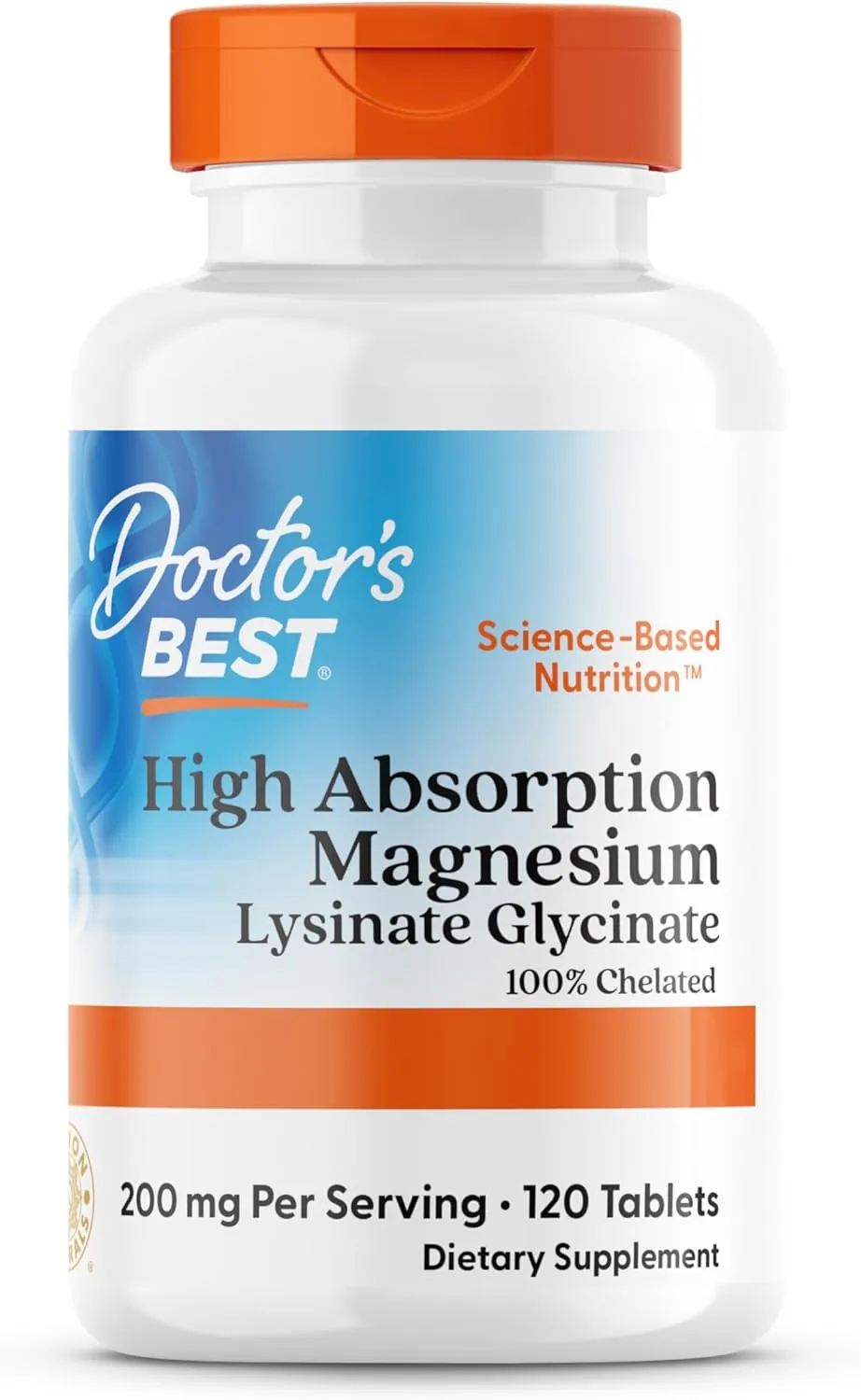
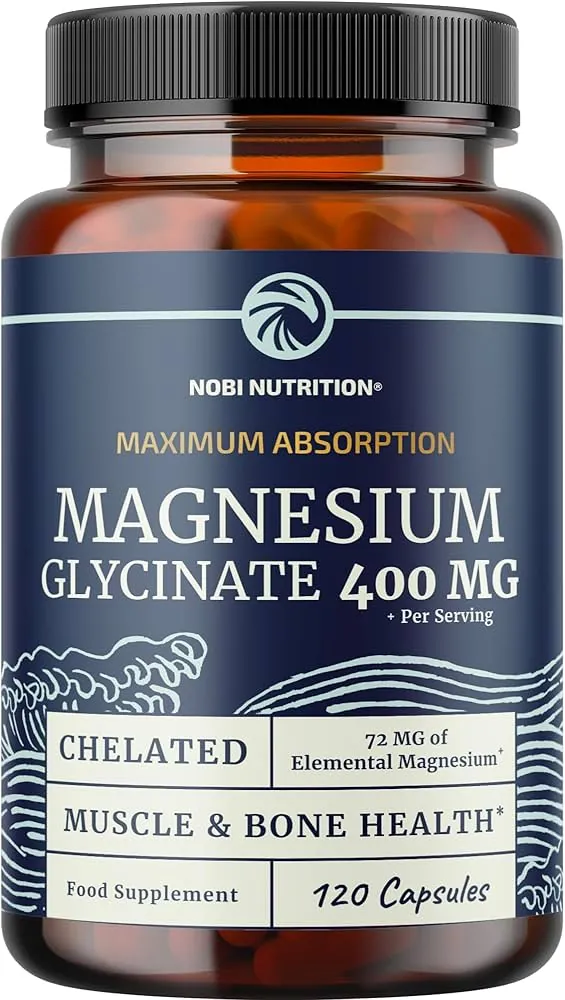
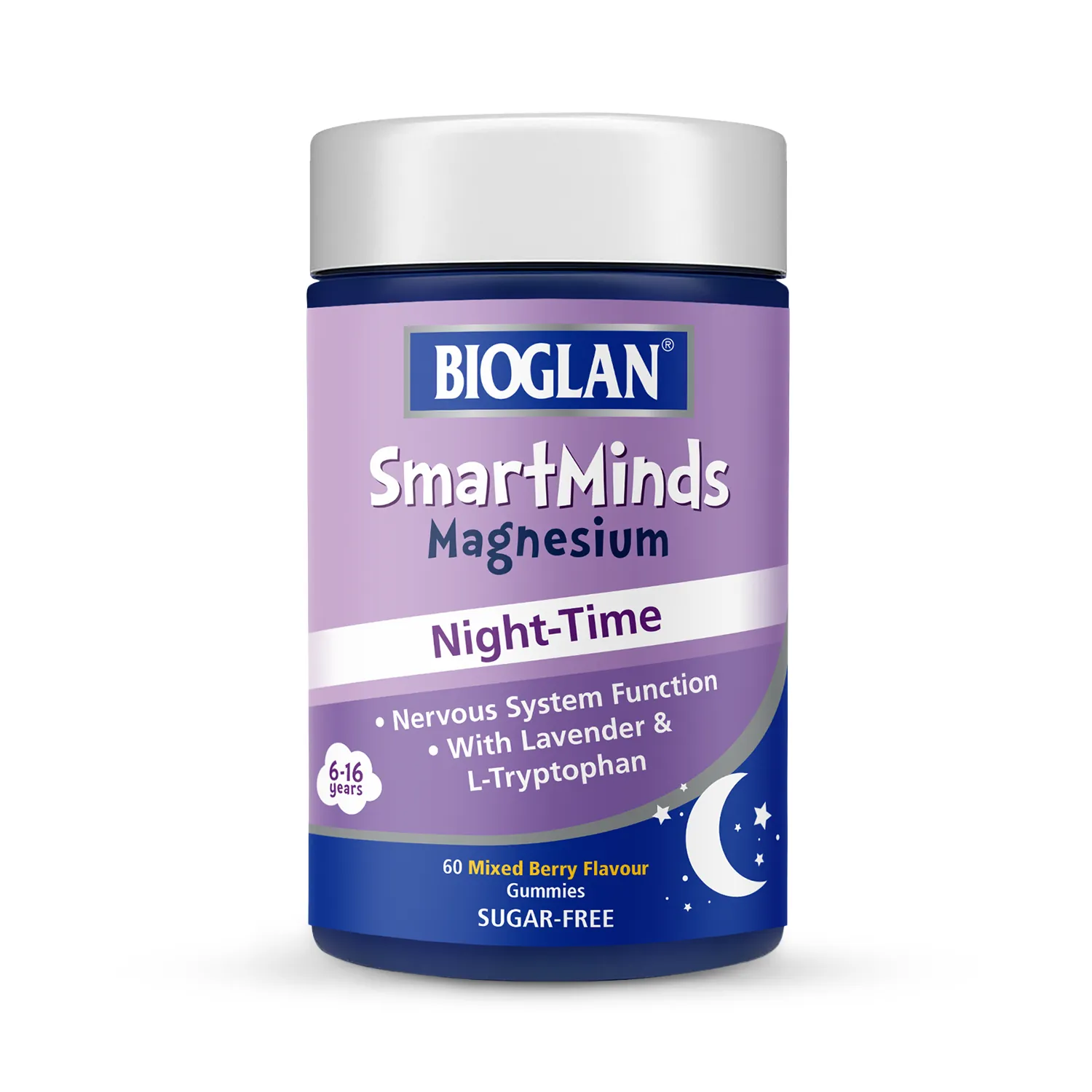
300–400mgMagnesium is lost through sweat and is critical for muscle contraction, energy metabolism, and electrolyte balance. Research suggests athletes are at higher risk of suboptimal magnesium status (Zhang et al., 2017).
Available Forms
| Form | Bioavailability | Notes |
|---|---|---|
| Magnesium Glycinate | high | Chelated form, well-absorbed, least likely to cause GI issues, calming effect |
| Magnesium Citrate | high | Good absorption, mild laxative effect at higher doses |
| Magnesium Oxide | low | ~4% bioavailability, primarily used as laxative, poor supplement choice |
| Magnesium Taurate | high | Combined with taurine, studied for cardiovascular and sleep support |
| Magnesium L-Threonate | high | Crosses blood-brain barrier, studied for cognitive function |
Vitamin D3
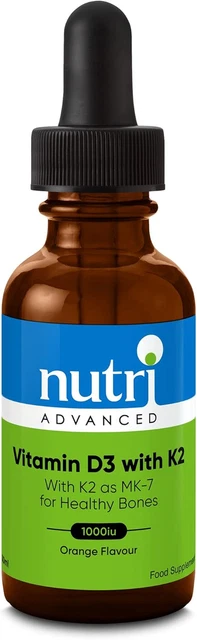
2,000–4,000 IUVitamin D receptors are expressed in skeletal muscle. Research links adequate vitamin D status with improved muscle strength and reduced injury risk in athletes (Owens et al., 2018, Sports Med).
Available Forms
| Form | Bioavailability | Notes |
|---|---|---|
| Cholecalciferol (D3) | high | Preferred form; raises serum 25(OH)D more effectively than D2 |
| Ergocalciferol (D2) | moderate | Vegan-friendly (plant/fungal) but less potent per IU |
CoQ10
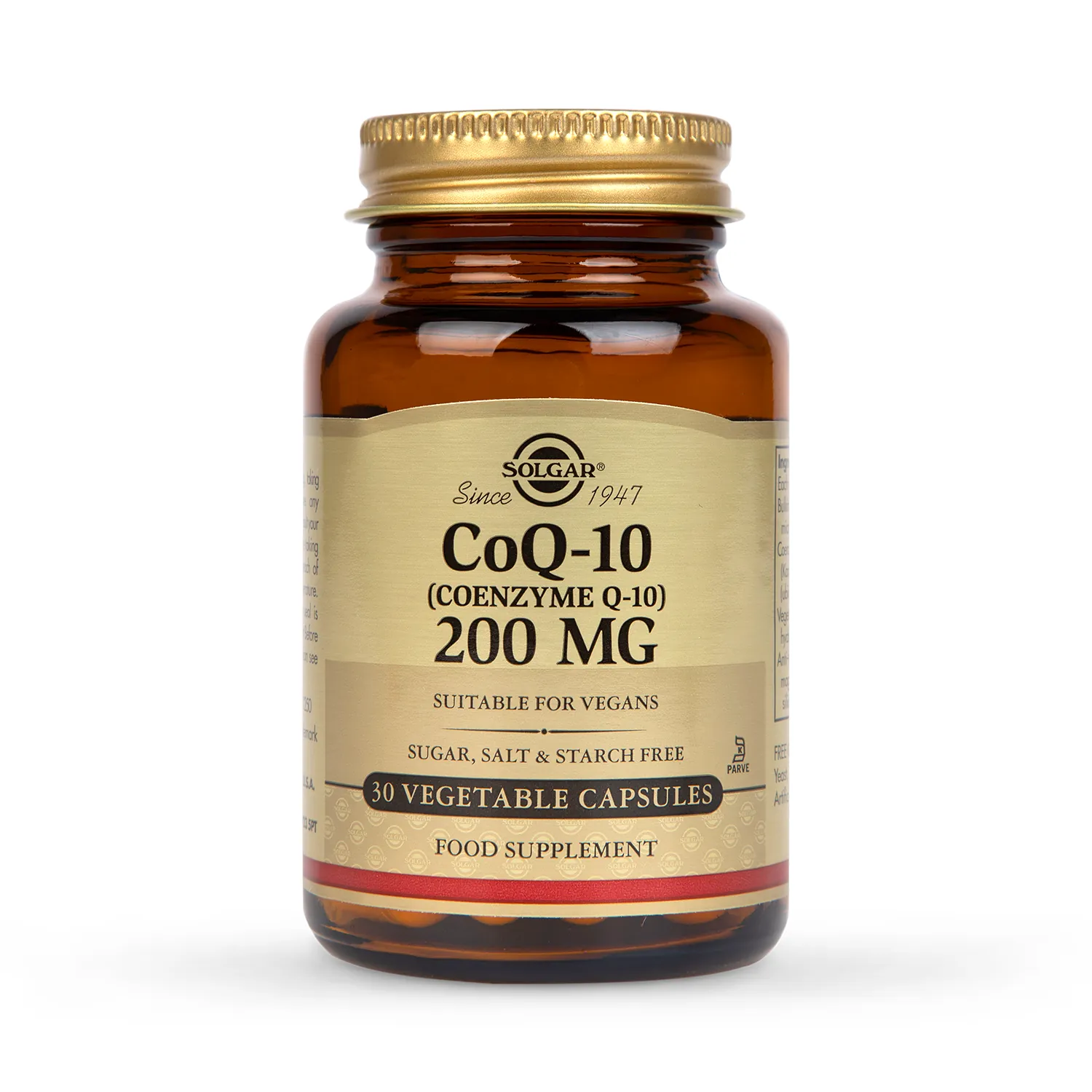
100–200mgCoQ10 plays a central role in mitochondrial energy production. A 2018 meta-analysis found supplementation reduced exercise-induced fatigue in various populations (Mehrabani et al., Nutrition).
Available Forms
| Form | Bioavailability | Notes |
|---|---|---|
| Ubiquinone | moderate | Oxidised form, body must convert to ubiquinol, cheaper |
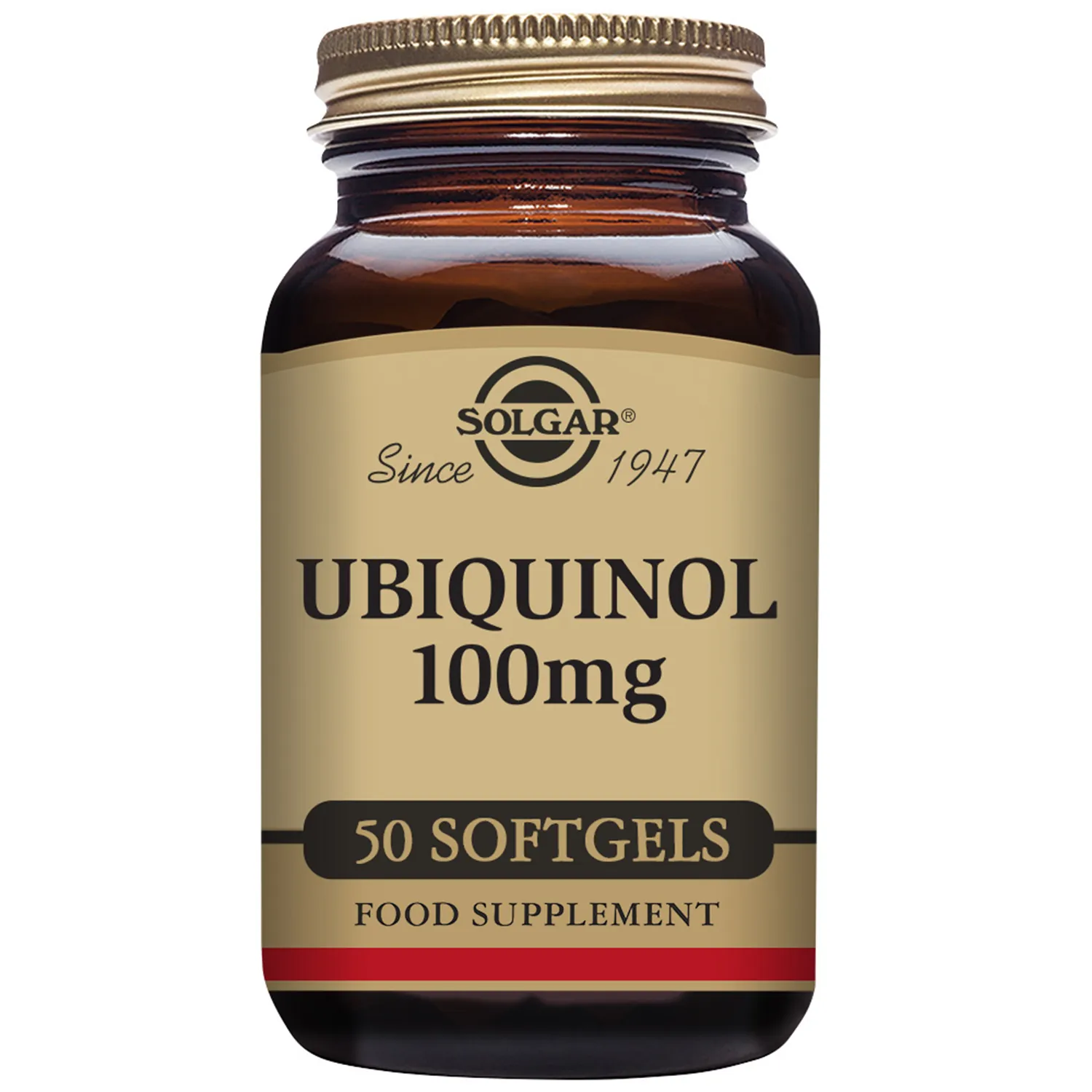
| Ubiquinol | high | Reduced/active form, better absorbed — especially for over-40s whose conversion declines |

How This Stack Works
Each ingredient in this stack addresses a distinct physiological system that underpins athletic output, and the evidence base for each is drawn from peer-reviewed research in sport and exercise science.
Creatine monohydrate operates through the phosphocreatine energy system. Skeletal muscle stores a limited reserve of phosphocreatine, which donates its phosphate group to regenerate ATP during maximal-effort activities lasting roughly 6–10 seconds — sprints, jumps, heavy lifts, and repeated explosive movements. Supplementation at 3–5 grams daily saturates intramuscular creatine stores over approximately 3–4 weeks (or more rapidly via a loading protocol of 20 g/day for 5–7 days, split into four doses). The ISSN position stand by Kreider et al. (2017, Journal of the International Society of Sports Nutrition) reviewed over 500 studies and concluded that creatine supplementation increases intramuscular creatine concentrations, which helps explain observed improvements in high-intensity exercise performance, post-exercise recovery, and thermoregulation. The evidence for strength and power gains is robust, with typical improvements of 5–15% reported in resistance training contexts. Creatine monohydrate remains the gold standard form; no alternative form has demonstrated superior bioavailability or efficacy.
Omega-3 fatty acids — specifically eicosapentaenoic acid (EPA) and docosahexaenoic acid (DHA) — serve multiple roles in the athletic context. Their primary mechanism involves modulation of inflammatory signalling cascades. EPA competes with arachidonic acid as a substrate for cyclooxygenase and lipoxygenase enzymes, shifting the balance of eicosanoid production away from strongly pro-inflammatory prostaglandins and leukotrienes toward less inflammatory or actively resolving mediators known as resolvins and protectins. A 2020 systematic review and meta-analysis by Lv et al. (BioMed Research International) examined 12 RCTs and found a statistically significant reduction in delayed-onset muscle soreness (DOMS) with omega-3 supplementation, but the pooled effect size fell below the minimal clinically important difference on the visual analogue scale, leading the authors to conclude there was only low-quality evidence for a clinically meaningful reduction in soreness. However, a separate 2021 systematic review and meta-analysis by Xin et al. (Food Science and Nutrition, 9:6429–6442) found that omega-3 supplementation significantly reduced blood markers of exercise-induced muscle damage, including creatine kinase (CK), lactate dehydrogenase (LDH), and myoglobin. The 2025 ISSN position stand (Jäger et al., Journal of the International Society of Sports Nutrition) further concluded that omega-3 supplementation may enhance endurance capacity and cardiovascular function during aerobic exercise. For athletes, intakes in the range of 2,000–3,000 mg combined EPA and DHA daily, taken with meals containing dietary fat, align with the doses used across sport-specific trials.
Magnesium is involved in over 300 enzymatic reactions, including those governing muscle contraction, neuromuscular signalling, protein synthesis, and glycolysis. During intense exercise, magnesium is redistributed from plasma to active muscle tissue and lost through sweat and urine. A 2023 systematic review and meta-analysis by Zhang et al. (Food Science and Human Wellness) analysed 14 studies involving 855 athletes and 521 controls, finding that athletes had significantly lower serum magnesium concentrations despite significantly higher dietary magnesium intake, with 24-hour urinary magnesium excretion also significantly elevated compared to untrained individuals. This suggests that exercise-driven magnesium turnover frequently outpaces dietary supply. EFSA sets a supplemental upper level of 250 mg/day, but this specifically applies to readily dissociable magnesium salts (such as oxide and chloride) and was based on the laxative threshold for those forms. The UK Expert Vitamin and Minerals Group (EVM) guidance allows up to 400 mg/day from supplements. Chelated forms such as magnesium bisglycinate and magnesium citrate are generally better tolerated at higher doses, as they are less osmotically active in the gut, and are commonly chosen by athletes for their absorption profiles and reduced risk of gastrointestinal side effects.
Vitamin D3 influences athletic performance through its role in calcium homeostasis, skeletal muscle protein synthesis, and type II (fast-twitch) muscle fibre recruitment. Vitamin D receptors have been identified in skeletal muscle tissue, and animal studies indicate that signalling through these receptors affects muscle fibre size and contractile properties. A 2019 systematic review and meta-analysis by Han Q, Li X, Tan Q et al. (Journal of the International Society of Sports Nutrition, 16(1):55) examined five randomised controlled trials involving 163 athletes and found that while vitamin D3 supplementation effectively raised serum 25(OH)D to sufficient levels, improvements in muscle strength were not statistically significant at that sample size. A larger 2024 updated meta-analysis published in Frontiers in Nutrition (Han et al.) found some evidence of potential benefit for lower-body muscle strength (specifically quadriceps contraction), though results were not definitive across all strength measures and the authors concluded that the limited available studies cannot warrant significant overall enhancements when athletes have adequate serum 25(OH)D levels. In the UK, where latitude limits cutaneous vitamin D synthesis from October through March, SACN recommends a minimum of 10 micrograms (400 IU) daily for all adults. Athletes training indoors or at northern latitudes may benefit from higher intakes within the 2,000–4,000 IU range, though individual blood testing for 25(OH)D is the most reliable way to guide dosing.
CoQ10 (ubiquinone) is a lipid-soluble molecule embedded in the inner mitochondrial membrane, where it shuttles electrons between complexes I and II to complex III of the electron transport chain. This role makes it directly integral to oxidative phosphorylation and ATP generation. A 2023 systematic review by Fernandes et al. (Nutrients) analysed 16 studies and concluded that oral CoQ10 supplementation at doses ranging from 30–300 mg per day enhanced plasma antioxidant activity, reduced markers of oxidative stress, and improved anaerobic performance metrics in athletes. A separate narrative review by Drobnic et al. (2022, Nutrients) noted that while the data remain mixed regarding direct aerobic performance enhancement, CoQ10 appears to support recovery by attenuating exercise-induced oxidative damage. As an endogenous compound whose synthesis declines with age, CoQ10 supplementation at 100–200 mg daily represents a physiologically grounded addition to this stack.
Interaction Analysis
7 known interactions between ingredients in this stack.
Research suggests magnesium may play a role in creatine metabolism and cellular energy production. Both are involved in the ATP energy system.
Action: These can be taken together. Creatine is commonly taken with a meal, and magnesium can be included at the same time.
Read full analysis →Emerging research suggests combining creatine and Vitamin D3 may have additive benefits for bone health and muscle function, particularly in older adults.
Action: Both can be taken together. Creatine with a meal, Vitamin D3 with a fat-containing meal.
Read full analysis →Both CoQ10 and creatine support cellular energy production through the ATP system. Research suggests they may have complementary benefits for mitochondrial function.
Action: Both can be taken together with a meal. CoQ10 benefits from a fat-containing meal for absorption.
Read full analysis →Research suggests omega-3 fatty acids and Vitamin D3 may have complementary anti-inflammatory and immune-supporting effects. The VITAL study examined their combined benefits.
Action: Taking Vitamin D3 with omega-3 (fish oil) provides the fat needed for D3 absorption. They can be taken together at a meal.
Read full analysis →CoQ10 and omega-3 fatty acids may have complementary cardiovascular benefits. Research suggests both support heart function through different mechanisms.
Action: Taking CoQ10 with omega-3 (or any fat source) may improve CoQ10 absorption, as it is fat-soluble.
Read full analysis →Magnesium is a cofactor in Vitamin D metabolism. Research suggests adequate magnesium is necessary for the body to activate and utilise Vitamin D3 effectively.
Action: Ensuring adequate magnesium intake alongside Vitamin D3 supplementation may improve D3 utilisation.
Read full analysis →Both CoQ10 and magnesium are important for cellular energy production. Research suggests they support mitochondrial function through complementary mechanisms.
Action: These can be taken together with a meal. CoQ10 is fat-soluble, so a meal with some fat is preferred.
Read full analysis →Suggested Timing Schedule
Morning
Fat-soluble — better absorbed with a meal containing dietary fat
Fat-soluble — take with a meal containing fat. Morning preferred as it supports cellular energy production. Statin users should especially consider supplementation.
Evening
Evening preferred — may promote relaxation. Take with food to reduce GI discomfort.
Any Time
Timing does not matter — daily consistency is key. Take with water or carbohydrate-rich meal. No loading phase required at 3-5 g/day.
Take with a meal containing fat for best absorption. Split high doses across meals to reduce fishy burps. Freeze capsules to reduce aftertaste.
What to Avoid with This Stack
- • Check anti-doping regulations if competing — all ingredients listed are permitted by WADA but always verify batch testing (Informed Sport certification)
Alternatives & Variations
Several other supplements are commonly discussed in athletic performance contexts, each with varying degrees of evidence. Beta-alanine is supported by an ISSN position stand (Trexler et al., 2015, Journal of the International Society of Sports Nutrition) for activities lasting 1–4 minutes, where it increases intramuscular carnosine to buffer hydrogen ion accumulation. It was omitted from this stack because its benefits are specific to sustained high-intensity efforts rather than the broader training adaptation this stack targets, and the paraesthesia (tingling) side effect can be off-putting. Citrulline malate has preliminary evidence for increasing nitric oxide production and potentially enhancing training volume in resistance exercise, but the research base remains limited and inconsistent, as noted in the ODS fact sheet on dietary supplements for exercise. Caffeine is one of the most well-established ergogenic aids, with robust evidence for both endurance and power output, but it was excluded because it is a stimulant with tolerance-building properties and highly individualised responses — most athletes already manage caffeine intake through coffee or pre-workout products. Branched-chain amino acids (BCAAs) were once popular for reducing muscle protein breakdown, but more recent evidence suggests they offer no meaningful advantage over adequate total protein intake. Beetroot juice, rich in dietary nitrate, has shown promise for endurance performance through enhanced nitric oxide availability and improved oxygen efficiency, but effects are most pronounced in recreational athletes and appear to diminish in well-trained individuals.
Notes & Caveats
Supplements complement — not replace — structured training, adequate nutrition, and sufficient sleep. Timing and periodisation may influence results.
Customise This Stack
Load these supplements into our interactive Stack Analyzer to adjust dosages, add or remove ingredients, and get personalised timing.
Customise this stack →Frequently Asked Questions
Research suggests that the ingredients in this stack support rather than blunt training adaptations. Creatine has been extensively studied alongside resistance and sprint training protocols with consistent performance benefits, as documented in the 2017 ISSN position stand. Omega-3 fatty acids modulate inflammation without suppressing it to the degree that non-steroidal anti-inflammatory drugs (NSAIDs) do, which has raised concerns about impaired muscle remodelling. Magnesium, vitamin D3, and CoQ10 address nutritional substrates that the body requires for normal physiological function during training. None of these supplements are known to interfere with the signalling pathways responsible for muscular or cardiovascular adaptation when used at the recommended dosages.
Timelines vary by ingredient. Creatine monohydrate at 3–5 grams daily typically saturates intramuscular stores within 3–4 weeks, though a loading phase of 20 g/day for 5–7 days achieves saturation faster. Omega-3 fatty acids require approximately 4–8 weeks to meaningfully alter cell membrane phospholipid composition, which is the basis for their anti-inflammatory effects. Magnesium status can improve within 4–6 weeks depending on the severity of any deficit. Vitamin D3 takes roughly 8–12 weeks to substantially raise serum 25(OH)D, particularly in individuals starting from a deficient baseline. CoQ10 plasma levels typically plateau after 2–3 weeks of consistent supplementation, though functional effects in clinical trials are generally measured at 8–12 weeks.
No clinically significant adverse interactions have been documented between creatine, omega-3, magnesium, vitamin D3, and CoQ10 when taken at the dosages specified in this stack. There are, however, complementary interactions worth noting: magnesium is a cofactor in vitamin D metabolism, so adequate magnesium may support the conversion of vitamin D to its active form. Vitamin D3 and omega-3 both influence inflammatory pathways through different mechanisms, potentially offering additive effects on recovery. Athletes on blood-thinning medication should consult a healthcare professional before supplementing with omega-3 at higher doses, as EPA and DHA have mild anti-platelet properties. Magnesium supplements taken in excess of tolerable limits can cause gastrointestinal discomfort, so splitting the dose between meals is advisable.