Important: This page is for informational purposes only, based on published peer-reviewed research and official UK dietary guidelines (NHS, EFSA, SACN). It does not constitute medical advice. Always consult your GP or pharmacist before starting, stopping, or combining supplements.
Supplements Studied for Bone Support
Ingredients researched for bone mineral density and fracture prevention
Why This Stack?
Bone mineral density peaks around age 30 and declines progressively thereafter — more rapidly in women following the menopause, when oestrogen withdrawal accelerates skeletal resorption. In the UK, fragility fractures place a substantial burden on NHS resources, and the condition frequently goes undiagnosed until a break occurs. Nutrition alone cannot prevent age-related bone loss, but research suggests it plays a meaningful role in both establishing peak bone mass earlier in life and slowing its decline in later years. This stack brings together four ingredients with the most consistently studied roles in skeletal health: calcium, the primary mineral constituent of bone; vitamin D3, which governs calcium absorption in the gut; vitamin K2, which activates the proteins responsible for embedding calcium into bone matrix; and magnesium, which participates in bone structure and in the metabolism of both calcium and vitamin D. Each operates through distinct biological mechanisms, and research suggests they are more effective in combination than in isolation. NICE guidelines recommend vitamin D supplementation for all UK adults, particularly during the autumn and winter months, when insufficient sunlight exposure limits endogenous synthesis. The SACN reference nutrient intake for calcium is 700mg/day for adults, though UK dietary surveys indicate many fall short of this figure. Bone health is also substantially influenced by weight-bearing exercise, dietary protein, and hormonal status — supplementation is best understood as a supportive measure within a broader lifestyle context. Individual responses may vary.
What’s in This Stack
Calcium
500-600mgNICE recommends calcium supplementation for those not meeting dietary intake of 700mg/day. A meta-analysis found calcium + vitamin D reduced fracture risk by 15% (Weaver et al., 2016, Osteoporos Int).
Available Forms
| Form | Bioavailability | Notes |
|---|---|---|
| Calcium Carbonate | moderate | 40% elemental calcium, requires stomach acid, cheapest |
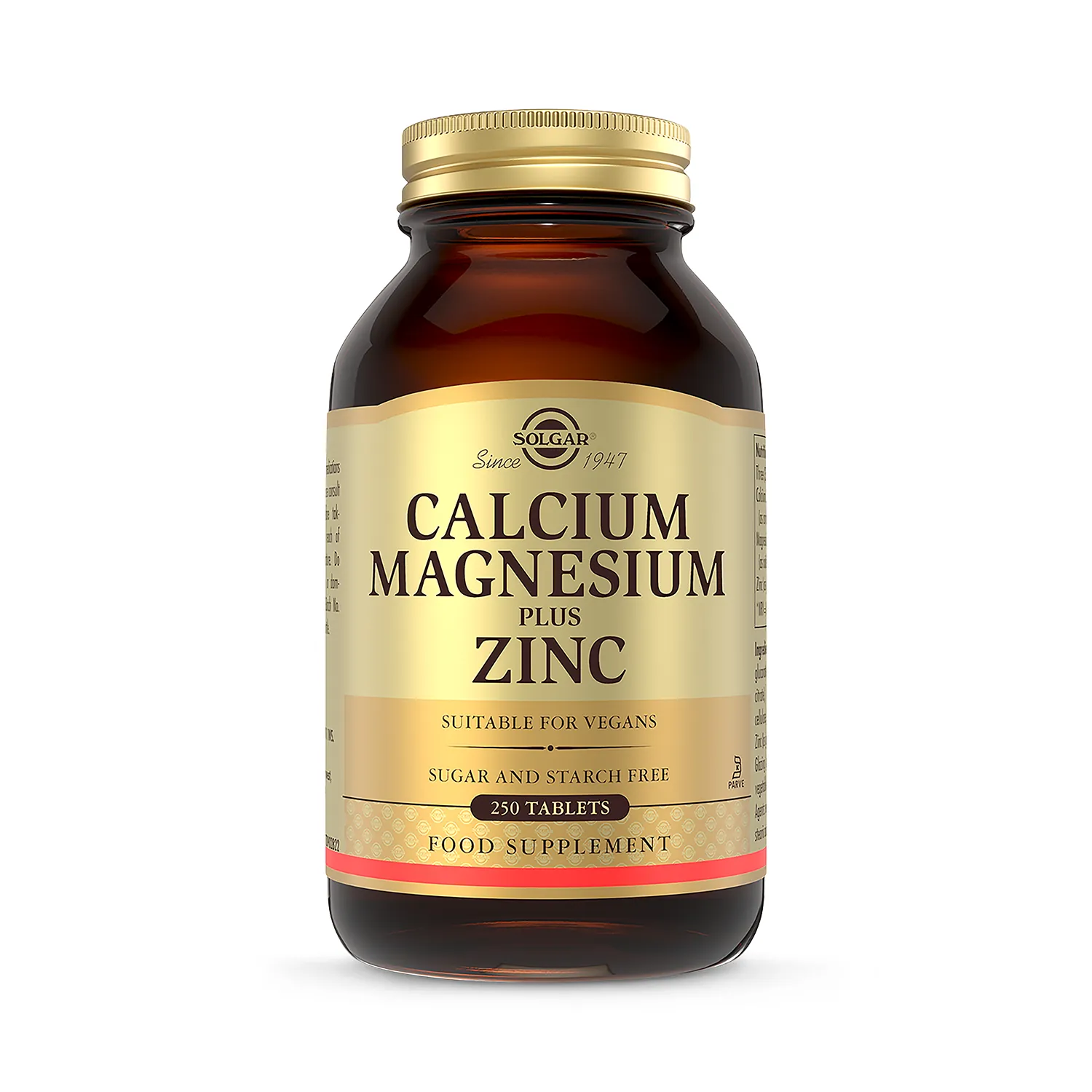
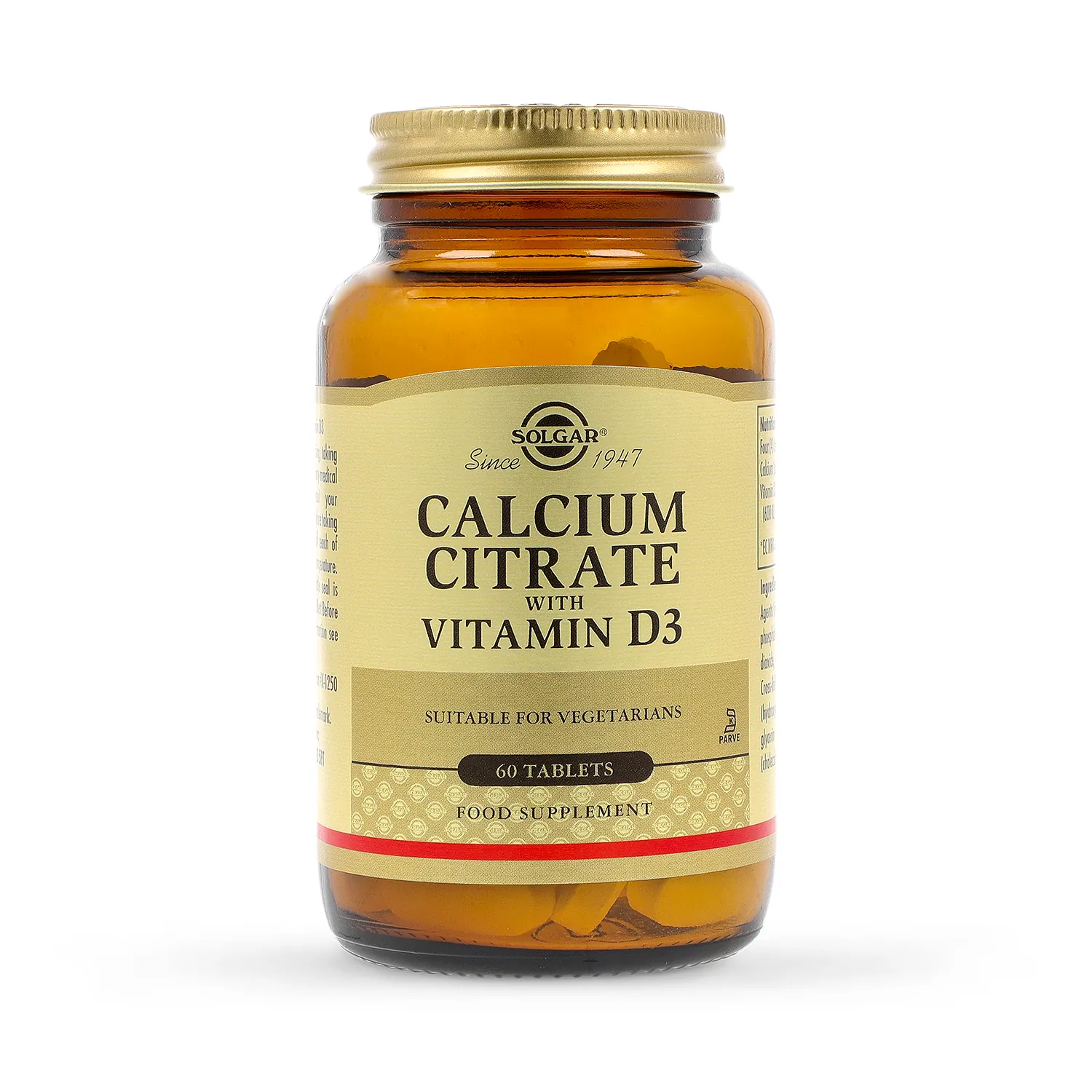
| Calcium Citrate | high | 21% elemental calcium but better absorbed, can be taken without food |
| Hydroxyapatite (MCHA) | high | Bone-derived, contains calcium + phosphorus in natural matrix |
| Calcium Orotate | moderate | Smaller elemental calcium content, some evidence for better cellular uptake |
Vitamin D3
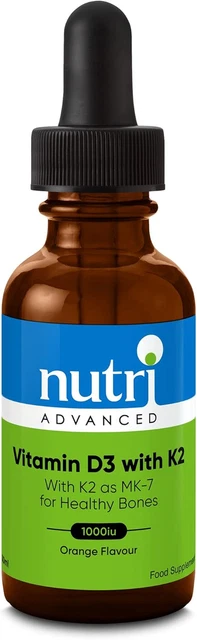
2,000-4,000 IUEssential for calcium absorption. SACN recommends at least 10mcg/day for all UK adults. Higher doses are commonly used in those with low baseline levels.
Available Forms
| Form | Bioavailability | Notes |
|---|---|---|
| Cholecalciferol (D3) | high | Preferred form; raises serum 25(OH)D more effectively than D2 |
| Ergocalciferol (D2) | moderate | Vegan-friendly (plant/fungal) but less potent per IU |
Vitamin K2
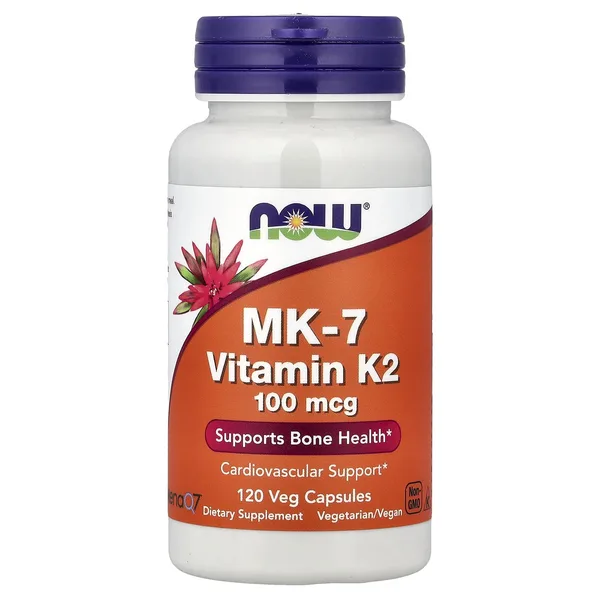
100-200mcg (MK-7)Research suggests K2 activates osteocalcin, the protein that binds calcium to bone matrix (Knapen et al., 2013, Thromb Haemost).
Available Forms
| Form | Bioavailability | Notes |
|---|---|---|
| MK-7 (Menaquinone-7) | high | Longer half-life (~72h), most studied form for bone and cardiovascular health |
| MK-4 (Menaquinone-4) | moderate | Shorter half-life (~4h), requires higher doses |
Magnesium
300mgAround 60% of body magnesium is stored in bone. Research links low magnesium intake with lower bone mineral density (Castiglioni et al., 2013, Nutrients).
Available Forms
| Form | Bioavailability | Notes |
|---|---|---|
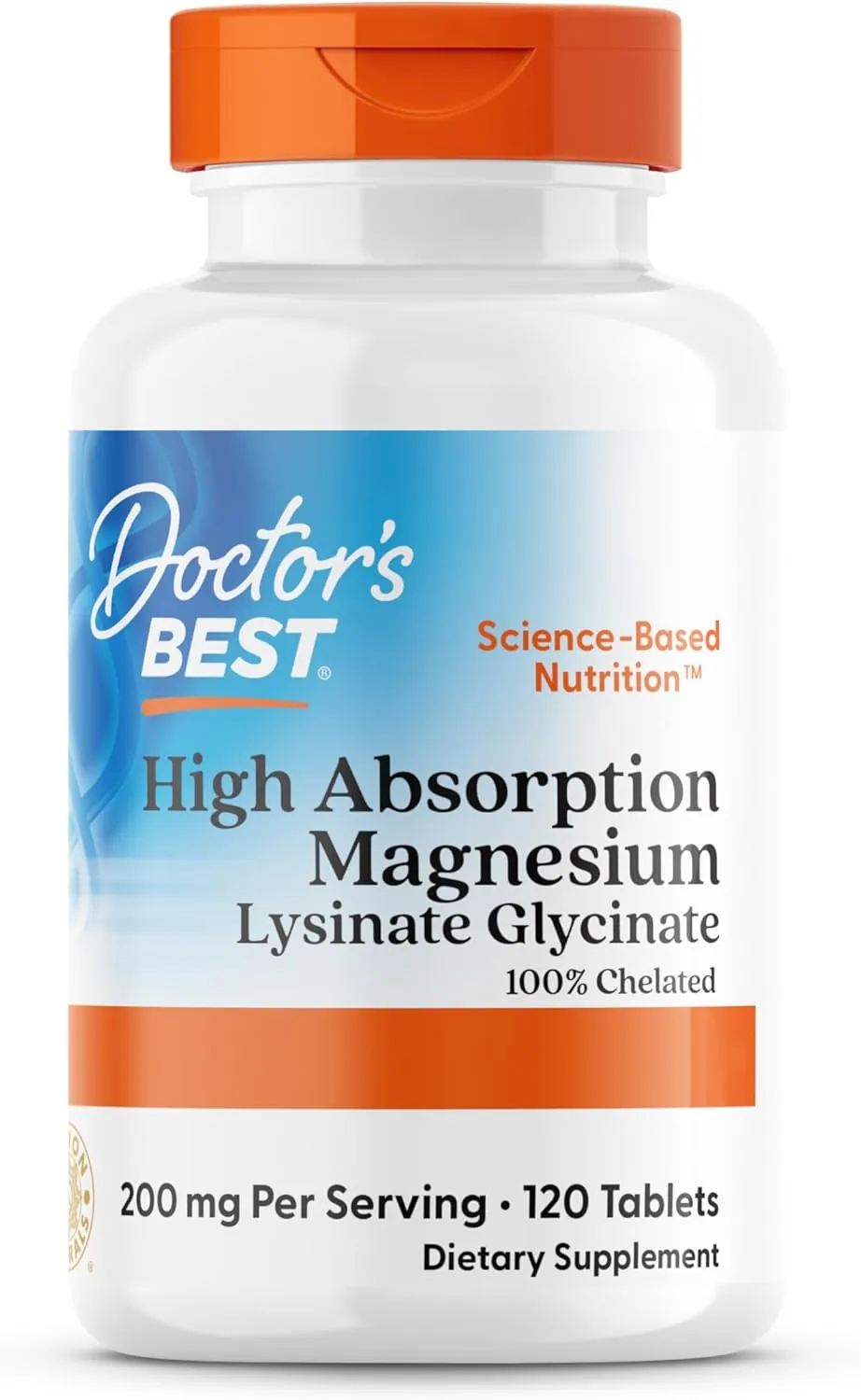
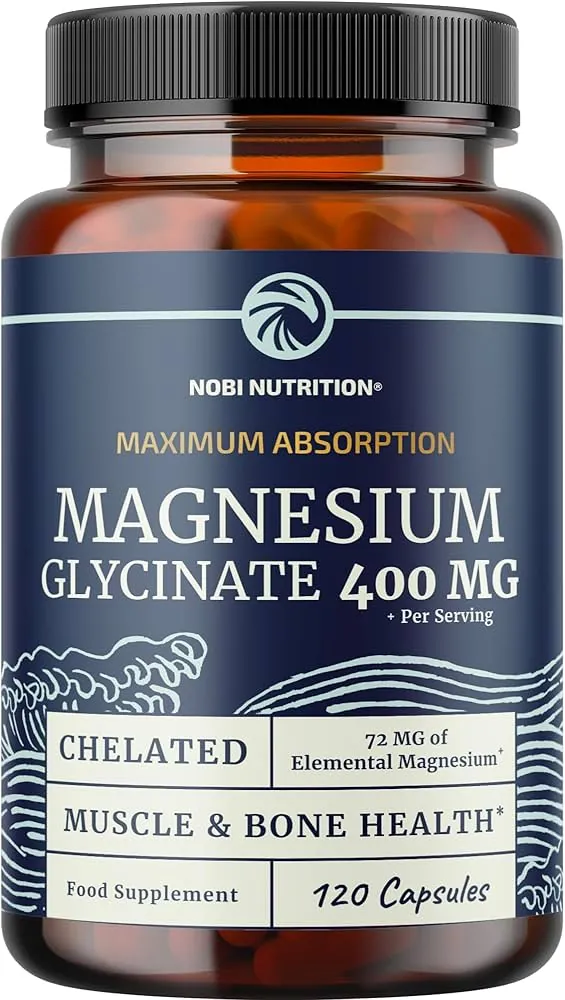
| Magnesium Glycinate | high | Chelated form, well-absorbed, least likely to cause GI issues, calming effect |
| Magnesium Citrate | high | Good absorption, mild laxative effect at higher doses |
| Magnesium Oxide | low | ~4% bioavailability, primarily used as laxative, poor supplement choice |
| Magnesium Taurate | high | Combined with taurine, studied for cardiovascular and sleep support |
| Magnesium L-Threonate | high | Crosses blood-brain barrier, studied for cognitive function |

How This Stack Works
The functional synergy within this stack begins with the calcium–vitamin D3 relationship. Vitamin D3 (cholecalciferol), once sequentially hydroxylated by the liver and kidneys to its active form calcitriol, upregulates the expression of calcium transport proteins — including calbindin-D — in the small intestinal epithelium. Without adequate vitamin D status, active intestinal calcium absorption is estimated to fall as low as 10–15%, compared with approximately 30–40% when vitamin D is sufficient (SACN, Vitamin D and Health, 2016). The clinical significance of co-supplementation is supported by the meta-analysis of Weaver et al. (2016, Osteoporosis International), which found calcium plus vitamin D was associated with a 15% reduction in fracture risk across the pooled study populations.
Vitamin K2, specifically in its long-chain MK-7 form, adds a second layer of regulation. Osteocalcin — a protein synthesised by bone-forming osteoblasts — requires vitamin K-dependent gamma-carboxylation to bind calcium ions within the hydroxyapatite matrix of bone. Without adequate K2, osteocalcin remains in an undercarboxylated, functionally impaired state. A three-year randomised controlled trial by Knapen et al. (2013, Thrombosis and Haemostasis) found daily supplementation with 180mcg MK-7 significantly attenuated age-related decline in bone mineral density at the femoral neck and lumbar spine in healthy postmenopausal women, alongside measurable improvements in bone strength indices — findings that suggest K2 occupies a distinct and important role beyond calcium supply alone.
Magnesium contributes across multiple pathways. Approximately 60% of the body's magnesium is stored in bone, where it influences the size and structural stability of hydroxyapatite crystals. Population data reviewed by Castiglioni et al. (2013, Nutrients) associates lower dietary magnesium intake with reduced bone mineral density. Critically, Uwitonze and Razzaque (2018, Journal of the American Osteopathic Association) demonstrated that magnesium is required for the enzymatic hydroxylation steps that convert vitamin D into its active form — implying that magnesium insufficiency may limit the effectiveness of vitamin D supplementation, even at adequate doses.
Together, these four ingredients address calcium supply, intestinal absorption, matrix-level utilisation, and the regulatory enzymatic infrastructure that supports vitamin D activity — representing a mechanistically coherent combination for skeletal support.
Interaction Analysis
6 known interactions between ingredients in this stack.
Vitamin D3 is essential for calcium absorption. However, combining high-dose D3 with high-dose calcium supplementation may increase the risk of hypercalcaemia. Research suggests monitoring total calcium intake (diet + supplements) to stay within recommended ranges.
Action: Vitamin D3 enhances calcium absorption. When supplementing both, total daily calcium intake (including dietary sources) ideally stays within 1000-1200mg for most adults. High-dose Vitamin D3 (>4000 IU) may warrant serum calcium monitoring.
Read full analysis →Research suggests Vitamin K2 helps direct dietary and supplemental calcium to bones rather than soft tissues. This may reduce the risk associated with calcium supplementation.
Action: Adding Vitamin K2 when supplementing calcium is increasingly recommended in the literature to support proper calcium utilisation.
Read full analysis →Calcium and magnesium work together in muscle and nerve function. Research suggests maintaining a balanced ratio (roughly 2:1 calcium to magnesium) supports optimal function of both.
Action: At moderate doses these can be taken together. At high doses (above 250mg each), taking them at different times may improve absorption of both.
Read full analysis →Research suggests Vitamin K2 helps direct calcium mobilised by Vitamin D3 to bones rather than soft tissue, potentially reducing arterial calcification risk.
Action: These are commonly taken together with a meal containing fat, as both are fat-soluble.
Read full analysis →Magnesium is a cofactor in Vitamin D metabolism. Research suggests adequate magnesium is necessary for the body to activate and utilise Vitamin D3 effectively.
Action: Ensuring adequate magnesium intake alongside Vitamin D3 supplementation may improve D3 utilisation.
Read full analysis →Research suggests magnesium may be important for Vitamin K-dependent carboxylation reactions. Both nutrients support bone health through different mechanisms.
Action: Both can be taken with a meal. No special separation needed.
Read full analysis →Suggested Timing Schedule
Morning
Fat-soluble — better absorbed with a meal containing dietary fat
Fat-soluble — take with a meal containing dietary fat
Evening
Evening preferred — may promote relaxation. Take with food to reduce GI discomfort.
Any Time
Carbonate requires stomach acid — take with food. Citrate can be taken on empty stomach. Split doses of >500 mg for better absorption.
What to Avoid with This Stack
- • Separate calcium from iron supplements by 2+ hours
Alternatives & Variations
Collagen peptides have attracted growing research interest as a complementary approach; a randomised controlled trial by König et al. (2018, Nutrients) reported improvements in bone mineral density markers in postmenopausal women taking specific collagen peptides alongside calcium and vitamin D. Boron is a trace mineral studied for its possible role in modulating the metabolism of calcium, magnesium, and oestrogen, with relevance to bone metabolism. Silicon, as orthosilicic acid, has been examined for its contribution to bone collagen synthesis (Jugdaohsingh, 2007, Journal of Nutrition, Health and Aging). Zinc supports osteoblast function and may be worth considering in those with low dietary intake. Individual responses may vary.
Notes & Caveats
Bone health depends on weight-bearing exercise, adequate protein, and hormonal factors alongside nutrition. Most effective as a preventive measure.
Customise This Stack
Load these supplements into our interactive Stack Analyzer to adjust dosages, add or remove ingredients, and get personalised timing.
Customise this stack →Frequently Asked Questions
Research indicates calcium absorption is more efficient in smaller amounts. The SACN (2016) advises that absorption efficiency declines with single doses above approximately 500mg, as the saturable active transport mechanism becomes overwhelmed. Splitting the daily dose — for example, 300mg with breakfast and 300mg with an evening meal — is likely to improve net absorption compared with a single larger dose, and taking calcium with food reduces the risk of gastrointestinal discomfort.
Much of the foundational research in this area — including the Knapen et al. (2013) MK-7 trial and the majority of calcium and vitamin D fracture-risk meta-analyses reviewed by Weaver et al. (2016) — was conducted in postmenopausal women, who experience accelerated bone loss following the decline in oestrogen. Research suggests this population may derive particular benefit from this combination, though individual responses vary and assessing baseline vitamin D status before commencing supplementation is advisable.
Bone remodelling is a slow biological process. Clinical trials measuring changes in bone mineral density typically run for two to three years — as in the Knapen et al. (2013) study. Biochemical markers of bone turnover, such as undercarboxylated osteocalcin or serum procollagen type I propeptides, may reflect changes earlier, within three to six months. Structural improvements in bone density require sustained, long-term supplementation alongside weight-bearing exercise. Individual responses may vary based on age, baseline nutrient status, and hormonal factors.