Important: This page is for informational purposes only, based on published peer-reviewed research and official UK dietary guidelines (NHS, EFSA, SACN). It does not constitute medical advice. Always consult your GP or pharmacist before starting, stopping, or combining supplements.
Effective Stack on a Budget
Maximum evidence, minimum cost — three well-studied essentials
Why This Stack?
For most UK adults, a meaningful supplement strategy need not be expensive or complicated. Research consistently points to three nutritional gaps affecting a significant proportion of the population: vitamin D insufficiency driven by the UK's northerly latitude, suboptimal magnesium intake from dietary sources, and underutilised creatine stores — all addressable through low-cost, widely available supplements. The NHS and the Scientific Advisory Committee on Nutrition (SACN) both advise daily vitamin D supplementation throughout autumn and winter for the general UK population, citing inadequate ultraviolet B exposure between October and March. Separately, population-level dietary surveys across Europe indicate that a notable proportion of adults fail to meet recommended magnesium intakes. Creatine monohydrate, meanwhile, is one of the most extensively researched compounds in nutritional science, with evidence supporting benefits for physical performance, muscle mass, and emerging indications for cognitive function. What distinguishes this combination is not merely its cost — approximately £8–12 per month combined — but the consistency of the evidence underpinning each ingredient. These are not speculative additions; they address documented gaps with robust research support. As with all supplementation, individual responses may vary, and those with existing health conditions should consult a qualified healthcare professional before beginning a new regimen.
What’s in This Stack
Vitamin D3
4,000 IUOne of the most evidence-backed supplements. A year's supply of Vitamin D3 costs as little as £5-8 in the UK. Essential for nearly everyone in the UK given limited sunlight.
Available Forms
| Form | Bioavailability | Notes |
|---|---|---|
| Cholecalciferol (D3) | high | Preferred form; raises serum 25(OH)D more effectively than D2 |
| Ergocalciferol (D2) | moderate | Vegan-friendly (plant/fungal) but less potent per IU |

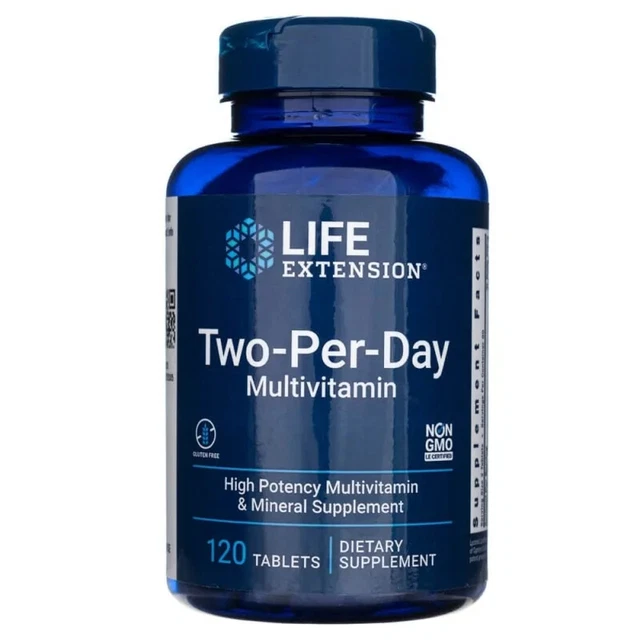
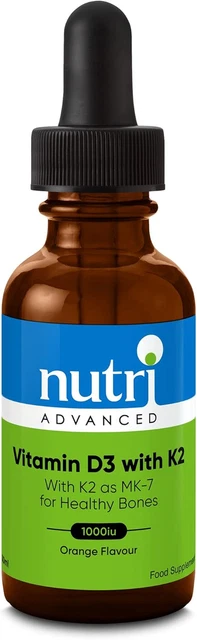
Magnesium
300-400mg (citrate or glycinate)Addresses one of the most common mineral deficiencies. Magnesium citrate offers good absorption at a reasonable price point (~£8-12 for 3-month supply).
Available Forms
| Form | Bioavailability | Notes |
|---|---|---|
| Magnesium Glycinate | high | Chelated form, well-absorbed, least likely to cause GI issues, calming effect |
| Magnesium Citrate | high | Good absorption, mild laxative effect at higher doses |
| Magnesium Oxide | low | ~4% bioavailability, primarily used as laxative, poor supplement choice |
| Magnesium Taurate | high | Combined with taurine, studied for cardiovascular and sleep support |
| Magnesium L-Threonate | high | Crosses blood-brain barrier, studied for cognitive function |



Creatine
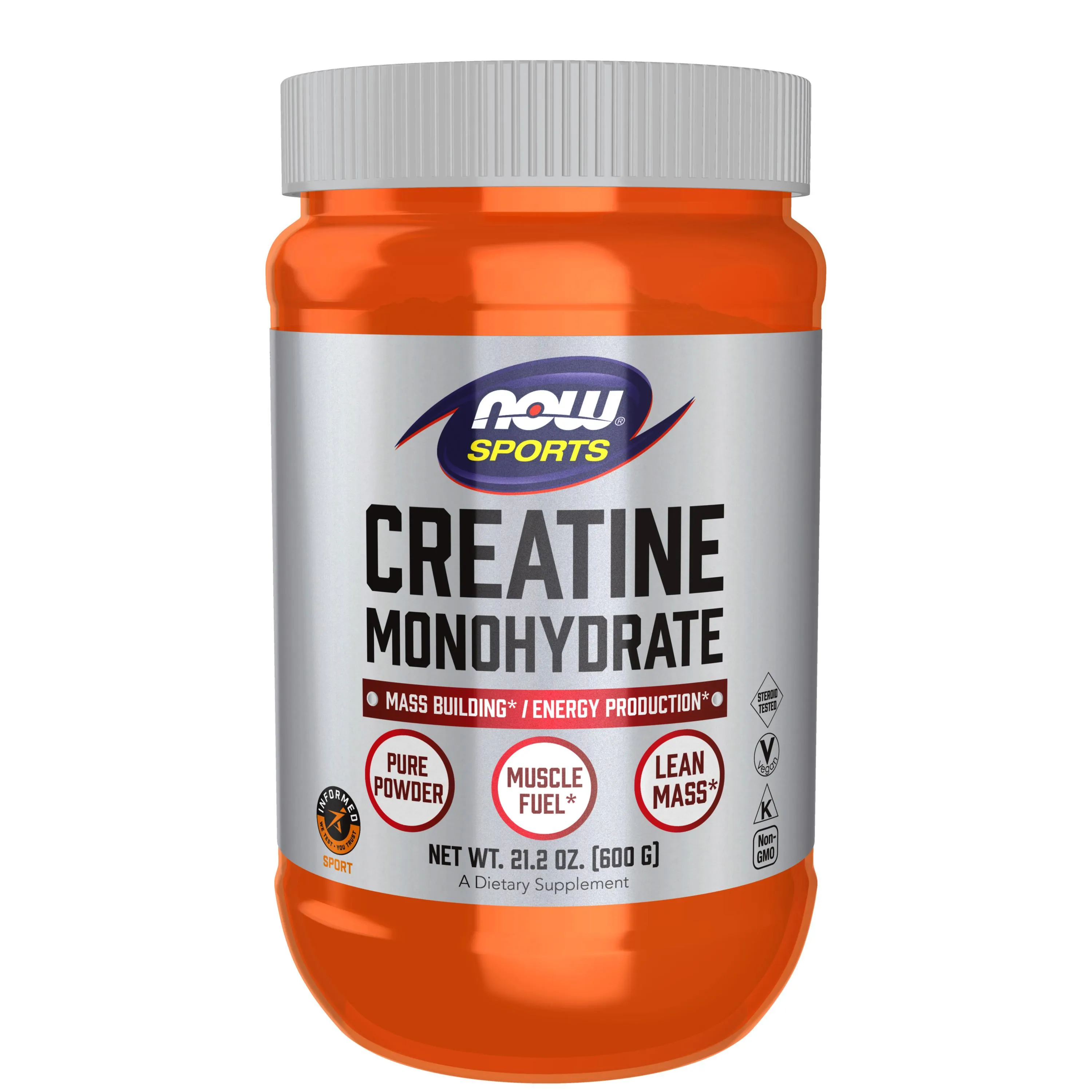
3-5g (monohydrate)The most studied sports supplement, effective for all ages — not just athletes. Bulk creatine monohydrate costs ~£15-20 for a 6-month supply, making it exceptional value.
Available Forms
| Form | Bioavailability | Notes |
|---|---|---|
| Creatine Monohydrate | high | Gold standard, most studied form, cheapest and most effective |
| Creatine HCl | high | More soluble, smaller doses claimed — but no evidence it outperforms monohydrate |
| Creapure | high | Premium German-manufactured monohydrate, tested for purity |
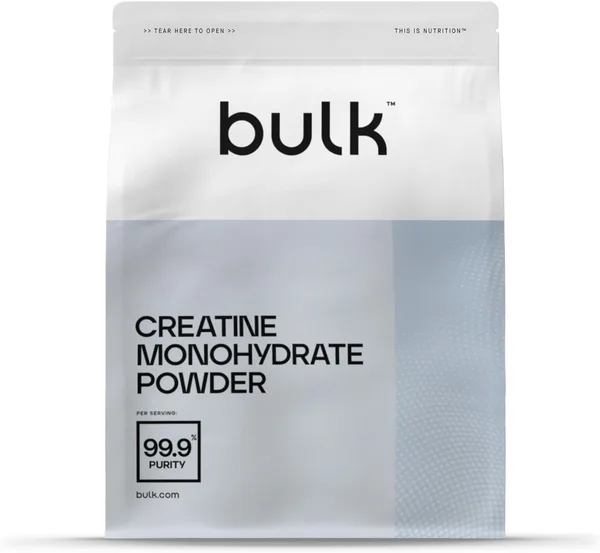
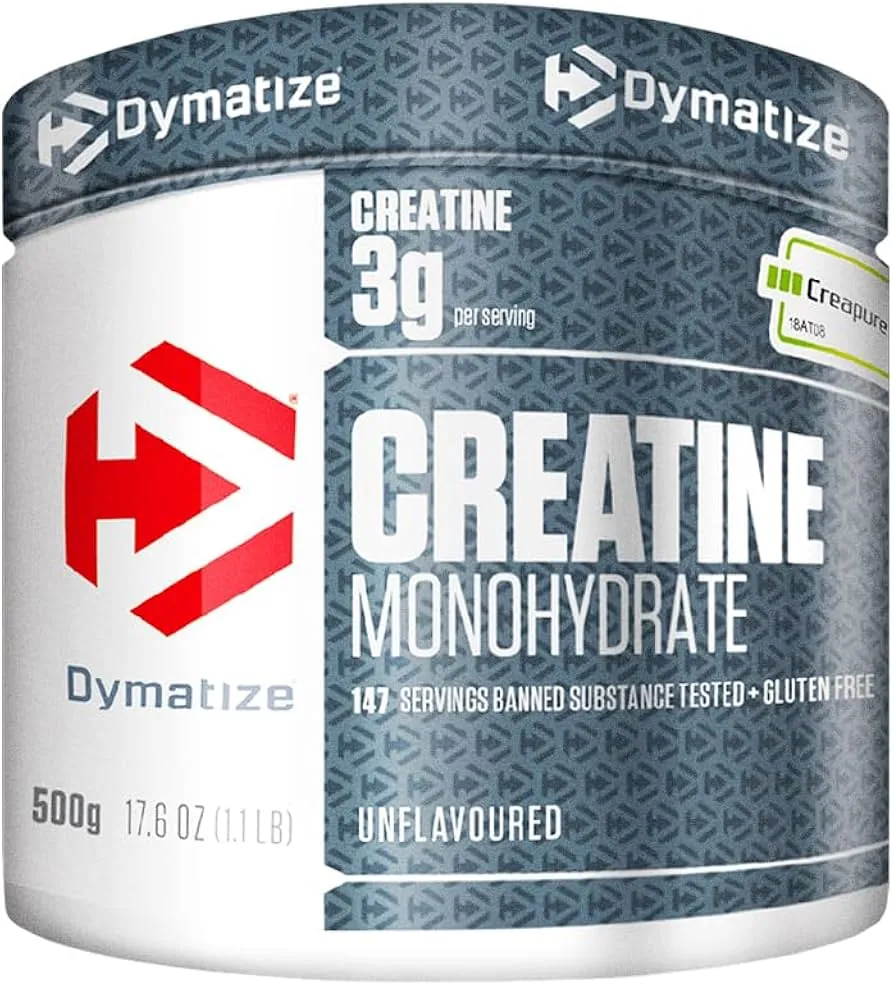
How This Stack Works
Each ingredient in this stack operates through distinct but complementary mechanisms, and the three together may offer synergistic value.
Vitamin D3 functions as a prohormone, with receptors found in virtually every tissue in the body. The SACN 2016 review concluded that vitamin D deficiency poses a genuine public health concern in the UK, particularly for those with limited sun exposure. A major meta-analysis by Martineau et al. (2017, BMJ), drawing on 25 randomised controlled trials involving over 11,000 participants, found that daily or weekly vitamin D supplementation reduced the incidence of acute respiratory tract infections, with the strongest effect observed in those who were deficient at baseline. EFSA's tolerable upper intake level for adults is 100 micrograms (4,000 IU) per day, placing typical supplementation doses well within the established safety range.
Magnesium participates in more than 300 enzymatic reactions, including ATP synthesis, muscle contraction, and nerve signal transmission, as detailed by de Baaij et al. (2015, Physiological Reviews). Population data analysed by Gröber et al. (2015, Nutrients) indicate widespread insufficiency across Europe. Critically, magnesium serves as a cofactor for the enzymatic conversion of vitamin D to its biologically active form; Uwitonze and Razzaque (2018, Journal of the American Osteopathic Association) proposed that inadequate magnesium status may limit vitamin D efficacy — a relationship with direct practical relevance to this stack.
Creatine monohydrate is the most rigorously studied sports supplement in existence. The International Society of Sports Nutrition's position stand (Buford et al., 2007, Journal of the International Society of Sports Nutrition) concluded that it is both safe and effective for improving muscular strength and lean mass. Research by Rawson and Volek (2003, Journal of Strength and Conditioning Research) demonstrated significant improvements in resistance exercise performance across multiple populations. Importantly, these benefits are not confined to competitive athletes; studies indicate meaningful gains in older adults, and Rae et al. (2003, Proceedings of the Royal Society B) found improvements in working memory and intelligence measures following creatine supplementation in healthy adults, suggesting broader utility beyond sports performance.
Interaction Analysis
3 known interactions between ingredients in this stack.
Magnesium is a cofactor in Vitamin D metabolism. Research suggests adequate magnesium is necessary for the body to activate and utilise Vitamin D3 effectively.
Action: Ensuring adequate magnesium intake alongside Vitamin D3 supplementation may improve D3 utilisation.
Read full analysis →Emerging research suggests combining creatine and Vitamin D3 may have additive benefits for bone health and muscle function, particularly in older adults.
Action: Both can be taken together. Creatine with a meal, Vitamin D3 with a fat-containing meal.
Read full analysis →Research suggests magnesium may play a role in creatine metabolism and cellular energy production. Both are involved in the ATP energy system.
Action: These can be taken together. Creatine is commonly taken with a meal, and magnesium can be included at the same time.
Read full analysis →Suggested Timing Schedule
Morning
Fat-soluble — better absorbed with a meal containing dietary fat
Evening
Evening preferred — may promote relaxation. Take with food to reduce GI discomfort.
Any Time
Timing does not matter — daily consistency is key. Take with water or carbohydrate-rich meal. No loading phase required at 3-5 g/day.
Alternatives & Variations
Those wishing to build on this foundation might consider omega-3 fatty acids (EPA and DHA), for which EFSA has authorised health claims relating to normal cardiac function at a daily intake of 250 mg EPA+DHA. Vitamin K2 (MK-7 form) is frequently combined with vitamin D3 given their complementary roles in calcium metabolism; Knapen et al. (2013, Osteoporosis International) found that three years of low-dose MK-7 supplementation helped reduce bone loss in healthy postmenopausal women. Vegans and older adults may also benefit from vitamin B12 supplementation, which the NHS identifies as a nutrient of concern due to declining absorption efficiency with age.
Notes & Caveats
These three supplements address the most common nutritional gaps with the strongest evidence base, at a combined cost of approximately £8-12 per month. Quality generic brands are equally effective to premium brands for these ingredients.
Customise This Stack
Load these supplements into our interactive Stack Analyzer to adjust dosages, add or remove ingredients, and get personalised timing.
Customise this stack →Frequently Asked Questions
Research suggests creatine offers benefits beyond athletic performance. Studies indicate that even in less active individuals, creatine supplementation may support muscle preservation and cognitive function. Rae et al. (2003, Proceedings of the Royal Society B) found that oral creatine monohydrate improved performance on working memory and intelligence tests in healthy adults. Research also indicates potential benefits for older adults in countering age-related muscle loss. Individual responses may vary, and those with existing kidney conditions should seek advice from a GP before supplementing.
The NHS recommends 10 micrograms (400 IU) daily as a baseline for adults throughout autumn and winter. The SACN 2016 report identified this as the reference nutrient intake required to maintain serum 25-hydroxyvitamin D at 25 nmol/L in 97.5% of the population. For those with limited sun exposure year-round — including people with darker skin tones or those who are mostly indoors — year-round supplementation is advised. EFSA sets the tolerable upper intake level for adults at 100 micrograms (4,000 IU) per day.
Research suggests that organic forms of magnesium are more bioavailable than inorganic forms such as magnesium oxide. Walker et al. (2003, Magnesium Research) found magnesium citrate to be significantly better absorbed than oxide in a randomised, double-blind trial. Magnesium glycinate is often preferred by those who experience gastrointestinal sensitivity, as it tends to have a gentler effect on the bowel. For general supplementation purposes, citrate represents a practical balance of bioavailability, tolerability, and cost.