Important: This page is for informational purposes only, based on published peer-reviewed research and official UK dietary guidelines (NHS, EFSA, SACN). It does not constitute medical advice. Always consult your GP or pharmacist before starting, stopping, or combining supplements.
Supplements Studied for Energy & Vitality
Ingredients with evidence for reducing fatigue and supporting energy metabolism
Why This Stack?
Fatigue is one of the most commonly reported health complaints in primary care, and nutritional deficiencies account for a meaningful proportion of cases. This stack brings together three ingredients — vitamin B12, iron, and CoQ10 — that research has linked to distinct but complementary aspects of energy metabolism, spanning red blood cell production, oxygen transport, and mitochondrial ATP synthesis. Vitamin B12 deficiency is a well-established cause of fatigue, particularly among vegetarians, vegans, and adults over 50, as documented in NICE clinical knowledge summaries on B12 deficiency. Iron is identified by the NHS as the most common nutritional deficiency in the UK, with oxygen-carrying capacity directly dependent on adequate iron stores. CoQ10 operates at the cellular level within the mitochondrial respiratory chain; a 2018 systematic review by Mehrabani et al. (Nutrition) reported significant reductions in fatigue scores following CoQ10 supplementation across several clinical populations. These supplements address specific nutritional and biochemical factors that may contribute to fatigue — they are not a substitute for medical evaluation. Persistent or debilitating fatigue warrants assessment by a GP to exclude thyroid dysfunction, anaemia, sleep disorders, or other underlying causes. Individual responses may vary considerably depending on baseline nutritional status and the root cause of fatigue.
What’s in This Stack
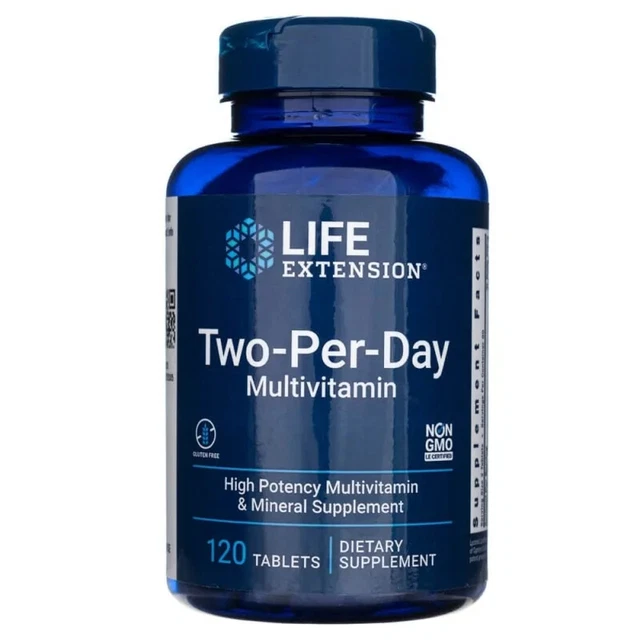
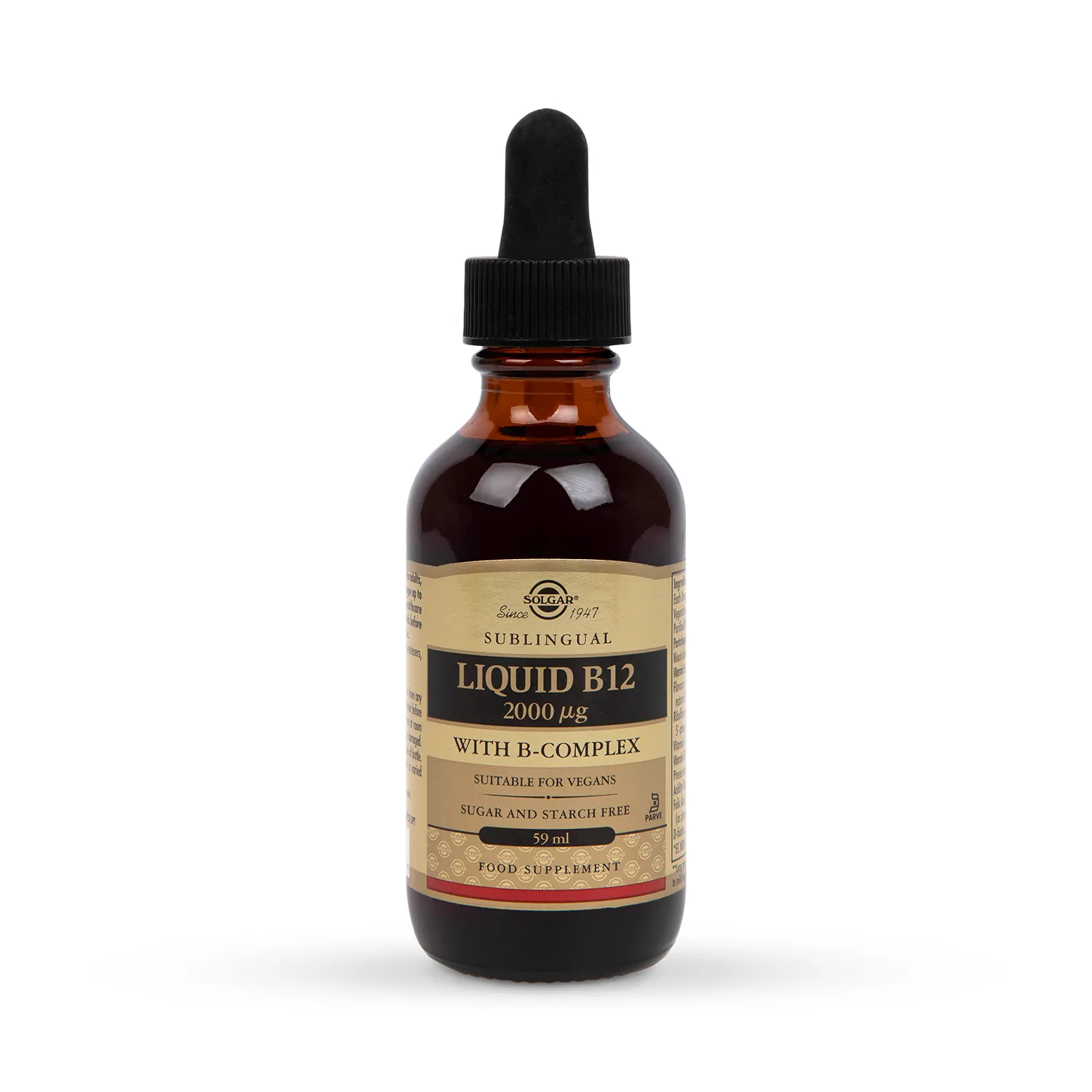
Vitamin B12
1,000 mcg (methylcobalamin)B12 is essential for red blood cell formation and energy metabolism. Deficiency — common in vegetarians and over-50s — is a well-documented cause of fatigue (NICE guidelines).
Available Forms
| Form | Bioavailability | Notes |
|---|---|---|
| Methylcobalamin | high | Active/coenzyme form, no conversion needed, preferred by practitioners |
| Cyanocobalamin | moderate | Synthetic, requires conversion, but most studied and shelf-stable |
| Hydroxocobalamin | high | Used in injections, longer retention in body |
Iron
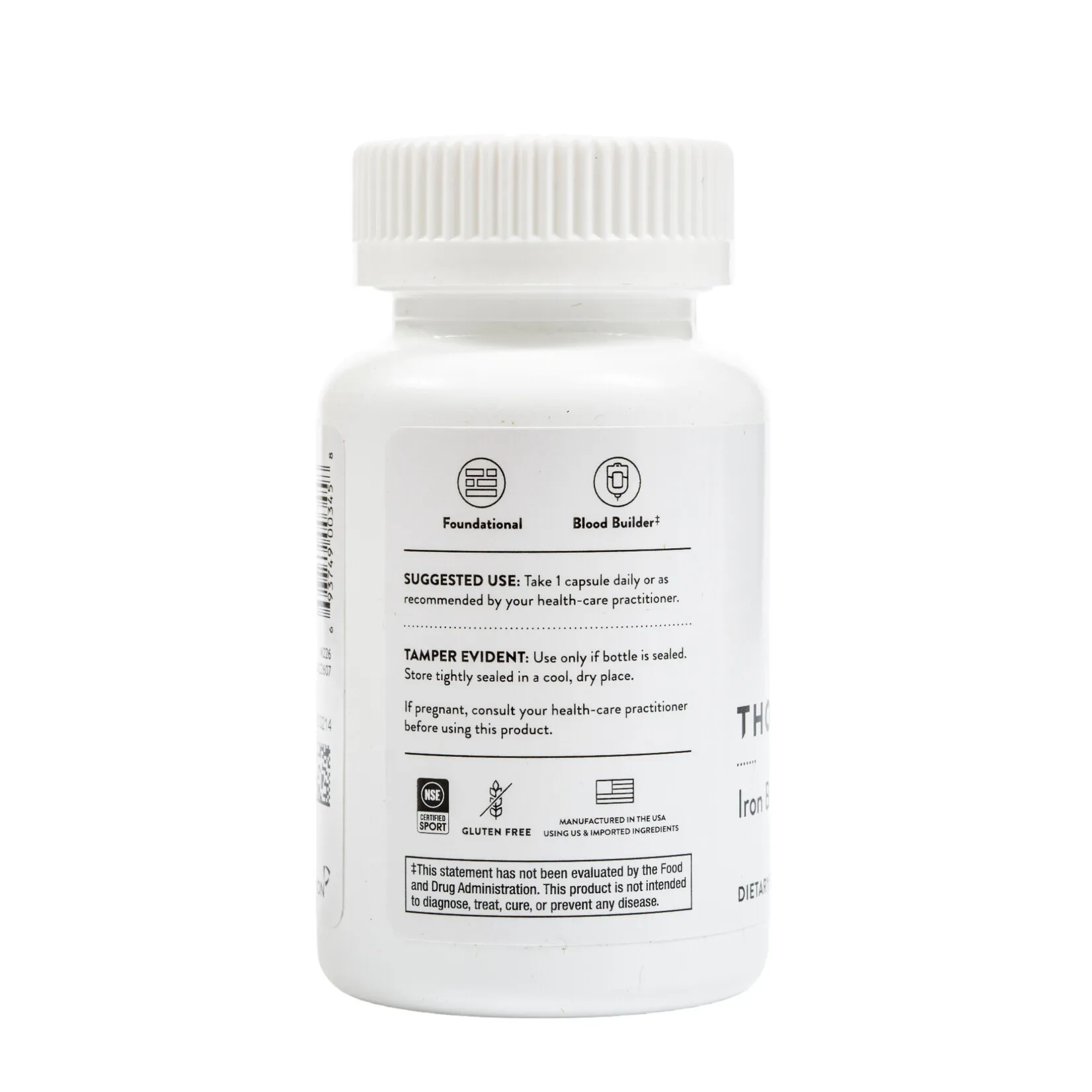
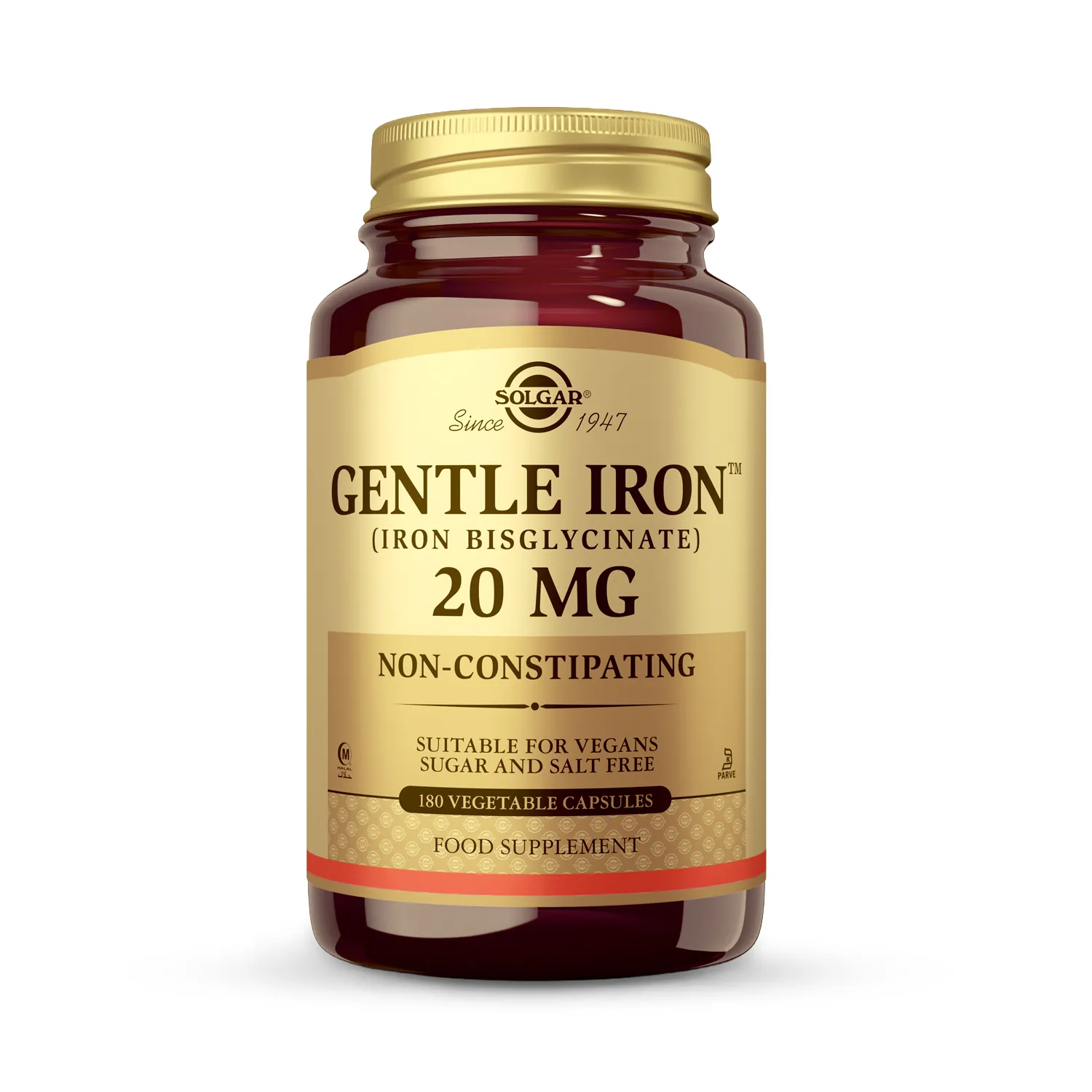
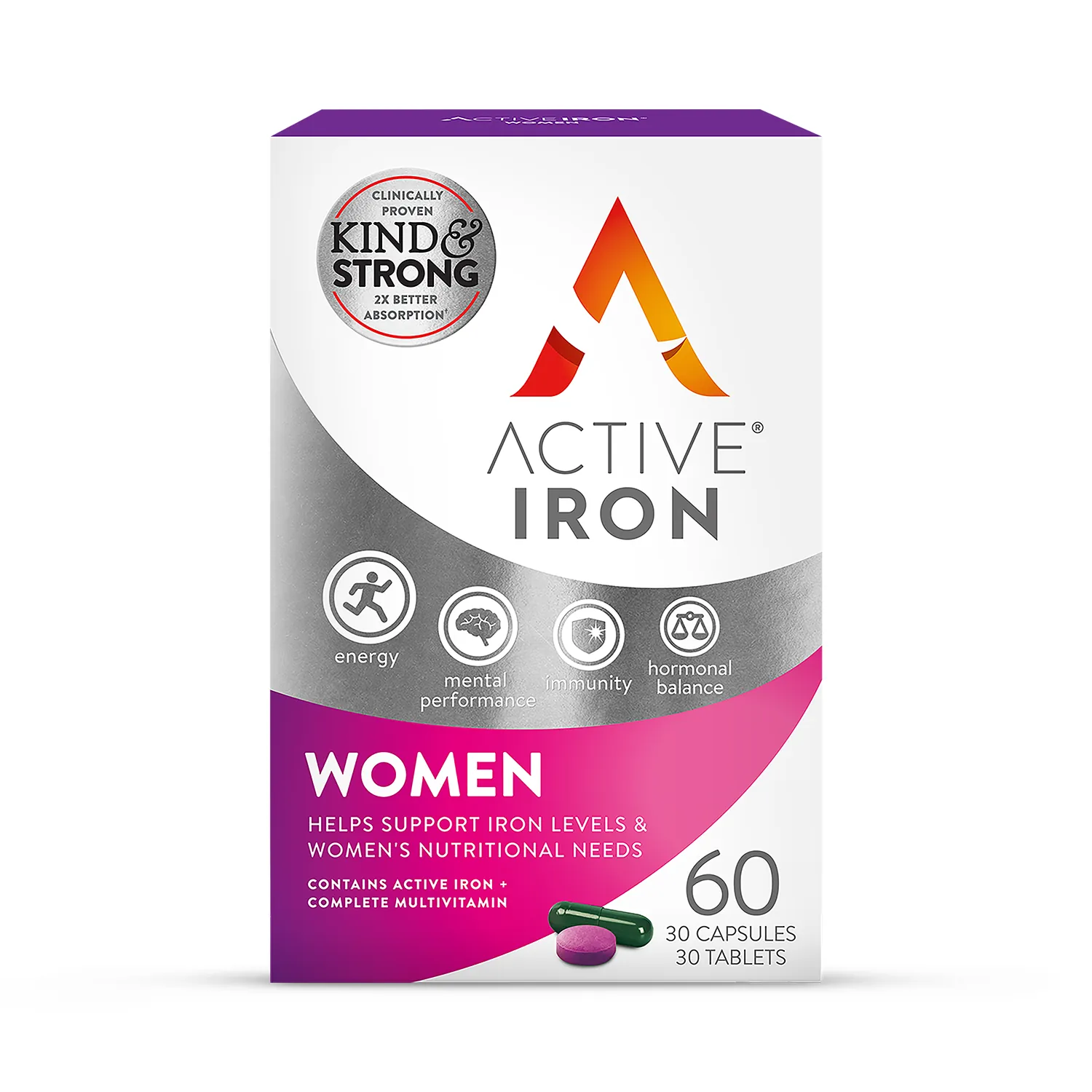
14mg (bisglycinate)Iron deficiency is the most common nutritional deficiency worldwide. The NHS recommends iron supplementation when levels are low, as it is essential for oxygen transport.
Available Forms
| Form | Bioavailability | Notes |
|---|---|---|
| Iron Bisglycinate | high | Chelated, well-absorbed, gentlest on stomach |
| Ferrous Fumarate | moderate | Common prescription form, effective but more GI side effects |
| Ferrous Sulfate | moderate | Most prescribed, cheapest, most GI side effects |
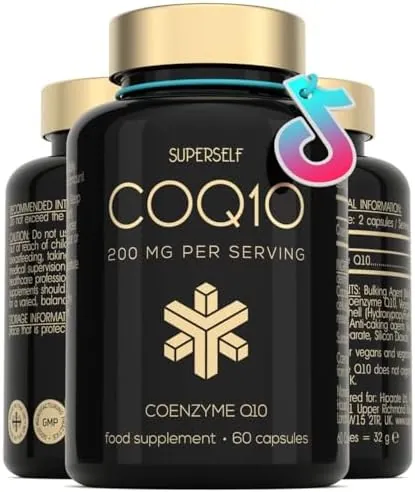
CoQ10
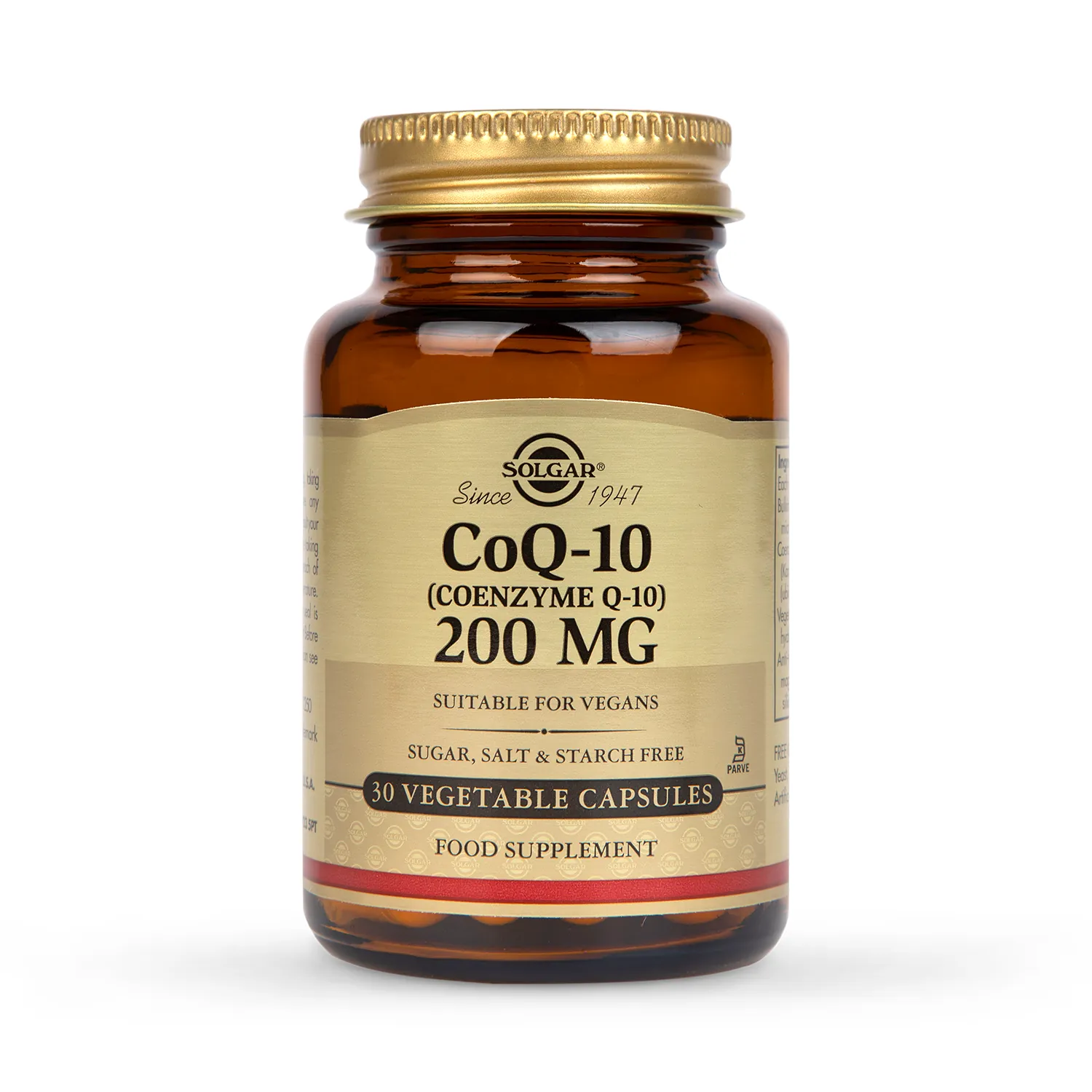
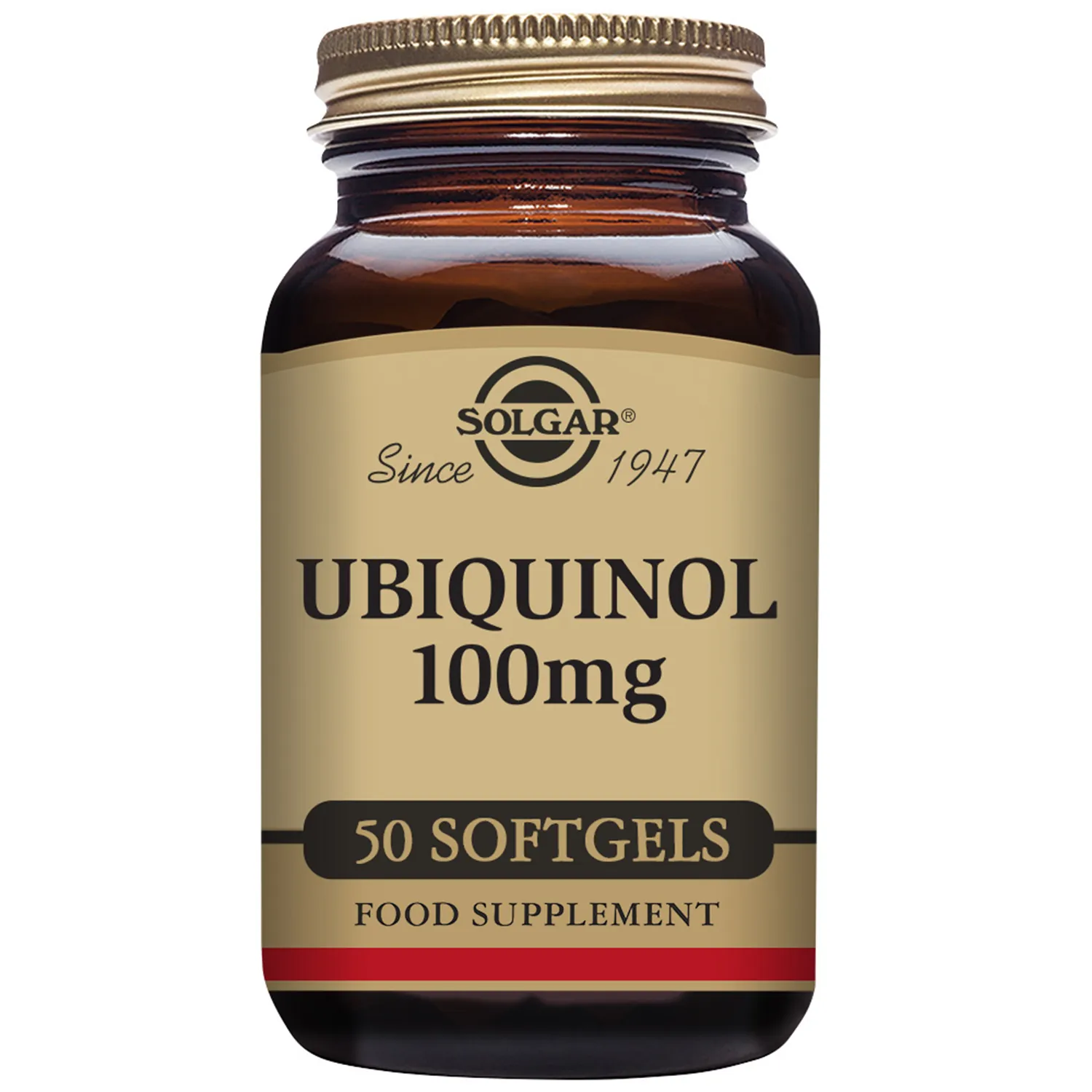
100-200mgCoQ10 plays a central role in mitochondrial energy production. A 2018 meta-analysis found supplementation reduced fatigue in various clinical populations (Mehrabani et al., Nutrition).
Available Forms
| Form | Bioavailability | Notes |
|---|---|---|
| Ubiquinone | moderate | Oxidised form, body must convert to ubiquinol, cheaper |
| Ubiquinol | high | Reduced/active form, better absorbed — especially for over-40s whose conversion declines |
How This Stack Works
The three ingredients in this stack operate through distinct but interconnected mechanisms that together support energy production at both systemic and cellular levels.
Vitamin B12, supplied here as methylcobalamin — the neurologically active coenzyme form — is essential for erythropoiesis (red blood cell formation), myelin maintenance, and one-carbon metabolism. Without adequate B12, red blood cell maturation is impaired, reducing the blood's oxygen-carrying capacity and contributing directly to fatigue. EFSA has authorised a health claim that vitamin B12 contributes to normal energy-yielding metabolism and to the reduction of tiredness and fatigue. NICE clinical guidelines note that B12 deficiency is particularly prevalent in those following plant-based diets and in individuals over 50, where gastric atrophy impairs intrinsic factor production and therefore B12 absorption.
Iron, provided here as bisglycinate — a chelated form that clinical evidence suggests is better tolerated than conventional iron salts such as ferrous sulphate, with comparable or superior absorption — is the central mineral in haemoglobin. Without sufficient iron, haemoglobin synthesis is compromised, directly limiting oxygen delivery to muscles and organs. EFSA similarly authorises an approved health claim for iron contributing to the reduction of tiredness and fatigue. A double-blind, placebo-controlled randomised trial by Verdon et al. (2003, BMJ) found that iron supplementation significantly improved fatigue scores in non-anaemic women with low ferritin, suggesting benefit may extend beyond cases of overt anaemia.
CoQ10 functions as a lipid-soluble electron carrier within the mitochondrial inner membrane, shuttling electrons between complexes I/II and complex III of the respiratory chain, and is therefore directly integral to ATP synthesis. The 2018 systematic review and meta-analysis by Mehrabani et al. (Nutrition) pooled data from multiple randomised trials and identified statistically significant fatigue reductions, with effects noted across populations including chronic fatigue syndrome, fibromyalgia, and statin-associated myopathy.
Taken together, B12 and iron address the oxygen-delivery dimension of energy metabolism, whilst CoQ10 optimises the efficiency of cellular energy generation once oxygen reaches the mitochondria — representing a multi-level, evidence-informed approach to nutritional fatigue support.
Interaction Analysis
1 known interaction between ingredients in this stack.
Both iron and Vitamin B12 are essential for red blood cell production. Deficiency in either can cause anaemia, and research suggests addressing both simultaneously when levels are low.
Action: If blood tests indicate both iron and B12 are low, supplementing both may be more effective than addressing one alone. They can generally be taken at the same time.
Read full analysis →Suggested Timing Schedule
Morning
Water-soluble — morning preferred as it may support energy levels
Best absorbed on an empty stomach with Vitamin C. Avoid with tea, coffee, calcium, or zinc within 2 hours.
Fat-soluble — take with a meal containing fat. Morning preferred as it supports cellular energy production. Statin users should especially consider supplementation.
Evening
None in this stack
Any Time
None in this stack
What to Avoid with This Stack
- • Iron is not recommended for men or postmenopausal women unless deficiency is confirmed by blood test
Alternatives & Variations
Magnesium glycinate is a well-evidenced complementary ingredient; EFSA authorises a health claim that magnesium contributes to normal energy-yielding metabolism and the reduction of tiredness and fatigue — and magnesium deficiency is common in the UK population. Riboflavin (B2) and nicotinamide (B3) carry identical EFSA-approved claims and support the same metabolic pathways. For fatigue associated with sustained psychological stress, Rhodiola rosea has been studied as an adaptogen; a 2012 systematic review by Ishaque et al. (BMC Complementary Medicine) reported improvements in fatigue and stress-related exhaustion. Vitamin D deficiency — highly prevalent in the UK, particularly from October to March — is also independently associated with fatigue, as noted in SACN's 2016 vitamin D position statement.
Notes & Caveats
Fatigue has many potential causes. These supplements address specific nutritional factors. If fatigue persists, consult a GP to rule out underlying conditions.
Customise This Stack
Load these supplements into our interactive Stack Analyzer to adjust dosages, add or remove ingredients, and get personalised timing.
Customise this stack →Frequently Asked Questions
Timescales vary significantly by ingredient and individual baseline nutritional status. Iron stores (measured as serum ferritin) typically require 8–12 weeks of supplementation to meaningfully replenish, per NHS guidance on iron deficiency management. B12 deficiency symptoms may begin to improve within several weeks, though neurological effects can take longer to resolve. CoQ10 trials generally run 8–12 weeks before measuring outcomes. Individual responses may vary considerably.
Research and NICE clinical knowledge summaries identify vegetarians, vegans, adults over 50, and those taking long-term metformin or proton pump inhibitors as being at elevated risk of B12 deficiency. In these groups, supplementation with methylcobalamin is particularly well-supported by evidence. For individuals without identifiable risk factors and with adequate dietary intake from meat, fish, eggs, and dairy, additional B12 supplementation is unlikely to provide measurable benefit above baseline.
These three ingredients have no documented clinically significant interactions with each other. However, iron absorption can be reduced by concurrent intake of calcium-rich foods or supplements, so separating doses is advisable. Iron supplementation is not recommended for men or postmenopausal women without deficiency confirmed by blood test, due to risks associated with excess iron accumulation. Those taking prescribed medication — particularly statins, anticoagulants, or thyroid medication — should consult a GP or pharmacist before starting.