Important: This page is for informational purposes only, based on published peer-reviewed research and official UK dietary guidelines (NHS, EFSA, SACN). It does not constitute medical advice. Always consult your GP or pharmacist before starting, stopping, or combining supplements.
Supplements Studied for Cognitive Function
Ingredients researched for focus, memory, and mental clarity
Why This Stack?
The cognitive function stack combines three ingredients — Lion's Mane mushroom (Hericium erinaceus), omega-3 fatty acids, and L-theanine — each supported by a distinct body of peer-reviewed research relating to neurological health and cognitive performance. Rather than targeting a single mechanism, this combination addresses multiple aspects of brain function: structural integrity, neurotrophin signalling, and attentional state. Docosahexaenoic acid (DHA), a long-chain omega-3 fatty acid, is a principal structural component of neuronal cell membranes and synaptic terminals. The European Food Safety Authority has approved the claim that DHA contributes to the maintenance of normal brain function (Regulation EC 1924/2006). Lion's Mane has been investigated for its content of bioactive compounds — hericenones and erinacines — which research suggests may stimulate the synthesis of nerve growth factor (NGF). A double-blind, placebo-controlled trial in older adults with mild cognitive impairment (Mori et al., 2009, Phytotherapy Research) reported statistically significant improvements in cognitive function scores versus placebo over 16 weeks. L-theanine, an amino acid found naturally in green tea, has been shown in electroencephalography (EEG) studies to increase alpha brain wave activity, associated with a state of alert relaxation (Nobre et al., 2008, Asia Pacific Journal of Clinical Nutrition). This stack is not a substitute for medical care. Individual responses may vary, and consistent use over several weeks is generally necessary before any effects may become apparent.
What’s in This Stack
Lion's Mane
500-1,000mgLion's Mane (Hericium erinaceus) contains hericenones and erinacines that research suggests may stimulate nerve growth factor (NGF) production. A 2009 RCT in older adults found it improved cognitive function scores (Mori et al., Phytother Res).
Available Forms
| Form | Bioavailability | Notes |
|---|---|---|
| Fruiting Body Extract | high | Contains hericenones, the NGF-stimulating compounds from the mushroom body |
| Mycelium on Grain | low | Grown on rice/oats, contains less active compounds and more starch filler |
| Dual Extract (hot water + alcohol) | high | Extracts both water-soluble beta-glucans and alcohol-soluble terpenes |
Top Products
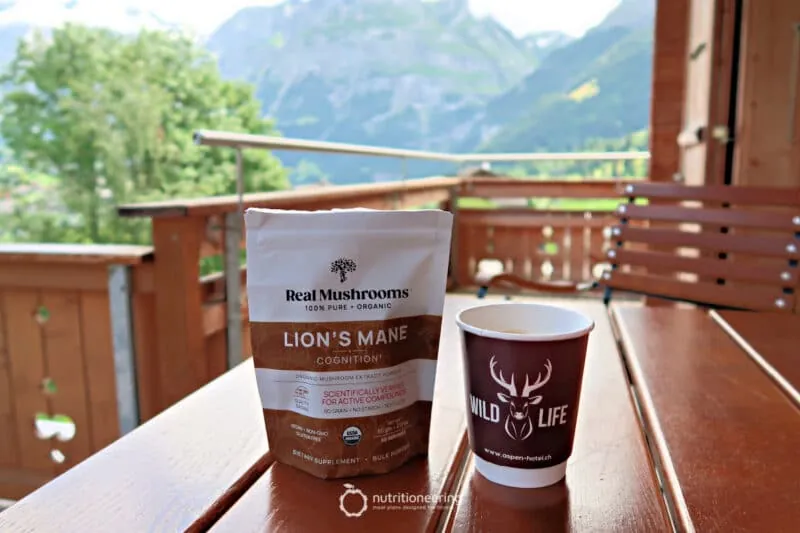
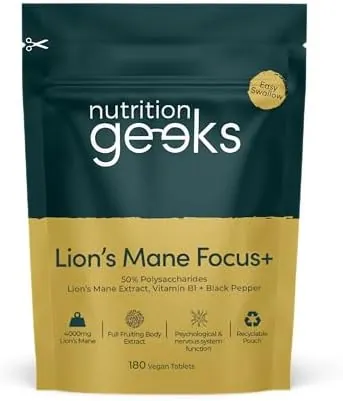
Lions Mane Supplement 4000mg with Vitamin B1 & Black Pepper, 180 Vegan Tablets - Lion's Mane Mushroom 15:1 Extract (Not Lions Mane Powder or Capsules), UK Made for Mental Performance & Nervous System
Omega-3
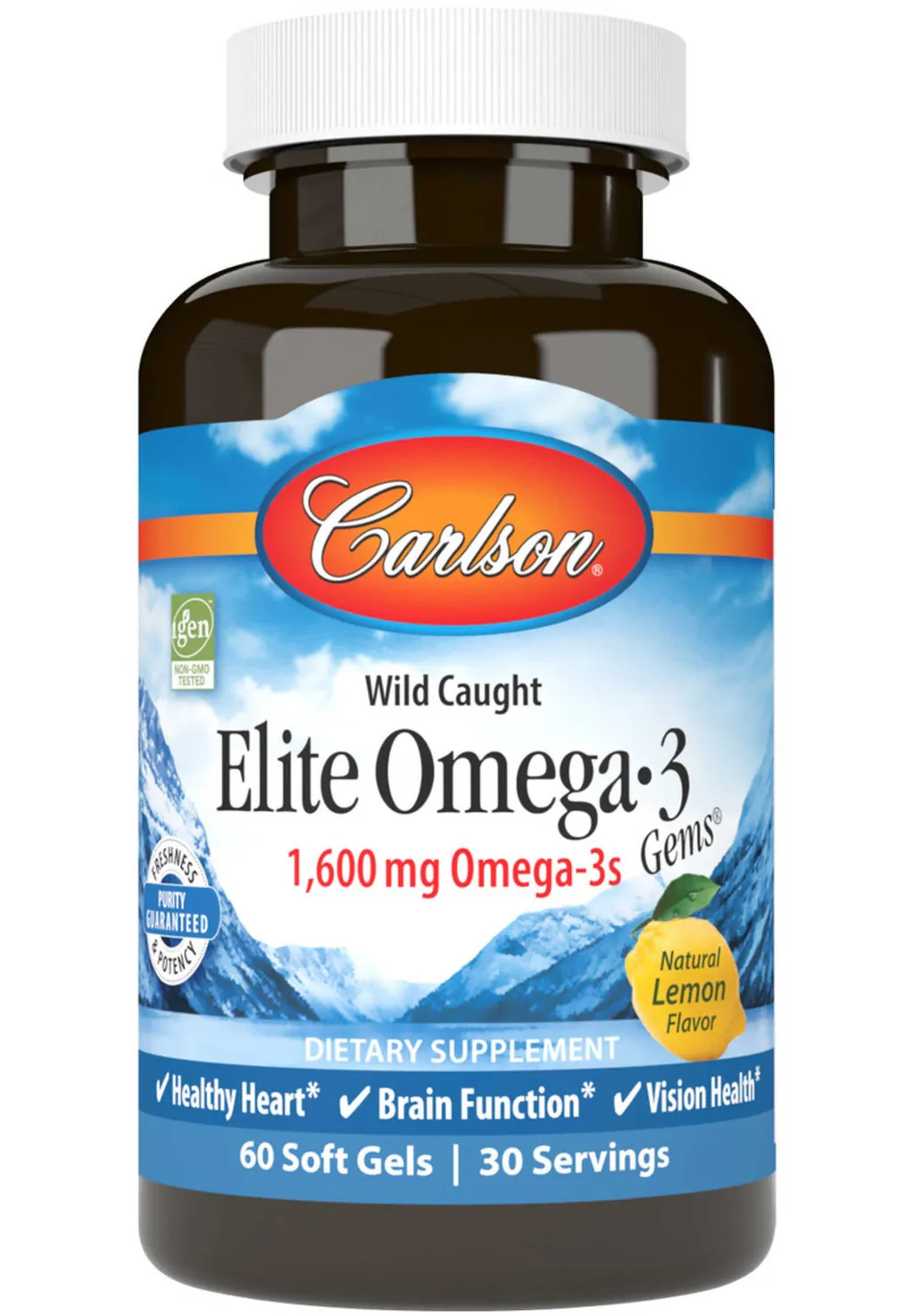
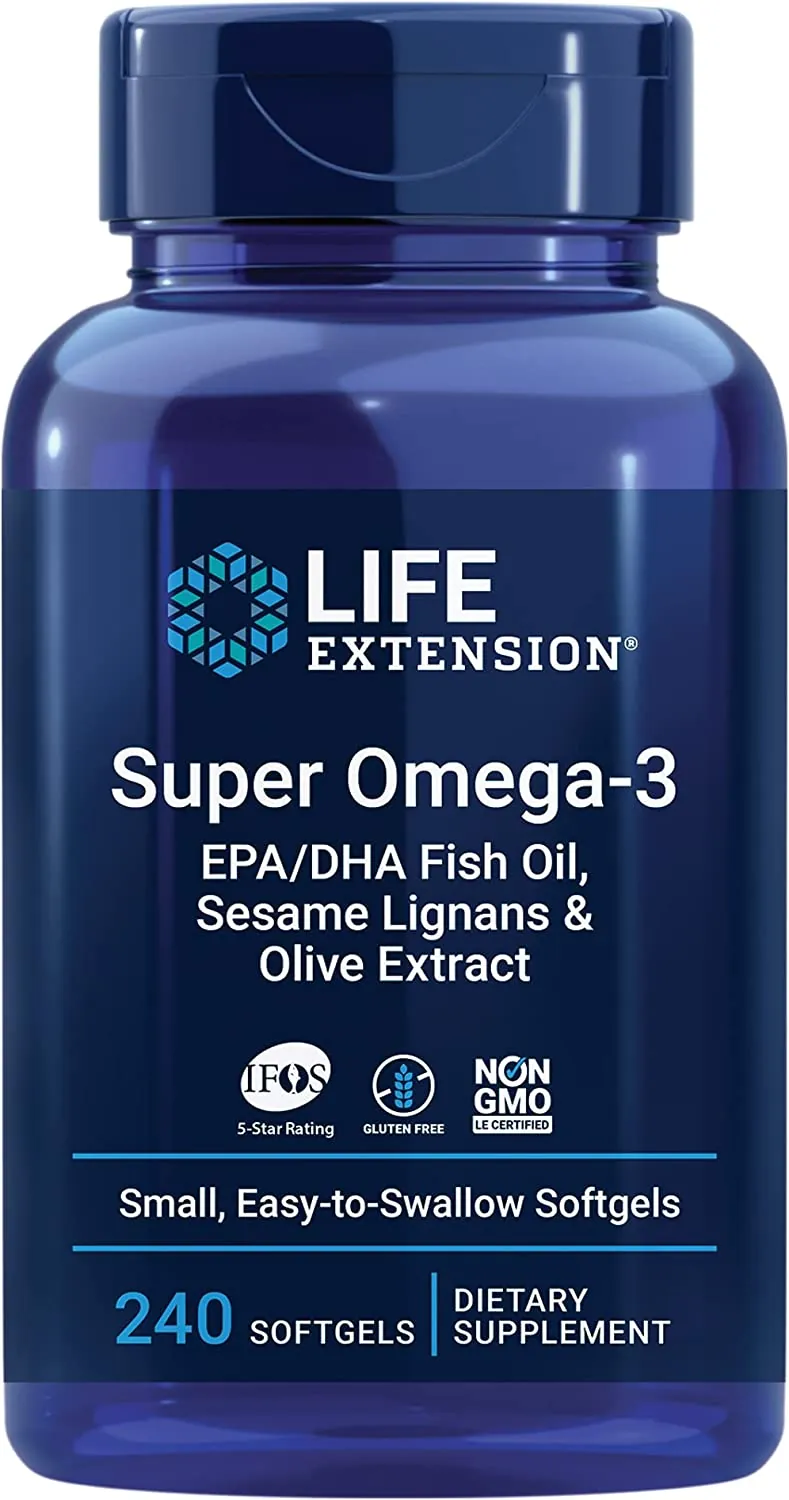
1,000-2,000mg EPA+DHADHA is a major structural component of brain tissue. Observational studies consistently link higher omega-3 intake with better cognitive outcomes. Intervention studies show mixed but generally positive results (Yurko-Mauro et al., 2010, Alzheimers Dement).
Available Forms
| Form | Bioavailability | Notes |
|---|---|---|
| Triglyceride (rTG) Fish Oil | high | Re-esterified triglyceride, best absorbed form, premium |
| Ethyl Ester (EE) Fish Oil | moderate | Most common, requires more processing by the body, cheaper |
| Algae Oil (DHA-rich) | high | Vegan source, primarily DHA, sustainable |
| Krill Oil | high | Phospholipid-bound, contains astaxanthin, well-absorbed but lower EPA+DHA per capsule |
L-Theanine
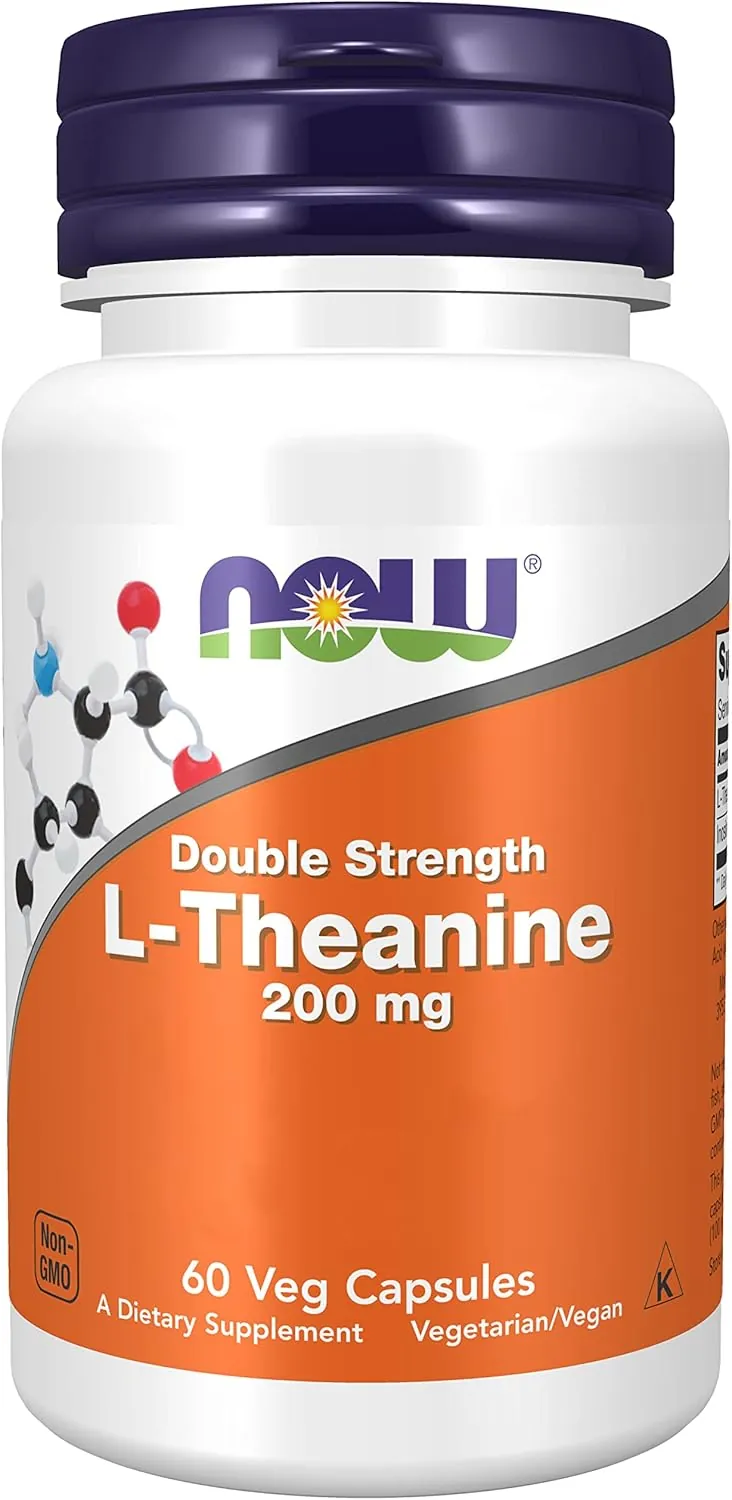
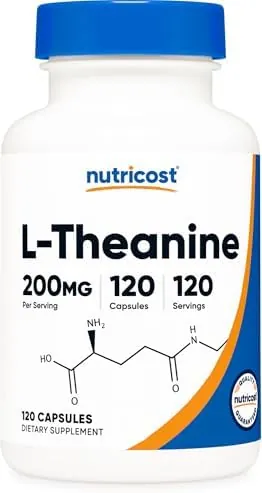
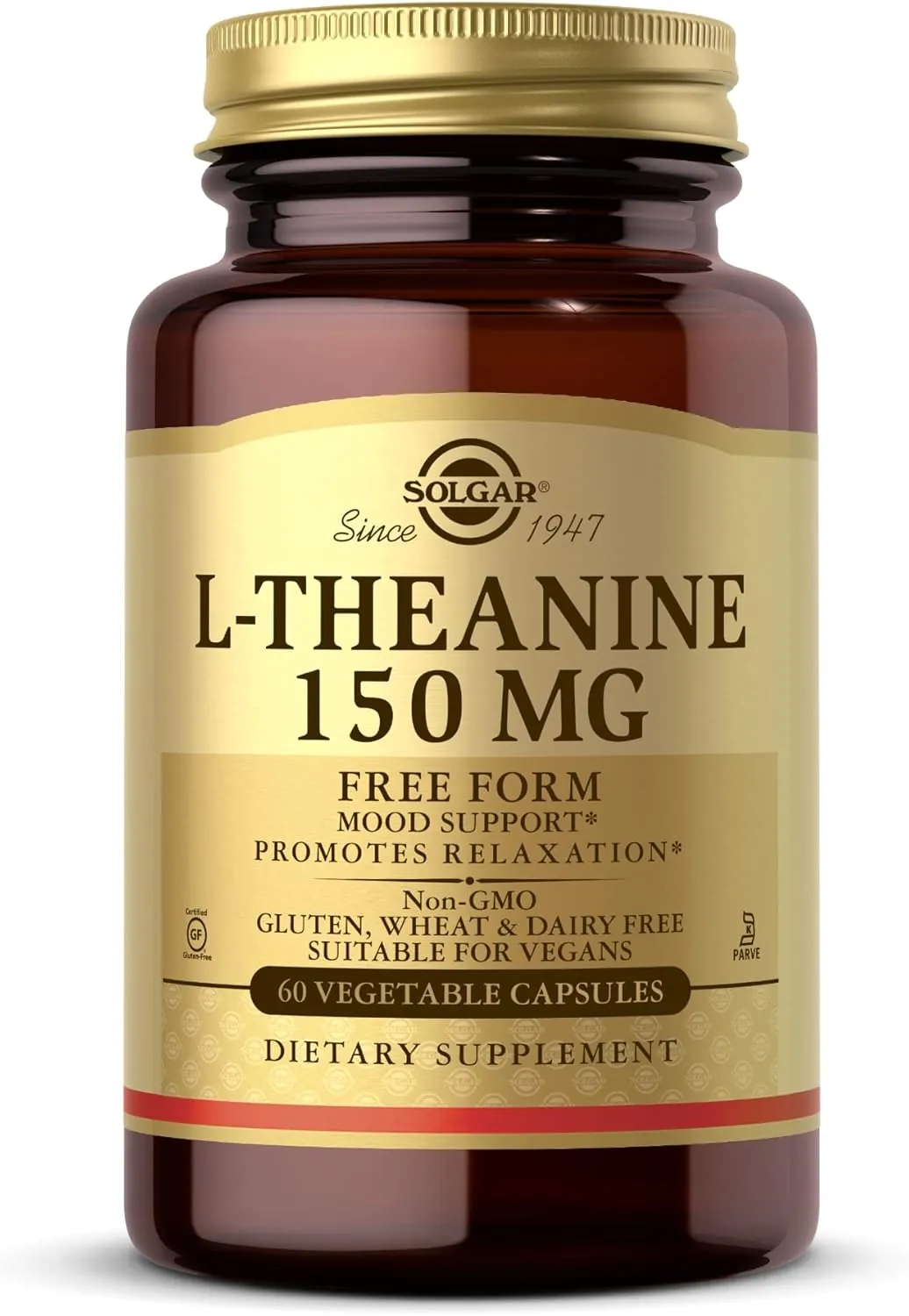
200mgResearch suggests L-theanine promotes alert relaxation by increasing alpha brain waves. A 2011 study found it improved attention and reaction time, particularly in combination with caffeine (Owen et al., Nutr Neurosci).
Available Forms
| Form | Bioavailability | Notes |
|---|---|---|
| L-Theanine | high | Standard form, well-absorbed |
| Suntheanine | high | Patented pure L-isomer form, used in most clinical trials |
How This Stack Works
The three ingredients in this stack address distinct but potentially complementary aspects of cognitive function, making the combination theoretically sound from a mechanistic standpoint.
Omega-3 fatty acids, particularly DHA, provide the structural foundation. DHA is incorporated into neuronal phospholipid bilayers, where it influences membrane fluidity, receptor function, and synaptic transmission. Epidemiological data consistently associate higher fish and omega-3 consumption with better cognitive outcomes in older populations (Morris et al., 2005, Archives of Neurology). The MIDAS trial (Yurko-Mauro et al., 2010, Alzheimer's & Dementia) found that 900mg daily of algal DHA over 24 weeks significantly improved learning and memory in healthy older adults with age-related cognitive decline compared with placebo.
Lion's Mane operates via a distinct neurotrophin pathway. Erinacines found in the mushroom's mycelium are thought to cross the blood–brain barrier and stimulate NGF synthesis — a protein critical for the growth, maintenance, and survival of neurons. The Mori et al. (2009, Phytotherapy Research) RCT, while modest in scale (n=30), demonstrated significant improvements in cognitive function in adults aged 50–80 with mild cognitive impairment, with no significant adverse events reported. Larger replication studies in broader populations remain warranted.
L-theanine complements the combination by targeting attentional state rather than structural or trophic mechanisms. Research by Gomez-Ramirez et al. (2009, Brain Topography) demonstrated that L-theanine administration increased alpha-band oscillatory brain activity — indicative of a relaxed yet attentive mental state — during a visuo-spatial attention task in healthy adults. A combination of L-theanine with caffeine has been shown to produce additive improvements in sustained attention and reaction time (Haskell et al., 2008, Biological Psychology), though caffeine is not included in this particular stack.
Taken together, the combination may offer structural (DHA), regenerative (Lion's Mane), and functional (L-theanine) support across different timescales — DHA and Lion's Mane likely requiring weeks of consistent use, while L-theanine may produce more acute, within-session effects. Individual responses may vary significantly.
Interaction Analysis
1 known interaction between ingredients in this stack.
Research suggests L-theanine and Lion's Mane may have complementary cognitive benefits. L-theanine promotes calm focus while Lion's Mane supports nerve growth factor production.
Action: This combination is popular in nootropic stacks. Both can be taken in the morning for cognitive support.
Read full analysis →Suggested Timing Schedule
Morning
Morning or early afternoon preferred — may support focus and cognition. Take with food. Look for extracts standardised to hericenones and erinacines (NGF stimulators).
Evening
None in this stack
Any Time
Take with a meal containing fat for best absorption. Split high doses across meals to reduce fishy burps. Freeze capsules to reduce aftertaste.
Can be taken any time. Often paired with caffeine (2:1 ratio) for focused calm. Evening use supports relaxation.
Alternatives & Variations
Several additional ingredients have been studied as potential complements to this stack. Bacopa monnieri has a substantial human trial base suggesting benefits for memory consolidation and information processing speed (Stough et al., 2001, Psychopharmacology). Citicoline (CDP-choline) provides choline as a precursor to acetylcholine and has been investigated for cognitive support in older adults. Phosphatidylserine has received scientific opinion from EFSA relating to cognitive function, albeit with a conditional wording. Standardised Ginkgo biloba extract (EGb 761) has been studied extensively in cognitive ageing, with mixed results across trials. Any additions should be assessed individually, as responses vary.
Notes & Caveats
Cognitive supplements typically require several weeks of consistent use. Individual responses vary significantly.
Customise This Stack
Load these supplements into our interactive Stack Analyzer to adjust dosages, add or remove ingredients, and get personalised timing.
Customise this stack →Frequently Asked Questions
Clinical trials suggest these ingredients require sustained use rather than producing immediate results. The MIDAS omega-3 trial (Yurko-Mauro et al., 2010) ran for 24 weeks; the Lion's Mane RCT (Mori et al., 2009) ran for 16 weeks. L-theanine may produce more acute effects on attentional state within hours of a single dose, as observed in EEG research. Setting realistic expectations and maintaining consistent daily use is important. Individual responses vary significantly.
No direct pharmacokinetic interactions between Lion's Mane, omega-3 fatty acids, and L-theanine have been identified in published research. However, omega-3 fatty acids have a mild antiplatelet effect at higher doses and warrant discussion with your GP if you take prescribed anticoagulant medication. As with any supplement regimen, consulting a healthcare professional is advisable if you are pregnant, breastfeeding, or managing an existing health condition. These ingredients are regulated as food supplements under UK law, not as medicines.
Most robust RCT evidence for Lion's Mane and omega-3 has been conducted in older populations with mild cognitive decline rather than in healthy younger adults, which limits direct extrapolation. L-theanine's attentional effects have been demonstrated in healthy subjects across several trials. EFSA's approved DHA brain function claim applies to the general adult population. The honest position is that these ingredients are research-supported options, not certainties. Treating them as such reflects the current state of the evidence.