Important: This page is for informational purposes only, based on published peer-reviewed research and official UK dietary guidelines (NHS, EFSA, SACN). It does not constitute medical advice. Always consult your GP or pharmacist before starting, stopping, or combining supplements.
Supplements Studied for Hair Growth
Ingredients researched for supporting hair thickness, reducing shedding, and promoting healthy growth
Why This Stack?
Hair thinning affects a substantial proportion of UK adults. NHS guidance recommends investigating underlying causes — including iron status, thyroid function, and nutritional deficiencies — before attributing hair loss to genetics or ageing alone. This stack combines five ingredients that address different physiological pathways implicated in hair cycle disruption: biotin for keratin infrastructure, zinc for follicle cell division, iron for oxygen delivery to the dermal papilla, saw palmetto for hormonal modulation, and hydrolysed collagen peptides for structural protein supply. The rationale for combining these particular ingredients is mechanistic breadth. Hair follicles are metabolically demanding structures that cycle through anagen (growth), catagen (regression), and telogen (resting) phases. Disruption at any stage — whether from inadequate micronutrient availability, excess dihydrotestosterone signalling, or compromised extracellular matrix turnover — can shift follicles prematurely into telogen, producing the diffuse shedding pattern that dermatologists classify as telogen effluvium. A systematic review by Almohanna et al. (2019, Dermatology and Therapy) examined the role of micronutrients in hair disorders and concluded that deficiencies in iron, zinc, and biotin are among the most commonly identified nutritional factors in patients presenting with hair loss. Their analysis drew on data from multiple observational and interventional studies across diverse populations. Separately, research into 5-alpha reductase inhibition — the mechanism through which saw palmetto operates — has generated clinical trial data in androgenetic alopecia, while collagen peptide supplementation has been studied for its effects on skin and nail keratin structures, with indirect relevance to hair follicle biology. Individual responses to supplementation vary considerably. Hair growth cycles operate over months rather than weeks, and visible changes typically require sustained use of 12 to 24 weeks. This stack is not intended to diagnose or treat any medical condition, and anyone experiencing sudden or patchy hair loss should consult their GP for appropriate investigation.
What’s in This Stack
Biotin
2,500–5,000 mcgBiotin deficiency is a well-documented cause of hair loss. A 2017 review found that all 18 reported cases of biotin supplementation for hair and nail complaints showed clinical improvement (Patel et al., Skin Appendage Disord).
Available Forms
| Form | Bioavailability | Notes |
|---|---|---|
| D-Biotin | high | Standard supplemental form, well-absorbed |


Zinc
15–25mgZinc is essential for hair tissue growth and repair. A 2013 study found serum zinc levels were significantly lower in subjects with hair loss compared to controls (Kil et al., Ann Dermatol).
Available Forms
| Form | Bioavailability | Notes |
|---|---|---|
| Zinc Picolinate | high | Well-absorbed chelated form |
| Zinc Bisglycinate | high | Gentle on stomach, good absorption |
| Zinc Citrate | moderate | Reasonable absorption, affordable |
| Zinc Gluconate | moderate | Common in lozenges, moderate absorption |
| Zinc Oxide | low | Poorly absorbed, cheap, avoid for supplementation |
Iron
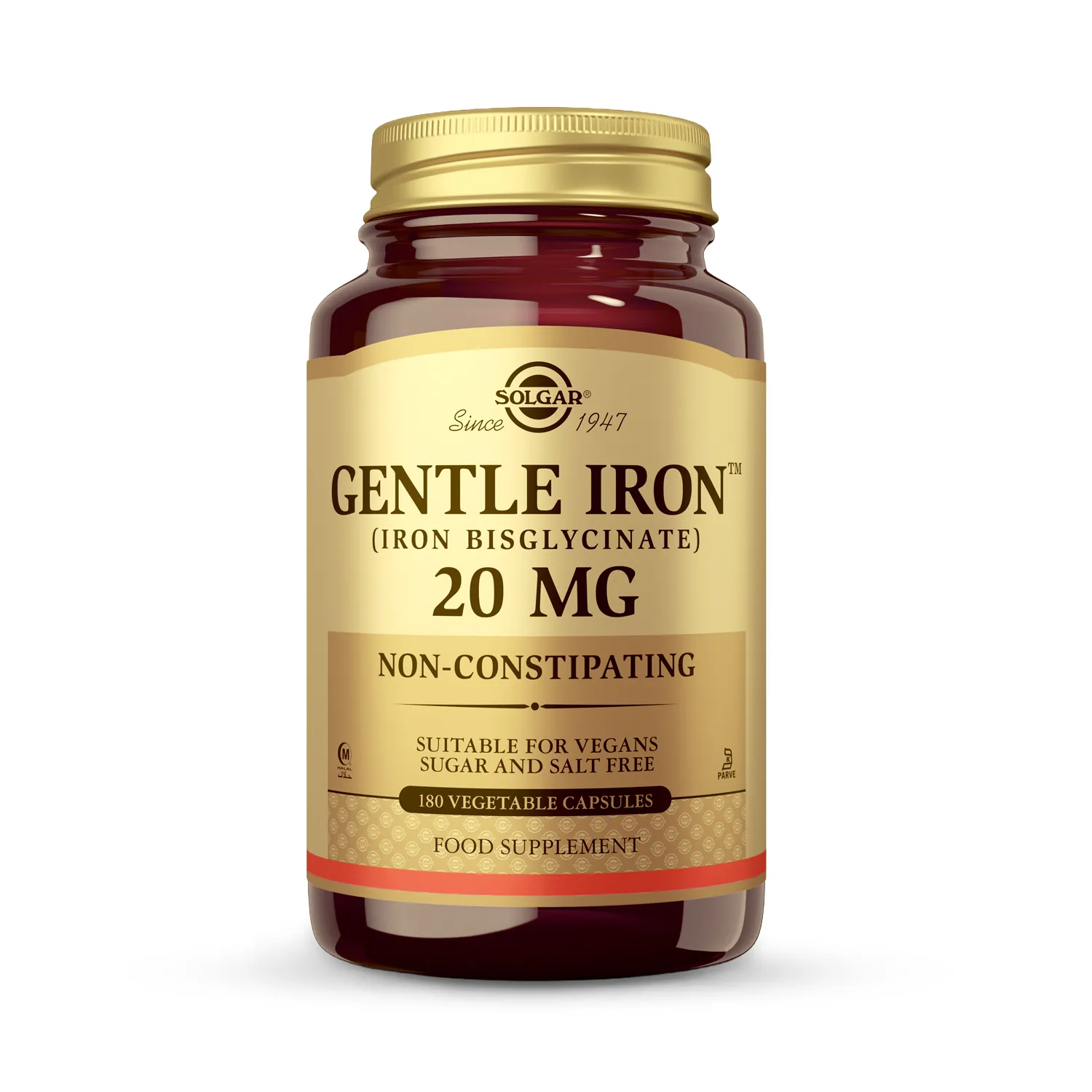
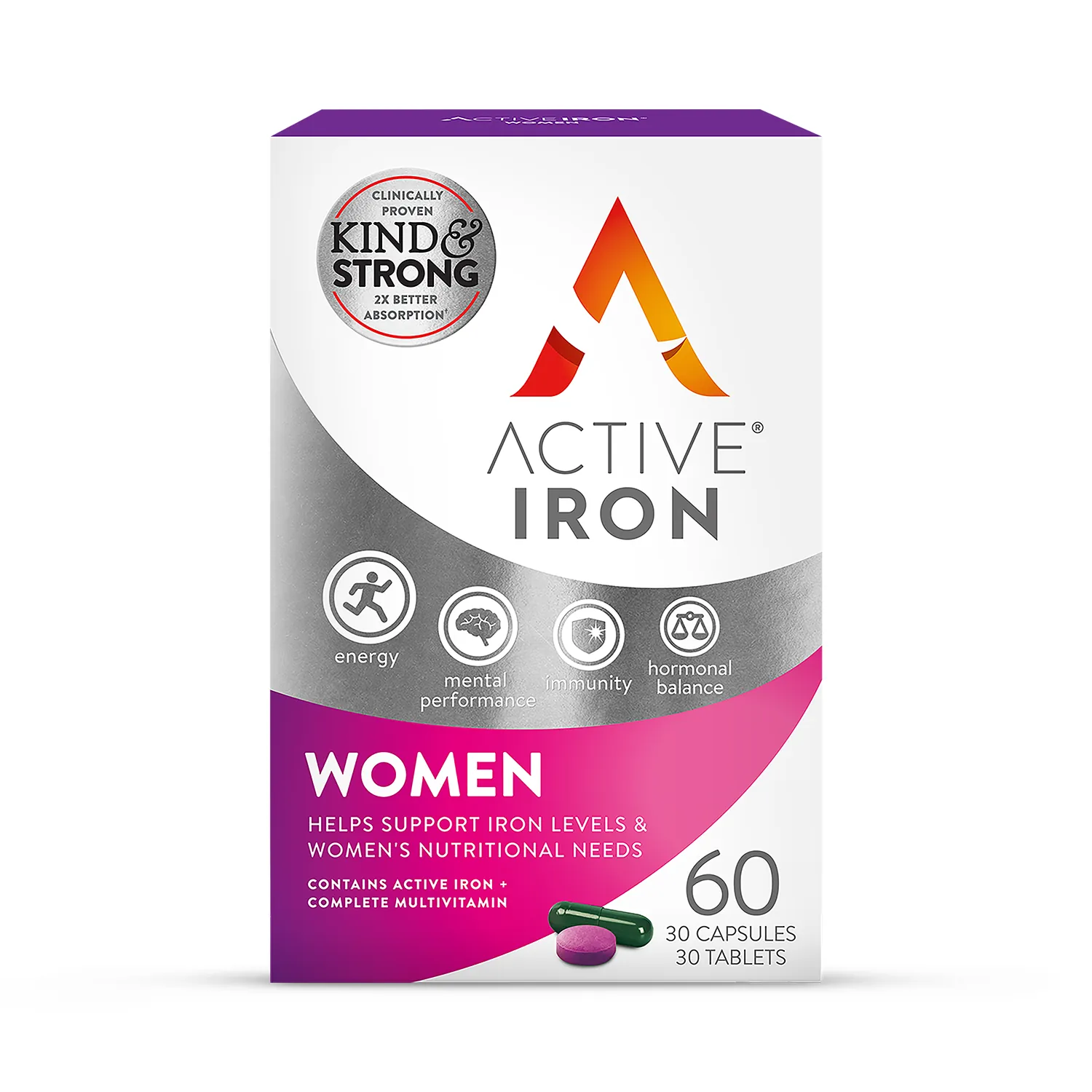
14mg (bisglycinate)Iron deficiency is one of the most common causes of hair shedding, particularly in women. NICE guidelines recommend testing ferritin in patients presenting with hair loss.
Available Forms
| Form | Bioavailability | Notes |
|---|---|---|
| Iron Bisglycinate | high | Chelated, well-absorbed, gentlest on stomach |
| Ferrous Fumarate | moderate | Common prescription form, effective but more GI side effects |
| Ferrous Sulfate | moderate | Most prescribed, cheapest, most GI side effects |
Saw Palmetto
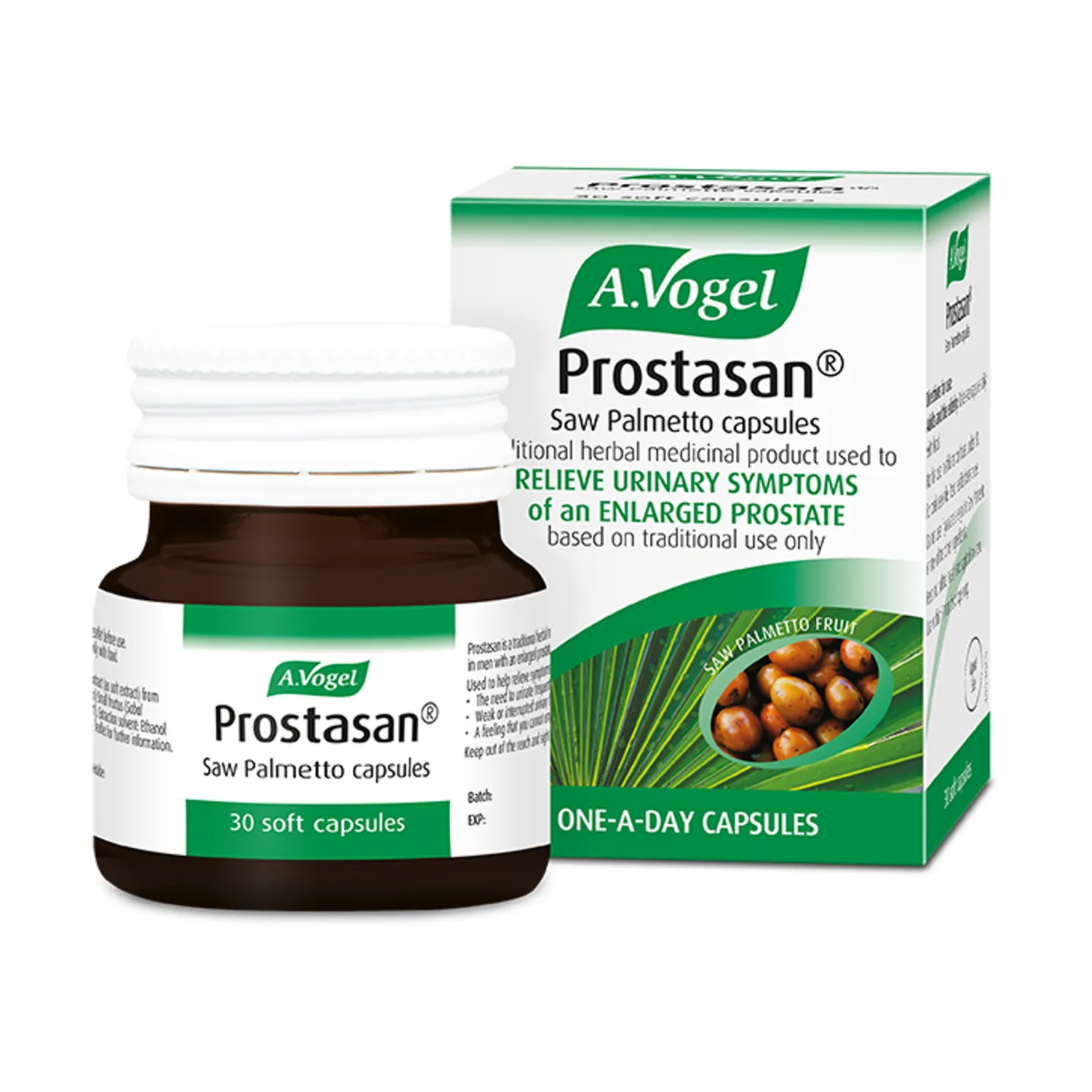
320mgSaw palmetto may inhibit 5-alpha-reductase, the enzyme linked to androgenetic alopecia. A 2020 meta-analysis of 7 RCTs found it improved hair density in 60% of participants (Evron et al., Skin Appendage Disord).
Available Forms
| Form | Bioavailability | Notes |
|---|---|---|
| Liposterolic Extract (85-95% fatty acids) | high | Hexane or CO2 extracted, standardised to fatty acids and sterols — used in clinical trials |
| Dried Berry Powder | low | Unextracted, requires much higher doses, less evidence |
Collagen
5,000–10,000mg (hydrolysed peptides)Collagen provides amino acids used to build keratin, the protein that makes up hair. It also contains proline, which research suggests supports hair follicle health.
Available Forms
| Form | Bioavailability | Notes |
|---|---|---|
| Hydrolysed Collagen Peptides | high | Broken down for absorption, versatile, dissolves in liquids |
| Marine Collagen | high | From fish, primarily Type I, smaller peptides for potentially better absorption |
| Bovine Collagen | high | From cows, Types I and III, well-studied |
| UC-II (Undenatured Type II) | high | Low-dose (40 mg) for joint health via immune modulation, different mechanism |
Top Products

NEOSTRATA RESTORE PHA Hydrating Gel Facial Cleanser; Sensitive Skin Exfoliating Blackhead Remover; Pore Minimizer; Acne Face Wash Makeup Remover with Glycine for Collagen & Polyhydroxy Acid, 6.8 oz

How This Stack Works
Each ingredient in this combination targets a distinct aspect of hair biology, from cellular division at the follicle bulb to hormonal signalling and structural protein synthesis.
Biotin (vitamin B7) functions as a coenzyme for carboxylase enzymes involved in fatty acid synthesis, amino acid metabolism, and gluconeogenesis — all processes relevant to the rapidly dividing cells of the hair matrix. A review by Patel, Swink, and Castelo-Soccio (2017, Skin Appendage Disorders) examined 18 reported cases in the literature and found that all patients with documented biotin deficiency showed clinical improvement in hair and nail quality following supplementation. However, the same review noted that evidence supporting biotin supplementation in individuals without a confirmed deficiency remains limited. A more recent appraisal by Yelich et al. (2024, Journal of Clinical and Aesthetic Dermatology) reached similar conclusions: the strongest case for biotin relates to correcting an existing shortfall rather than producing additive effects above normal status. EFSA has not established a tolerable upper intake level for biotin due to insufficient toxicity data, though the NHS advises that 0.9mg (900mcg) or less daily from supplements is unlikely to cause harm. One important practical note: high-dose biotin supplements (typically 5,000mcg+) can interfere with immunoassay-based blood tests, including thyroid panels and troponin, potentially producing clinically significant false results. The FDA has issued safety communications advising that individuals taking 5,000mcg or more daily should inform their healthcare provider before any laboratory testing.
Zinc participates in over 300 enzymatic reactions, including DNA synthesis, cell proliferation, and immune regulation — all directly relevant to hair follicle cycling. Kil, Kim, and Kim (2013, Annals of Dermatology) conducted a cross-sectional analysis and found that mean serum zinc concentrations were significantly lower in patients with all types of hair loss compared to controls (84.33 vs 97.94 micrograms per decilitre). The telogen effluvium subgroup showed a notable pattern, with the ratio of patients having serum zinc below 70 micrograms per decilitre being significantly elevated. Park et al. (2009, Annals of Dermatology) demonstrated that oral zinc gluconate supplementation in alopecia areata patients with confirmed low serum zinc raised levels from a mean of 56.9 to 84.5 micrograms per decilitre, with positive therapeutic response observed in 9 of 15 participants. The EFSA tolerable upper intake level for zinc is 25mg per day from all sources combined, including food. Since a typical UK diet provides approximately 7 to 12mg of zinc daily, the 15 to 20mg supplemental range in this stack is designed to keep total daily intake below the 25mg upper limit. Those consuming zinc-rich foods such as red meat, shellfish, and wholegrains regularly should aim toward the lower end of the supplemental range to ensure total intake from food and supplements stays below 25mg.
Iron is essential for haemoglobin synthesis and oxygen transport to metabolically active tissues, including the hair follicle dermal papilla. Kantor et al. (2003, Journal of Investigative Dermatology) found significantly lower mean ferritin levels in women with androgenetic alopecia and alopecia areata compared to controls. A large-scale systematic review and meta-analysis (2022, Skin Appendage Disorders) examining 36 studies and 10,029 participants confirmed that women with nonscarring alopecia had substantially lower ferritin values, with a mean difference of approximately 18.5 nanograms per decilitre. In UK clinical practice, NICE CKS guidance includes serum ferritin alongside full blood count and thyroid function as first-line investigations for hair loss presentations. The bisglycinate form of iron specified in this stack is an amino acid chelate that research has shown to offer approximately two-fold higher bioavailability than conventional ferrous sulfate, with improved gastrointestinal tolerability. The NHS advises that 17mg or less of supplemental iron daily is unlikely to cause harm in adults.
Saw palmetto (Serenoa repens) extract acts as a non-selective non-competitive inhibitor of 5-alpha reductase types I and II, the enzyme system that converts testosterone to dihydrotestosterone (DHT). Elevated DHT activity at the follicle is central to the miniaturisation process in androgenetic alopecia. Evron et al. (2020, Skin Appendage Disorders) conducted a systematic review examining seven clinical studies — five randomised controlled trials and two prospective cohort studies — and reported positive outcomes including improved hair density in 83.3% of participants and disease stabilisation in 52%. Rossi et al. (2012, International Journal of Immunopathology and Pharmacology) directly compared 320mg daily saw palmetto against 1mg finasteride over two years, finding that 38% of the saw palmetto group showed increased hair growth compared to 68% in the finasteride group. While saw palmetto proved less effective than the pharmaceutical comparator, it demonstrated a substantially more favourable side-effect profile.
Hydrolysed collagen peptides supply proline, hydroxyproline, and glycine — amino acids that serve as building blocks for keratin and the extracellular matrix surrounding hair follicles. Hexsel et al. (2017, Journal of Cosmetic Dermatology) demonstrated that 2.5g of bioactive collagen peptides daily for 24 weeks increased nail growth rate by 12% and reduced broken nail frequency by 42%, with 64% of participants achieving global clinical improvement. While this study focused on nails, both nail and hair structures share keratin as their primary structural protein. Milani et al. (2023, Skin Research and Technology) conducted a randomised, assessor-blinded trial in 83 subjects with hair loss and found that an oral supplement containing marine hydrolysed collagen alongside amino acids was statistically more effective than standard treatments alone for improving hair density metrics over 12 weeks.
The synergy argument rests on mechanistic complementarity rather than proven combinatorial effects. No single trial has evaluated this specific five-ingredient formulation together. However, the logic of addressing structural protein supply (collagen), keratin synthesis cofactors (biotin), cellular proliferation minerals (zinc), oxygen delivery capacity (iron), and hormonal follicle miniaturisation (saw palmetto) simultaneously covers the principal pathways identified in dermatological research as contributing to hair thinning.
Interaction Analysis
5 known interactions between ingredients in this stack.
Biotin and collagen are both commonly used for hair, skin, and nail health. Research suggests they support these tissues through different mechanisms.
Action: These can be taken together. Often combined in beauty supplement formulas.
Read full analysis →Research indicates that zinc and iron compete for absorption via the DMT1 transporter when taken simultaneously. Studies suggest this can reduce absorption of both minerals by 30-50%.
Action: Taking these at least 2 hours apart may help avoid the absorption competition. For example, iron in the morning and zinc with lunch or dinner.
Read full analysis →Both saw palmetto and zinc are used for prostate health. Research suggests they may have complementary effects on 5-alpha-reductase activity.
Action: This combination is common in prostate health formulas. Both can be taken together with food.
Read full analysis →Zinc plays a role in collagen synthesis and wound healing. Research suggests adequate zinc is important for the body to effectively utilise supplemental collagen.
Action: These can be taken together for skin health and wound healing support.
Read full analysis →Certain amino acids in collagen (particularly glycine) may form complexes with iron that affect absorption. Research on this specific interaction is limited.
Action: If taking both, separating them by an hour may be prudent, though the clinical significance at typical doses is uncertain.
Read full analysis →Suggested Timing Schedule
Morning
Take with food to prevent nausea. Away from iron and calcium supplements.
Best absorbed on an empty stomach with Vitamin C. Avoid with tea, coffee, calcium, or zinc within 2 hours.
Evening
None in this stack
Any Time
Water-soluble. High doses (>5,000 mcg) can interfere with blood tests — inform your doctor.
Take with food. Fat-soluble extract. Most studies use 320 mg/day (as single dose or 160 mg twice daily).
Can be taken any time. Often mixed into coffee, smoothies, or water. Pair with vitamin C to support collagen synthesis.
What to Avoid with This Stack
- • Iron is not recommended unless deficiency is confirmed by blood test (ferritin levels)
- • Biotin can interfere with certain blood tests (thyroid, troponin) — inform your GP if you are taking it
Alternatives & Variations
Several additional ingredients have generated clinical interest in hair growth contexts and may complement or substitute for components in this stack. Vitamin D3 is notable given UK-specific deficiency prevalence: SACN's 2016 report established that a significant proportion of UK adults have inadequate vitamin D status, particularly between October and March. A systematic review and meta-analysis published in Frontiers in Nutrition (2024) found that patients with alopecia areata had a significantly higher prevalence of vitamin D deficiency compared to controls, with an odds ratio of 2.84. For individuals with confirmed low 25-hydroxyvitamin D status, supplementation at 1,000 to 2,000 IU daily falls within established safety margins.
Pumpkin seed oil has been examined in a randomised, double-blind, placebo-controlled trial by Cho et al. (2014, Evidence-Based Complementary and Alternative Medicine) involving 76 men with mild to moderate androgenetic alopecia. After 24 weeks of 400mg daily supplementation, the treatment group showed significantly higher self-rated improvement scores compared to placebo. Its mechanism likely overlaps with saw palmetto through 5-alpha reductase inhibition.
Omega-3 fatty acids received support from a randomised study by Le Floc'h et al. (2015, Journal of Cosmetic Dermatology), where 120 women who supplemented with omega-3 and omega-6 fatty acids alongside antioxidants for six months showed improved hair density and reduced telogen percentage compared to controls.
Rosemary essential oil, applied topically, was compared against minoxidil 2% in a randomised trial by Panahi et al. (2015, SKINmed). Both groups achieved significant increases in hair count at six months with no statistical difference between them, though rosemary produced less scalp itching.
Notes & Caveats
Hair growth supplements typically require 3–6 months of consistent use before visible results. Hair loss has many potential causes — consult a GP or dermatologist if shedding is sudden or patchy.
Customise This Stack
Load these supplements into our interactive Stack Analyzer to adjust dosages, add or remove ingredients, and get personalised timing.
Customise this stack →Frequently Asked Questions
Hair follicles operate on growth cycles measured in months rather than days. The anagen (active growth) phase lasts two to seven years, but a follicle that has been pushed into telogen (resting phase) typically requires three to six months to re-enter active growth and produce visible new hair. Most clinical studies examining nutritional supplements and hair outcomes use 12 to 24 week endpoints. Hexsel et al. (2017) measured nail growth changes over 24 weeks, and Rossi et al. (2012) tracked saw palmetto effects over two years. Expecting visible improvement before the 12-week mark is unrealistic for most individuals. Consistency of daily intake matters more than short-term high dosing.
Most clinical trial data on saw palmetto and hair loss has been gathered in male participants with androgenetic alopecia, where its 5-alpha reductase inhibition mechanism addresses DHT-driven follicle miniaturisation. Evidence in women is more limited. The systematic review by Evron et al. (2020, Skin Appendage Disorders) noted that studied populations were predominantly male. Women of childbearing age should exercise particular caution, as 5-alpha reductase inhibitors are contraindicated in pregnancy due to the risk of developmental effects on a male foetus — this applies to pharmaceutical inhibitors like finasteride, and similar caution is warranted with botanical alternatives. Women should consult a GP before use, and those who are pregnant or planning pregnancy should avoid saw palmetto entirely.
Yes, and UK clinical guidelines support this approach. NICE CKS recommends that GPs investigate hair loss with a full blood count, serum ferritin, and thyroid function tests as a first step. These tests can identify iron deficiency anaemia, thyroid dysfunction, or other underlying conditions that cause hair shedding independently of nutritional status. Zinc testing is not routinely recommended by NHS guidelines for hair loss investigation, as results can be affected by inflammation, fasting status, and time of day. However, identifying whether you are genuinely deficient in iron or other micronutrients helps target supplementation more precisely and avoids unnecessary intake of nutrients you already have in adequate supply.