Important: This page is for informational purposes only, based on published peer-reviewed research and official UK dietary guidelines (NHS, EFSA, SACN). It does not constitute medical advice. Always consult your GP or pharmacist before starting, stopping, or combining supplements.
Supplements Studied for Heart Health
Ingredients researched for cardiovascular support
Why This Stack?
Heart disease remains the leading cause of premature death in the UK, accounting for around 160,000 deaths each year according to the British Heart Foundation. While lifestyle interventions — a balanced diet, regular physical activity, smoking cessation, and blood pressure management — form the clinical foundation of cardiovascular care, a body of peer-reviewed research has examined whether targeted supplementation may offer additional support. This stack focuses on four ingredients with meaningful clinical evidence: omega-3 fatty acids (EPA and DHA), coenzyme Q10 (CoQ10), magnesium, and vitamin K2 (as menaquinone-7, or MK-7). Each has been the subject of controlled trials and prospective studies examining cardiovascular outcomes — from supporting healthy cardiac function and blood pressure regulation to reducing markers associated with arterial disease risk. The evidence base is strongest for omega-3 fatty acids, where NICE recommends supplementation for certain post-myocardial infarction patients and large clinical trials have demonstrated reductions in cardiovascular events. For CoQ10, magnesium, and K2, the research is promising but heterogeneous, with effect sizes varying across study populations and dosing protocols. Individual responses may vary significantly depending on baseline nutritional status, genetics, and existing health conditions. These supplements are intended to complement — not replace — prescribed medications or medical guidance. Anyone with a diagnosed cardiovascular condition or taking relevant medications should consult their GP before starting any new supplement regimen.
What’s in This Stack
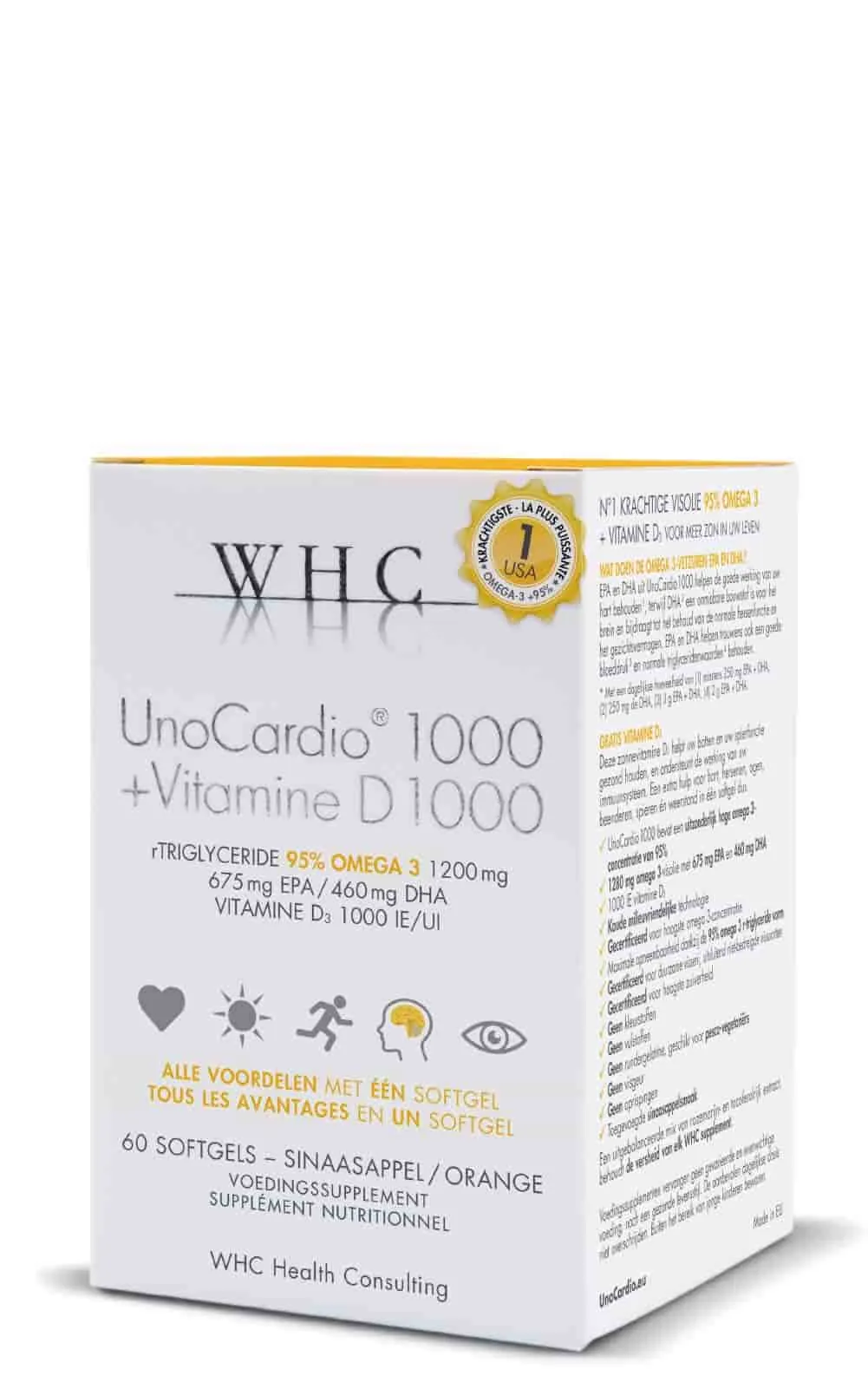
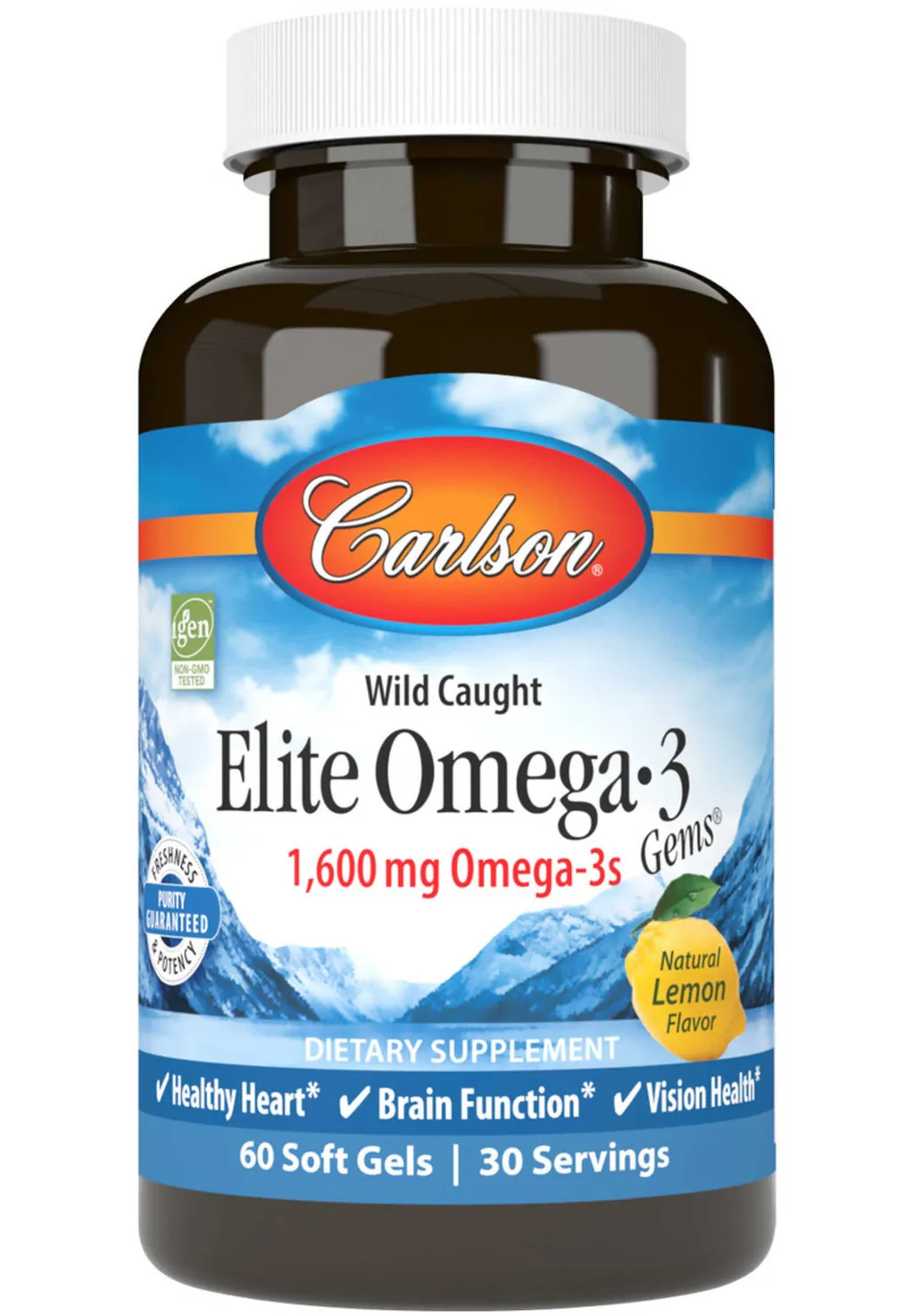
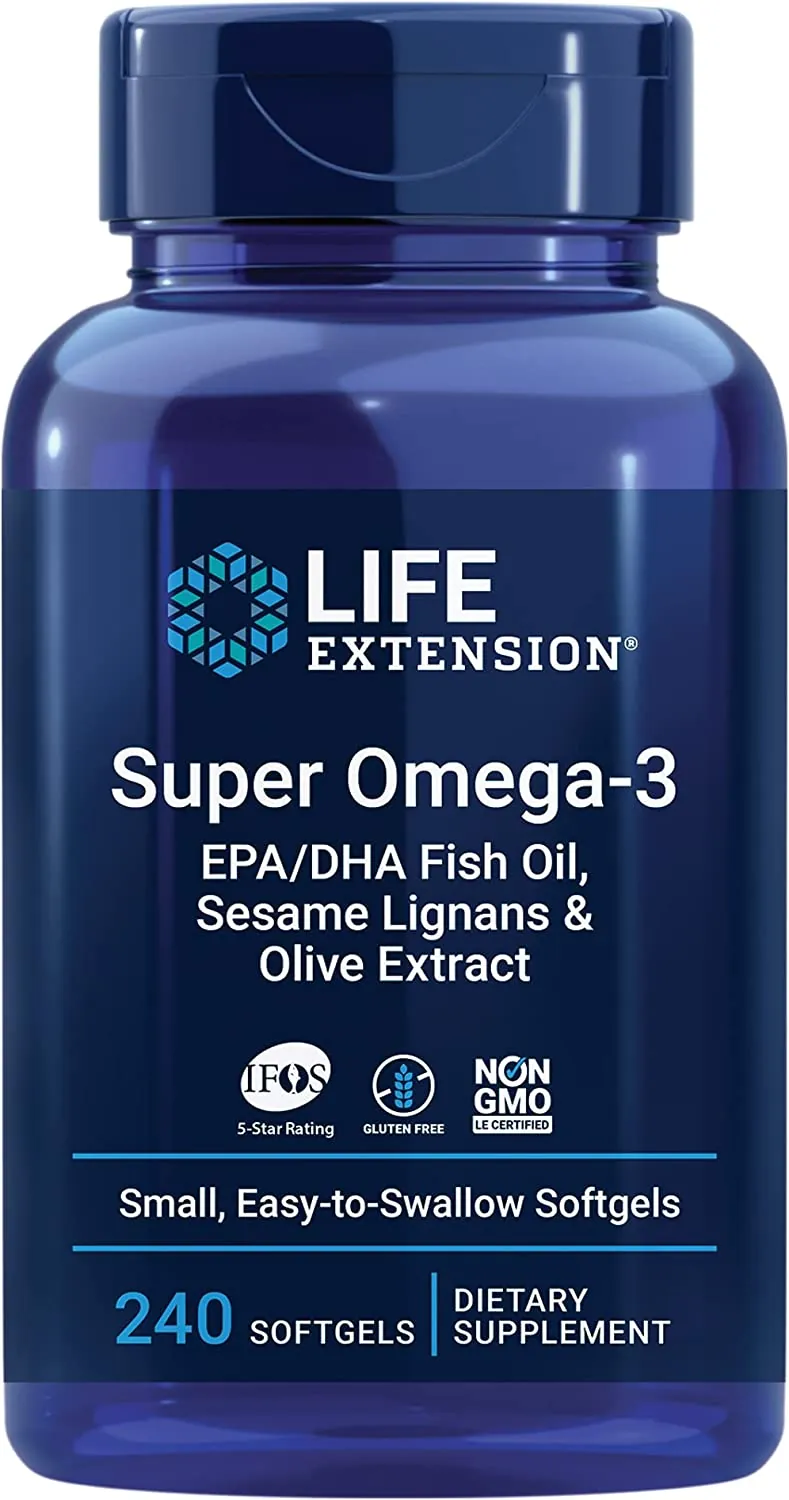
Omega-3
2,000-4,000mg EPA+DHAThe REDUCE-IT trial (2019, NEJM) found high-dose EPA (icosapent ethyl) reduced cardiovascular events by 25% in high-risk patients. General omega-3 supplementation is recommended by NICE for post-MI patients.
Available Forms
| Form | Bioavailability | Notes |
|---|---|---|
| Triglyceride (rTG) Fish Oil | high | Re-esterified triglyceride, best absorbed form, premium |
| Ethyl Ester (EE) Fish Oil | moderate | Most common, requires more processing by the body, cheaper |
| Algae Oil (DHA-rich) | high | Vegan source, primarily DHA, sustainable |
| Krill Oil | high | Phospholipid-bound, contains astaxanthin, well-absorbed but lower EPA+DHA per capsule |
CoQ10
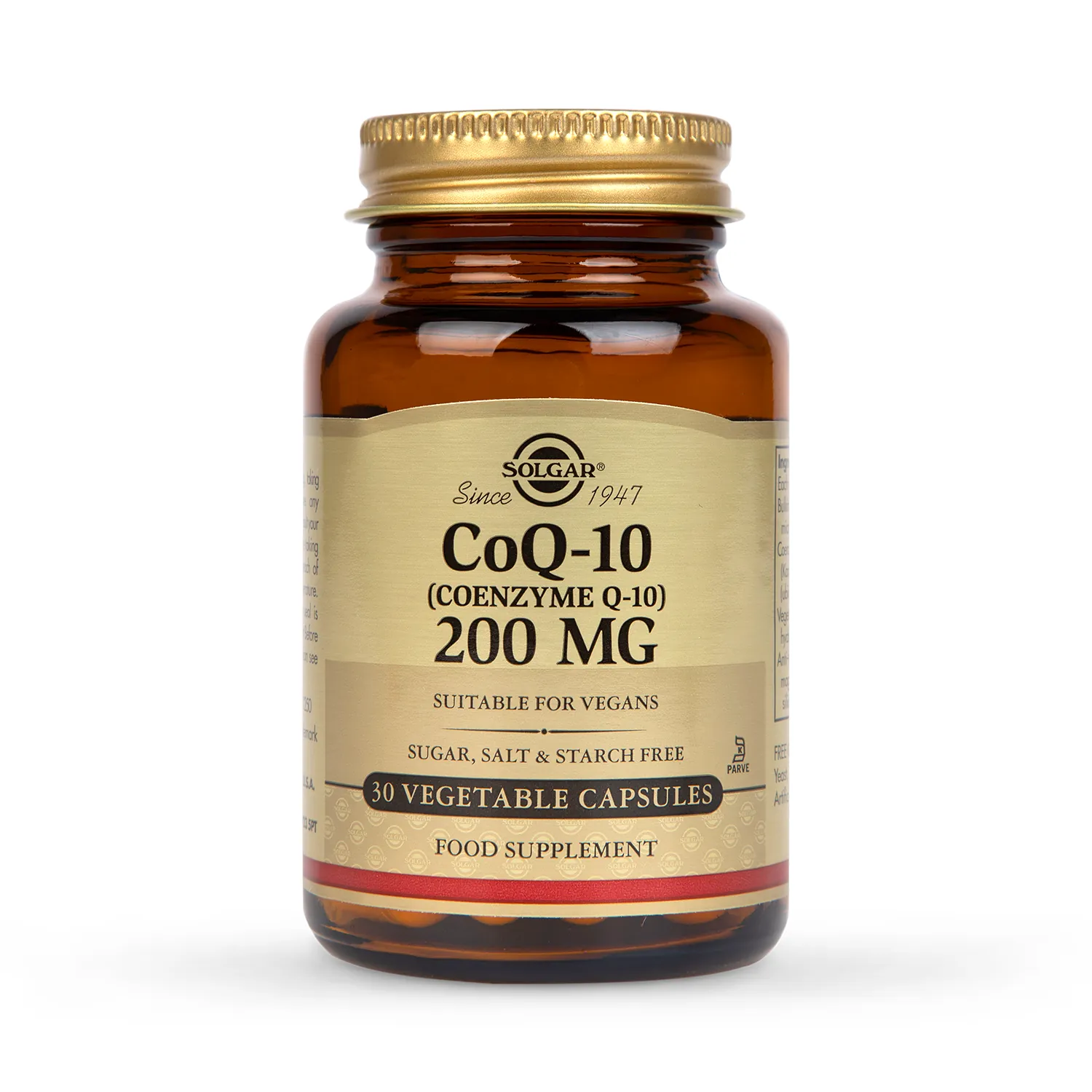
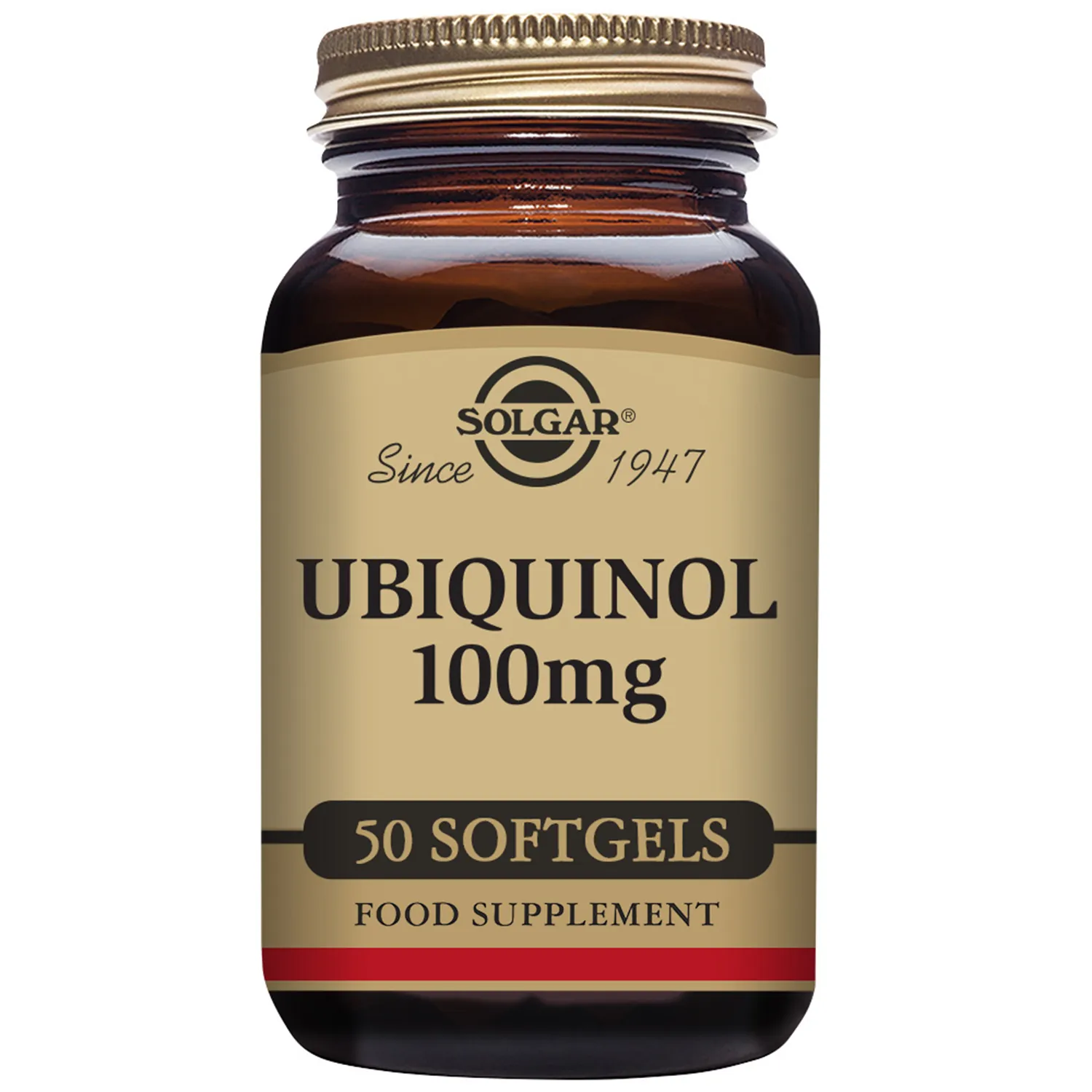
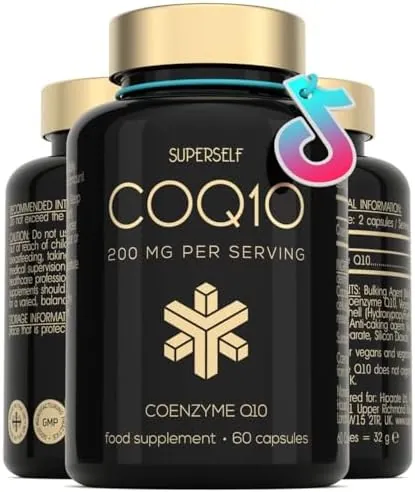
100-300mgCoQ10 is concentrated in heart tissue. The Q-SYMBIO trial found supplementation reduced major adverse cardiovascular events in heart failure patients (Mortensen et al., 2014, JACC Heart Fail).
Available Forms
| Form | Bioavailability | Notes |
|---|---|---|
| Ubiquinone | moderate | Oxidised form, body must convert to ubiquinol, cheaper |
| Ubiquinol | high | Reduced/active form, better absorbed — especially for over-40s whose conversion declines |
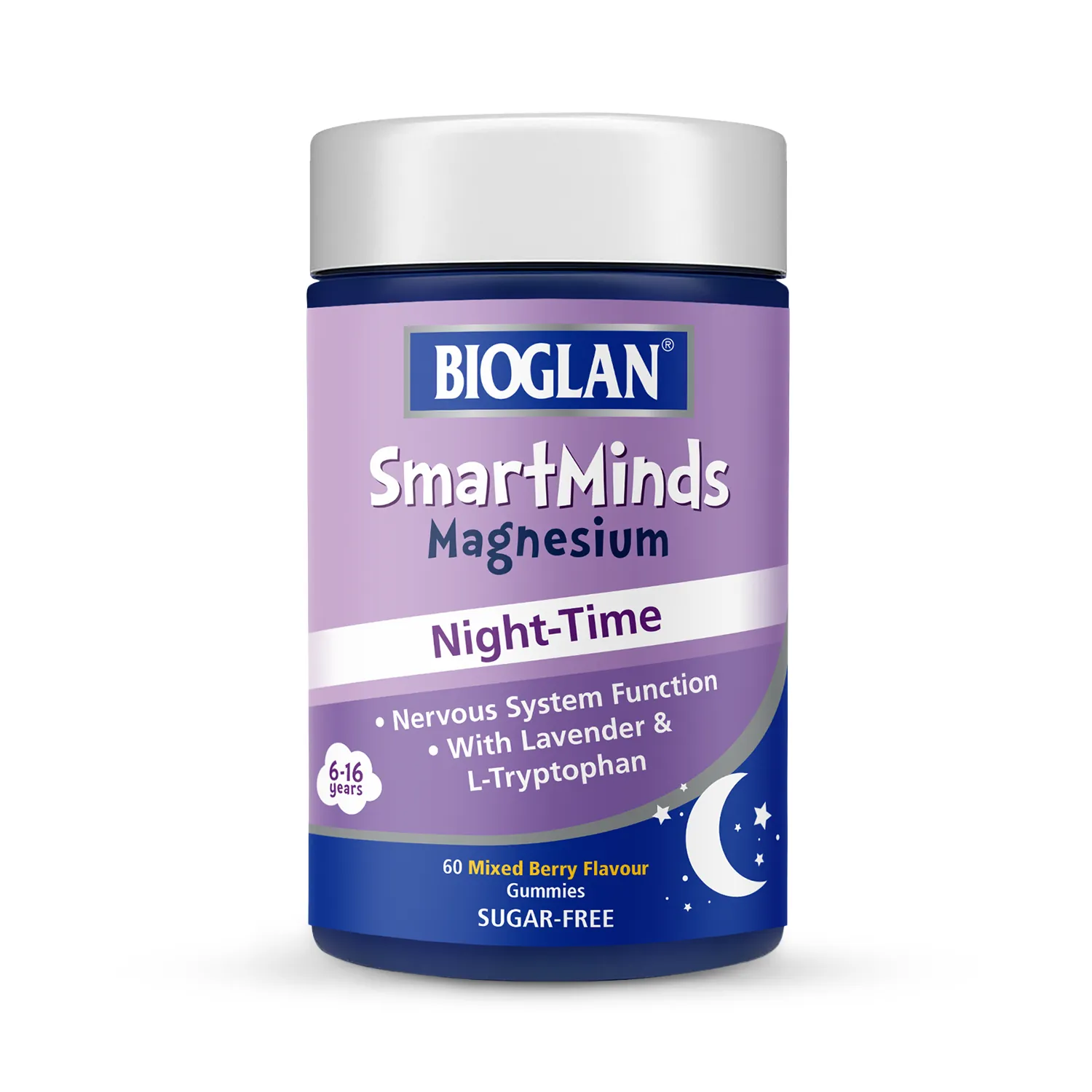
Magnesium
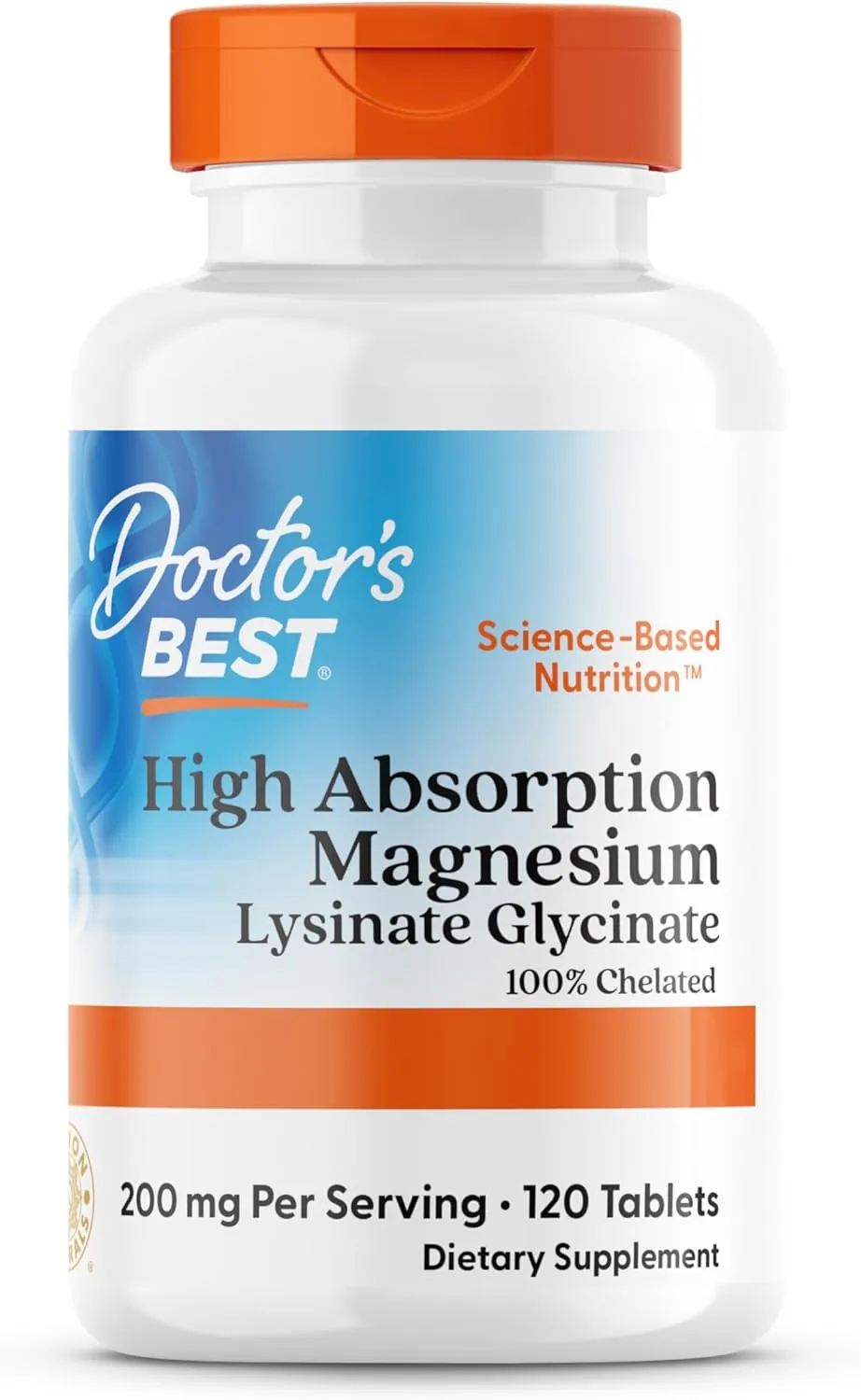
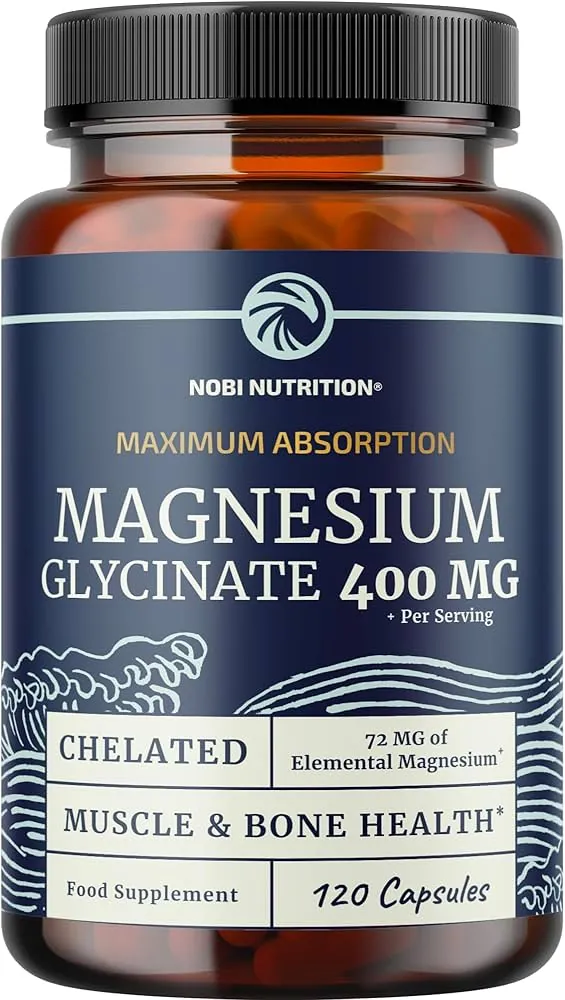
300-400mgA meta-analysis found higher magnesium intake was associated with a 22% lower risk of heart failure and 7% lower risk of stroke (Fang et al., 2016, BMC Med).
Available Forms
| Form | Bioavailability | Notes |
|---|---|---|
| Magnesium Glycinate | high | Chelated form, well-absorbed, least likely to cause GI issues, calming effect |
| Magnesium Citrate | high | Good absorption, mild laxative effect at higher doses |
| Magnesium Oxide | low | ~4% bioavailability, primarily used as laxative, poor supplement choice |
| Magnesium Taurate | high | Combined with taurine, studied for cardiovascular and sleep support |
| Magnesium L-Threonate | high | Crosses blood-brain barrier, studied for cognitive function |
Vitamin K2
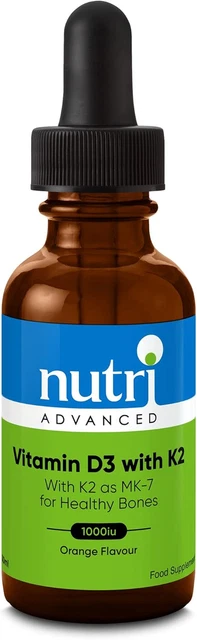
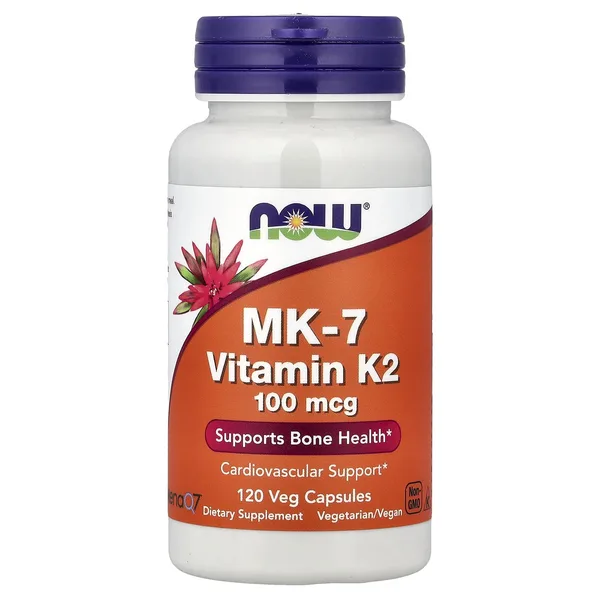
100-200mcg (MK-7)Research suggests K2 may help prevent arterial calcification. The Rotterdam study found higher dietary K2 intake was associated with reduced coronary heart disease risk (Geleijnse et al., 2004, J Nutr).
Available Forms
| Form | Bioavailability | Notes |
|---|---|---|
| MK-7 (Menaquinone-7) | high | Longer half-life (~72h), most studied form for bone and cardiovascular health |
| MK-4 (Menaquinone-4) | moderate | Shorter half-life (~4h), requires higher doses |
How This Stack Works
The four ingredients in this stack address distinct but interrelated aspects of cardiovascular physiology, with research suggesting potential synergies when used in combination.
Omega-3 fatty acids — specifically EPA (eicosapentaenoic acid) and DHA (docosahexaenoic acid) — represent the most clinically validated component. The landmark REDUCE-IT trial (Bhatt et al., 2019, New England Journal of Medicine), enrolling over 8,000 patients with elevated cardiovascular risk, found that high-dose purified EPA (icosapent ethyl, 4g daily) reduced major adverse cardiovascular events by 25% relative to placebo. NICE guidance recommends omega-3 supplementation alongside conventional therapy following myocardial infarction in specific patient groups. Proposed mechanisms include triglyceride reduction, attenuation of inflammatory pathways, and stabilisation of cardiac electrical activity.
Coenzyme Q10 is produced endogenously and is concentrated in cardiac muscle, where it plays a critical role in mitochondrial ATP synthesis. Production declines with age, and statin therapy — the most prescribed cardiovascular drug class in the UK — inhibits the same biosynthetic pathway used to produce CoQ10, potentially depleting circulating levels. The Q-SYMBIO trial (Mortensen et al., 2014, JACC Heart Failure) found that 100mg CoQ10 three times daily significantly reduced major adverse cardiovascular events and all-cause mortality in patients with severe heart failure over a two-year follow-up.
Magnesium participates in over 300 enzymatic processes, including those governing cardiac muscle contraction, vascular smooth muscle tone, and blood pressure regulation. A meta-analysis of prospective cohort data (Fang et al., 2016, BMC Medicine) found higher magnesium intake was associated with a 22% lower risk of heart failure and a 7% lower risk of stroke. UK dietary surveys indicate magnesium intake is frequently below recommended levels, particularly amongst older adults.
Vitamin K2 (as MK-7) activates matrix Gla protein, an endogenous inhibitor of vascular calcification. The Rotterdam Study (Geleijnse et al., 2004, Journal of Nutrition), a large prospective cohort of nearly 5,000 adults, found that higher dietary menaquinone intake was associated with significantly reduced coronary heart disease mortality. Research also suggests K2 and vitamin D3 may act synergistically, as D3 upregulates K2-dependent proteins involved in calcium distribution — supporting the rationale for combining these nutrients. Individuals taking anticoagulant medications should seek medical advice before supplementing with K2.
Interaction Analysis
3 known interactions between ingredients in this stack.
CoQ10 and omega-3 fatty acids may have complementary cardiovascular benefits. Research suggests both support heart function through different mechanisms.
Action: Taking CoQ10 with omega-3 (or any fat source) may improve CoQ10 absorption, as it is fat-soluble.
Read full analysis →Both CoQ10 and magnesium are important for cellular energy production. Research suggests they support mitochondrial function through complementary mechanisms.
Action: These can be taken together with a meal. CoQ10 is fat-soluble, so a meal with some fat is preferred.
Read full analysis →Research suggests magnesium may be important for Vitamin K-dependent carboxylation reactions. Both nutrients support bone health through different mechanisms.
Action: Both can be taken with a meal. No special separation needed.
Read full analysis →Suggested Timing Schedule
Morning
Fat-soluble — take with a meal containing fat. Morning preferred as it supports cellular energy production. Statin users should especially consider supplementation.
Fat-soluble — take with a meal containing dietary fat
Evening
Evening preferred — may promote relaxation. Take with food to reduce GI discomfort.
Any Time
Take with a meal containing fat for best absorption. Split high doses across meals to reduce fishy burps. Freeze capsules to reduce aftertaste.
What to Avoid with This Stack
- • Vitamin K2 may interact with anticoagulant medications (warfarin) — consult your doctor
- • High-dose omega-3 may increase bleeding risk in those on blood thinners
Alternatives & Variations
Several additional ingredients have been studied in relation to cardiovascular health. Plant sterols (1.5–3g daily) carry an EFSA-approved health claim for reducing LDL cholesterol and are widely available in UK functional foods and supplements. Berberine, an alkaloid derived from various plants, has been the subject of multiple meta-analyses examining its effects on lipid profiles and blood pressure. Taurine, found in high concentrations in cardiac tissue, has been investigated for potential roles in blood pressure management and cardiac function. Aged garlic extract has been studied in randomised controlled trials for effects on arterial stiffness and systolic blood pressure. Individual suitability and potential interactions with existing medications should always be considered.
Notes & Caveats
Heart disease has multiple risk factors. Supplements complement but do not replace lifestyle measures (exercise, diet) or prescribed medications. Always discuss with your GP.
Customise This Stack
Load these supplements into our interactive Stack Analyzer to adjust dosages, add or remove ingredients, and get personalised timing.
Customise this stack →Frequently Asked Questions
No. Supplements in this stack are not substitutes for prescribed medications such as statins, antihypertensives, or antiplatelet drugs. NICE guidelines recommend omega-3 supplementation alongside — not instead of — conventional therapy in certain post-MI patients. Any decision to adjust prescribed medication should be made exclusively in consultation with your GP or cardiologist. Individual responses to supplementation may vary considerably.
Statins inhibit the HMG-CoA reductase enzyme, which is involved in both cholesterol synthesis and endogenous CoQ10 production. Research suggests statin therapy may reduce plasma CoQ10 levels, and some clinicians hypothesise this depletion may contribute to statin-associated muscle symptoms — though clinical trial evidence on whether supplementation reliably resolves these symptoms remains mixed. The Q-SYMBIO trial (Mortensen et al., 2014, JACC Heart Failure) demonstrated cardiovascular benefits specifically in heart failure patients. Individual responses may vary; discuss CoQ10 supplementation with your prescribing doctor.
Caution is strongly advised. Vitamin K plays a direct role in the coagulation cascade, and supplemental K2 — including the MK-7 form, which has a longer half-life than K1 — has the potential to affect INR readings in patients taking warfarin or other vitamin K-dependent anticoagulants. If you are prescribed warfarin, acenocoumarol, or any similar anticoagulant, consult your GP or anticoagulation clinic before adding any vitamin K supplement to your regimen.