Important: This page is for informational purposes only, based on published peer-reviewed research and official UK dietary guidelines (NHS, EFSA, SACN). It does not constitute medical advice. Always consult your GP or pharmacist before starting, stopping, or combining supplements.
Supplements Studied for Immune Support
Ingredients with evidence for supporting normal immune function
Why This Stack?
Vitamin D3, Vitamin C, and zinc represent the most evidence-backed trio of micronutrients for supporting normal immune function in adults. Each has received approved health claims from the European Food Safety Authority (EFSA) specifically for contributing to the normal function of the immune system — a regulatory threshold that requires substantiated scientific evidence, not merely plausible mechanisms. In the UK context, Vitamin D is of particular relevance: Public Health England estimates that around one in five UK adults has low Vitamin D levels, and SACN recommends universal supplementation of at least 10mcg (400 IU) daily throughout autumn and winter, when sunlight-derived synthesis is negligible. Research suggests that correcting deficiency may have a meaningful impact on susceptibility to respiratory infections (Martineau et al., 2017, BMJ). Vitamin C and zinc, meanwhile, have been studied most extensively in the context of the common cold — one of the most prevalent infectious illnesses in the UK — with Cochrane reviews finding modest but consistent reductions in duration and, in some populations, incidence. This stack is not a treatment or preventive medicine. Individual responses may vary, and supplementation works best as part of a broader approach that includes adequate sleep, nutrition, and hygiene. It is not a substitute for vaccination or medical care.
What’s in This Stack
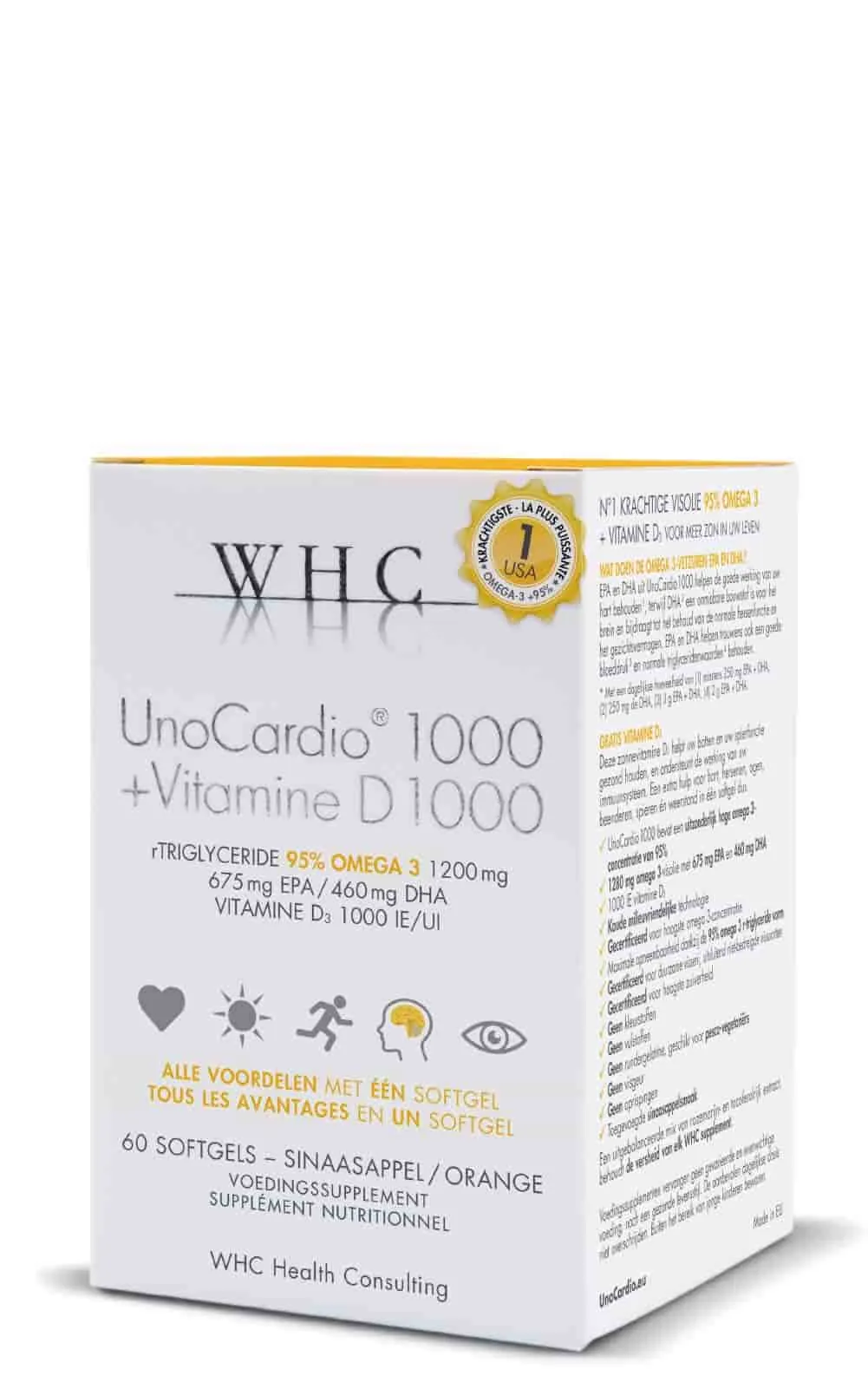
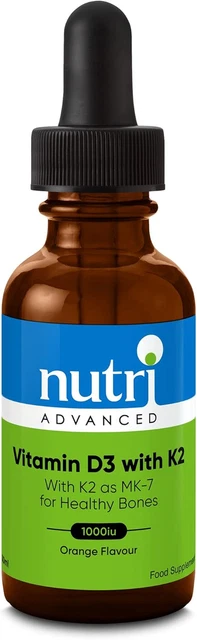
Vitamin D3
2,000-4,000 IUSACN recommends 10mcg (400 IU) daily for all UK adults. Higher doses are commonly used in winter. A BMJ meta-analysis found D3 supplementation reduced respiratory infection risk, especially in those with low baseline levels (Martineau et al., 2017).
Available Forms
| Form | Bioavailability | Notes |
|---|---|---|
| Cholecalciferol (D3) | high | Preferred form; raises serum 25(OH)D more effectively than D2 |
| Ergocalciferol (D2) | moderate | Vegan-friendly (plant/fungal) but less potent per IU |
Vitamin C
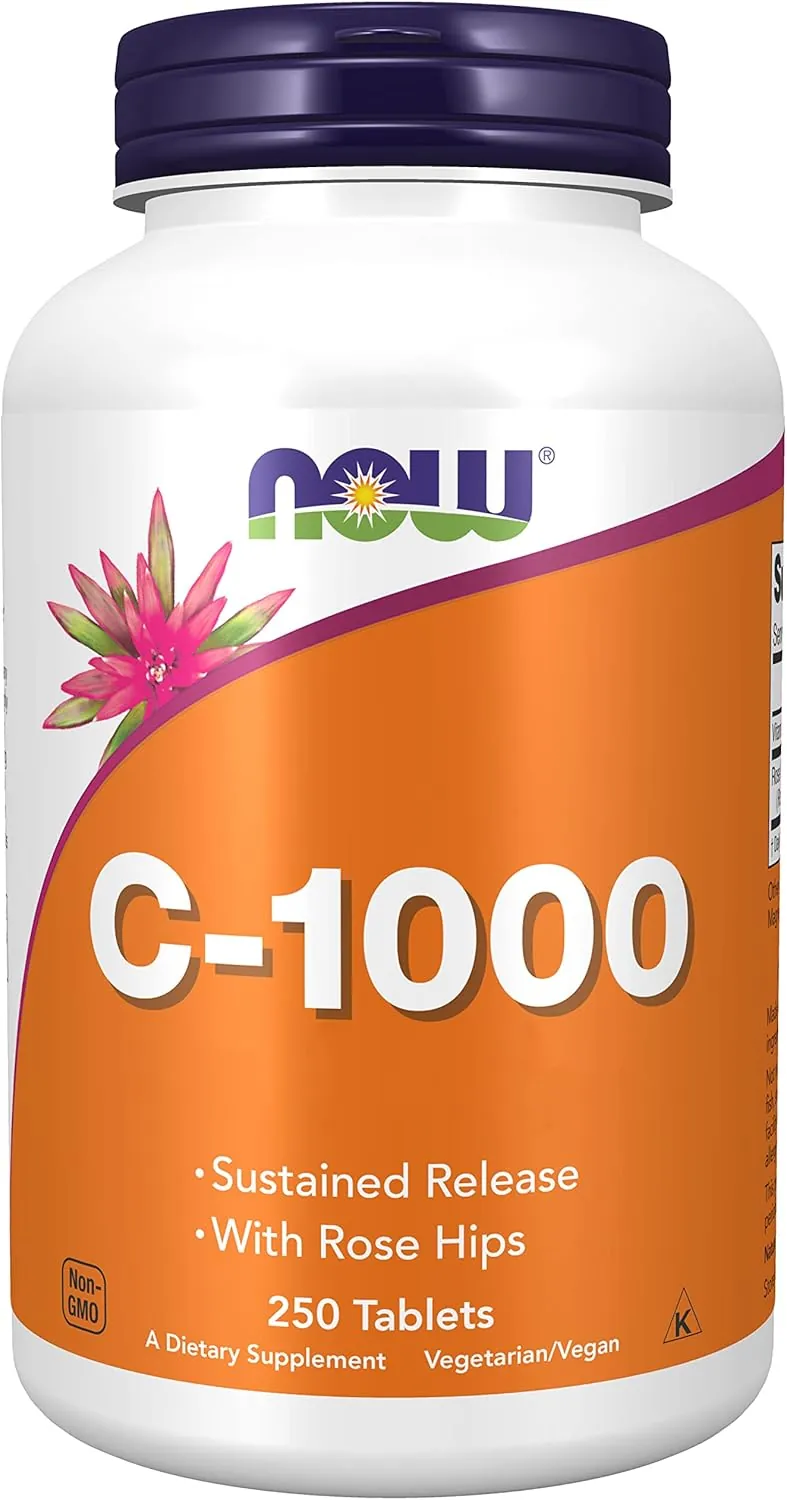
500-1,000mgA Cochrane review found regular Vitamin C supplementation reduced cold duration by 8% in adults and 14% in children (Hemilä & Chalker, 2013).
Available Forms
| Form | Bioavailability | Notes |
|---|---|---|
| Ascorbic Acid | high | Most studied form, affordable, but may cause stomach upset at high doses |
| Sodium Ascorbate | high | Buffered, gentler on stomach |
| Liposomal Vitamin C | high | Enhanced absorption via lipid encapsulation, higher cost |
Top Products
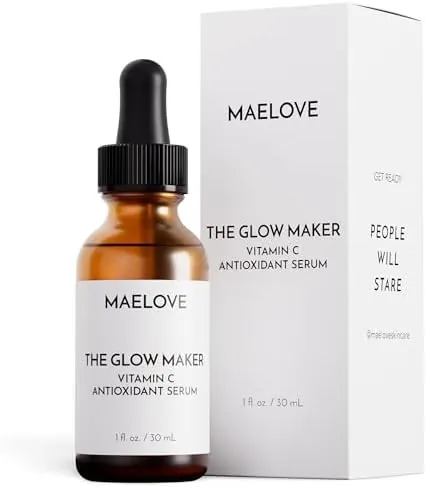
MAELOVE Vitamin C Serum, Glow Maker with Vitamins C, E, Ferulic Acid and Hyaluronic Acid, Fragrance-Free, Award-Winning Highlighting and Moisturizing Face Serum, 50 ml
Zinc
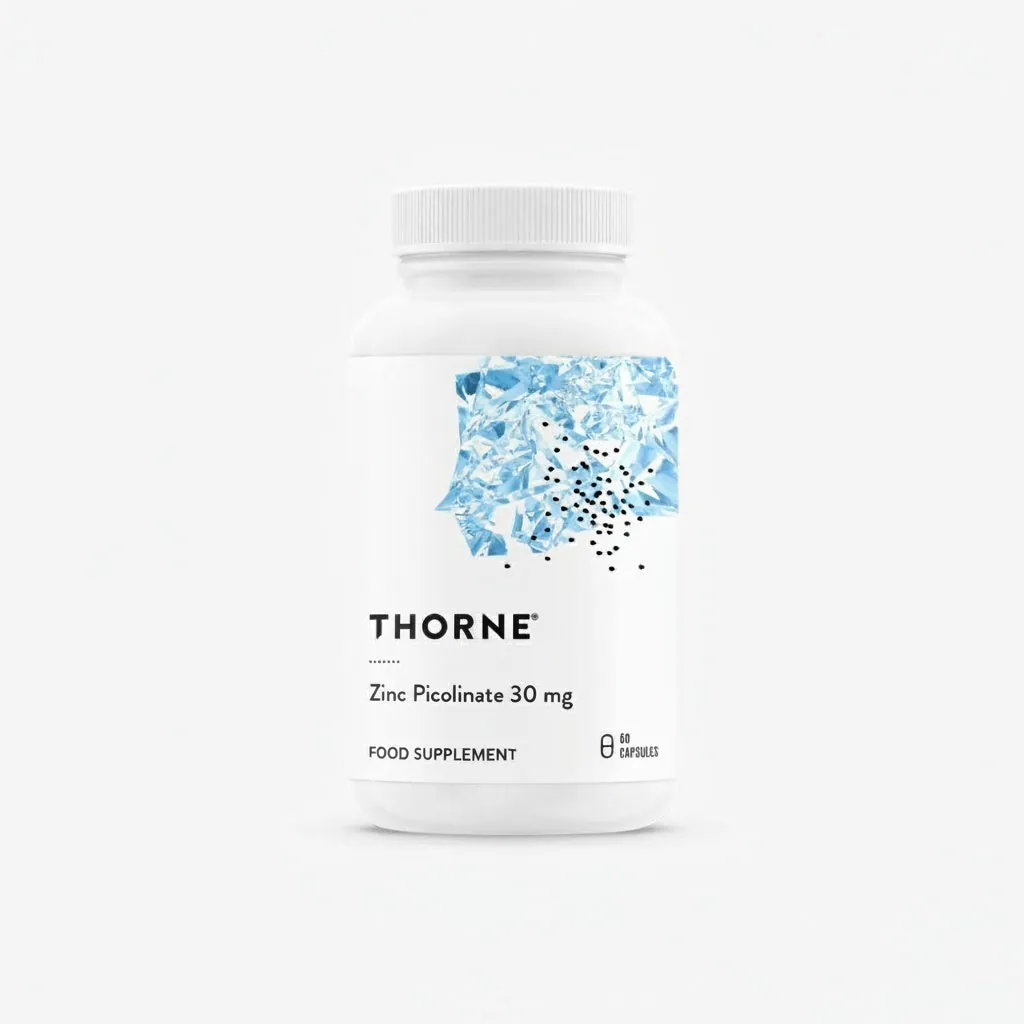
15-25mgZinc lozenges started within 24h of cold onset reduced symptom duration by approximately 33% in a Cochrane systematic review (Singh & Das, 2013).
Available Forms
| Form | Bioavailability | Notes |
|---|---|---|
| Zinc Picolinate | high | Well-absorbed chelated form |
| Zinc Bisglycinate | high | Gentle on stomach, good absorption |
| Zinc Citrate | moderate | Reasonable absorption, affordable |
| Zinc Gluconate | moderate | Common in lozenges, moderate absorption |
| Zinc Oxide | low | Poorly absorbed, cheap, avoid for supplementation |
How This Stack Works
The three ingredients in this stack support immune function through distinct but complementary biological pathways, which is part of the rationale for using them together rather than in isolation.
Vitamin D3 acts as a steroid hormone precursor that regulates expression of genes involved in both innate and adaptive immunity. Immune cells — including T-cells, B-cells, and macrophages — express Vitamin D receptors, and active Vitamin D (calcitriol) promotes the production of antimicrobial peptides such as cathelicidin and defensin. A landmark 2017 meta-analysis published in the BMJ by Martineau et al., analysing individual participant data from 25 randomised controlled trials (n=11,321), found that Vitamin D supplementation reduced the risk of acute respiratory tract infection by 12% overall, rising to 19% in those supplementing daily or weekly. The benefit was greatest in participants with baseline 25(OH)D levels below 25 nmol/L.
Vitamin C supports the function and proliferation of neutrophils and lymphocytes, accumulates in phagocytic cells to combat oxidative stress during infection, and supports epithelial barrier integrity — the skin and mucosal membranes that serve as the body's first line of defence. A comprehensive 2017 narrative review by Carr and Maggini (Nutrients) summarised evidence that Vitamin C deficiency correlates with increased susceptibility to infection, and that supplementation supports multiple immune cell functions.
Zinc is required for the development and activation of T-lymphocytes and natural killer (NK) cells, and regulates inflammatory cytokine production. A 2013 Cochrane systematic review by Singh and Das found that zinc lozenges initiated within 24 hours of symptom onset reduced cold duration by approximately 33%. Zinc also supports the integrity of mucosal membranes and is involved in the signalling pathways that regulate the inflammatory response.
The combination provides complementary coverage across innate immunity (Vitamin D, Vitamin C, zinc), adaptive immunity (Vitamin D, zinc), and antioxidant protection during active infection (Vitamin C, zinc). A 2020 review by Gombart, Pierre and Maggini in Nutrients examined how synergistic micronutrient insufficiencies — particularly of these three — impair coordinated immune responses, supporting a multi-nutrient approach over single-ingredient supplementation.
Interaction Analysis
1 known interaction between ingredients in this stack.
Zinc and Vitamin C are frequently combined for immune support. Research suggests both independently support immune function and may have additive benefits.
Action: These are commonly found together in cold/immune supplements. They can be taken at the same time.
Read full analysis →Suggested Timing Schedule
Morning
Fat-soluble — better absorbed with a meal containing dietary fat
Take with food to prevent nausea. Away from iron and calcium supplements.
Evening
None in this stack
Any Time
Water-soluble — can be taken any time. Split doses improve absorption at higher amounts.
What to Avoid with This Stack
- • Zinc above 25mg long-term without copper supplementation
Alternatives & Variations
Several other ingredients have emerging or established evidence for immune support and could complement this stack. Elderberry (Sambucus nigra) extract has been studied for reducing influenza duration — a 2016 randomised trial by Tiralongo et al. (Nutrients) found elderberry supplementation reduced cold duration and severity in air travellers. Selenium is an essential trace mineral involved in antioxidant enzyme activity and T-cell function; deficiency is relatively common in the UK due to low soil selenium levels. Beta-glucans, soluble fibres derived from oats or medicinal mushrooms, have been studied for their modulatory effects on innate immune activity. Probiotic supplementation may also support mucosal immunity via the gut-immune axis, though evidence remains heterogeneous.
Notes & Caveats
These supplements support normal immune function but are not a substitute for vaccination, hygiene, or medical treatment.
Customise This Stack
Load these supplements into our interactive Stack Analyzer to adjust dosages, add or remove ingredients, and get personalised timing.
Customise this stack →Frequently Asked Questions
Research does not support the claim that this stack prevents infection outright. Evidence suggests Vitamin D supplementation may reduce the risk of respiratory infections, particularly in those with low baseline levels (Martineau et al., 2017, BMJ), while Vitamin C and zinc have been associated with reduced duration rather than prevention. Vaccination remains the most evidence-supported intervention for specific infections such as flu. Individual responses may vary.
At the doses outlined, all three are generally regarded as safe for healthy adults. However, long-term zinc supplementation above 25mg daily may interfere with copper absorption — if sustained high-dose zinc is used, consider including 1–2mg of copper. Vitamin D toxicity is associated with very high doses (typically above 10,000 IU daily for extended periods); 2,000–4,000 IU is well within established safe upper limits set by EFSA. Consult a GP if you take prescription medications or have underlying health conditions.
SACN recommends 10mcg (400 IU) daily for all UK adults throughout autumn and winter, when insufficient UVB radiation reaches the UK to synthesise meaningful skin Vitamin D. In summer, those who spend time outdoors in direct sunlight may not need supplementation, though indoor lifestyles, darker skin tone, and northern latitudes can limit synthesis year-round. Testing baseline serum 25(OH)D levels via a GP or private test can help determine whether higher therapeutic doses are appropriate.