Important: This page is for informational purposes only, based on published peer-reviewed research and official UK dietary guidelines (NHS, EFSA, SACN). It does not constitute medical advice. Always consult your GP or pharmacist before starting, stopping, or combining supplements.
Supplements Studied for Joint Health
Ingredients researched for joint comfort and cartilage support
Why This Stack?
Joint discomfort is among the most common reasons UK adults seek nutritional support, with osteoarthritis affecting an estimated 10 million people in England according to NHS data. This stack focuses on three ingredients with an established body of peer-reviewed research: glucosamine sulfate, omega-3 fatty acids (EPA and DHA), and vitamin D3. Glucosamine is a naturally occurring compound found in articular cartilage and synovial fluid. Supplementation aims to provide structural precursors that research suggests may support cartilage integrity over time. Omega-3 fatty acids — primarily EPA and DHA from fish oil — are studied for their capacity to modulate inflammatory pathways central to joint discomfort; a meta-analysis by Goldberg and Katz (2007, Pain) found fish oil supplementation reduced joint pain intensity in rheumatoid arthritis participants. Vitamin D3 completes the stack: the SACN Vitamin D and Health report (2016) notes that a substantial proportion of the UK population has insufficient vitamin D status, particularly during autumn and winter, and the nutrient plays a recognised role in calcium metabolism and musculoskeletal health. Joint supplements generally require 8–12 weeks of consistent use before any changes may become apparent. Individual responses may vary considerably, and these ingredients are intended to complement — not replace — medical assessment and treatment.
What’s in This Stack
Glucosamine
1,500mgA 2018 Cochrane review found glucosamine sulfate may provide moderate pain reduction in knee osteoarthritis compared to placebo. Results are more consistent with the crystalline sulfate form.
Available Forms
| Form | Bioavailability | Notes |
|---|---|---|
| Glucosamine Sulfate | high | Most studied form, the only form recommended by NICE (UK) for osteoarthritis trials |
| Glucosamine HCl | moderate | Higher elemental glucosamine per mg, but less clinical evidence than sulfate form |
Top Products
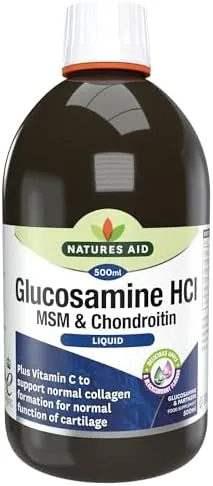
Natures Aid Glucosamine MSM & Chondroitin with Vitamin C Liquid 500ml - High Strength Joint Support - Mobility & Cartilage Health, Collagen Formation, Non-GMO, Gluten-Free Supplement
Omega-3
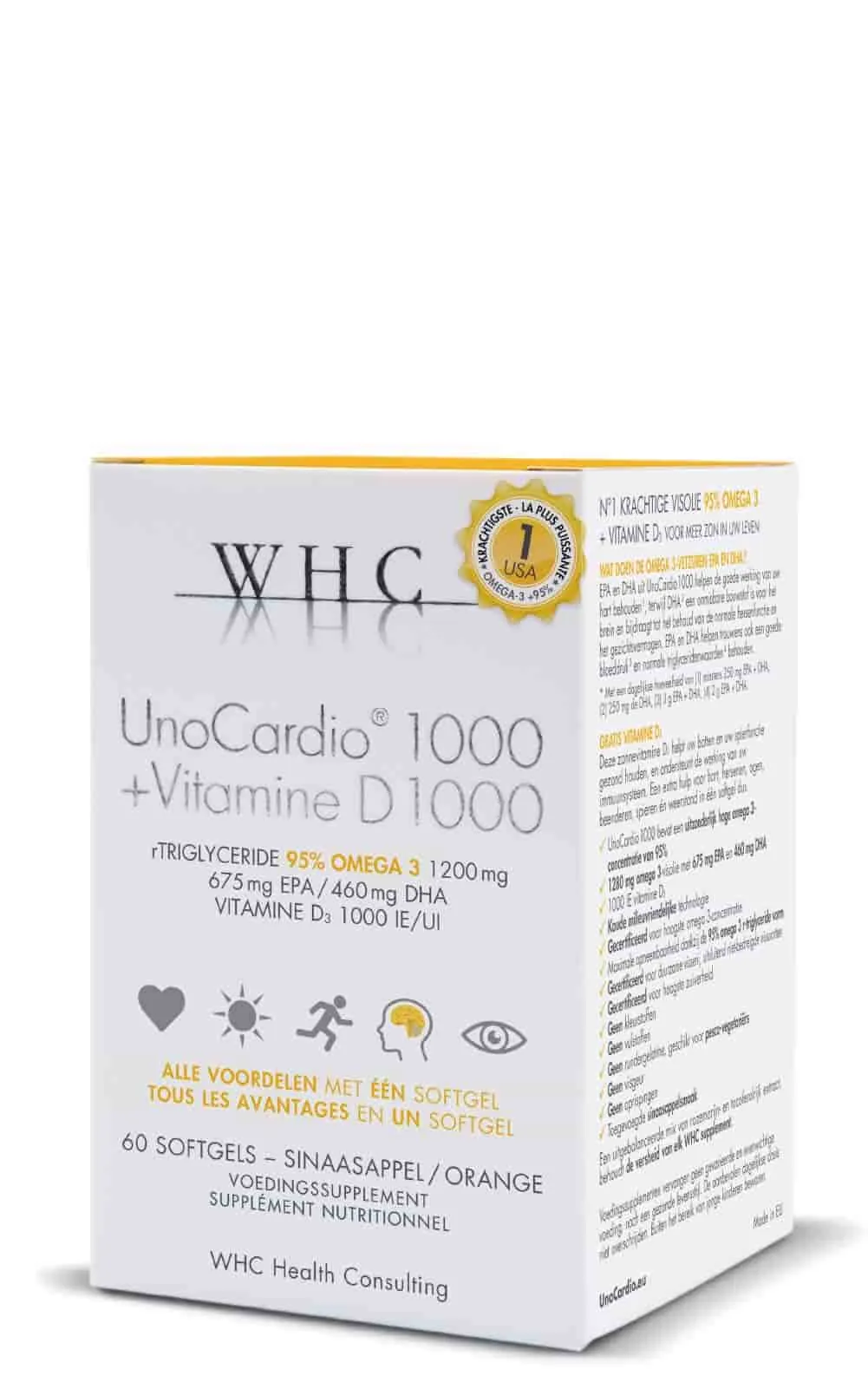
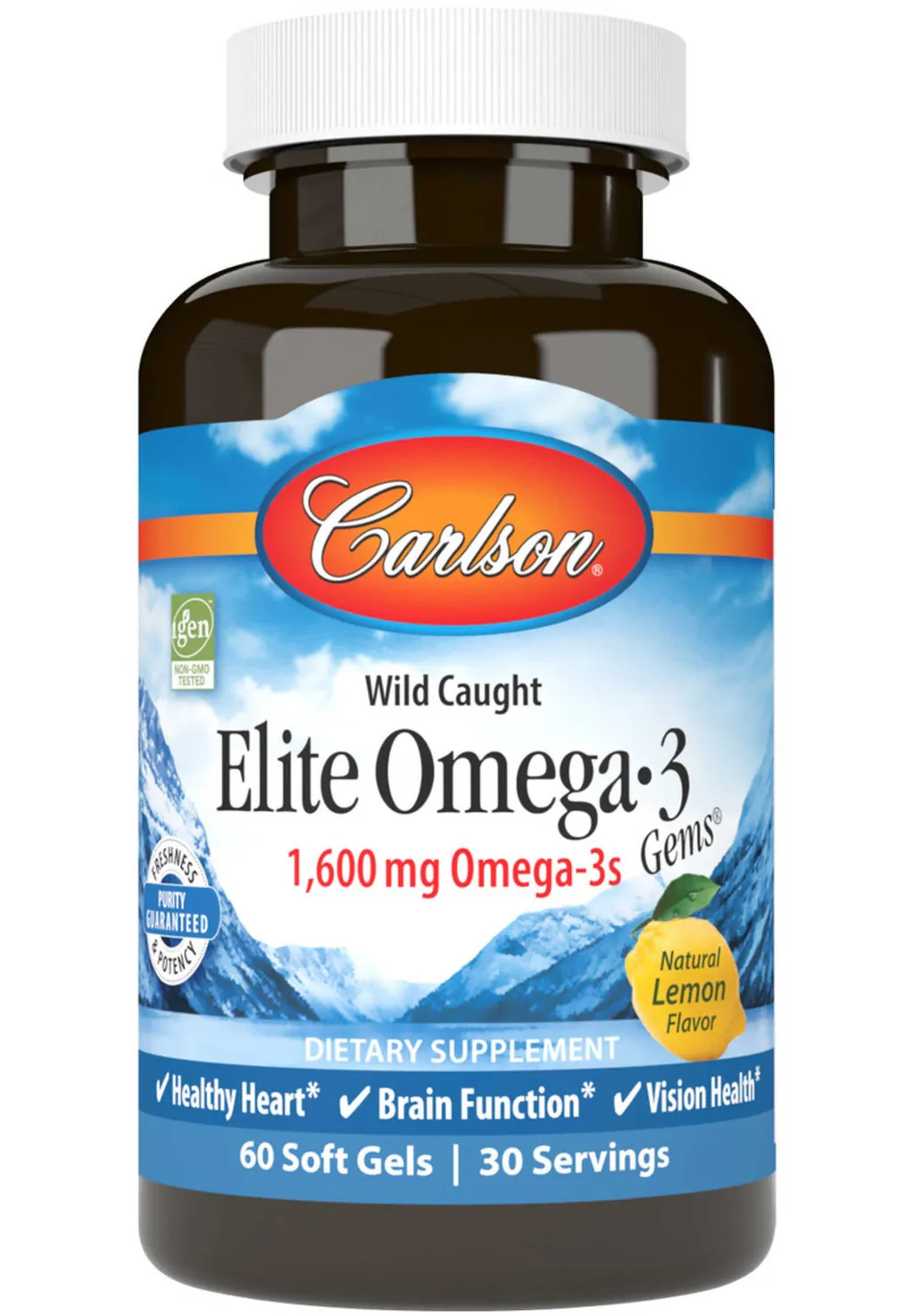
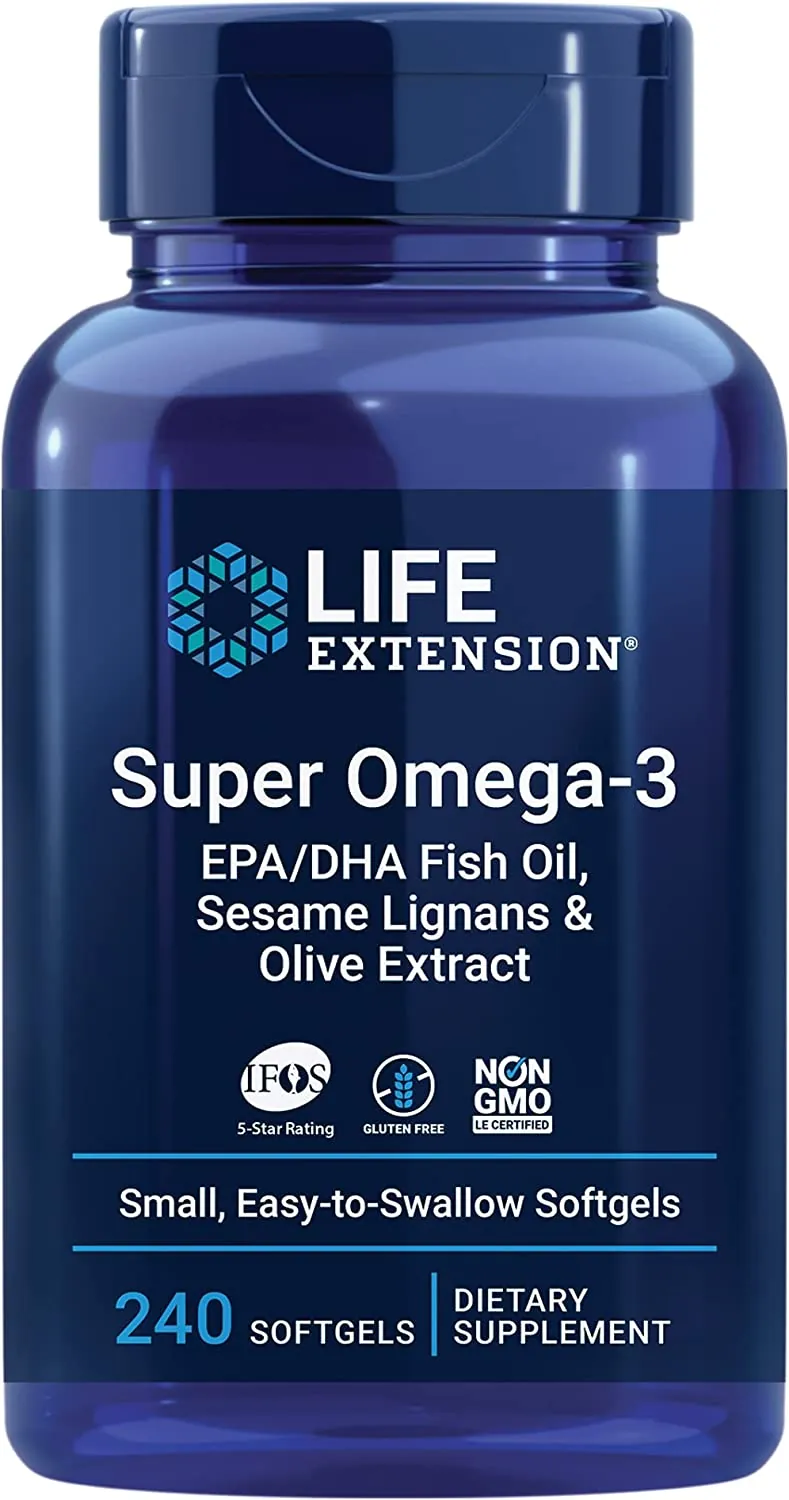
1,000-2,000mg EPA+DHAOmega-3 fatty acids have well-documented anti-inflammatory properties. A meta-analysis found fish oil supplementation reduced joint pain intensity in rheumatoid arthritis (Goldberg & Katz, 2007, Pain).
Available Forms
| Form | Bioavailability | Notes |
|---|---|---|
| Triglyceride (rTG) Fish Oil | high | Re-esterified triglyceride, best absorbed form, premium |
| Ethyl Ester (EE) Fish Oil | moderate | Most common, requires more processing by the body, cheaper |
| Algae Oil (DHA-rich) | high | Vegan source, primarily DHA, sustainable |
| Krill Oil | high | Phospholipid-bound, contains astaxanthin, well-absorbed but lower EPA+DHA per capsule |
Vitamin D3
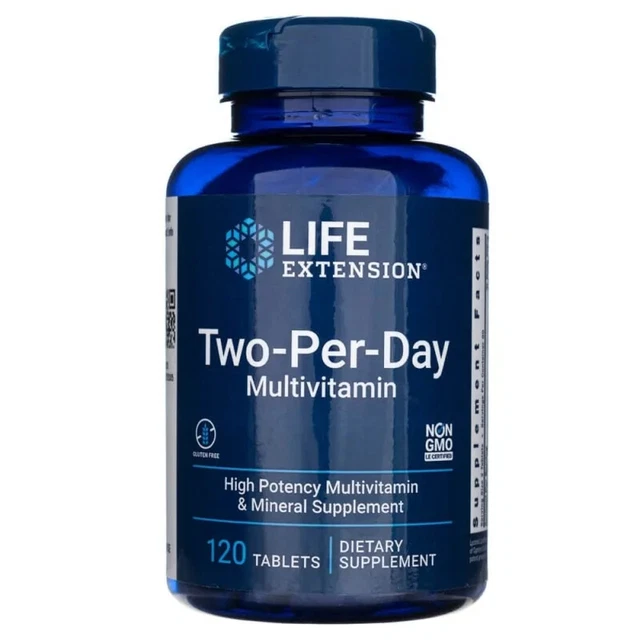
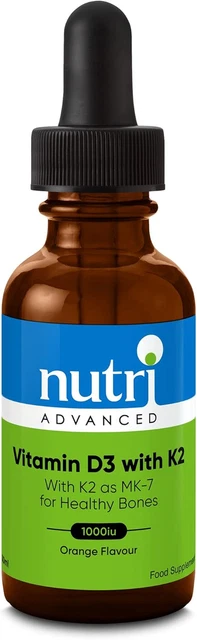
2,000-4,000 IULow vitamin D status is associated with increased joint pain and inflammation. Adequate levels support calcium metabolism essential for bone and joint health.
Available Forms
| Form | Bioavailability | Notes |
|---|---|---|
| Cholecalciferol (D3) | high | Preferred form; raises serum 25(OH)D more effectively than D2 |
| Ergocalciferol (D2) | moderate | Vegan-friendly (plant/fungal) but less potent per IU |
How This Stack Works
These three ingredients address joint health through complementary, partially overlapping mechanisms, which may explain why they are frequently studied and used in combination.
Glucosamine sulfate is a precursor substrate for glycosaminoglycans — structural components of articular cartilage and synovial fluid. The landmark GAIT trial (Clegg et al., 2006, New England Journal of Medicine), enrolling over 1,500 participants with knee osteoarthritis over 24 weeks, investigated glucosamine and chondroitin individually and in combination. A 2018 Cochrane review concluded that glucosamine sulfate may offer moderate pain reduction in knee osteoarthritis compared with placebo, with evidence more consistent for the crystalline sulfate form than for glucosamine hydrochloride — a distinction relevant when choosing a product.
Omega-3 fatty acids — specifically EPA and DHA — are metabolised in the body to specialised pro-resolving mediators, including resolvins and protectins, which research indicates actively support the resolution of inflammatory processes. In the joint health context, the meta-analysis by Goldberg and Katz (2007, Pain), analysing 17 randomised controlled trials, found statistically significant reductions in joint pain intensity, morning stiffness, and use of pain relief medication among fish oil supplement users. This anti-inflammatory action may complement glucosamine's structural support role, targeting both the inflammatory and cartilage-maintenance dimensions of joint discomfort.
Vitamin D3 sits at the intersection of bone and immune health. The SACN Vitamin D and Health (2016) report recommends 10 micrograms (400 IU) daily for the general UK adult population, with higher intakes studied therapeutically. Low serum vitamin D has been associated in observational studies with greater joint pain severity, and adequate vitamin D supports the absorption of calcium necessary for maintaining subchondral bone — the bone layer directly beneath cartilage that influences how load is distributed across joints.
Taken together, this combination targets inflammatory signalling (omega-3), cartilage precursor availability (glucosamine), and foundational skeletal support (vitamin D3), offering a multi-modal approach backed by independent bodies of research.
Interaction Analysis
2 known interactions between ingredients in this stack.
Both glucosamine and omega-3 are used for joint health. Research suggests they may have complementary anti-inflammatory and structural benefits for joints.
Action: These can be taken together with a meal for joint support.
Read full analysis →Research suggests omega-3 fatty acids and Vitamin D3 may have complementary anti-inflammatory and immune-supporting effects. The VITAL study examined their combined benefits.
Action: Taking Vitamin D3 with omega-3 (fish oil) provides the fat needed for D3 absorption. They can be taken together at a meal.
Read full analysis →Suggested Timing Schedule
Morning
Fat-soluble — better absorbed with a meal containing dietary fat
Evening
None in this stack
Any Time
Take with food to reduce GI discomfort. Effects may take 4-8 weeks to become noticeable. Often combined with chondroitin.
Take with a meal containing fat for best absorption. Split high doses across meals to reduce fishy burps. Freeze capsules to reduce aftertaste.
What to Avoid with This Stack
- • Glucosamine sourced from shellfish if you have a shellfish allergy — look for vegan/corn-derived alternatives
Alternatives & Variations
Chondroitin sulfate is frequently studied alongside glucosamine; the GAIT trial (Clegg et al., 2006, NEJM) found the combination may be more beneficial for moderate-to-severe knee pain than either ingredient alone. Boswellia serrata extract has shown anti-inflammatory properties in a placebo-controlled trial by Kimmatkar et al. (2003, Phytomedicine) in knee osteoarthritis. Curcumin (from turmeric) is another researched option: Kuptniratsaikul et al. (2014, Clinical Interventions in Aging) found curcumin extract showed comparable outcomes to ibuprofen for knee pain in some participants. Hydrolysed collagen peptides represent an emerging area of study for cartilage matrix support.
Notes & Caveats
Joint supplements typically require 8-12 weeks of consistent use before effects may be noticeable. Results vary considerably between individuals.
Customise This Stack
Load these supplements into our interactive Stack Analyzer to adjust dosages, add or remove ingredients, and get personalised timing.
Customise this stack →Frequently Asked Questions
Research indicates joint supplements generally require sustained use to build a measurable effect. Most clinical trials in this area run for 12–24 weeks; the GAIT trial (Clegg et al., 2006) ran for 24 weeks before outcomes were assessed. Some individuals report changes after 8 weeks of consistent use, while others notice little difference. Individual responses may vary considerably. It is advisable to reassess with a GP or pharmacist if no change is apparent after 12 weeks.
Most commercially available glucosamine is derived from the chitin in crustacean shells — shrimp, crab, or lobster — which carries a theoretical risk for those with confirmed shellfish allergies. Vegan alternatives derived from fermented corn glucose are available and contain no shellfish proteins. If you have a confirmed shellfish allergy, look for a product clearly labelled as vegan-sourced or shellfish-free, and consult an allergy specialist or pharmacist before beginning supplementation.
Omega-3 fatty acids at higher doses may have mild antiplatelet effects; caution is advised if you are taking anticoagulants such as warfarin. The European Food Safety Authority (EFSA, 2012) concluded that supplemental intakes of EPA and DHA up to 5g daily are generally safe in healthy adults. Glucosamine and vitamin D3 are generally considered low-risk alongside NSAIDs, but anyone on prescription medication should consult their GP or pharmacist before adding any supplement to their routine.