Important: This page is for informational purposes only, based on published peer-reviewed research and official UK dietary guidelines (NHS, EFSA, SACN). It does not constitute medical advice. Always consult your GP or pharmacist before starting, stopping, or combining supplements.
Popular Supplements for Men Over 30
Commonly recommended ingredients for men's general wellbeing
Why This Stack?
Men over 30 face a gradual but measurable shift in physiological demands. The National Diet and Nutrition Survey (NDNS), which tracks dietary habits across the UK population, consistently identifies shortfalls in several micronutrients among adult men — zinc and vitamin D among the most frequently recorded. Compounding this, research suggests testosterone levels decline at approximately 1–2% annually from the mid-30s onward, muscle mass decreases progressively with age, and cardiovascular risk accumulates over decades of suboptimal nutrition. This stack of five ingredients — zinc, magnesium, vitamin D3, omega-3 fatty acids, and creatine — targets these interconnected concerns with a degree of individual research support that is relatively rare in the supplement category. Each ingredient has been assessed in peer-reviewed trials and, in several cases, reviewed by bodies including EFSA and the Scientific Advisory Committee on Nutrition (SACN). It is worth noting that supplementation is not a substitute for a balanced diet, and that individual responses may vary depending on baseline nutritional status, lifestyle, and genetics. A blood test to establish actual deficiency levels — particularly for vitamin D and zinc — is advisable before adopting any long-term regimen. This page is intended for informational purposes only and does not constitute medical advice.
What’s in This Stack
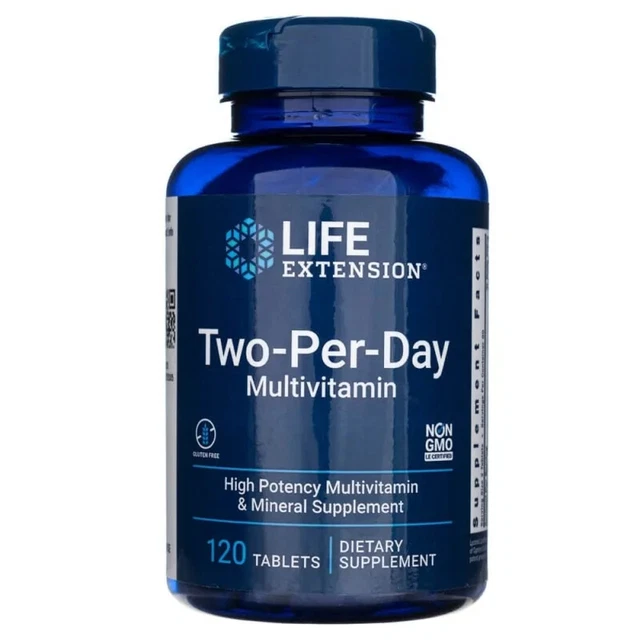
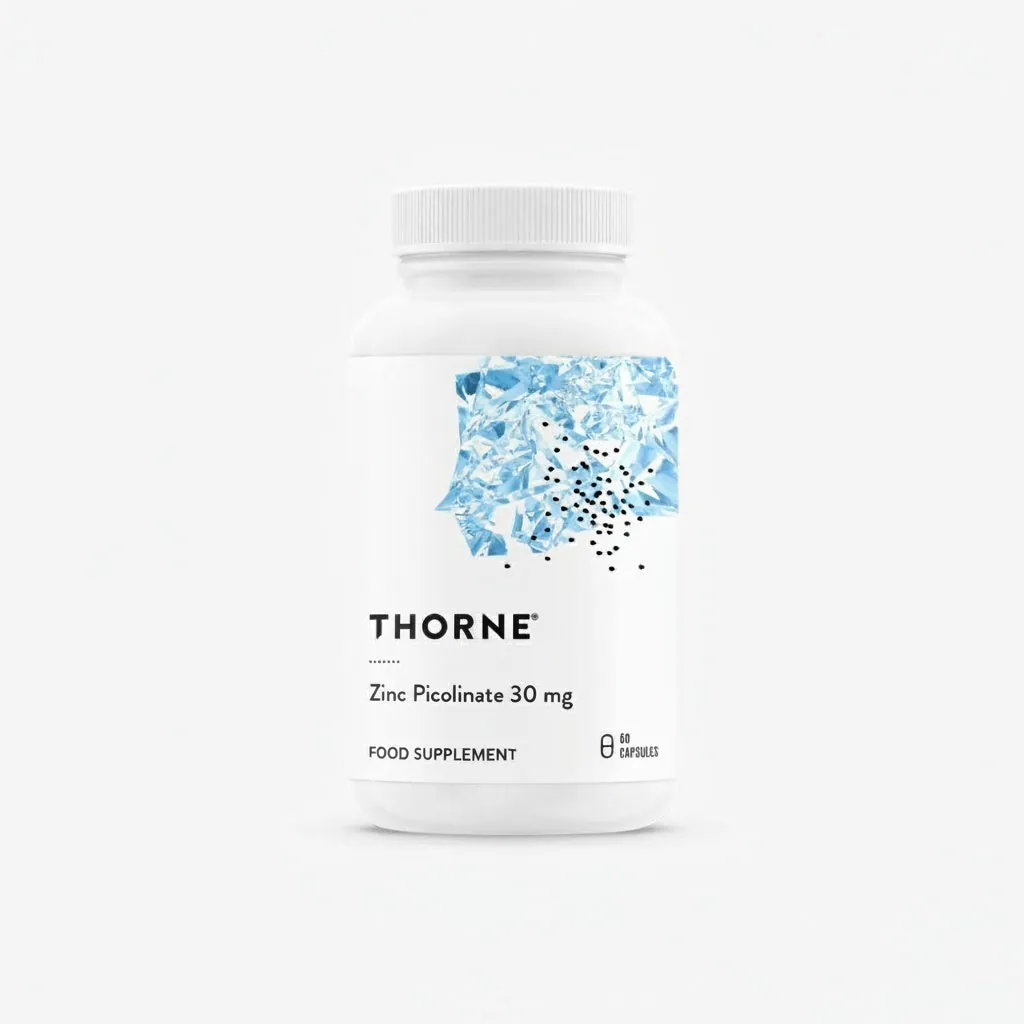
Zinc
15-25mgZinc plays a role in testosterone production and immune function. Research suggests many men in the UK have suboptimal zinc intake (National Diet and Nutrition Survey data).
Available Forms
| Form | Bioavailability | Notes |
|---|---|---|
| Zinc Picolinate | high | Well-absorbed chelated form |
| Zinc Bisglycinate | high | Gentle on stomach, good absorption |
| Zinc Citrate | moderate | Reasonable absorption, affordable |
| Zinc Gluconate | moderate | Common in lozenges, moderate absorption |
| Zinc Oxide | low | Poorly absorbed, cheap, avoid for supplementation |

Magnesium
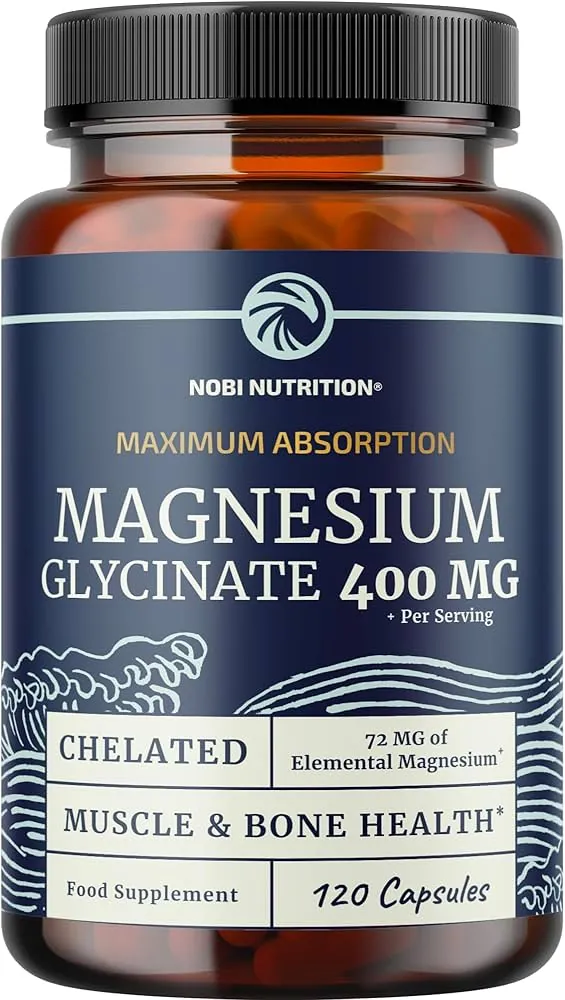
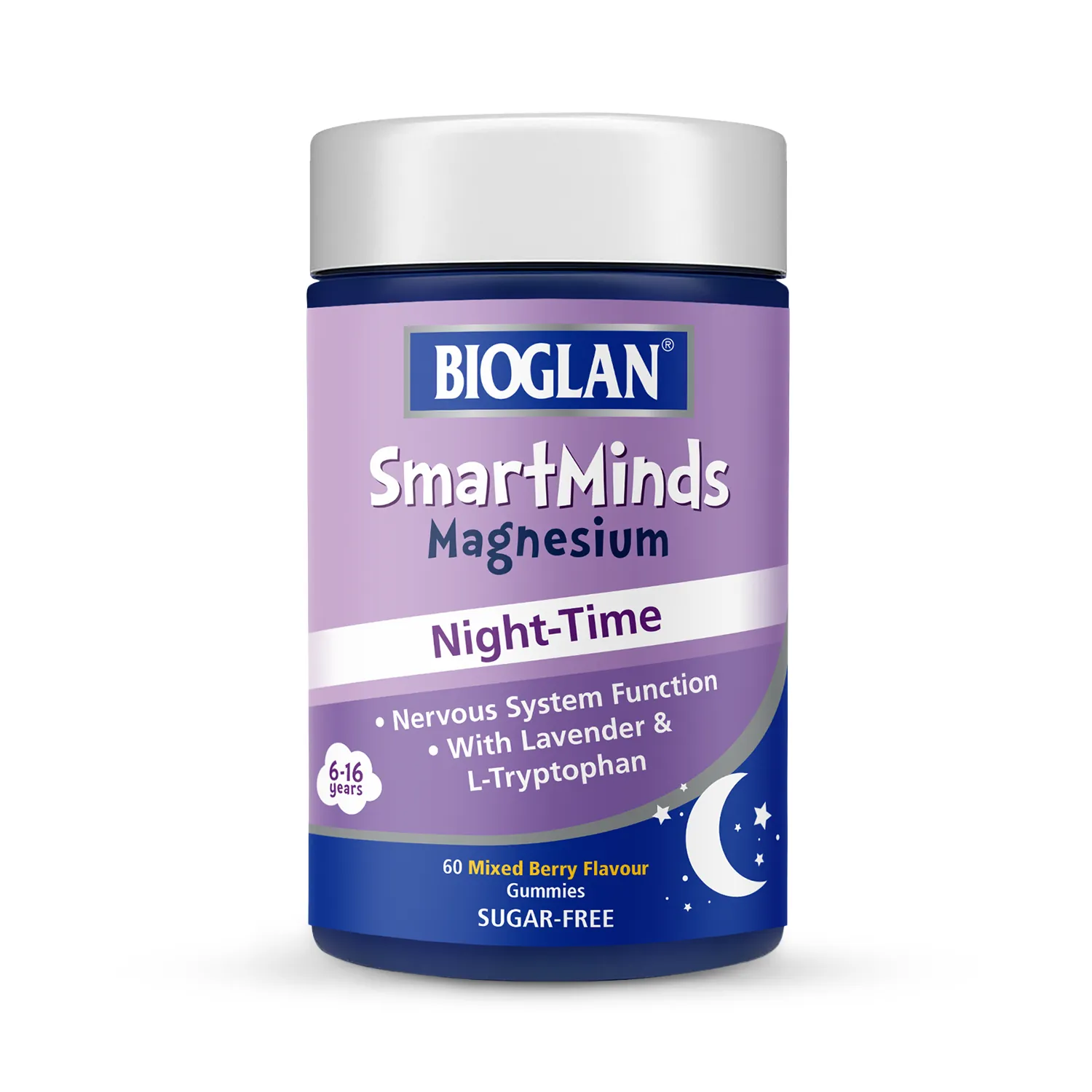
300-400mgInvolved in 300+ enzymatic reactions. Research links adequate magnesium with better sleep quality, exercise performance, and stress resilience.
Available Forms
| Form | Bioavailability | Notes |
|---|---|---|
| Magnesium Glycinate | high | Chelated form, well-absorbed, least likely to cause GI issues, calming effect |
| Magnesium Citrate | high | Good absorption, mild laxative effect at higher doses |
| Magnesium Oxide | low | ~4% bioavailability, primarily used as laxative, poor supplement choice |
| Magnesium Taurate | high | Combined with taurine, studied for cardiovascular and sleep support |
| Magnesium L-Threonate | high | Crosses blood-brain barrier, studied for cognitive function |

Vitamin D3
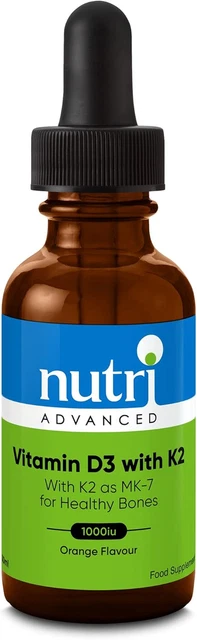
2,000-4,000 IUPHE data suggests 1 in 5 UK adults have low vitamin D levels. Adequate D3 supports muscle function, immune health, and bone density.
Available Forms
| Form | Bioavailability | Notes |
|---|---|---|
| Cholecalciferol (D3) | high | Preferred form; raises serum 25(OH)D more effectively than D2 |
| Ergocalciferol (D2) | moderate | Vegan-friendly (plant/fungal) but less potent per IU |

Omega-3
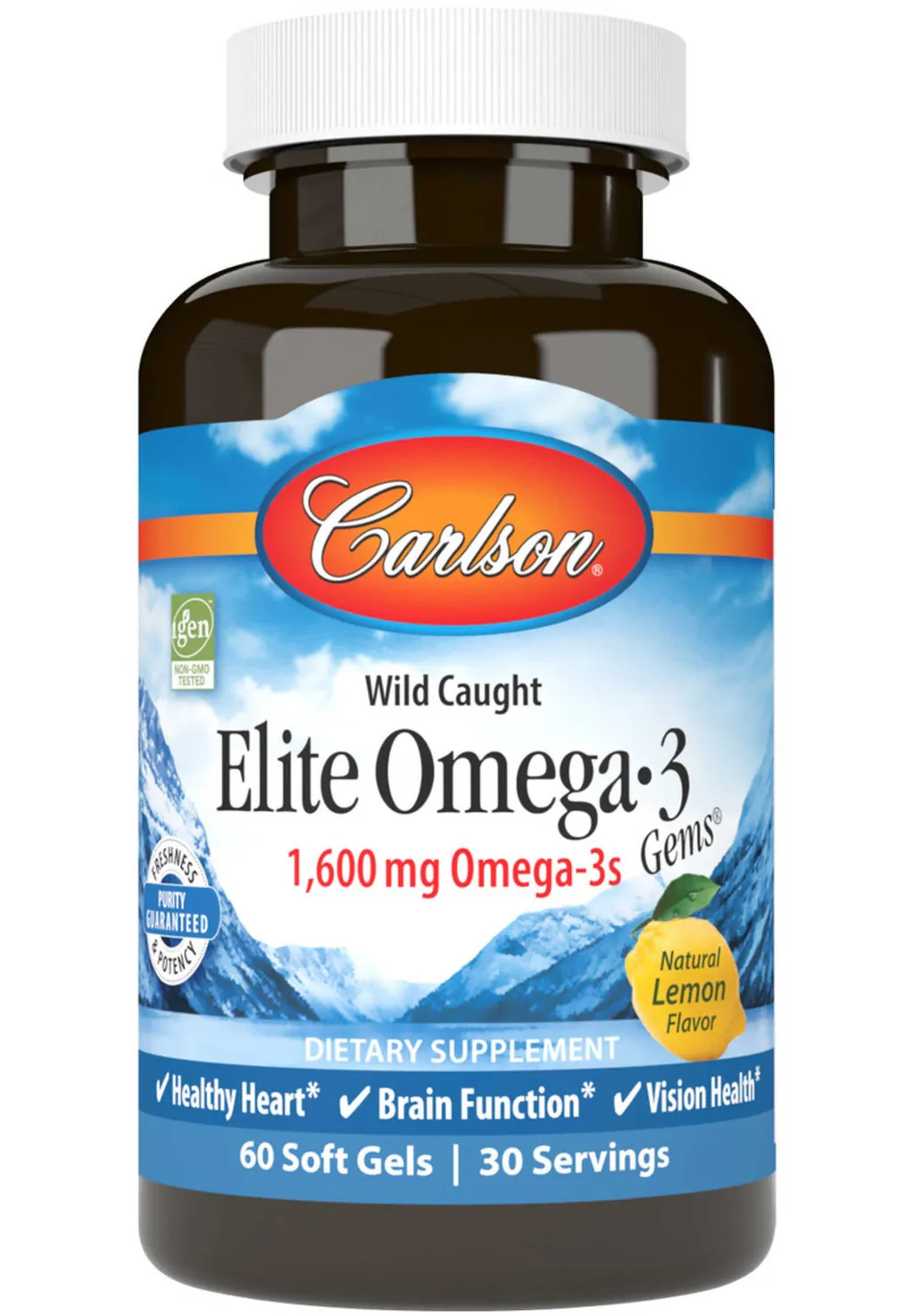
1,000-2,000mg EPA+DHASupports cardiovascular health and may reduce inflammation. The American Heart Association recommends oily fish or supplementation.
Available Forms
| Form | Bioavailability | Notes |
|---|---|---|
| Triglyceride (rTG) Fish Oil | high | Re-esterified triglyceride, best absorbed form, premium |
| Ethyl Ester (EE) Fish Oil | moderate | Most common, requires more processing by the body, cheaper |
| Algae Oil (DHA-rich) | high | Vegan source, primarily DHA, sustainable |
| Krill Oil | high | Phospholipid-bound, contains astaxanthin, well-absorbed but lower EPA+DHA per capsule |

Creatine
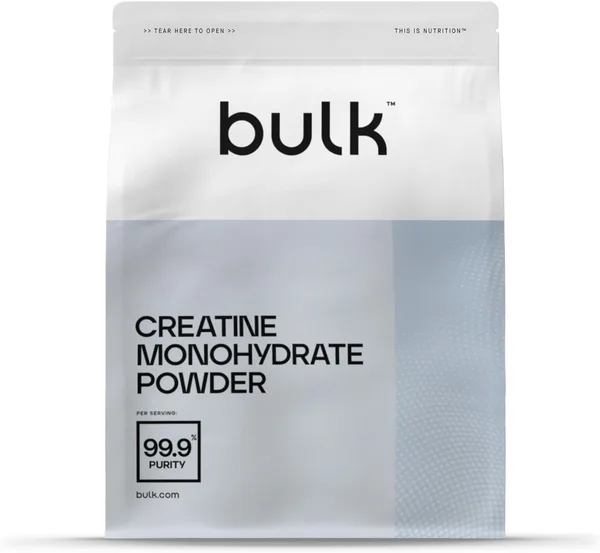
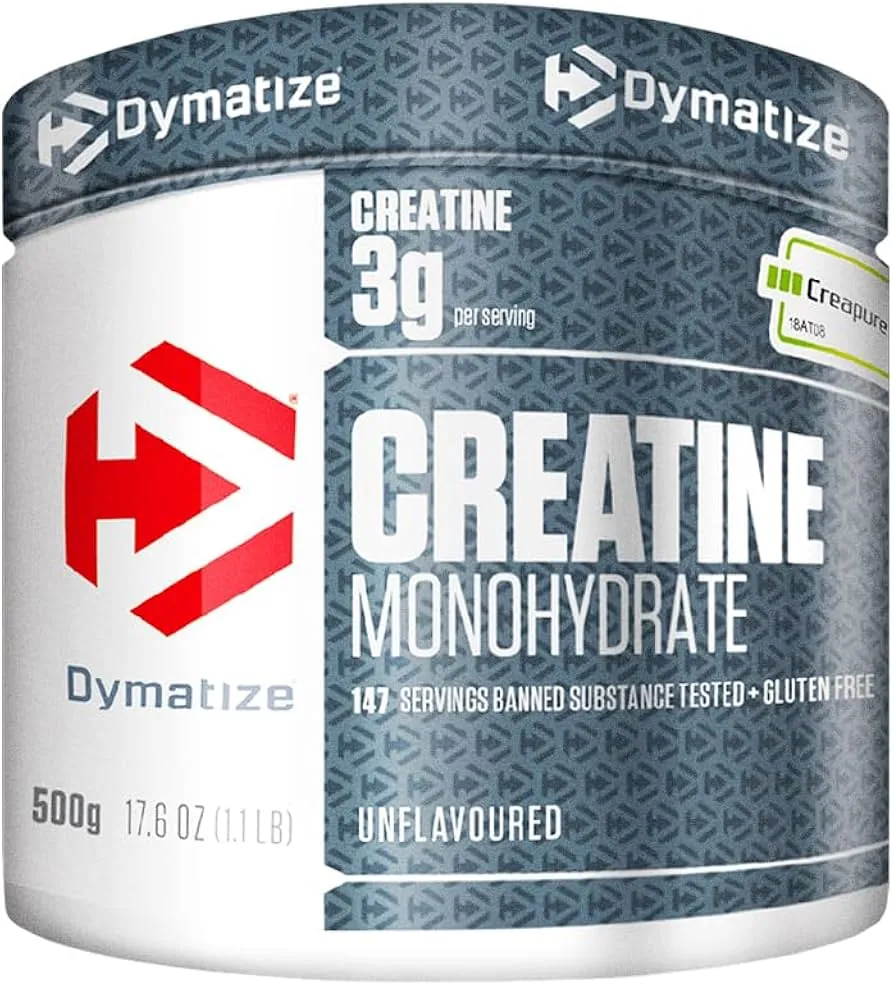
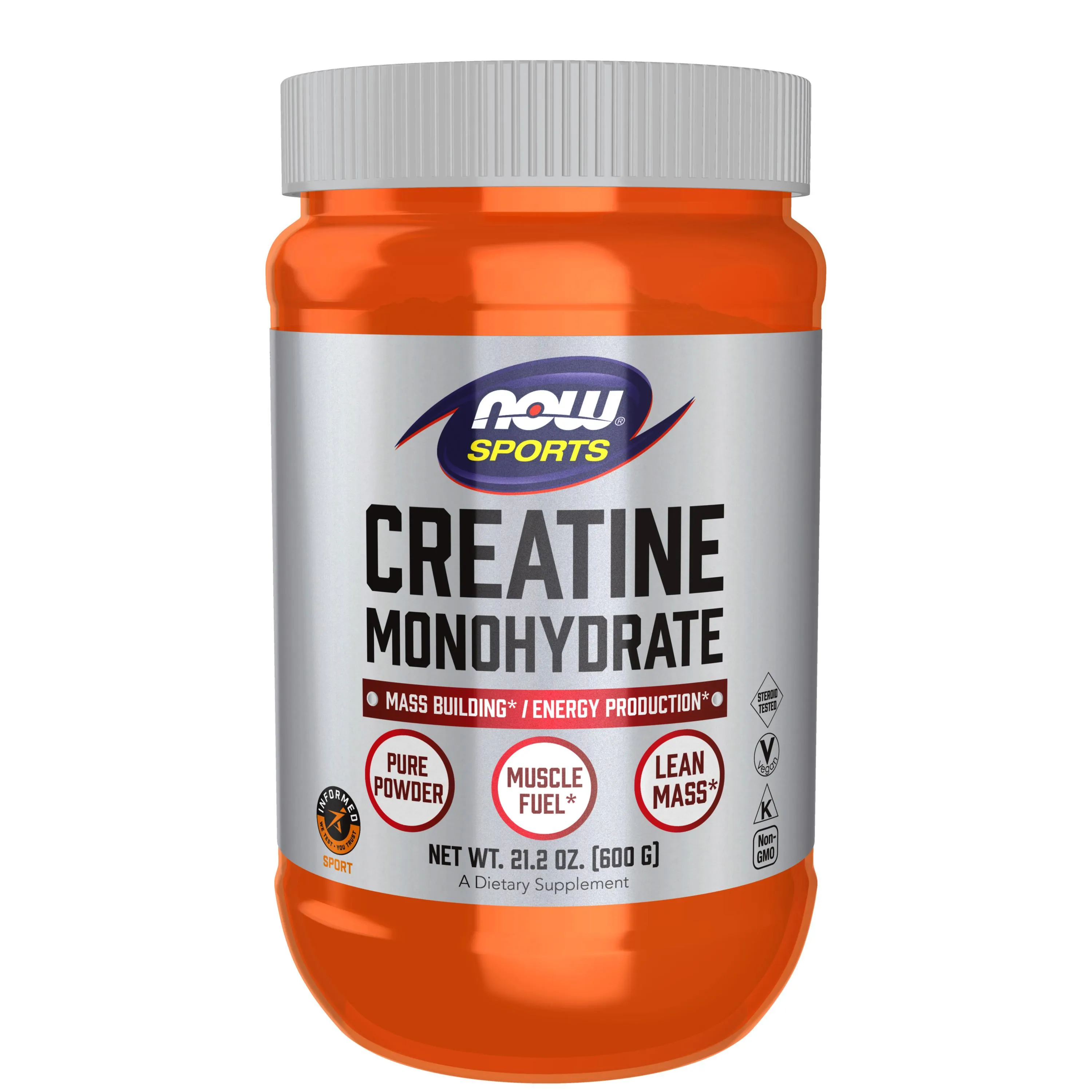
3-5gThe most evidence-backed sports supplement. ISSN confirms benefits for strength, power output, and lean mass, relevant for maintaining muscle mass with age.
Available Forms
| Form | Bioavailability | Notes |
|---|---|---|
| Creatine Monohydrate | high | Gold standard, most studied form, cheapest and most effective |
| Creatine HCl | high | More soluble, smaller doses claimed — but no evidence it outperforms monohydrate |
| Creapure | high | Premium German-manufactured monohydrate, tested for purity |
How This Stack Works
The five ingredients in this stack address four interconnected areas relevant to men's health after 30: hormonal support, sleep and recovery, cardiovascular function, and body composition maintenance.
Zinc acts as a cofactor throughout the hypothalamic-pituitary-gonadal axis, the hormonal pathway regulating testosterone production. A landmark study by Prasad et al. (1996, Nutrition) demonstrated that experimentally induced zinc restriction in healthy young men significantly reduced serum testosterone over 20 weeks, and that supplementation in zinc-deficient older men partially restored levels. UK men with high training loads or predominantly plant-based diets may be at particular risk of suboptimal intake, as phytates in plant foods reduce zinc bioavailability — a relationship documented by Hambidge and Krebs (2007, Journal of Nutrition).
Magnesium supports multiple mechanisms relevant here. Abbasi et al. (2012, Journal of Research in Medical Sciences) conducted a double-blind, placebo-controlled trial demonstrating that magnesium supplementation improved sleep quality in older adults. Separately, Cinar et al. (2011, Biological Trace Element Research) observed that magnesium supplementation was associated with higher testosterone levels in both sedentary men and athletes. Magnesium also plays a structural role in ATP synthesis, underpinning energy metabolism and exercise recovery.
Vitamin D3 insufficiency is a documented public health concern in the UK. SACN's 2016 vitamin D report informed the NHS recommendation that all UK adults consider supplementing with 10mcg (400 IU) during autumn and winter — and year-round for those with limited sun exposure. Research by Pilz et al. (2011, Hormone and Metabolic Research) found that vitamin D supplementation in deficient men significantly increased testosterone levels. A meta-analysis by Bischoff-Ferrari et al. (2009, BMJ) linked adequate vitamin D status with improved muscle strength and reduced risk of falls in older adults.
Omega-3 fatty acids (EPA and DHA) have an established evidence base for cardiovascular support. Mozaffarian and Wu (2011, Journal of the American College of Cardiology) reviewed evidence supporting omega-3's role in reducing serum triglycerides and modest cardiovascular risk reduction — findings further examined in the ASCEND trial (Bowman et al., 2018, New England Journal of Medicine) and the VITAL trial (Manson et al., 2019, NEJM).
Creatine monohydrate is among the most extensively studied sports nutrition compounds. The International Society of Sports Nutrition's position stand (Kreider et al., 2017, Journal of the International Society of Sports Nutrition) confirms consistent evidence for improvements in strength, power output, and lean mass — outcomes particularly relevant as muscle mass naturally declines from the mid-30s onward. A note on interactions: high zinc intake may impair magnesium absorption, reinforcing the importance of adhering to the evidence-based dosing ranges outlined for this stack.
Interaction Analysis
5 known interactions between ingredients in this stack.
High-dose magnesium and zinc may compete for absorption when taken simultaneously. The effect is most pronounced at higher supplemental doses.
Action: If taking both at high doses, separating them by a few hours may optimise absorption — for example, zinc in the morning and magnesium in the evening.
Read full analysis →Magnesium is a cofactor in Vitamin D metabolism. Research suggests adequate magnesium is necessary for the body to activate and utilise Vitamin D3 effectively.
Action: Ensuring adequate magnesium intake alongside Vitamin D3 supplementation may improve D3 utilisation.
Read full analysis →Research suggests magnesium may play a role in creatine metabolism and cellular energy production. Both are involved in the ATP energy system.
Action: These can be taken together. Creatine is commonly taken with a meal, and magnesium can be included at the same time.
Read full analysis →Research suggests omega-3 fatty acids and Vitamin D3 may have complementary anti-inflammatory and immune-supporting effects. The VITAL study examined their combined benefits.
Action: Taking Vitamin D3 with omega-3 (fish oil) provides the fat needed for D3 absorption. They can be taken together at a meal.
Read full analysis →Emerging research suggests combining creatine and Vitamin D3 may have additive benefits for bone health and muscle function, particularly in older adults.
Action: Both can be taken together. Creatine with a meal, Vitamin D3 with a fat-containing meal.
Read full analysis →Suggested Timing Schedule
Morning
Take with food to prevent nausea. Away from iron and calcium supplements.
Fat-soluble — better absorbed with a meal containing dietary fat
Evening
Evening preferred — may promote relaxation. Take with food to reduce GI discomfort.
Any Time
Take with a meal containing fat for best absorption. Split high doses across meals to reduce fishy burps. Freeze capsules to reduce aftertaste.
Timing does not matter — daily consistency is key. Take with water or carbohydrate-rich meal. No loading phase required at 3-5 g/day.
What to Avoid with This Stack
- • Zinc above 25mg long-term without copper monitoring
Alternatives & Variations
Men with specific concerns may consider additional ingredients alongside this core stack. Ashwagandha (Withania somnifera) has been investigated for stress resilience and testosterone support; Wankhede et al. (2015, Journal of the International Society of Sports Nutrition) found improvements in muscle recovery and testosterone in a randomised controlled trial. Vitamin K2 is commonly co-supplemented with D3 to support calcium regulation and vascular health. Boron has attracted research interest for its potential influence on sex hormone metabolism. Those with prostate health concerns sometimes consider saw palmetto, though evidence in this area remains mixed. Individual supplementation needs are best assessed through GP consultation and targeted blood testing.
Notes & Caveats
This stack addresses common nutritional gaps in men over 30. Individual needs vary — a blood test can identify specific deficiencies.
Customise This Stack
Load these supplements into our interactive Stack Analyzer to adjust dosages, add or remove ingredients, and get personalised timing.
Customise this stack →Frequently Asked Questions
Response timelines vary by nutrient and individual baseline. Creatine performance benefits typically emerge within 2–4 weeks of consistent use, as supported by meta-analyses including Lanhers et al. (2017, European Journal of Sport Science). Vitamin D3 may require 8–12 weeks to meaningfully raise serum 25(OH)D levels. Magnesium effects on sleep quality appeared within 8 weeks in trial data from Abbasi et al. (2012). Individual responses may vary considerably depending on baseline deficiency levels.
In principle, yes — but NDNS data indicates a meaningful proportion of UK adult men fall below reference nutrient intakes for zinc and magnesium. Oily fish such as mackerel, salmon, and sardines provide EPA and DHA; red meat and shellfish are good zinc sources; nuts and leafy vegetables contribute magnesium. Vitamin D synthesis from sunlight is insufficient for much of the year at UK latitudes, which is why SACN recommends supplementation throughout autumn and winter for the general UK population.
The ISSN position stand (Kreider et al., 2017, Journal of the International Society of Sports Nutrition) concluded that creatine monohydrate is safe for long-term use in healthy adults, with no evidence of adverse effects on kidney or liver function in those without pre-existing conditions. Standard supplementation is 3–5g daily; a loading phase is not necessary for most users. Individuals with pre-existing kidney conditions should seek GP guidance before use.