Important: This page is for informational purposes only, based on published peer-reviewed research and official UK dietary guidelines (NHS, EFSA, SACN). It does not constitute medical advice. Always consult your GP or pharmacist before starting, stopping, or combining supplements.
Supplements Studied for Muscle Recovery
Ingredients with evidence for exercise recovery and muscle protein synthesis
Why This Stack?
The post-exercise recovery window is increasingly recognised as a critical determinant of long-term training adaptations. This stack brings together three well-researched ingredients — creatine monohydrate, magnesium, and omega-3 fatty acids — each supported by a distinct but complementary body of evidence relating to exercise recovery and muscle physiology. Creatine monohydrate is among the most extensively studied ergogenic aids in sports science. A 2017 position stand from the International Society of Sports Nutrition (Kreider et al., J Int Soc Sports Nutr) confirms its role in supporting training adaptations, reducing markers of muscle damage, and assisting lean mass accumulation across a wide range of training populations. Magnesium is an essential mineral involved in over 300 enzymatic processes, many of which are directly relevant to muscle contraction, energy metabolism, and neuromuscular signalling. Sweat losses during intense exercise can meaningfully deplete magnesium status. Research by Zhang et al. (2017, Nutrients) suggests supplementation may support exercise performance outcomes, particularly where baseline dietary intake is insufficient — a common finding in UK dietary surveys. Omega-3 fatty acids, specifically EPA and DHA from fish oil, have been studied for their capacity to attenuate delayed-onset muscle soreness (DOMS) following eccentric or novel exercise. Tsuchiya et al. (2016, J Sports Sci Med) reported reduced perceived soreness and preserved muscular strength in participants supplementing with fish oil over eight weeks. This stack is intended to support — not replace — the primary pillars of recovery: adequate protein intake, quality sleep, and well-managed training load. Individual responses may vary.
What’s in This Stack
Creatine
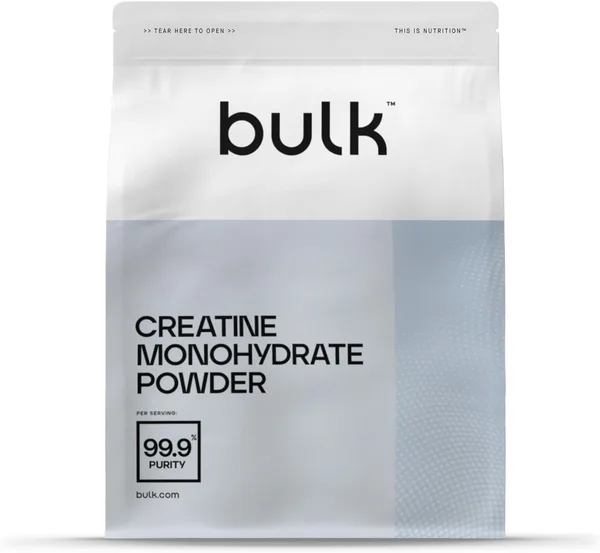
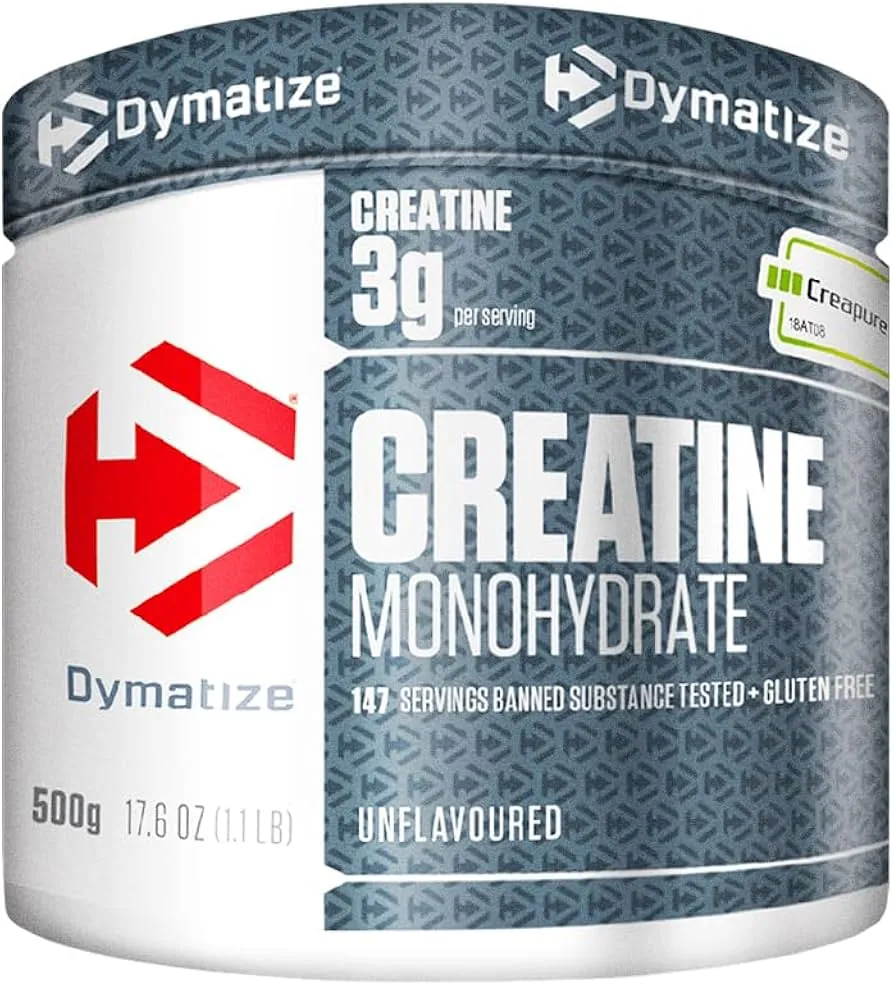
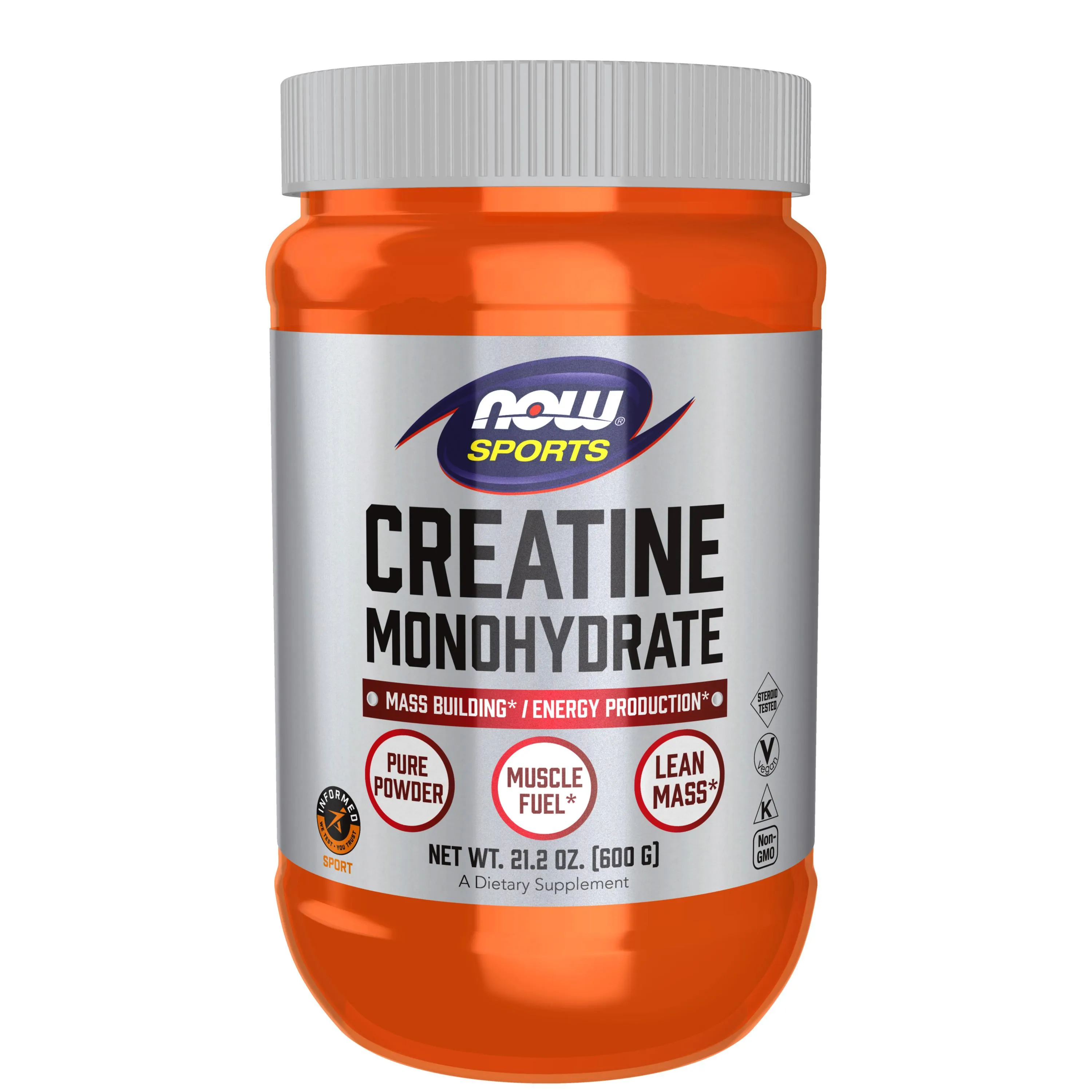
3-5g (monohydrate)Creatine monohydrate is the most extensively studied sports supplement. The ISSN position stand confirms it enhances recovery, training adaptations, and lean mass (Kreider et al., 2017, J Int Soc Sports Nutr).
Available Forms
| Form | Bioavailability | Notes |
|---|---|---|
| Creatine Monohydrate | high | Gold standard, most studied form, cheapest and most effective |
| Creatine HCl | high | More soluble, smaller doses claimed — but no evidence it outperforms monohydrate |
| Creapure | high | Premium German-manufactured monohydrate, tested for purity |
Magnesium
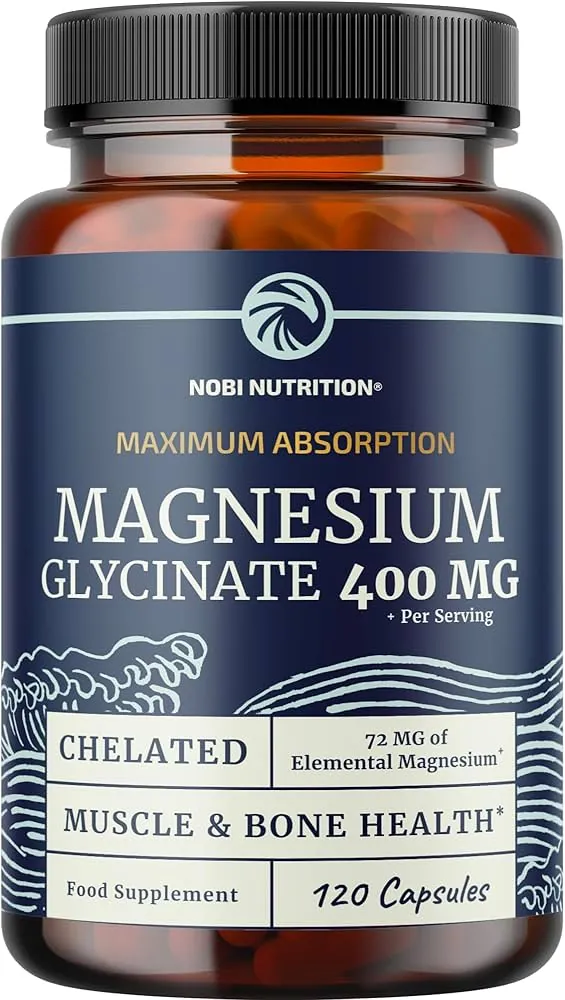
300-400mgMagnesium is lost through sweat and is involved in over 300 enzymatic reactions including muscle contraction and relaxation. Research suggests supplementation may reduce exercise-related muscle cramps (Zhang et al., 2017).
Available Forms
| Form | Bioavailability | Notes |
|---|---|---|
| Magnesium Glycinate | high | Chelated form, well-absorbed, least likely to cause GI issues, calming effect |
| Magnesium Citrate | high | Good absorption, mild laxative effect at higher doses |
| Magnesium Oxide | low | ~4% bioavailability, primarily used as laxative, poor supplement choice |
| Magnesium Taurate | high | Combined with taurine, studied for cardiovascular and sleep support |
| Magnesium L-Threonate | high | Crosses blood-brain barrier, studied for cognitive function |


Omega-3
2,000-3,000mg EPA+DHAStudies indicate omega-3 supplementation may reduce delayed-onset muscle soreness (DOMS) and markers of exercise-induced inflammation (Tsuchiya et al., 2016, J Sports Sci Med).
Available Forms
| Form | Bioavailability | Notes |
|---|---|---|
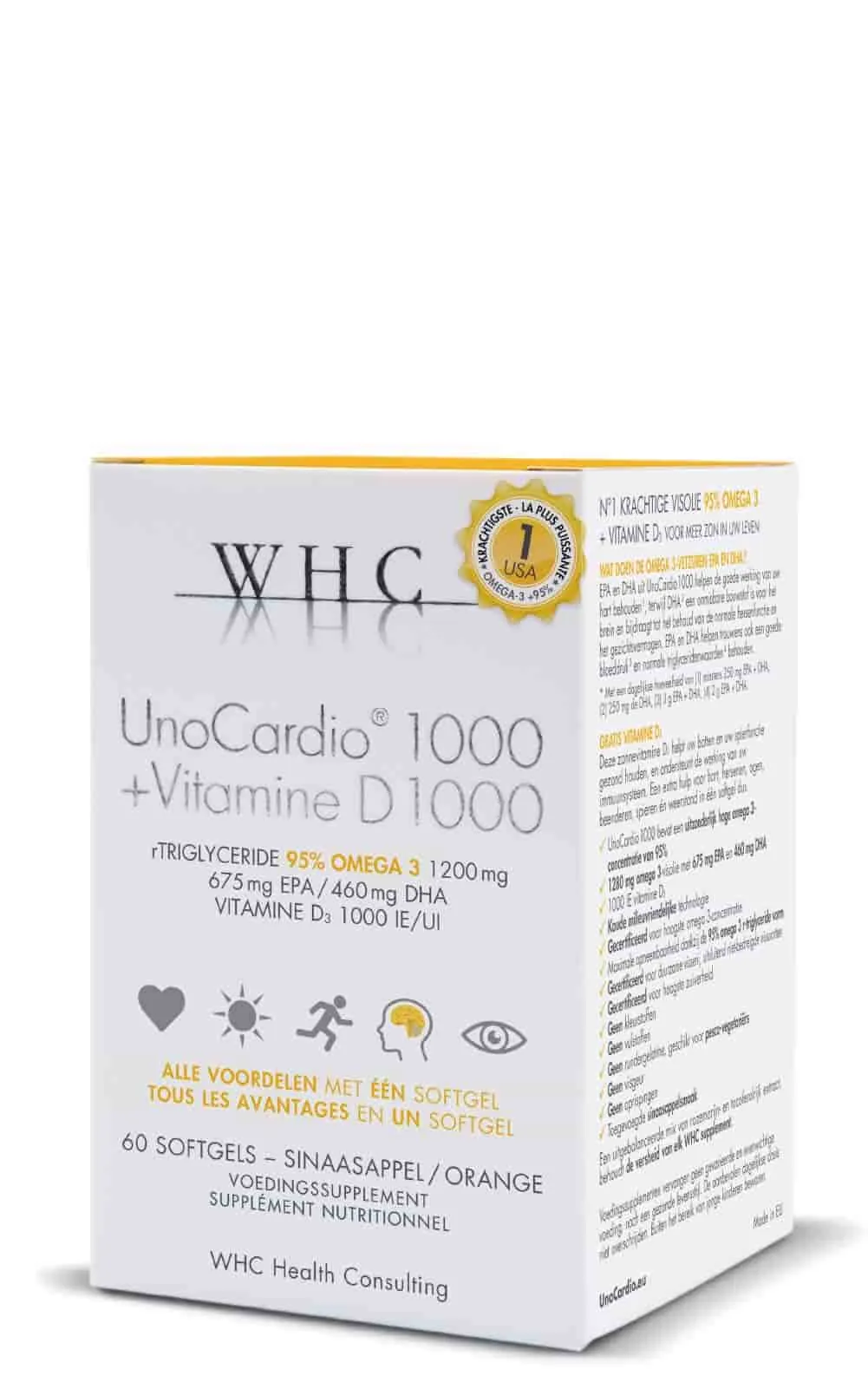
| Triglyceride (rTG) Fish Oil | high | Re-esterified triglyceride, best absorbed form, premium |
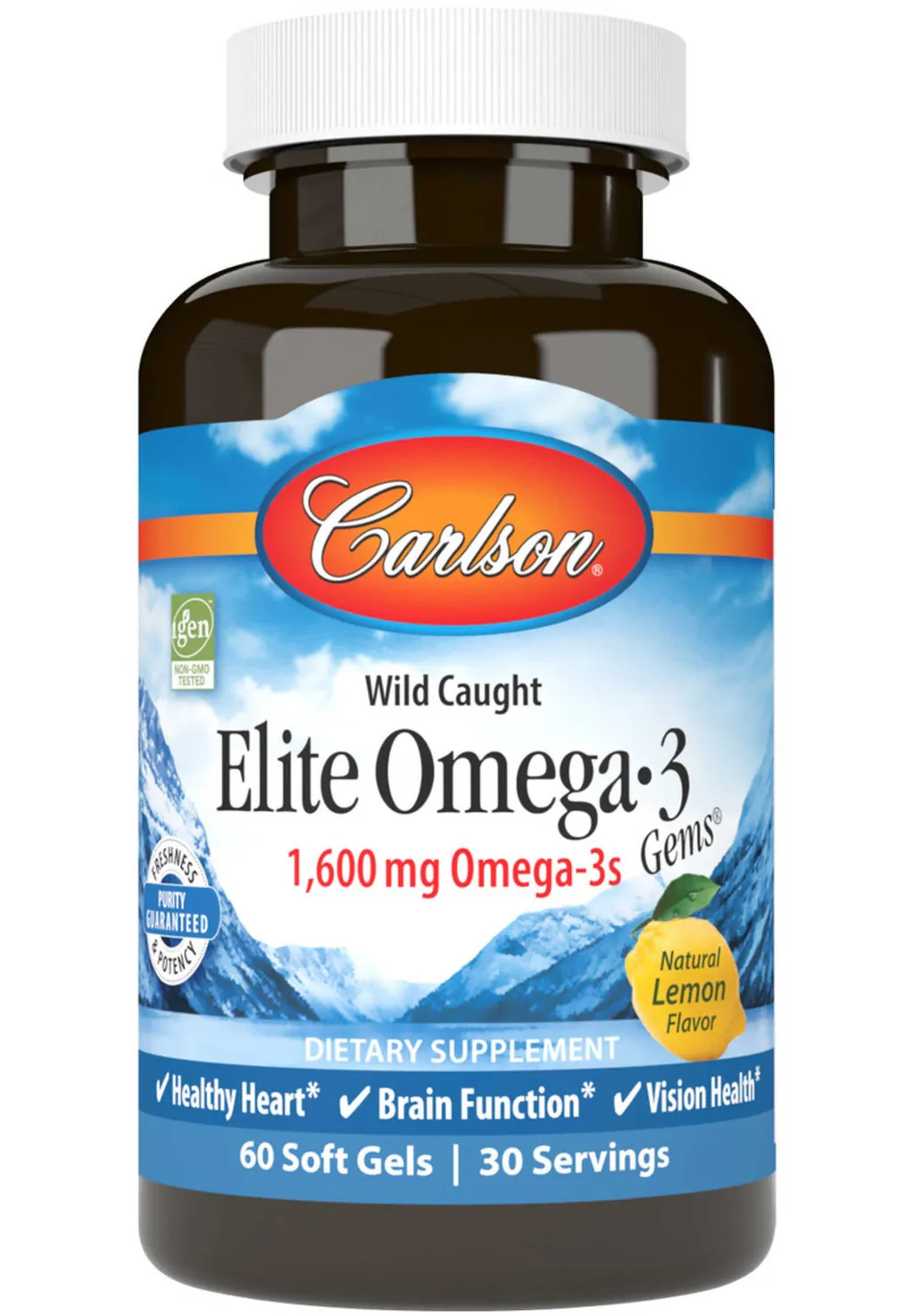
| Ethyl Ester (EE) Fish Oil | moderate | Most common, requires more processing by the body, cheaper |
| Algae Oil (DHA-rich) | high | Vegan source, primarily DHA, sustainable |
| Krill Oil | high | Phospholipid-bound, contains astaxanthin, well-absorbed but lower EPA+DHA per capsule |

How This Stack Works
Understanding why these three ingredients are frequently examined together requires considering their distinct mechanisms and how they may interact to support the overlapping physiological demands of exercise recovery.
Creatine monohydrate replenishes phosphocreatine stores in skeletal muscle, which are rapidly depleted during high-intensity, short-duration efforts. Beyond acute performance, Kreider et al. (2017, J Int Soc Sports Nutr) describe how regular creatine use appears to reduce markers of exercise-induced muscle damage — including creatine kinase and lactate dehydrogenase — which correlate with the severity and duration of DOMS. The proposed mechanism involves creatine's role in maintaining cellular energy homeostasis and attenuating inflammatory signalling in the hours following intense effort.
Magnesium's relevance to recovery is mechanistically broad. The mineral acts as a cofactor in ATP synthesis, protein synthesis, and membrane stabilisation — all critical processes during the post-exercise repair window. Nielsen and Lukaski (2006, Magnes Res) highlighted that sub-optimal magnesium status is associated with increased exercise-induced oxidative stress. Zhang et al. (2017, Nutrients) found evidence supporting magnesium's contribution to performance-related outcomes, particularly in individuals whose dietary intake falls below the UK reference nutrient intake of 300mg per day for adult men and 270mg for adult women.
Omega-3 fatty acids, EPA and DHA, are incorporated into skeletal muscle cell membrane phospholipids and modulate eicosanoid production — signalling molecules that regulate inflammatory cascades. Smith et al. (2011, Am J Clin Nutr) demonstrated that omega-3 supplementation enhanced the rate of muscle protein synthesis in response to insulin and amino acids, suggesting a direct anabolic effect extending beyond inflammation management. Tsuchiya et al. (2016, J Sports Sci Med) further showed that fish oil supplementation attenuated eccentric exercise-induced muscle damage and preserved joint range of motion.
Taken together, these three ingredients address energy metabolism, inflammatory response, and anabolic signalling — interlocking processes central to effective recovery. No clinically significant interactions between creatine, magnesium, and omega-3 are expected at standard supplementation doses. Individual responses may vary based on training status, dietary patterns, and baseline nutrient levels.
Interaction Analysis
1 known interaction between ingredients in this stack.
Research suggests magnesium may play a role in creatine metabolism and cellular energy production. Both are involved in the ATP energy system.
Action: These can be taken together. Creatine is commonly taken with a meal, and magnesium can be included at the same time.
Read full analysis →Suggested Timing Schedule
Morning
None in this stack
Evening
Evening preferred — may promote relaxation. Take with food to reduce GI discomfort.
Any Time
Timing does not matter — daily consistency is key. Take with water or carbohydrate-rich meal. No loading phase required at 3-5 g/day.
Take with a meal containing fat for best absorption. Split high doses across meals to reduce fishy burps. Freeze capsules to reduce aftertaste.
Alternatives & Variations
Several other ingredients have been studied in the context of exercise recovery and may complement or substitute components of this stack depending on individual goals. Tart cherry extract has shown promise in reducing DOMS and accelerating recovery of muscle function following both resistance and endurance exercise (Howatson et al., 2010, J Int Soc Sports Nutr). Beta-hydroxy-beta-methylbutyrate (HMB) has been examined for its potential to attenuate exercise-induced muscle protein breakdown, particularly in untrained individuals (Wilson et al., 2014, Eur J Appl Physiol). Vitamin D3 merits consideration for individuals with limited sun exposure or confirmed insufficiency, given its established role in musculoskeletal function and EFSA-authorised health claims relating to normal muscle function. Individual responses may vary.
Notes & Caveats
These supplements complement — not replace — adequate protein intake, sleep, and progressive training.
Customise This Stack
Load these supplements into our interactive Stack Analyzer to adjust dosages, add or remove ingredients, and get personalised timing.
Customise this stack →Frequently Asked Questions
Research suggests that consistent daily supplementation is the primary driver of elevated muscle creatine stores, rather than precise timing. Cribb and Hayes (2006, Med Sci Sports Exerc) found that consuming creatine in proximity to an exercise session may offer modest additional benefit. However, for recovery-focused outcomes, the total daily dose of 3–5g monohydrate appears most important. A loading phase is not required and does not appear to produce meaningfully different long-term outcomes in most individuals. Individual responses may vary.
Studies suggest that several weeks of supplementation are typically required before EPA and DHA are meaningfully incorporated into skeletal muscle cell membranes. Tsuchiya et al. (2016, J Sports Sci Med) used an eight-week supplementation protocol prior to assessing DOMS outcomes. Short-term use of fewer than two to four weeks is unlikely to produce measurable reductions in soreness. Consistent daily intake of 2,000–3,000mg EPA+DHA over an extended period appears necessary for potential effects. Individual responses may vary significantly.
Research indicates no known negative interactions between creatine, magnesium, omega-3 fatty acids, and whey protein. Dietary protein — particularly leucine-rich sources such as whey — underpins muscle protein synthesis, and these ingredients are most commonly studied as adjuncts to, not replacements for, adequate protein intake. The British Dietetic Association generally advises adults undertaking resistance training to consume 1.4–2.0g of protein per kilogram of body weight per day. Combining this stack with sufficient protein and progressive training appears to be the evidence-informed approach.