Important: This page is for informational purposes only, based on published peer-reviewed research and official UK dietary guidelines (NHS, EFSA, SACN). It does not constitute medical advice. Always consult your GP or pharmacist before starting, stopping, or combining supplements.
Popular Supplements for Over 50s
Ingredients addressing common nutritional gaps in older adults
Why This Stack?
Nutritional needs shift considerably in the decades following fifty. Physiological changes — including a progressive decline in gastric acid secretion, reduced skin synthesis of vitamin D, decreased intrinsic factor production, and declining mitochondrial efficiency — create nutritional gaps that are difficult to close through diet alone. This stack addresses six areas where published research consistently identifies deficiency risk and clinically meaningful supplementation benefit in adults over 50: bone mineralisation, cardiovascular support, neurological maintenance, and mitochondrial energy function. In the UK, the Scientific Advisory Committee on Nutrition (SACN) formally recommends vitamin D supplementation year-round for all adults aged 65 and over, reflecting the near-universal insufficiency documented in this population. NICE clinical guidelines acknowledge that vitamin B12 absorption declines with age — particularly in individuals with atrophic gastritis or those taking metformin or proton pump inhibitors. The VITAL trial (Manson et al., New England Journal of Medicine, 2018), involving over 25,000 participants, provided some of the strongest evidence to date for omega-3 supplementation and cardiovascular risk reduction. This stack is not a substitute for a varied diet or medical supervision. Individual responses vary considerably based on baseline nutritional status, health conditions, and concurrent medications. NICE and the NHS recommend regular blood testing to identify specific deficiencies before initiating supplementation.
What’s in This Stack
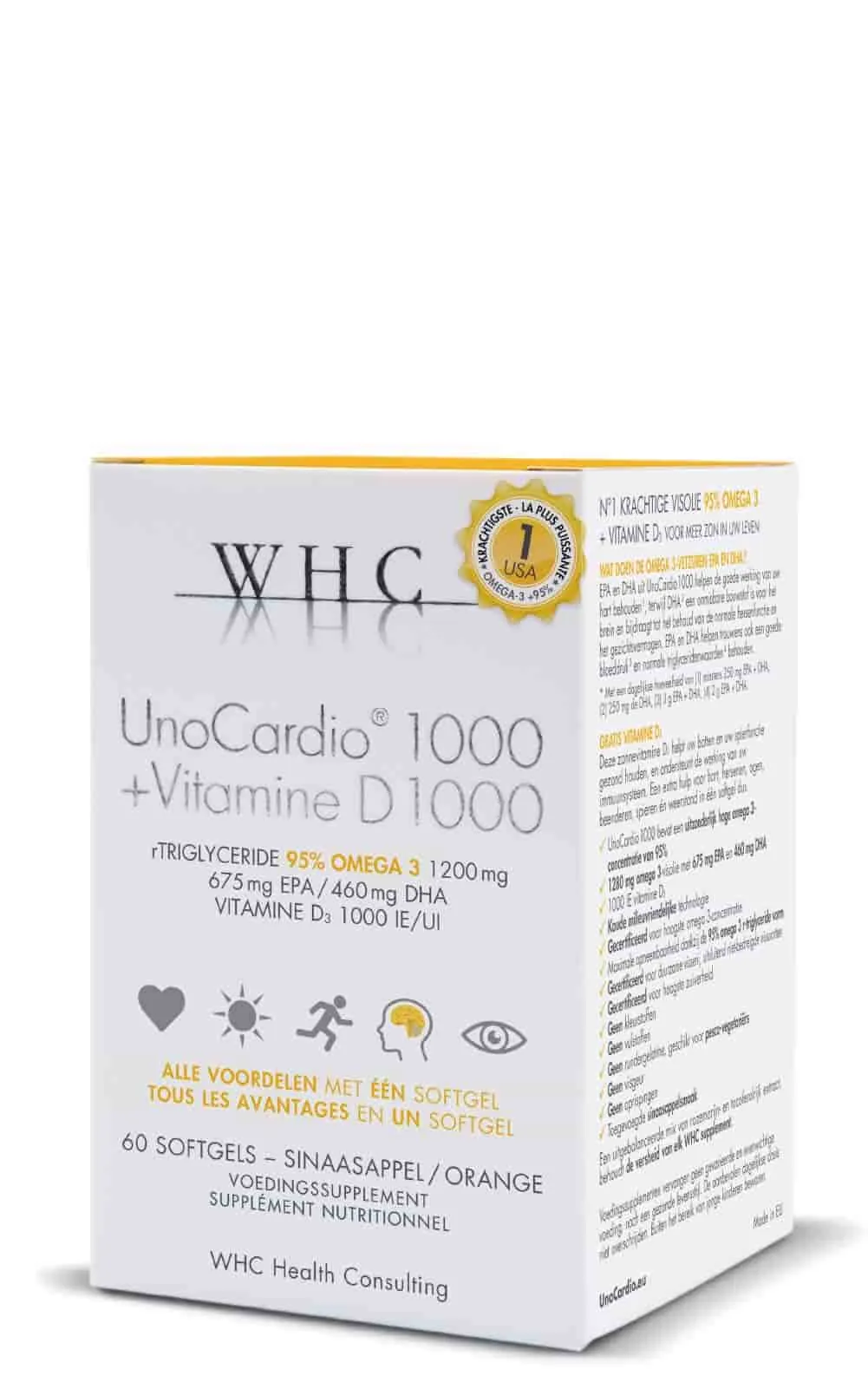
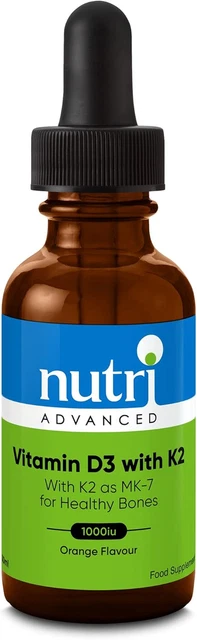
Vitamin D3
2,000-4,000 IUSACN recommends all UK adults over 65 take at least 10mcg/day. Older adults produce less D3 from sunlight due to reduced skin synthesis. Higher doses are commonly used.
Available Forms
| Form | Bioavailability | Notes |
|---|---|---|
| Cholecalciferol (D3) | high | Preferred form; raises serum 25(OH)D more effectively than D2 |
| Ergocalciferol (D2) | moderate | Vegan-friendly (plant/fungal) but less potent per IU |
Vitamin B12
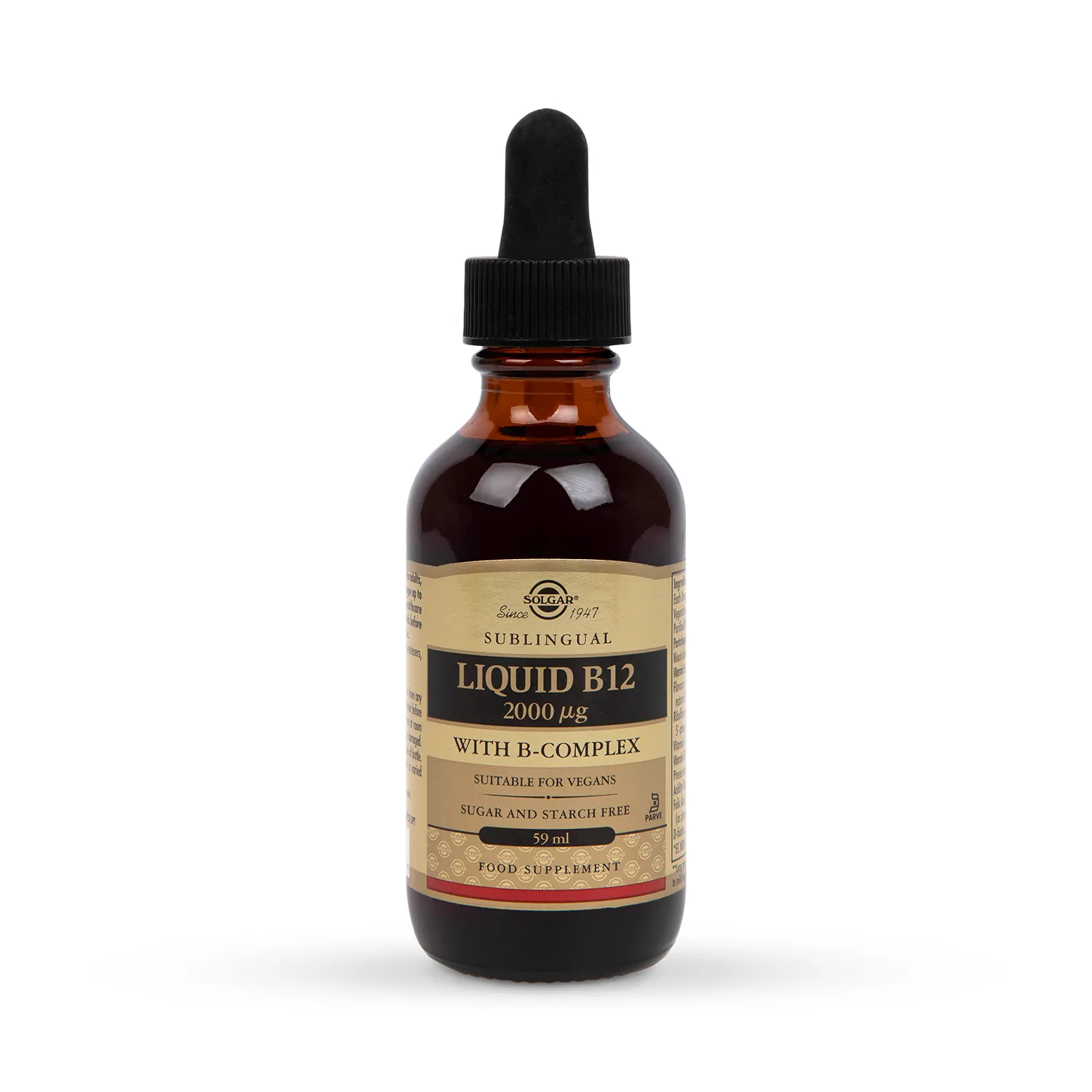
1,000mcg (methylcobalamin)B12 absorption decreases with age due to reduced gastric acid and intrinsic factor. NICE recommends screening and supplementation in older adults, particularly those on metformin or PPIs.
Available Forms
| Form | Bioavailability | Notes |
|---|---|---|
| Methylcobalamin | high | Active/coenzyme form, no conversion needed, preferred by practitioners |
| Cyanocobalamin | moderate | Synthetic, requires conversion, but most studied and shelf-stable |
| Hydroxocobalamin | high | Used in injections, longer retention in body |
Omega-3
1,000-2,000mg EPA+DHAResearch supports omega-3 for cardiovascular health and cognitive maintenance in older adults. The VITAL trial found reduced MI risk with daily supplementation.
Available Forms
| Form | Bioavailability | Notes |
|---|---|---|
| Triglyceride (rTG) Fish Oil | high | Re-esterified triglyceride, best absorbed form, premium |
| Ethyl Ester (EE) Fish Oil | moderate | Most common, requires more processing by the body, cheaper |
| Algae Oil (DHA-rich) | high | Vegan source, primarily DHA, sustainable |
| Krill Oil | high | Phospholipid-bound, contains astaxanthin, well-absorbed but lower EPA+DHA per capsule |
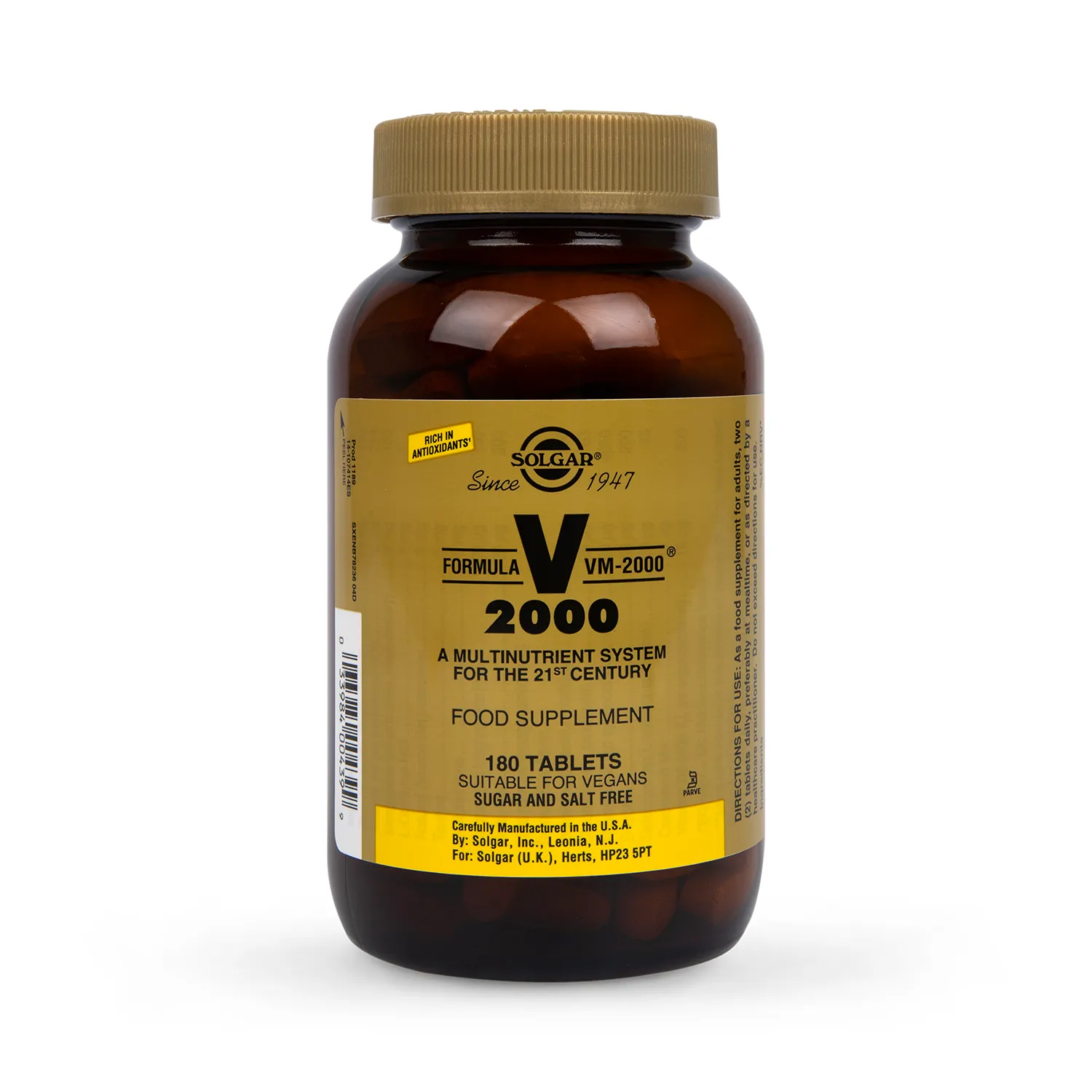
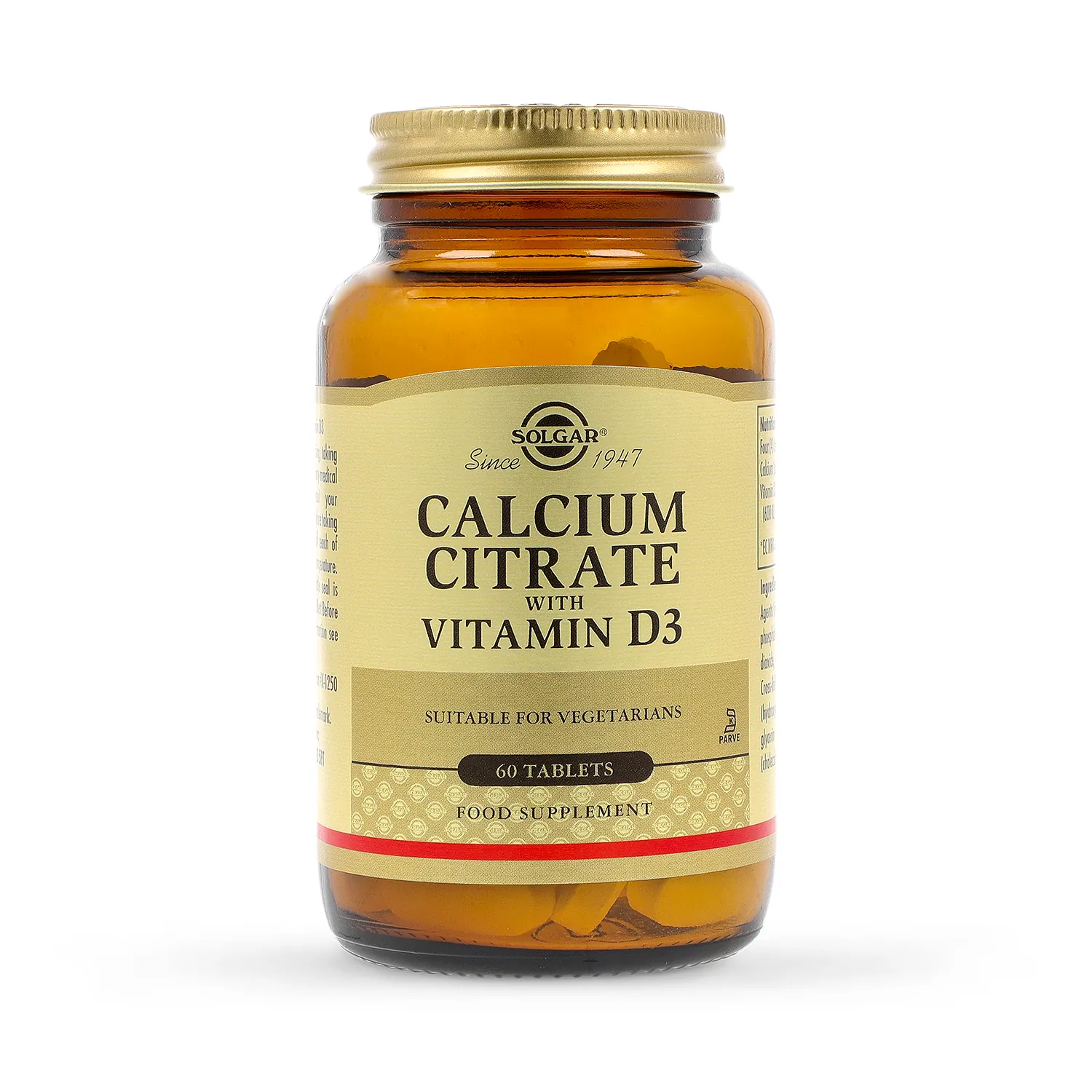
Calcium
500-600mgCombined with Vitamin D, calcium supplementation reduced fracture risk by 15% in post-menopausal women (Weaver et al., 2016). Important if dairy intake is low.
Available Forms
| Form | Bioavailability | Notes |
|---|---|---|
| Calcium Carbonate | moderate | 40% elemental calcium, requires stomach acid, cheapest |
| Calcium Citrate | high | 21% elemental calcium but better absorbed, can be taken without food |
| Hydroxyapatite (MCHA) | high | Bone-derived, contains calcium + phosphorus in natural matrix |
| Calcium Orotate | moderate | Smaller elemental calcium content, some evidence for better cellular uptake |
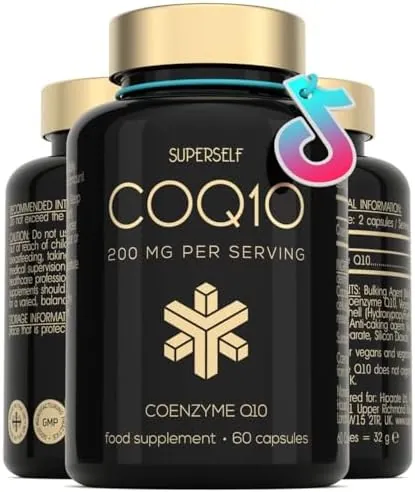
CoQ10
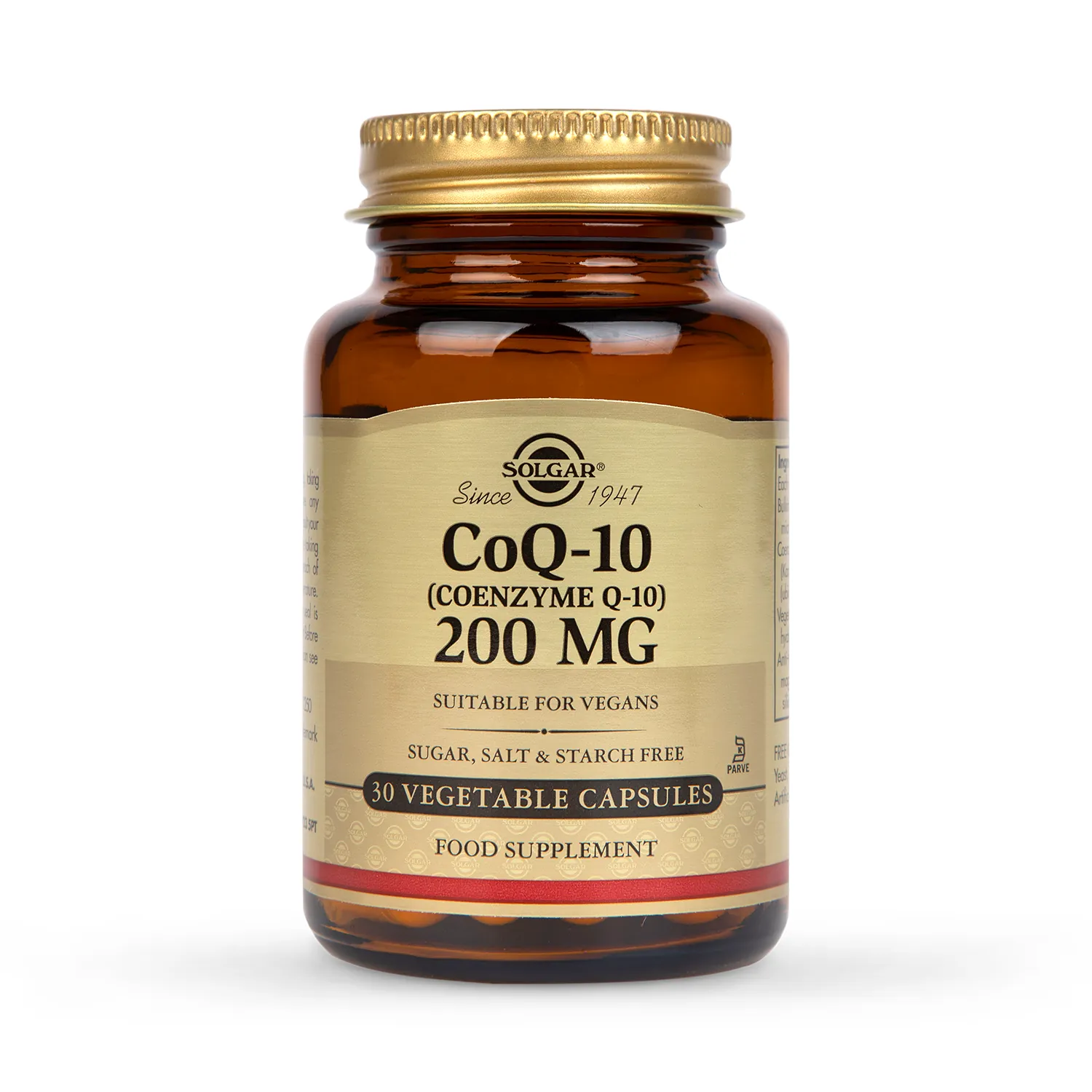
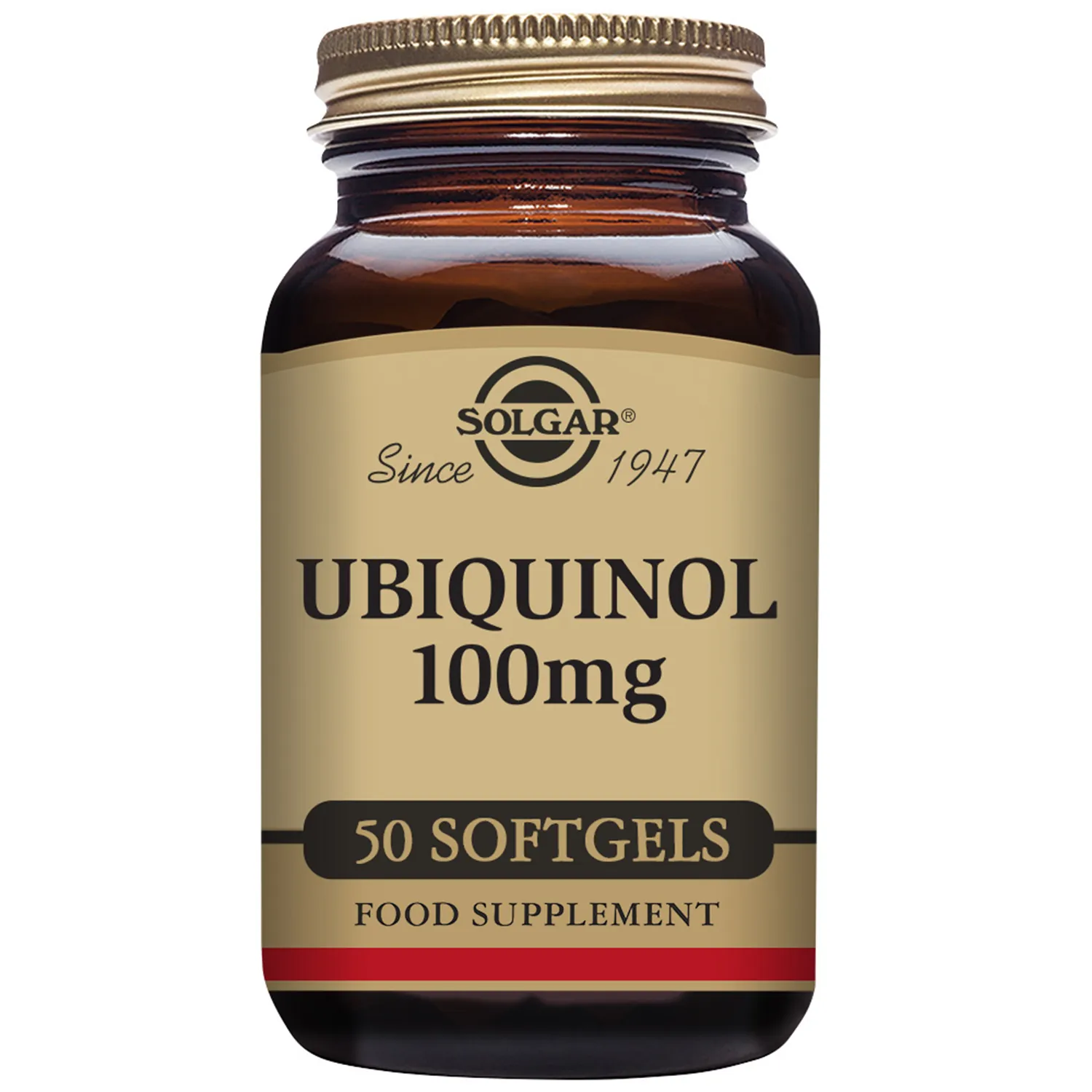
100-200mgCoQ10 levels decline with age. Research suggests supplementation may support mitochondrial energy production and heart health in older adults.
Available Forms
| Form | Bioavailability | Notes |
|---|---|---|
| Ubiquinone | moderate | Oxidised form, body must convert to ubiquinol, cheaper |
| Ubiquinol | high | Reduced/active form, better absorbed — especially for over-40s whose conversion declines |
Vitamin K2
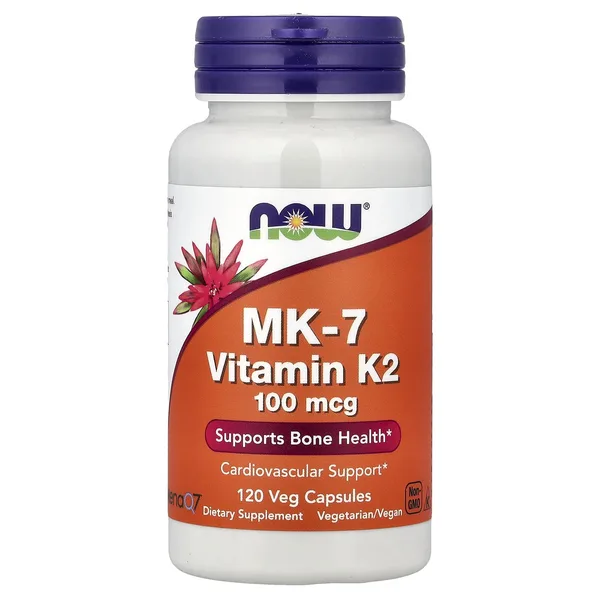
100mcg (MK-7)May help direct calcium to bones and away from arteries — increasingly relevant with age and calcium supplementation.
Available Forms
| Form | Bioavailability | Notes |
|---|---|---|
| MK-7 (Menaquinone-7) | high | Longer half-life (~72h), most studied form for bone and cardiovascular health |
| MK-4 (Menaquinone-4) | moderate | Shorter half-life (~4h), requires higher doses |
How This Stack Works
The six ingredients in this stack interact in clinically meaningful ways, making their combination particularly well-suited to the physiological challenges of ageing.
Vitamin D3 and calcium are a well-established pairing for bone health. Without adequate vitamin D3, only 10–15% of dietary calcium is intestinally absorbed (Holick MF, New England Journal of Medicine, 2007). A meta-analysis by Weaver et al. (Osteoporosis International, 2016), commissioned by the National Osteoporosis Foundation, found that combined calcium and vitamin D supplementation reduced total fracture risk by approximately 15% in post-menopausal women. Vitamin K2 (MK-7) adds a third dimension to this pairing: it activates osteocalcin and matrix Gla protein (MGP), directing calcium towards bone and inhibiting its deposition in arterial walls — a property increasingly relevant with age and when calcium is supplemented. The Rotterdam Study (Geleijnse et al., Journal of Nutrition, 2004) found that higher dietary menaquinone intake was associated with a 57% reduction in coronary heart disease mortality. A three-year randomised controlled trial by Knapen et al. (Osteoporosis International, 2013) demonstrated that daily MK-7 supplementation at 180mcg significantly attenuated bone mineral density loss in healthy post-menopausal women.
Vitamin B12 deficiency is common in older adults due to atrophic gastritis — an age-related reduction in gastric acid secretion that impairs the release of protein-bound B12 from food. Stabler (New England Journal of Medicine, 2013) estimated that 10–15% of adults over 60 have some degree of B12 deficiency, which is associated with peripheral neuropathy, macrocytic anaemia, and accelerated cognitive decline. Methylcobalamin is generally preferred in this population as it does not require hepatic conversion.
Omega-3 fatty acids support endothelial function and carry significant anti-inflammatory effects relevant to both cardiovascular and cognitive health. The VITAL trial found daily supplementation with 1g of omega-3 reduced myocardial infarction risk by 28% versus placebo, with greater benefit observed in those with lower baseline dietary fish intake.
CoQ10 levels decline substantially with age — and further with statin use, which affects a large proportion of adults over 50. The Q-SYMBIO trial (Mortensen et al., JACC Heart Failure, 2014) found that 300mg CoQ10 daily over two years reduced major adverse cardiovascular events and all-cause mortality in patients with chronic heart failure, suggesting a meaningful role in mitochondrial support where production is compromised.
Interaction Analysis
6 known interactions between ingredients in this stack.
Research suggests omega-3 fatty acids and Vitamin D3 may have complementary anti-inflammatory and immune-supporting effects. The VITAL study examined their combined benefits.
Action: Taking Vitamin D3 with omega-3 (fish oil) provides the fat needed for D3 absorption. They can be taken together at a meal.
Read full analysis →Vitamin D3 is essential for calcium absorption. However, combining high-dose D3 with high-dose calcium supplementation may increase the risk of hypercalcaemia. Research suggests monitoring total calcium intake (diet + supplements) to stay within recommended ranges.
Action: Vitamin D3 enhances calcium absorption. When supplementing both, total daily calcium intake (including dietary sources) ideally stays within 1000-1200mg for most adults. High-dose Vitamin D3 (>4000 IU) may warrant serum calcium monitoring.
Read full analysis →Research suggests Vitamin K2 helps direct calcium mobilised by Vitamin D3 to bones rather than soft tissue, potentially reducing arterial calcification risk.
Action: These are commonly taken together with a meal containing fat, as both are fat-soluble.
Read full analysis →At high doses, calcium may form insoluble soaps with fatty acids (including omega-3), potentially reducing absorption of both. This is mainly a concern at very high calcium doses.
Action: At typical supplement doses, this is unlikely to be clinically significant. Separating large calcium doses from fish oil by an hour is a practical option.
Read full analysis →CoQ10 and omega-3 fatty acids may have complementary cardiovascular benefits. Research suggests both support heart function through different mechanisms.
Action: Taking CoQ10 with omega-3 (or any fat source) may improve CoQ10 absorption, as it is fat-soluble.
Read full analysis →Research suggests Vitamin K2 helps direct dietary and supplemental calcium to bones rather than soft tissues. This may reduce the risk associated with calcium supplementation.
Action: Adding Vitamin K2 when supplementing calcium is increasingly recommended in the literature to support proper calcium utilisation.
Read full analysis →Suggested Timing Schedule
Morning
Fat-soluble — better absorbed with a meal containing dietary fat
Water-soluble — morning preferred as it may support energy levels
Fat-soluble — take with a meal containing fat. Morning preferred as it supports cellular energy production. Statin users should especially consider supplementation.
Fat-soluble — take with a meal containing dietary fat
Evening
None in this stack
Any Time
Take with a meal containing fat for best absorption. Split high doses across meals to reduce fishy burps. Freeze capsules to reduce aftertaste.
Carbonate requires stomach acid — take with food. Citrate can be taken on empty stomach. Split doses of >500 mg for better absorption.
What to Avoid with This Stack
- • Vitamin K2 and anticoagulants (warfarin) — requires medical supervision
- • High-dose calcium may increase kidney stone risk — dietary sources preferred where possible
Alternatives & Variations
Magnesium is a strong candidate for inclusion in this stack. It is a required cofactor for the conversion of vitamin D into its biologically active form, calcitriol — research by Uwitonze and Razzaque (Journal of the American Osteopathic Association, 2018) found that magnesium deficiency impairs vitamin D metabolism regardless of supplementation dose. Zinc and selenium support immune function and antioxidant defence, both of which decline with age. For older adults concerned about muscle mass — sarcopenia affects an estimated 10–20% of adults over 60 — higher dietary protein intake alongside resistance exercise has a stronger evidence base than any single micronutrient. Lutein and zeaxanthin may be worth considering for those with age-related macular degeneration risk.
Notes & Caveats
Older adults should discuss supplementation with their GP, especially if taking prescription medications. Regular blood tests help identify specific deficiencies.
Customise This Stack
Load these supplements into our interactive Stack Analyzer to adjust dosages, add or remove ingredients, and get personalised timing.
Customise this stack →Frequently Asked Questions
Vitamin K2 interacts directly with anticoagulant medications such as warfarin by modulating clotting factor synthesis. This interaction can alter INR readings and either reduce anticoagulant efficacy or, less commonly, affect bleeding risk. This does not mean K2 is categorically contraindicated in all anticoagulated patients — some clinical guidelines allow stable, consistent K2 intake under medical monitoring — but it requires GP supervision. Anyone taking warfarin or direct oral anticoagulants (DOACs) should not begin K2 supplementation without medical advice. Individual responses may vary.
B12 status is measurable via a standard blood test available through your GP, assessing serum B12 and, where indicated, methylmalonic acid (MMA) and homocysteine levels — markers that reflect functional B12 insufficiency even when serum B12 appears borderline. NICE guidance recommends testing anyone presenting with symptoms associated with deficiency, including fatigue, tingling in the hands or feet, mood changes, or cognitive symptoms. Certain medications — particularly metformin, proton pump inhibitors, and H2 blockers — are known to impair B12 absorption over time and warrant proactive testing in older adults.
Evidence on calcium supplementation and cardiovascular risk remains mixed. A re-analysis by Bolland et al. (BMJ, 2011) raised concerns about supplemental calcium and MI risk, though this has been debated in subsequent meta-analyses that did not find the same association when dietary and supplemental calcium were considered together. UK NHS guidance advises keeping total calcium intake — from both food and supplements — at or below 1,500mg per day. Supplemental calcium may modestly increase kidney stone risk in susceptible individuals; dietary sources are generally preferred, with supplementation reserved for those unable to meet requirements through food alone.