Important: This page is for informational purposes only, based on published peer-reviewed research and official UK dietary guidelines (NHS, EFSA, SACN). It does not constitute medical advice. Always consult your GP or pharmacist before starting, stopping, or combining supplements.
Key Supplements During Pregnancy
Nutrients with established evidence for maternal and foetal health
Why This Stack?
Pregnancy places extraordinary nutritional demands on the body. Over roughly 40 weeks, the maternal system must build an entirely new organ (the placenta), expand blood volume by around 45%, and supply every gram of mineral in the fetal skeleton. The NHS recommends two supplements for all pregnant women without exception: 400 micrograms of folic acid daily from before conception through the first 12 weeks, and 10 micrograms (400 IU) of vitamin D throughout pregnancy and breastfeeding. These sit at the foundation of antenatal nutrition guidance from NICE — specifically NG201 (Antenatal Care, 2021, replacing the earlier CG62) for routine supplement advice at booking, and NG247 (Maternal and Child Nutrition, updated 2025) for broader preconception and pregnancy nutrition — as well as the Scientific Advisory Committee on Nutrition (SACN). Beyond these two universals, three additional nutrients address common gaps identified in UK dietary surveys and international obstetric research: iron to support the dramatic expansion of maternal red blood cells and prevent anaemia, DHA (docosahexaenoic acid) for fetal brain and retinal development during the second and third trimesters, and calcium to meet the roughly 30 grams transferred to the fetal skeleton — predominantly in the final weeks of pregnancy. Nutritional requirements shift across trimesters. The first trimester prioritises folate for neural tube closure (which occurs by day 28 post-conception, often before pregnancy is confirmed). The second and third trimesters see escalating demands for iron, DHA, and calcium as the fetus grows rapidly and the placenta matures. The Healthy Start scheme in England, Wales, and Northern Ireland provides free vitamins containing folic acid, vitamin C, and vitamin D to eligible pregnant women — those under 18 or receiving certain benefits qualify automatically. In Scotland, the equivalent Best Start Foods scheme applies. This stack is not a replacement for the balanced diet outlined in NHS Start4Life guidance, nor for the individualised care provided by midwives and GPs. Every pregnancy differs. Those carrying multiples, managing pre-existing conditions, or taking prescription medication face distinct nutritional considerations that require clinical oversight.
What’s in This Stack
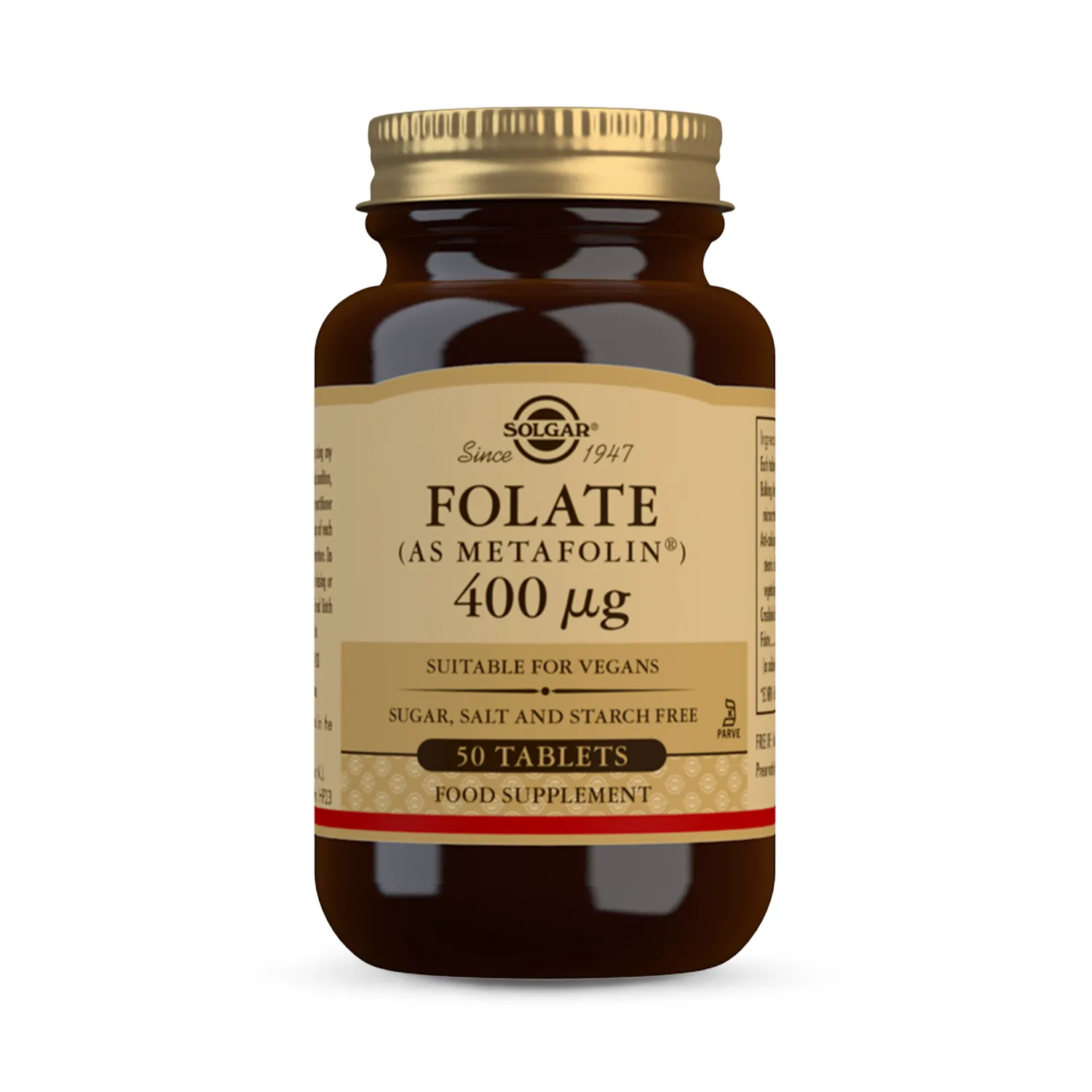
Folate
400mcg (methylfolate or folic acid)NHS recommends 400mcg daily from before conception through the first 12 weeks to reduce neural tube defect risk. NICE guidelines (CG62) confirm this as a universal recommendation for all women planning pregnancy.
Available Forms
| Form | Bioavailability | Notes |
|---|---|---|
| Folic Acid | moderate | Synthetic form, requires MTHFR enzyme conversion — ~40% of population has reduced conversion |
| 5-Methyltetrahydrofolate (5-MTHF) | high | Active methylated form, bypasses MTHFR polymorphism, preferred |
| Folinic Acid | high | Active form, used clinically, does not require MTHFR conversion |

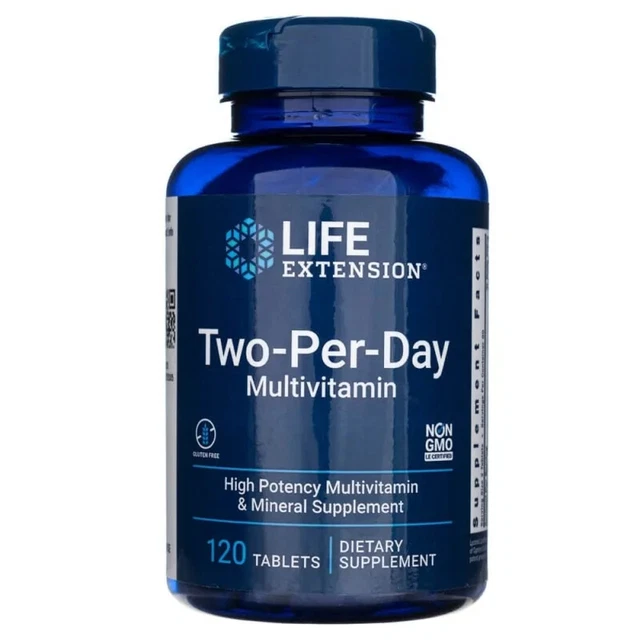
Vitamin D3
10mcg (400 IU)SACN recommends 10mcg/day for all pregnant and breastfeeding women. Vitamin D supports foetal bone development and maternal calcium homeostasis.
Available Forms
| Form | Bioavailability | Notes |
|---|---|---|
| Cholecalciferol (D3) | high | Preferred form; raises serum 25(OH)D more effectively than D2 |
| Ergocalciferol (D2) | moderate | Vegan-friendly (plant/fungal) but less potent per IU |

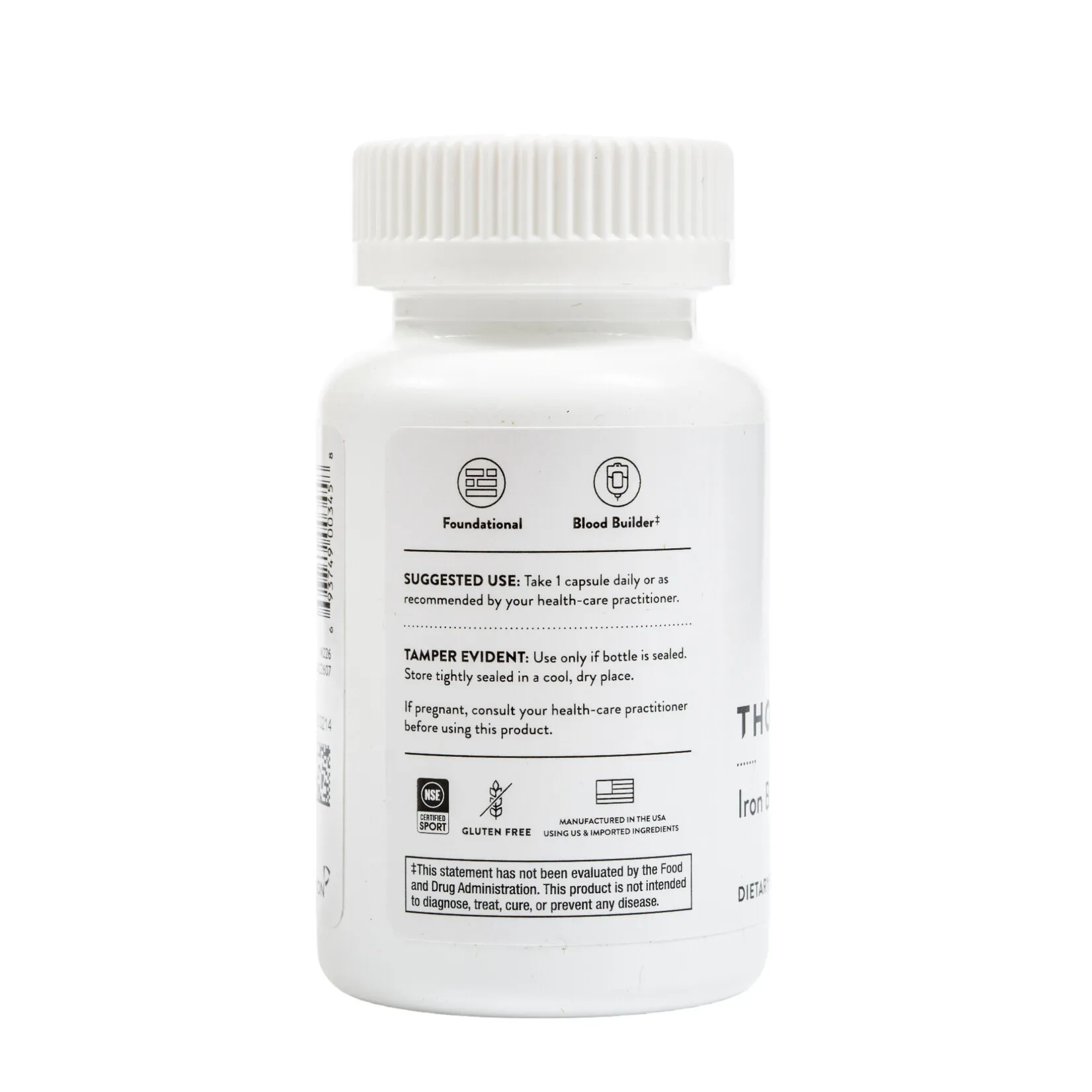
Iron
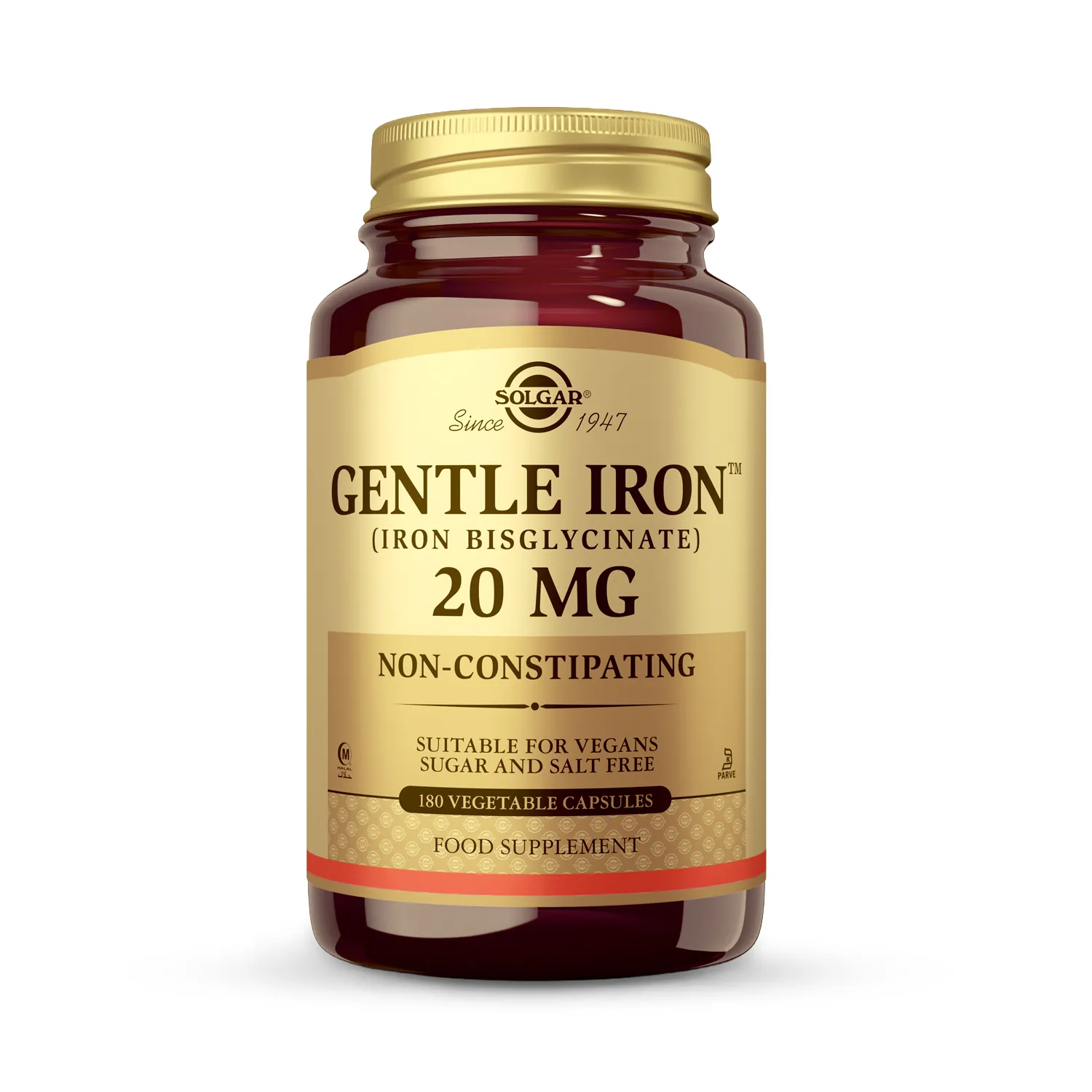
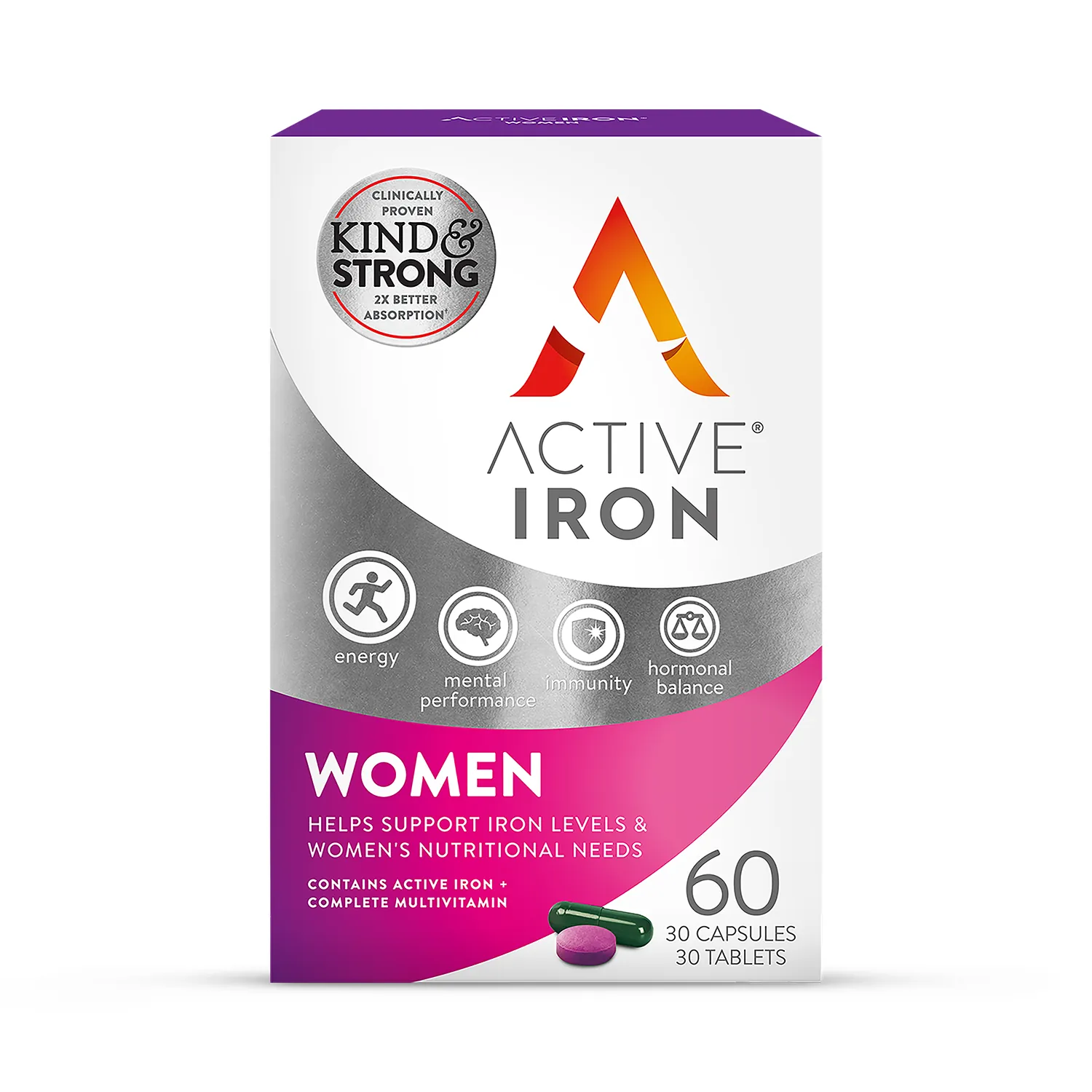
14–27mg (bisglycinate)Iron requirements increase substantially during pregnancy. WHO recommends daily iron supplementation for all pregnant women to prevent maternal anaemia and low birth weight. Bisglycinate form reduces GI side effects.
Available Forms
| Form | Bioavailability | Notes |
|---|---|---|
| Iron Bisglycinate | high | Chelated, well-absorbed, gentlest on stomach |
| Ferrous Fumarate | moderate | Common prescription form, effective but more GI side effects |
| Ferrous Sulfate | moderate | Most prescribed, cheapest, most GI side effects |
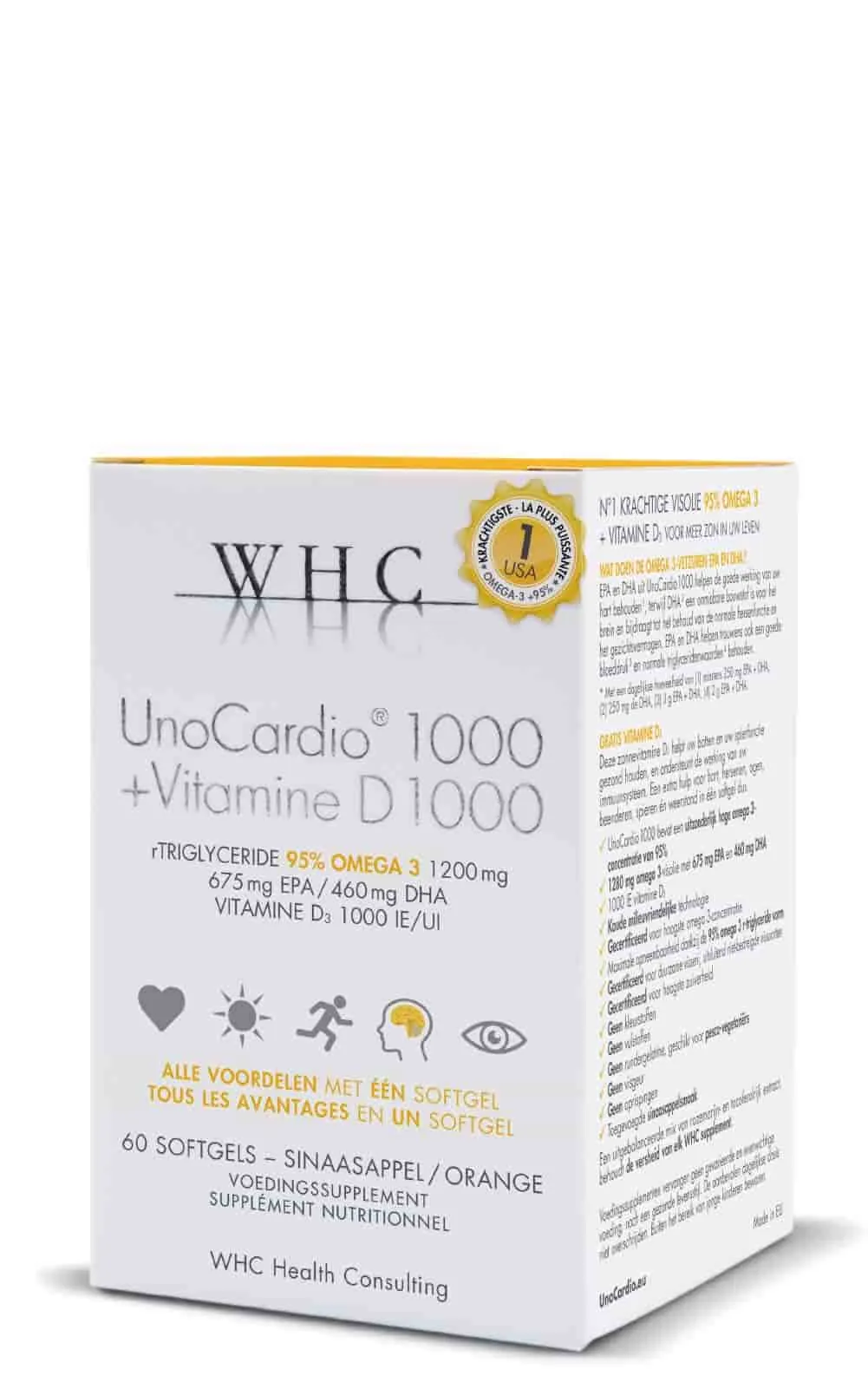
Omega-3
300–500mg DHADHA is critical for foetal brain and retinal development. EFSA recommends an additional 100–200mg DHA daily during pregnancy beyond the general population intake.
Available Forms
| Form | Bioavailability | Notes |
|---|---|---|
| Triglyceride (rTG) Fish Oil | high | Re-esterified triglyceride, best absorbed form, premium |
| Ethyl Ester (EE) Fish Oil | moderate | Most common, requires more processing by the body, cheaper |
| Algae Oil (DHA-rich) | high | Vegan source, primarily DHA, sustainable |
| Krill Oil | high | Phospholipid-bound, contains astaxanthin, well-absorbed but lower EPA+DHA per capsule |


Calcium
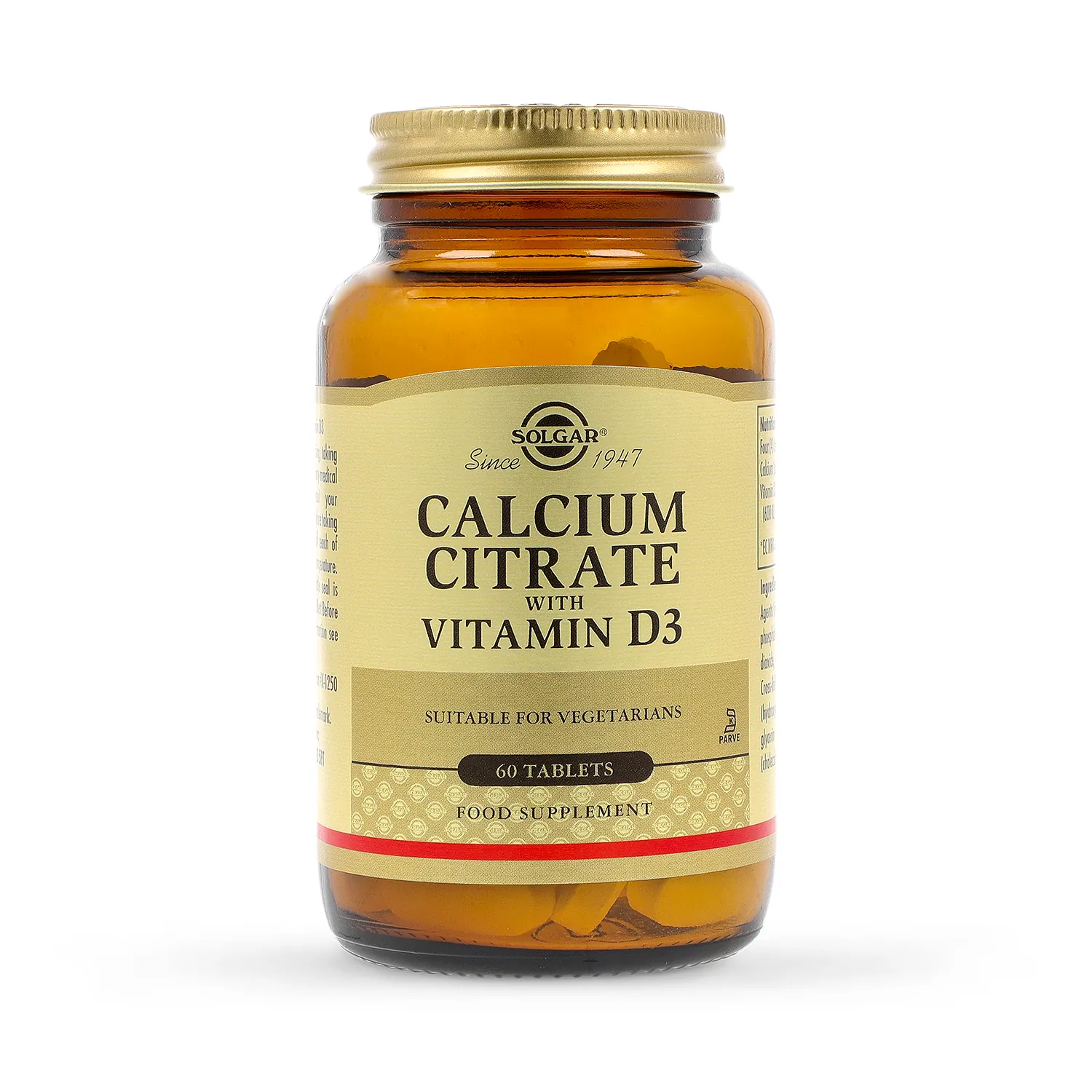
500–600mgUK RNI for pregnant women is 700mg/day total. Supplementation is recommended when dietary intake is insufficient. WHO recommends calcium supplementation in populations with low dietary intake to reduce pre-eclampsia risk.
Available Forms
| Form | Bioavailability | Notes |
|---|---|---|
| Calcium Carbonate | moderate | 40% elemental calcium, requires stomach acid, cheapest |
| Calcium Citrate | high | 21% elemental calcium but better absorbed, can be taken without food |
| Hydroxyapatite (MCHA) | high | Bone-derived, contains calcium + phosphorus in natural matrix |
| Calcium Orotate | moderate | Smaller elemental calcium content, some evidence for better cellular uptake |

How This Stack Works
Each nutrient in this stack corresponds to a specific physiological demand of pregnancy, supported by evidence from large-scale trials and recognised by UK or international health bodies.
Folate occupies a unique position in antenatal care: its benefit was established before most modern supplement categories existed. The MRC Vitamin Study Research Group (1991, The Lancet, Vol. 338, pp. 131-137) conducted a landmark randomised trial across 33 centres in seven countries involving 1,817 women with a previous neural-tube-defect-affected pregnancy. The results demonstrated a 72% reduction in recurrence among women receiving folic acid supplementation. This trial directly informed the NHS recommendation that all women planning pregnancy take 400 micrograms of folic acid daily, beginning before conception and continuing through week 12. NICE NG247 (Maternal and Child Nutrition, updated 2025) recommends 5mg daily only for women at higher risk of a neural-tube-defect-affected pregnancy due to specific clinical factors: a previous NTD-affected pregnancy, diabetes (type 1 or type 2), use of anti-epileptic medication, sickle cell disease, or a family history of neural tube defects. Importantly, NG247 explicitly states that women with a BMI of 25 kg/m² or more who are planning pregnancy should be reassured that they do not need more than 400 micrograms of folic acid daily, unless one of those specific risk factors applies. Folate in its active methylfolate (5-MTHF) form may be relevant for the estimated 10-15% of UK women carrying common MTHFR gene variants that reduce the conversion of synthetic folic acid to its biologically active form, though NHS guidance does not currently distinguish between forms.
Vitamin D3 supports calcium absorption and fetal skeletal mineralisation throughout pregnancy. The SACN Vitamin D and Health report (2016) set a reference nutrient intake of 10 micrograms per day for the entire UK population aged four and above, including pregnant and breastfeeding women. This was a significant shift — prior guidance had recommended supplementation only for at-risk groups. NICE specifically advises that all pregnant women be informed of the importance of maintaining adequate vitamin D status at their booking appointment, with particular attention to women of African, African-Caribbean, or South Asian descent, those who cover most of their skin, or those who spend limited time outdoors. Maternal vitamin D deficiency has been associated with reduced neonatal bone mineral content and adverse skeletal outcomes, though the precise clinical thresholds remain debated.
Iron requirements increase substantially during pregnancy due to expanded maternal blood volume, placental development, and fetal iron stores. The UK reference nutrient intake for women of reproductive age is 14.8mg per day, and interestingly, SACN does not set a separate pregnancy increment — the rationale being that cessation of menstrual losses partly compensates for increased demand. However, UK dietary surveys have found that approximately 80% of pregnant women fail to meet even the standard RNI from diet alone. The British Society for Haematology published guidelines for managing iron deficiency in pregnancy (Pavord et al., 2019/2020, British Journal of Haematology — published online October 2019, in print March 2020), recommending that all pregnant women be assessed for anaemia risk at booking and at 28 weeks, with treatment initiated when ferritin falls below 30 micrograms per litre. Ferrous bisglycinate (iron chelated with glycine) is increasingly favoured for tolerability — research has shown chelated forms produce fewer gastrointestinal side effects than traditional ferrous sulphate while maintaining comparable absorption, which matters considerably when nausea already affects up to 80% of pregnancies in the first trimester.
DHA is the predominant omega-3 fatty acid in brain grey matter, accounting for roughly 15% of all fatty acids in the human frontal cortex. Accumulation in the fetal brain accelerates during the second half of pregnancy and continues through the first year of life, making maternal DHA status during this window particularly consequential. A 2021 systematic review published in Nutrition Reviews (Lehner et al., 2021) examined 11 randomised controlled trials delivering 200-2,200mg DHA daily during pregnancy. While five of eight trials measuring cognitive outcomes reported at least one statistically significant improvement, the overall pooled meta-analysis across all 11 trials found no significant effect, and the authors concluded there was only limited evidence for a benefit of prenatal DHA supplementation on infant neurodevelopment. Where positive effects were observed, they appeared most pronounced in populations with low baseline omega-3 status. The European Food Safety Authority (EFSA) recommends an additional 100-200mg DHA daily during pregnancy beyond the standard 250mg EPA+DHA recommendation for adults, and many UK prenatal supplements target 300-500mg DHA specifically.
Calcium demands peak in the third trimester, when the fetus accretes approximately 300-350mg daily during the final six weeks. Maternal physiological adaptations are remarkable — intestinal calcium absorption more than doubles during pregnancy to meet this demand. Despite this, women with low habitual calcium intake (below roughly 600mg daily) may draw excessively on maternal bone stores. Earlier Cochrane reviews suggested calcium supplementation reduced pre-eclampsia risk, and the WHO recommended 1.5-2g daily for women with low dietary intake. However, an updated Cochrane review by Cluver et al. (2025) incorporating stricter trustworthiness criteria across 10 trials with 37,504 participants found that once small-study effects and publication bias were addressed, the apparent pre-eclampsia benefit did not hold. The primary rationale for calcium in this stack therefore centres on skeletal health — both maternal bone maintenance and fetal mineralisation — rather than pre-eclampsia prevention. A moderate supplement of 500-600mg, combined with dietary sources, helps bridge the gap for women whose dairy intake is limited or absent.
Interaction Analysis
4 known interactions between ingredients in this stack.
Research suggests omega-3 fatty acids and Vitamin D3 may have complementary anti-inflammatory and immune-supporting effects. The VITAL study examined their combined benefits.
Action: Taking Vitamin D3 with omega-3 (fish oil) provides the fat needed for D3 absorption. They can be taken together at a meal.
Read full analysis →Vitamin D3 is essential for calcium absorption. However, combining high-dose D3 with high-dose calcium supplementation may increase the risk of hypercalcaemia. Research suggests monitoring total calcium intake (diet + supplements) to stay within recommended ranges.
Action: Vitamin D3 enhances calcium absorption. When supplementing both, total daily calcium intake (including dietary sources) ideally stays within 1000-1200mg for most adults. High-dose Vitamin D3 (>4000 IU) may warrant serum calcium monitoring.
Read full analysis →Calcium can significantly inhibit non-heme iron absorption. Studies show reductions of 40-60% when taken together at doses above 300mg calcium.
Action: Research supports separating calcium and iron supplements by at least 2 hours for optimal absorption of both.
Read full analysis →At high doses, calcium may form insoluble soaps with fatty acids (including omega-3), potentially reducing absorption of both. This is mainly a concern at very high calcium doses.
Action: At typical supplement doses, this is unlikely to be clinically significant. Separating large calcium doses from fish oil by an hour is a practical option.
Read full analysis →Suggested Timing Schedule
Morning
Water-soluble. Critical before and during early pregnancy to prevent neural tube defects.
Fat-soluble — better absorbed with a meal containing dietary fat
Best absorbed on an empty stomach with Vitamin C. Avoid with tea, coffee, calcium, or zinc within 2 hours.
Evening
None in this stack
Any Time
Take with a meal containing fat for best absorption. Split high doses across meals to reduce fishy burps. Freeze capsules to reduce aftertaste.
Carbonate requires stomach acid — take with food. Citrate can be taken on empty stomach. Split doses of >500 mg for better absorption.
What to Avoid with This Stack
- • Vitamin A (retinol) above 700mcg — excess is teratogenic
- • High-dose caffeine (limit to 200mg/day per NHS guidelines)
- • Ashwagandha — not studied for safety in pregnancy
- • St John’s Wort — may affect metabolism of other medications
Alternatives & Variations
Several additional nutrients merit consideration depending on individual dietary patterns, risk factors, and clinical guidance.
Iodine is essential for maternal thyroid function and fetal neurodevelopment. The WHO classifies the UK as mildly iodine deficient, and studies of pregnant women across multiple UK regions have found suboptimal urinary iodine concentrations. Data from the ALSPAC cohort found an association between low maternal iodine status in early pregnancy and lower verbal IQ scores in offspring. The European Food Safety Authority recommends 200 micrograms daily during pregnancy, though the UK has no formal supplementation policy for iodine in pregnancy. Dairy products remain the primary dietary source for most UK women.
Choline plays a role in neural tube formation and fetal brain development. EFSA set an adequate intake of 480mg daily for pregnant women, yet population surveys consistently find that the majority of women fall well below this level. A 2023 systematic review in Nutrients noted some evidence suggesting benefits from higher maternal choline intake for offspring neurodevelopment, though the authors described the overall evidence as insufficient in quality for firm conclusions.
Vitamin B12 is critical for women following vegetarian or vegan diets, as reliable sources are limited to animal products and fortified foods. International data suggest vegan women may be at elevated risk of B12 deficiency during pregnancy. The UK RNI of 1.5 micrograms makes no adjustment for pregnancy, in contrast to the US recommendation of 2.6 micrograms daily during gestation.
Probiotics have attracted research interest for their potential role in gestational glucose metabolism. A 2024 meta-analysis in BMC Endocrine Disorders examined 27 studies comprising over 33,000 participants and found that probiotic supplementation was associated with modest reductions in fasting blood sugar, particularly when administered for seven weeks or fewer. Evidence for effects on preterm birth risk remains insufficient to support routine use.
Notes & Caveats
Pregnancy supplementation should be discussed with your midwife or GP. Requirements vary by trimester and individual health status. Avoid vitamin A supplements (retinol form) during pregnancy — NHS advises against liver and high-dose retinol products.
Customise This Stack
Load these supplements into our interactive Stack Analyzer to adjust dosages, add or remove ingredients, and get personalised timing.
Customise this stack →Frequently Asked Questions
The NHS recommends beginning folic acid (400 micrograms daily) as soon as you start trying to conceive, ideally at least one month before conception occurs. Neural tube closure happens by around day 28 after conception — frequently before many women realise they are pregnant — so early supplementation is critical. Vitamin D (10 micrograms daily) is recommended throughout pregnancy and breastfeeding. Iron, DHA, and calcium timing depends on individual circumstances and dietary intake. A significant proportion of pregnancies in the UK are unplanned or not actively planned, which is one reason why preconception folic acid awareness campaigns remain important. Your midwife or GP can advise on the appropriate timing for each nutrient based on your blood work and dietary history.
Many prenatal multivitamins contain folic acid and vitamin D at NHS-recommended doses, and some include iron and DHA. However, formulations vary considerably — some provide only token amounts of certain nutrients, while others may include ingredients that are unnecessary or present at doses below the evidence base. When evaluating a prenatal supplement, check that it provides at least 400 micrograms of folic acid and 10 micrograms (400 IU) of vitamin D. Crucially, prenatal vitamins should not contain retinol (preformed vitamin A), as high intakes are associated with birth defects. The NHS advises avoiding supplements containing vitamin A and avoiding liver products for the same reason. If your prenatal does not include adequate DHA, a separate omega-3 supplement sourced from fish oil or algae may be worth discussing with your midwife.
Iron supplements can worsen nausea and cause constipation, which is particularly challenging during the first trimester when morning sickness tends to peak. The British Society for Haematology guidelines note that routine iron supplementation is not recommended for all pregnant women in the UK — rather, iron status should be assessed via blood tests at booking and at 28 weeks, with supplementation initiated when deficiency is confirmed. If supplementation is necessary, ferrous bisglycinate is generally better tolerated than ferrous sulphate. Taking iron with a small amount of food (though not with tea, coffee, or calcium-rich foods, which impair absorption) can reduce nausea. Splitting the dose or taking it every other day are strategies that some women find helpful, though these should be discussed with a healthcare professional.
The NHS is clear on several avoidances. Supplements containing vitamin A as retinol should not be taken during pregnancy due to the risk of birth defects at high doses — this includes cod liver oil supplements and any multivitamin listing retinol. Liver and liver products are also excluded for the same reason, as they contain concentrated levels of preformed vitamin A. High-dose vitamin E supplements lack evidence of benefit and are not recommended. Herbal supplements such as black cohosh, dong quai, and pennyroyal carry known risks and should be avoided entirely. Regarding fish-derived omega-3 supplements, choose products tested for mercury and other contaminants, and avoid shark, swordfish, and marlin due to high mercury content. Always inform your midwife or GP about every supplement you take, including herbal products, as interactions with prescribed medications can occur.