Important: This page is for informational purposes only, based on published peer-reviewed research and official UK dietary guidelines (NHS, EFSA, SACN). It does not constitute medical advice. Always consult your GP or pharmacist before starting, stopping, or combining supplements.
Supplements Studied for Skin, Hair & Nails
Ingredients researched for supporting skin elasticity, hair growth, and nail strength
Why This Stack?
The skin, hair, and nails are structurally dependent on protein-based scaffolding — primarily collagen and keratin — along with a range of micronutrients required for their synthesis and maintenance. This stack brings together four ingredients with overlapping roles in structural protein metabolism: hydrolysed collagen peptides, vitamin C, biotin, and zinc. A 2019 systematic review published in the Journal of Drugs in Dermatology (Choi et al.) found consistent evidence across multiple randomised controlled trials that oral collagen supplementation improved skin hydration, elasticity, and dermal density. Vitamin C is integral to this process: it acts as a cofactor for the prolyl and lysyl hydroxylase enzymes essential for collagen cross-linking, and the European Food Safety Authority (EFSA) has approved the health claim that vitamin C contributes to normal collagen formation for the normal function of skin. Biotin and zinc address hair and nail health via distinct but complementary pathways — biotin supports keratin infrastructure whilst zinc plays a recognised role in keratinocyte differentiation and wound healing. Both deficiencies have been clinically associated with hair thinning and brittle nails. The evidence base is strongest in individuals with existing nutritional shortfalls, though several trials in non-deficient populations have also demonstrated measurable improvements. Results typically require 8–12 weeks of consistent supplementation before becoming noticeable. Individual responses may vary, and diet and hydration remain significant contributing factors.
What’s in This Stack
Collagen
5,000-10,000mg (hydrolysed peptides)A 2019 meta-analysis of 11 RCTs found oral collagen supplementation improved skin elasticity, hydration, and dermal collagen density (de Miranda et al., Int J Dermatol).
Available Forms
| Form | Bioavailability | Notes |
|---|---|---|
| Hydrolysed Collagen Peptides | high | Broken down for absorption, versatile, dissolves in liquids |
| Marine Collagen | high | From fish, primarily Type I, smaller peptides for potentially better absorption |
| Bovine Collagen | high | From cows, Types I and III, well-studied |
| UC-II (Undenatured Type II) | high | Low-dose (40 mg) for joint health via immune modulation, different mechanism |
Top Products

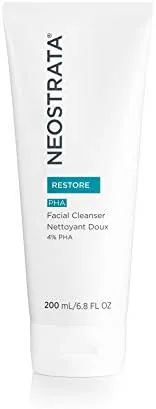
NEOSTRATA RESTORE PHA Hydrating Gel Facial Cleanser; Sensitive Skin Exfoliating Blackhead Remover; Pore Minimizer; Acne Face Wash Makeup Remover with Glycine for Collagen & Polyhydroxy Acid, 6.8 oz
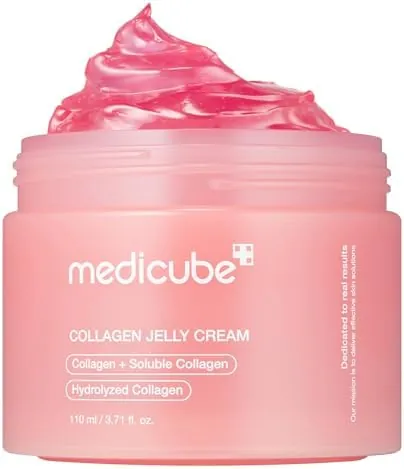
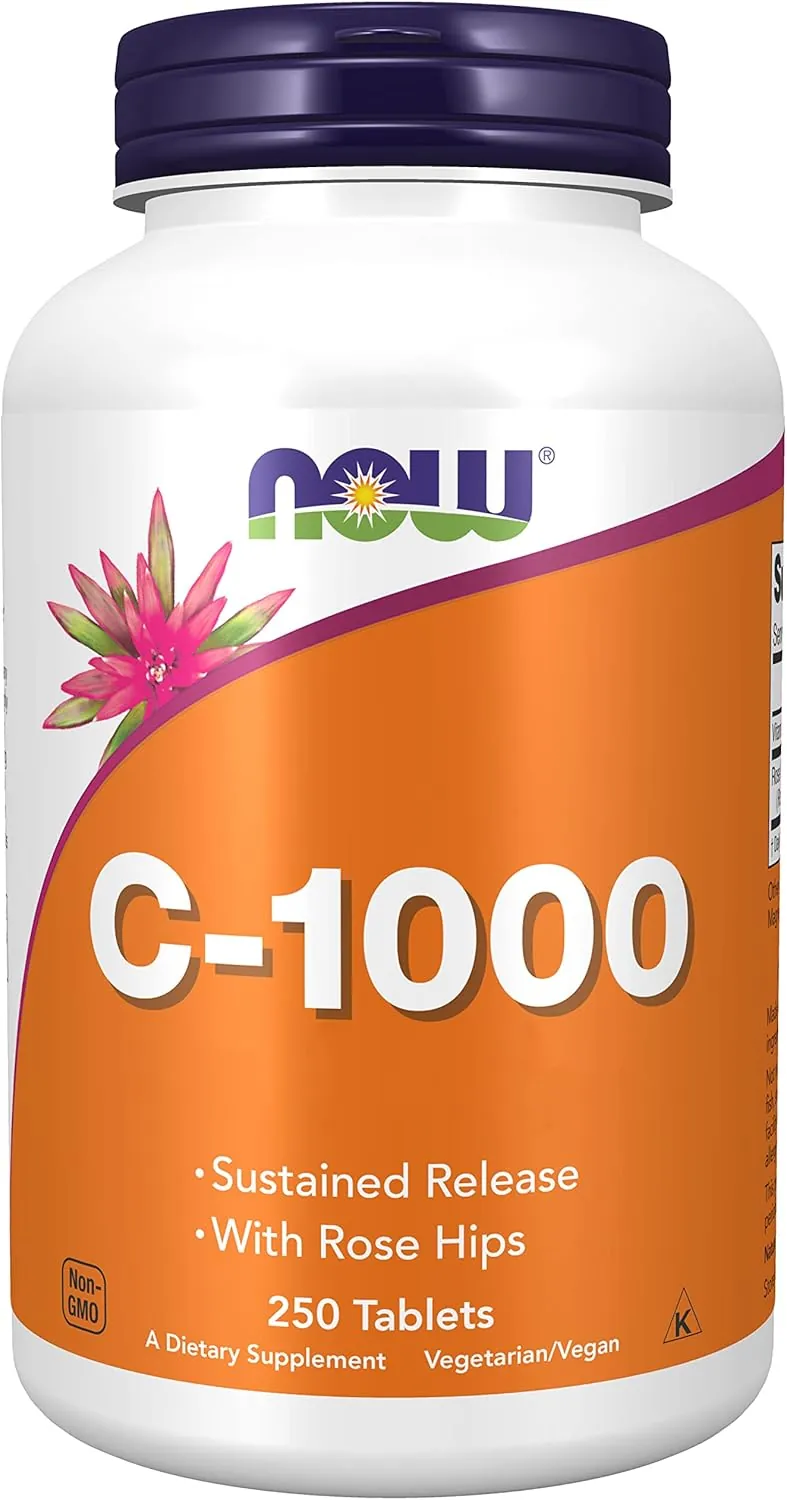
Vitamin C
500mgVitamin C is essential for collagen synthesis. Taking it alongside collagen supplements may enhance collagen production in the body.
Available Forms
| Form | Bioavailability | Notes |
|---|---|---|
| Ascorbic Acid | high | Most studied form, affordable, but may cause stomach upset at high doses |
| Sodium Ascorbate | high | Buffered, gentler on stomach |
| Liposomal Vitamin C | high | Enhanced absorption via lipid encapsulation, higher cost |
Top Products
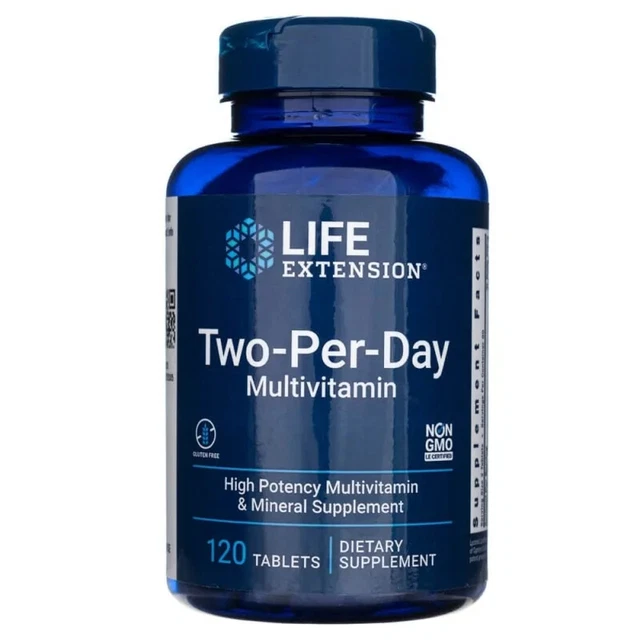
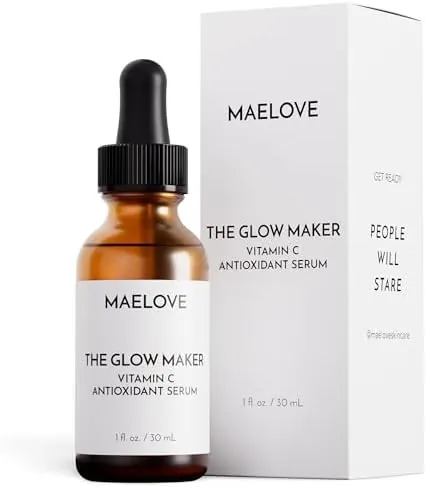
MAELOVE Vitamin C Serum, Glow Maker with Vitamins C, E, Ferulic Acid and Hyaluronic Acid, Fragrance-Free, Award-Winning Highlighting and Moisturizing Face Serum, 50 ml
Biotin
2,500-5,000 mcgBiotin deficiency causes brittle nails and hair loss. Supplementation has shown benefits in those with deficiency, though evidence in non-deficient populations is limited (Patel et al., 2017, Skin Appendage Disord).
Available Forms
| Form | Bioavailability | Notes |
|---|---|---|
| D-Biotin | high | Standard supplemental form, well-absorbed |


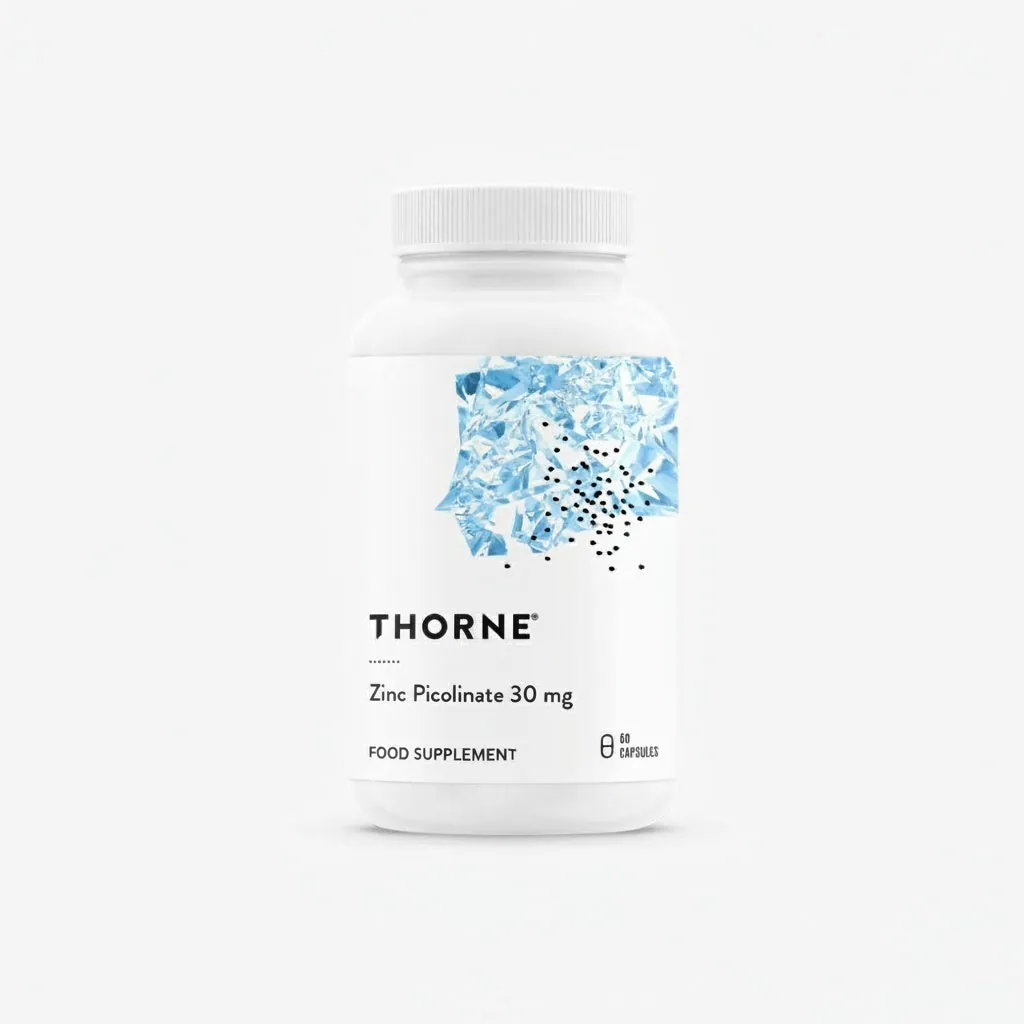
Zinc
15mgZinc is involved in keratin and collagen production. Deficiency is associated with hair loss and poor wound healing.
Available Forms
| Form | Bioavailability | Notes |
|---|---|---|
| Zinc Picolinate | high | Well-absorbed chelated form |
| Zinc Bisglycinate | high | Gentle on stomach, good absorption |
| Zinc Citrate | moderate | Reasonable absorption, affordable |
| Zinc Gluconate | moderate | Common in lozenges, moderate absorption |
| Zinc Oxide | low | Poorly absorbed, cheap, avoid for supplementation |
How This Stack Works
The rationale for combining these four ingredients lies in the sequential and enzymatic nature of structural protein synthesis. Collagen accounts for approximately 70–80% of skin's dry weight and forms the scaffolding around hair follicles and nail matrices. For collagen to be synthesised and properly stabilised, the body requires vitamin C at two critical enzymatic steps. Research by Pullar et al. (Nutrients, 2017) demonstrated that vitamin C participates in collagen hydroxylation reactions that maintain the integrity of the triple-helix structure of mature collagen — without which newly synthesised collagen is unstable and rapidly degraded. A randomised, double-blind, placebo-controlled trial by Proksch et al. (Skin Pharmacology and Physiology, 2014) found that 2.5g of specific collagen peptides daily for eight weeks produced statistically significant improvements in skin elasticity versus placebo. A further study by Hexsel et al. (Journal of Cosmetic Dermatology, 2017) reported that regular intake of bioactive collagen peptides improved nail growth rate and reduced the frequency of nail breakage after 24 weeks of supplementation. Biotin's contribution is primarily to keratin synthesis, the structural protein of hair shafts and nail plates. A comprehensive review by Patel et al. (Skin Appendage Disorders, 2017) identified multiple case reports and small controlled trials showing improved nail strength and hair growth following biotin supplementation, noting that evidence is most robust in individuals with confirmed deficiency or underlying metabolic conditions affecting biotin absorption. Zinc operates across multiple relevant pathways simultaneously. As a cofactor for over 300 enzymes, it supports protein synthesis and cell proliferation within hair follicle bulbs. Zinc deficiency is a recognised cause of telogen effluvium — a form of diffuse hair shedding — and measurement of serum zinc is standard practice in dermatological investigations of unexplained hair loss. At 15mg daily, the zinc dose in this stack sits within the NHS Reference Nutrient Intake range for adults, making excess intake unlikely when dietary sources are considered. Together, these four ingredients address the upstream structural scaffold (collagen peptides), the enzymatic requirements for its stabilisation (vitamin C, zinc), and the keratin integrity of hair and nails (biotin), forming a mechanistically coherent combination.
Interaction Analysis
4 known interactions between ingredients in this stack.
Vitamin C is an essential cofactor for collagen synthesis. Research indicates that without adequate Vitamin C, the body cannot properly hydroxylate proline and lysine residues needed for stable collagen formation.
Action: Taking collagen supplements alongside Vitamin C may support the body's ability to utilise the supplemental collagen peptides.
Read full analysis →Biotin and collagen are both commonly used for hair, skin, and nail health. Research suggests they support these tissues through different mechanisms.
Action: These can be taken together. Often combined in beauty supplement formulas.
Read full analysis →Zinc plays a role in collagen synthesis and wound healing. Research suggests adequate zinc is important for the body to effectively utilise supplemental collagen.
Action: These can be taken together for skin health and wound healing support.
Read full analysis →Zinc and Vitamin C are frequently combined for immune support. Research suggests both independently support immune function and may have additive benefits.
Action: These are commonly found together in cold/immune supplements. They can be taken at the same time.
Read full analysis →Suggested Timing Schedule
Morning
Take with food to prevent nausea. Away from iron and calcium supplements.
Evening
None in this stack
Any Time
Can be taken any time. Often mixed into coffee, smoothies, or water. Pair with vitamin C to support collagen synthesis.
Water-soluble — can be taken any time. Split doses improve absorption at higher amounts.
Water-soluble. High doses (>5,000 mcg) can interfere with blood tests — inform your doctor.
Alternatives & Variations
Individuals seeking additional support may consider orthosilicic acid — a bioavailable form of silicon — which was studied in a 2005 double-blind, placebo-controlled trial by Barel et al. (Archives of Dermatological Research) and found to improve nail quality. Hyaluronic acid supplementation has shown evidence for improving skin hydration in several randomised controlled trials. Omega-3 fatty acids (EPA and DHA) may support skin barrier integrity. Iron deficiency is a common and reversible cause of hair loss in women and should be ruled out by a GP before attributing shedding solely to other nutritional gaps. Individual responses may vary.
Notes & Caveats
Results for skin, hair, and nail supplements typically take 8-12 weeks to become noticeable. Hydration and diet also play significant roles.
Customise This Stack
Load these supplements into our interactive Stack Analyzer to adjust dosages, add or remove ingredients, and get personalised timing.
Customise this stack →Frequently Asked Questions
Research suggests that measurable improvements in skin hydration and elasticity from collagen supplementation can be observed from eight weeks, whilst nail and hair changes typically require 12–24 weeks of consistent use. Hexsel et al. (J Cosmet Dermatol, 2017) observed significant nail improvements after 24 weeks. Hair growth cycles are inherently slower, so patience is warranted. Individual responses may vary based on baseline nutritional status, age, and overall diet quality.
Evidence for biotin in non-deficient individuals remains limited. Patel et al. (Skin Appendage Disorders, 2017) found that most published trials involve participants with clinical deficiency or conditions affecting biotin metabolism, such as inflammatory bowel disease. Biotin is water-soluble and generally well tolerated, meaning excess is excreted, but those without a confirmed deficiency may see limited additional benefit. A GP can arrange a blood test if hair or nail symptoms are significant.
Vitamin C is a required cofactor for prolyl hydroxylase and lysyl hydroxylase — the enzymes that hydroxylate proline and lysine residues during collagen synthesis, a step essential for the molecule's structural stability. Without adequate vitamin C, collagen production is impaired. Pullar et al. (Nutrients, 2017) reviewed this mechanism in detail, and the EFSA has formally approved the health claim that vitamin C contributes to normal collagen formation for the normal function of skin.