Important: This page is for informational purposes only, based on published peer-reviewed research and official UK dietary guidelines (NHS, EFSA, SACN). It does not constitute medical advice. Always consult your GP or pharmacist before starting, stopping, or combining supplements.
Supplements Studied for Sleep Support
A combination of ingredients with evidence for sleep quality improvement
Why This Stack?
This stack brings together three independently studied ingredients — magnesium, L-theanine, and vitamin D3 — each associated with aspects of sleep quality through distinct physiological mechanisms. Rather than functioning as sedatives, they address underlying factors that research has linked to disrupted or non-restorative sleep. Magnesium is an essential mineral involved in nervous system regulation and melatonin synthesis. A 2012 randomised controlled trial by Abbasi et al. (Journal of Research in Medical Sciences) found that supplementation improved subjective insomnia measures, total sleep time, and serum melatonin concentration in elderly participants. L-theanine, a naturally occurring amino acid found predominantly in tea, promotes a state of relaxed alertness. Research by Nobre et al. (2008, Asia Pacific Journal of Clinical Nutrition) demonstrated that L-theanine increases alpha brain wave activity — a pattern associated with calm wakefulness — without inducing sedation. A subsequent RCT by Hidese et al. (2019, Nutrients) found 200mg daily improved sleep quality scores in healthy adults. Vitamin D3 rounds out the combination. SACN's 2016 vitamin D report highlighted widespread insufficiency across UK adults, particularly between October and March, and observational data have associated low 25-hydroxyvitamin D status with reduced sleep duration and poorer sleep quality. Individual responses to these ingredients vary significantly. This combination is not intended to diagnose or treat any sleep disorder.
What’s in This Stack
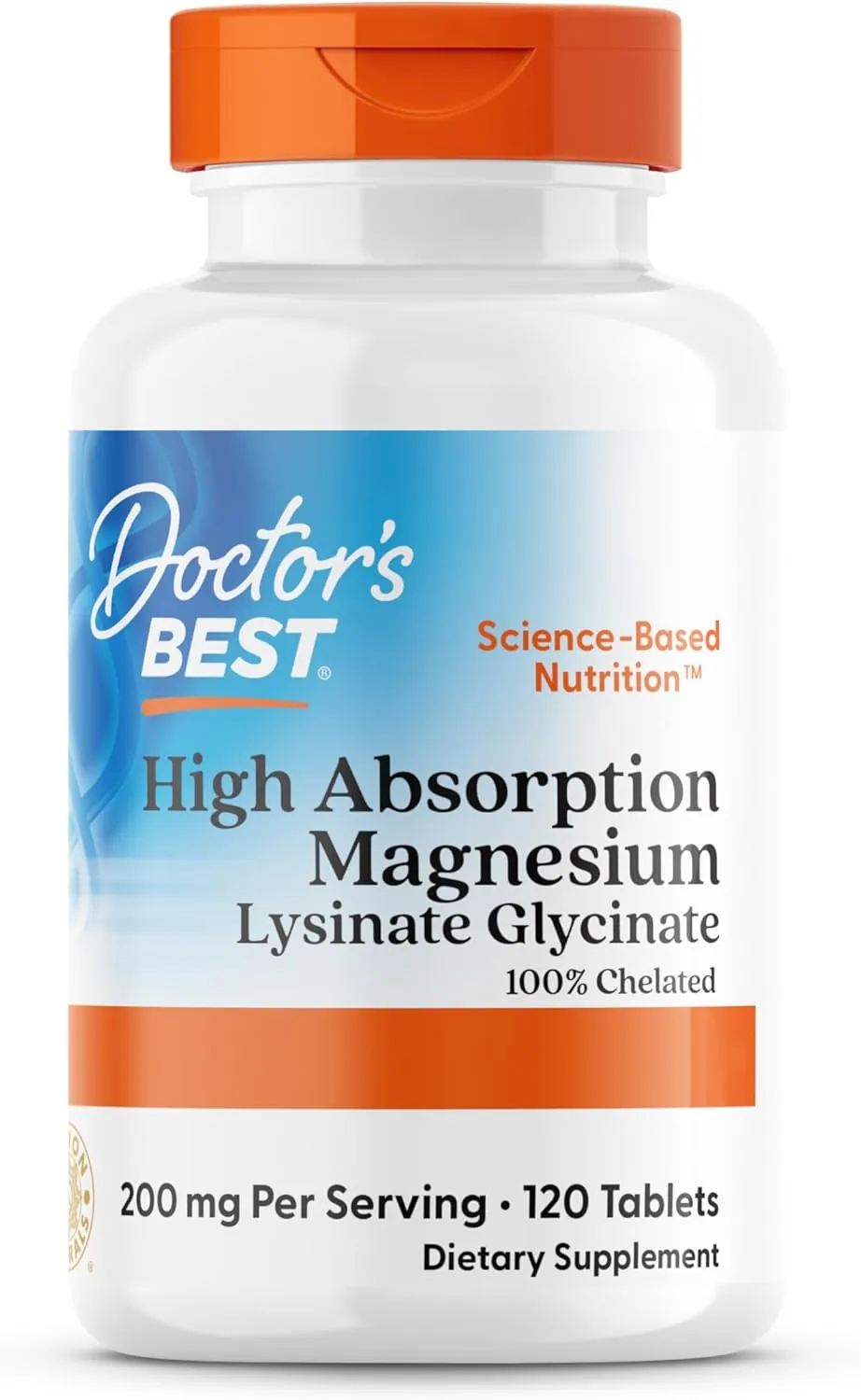
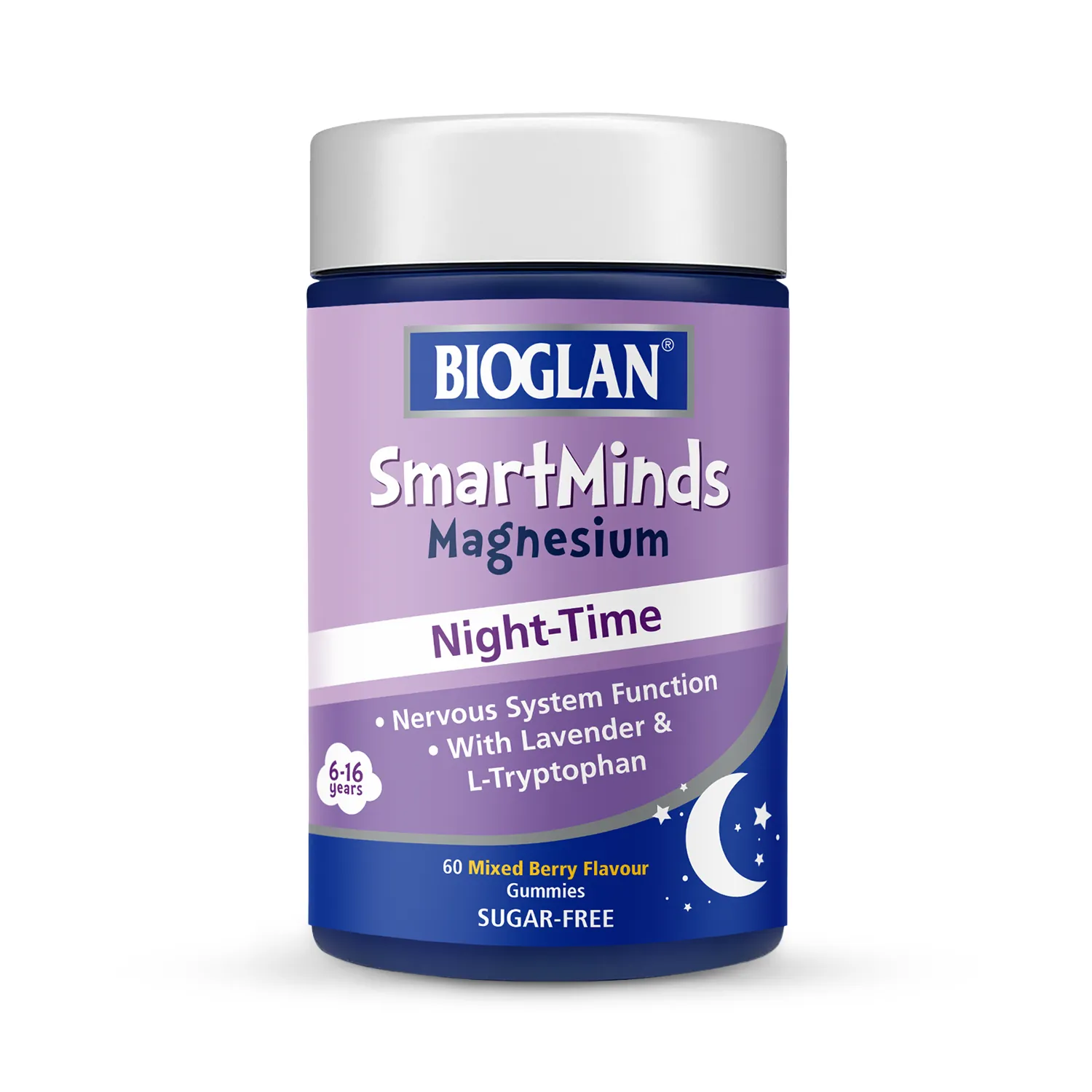
Magnesium
300-400mg (glycinate or taurate)A 2012 RCT in elderly subjects found magnesium supplementation improved subjective insomnia measures, sleep time, and serum melatonin concentration (Abbasi et al., J Res Med Sci).
Available Forms
| Form | Bioavailability | Notes |
|---|---|---|
| Magnesium Glycinate | high | Chelated form, well-absorbed, least likely to cause GI issues, calming effect |
| Magnesium Citrate | high | Good absorption, mild laxative effect at higher doses |
| Magnesium Oxide | low | ~4% bioavailability, primarily used as laxative, poor supplement choice |
| Magnesium Taurate | high | Combined with taurine, studied for cardiovascular and sleep support |
| Magnesium L-Threonate | high | Crosses blood-brain barrier, studied for cognitive function |

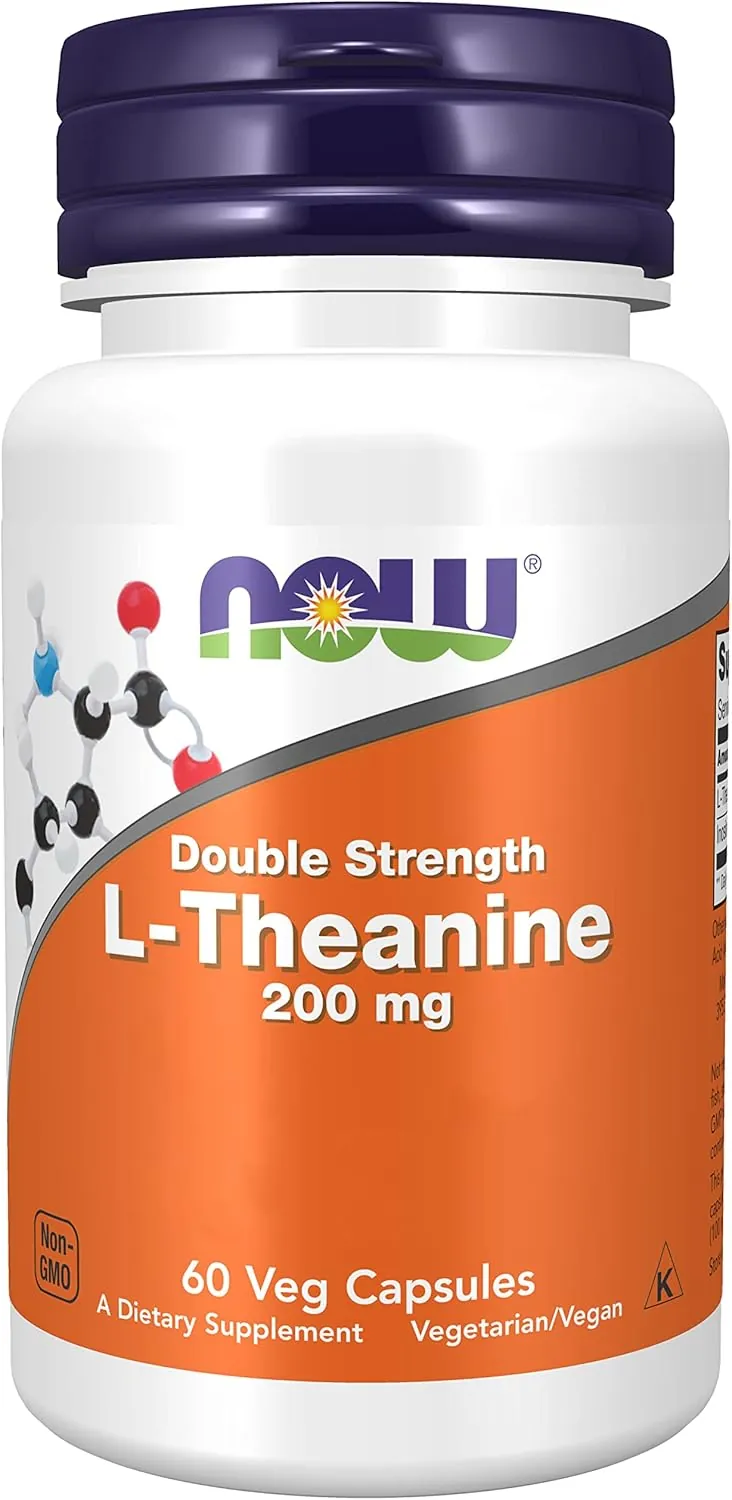
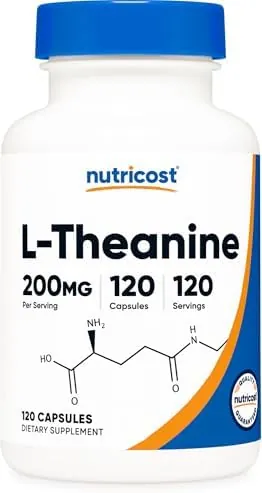
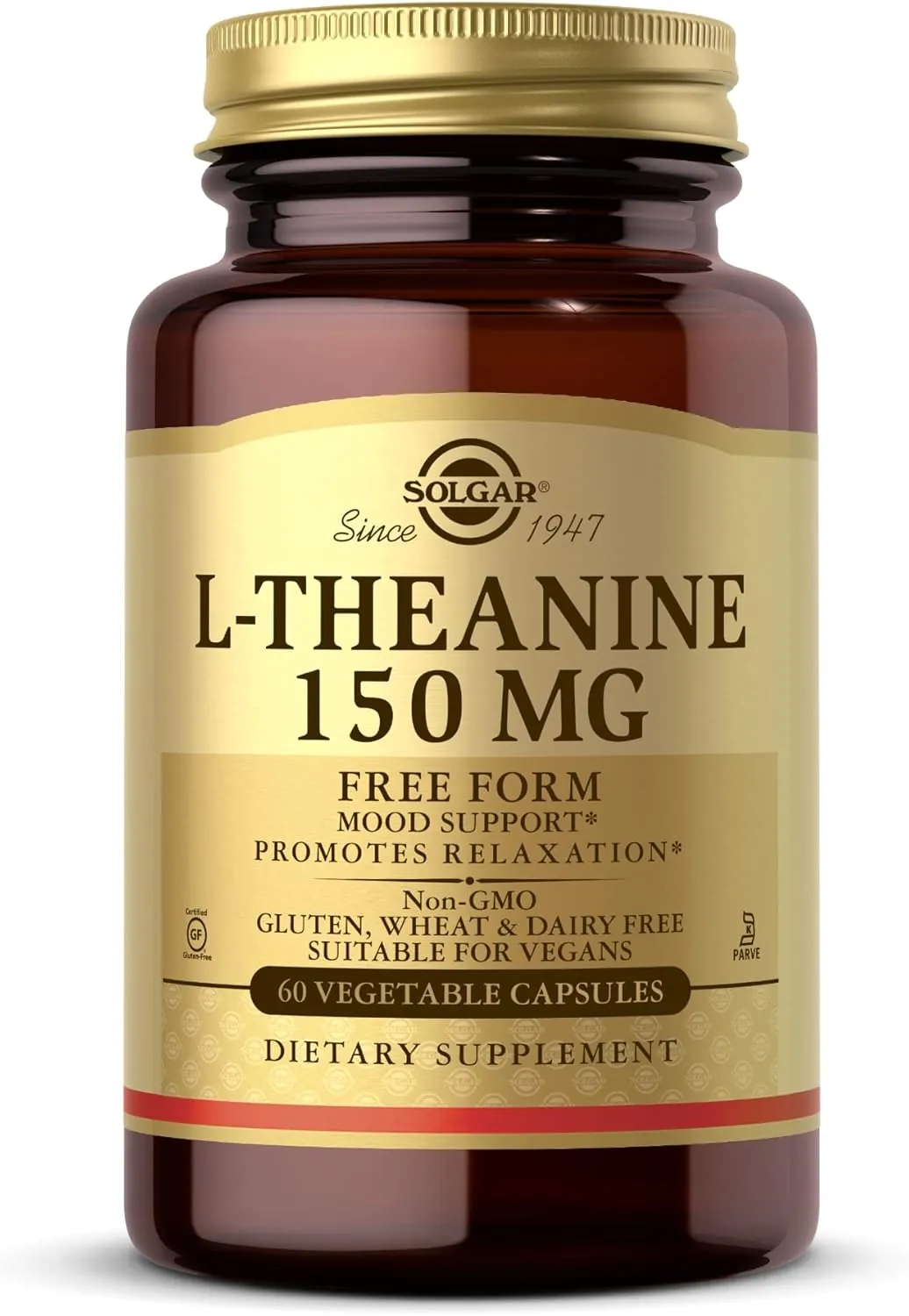
L-Theanine
200mgResearch suggests L-theanine promotes relaxation without sedation by increasing alpha brain wave activity (Nobre et al., 2008, Asia Pac J Clin Nutr). A 2019 RCT found 200mg improved sleep quality scores (Hidese et al., Nutrients).
Available Forms
| Form | Bioavailability | Notes |
|---|---|---|
| L-Theanine | high | Standard form, well-absorbed |
| Suntheanine | high | Patented pure L-isomer form, used in most clinical trials |
Vitamin D3
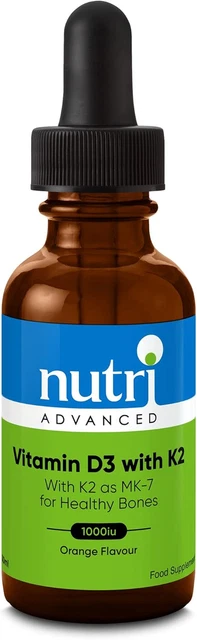
1,000-2,000 IUObservational studies link low vitamin D status with poor sleep quality and shorter sleep duration (Gao et al., 2018, Nutrients). Deficiency is common in the UK, particularly in winter months.
Available Forms
| Form | Bioavailability | Notes |
|---|---|---|
| Cholecalciferol (D3) | high | Preferred form; raises serum 25(OH)D more effectively than D2 |
| Ergocalciferol (D2) | moderate | Vegan-friendly (plant/fungal) but less potent per IU |
How This Stack Works
The case for this particular combination rests on mechanistic diversity rather than additive effects within a single pathway. Each ingredient appears to act on a different aspect of the neurobiology associated with sleep onset and quality.
Magnesium operates primarily through its role as a cofactor for GABA (gamma-aminobutyric acid) receptor activation. GABA is the central nervous system's principal inhibitory neurotransmitter, and adequate magnesium status is necessary for its effective function. Beyond GABAergic modulation, magnesium is involved in the regulation of the hypothalamic-pituitary axis and influences melatonin secretion. Abbasi et al. (2012, J Res Med Sci) demonstrated that 500mg elemental magnesium administered over eight weeks raised serum melatonin concentrations and improved scores on the Insomnia Severity Index in older adults. Forms such as glycinate and taurate are generally preferred over magnesium oxide, which carries a higher risk of gastrointestinal discomfort at equivalent doses.
L-theanine acts via a separate mechanism. Nobre et al. (2008, Asia Pacific Journal of Clinical Nutrition) showed that oral L-theanine promoted alpha-frequency brain wave activity, associated with wakeful relaxation — a distinct profile from sedative compounds such as benzodiazepines or antihistamines. This distinction is clinically relevant: conventional sleep aids often impair sleep architecture or produce next-day cognitive effects, whereas L-theanine does not appear to share this profile at studied doses. Hidese et al. (2019, Nutrients) conducted a randomised crossover trial in 30 healthy adults, finding that 200mg L-theanine daily for four weeks significantly improved sleep satisfaction scores and reduced perceived sleep latency, without altering total polysomnographic sleep time.
Vitamin D3 adds a third mechanistic dimension. Vitamin D receptors are expressed in brain regions involved in sleep regulation, including the dorsal raphe nucleus, which plays a role in serotonin and melatonin synthesis pathways. SACN's 2016 report established that vitamin D insufficiency is common across UK adults, particularly in those with limited sunlight exposure during autumn and winter. Observational studies have found associations between low serum 25(OH)D and both shorter sleep duration and poorer subjective sleep quality, suggesting that correcting a pre-existing deficiency at 1,000–2,000 IU represents a proportionate intervention within a well-established safety margin.
Together these ingredients engage GABAergic regulation, cortical relaxation state, and circadian pathway support. The evidence base for each ingredient is independent rather than combinatorial — studies examining this specific trio in combination are limited — and individual responses will vary.
Interaction Analysis
2 known interactions between ingredients in this stack.
Both magnesium and L-theanine promote relaxation without sedation. Research suggests they may have complementary calming effects through different GABA-related mechanisms.
Action: This combination is popular for relaxation and focus. Both can be taken together, any time of day.
Read full analysis →Magnesium is a cofactor in Vitamin D metabolism. Research suggests adequate magnesium is necessary for the body to activate and utilise Vitamin D3 effectively.
Action: Ensuring adequate magnesium intake alongside Vitamin D3 supplementation may improve D3 utilisation.
Read full analysis →Suggested Timing Schedule
Morning
Fat-soluble — better absorbed with a meal containing dietary fat
Evening
Evening preferred — may promote relaxation. Take with food to reduce GI discomfort.
Any Time
Can be taken any time. Often paired with caffeine (2:1 ratio) for focused calm. Evening use supports relaxation.
What to Avoid with This Stack
- • High-dose melatonin — if combining, research suggests starting at 0.5mg
- • Stimulants (caffeine, green tea extract) in the evening
Alternatives & Variations
Several other ingredients have been studied in the context of sleep support and may be considered alongside or in place of components in this stack. Valerian root has been examined across multiple randomised trials; a systematic review and meta-analysis by Bent et al. (2006, American Journal of Medicine) encompassing 16 studies suggested possible benefit for subjective sleep quality, though effect sizes were modest and study quality varied considerably. Glycine, an inhibitory amino acid, has been studied at 3g doses; research by Bannai et al. (2012) found improvements in subjective sleep quality and next-day alertness in sleep-restricted volunteers. Low-dose melatonin (0.5–1mg) carries EFSA-approved health claims relating to reduced sleep onset latency, and is particularly relevant where circadian rhythm disruption is a factor.
Notes & Caveats
Individual responses to supplements vary significantly. These ingredients have been studied independently; fewer studies examine them in combination. Consult a healthcare professional if sleep issues persist.
Customise This Stack
Load these supplements into our interactive Stack Analyzer to adjust dosages, add or remove ingredients, and get personalised timing.
Customise this stack →Frequently Asked Questions
Magnesium glycinate at 300–400mg and L-theanine at 200mg have been used in daily administration protocols in published research without reported adverse effects in healthy adults. Vitamin D3 at 1,000–2,000 IU falls well below the SACN upper tolerable intake of 100mcg (4,000 IU) for adults. Individual tolerance varies, and anyone with kidney disease, a cardiovascular condition, or who takes prescription medication should consult a GP or pharmacist before starting any supplement regimen.
Research protocols vary by ingredient. L-theanine studies typically administer doses 30–60 minutes before the intended sleep window. Magnesium is often taken in the evening with food, which may aid absorption and reduce the likelihood of gastrointestinal effects. Vitamin D3 is fat-soluble and generally better absorbed alongside a meal containing dietary fat; timing relative to sleep is less critical given its longer biological half-life. No single evidence-based protocol exists for this combination specifically.
Magnesium may potentiate the effects of central nervous system depressants, including benzodiazepines and z-drugs such as zopiclone. L-theanine has limited formal drug interaction data at the studied dose of 200mg but is generally considered low-risk. Vitamin D3 can interact with certain medications including thiazide diuretics and digoxin, particularly at higher doses. Anyone taking prescribed medication for sleep, anxiety, or cardiovascular conditions should discuss supplementation with their GP or pharmacist before starting this stack.