Important: This page is for informational purposes only, based on published peer-reviewed research and official UK dietary guidelines (NHS, EFSA, SACN). It does not constitute medical advice. Always consult your GP or pharmacist before starting, stopping, or combining supplements.
Supplements Studied for Stress Management
Ingredients with evidence for supporting the body's stress response
Why This Stack?
The body's stress response — mediated primarily through the hypothalamic-pituitary-adrenal (HPA) axis — evolved to manage short-term threats. Persistent activation of this system is associated with elevated cortisol, disrupted sleep, and impaired cognitive function. The three ingredients in this stack have each been studied in the context of supporting the body's capacity to manage stress through distinct but potentially complementary mechanisms. Ashwagandha (Withania somnifera) is an adaptogenic herb with a growing body of clinical trial data. Magnesium is an essential mineral involved in over 300 enzymatic reactions; the European Food Safety Authority (EFSA) has approved the claim that magnesium contributes to normal psychological function and normal functioning of the nervous system. L-theanine, an amino acid naturally occurring in green tea (Camellia sinensis), has been studied for its ability to promote calm alertness without sedation. There is no single supplement that eliminates stress, and individual responses may vary considerably depending on baseline nutritional status, lifestyle factors, and the nature of the stressors involved. This stack represents a combination of ingredients that research suggests may support the body's stress response when used alongside appropriate lifestyle measures. Chronic or severe stress should be discussed with a qualified healthcare professional — these supplements are not a substitute for psychological therapies or medical treatment.
What’s in This Stack
Ashwagandha
300-600mg (KSM-66 or Sensoril extract)A 2012 RCT found 300mg KSM-66 twice daily significantly reduced serum cortisol and perceived stress scores compared to placebo (Chandrasekhar et al., Indian J Psychol Med).
Available Forms
| Form | Bioavailability | Notes |
|---|---|---|
| KSM-66 (Root Extract) | high | Full-spectrum root extract, 5% withanolides, most clinically studied form |
| Sensoril (Root + Leaf Extract) | high | Standardised to 10% withanolides, more potent per mg, calming profile |
| Raw Root Powder | low | Unextracted, requires higher doses (3-6 g), less consistent potency |
Top Products
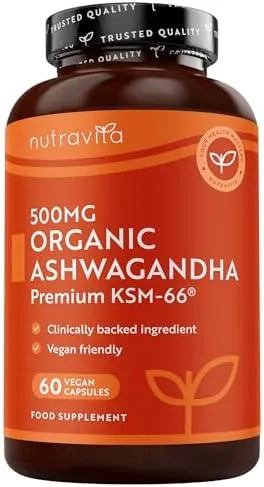
Nutravita Organic Ashwagandha KSM-66® 500mg - Premium Full-Spectrum Root Extract - Naturally Occurring Withanolides - 60 Vegan Capsules – Certified Organic Ashwagandha Supplement - Made in the UK


Magnesium
300-400mgResearch links low magnesium status with heightened stress reactivity. A 2017 systematic review found supplementation had a positive effect on subjective anxiety in anxiety-prone populations (Boyle et al., Nutrients).
Available Forms
| Form | Bioavailability | Notes |
|---|---|---|
| Magnesium Glycinate | high | Chelated form, well-absorbed, least likely to cause GI issues, calming effect |
| Magnesium Citrate | high | Good absorption, mild laxative effect at higher doses |
| Magnesium Oxide | low | ~4% bioavailability, primarily used as laxative, poor supplement choice |
| Magnesium Taurate | high | Combined with taurine, studied for cardiovascular and sleep support |
| Magnesium L-Threonate | high | Crosses blood-brain barrier, studied for cognitive function |
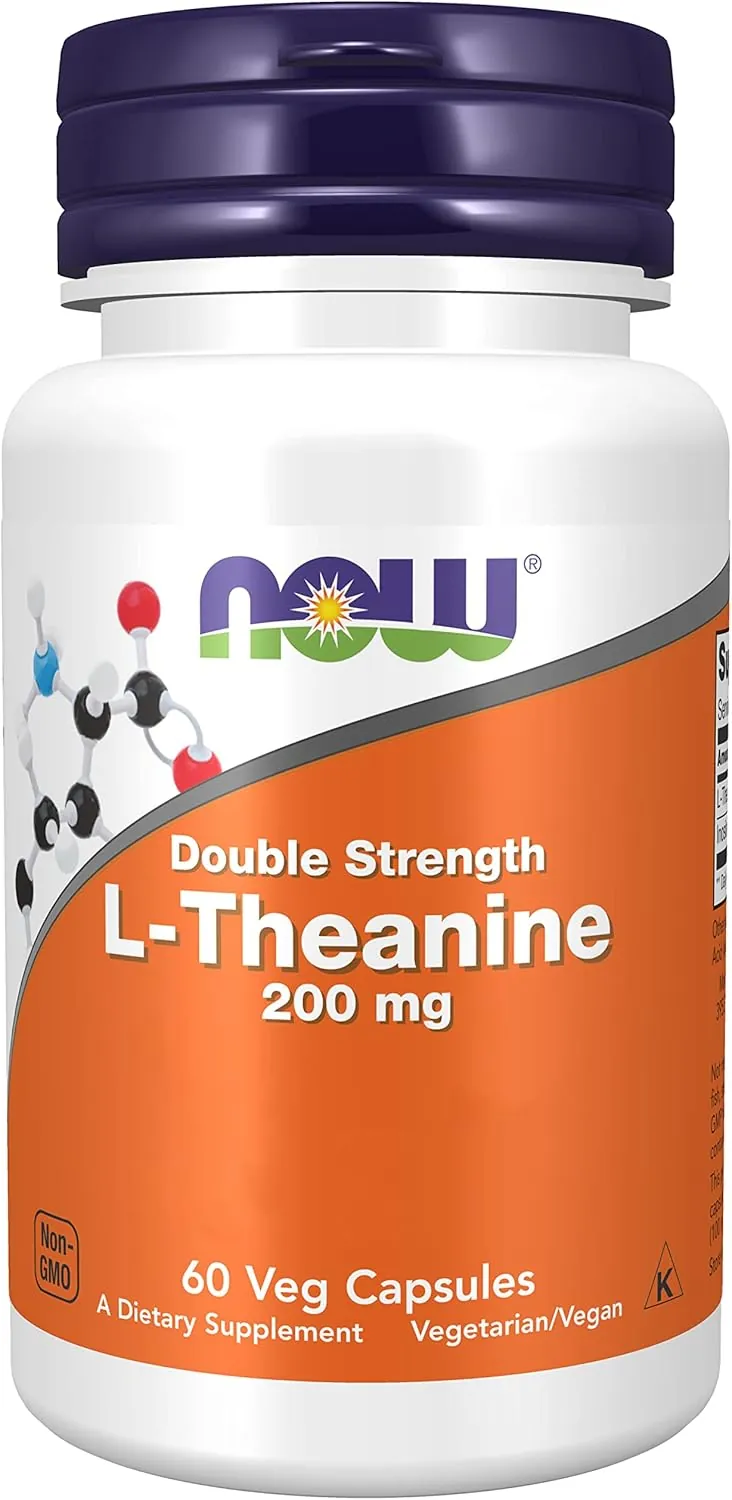
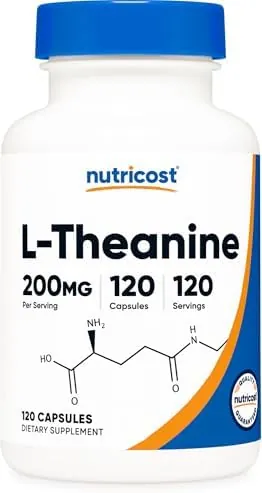
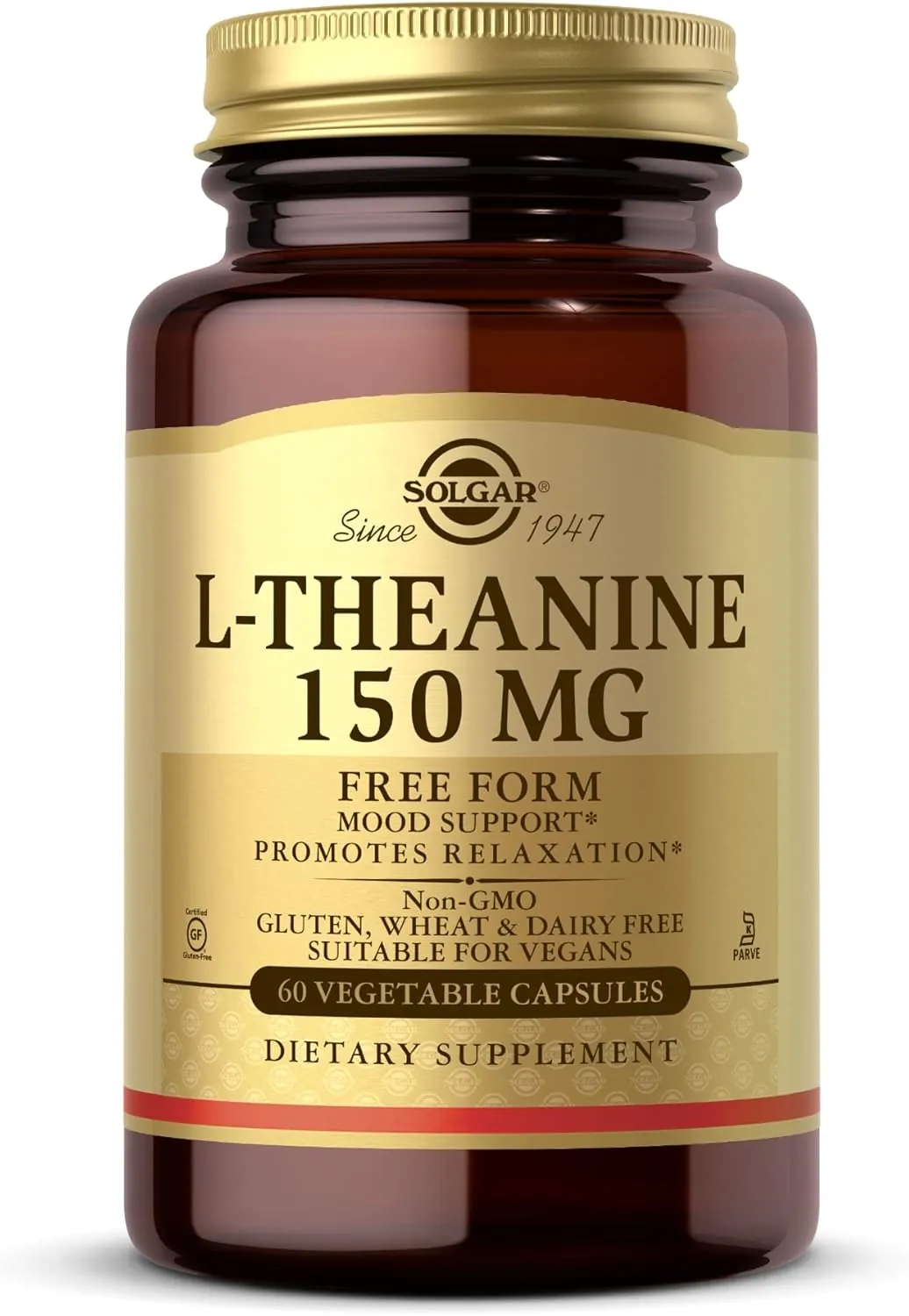
L-Theanine
200-400mgL-theanine has been studied for its calming effects without sedation. Research suggests it reduces physiological stress markers including salivary alpha-amylase (Kimura et al., 2007, Biol Psychol).
Available Forms
| Form | Bioavailability | Notes |
|---|---|---|
| L-Theanine | high | Standard form, well-absorbed |
| Suntheanine | high | Patented pure L-isomer form, used in most clinical trials |
How This Stack Works
Each ingredient in this stack operates through a distinct but potentially complementary mechanism, addressing different aspects of the stress response.
Ashwagandha contains withanolides — bioactive steroidal lactones — thought to modulate HPA axis activity and reduce excessive cortisol output during prolonged stress. A randomised, double-blind, placebo-controlled trial by Chandrasekhar et al. (2012, Indian Journal of Psychological Medicine) found that 300mg of KSM-66 ashwagandha extract taken twice daily for 60 days significantly reduced serum cortisol levels and perceived stress scores compared to placebo. A systematic review by Pratte et al. (2014, Journal of Alternative and Complementary Medicine) examined five human trials and reported broadly positive outcomes for stress-related measures, though the authors noted the need for larger, more rigorous trials before firm conclusions can be drawn.
Magnesium's relationship to stress is bidirectional: psychological stress is known to deplete magnesium stores, while low magnesium status appears to heighten reactivity to stressors. Mechanistically, magnesium acts as a natural antagonist at NMDA receptors and modulates GABA-A receptor activity — both central to the regulation of excitatory and inhibitory neurotransmission. A 2017 systematic review by Boyle, Lawton and Dye (Nutrients, 9(5):429) found that supplementation had a favourable effect on subjective stress-related outcomes across the six trials reviewed, particularly in individuals with low baseline magnesium status.
L-theanine promotes alpha brain wave activity — a neural pattern associated with relaxed, focused alertness — and appears to modulate GABA, dopamine and serotonin signalling. A double-blind crossover study by Kimura et al. (2007, Biological Psychology, 74(1):39–45) found that 200mg of L-theanine attenuated physiological stress markers, including salivary alpha-amylase, following an acute stress task, without inducing sedation. This profile may make it particularly suitable for daytime use in stressful situations.
Together, these ingredients target multiple facets of the stress response: hormonal regulation (ashwagandha), neurochemical balance (magnesium, L-theanine), and attentional calm (L-theanine). Individual responses may vary, and this combination is not intended to replace evidence-based psychological or medical interventions.
Interaction Analysis
3 known interactions between ingredients in this stack.
Ashwagandha and magnesium may have complementary effects on stress and sleep. Both are associated with cortisol reduction and relaxation through different pathways.
Action: This combination is commonly used in evening routines for relaxation. Magnesium glycinate in the evening pairs well with ashwagandha.
Read full analysis →Both L-theanine and ashwagandha may support relaxation and stress reduction through different mechanisms. Research suggests they can be complementary in an anxiolytic stack.
Action: This combination is popular for daytime stress management without sedation. L-theanine provides calm focus while ashwagandha addresses cortisol.
Read full analysis →Both magnesium and L-theanine promote relaxation without sedation. Research suggests they may have complementary calming effects through different GABA-related mechanisms.
Action: This combination is popular for relaxation and focus. Both can be taken together, any time of day.
Read full analysis →Suggested Timing Schedule
Morning
None in this stack
Evening
Evening preferred for stress/sleep. Can be taken morning for energy/endurance. With food to avoid GI discomfort.
Evening preferred — may promote relaxation. Take with food to reduce GI discomfort.
Any Time
Can be taken any time. Often paired with caffeine (2:1 ratio) for focused calm. Evening use supports relaxation.
What to Avoid with This Stack
- • Ashwagandha may interact with thyroid medications and immunosuppressants — consult a healthcare provider if taking prescription medication
Alternatives & Variations
Rhodiola rosea is an adaptogen with evidence specifically for stress-related fatigue; a randomised controlled trial by Olsson, von Schéele and Panossian (2009, Planta Medica, 75(2):105–12) found a standardised Rhodiola root extract reduced fatigue and improved attention in individuals with stress-related burnout. Phosphatidylserine has been studied for its capacity to blunt cortisol responses to both physical and psychological stressors (Monteleone et al., 1990, Neuroendocrinology). Lemon balm (Melissa officinalis) has preliminary evidence from short-duration trials for supporting mood under stress. B vitamins — particularly B5 (pantothenic acid) and B6 — are involved in adrenal function and neurotransmitter synthesis, and may be worth considering for individuals with dietary gaps.
Notes & Caveats
Chronic stress may benefit from professional support alongside nutritional strategies. These supplements are not a substitute for therapy or medical advice.
Customise This Stack
Load these supplements into our interactive Stack Analyzer to adjust dosages, add or remove ingredients, and get personalised timing.
Customise this stack →Frequently Asked Questions
Clinical trials assessing ashwagandha generally measure outcomes over 8–12 weeks. The Chandrasekhar et al. (2012) trial observed significant reductions in serum cortisol and perceived stress scores after 60 days of consistent supplementation. Short-term acute effects are less well-evidenced for ashwagandha specifically. Individual responses may vary depending on baseline stress levels, health status, and the extract form used.
There is no published evidence of clinically significant adverse interactions between ashwagandha, magnesium and L-theanine at the doses used in clinical trials. However, ashwagandha may interact with thyroid medications and immunosuppressants, so anyone taking prescription medication should consult their GP before adding it. Magnesium and L-theanine have well-established safety profiles at recommended doses. As with all supplements, inform your healthcare provider of anything you are taking.
L-theanine is commonly taken in the morning or before potentially stressful situations, given research suggesting it promotes calm alertness without sedation (Kimura et al., 2007). Magnesium — particularly in glycinate or bisglycinate forms — is often taken in the evening. Ashwagandha was studied in split doses (morning and evening) in the key Chandrasekhar trial. Timing is best adapted to individual tolerance and routine, and there is limited direct evidence comparing different dosing schedules.