Important: This page is for informational purposes only, based on published peer-reviewed research and official UK dietary guidelines (NHS, EFSA, SACN). It does not constitute medical advice. Always consult your GP or pharmacist before starting, stopping, or combining supplements.
Supplements Studied for Study & Concentration
Ingredients researched for cognitive function, memory, and sustained focus
Why This Stack?
University life places sustained demands on cognitive resources. Lectures, revision sessions, coursework deadlines, and exams create an environment where mental stamina, working memory, and concentration are tested daily over months at a time. A 2024 report from the UK Office for National Statistics found that over 60% of higher education students experience high levels of stress, anxiety, or depression, with assessments and exams cited as the single biggest contributor to poor wellbeing. Sleep disruption, inconsistent nutrition, and prolonged sedentary study compound these pressures, and the typical student diet — heavy on convenience food, light on oily fish, leafy greens, and varied protein sources — often falls short of providing the micronutrients that brain tissue requires for sustained performance. The five ingredients in this stack — Lion's Mane mushroom, omega-3 fatty acids, L-theanine, creatine, and magnesium — each address a different aspect of brain function through distinct and well-characterised biological mechanisms. Lion's Mane contains compounds that research links to nerve growth factor signalling, a pathway involved in neuronal maintenance and repair. Omega-3 fatty acids, particularly DHA, serve as structural building blocks of neuronal membranes and are concentrated at synaptic junctions where learning-related signalling occurs. L-theanine modulates brain wave patterns associated with calm, attentive states — useful during high-pressure revision when anxiety can undermine concentration. Creatine supports the rapid regeneration of ATP in metabolically active brain tissue, a process especially relevant during sleep-deprived late-night study sessions. Magnesium participates in hundreds of enzymatic reactions, including those governing synaptic transmission, plasticity, and the NMDA receptor activity that underpins memory formation. These five ingredients were chosen because they operate through non-overlapping pathways, meaning their mechanisms do not compete or duplicate each other. Structural support (omega-3), neurotrophic signalling (Lion's Mane), attentional modulation (L-theanine), energy metabolism (creatine), and synaptic plasticity (magnesium) represent five distinct pillars of cognitive function. No supplement stack replaces adequate sleep, physical activity, or a balanced diet. The evidence base for each ingredient varies in strength, and individual responses differ. What follows is a transparent assessment of what the published research does and does not support, so that students can weigh the evidence and make informed decisions alongside their GP or pharmacist.
What’s in This Stack
Lion's Mane
500–1,000mgLion’s Mane contains hericenones and erinacines that research suggests stimulate nerve growth factor (NGF) synthesis. A 2009 RCT in older adults found it improved cognitive function scores over 16 weeks (Mori et al., Phytother Res).
Available Forms
| Form | Bioavailability | Notes |
|---|---|---|
| Fruiting Body Extract | high | Contains hericenones, the NGF-stimulating compounds from the mushroom body |
| Mycelium on Grain | low | Grown on rice/oats, contains less active compounds and more starch filler |
| Dual Extract (hot water + alcohol) | high | Extracts both water-soluble beta-glucans and alcohol-soluble terpenes |
Top Products

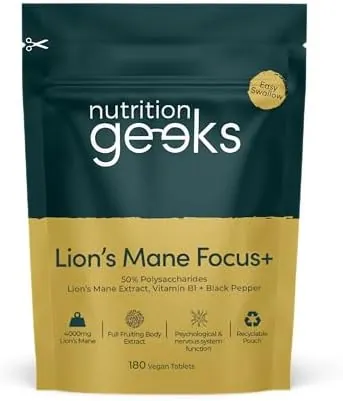
Lions Mane Supplement 4000mg with Vitamin B1 & Black Pepper, 180 Vegan Tablets - Lion's Mane Mushroom 15:1 Extract (Not Lions Mane Powder or Capsules), UK Made for Mental Performance & Nervous System
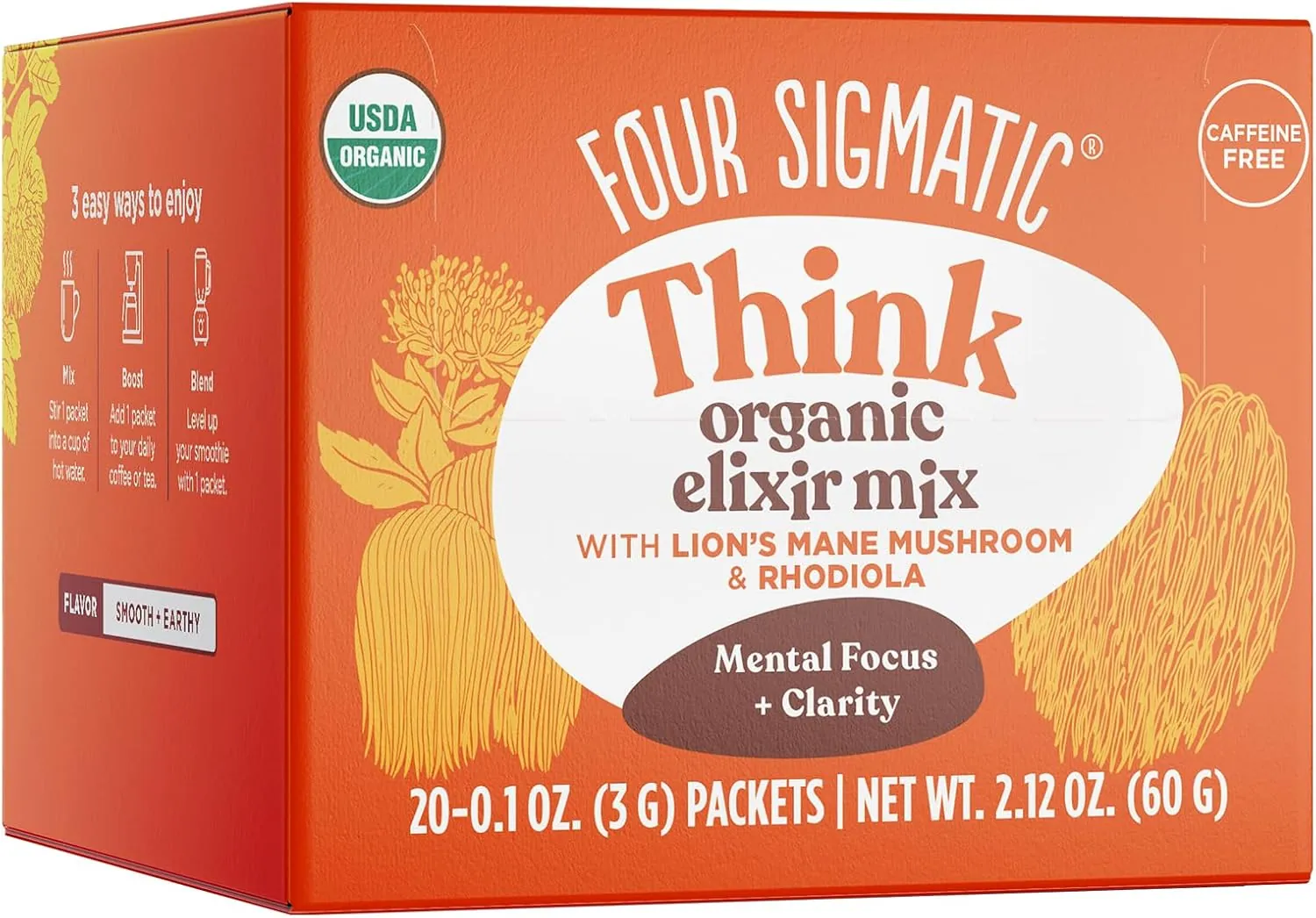
Omega-3
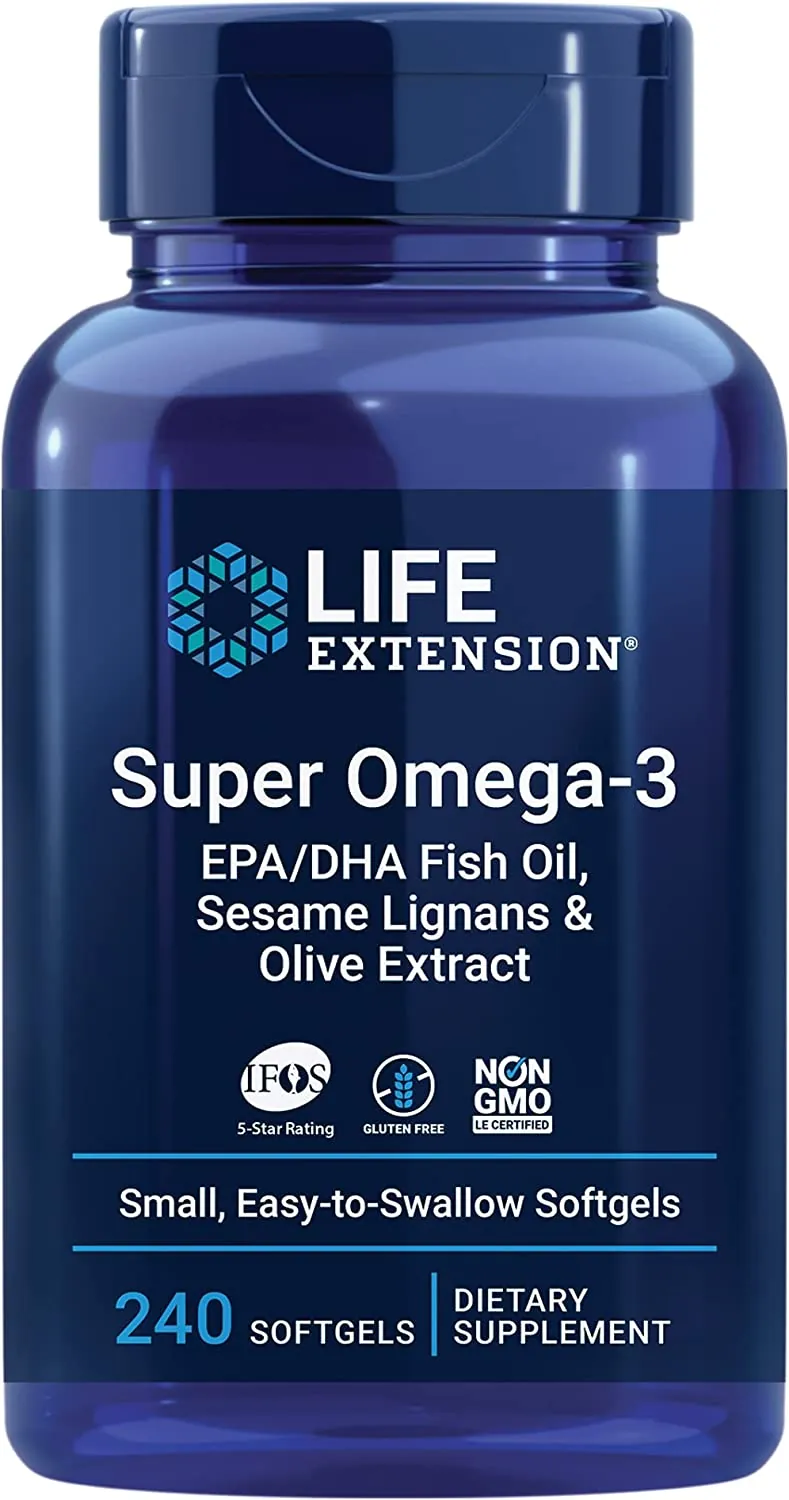
1,000–2,000mg EPA+DHADHA constitutes approximately 40% of polyunsaturated fatty acids in the brain. A 2012 systematic review found omega-3 supplementation was associated with improved cognitive performance, particularly in those with low baseline intake (Stonehouse et al., Nutrients).
Available Forms
| Form | Bioavailability | Notes |
|---|---|---|
| Triglyceride (rTG) Fish Oil | high | Re-esterified triglyceride, best absorbed form, premium |
| Ethyl Ester (EE) Fish Oil | moderate | Most common, requires more processing by the body, cheaper |
| Algae Oil (DHA-rich) | high | Vegan source, primarily DHA, sustainable |
| Krill Oil | high | Phospholipid-bound, contains astaxanthin, well-absorbed but lower EPA+DHA per capsule |
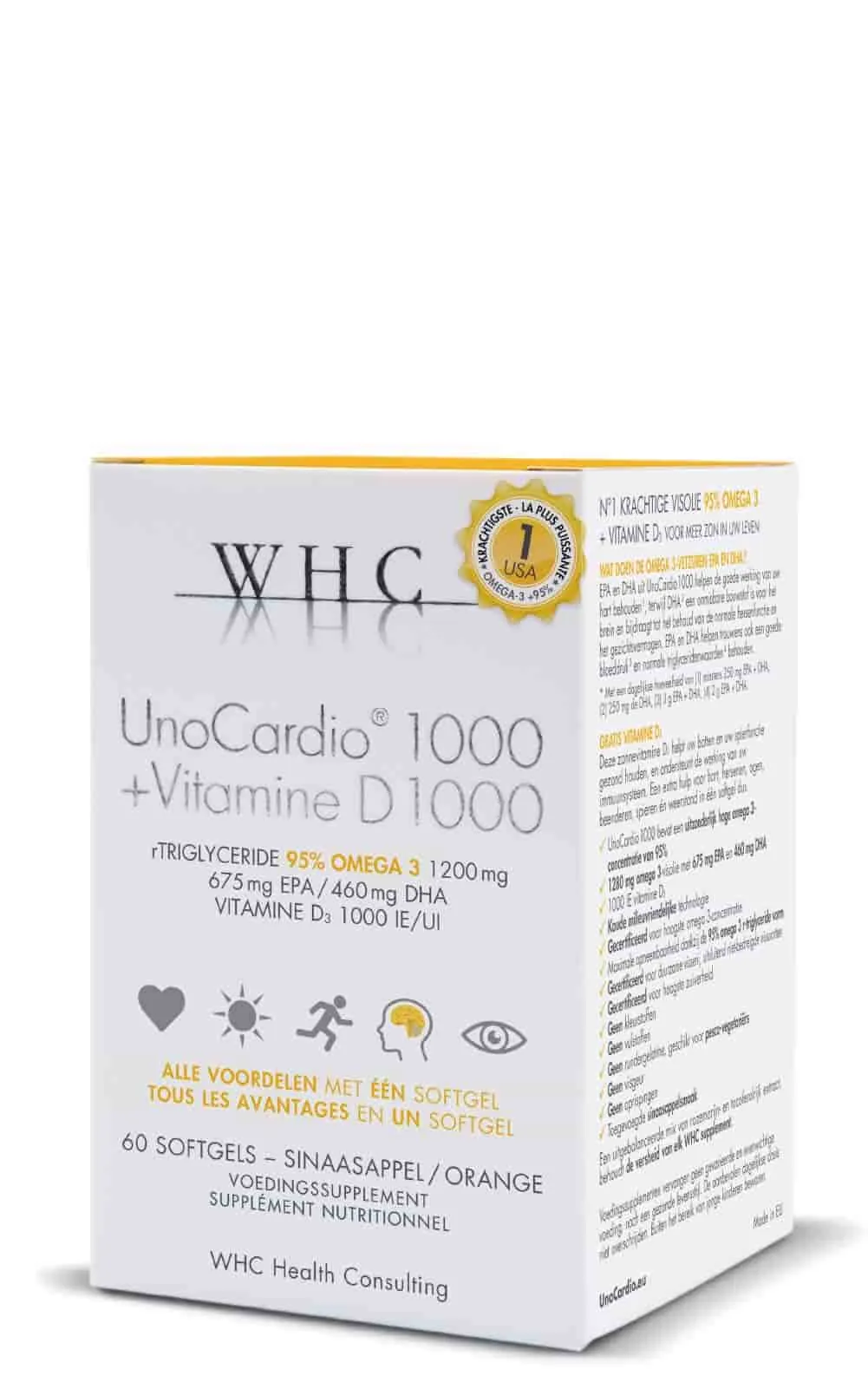
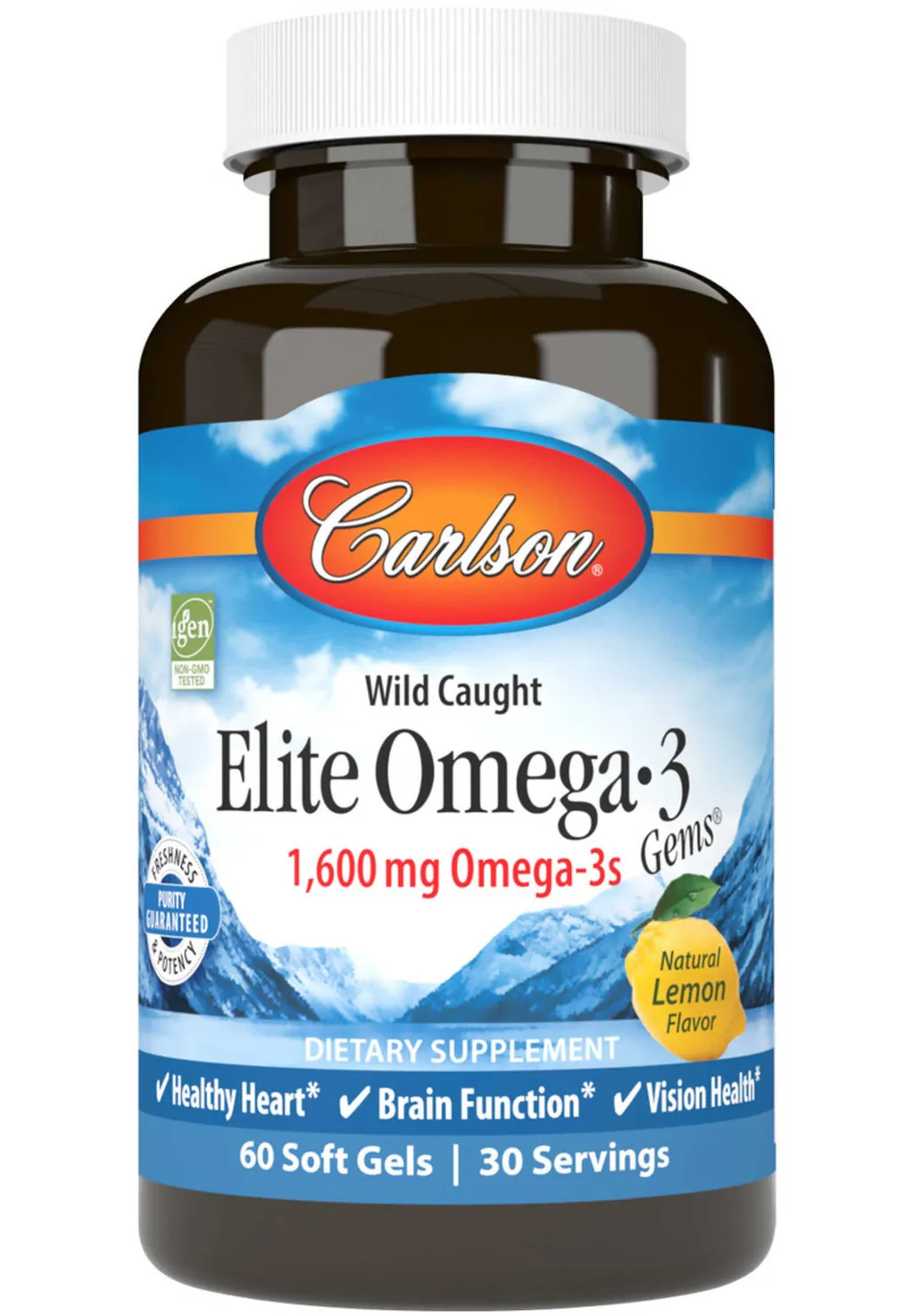
L-Theanine
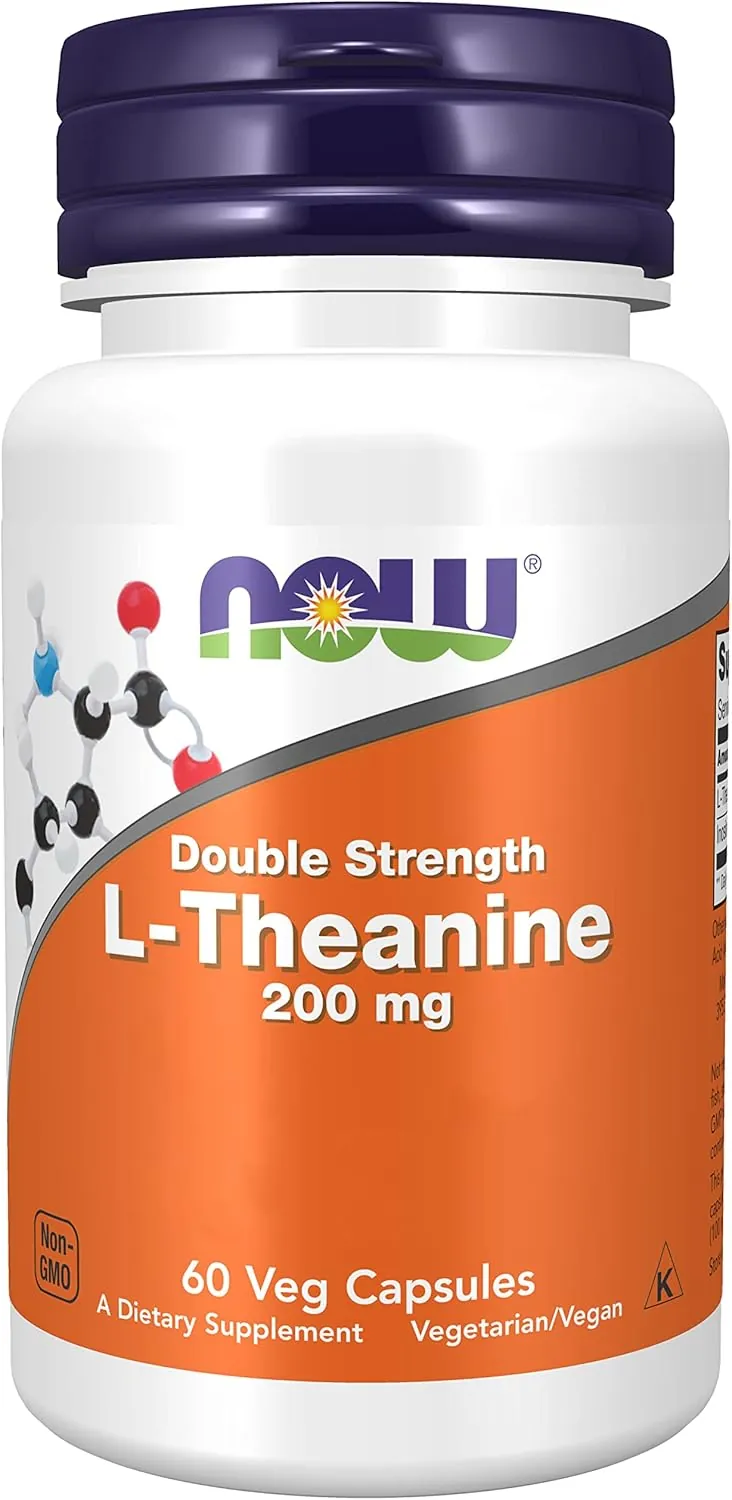
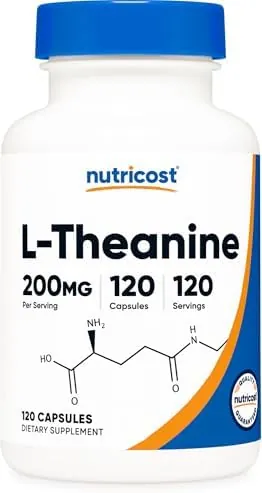
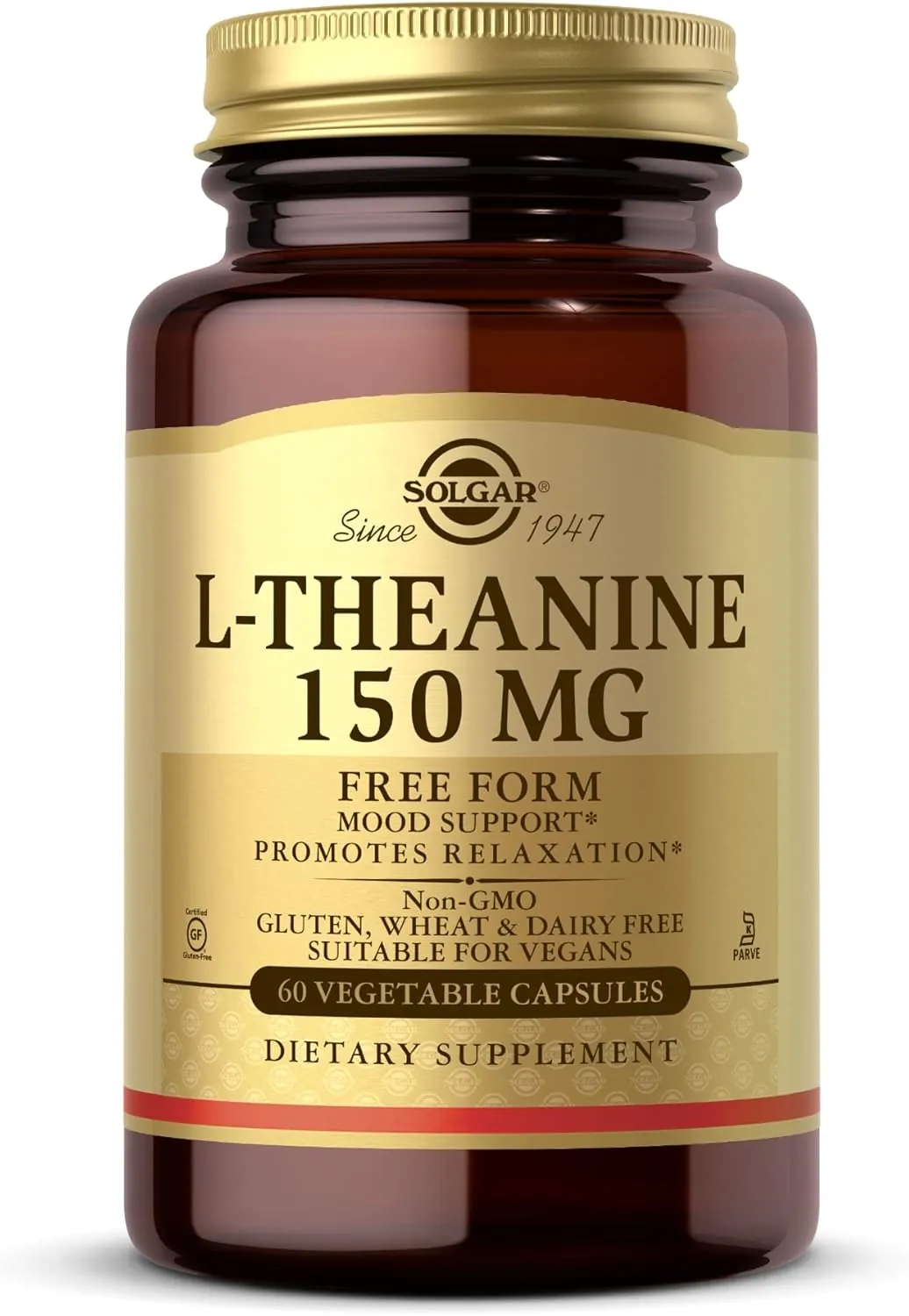
200mgL-theanine combined with caffeine has been studied for synergistic effects on attention and task-switching. Owen et al. (2008, Nutr Neurosci) found the combination improved both speed and accuracy of attention tasks. L-theanine provides calm focus without jitteriness.
Available Forms
| Form | Bioavailability | Notes |
|---|---|---|
| L-Theanine | high | Standard form, well-absorbed |
| Suntheanine | high | Patented pure L-isomer form, used in most clinical trials |
Creatine
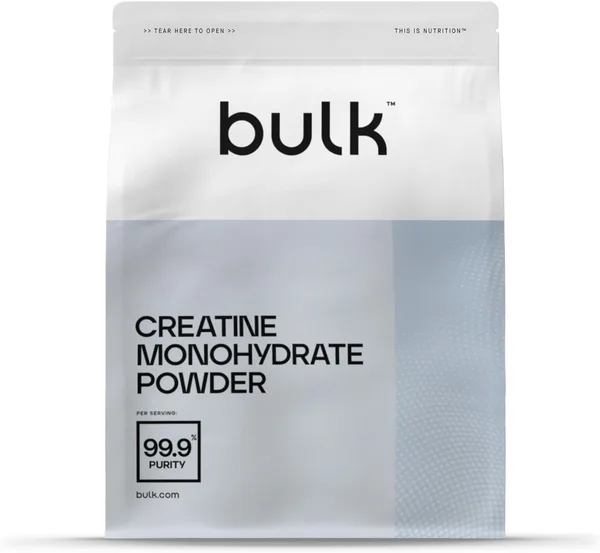
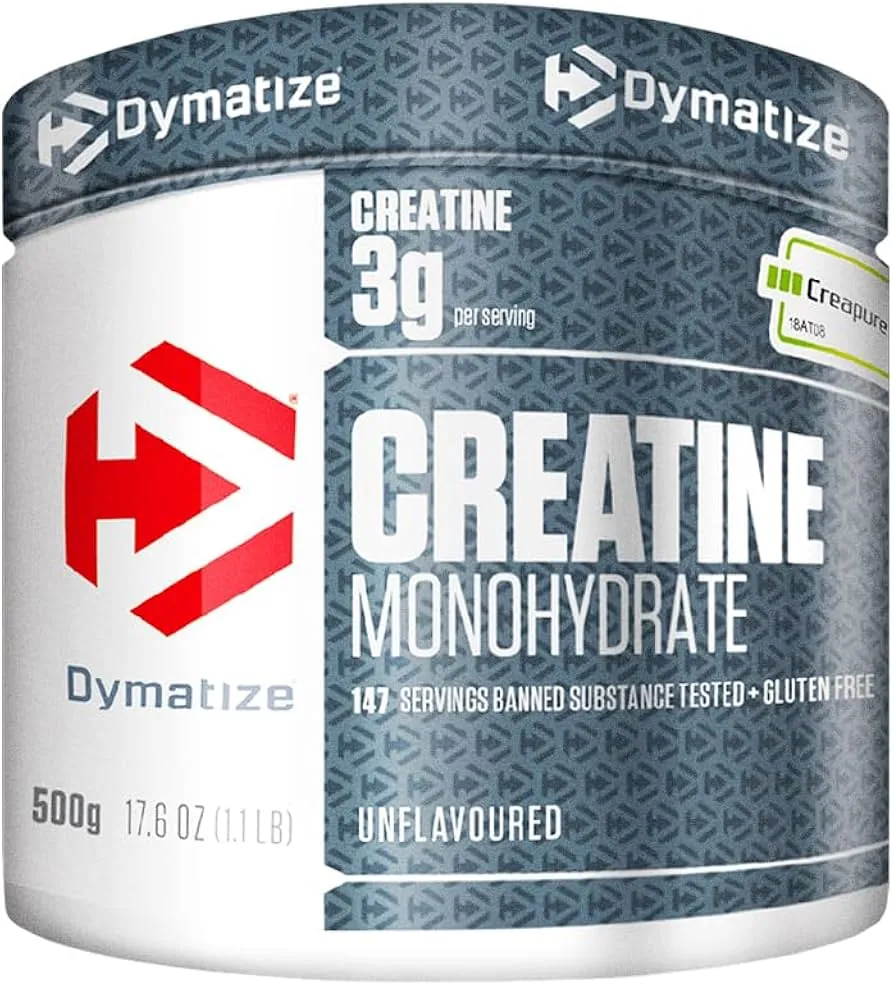
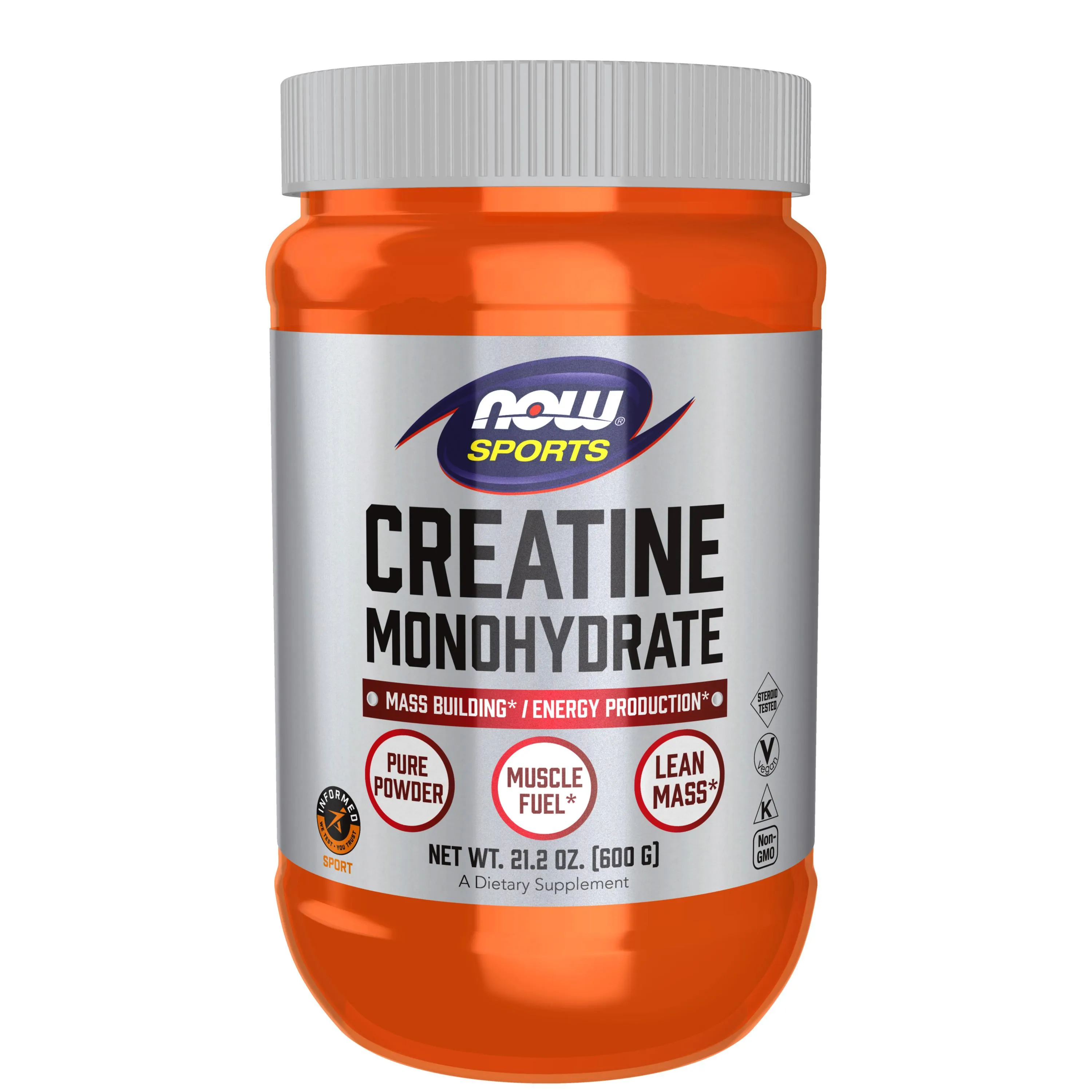
3–5gCreatine is not just for muscles — the brain is highly metabolically active. A 2018 systematic review found creatine supplementation improved short-term memory and reasoning, particularly under stress or sleep deprivation (Avgerinos et al., Exp Gerontol).
Available Forms
| Form | Bioavailability | Notes |
|---|---|---|
| Creatine Monohydrate | high | Gold standard, most studied form, cheapest and most effective |
| Creatine HCl | high | More soluble, smaller doses claimed — but no evidence it outperforms monohydrate |
| Creapure | high | Premium German-manufactured monohydrate, tested for purity |
Magnesium
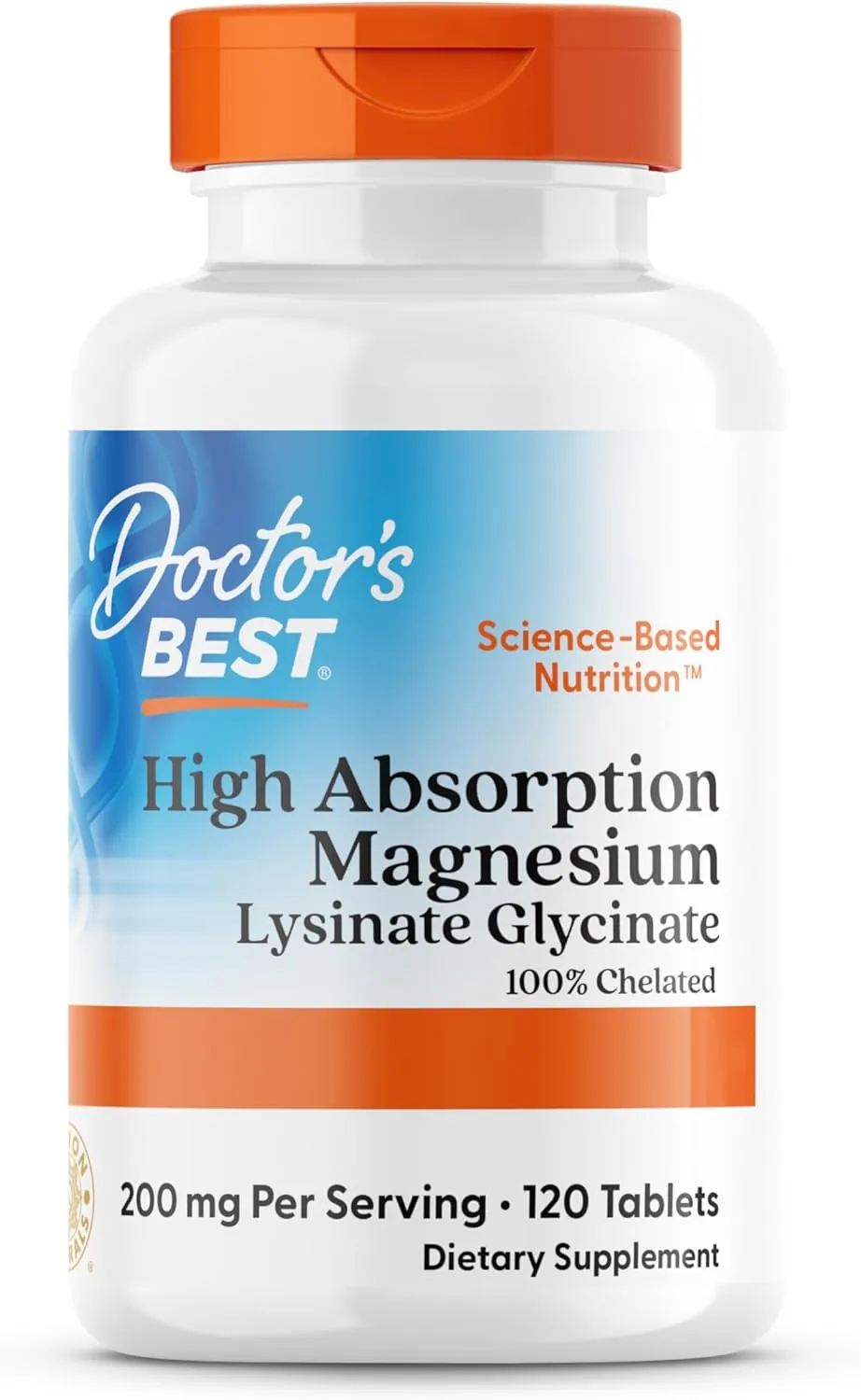
300mg (glycinate or threonate)Magnesium threonate (Magtein) has been specifically studied for brain bioavailability. A 2010 study in Neuron found it enhanced learning and memory in animal models. Magnesium also supports sleep quality, which is critical for memory consolidation.
Available Forms
| Form | Bioavailability | Notes |
|---|---|---|
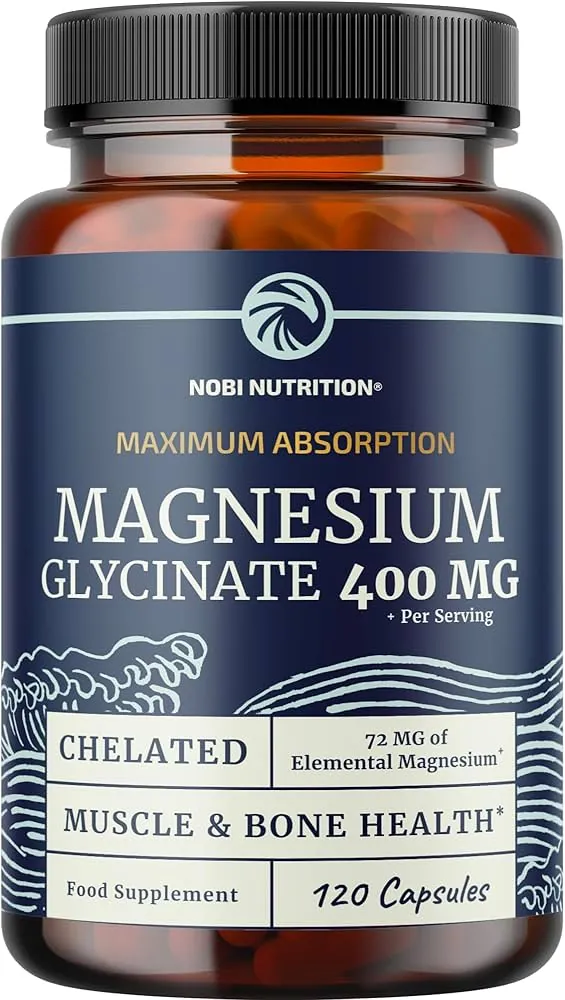
| Magnesium Glycinate | high | Chelated form, well-absorbed, least likely to cause GI issues, calming effect |
| Magnesium Citrate | high | Good absorption, mild laxative effect at higher doses |
| Magnesium Oxide | low | ~4% bioavailability, primarily used as laxative, poor supplement choice |
| Magnesium Taurate | high | Combined with taurine, studied for cardiovascular and sleep support |
| Magnesium L-Threonate | high | Crosses blood-brain barrier, studied for cognitive function |
How This Stack Works
Each ingredient in this stack targets a different mechanism relevant to sustained cognitive work. Understanding these mechanisms helps clarify why these five were selected and what realistic expectations look like.
Lion's Mane (Hericium erinaceus) contains two families of bioactive compounds — hericenones in the fruiting body and erinacines in the mycelium — that laboratory research has linked to nerve growth factor (NGF) synthesis. NGF is a protein involved in the maintenance, survival, and regeneration of neurons. In the most frequently cited clinical trial, Mori et al. (2009, Phytotherapy Research) conducted a double-blind, placebo-controlled study on 30 adults aged 50-80 with mild cognitive impairment. Participants receiving 3g daily of Lion's Mane powder for 16 weeks scored significantly higher on a cognitive function scale than placebo. Notably, scores declined after supplementation ceased, suggesting the effect required ongoing intake. A more recent pilot study by Docherty et al. (2023, Nutrients) tested 1.8g daily in 41 healthy adults aged 18-45 and found faster reaction times on the Stroop task 60 minutes after a single dose. These are encouraging but small-scale findings, and larger confirmatory trials in student-age populations are still needed.
Omega-3 fatty acids supply the structural lipids that neuronal membranes depend on. DHA makes up roughly 10 to 20 per cent of total brain lipids and is particularly concentrated in grey matter synaptic membranes where neurotransmitter signalling occurs. The European Food Safety Authority has approved the health claim that DHA contributes to normal brain function at intakes of 250mg daily (Regulation EC 1924/2006). A 2005 trial by Fontani et al. (European Journal of Clinical Investigation) found that omega-3 supplementation over 35 days improved measures of sustained attention and reaction time in healthy adults compared with placebo. A 2025 systematic review and dose-response meta-analysis published in Scientific Reports (August 2025, so a very recent publication whose findings have had limited time for independent replication or scrutiny), covering 58 studies, reported that each additional 2,000mg per day of omega-3 was associated with improvements in attention, perceptual speed, and language tasks. The evidence is more consistent for populations with lower baseline omega-3 status — something common among students relying on budget diets with limited oily fish intake.
L-theanine is an amino acid found almost exclusively in tea leaves. Its cognitive relevance stems from its ability to cross the blood-brain barrier and influence brain wave activity. Gomez-Ramirez et al. (2009, Brain Topography) used 168-channel EEG to demonstrate that a 250mg dose of L-theanine produced measurable changes in alpha-band oscillatory brain activity during a demanding visual attention task, consistent with enhanced attentional processing. Kelly et al. (2008, The Journal of Nutrition) showed that combining L-theanine (100mg) with caffeine (50mg) improved target discrimination accuracy compared with either substance alone or placebo. For students who already consume tea or coffee, L-theanine may complement their existing caffeine intake by reducing the jittery, anxious edge that caffeine alone can produce — a claim supported by trial data showing improved task-switching accuracy and reduced self-reported tiredness with the combination.
Creatine is best known as a sports supplement, but a small but metabolically significant portion of the body's total creatine pool resides in the brain, where it participates in rapid ATP regeneration via the phosphocreatine shuttle. This is particularly relevant during periods of high cognitive demand or sleep restriction — both hallmarks of student life. A systematic review by Avgerinos et al. (2018, Experimental Gerontology) analysed six RCTs with 281 participants and concluded that creatine supplementation may improve short-term memory and reasoning, with effects more pronounced under stress. A 2024 study by Gordji-Nejad et al. (Scientific Reports) found that a single dose of 0.35 g/kg body weight (approximately 24.5g for a 70kg person) improved processing speed and working memory in sleep-deprived individuals, with effects measurable within 3-4 hours and lasting up to 9 hours. It is important to note that this was a supervised laboratory protocol using a dose far above the standard 3-5g daily maintenance dose — it should not be interpreted as a dosing recommendation for everyday use. A separate 2024 meta-analysis published in Frontiers in Nutrition confirmed significant positive effects on memory and processing speed across the broader evidence base.
Magnesium rounds out this stack by supporting synaptic plasticity — the mechanism through which connections between neurons strengthen or weaken in response to learning. A landmark 2010 study by Slutsky et al. (Neuron) demonstrated that elevating brain magnesium using magnesium-L-threonate (MgT) enhanced learning, working memory, and both short-term and long-term memory in animal models, driven by increased synaptic density in the hippocampus and upregulation of NR2B-containing NMDA receptors. In human research, Zhang et al. (2022, Nutrients) used a multi-ingredient formula containing magnesium L-threonate alongside phosphatidylserine and vitamins C and D, so cognitive improvements cannot be attributed to magnesium L-threonate alone. That said, the trial did report significant improvements in memory quotient scores in 109 healthy adults supplemented with this combined formula. The EFSA adequate intake for magnesium is 300mg daily for women and 350mg for men, yet dietary surveys consistently show shortfalls, particularly among younger adults with irregular eating patterns. The UK Expert Group on Vitamins and Minerals sets a supplemental safe upper level of 400mg daily.
Interaction Analysis
3 known interactions between ingredients in this stack.
Research suggests L-theanine and Lion's Mane may have complementary cognitive benefits. L-theanine promotes calm focus while Lion's Mane supports nerve growth factor production.
Action: This combination is popular in nootropic stacks. Both can be taken in the morning for cognitive support.
Read full analysis →Both magnesium and L-theanine promote relaxation without sedation. Research suggests they may have complementary calming effects through different GABA-related mechanisms.
Action: This combination is popular for relaxation and focus. Both can be taken together, any time of day.
Read full analysis →Research suggests magnesium may play a role in creatine metabolism and cellular energy production. Both are involved in the ATP energy system.
Action: These can be taken together. Creatine is commonly taken with a meal, and magnesium can be included at the same time.
Read full analysis →Suggested Timing Schedule
Morning
Morning or early afternoon preferred — may support focus and cognition. Take with food. Look for extracts standardised to hericenones and erinacines (NGF stimulators).
Evening
Evening preferred — may promote relaxation. Take with food to reduce GI discomfort.
Any Time
Take with a meal containing fat for best absorption. Split high doses across meals to reduce fishy burps. Freeze capsules to reduce aftertaste.
Can be taken any time. Often paired with caffeine (2:1 ratio) for focused calm. Evening use supports relaxation.
Timing does not matter — daily consistency is key. Take with water or carbohydrate-rich meal. No loading phase required at 3-5 g/day.
What to Avoid with This Stack
- • High caffeine intake alongside L-theanine may negate some calming benefits — research suggests 100–200mg caffeine with 200mg L-theanine as an effective ratio
Alternatives & Variations
Several other compounds have been investigated for cognitive support but were not included in this stack for specific reasons. Bacopa monnieri (brahmi) has a meaningful evidence base — a meta-analysis by Kongkeaw et al. (2014, Journal of Ethnopharmacology) covering nine RCTs with 518 subjects found it may improve speed of attention, with benefits emerging after 12 or more weeks of daily use. However, compliance is a practical barrier for students: bacopa has a notoriously bitter taste, and gastrointestinal side effects including nausea and cramping are commonly reported across trials. For a stack intended for daily use over months, tolerability matters.
Ginkgo biloba, despite decades of popularity and widespread availability, has produced disappointing results in younger populations. A 12-week RCT in 104 adults aged 18-43 found no statistically significant cognitive enhancement on any measure. A meta-analysis of trials in healthy individuals described effect sizes as non-significant and close to zero across memory, executive function, and attention domains. The evidence simply does not support its inclusion for a student-age group.
Phosphatidylserine (PS) supports neuronal membrane integrity and has shown modest benefit for age-related cognitive decline. However, the strongest positive trials used bovine-cortex-derived PS, which is no longer commercially available due to safety concerns. The soy-derived PS now sold in supplements has a different fatty acid profile, and evidence for its cognitive effects in healthy younger adults remains thin.
Caffeine was deliberately excluded. Most UK students already consume caffeine daily through coffee, tea, or energy drinks. Adding a standardised caffeine dose to a supplement stack risks pushing total intake above the EFSA threshold of 400mg and accelerates tolerance development. L-theanine was included partly because it works alongside whatever caffeine a student already consumes, modulating its effects without increasing the total dose.
Notes & Caveats
Cognitive supplements work best alongside healthy sleep, regular exercise, and structured study techniques. Individual responses vary — these supplements address nutritional factors, not study habits.
Customise This Stack
Load these supplements into our interactive Stack Analyzer to adjust dosages, add or remove ingredients, and get personalised timing.
Customise this stack →Frequently Asked Questions
Based on trial durations, the ingredients in this stack operate on different timescales. L-theanine and creatine have shown acute effects within hours of a single dose in published research. However, the Lion's Mane trial by Mori et al. (2009) ran for 16 weeks, and omega-3 trials typically run 12-24 weeks before measuring outcomes. Magnesium status takes weeks of consistent supplementation to meaningfully shift. Starting well ahead of exam season — at least 8-12 weeks — allows the slower-acting ingredients time to build. The honest answer is that last-minute supplementation is unlikely to produce the full range of effects observed in clinical trials.
None of the five ingredients have documented pharmacological interactions with caffeine in published research. L-theanine has actually been studied specifically in combination with caffeine, with Kelly et al. (2008) showing improved attention task performance compared with either substance alone. Creatine and caffeine have been debated in the sports science context, but evidence of meaningful negative interaction at supplemental doses is weak. The more practical concern for students is total daily caffeine intake. The EFSA considers up to 400mg of caffeine daily as not raising safety concerns for healthy adults, equivalent to roughly four standard cups of coffee. Monitoring your total intake is sensible.
At the dosages in this stack, published trials report few adverse events. Creatine at 3-5g daily is well-characterised in safety research and may cause minor water retention initially. Omega-3 fish oil can cause fishy aftertaste or mild digestive discomfort, typically reduced by taking capsules with meals. Magnesium in supplemental form above the EFSA supplemental tolerable upper intake level of 250mg may produce loose stools, especially with oxide or citrate forms — glycinate and threonate are generally better tolerated. Lion's Mane and L-theanine have clean safety profiles across published trials. If you take any prescription medication, particularly anticoagulants or psychiatric medication, discuss this stack with your GP before starting.