Important: This page is for informational purposes only, based on published peer-reviewed research and official UK dietary guidelines (NHS, EFSA, SACN). It does not constitute medical advice. Always consult your GP or pharmacist before starting, stopping, or combining supplements.
Popular Supplements for Women
Commonly recommended ingredients for women's nutritional needs
Why This Stack?
Women in the UK face distinct nutritional vulnerabilities shaped by hormonal cycles, reproductive demands, and long-term bone health risks. The NHS identifies women of reproductive age as the group most at risk of iron deficiency nationally, with menstrual blood loss as the primary driver. Separately, the Scientific Advisory Committee on Nutrition (SACN) highlighted widespread vitamin D insufficiency across the UK population, with particular consequences for bone density — a concern that intensifies for women post-menopause as oestrogen-mediated calcium retention declines. This stack addresses five evidence-supported nutritional priorities: iron (as bisglycinate, for improved gastrointestinal tolerability), vitamin D3 for calcium metabolism and skeletal maintenance, magnesium for neuromuscular function and menstrual comfort, folate for cell division and reproductive health, and calcium to complement dietary intake and support bone mineralisation. Each ingredient corresponds to an established UK guideline or recognised nutritional gap documented in the National Diet and Nutrition Survey (NDNS). This combination is not a substitute for dietary variety but rather a targeted response to the shortfalls most commonly observed in UK women across varying life stages. Nutritional requirements shift considerably across adolescence, the reproductive years, pregnancy, breastfeeding, perimenopause, and beyond. Individual responses may vary. Those on prescription medications or managing specific health conditions are advised to consult a GP or registered dietitian before beginning supplementation.
What’s in This Stack
Iron
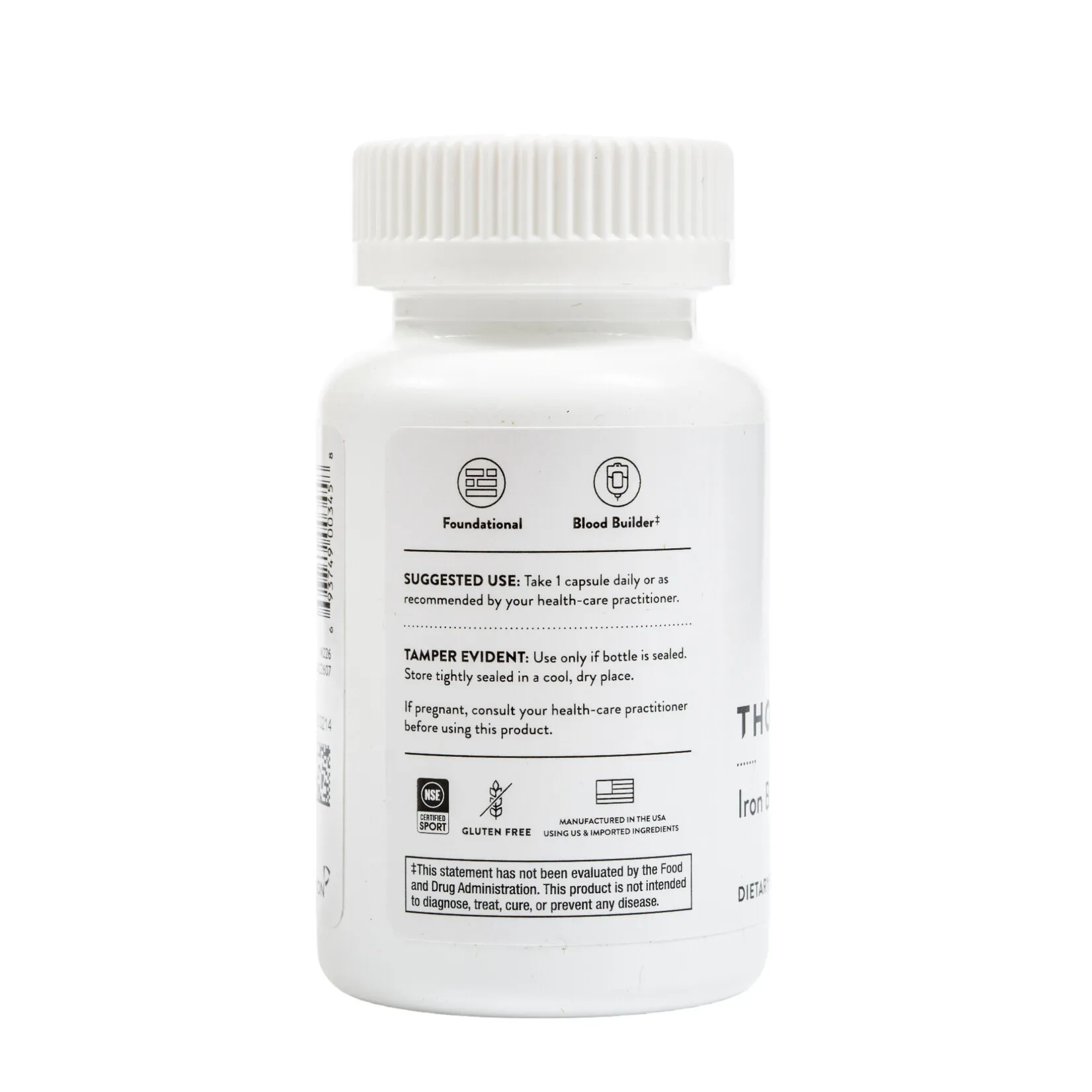
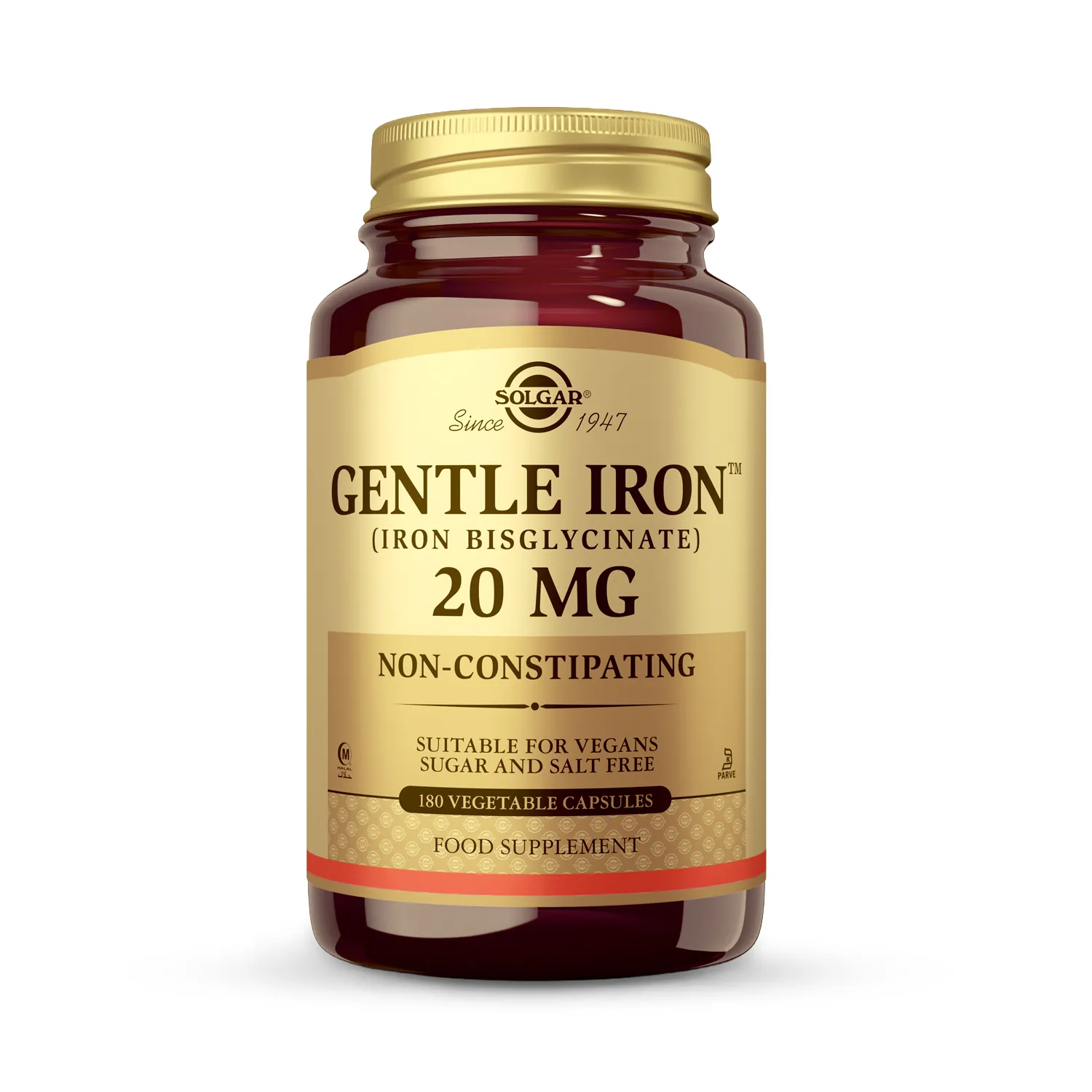
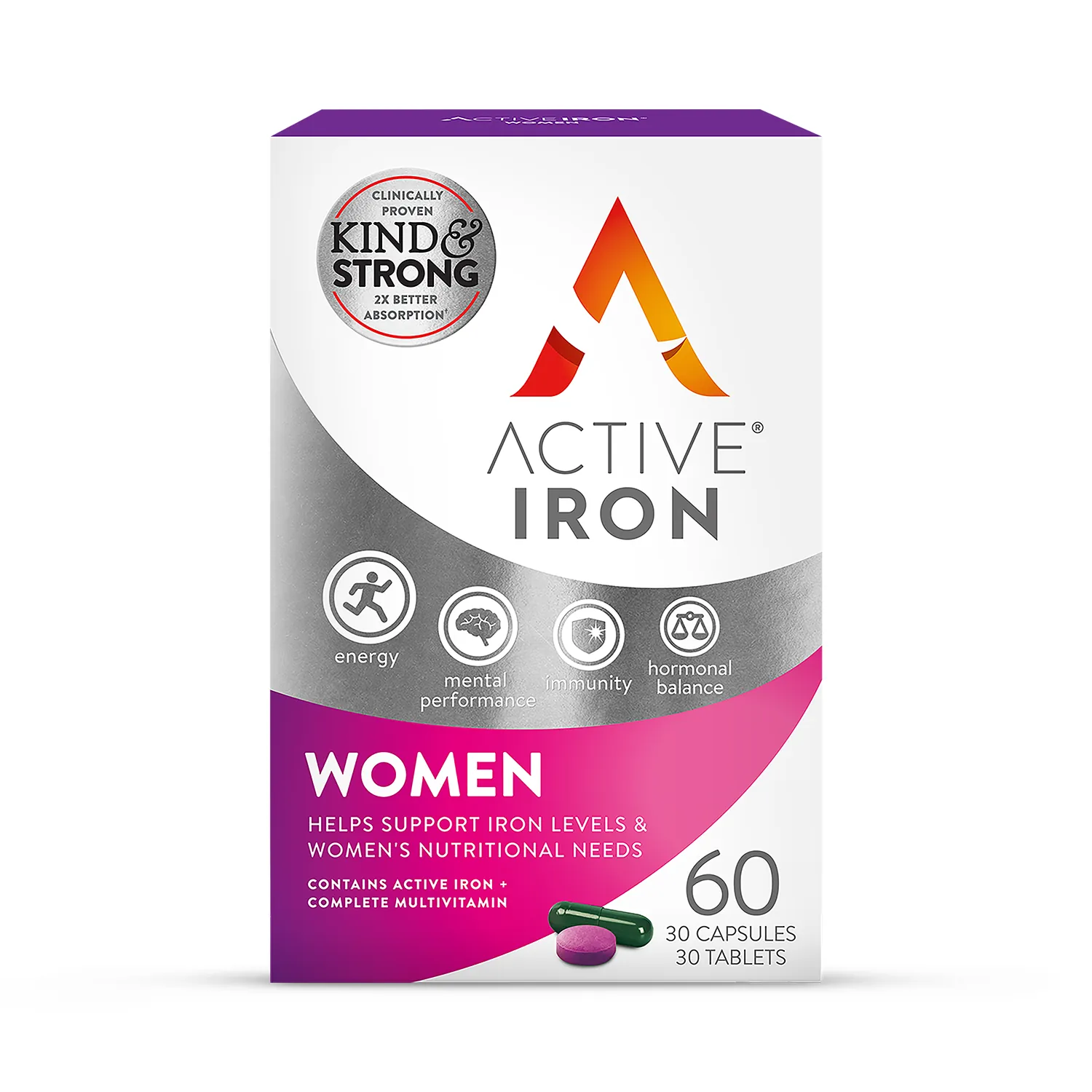
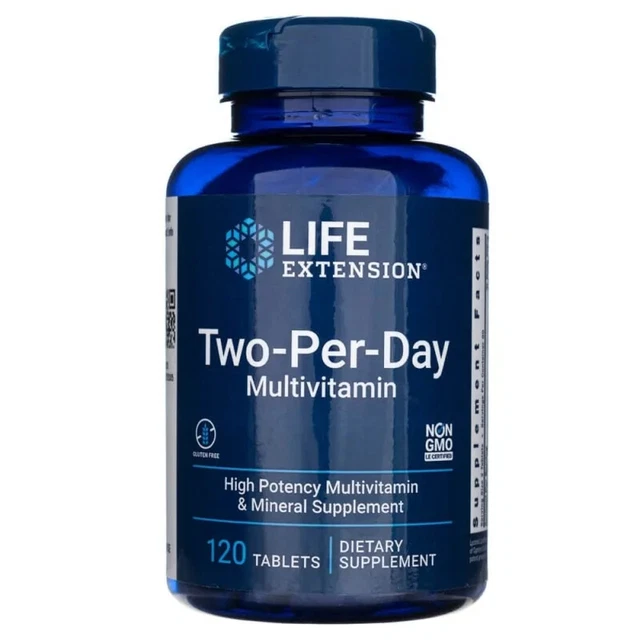
14mg (bisglycinate)The NHS reports that women of reproductive age are the group most at risk of iron deficiency in the UK due to menstrual losses. Bisglycinate form minimises GI side effects.
Available Forms
| Form | Bioavailability | Notes |
|---|---|---|
| Iron Bisglycinate | high | Chelated, well-absorbed, gentlest on stomach |
| Ferrous Fumarate | moderate | Common prescription form, effective but more GI side effects |
| Ferrous Sulfate | moderate | Most prescribed, cheapest, most GI side effects |
Vitamin D3
2,000-4,000 IUEssential for bone health — particularly important for women due to higher osteoporosis risk post-menopause. SACN recommends at least 10mcg/day.
Available Forms
| Form | Bioavailability | Notes |
|---|---|---|
| Cholecalciferol (D3) | high | Preferred form; raises serum 25(OH)D more effectively than D2 |
| Ergocalciferol (D2) | moderate | Vegan-friendly (plant/fungal) but less potent per IU |

Magnesium
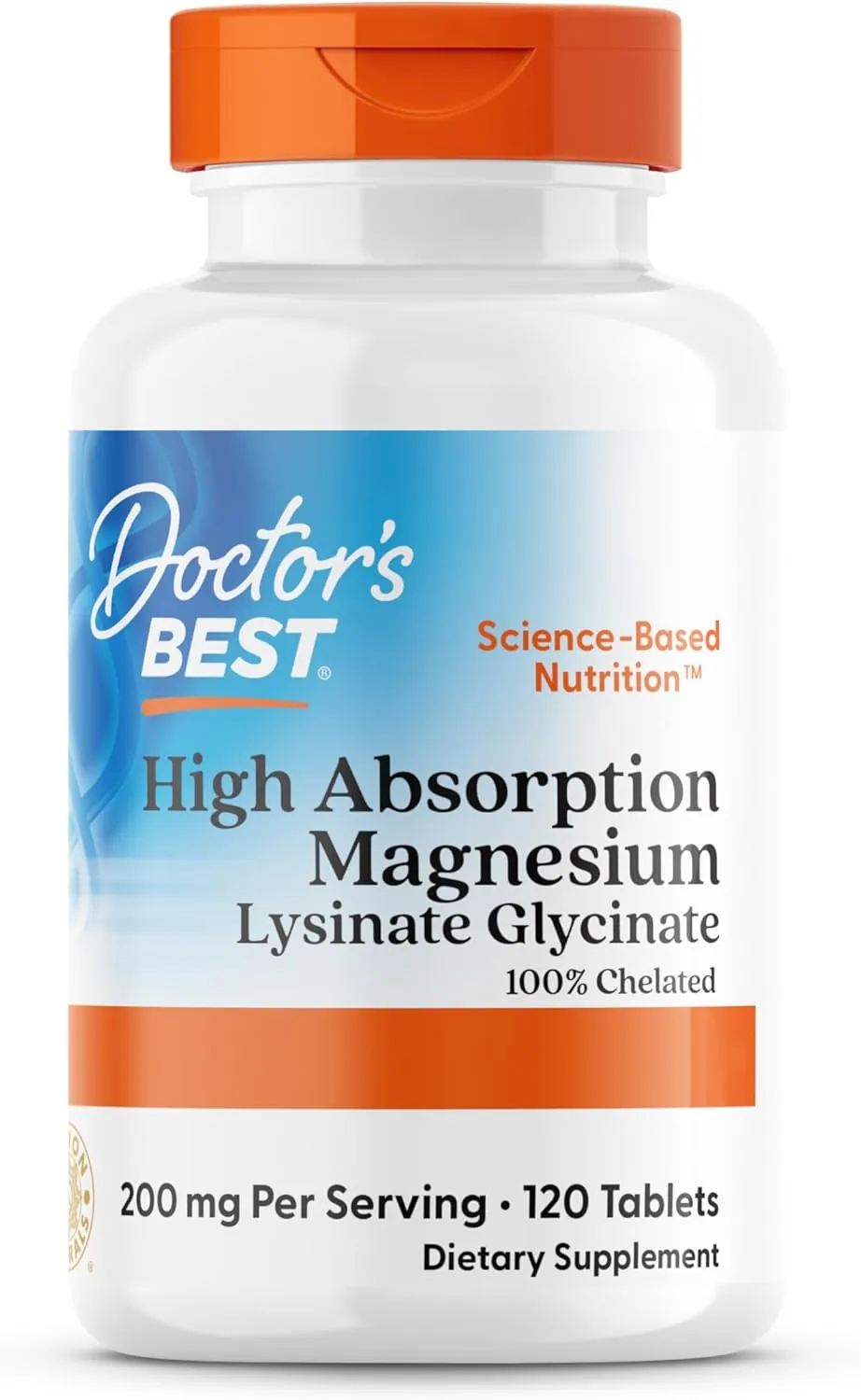
300-400mgResearch suggests magnesium may support menstrual comfort, sleep quality, and stress resilience. Many women's diets fall short of recommended intake.
Available Forms
| Form | Bioavailability | Notes |
|---|---|---|
| Magnesium Glycinate | high | Chelated form, well-absorbed, least likely to cause GI issues, calming effect |
| Magnesium Citrate | high | Good absorption, mild laxative effect at higher doses |
| Magnesium Oxide | low | ~4% bioavailability, primarily used as laxative, poor supplement choice |
| Magnesium Taurate | high | Combined with taurine, studied for cardiovascular and sleep support |
| Magnesium L-Threonate | high | Crosses blood-brain barrier, studied for cognitive function |


Folate
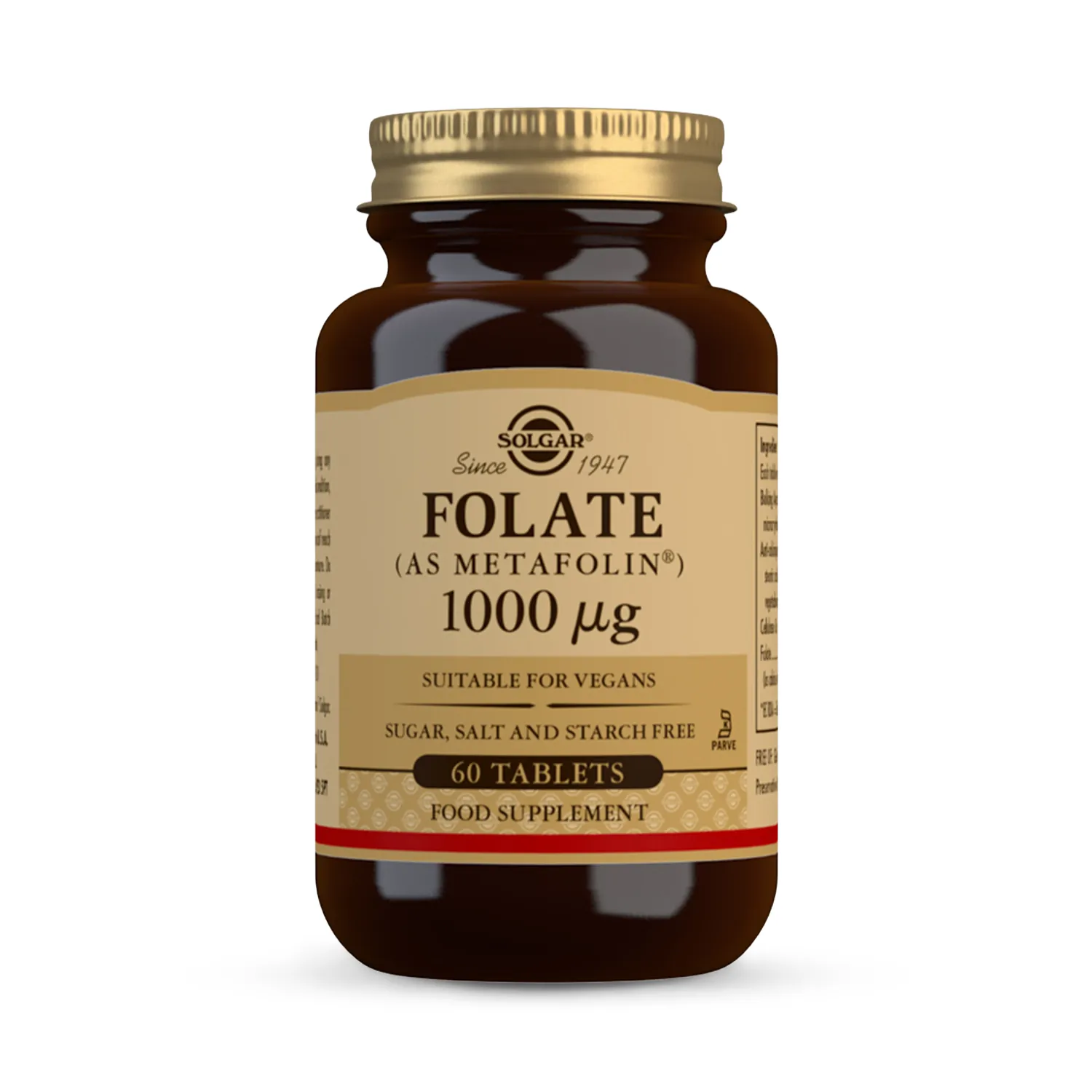
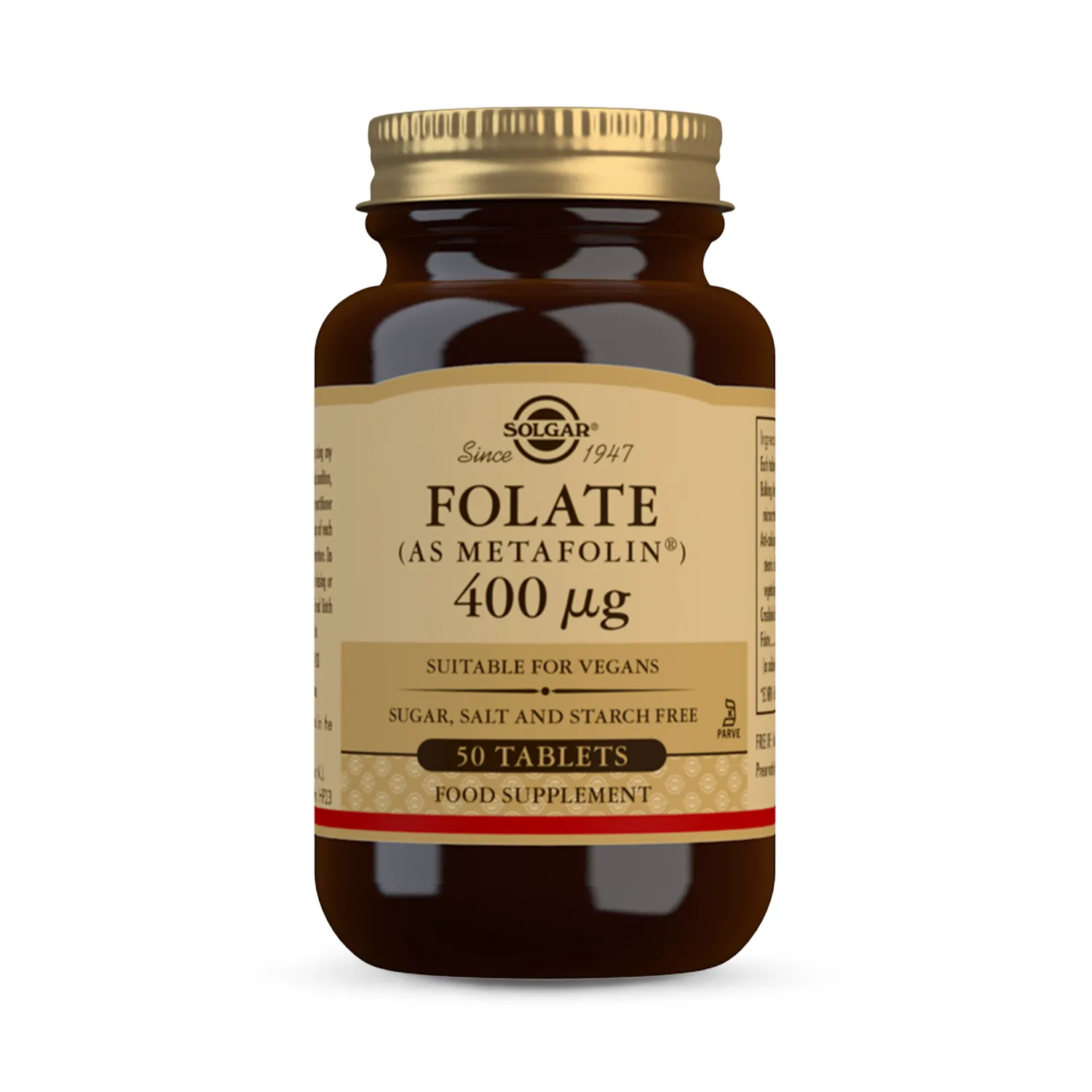
400mcgNHS recommends 400mcg folic acid for all women who could become pregnant. Methylfolate is the active form suitable for those with MTHFR variants.
Available Forms
| Form | Bioavailability | Notes |
|---|---|---|
| Folic Acid | moderate | Synthetic form, requires MTHFR enzyme conversion — ~40% of population has reduced conversion |
| 5-Methyltetrahydrofolate (5-MTHF) | high | Active methylated form, bypasses MTHFR polymorphism, preferred |
| Folinic Acid | high | Active form, used clinically, does not require MTHFR conversion |
Calcium
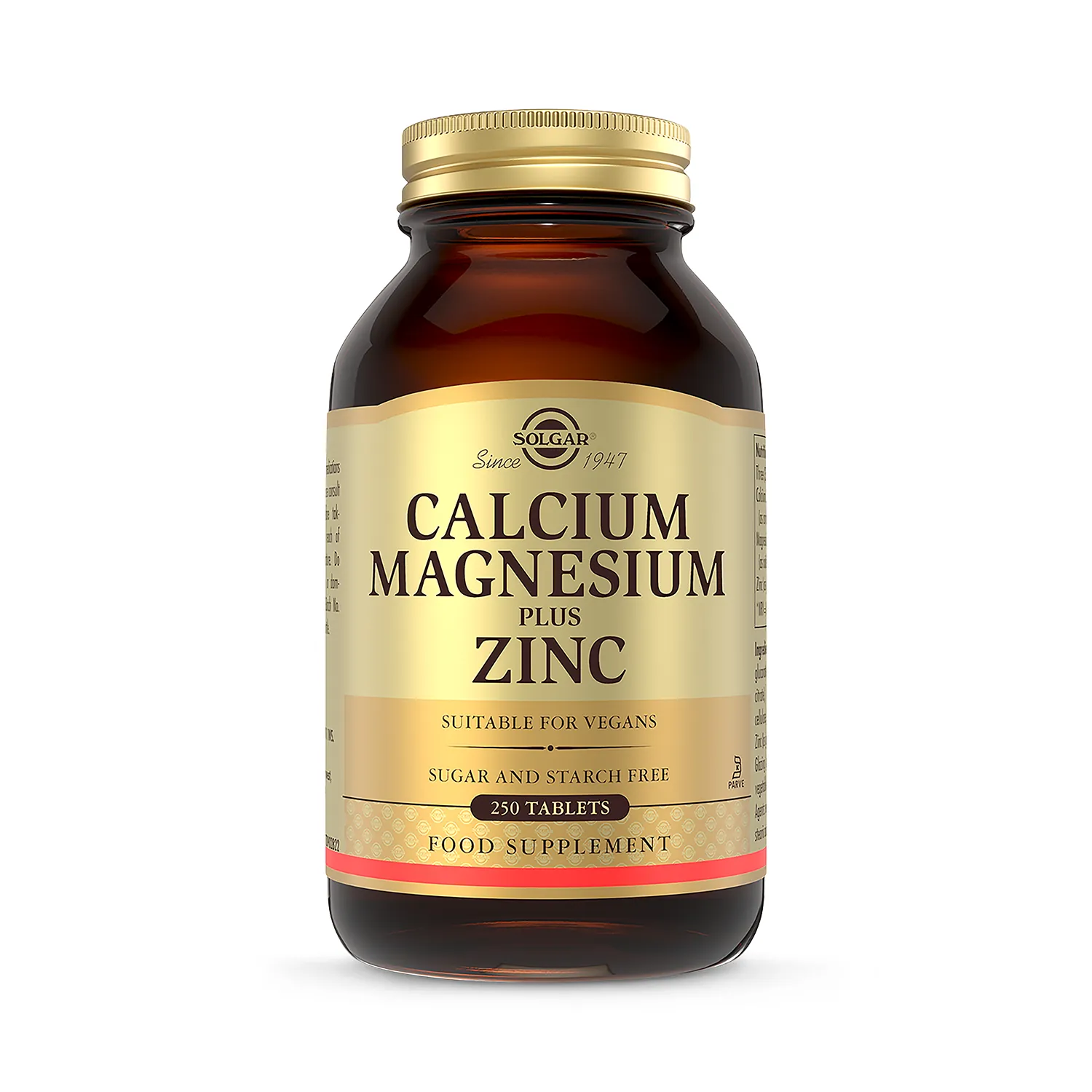
500mgImportant for bone density, especially if dietary intake (dairy, fortified foods) is low. UK RNI is 700mg/day total.
Available Forms
| Form | Bioavailability | Notes |
|---|---|---|
| Calcium Carbonate | moderate | 40% elemental calcium, requires stomach acid, cheapest |
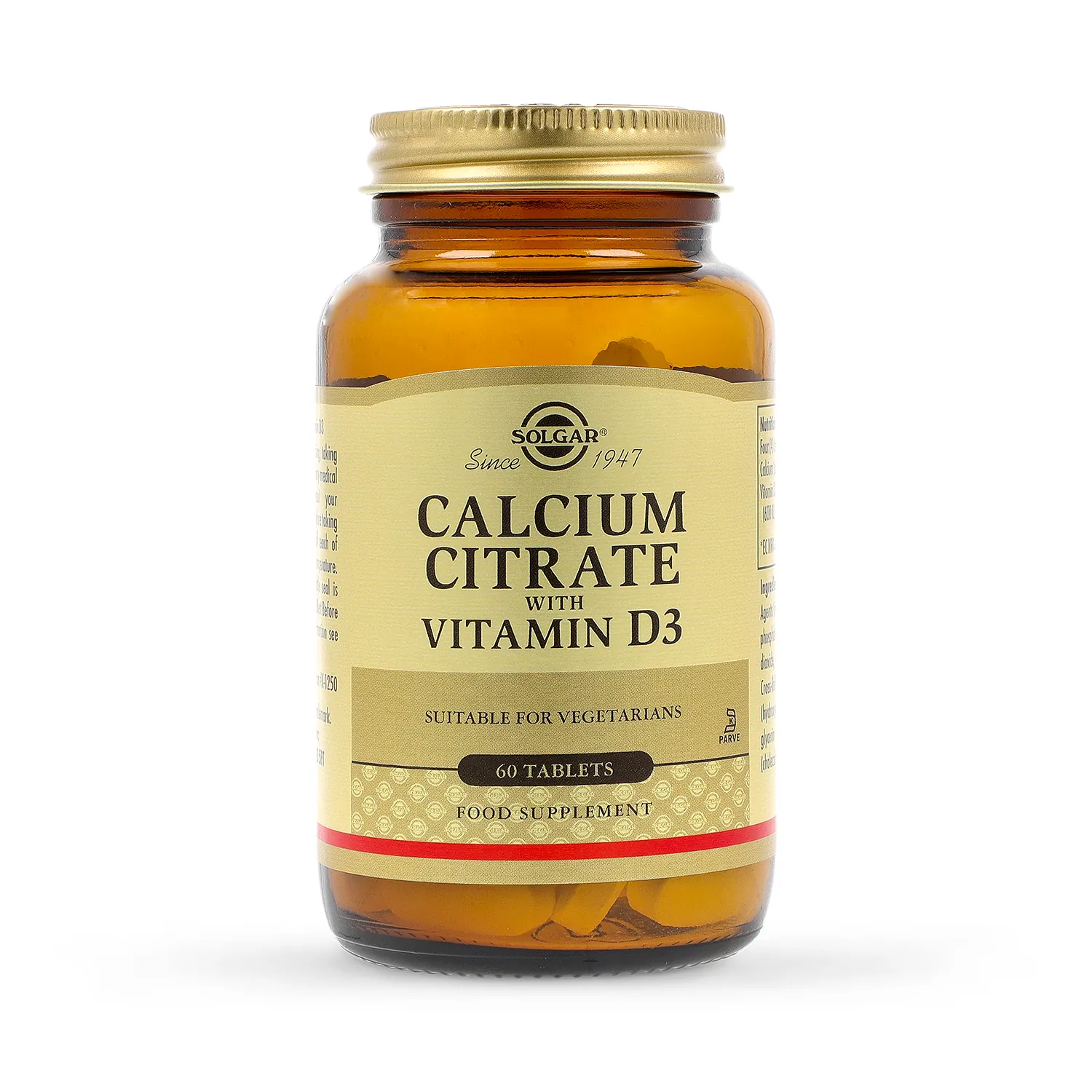
| Calcium Citrate | high | 21% elemental calcium but better absorbed, can be taken without food |
| Hydroxyapatite (MCHA) | high | Bone-derived, contains calcium + phosphorus in natural matrix |
| Calcium Orotate | moderate | Smaller elemental calcium content, some evidence for better cellular uptake |
How This Stack Works
The scientific rationale for this combination rests on documented interactions between these nutrients and the specific physiological demands placed on women at different life stages.
Iron bisglycinate is a chelated form in which ferrous iron is bound to the amino acid glycine. Research by Bovell-Benjamin et al. (2000, American Journal of Clinical Nutrition) demonstrated that chelated iron forms show comparable or superior absorption to inorganic iron salts with markedly fewer gastrointestinal side effects — a critical factor for sustained daily compliance. Crucially, calcium competitively inhibits iron absorption via shared intestinal transporters (DMT1); the two should therefore be separated by at least two hours to avoid compromising iron uptake.
Vitamin D3 and calcium form a well-characterised nutritional partnership. Calcitriol — the biologically active form of vitamin D — upregulates intestinal calcium transport proteins, substantially improving calcium absorption efficiency. The SACN Vitamin D and Health report (2016) concluded that vitamin D insufficiency is widespread across the UK and is associated with impaired bone mineralisation and reduced musculoskeletal function. Bolland et al. (2015, BMJ) conducted a systematic review examining calcium supplementation and fracture risk, underscoring the importance of maintaining adequate vitamin D alongside calcium for meaningful skeletal benefit.
Magnesium is a cofactor in over 300 enzymatic processes, including those required for vitamin D activation — the hepatic and renal hydroxylation steps that convert inactive vitamin D into calcitriol are magnesium-dependent. A randomised controlled trial by Facchinetti et al. (1991, Headache) found that magnesium supplementation reduced menstrual migraine frequency. A systematic review by Boyle et al. (2017, Nutrients) observed modest positive effects of magnesium supplementation on subjective stress measures, relevant for women experiencing stress-related sleep disruption. UK dietary surveys indicate that a meaningful proportion of women fall below the reference nutrient intake of 270–300mg per day.
Folate remains the most critically evidence-backed nutrient in periconceptional care. The MRC Vitamin Study Research Group (1991, The Lancet) established that periconceptional folic acid supplementation reduces the risk of neural tube defects by approximately 70%. For women with MTHFR polymorphisms, which impair the conversion of folic acid to its active form, Pietrzik et al. (2010, Clinical Pharmacokinetics) confirmed that methylfolate (5-MTHF) achieves superior bioavailability compared to synthetic folic acid — making it a clinically relevant consideration for this subgroup.
Interaction Analysis
4 known interactions between ingredients in this stack.
Calcium can significantly inhibit non-heme iron absorption. Studies show reductions of 40-60% when taken together at doses above 300mg calcium.
Action: Research supports separating calcium and iron supplements by at least 2 hours for optimal absorption of both.
Read full analysis →Magnesium is a cofactor in Vitamin D metabolism. Research suggests adequate magnesium is necessary for the body to activate and utilise Vitamin D3 effectively.
Action: Ensuring adequate magnesium intake alongside Vitamin D3 supplementation may improve D3 utilisation.
Read full analysis →Vitamin D3 is essential for calcium absorption. However, combining high-dose D3 with high-dose calcium supplementation may increase the risk of hypercalcaemia. Research suggests monitoring total calcium intake (diet + supplements) to stay within recommended ranges.
Action: Vitamin D3 enhances calcium absorption. When supplementing both, total daily calcium intake (including dietary sources) ideally stays within 1000-1200mg for most adults. High-dose Vitamin D3 (>4000 IU) may warrant serum calcium monitoring.
Read full analysis →Calcium and magnesium work together in muscle and nerve function. Research suggests maintaining a balanced ratio (roughly 2:1 calcium to magnesium) supports optimal function of both.
Action: At moderate doses these can be taken together. At high doses (above 250mg each), taking them at different times may improve absorption of both.
Read full analysis →Suggested Timing Schedule
Morning
Best absorbed on an empty stomach with Vitamin C. Avoid with tea, coffee, calcium, or zinc within 2 hours.
Fat-soluble — better absorbed with a meal containing dietary fat
Water-soluble. Critical before and during early pregnancy to prevent neural tube defects.
Evening
Evening preferred — may promote relaxation. Take with food to reduce GI discomfort.
Any Time
Carbonate requires stomach acid — take with food. Citrate can be taken on empty stomach. Split doses of >500 mg for better absorption.
What to Avoid with This Stack
- • Iron and calcium should be taken at different times of day for optimal absorption
Alternatives & Variations
Several complementary ingredients may be worth considering depending on individual circumstances and life stage. Vitamin K2 (as menaquinone-7, MK-7) works synergistically with vitamin D3 and calcium to direct calcium into bone rather than soft tissue; Knapen et al. (2013, Osteoporosis International) found MK-7 supplementation improved bone strength markers in postmenopausal women. Omega-3 fatty acids (EPA/DHA) have been associated with reduced menstrual discomfort and cardiovascular health support. Vitamin B12 pairs naturally with folate for homocysteine regulation and red blood cell formation — particularly relevant for women following plant-based diets. Zinc supports immune function and may play a role in hormonal balance, though dietary sources are often sufficient.
Notes & Caveats
Nutritional needs vary with life stage. Women who are pregnant, breastfeeding, or postmenopausal may need different amounts. Consult a GP or dietitian for personalised advice.
Customise This Stack
Load these supplements into our interactive Stack Analyzer to adjust dosages, add or remove ingredients, and get personalised timing.
Customise this stack →Frequently Asked Questions
No — iron and calcium share intestinal absorption pathways and compete for uptake via the DMT1 transporter. Taking them simultaneously can reduce iron absorption by a clinically meaningful margin. Standard guidance is to separate the two by at least two hours. Iron is generally best absorbed on an empty stomach, though taking it with a small meal may improve tolerability for those prone to gastrointestinal discomfort. Individual responses to dosing schedules may vary, and a pharmacist or dietitian can advise on timing.
Several nutrients align with NHS pregnancy recommendations — notably 400mcg folic acid before conception and through the first 12 weeks, and 10mcg (400 IU) of vitamin D throughout pregnancy. However, the NHS does not recommend routine iron supplementation during pregnancy without confirmed deficiency via blood test, as iron levels are monitored at antenatal appointments. Calcium needs also increase during pregnancy. Always consult a GP or registered midwife before adjusting any supplement regimen during pregnancy or breastfeeding.
Postmenopausal women may benefit substantially from vitamin D3, calcium, and magnesium given the accelerated bone loss that follows oestrogen decline — a concern highlighted by the Royal Osteoporosis Society. However, iron requirements fall significantly after menstruation ceases; the UK RNI drops from 14.8mg to 8.7mg per day. Supplementing iron beyond this without confirmed deficiency is not advisable and may carry oxidative stress risks. Folate remains relevant for cellular health but at lower priority than in the reproductive years. Individual assessment is essential.