Important: This page is for informational purposes only, based on published peer-reviewed research and official UK dietary guidelines (NHS, EFSA, SACN). It does not constitute medical advice. Always consult your GP or pharmacist before starting, stopping, or combining supplements.
Vitamin A and Vitamin D3 — Can You Take Them Together?
Overview
Vitamin A and Vitamin D3 are both fat-soluble vitamins stored in the liver and adipose tissue rather than excreted daily — a key reason their interaction warrants careful attention. Research suggests that high intakes of preformed retinol (the active form of Vitamin A found in animal-derived foods and many supplements) may directly antagonise Vitamin D3's bone-protective effects. For UK consumers — where Vitamin D insufficiency is widespread year-round and many take both nutrients — understanding this interaction is particularly relevant. The UK's Scientific Advisory Committee on Nutrition (SACN) advises keeping total retinol intake below 1,500 mcg per day, a threshold directly implicated in this interaction.
How They Interact
The interaction between preformed Vitamin A and Vitamin D3 is rooted in competition at the nuclear receptor level. Vitamin D3 exerts its biological effects through calcitriol (1,25-dihydroxyvitamin D3), the hormonally active metabolite, which binds to the Vitamin D receptor (VDR). For VDR to activate target genes — including those encoding proteins responsible for intestinal calcium absorption and bone mineralisation — it must partner with the retinoid X receptor (RXR) to form a functional heterodimer complex. Retinol, once converted to retinoic acid, activates its own nuclear receptors (RARs), which also require RXR as a binding partner. When retinol concentrations are elevated, a greater proportion of the available RXR pool is sequestered by retinoic acid signalling, leaving less RXR available to partner with VDR. This reduces Vitamin D-mediated gene transcription for calcium absorption and bone formation. Johansson and Melhus (2001, Journal of Bone and Mineral Research) demonstrated this directly in a human crossover trial: retinyl palmitate supplementation significantly blunted the rise in serum calcium normally produced by calcitriol, providing in vivo evidence of the antagonism. Schräder et al. (1993, Journal of Biological Chemistry) established the molecular basis, confirming that VDR and retinoic acid receptors compete for RXR binding at shared DNA response elements. Individual responses may vary depending on baseline Vitamin D status, dietary calcium intake, and genetic variation in receptor expression.
Timing & Dosage Guidance
Because the mechanism of this interaction operates at the level of receptor binding and gene transcription rather than gastrointestinal absorption, separating doses by a few hours is unlikely to resolve the underlying concern. Both Vitamin A and Vitamin D3 are fat-soluble and enter systemic circulation via lymphatic transport — their competitive interaction occurs downstream, in tissues and cell nuclei, over a timeframe of hours to days. The most meaningful management consideration is therefore total daily retinol intake across all sources: diet (liver, oily fish, dairy, fortified foods), multivitamins, and standalone supplements. Both vitamins are absorbed more efficiently when taken with a fat-containing meal, so that remains a relevant practical point. However, reducing total retinol load is considerably more consequential than adjusting timing.
SACN advises that total retinol intake should not exceed 1,500 mcg per day in adults — a threshold specifically linked to bone health concerns in the context of Vitamin D. A 100g serving of lamb's liver can provide upwards of 25,000 mcg of retinol, illustrating how easily dietary intake can dominate overall exposure. Many UK multivitamins provide 700–800 mcg retinol per daily dose as retinyl palmitate or retinyl acetate, meaning Vitamin D3 is frequently taken alongside a substantial retinol load before dietary sources are accounted for. EFSA's tolerable upper intake level for adults is 3,000 mcg retinol per day, though SACN's more conservative guidance is more directly relevant to this interaction. Beta-carotene (provitamin A) from plant sources does not carry this risk — its conversion to retinol is demand-regulated and self-limiting. The UK reference nutrient intake for Vitamin D3 is 10 mcg (400 IU), though many adults supplement at 25–100 mcg (1,000–4,000 IU) without concern at normal dietary retinol intakes.
Recommended Action
Total retinol intake (diet + supplements) above 1500mcg/day may interfere with Vitamin D3 benefits. Beta-carotene (provitamin A) does not carry this risk.
Vitamin A Timing
When: Morning
Note: Fat-soluble — take with a meal containing dietary fat. Avoid high doses during pregnancy.
Vitamin D3 Timing
When: Morning
Note: Fat-soluble — better absorbed with a meal containing dietary fat
Scientific Evidence
4 peer-reviewed studies cited. All links lead to PubMed abstracts.
Annals of Internal Medicine (1998) · PMID: 9841582
In a Swedish cohort of 66,651 women, retinol intake above 1,500 mcg/day was associated with significantly reduced bone mineral density and approximately double the risk of hip fracture compared to those with lower retinol intake.
Journal of Bone and Mineral Research (2001) · PMID: 11585356
A double-blind crossover trial in healthy subjects demonstrated that retinyl palmitate supplementation significantly attenuated the rise in serum calcium normally produced by calcitriol, providing direct in vivo evidence of Vitamin A antagonism of Vitamin D's physiological effect on calcium absorption.
Journal of Biological Chemistry (1993) · PMID: 8394351
Established the molecular mechanism by which VDR and retinoic acid receptors compete for the shared RXR heterodimer partner at overlapping DNA response elements, providing the biochemical basis for Vitamin A antagonism of Vitamin D-regulated gene transcription.
Journal of Nutrition (1999) · PMID: 10573558
In a controlled rodent model, increasing retinyl acetate intake progressively reduced total bone ash and blocked Vitamin D-mediated intestinal calcium absorption in a dose-dependent manner, corroborating the in vivo relevance of the VDR–RXR competitive mechanism observed in human studies.
Frequently Asked Questions
Research suggests beta-carotene does not carry the same antagonistic risk as preformed retinol when taken alongside Vitamin D3. As a provitamin A carotenoid from plant sources, beta-carotene is only converted to retinol on demand, with conversion rates subject to feedback regulation. Circulating retinol concentrations are therefore unlikely to reach the threshold associated with VDR–RXR interference. EFSA has not established a tolerable upper intake level for dietary beta-carotene from food sources. High-dose isolated beta-carotene supplements carry separate considerations for certain groups, but the Vitamin D3 interaction concern does not apply to this form. Individual responses may vary.
Check the supplement label for Vitamin A listed as retinyl palmitate, retinyl acetate, or simply 'retinol' — these are all preformed retinol. Many UK multivitamins provide 400–800 mcg per serving. Combined with typical dietary intake from dairy, meat, and fortified cereals, total daily retinol can approach SACN's 1,500 mcg guidance level without any standalone Vitamin A supplement being taken. If your multivitamin also includes Vitamin D3, or you take a separate D3 supplement, reviewing cumulative retinol intake across all dietary and supplemental sources is advisable. Individual responses to this combination may vary based on Vitamin D status and bone health.
Research indicates the risk is associated with sustained high retinol intake, not with Vitamin A at typical dietary levels. Melhus et al. (1998, Annals of Internal Medicine) found reduced bone mineral density and increased fracture risk specifically above 1,500 mcg/day of retinol. For most adults eating a balanced diet who take a standard Vitamin D3 supplement, total retinol is unlikely to be problematic — unless liver is consumed frequently or a separate high-dose Vitamin A supplement is also taken. Monitoring total intake across all sources is more constructive than eliminating Vitamin A entirely. Individual responses may vary and specific concerns should be discussed with a healthcare professional.
Top Vitamin A Products on AIScored
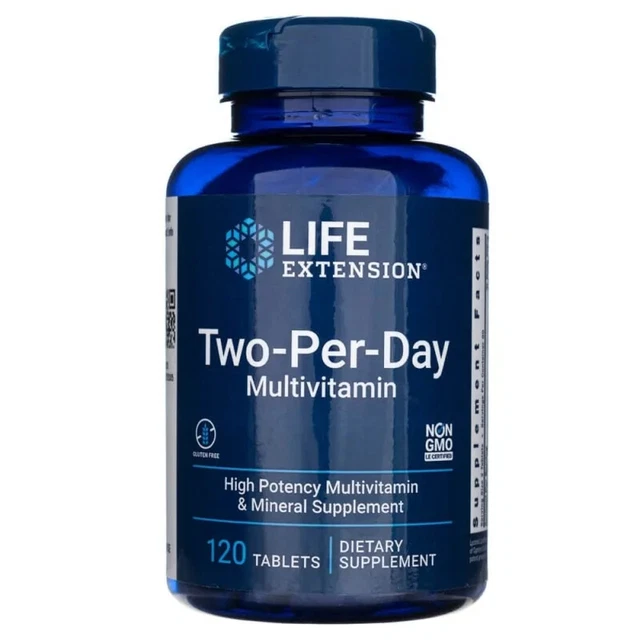

Advanced Hydrolysed Marine Liquid Collagen Couples Supply (2x 28-Day Supply)

Top Vitamin D3 Products on AIScored
Want to check more interactions?
Add these and other supplements to our interactive Stack Analyzer for a full analysis.
Build your full stack →