Important: This page is for informational purposes only, based on published peer-reviewed research and official UK dietary guidelines (NHS, EFSA, SACN). It does not constitute medical advice. Always consult your GP or pharmacist before starting, stopping, or combining supplements.
Vitamin B1 and Vitamin B12 — Can You Take Them Together?
Overview
Thiamine (vitamin B1) and cobalamin (vitamin B12) are both classified as neurotropic B vitamins — nutrients with documented roles in nervous system function. Though they act through distinct biochemical pathways, research suggests their contributions to peripheral nerve health are complementary rather than redundant: thiamine supporting the energy metabolism of nerve cells, and cobalamin maintaining the structural integrity of the myelin sheath. Both are water-soluble, routinely co-formulated in B-complex supplements, and generally well tolerated. The NHS reference nutrient intake stands at approximately 1 mg per day for thiamine and 1.5 mcg per day for cobalamin. Individual responses may vary.
How They Interact
Thiamine is converted in the body to thiamine pyrophosphate (TPP), which serves as a cofactor for two critical enzymes in carbohydrate metabolism: pyruvate dehydrogenase and alpha-ketoglutarate dehydrogenase. These reactions control the flow of glucose-derived carbon into oxidative energy production, generating the adenosine triphosphate (ATP) that nerve axons require for signal conduction and axonal transport. Inadequate thiamine therefore impairs the energy economy of nerve cells directly. Cobalamin — particularly in its methylcobalamin and adenosylcobalamin forms — contributes to myelin synthesis through two key pathways. Methylcobalamin supports the remethylation of homocysteine to methionine, preserving the methyl donor pools required for myelin basic protein and phospholipid production. Adenosylcobalamin participates in succinyl-CoA synthesis, which feeds into the fatty acid pathways underlying myelin membrane integrity. A 2020 review by Calderón-Ospina and Nava-Mesa in CNS Neuroscience and Therapeutics (PMID 31490017) concluded that these mechanisms exhibit biochemical synergy, with each vitamin reinforcing distinct and complementary aspects of peripheral nerve maintenance.
Timing & Dosage Guidance
Both thiamine and cobalamin are water-soluble vitamins; excess amounts are generally excreted rather than accumulated to toxic levels at standard supplement doses. Neither nutrient requires strict timing relative to the other, and they are routinely combined in B-complex formulations designed for once-daily use with food. Taking cobalamin with a meal may support absorption, as stomach acid and intrinsic factor — both produced during eating — facilitate the release of B12 from food-bound proteins. For supplemental forms such as methylcobalamin or cyanocobalamin, passive diffusion reduces the reliance on intrinsic factor at higher doses. There is no established rationale for separating B1 and B12 intake, and no known antagonistic interaction between them at typical doses. Individual responses may vary.
UK reference nutrient intakes, as set by the Department of Health and confirmed by SACN, are approximately 1 mg per day for thiamine and 1.5 mcg per day for cobalamin — amounts most people obtain through a varied diet. Supplement forms of B1 include standard thiamine hydrochloride (1–100 mg) and benfotiamine, a lipid-soluble derivative shown in clinical trials to achieve higher intracellular concentrations. B12 supplements typically provide 10–1000 mcg as methylcobalamin, cyanocobalamin, or hydroxocobalamin; hydroxocobalamin is the form preferred by the NHS for injection therapy. EFSA has not established tolerable upper intake levels for either nutrient due to their low toxicity profiles at typical doses. Those with conditions affecting B12 absorption — including atrophic gastritis or prior gastrointestinal surgery — may require higher doses or alternative delivery routes and should seek medical guidance. Individual responses may vary.
Recommended Action
These are commonly found together in B-complex supplements. They can be taken together with food.
Vitamin B1 Timing
When: Morning
Note: Water-soluble — morning with food. B vitamins may affect sleep if taken late.
Vitamin B12 Timing
When: Morning
Note: Water-soluble — morning preferred as it may support energy levels
Scientific Evidence
4 peer-reviewed studies cited. All links lead to PubMed abstracts.
CNS Neuroscience & Therapeutics (2020) · PMID: 31490017
Review concluding that thiamine and cobalamin exhibit biochemical synergy across multiple nervous system pathways, particularly in the peripheral nervous system, with combined use supported in the clinical management of peripheral neuropathy.
BioMed Research International (2021) · PMID: 34337067
Review identifying thiamine as critical for nerve cell ATP production via thiamine pyrophosphate, and cobalamin as essential for myelin sheath maintenance, with animal model evidence supporting their complementary roles in nerve regeneration.
Experimental and Clinical Endocrinology & Diabetes (1996) · PMID: 8886748
12-week randomised controlled trial demonstrating significant improvement in peroneal nerve conduction velocity in patients receiving a combination of benfotiamine (a high-bioavailability B1 derivative) alongside other B vitamins, compared to controls.
Cells (2025) · PMID: 40214431
In vitro study finding that combined neurotropic B vitamin treatment outperformed individual vitamins — including B12 alone — in promoting neural cell maturation, axonal connectivity, and oxidative stress repair in co-cultures of neural and Schwann cells.
Frequently Asked Questions
Research supports combining B1 and B12, and they are routinely co-formulated in standard B-complex supplements with no known adverse interaction between them. Both are water-soluble with low toxicity profiles at typical doses. A 2020 review in CNS Neuroscience and Therapeutics (PMID 31490017) found biochemical evidence for synergy across multiple nervous system pathways. Those taking medications that affect B12 absorption — such as metformin or proton pump inhibitors — should consult a healthcare professional.
For B1, benfotiamine — a lipid-soluble thiamine derivative — has demonstrated superior bioavailability compared to standard thiamine hydrochloride in several clinical studies, including a 12-week randomised controlled trial by Stracke et al. (1996, PMID 8886748). For B12, methylcobalamin and hydroxocobalamin are active coenzyme forms; hydroxocobalamin is the NHS-preferred injectable form. Standard cyanocobalamin is effective for most individuals, though some may convert it less efficiently due to metabolic variation. Individual responses may vary.
B12 is found almost exclusively in animal-derived foods, making deficiency more prevalent among those following plant-based diets. The NHS recommends vegans supplement or consume fortified foods to meet intake targets. Thiamine deficiency is less common in the UK but can occur with consistently poor dietary quality, high alcohol intake — which impairs absorption — or conditions affecting the gastrointestinal tract. Older adults may absorb B12 less efficiently due to age-related reductions in stomach acid and intrinsic factor production. Individual responses may vary.
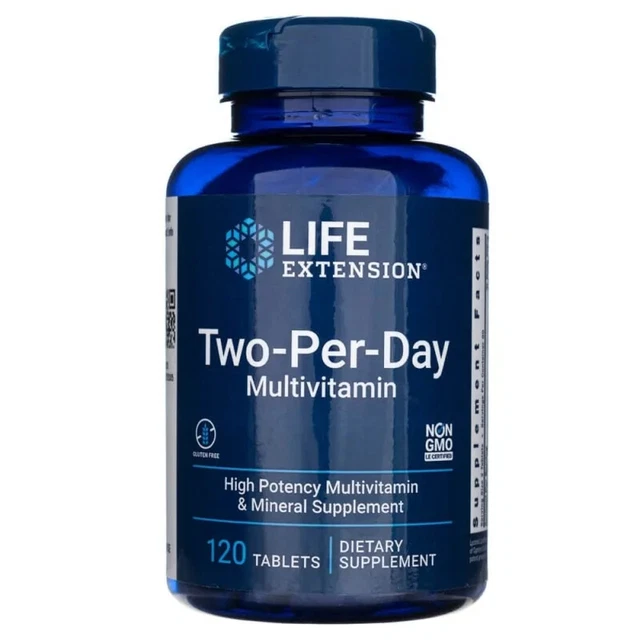
Top Vitamin B1 Products on AIScored
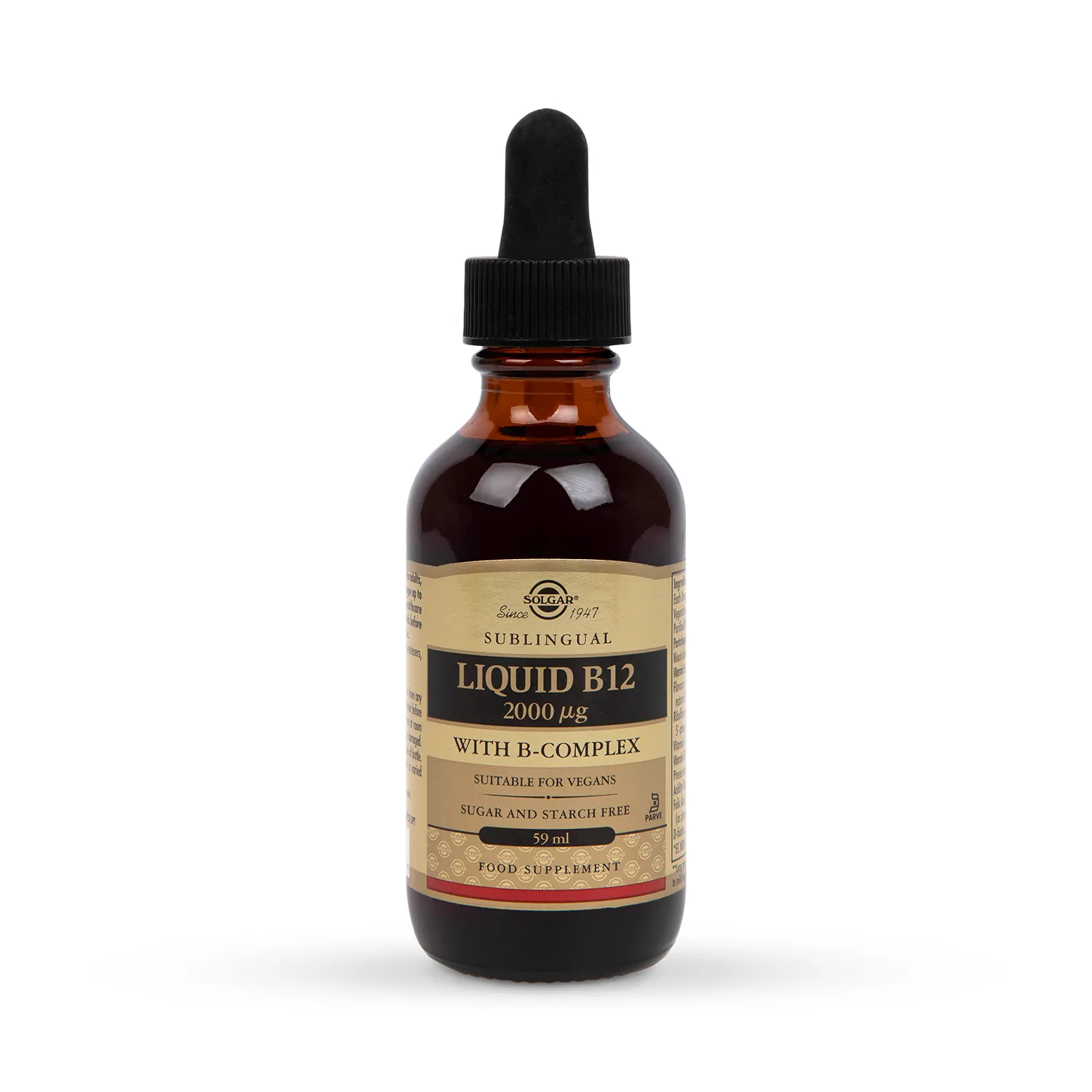
Top Vitamin B12 Products on AIScored
Want to check more interactions?
Add these and other supplements to our interactive Stack Analyzer for a full analysis.
Build your full stack →