Important: This page is for informational purposes only, based on published peer-reviewed research and official UK dietary guidelines (NHS, EFSA, SACN). It does not constitute medical advice. Always consult your GP or pharmacist before starting, stopping, or combining supplements.
Vitamin B12 and Vitamin C — Can You Take Them Together?
Overview
Vitamin B12 and vitamin C are both essential water-soluble micronutrients frequently combined in multivitamin formulations and taken together by UK supplement users. For several decades, concern persisted that ascorbic acid — the active form of vitamin C — could degrade cobalamin (B12), potentially undermining its role in energy metabolism and neurological function. More recent research has largely resolved this debate: the apparent destruction observed in early studies appears to have been a measurement artefact rather than genuine nutrient loss. Understanding this interaction is relevant for anyone taking both vitamins, particularly those managing a confirmed B12 deficiency alongside immune or antioxidant support.
How They Interact
The concern originated with a 1974 paper by Herbert and Jacob (JAMA; PMID 4479087) reporting that ascorbic acid destroyed B12 in meals. The proposed mechanism involved oxidative attack by ascorbate on the corrin ring of cyanocobalamin — an effect that has since been observed under specific in-vitro conditions (high temperature, prolonged contact, alkaline pH). Subsequent independent research challenged both the findings and the methodology. Newmark et al. (American Journal of Clinical Nutrition, 1976; PMID 1274888) failed to replicate the original results in two separate laboratories, recording substantially higher B12 levels than Herbert and Jacob had reported. Marcus et al. (American Journal of Clinical Nutrition, 1980; PMID 7355775) then demonstrated that the apparent B12 loss was an artefact of the microbiological assay method used: when potassium cyanide was added during extraction, the 'lost' B12 was quantitatively recovered from both food and serum samples. The authors concluded that in-vivo destruction of B12 by ascorbic acid was 'highly improbable.' At the pH, concentrations, and contact times encountered during normal digestion and oral supplementation, this oxidative interaction does not appear to be physiologically meaningful.
Timing & Dosage Guidance
Current evidence does not indicate a need to separate vitamin B12 and vitamin C doses. Both are water-soluble and routinely co-formulated in multivitamin-mineral products without reported adverse outcomes. Watson et al. (Scottish Medical Journal, 1982; PMID 7112085) used whole-body counting with radioactive tracers and found no significant effect on B12 absorption or body retention even when subjects consumed 1–2 g of ascorbic acid simultaneously with hydroxocobalamin. For general supplementation, taking both with a meal is a reasonable approach for tolerability. Those using B12 injections or high-dose oral protocols under medical supervision should follow their clinician's guidance. Individual responses may vary.
At doses typical of UK supplementation — vitamin C commonly at 200–1000 mg and vitamin B12 at 10–1000 mcg — no clinically meaningful interaction has been demonstrated in human studies. The UK Reference Nutrient Intake (RNI) for vitamin C is 40 mg/day and for vitamin B12 is 1.5 mcg/day; both are readily met through diet and standard supplements. EFSA has reviewed both nutrients individually and established no adverse interaction at normal supplemental doses. The NHS advises that vitamin C intakes above 1000 mg/day may cause gastrointestinal discomfort, but does not identify co-administration with B12 as a concern. Those taking pharmacological doses of either nutrient for specific health conditions should consult a qualified healthcare professional.
Recommended Action
These can be taken together without concern at typical supplement doses.
Vitamin B12 Timing
When: Morning
Note: Water-soluble — morning preferred as it may support energy levels
Vitamin C Timing
When: Any
Note: Water-soluble — can be taken any time. Split doses improve absorption at higher amounts.
Scientific Evidence
4 peer-reviewed studies cited. All links lead to PubMed abstracts.
American Journal of Clinical Nutrition (1976) · PMID: 1274888
Independent laboratory experiments found no deleterious effect of ascorbic acid on vitamin B12 content of meals, directly contradicting the original Herbert and Jacob (1974) findings.
American Journal of Clinical Nutrition (1980) · PMID: 7355775
Apparent B12 losses in the presence of ascorbic acid were artefacts of the microbiological assay method; quantitative B12 recovery on cyanide addition indicated in-vivo destruction is highly improbable.
Scottish Medical Journal (1982) · PMID: 7112085
Whole-body counting showed hydroxocobalamin absorption was unaffected by simultaneous ingestion of 1 g ascorbic acid, and 2 g/day ascorbic acid did not deplete body B12 stores in human subjects.
American Journal of Clinical Nutrition (1980) · PMID: 7355772
A biochemical review concluding that whilst ascorbic acid can interact with cobalamins under defined in-vitro conditions, the physiological significance of this interaction at normal dietary and supplemental concentrations is not established.
Frequently Asked Questions
Research suggests it is safe to take these vitamins together at typical supplemental doses. The concern that vitamin C degrades B12 originated from a 1974 study whose methodology was subsequently found to be flawed by independent laboratories. Human studies, including Watson et al. (1982; PMID 7112085), found no meaningful effect on B12 absorption or body stores even at high ascorbic acid doses of 1–2 g daily. Individual responses may vary, and those with diagnosed B12 deficiency should seek guidance from a GP.
Available evidence suggests it does not at supplemental doses. Watson et al. (Scottish Medical Journal, 1982) used whole-body counting with radioactive B12 tracers and found no significant depletion of B12 stores in subjects consuming 2 g of ascorbic acid daily. Marcus et al. (1980) further demonstrated that earlier reports of B12 loss in the presence of ascorbic acid were measurement artefacts rather than genuine nutrient destruction. High-dose vitamin C above 1 g/day is not recommended without medical supervision for unrelated reasons, but B12 depletion is not among the established concerns.
The in-vitro stability concerns centred primarily on cyanocobalamin, whose cyanide ligand may interact with ascorbate under specific laboratory conditions. Hydroxocobalamin was shown by Watson et al. (1982) to be unaffected in absorption when taken alongside 1 g of ascorbic acid in human subjects. Methylcobalamin and adenosylcobalamin — the bioactive coenzyme forms increasingly used in modern UK supplements — have not been shown to be adversely affected at typical oral doses. At standard supplemental concentrations, all common B12 forms are considered suitable for co-administration with vitamin C.
Top Vitamin B12 Products on AIScored
Top Vitamin C Products on AIScored
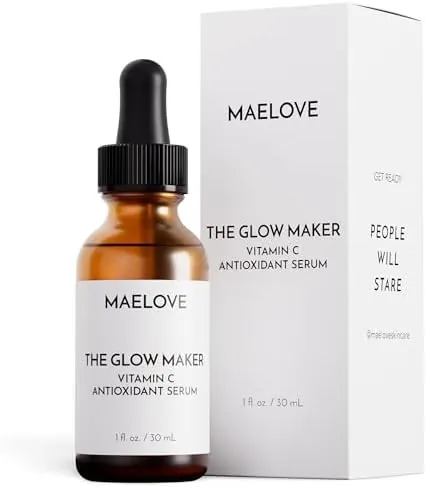
MAELOVE Vitamin C Serum, Glow Maker with Vitamins C, E, Ferulic Acid and Hyaluronic Acid, Fragrance-Free, Award-Winning Highlighting and Moisturizing Face Serum, 50 ml
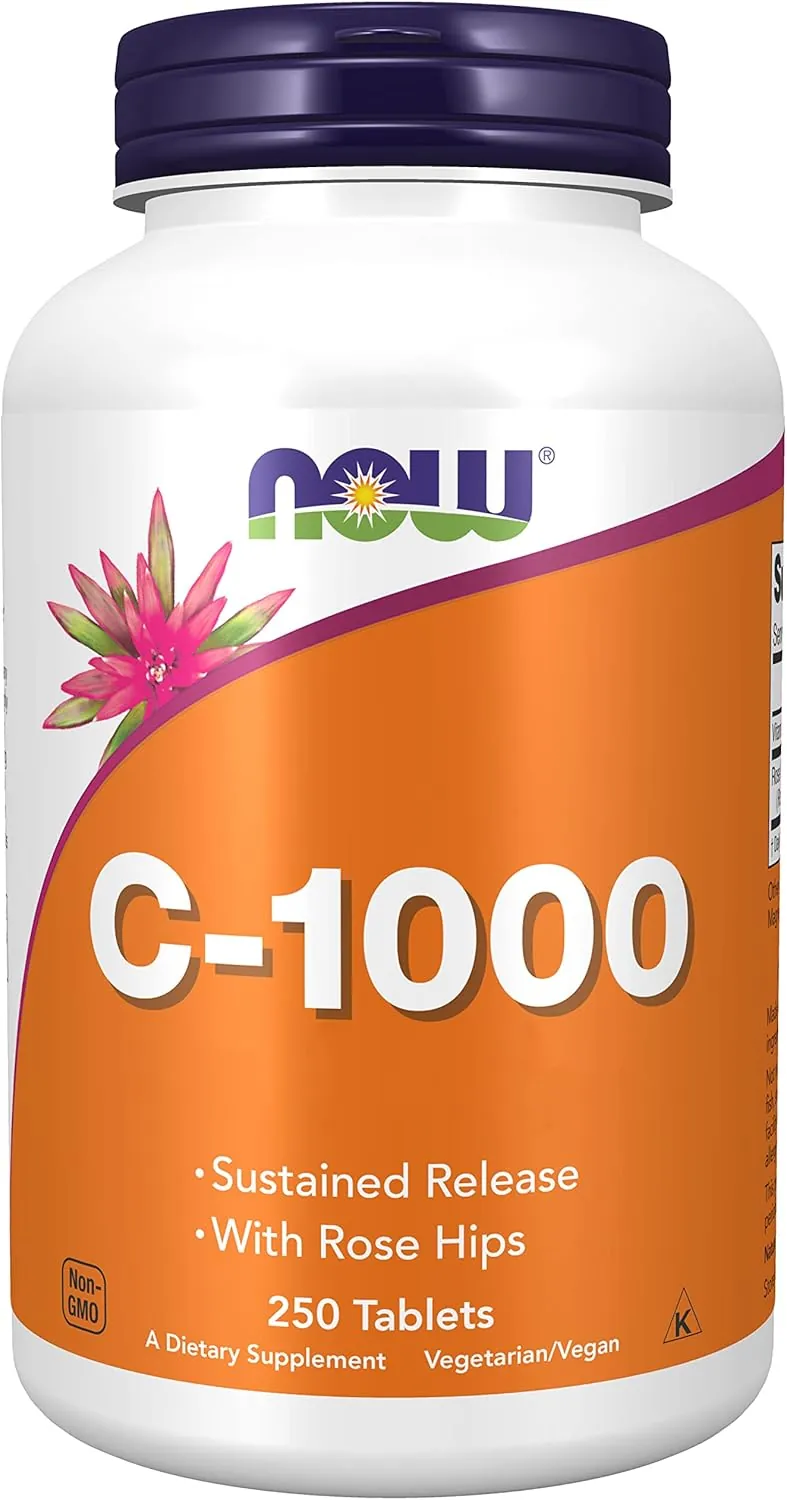
NOW Foods Vitamin C-1000 with Rose Hips & Bioflavonoids - 250 Tablets
Want to check more interactions?
Add these and other supplements to our interactive Stack Analyzer for a full analysis.
Build your full stack →