Important: This page is for informational purposes only, based on published peer-reviewed research and official UK dietary guidelines (NHS, EFSA, SACN). It does not constitute medical advice. Always consult your GP or pharmacist before starting, stopping, or combining supplements.
Vitamin B6 and Zinc — Can You Take Them Together?
Overview
Vitamin B6 and zinc are essential micronutrients whose metabolic roles are more closely intertwined than most supplement labels suggest. Zinc functions as a structural cofactor for alkaline phosphatase — the enzyme primarily responsible for cycling phosphorylated vitamin B6 forms into tissue-usable metabolites. Research suggests that zinc status may directly influence how effectively the body activates dietary and supplemental B6. Both nutrients appear in UK population surveys as below-optimal in certain groups, and are routinely paired in multivitamin and B-complex formulations. Understanding their biological relationship may help inform supplement selection and overall micronutrient strategy for health-conscious adults.
How They Interact
The central link between zinc and vitamin B6 lies in alkaline phosphatase, a zinc-dependent metalloenzyme present in the liver, intestinal mucosa, and plasma. Research by Lumeng and Li (1975, Journal of Biological Chemistry) established that alkaline phosphatase is the primary enzyme responsible for hydrolysing pyridoxal-5'-phosphate (PLP) and pyridoxamine-5'-phosphate in the liver — reactions essential to the normal cycling of vitamin B6 between tissues. Because alkaline phosphatase is structurally dependent on zinc ions, suboptimal zinc status reduces its catalytic activity. A rodent study by Wan, Cerklewski, and Leklem (1993, Biological Trace Element Research) demonstrated this directly: moderate zinc deficiency reduced plasma alkaline phosphatase activity by 48%, while plasma PLP rose by 61%, reflecting disrupted B6 dephosphorylation. Separately, pyridoxal kinase — the enzyme that phosphorylates pyridoxal to produce PLP — shows clear dependence on zinc as a divalent cofactor, confirming zinc's involvement at multiple points in B6 activation. Individual responses may vary based on baseline nutritional status and health conditions.
Timing & Dosage Guidance
Vitamin B6 and zinc do not compete for absorption via shared intestinal transport mechanisms, so research does not support any requirement to separate their intake. Both nutrients are routinely combined in multivitamin and B-complex formulations without documented interference. Taking them together with a meal is advisable for most adults: food stimulates zinc absorption by promoting gastric acid secretion, and may reduce gastrointestinal discomfort associated with certain zinc salt forms, particularly zinc sulphate. High-dose zinc supplementation above 25 mg per day warrants attention to copper status over the longer term, but has no direct bearing on B6 bioavailability. For typical supplemental doses — B6 at 1.4–10 mg and zinc at 10–15 mg — a single daily dose taken with food is a practical, evidence-consistent approach.
The UK Reference Nutrient Intake (RNI), established by SACN, is 1.4 mg per day for vitamin B6 and 9.5 mg per day for men and 7 mg per day for women for zinc. Most multivitamin formulations supply both within these reference ranges. EFSA has established a Tolerable Upper Intake Level of 25 mg per day for supplemental vitamin B6 across all sources; chronic intake well above this level has been associated with peripheral neuropathy, and the MHRA restricts single-nutrient B6 supplements above 10 mg to pharmacy or specialist channels. Zinc's UL is also set at 25 mg per day by EFSA. When stacking a B-complex with a multivitamin that independently contains both zinc and B6, cumulative intake across all products should be reviewed. Individual responses may vary.
Recommended Action
These are commonly found together in multivitamins and B-complex formulas. No special timing considerations needed.
Vitamin B6 Timing
When: Morning
Note: Morning preferred — B vitamins may affect sleep if taken late
Zinc Timing
When: Morning
Note: Take with food to prevent nausea. Away from iron and calcium supplements.
Scientific Evidence
4 peer-reviewed studies cited. All links lead to PubMed abstracts.
Journal of Biological Chemistry (1975) · PMID: 240852
Established that alkaline phosphatase — a zinc-dependent metalloenzyme — is the primary enzyme controlling PLP metabolism in the liver, providing the foundational biochemical basis for zinc's role in vitamin B6 activation.
Biological Trace Element Research (1993) · PMID: 7509177
Moderate zinc deficiency reduced plasma alkaline phosphatase activity by 48% and increased plasma PLP by 61%, with a significant negative correlation (r = −0.74), directly demonstrating how impaired zinc status disrupts B6 metabolite distribution.
International Journal of Vitamin and Nutrition Research (1997) · PMID: 9119609
Vitamin B6-deficient rats showed significantly lower plasma zinc levels than controls, indicating an association between B6 and zinc status, with the authors noting reduced food intake as a potential contributing factor.
International Journal of Vitamin and Nutrition Research (1986) · PMID: 3804611
Zinc repletion in deficient rats increased excretion of B-vitamin metabolites, with observed interactions between zinc status and both niacin and vitamin B6 metabolic pathways, suggesting zinc supports B-vitamin function more broadly.
Frequently Asked Questions
Research does not indicate any benefit to separating vitamin B6 and zinc intake. Unlike iron and calcium, which share intestinal absorption pathways, these two nutrients are processed via distinct mechanisms and are routinely co-formulated. Taking them together with a meal is well-supported by both practical guidance and standard supplement formulation practice. If taking high-dose zinc above 25 mg, spacing from copper-containing products may be sensible, but this has no bearing on B6 bioavailability.
Pyridoxal-5'-phosphate (P5P) is the biologically active coenzyme form of vitamin B6. Because it bypasses the zinc-dependent phosphorylation steps required to convert pyridoxine HCl into PLP, research suggests P5P may be more directly available to cellular processes when alkaline phosphatase activity is suboptimal. Pyridoxine HCl remains the most extensively studied form in clinical trials and is suitable for the majority of healthy adults with adequate zinc status. Individual responses may vary, and those with specific health concerns should seek advice from a GP or registered dietitian.
Research suggests that zinc deficiency may impair alkaline phosphatase activity — the enzyme central to PLP metabolism — potentially disrupting normal B6 distribution across tissues (Wan et al., 1993, Biological Trace Element Research). However, the clinical significance of this in supplemented adults consuming a varied diet remains uncertain. Groups at higher risk of zinc insufficiency, including older adults, vegans, and those with gastrointestinal malabsorption, may benefit from reviewing zinc status alongside B6 supplementation, ideally with guidance from a healthcare professional.
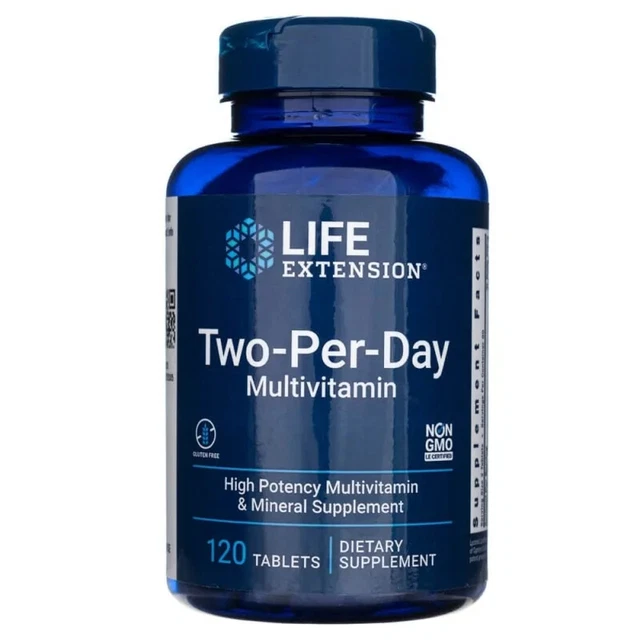
Top Vitamin B6 Products on AIScored


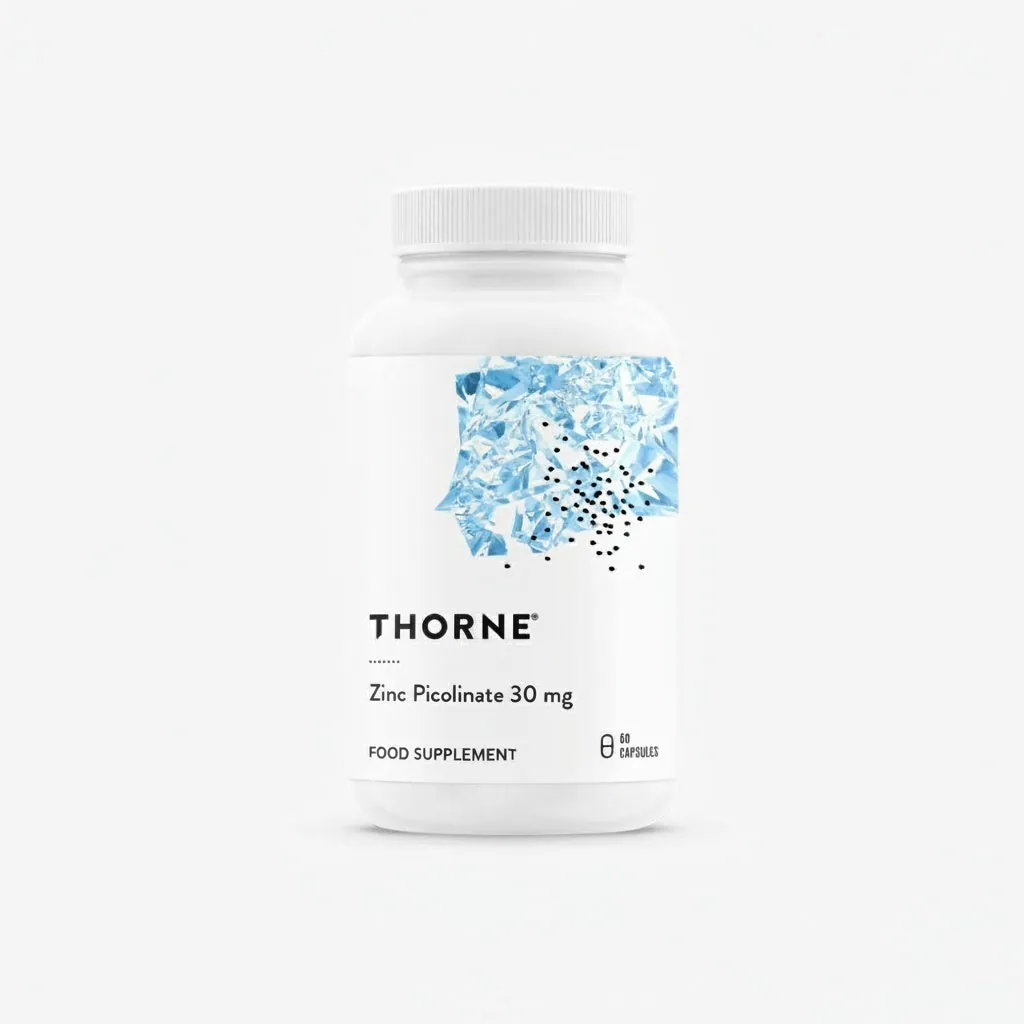
Top Zinc Products on AIScored
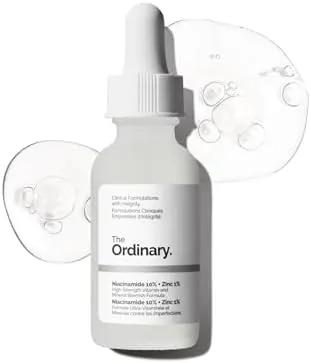
The Ordinary Niacinamide 10% + Zinc 1%, Brightening & Smoothing Serum for Blemish-Prone Skin, 30ml
Want to check more interactions?
Add these and other supplements to our interactive Stack Analyzer for a full analysis.
Build your full stack →