Important: This page is for informational purposes only, based on published peer-reviewed research and official UK dietary guidelines (NHS, EFSA, SACN). It does not constitute medical advice. Always consult your GP or pharmacist before starting, stopping, or combining supplements.
Vitamin C and Vitamin E — Can You Take Them Together?
Overview
Vitamin C and Vitamin E are among the most studied antioxidant nutrients in human nutrition, and research suggests they interact through a biochemical recycling mechanism that extends the functional capacity of both. Rather than simply contributing additive antioxidant effects, these two vitamins operate as a co-antioxidant pair — one fat-soluble, one water-soluble — working across different cellular compartments. For those following an evidence-informed supplementation strategy, understanding this interaction may help inform more targeted choices. Individual responses may vary, and this pairing is best considered alongside a balanced diet rather than as a substitute for professional health advice.
How They Interact
The interaction between Vitamin C and Vitamin E is central to what researchers describe as the 'antioxidant network' — a system in which fat-soluble and water-soluble antioxidants can regenerate one another across phase boundaries. Vitamin E, specifically alpha-tocopherol, resides within cell membranes and lipoproteins where it acts as a chain-breaking antioxidant. When it donates a hydrogen atom to neutralise a lipid peroxyl radical, it is itself converted to a tocopheroxyl radical — an oxidised, less active form that, at higher concentrations, may exert mild pro-oxidant activity. Vitamin C (ascorbic acid), operating in the aqueous phase of plasma and cellular fluid, can donate an electron to this tocopheroxyl radical, reducing it back to active alpha-tocopherol. In doing so, ascorbate is itself oxidised to dehydroascorbic acid, which the body can subsequently recycle back to ascorbate via glutathione-dependent and NADH-dependent enzymatic pathways. This two-step recycling mechanism, reviewed in detail by Traber and Stevens (2011, Free Radical Biology and Medicine), effectively extends the functional lifespan of membrane-bound Vitamin E and is considered a plausible mechanism by which adequate Vitamin C status supports antioxidant defence.
Timing & Dosage Guidance
Vitamin E is fat-soluble, meaning its absorption from both food and supplements is considerably enhanced when taken alongside a fat-containing meal. Studies indicate that co-ingestion with dietary fat significantly improves bioavailability compared to fasted-state consumption. Vitamin C, being water-soluble, does not depend on dietary fat and is absorbed effectively at any time of day. The biochemical recycling interaction between these two vitamins does not require simultaneous ingestion — it occurs at the cellular level over time as both nutrients circulate systemically. For practical convenience, taking both with a main meal that includes a source of healthy fat is a reasonable approach consistent with absorption data.
The UK NHS Reference Nutrient Intake (RNI) for Vitamin C is 40 mg per day for adults, with EFSA noting that intakes up to 1,000 mg/day are generally tolerated, though higher doses may cause gastrointestinal discomfort in some individuals. For Vitamin E, the NHS RNI is 4 mg/day for men and 3 mg/day for women; EFSA has established a tolerable upper intake level of 300 mg/day from supplements. Research examining the antioxidant network has typically used doses in the range of 200–500 mg Vitamin C and 100–400 IU Vitamin E. Doses substantially above food-level amounts should not be taken without considering individual health circumstances, and individual responses may vary.
Recommended Action
These can be taken together as part of an antioxidant strategy. Vitamin E with a fat-containing meal, Vitamin C any time.
Vitamin C Timing
When: Any
Note: Water-soluble — can be taken any time. Split doses improve absorption at higher amounts.
Vitamin E Timing
When: Morning
Note: Fat-soluble — take with a meal containing dietary fat. High doses may increase bleeding risk.
Scientific Evidence
4 peer-reviewed studies cited. All links lead to PubMed abstracts.
Free Radical Biology and Medicine (2011) · PMID: 21664268
Reviews the co-antioxidant relationship between ascorbate and alpha-tocopherol, detailing how Vitamin C regenerates oxidised Vitamin E across aqueous-lipid phase boundaries to sustain antioxidant defence.
Archives of Biochemistry and Biophysics (1998) · PMID: 9448716
Demonstrated that intracellular ascorbate directly reduces the tocopheroxyl radical back to active alpha-tocopherol in human red blood cells, providing mechanistic evidence for the in vivo recycling interaction.
Free Radical Biology and Medicine (2006) · PMID: 16458200
Found that ascorbate supplementation attenuated the accelerated depletion of both alpha- and gamma-tocopherol in smokers by 25–45%, providing direct in vivo evidence that Vitamin C spares Vitamin E under conditions of elevated oxidative stress.
Canadian Journal of Physiology and Pharmacology (1993) · PMID: 8313238
Established the foundational model of Vitamin C as the primary aqueous-phase recycler of membrane-bound oxidised Vitamin E, with glutathione serving as a secondary enzymatic route for ascorbate regeneration.
Frequently Asked Questions
Not necessarily. The recycling interaction occurs at the cellular and membrane level over time, so simultaneous ingestion is not required for the mechanism to operate. Maintaining adequate daily status of both vitamins is more important than precise co-timing. A practical approach is to take Vitamin E with a fat-containing meal to optimise its absorption, and Vitamin C at any convenient point during the day.
Research suggests both vitamins play a role in limiting LDL oxidation. Vitamin E is incorporated into LDL particles where it acts as a chain-breaking antioxidant, while Vitamin C may help regenerate it at the particle surface. Kagan et al. (1992, Journal of Lipid Research) demonstrated this recycling mechanism directly in LDL. However, clinical outcomes data from intervention trials has been mixed, and individual responses may vary. This is not a claim to treat or prevent cardiovascular conditions.
Research generally indicates that supplementing both within recommended ranges is well tolerated. EFSA has set a tolerable upper intake level of 300 mg/day for Vitamin E from supplements, and Vitamin C above 1,000 mg/day may cause digestive discomfort in some people. Those taking anticoagulant medications should be aware that high-dose Vitamin E may affect blood clotting parameters. Consulting a healthcare professional before supplementing above food-level amounts is advisable, particularly for those with existing health conditions.
Top Vitamin C Products on AIScored
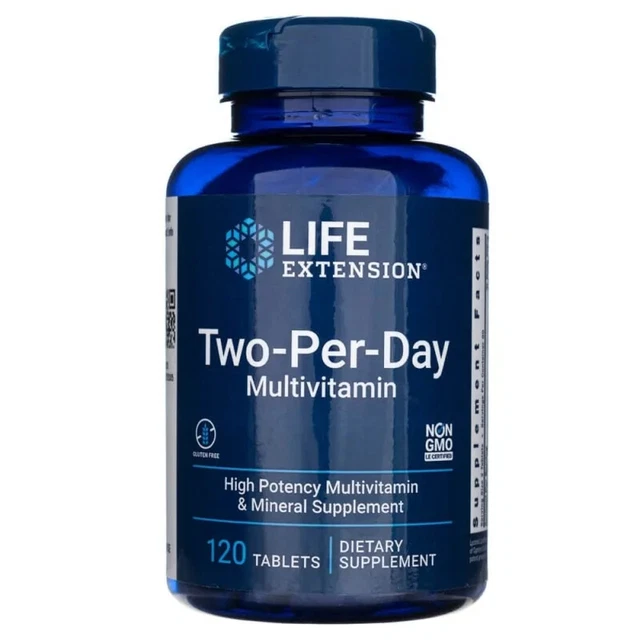
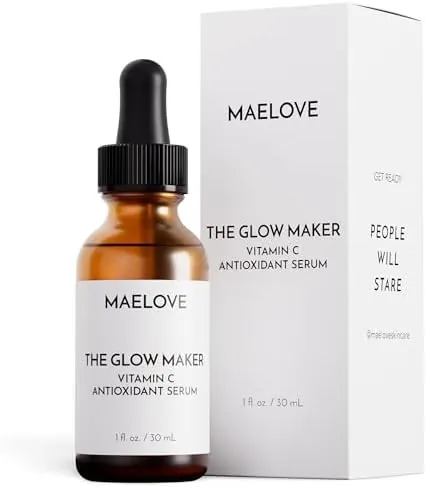
MAELOVE Vitamin C Serum, Glow Maker with Vitamins C, E, Ferulic Acid and Hyaluronic Acid, Fragrance-Free, Award-Winning Highlighting and Moisturizing Face Serum, 50 ml
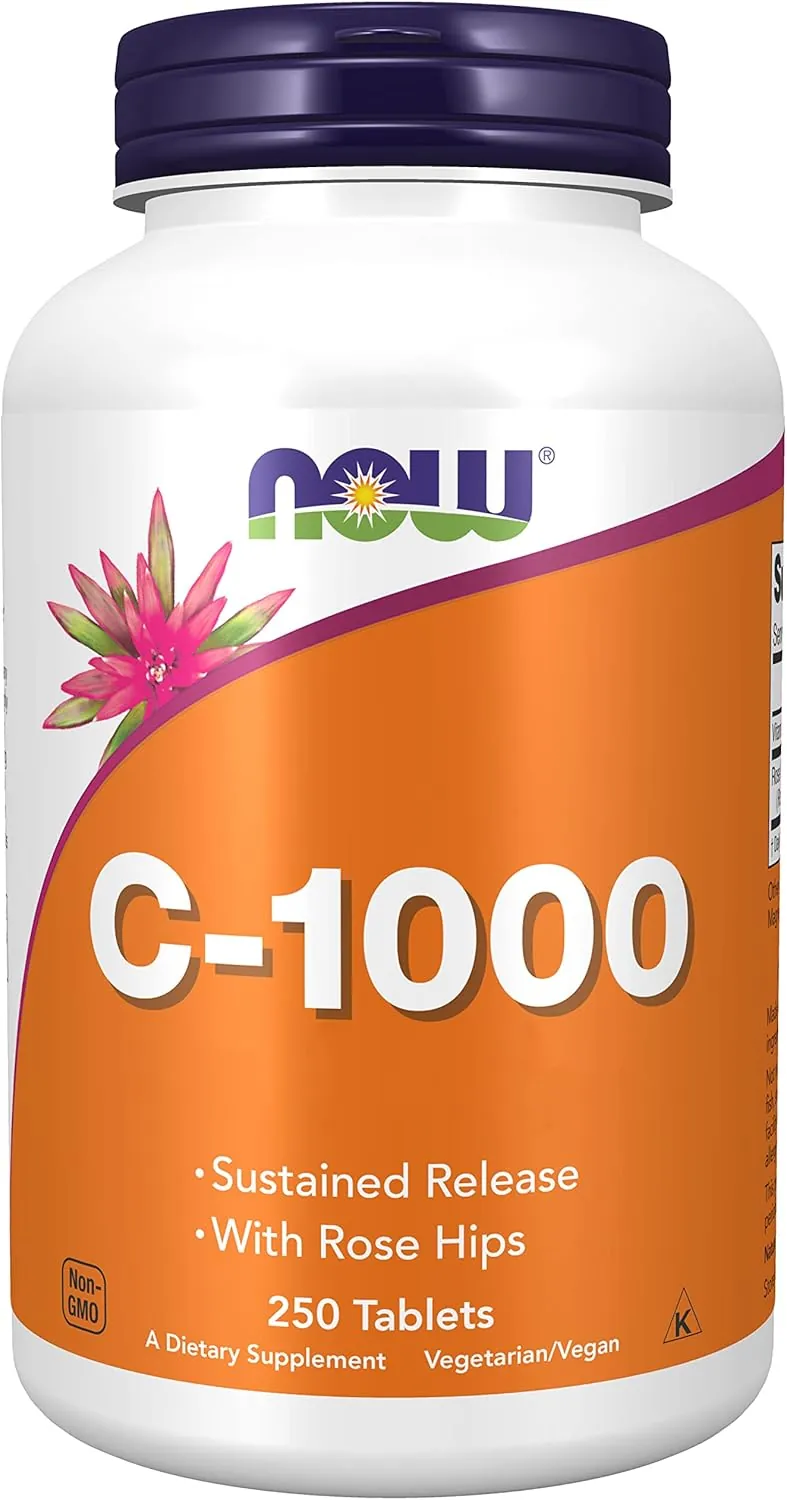
NOW Foods Vitamin C-1000 with Rose Hips & Bioflavonoids - 250 Tablets
Top Vitamin E Products on AIScored

Advanced Hydrolysed Marine Liquid Collagen Couples Supply (2x 28-Day Supply)

Want to check more interactions?
Add these and other supplements to our interactive Stack Analyzer for a full analysis.
Build your full stack →