Important: This page is for informational purposes only, based on published peer-reviewed research and official UK dietary guidelines (NHS, EFSA, SACN). It does not constitute medical advice. Always consult your GP or pharmacist before starting, stopping, or combining supplements.
Vitamin C and Zinc — Can You Take Them Together?
Overview
Vitamin C and zinc are among the most studied nutrients in immune health research, and they frequently appear together in cold and immune support supplements across the UK. Both have well-established roles in supporting immune function through distinct but complementary mechanisms — zinc underpins the structural and functional integrity of immune cells, whilst vitamin C acts as a key antioxidant and co-factor during the immune response. Research suggests their combined use may offer additive benefits, particularly for upper respiratory health. Individual responses may vary, and neither nutrient replaces medical assessment when symptoms are severe or persistent.
How They Interact
Zinc's contribution to immune function operates at a foundational level: it serves as a structural component of zinc-finger proteins involved in gene transcription and acts as a cofactor for enzymes essential to DNA replication in rapidly dividing immune cells. It is required for the production of thymulin — a thymic hormone essential for T-cell maturation — and supports the activation of neutrophils and natural killer (NK) cells. Even subclinical zinc deficiency is sufficient to impair both innate and adaptive immune responses (Prasad, 2008, Mol Med). Vitamin C, meanwhile, accumulates in immune cells — particularly neutrophils and lymphocytes — at concentrations 50–100 times higher than those found in plasma. It supports neutrophil chemotaxis and phagocytic activity, scavenges reactive oxygen species generated during the respiratory burst, and promotes interferon production (Carr & Maggini, 2017, Nutrients). The two nutrients are mechanistically complementary: zinc maintains the structural integrity and signalling capacity of immune cells, whilst vitamin C protects those same cells from oxidative damage during an active immune response.
Timing & Dosage Guidance
Vitamin C and zinc can generally be taken at the same time without concern; there is no established antagonism between them, and many immune formulas combine both in a single dose. Zinc is best absorbed with a small amount of food to reduce the risk of gastrointestinal discomfort — taking it on an empty stomach can cause nausea in some individuals. High-phytate meals (containing wholegrains, legumes, or seeds) may reduce zinc bioavailability, so spacing supplementation away from a large plant-heavy meal may be worthwhile. Vitamin C is well absorbed at any time of day, though splitting higher doses across meals may improve tolerability and absorption efficiency.
The UK Reference Nutrient Intake for vitamin C is 40 mg/day, with the EU Nutrient Reference Value at 80 mg. Immune-focused supplements typically contain 200–1000 mg of vitamin C per dose — within EFSA's established safe upper level of 1000 mg/day for adults. The UK RNI for zinc is 9.5 mg/day for men and 7 mg/day for women; EFSA has set a Safe Upper Level of 25 mg/day for adults. Long-term supplementation above this threshold carries a risk of impairing copper absorption, which can have neurological consequences over time. Many immune formulas contain 10–15 mg of zinc per daily dose, which remains within safe limits for most healthy adults. Those with renal impairment, or who are taking medications that affect zinc or copper metabolism, should consult a healthcare professional before supplementing.
Recommended Action
These are commonly found together in cold/immune supplements. They can be taken at the same time.
Vitamin C Timing
When: Any
Note: Water-soluble — can be taken any time. Split doses improve absorption at higher amounts.
Zinc Timing
When: Morning
Note: Take with food to prevent nausea. Away from iron and calcium supplements.
Scientific Evidence
4 peer-reviewed studies cited. All links lead to PubMed abstracts.
Nutrients (2017) · PMID: 29099763
A comprehensive review demonstrating that vitamin C accumulates at high concentrations in phagocytic cells, stimulates neutrophil migration to infection sites, and supports multiple aspects of both innate and adaptive immune function.
Molecular Medicine (2008) · PMID: 18385818
Demonstrated that zinc is essential for the development and function of T-lymphocytes, NK cells, and neutrophils, with subclinical deficiency sufficient to impair both innate and adaptive immune responses.
CMAJ (2012) · PMID: 22566526
Meta-analysis of 17 randomised controlled trials found that zinc supplementation, initiated within 24 hours of symptom onset, reduced cold duration by approximately one day compared with placebo.
Cochrane Database of Systematic Reviews (2013) · PMID: 23440782
Cochrane review of 29 trials found regular vitamin C supplementation reduced cold duration by 8% in adults, with evidence of a more pronounced effect in individuals under acute physical stress such as marathon runners and military personnel.
Frequently Asked Questions
The evidence is mixed. Unlike vitamin C's well-established role in enhancing non-haem iron absorption, its effect on zinc bioavailability has not been consistently demonstrated in human trials. Zinc absorption is more meaningfully influenced by the chemical form used — organic forms such as zinc picolinate and zinc bisglycinate tend to show superior bioavailability compared to inorganic forms like zinc oxide, according to comparative absorption studies. Taking vitamin C alongside zinc is not harmful, but should not be relied upon to significantly enhance zinc uptake. Individual responses may vary.
Research suggests both nutrients may support recovery from upper respiratory tract infections when taken at the onset of symptoms. A Cochrane review (Hemilä & Chalker, 2013) found that regular vitamin C supplementation reduced cold duration modestly in adults, with a more pronounced effect under conditions of physical stress. A systematic review and meta-analysis (Science et al., 2012, CMAJ) found zinc supplementation shortened cold duration by approximately one day. There is no evidence of an adverse interaction when taking both. Individual responses may vary.
Both nutrients have established safe upper levels. EFSA sets the tolerable upper intake for vitamin C at 1000 mg/day and for zinc at 25 mg/day for adults. Long-term zinc supplementation above 25 mg/day carries a risk of copper depletion, which may affect neurological function over time. High-dose vitamin C may cause gastrointestinal discomfort and, in those with a personal or family history of kidney stones, warrants caution. Staying within these established limits whilst combining both nutrients is generally considered safe for healthy adults, though a healthcare professional should be consulted if in doubt.
Top Vitamin C Products on AIScored
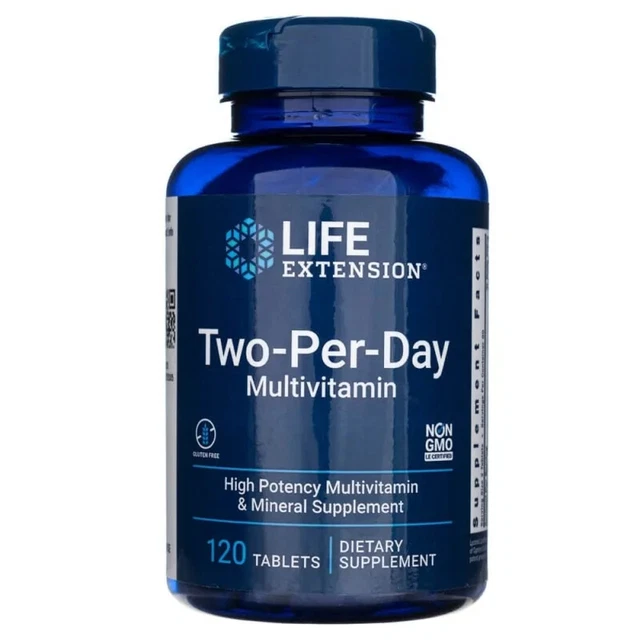
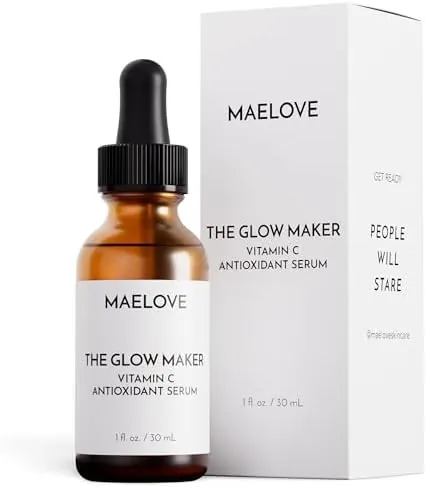
MAELOVE Vitamin C Serum, Glow Maker with Vitamins C, E, Ferulic Acid and Hyaluronic Acid, Fragrance-Free, Award-Winning Highlighting and Moisturizing Face Serum, 50 ml
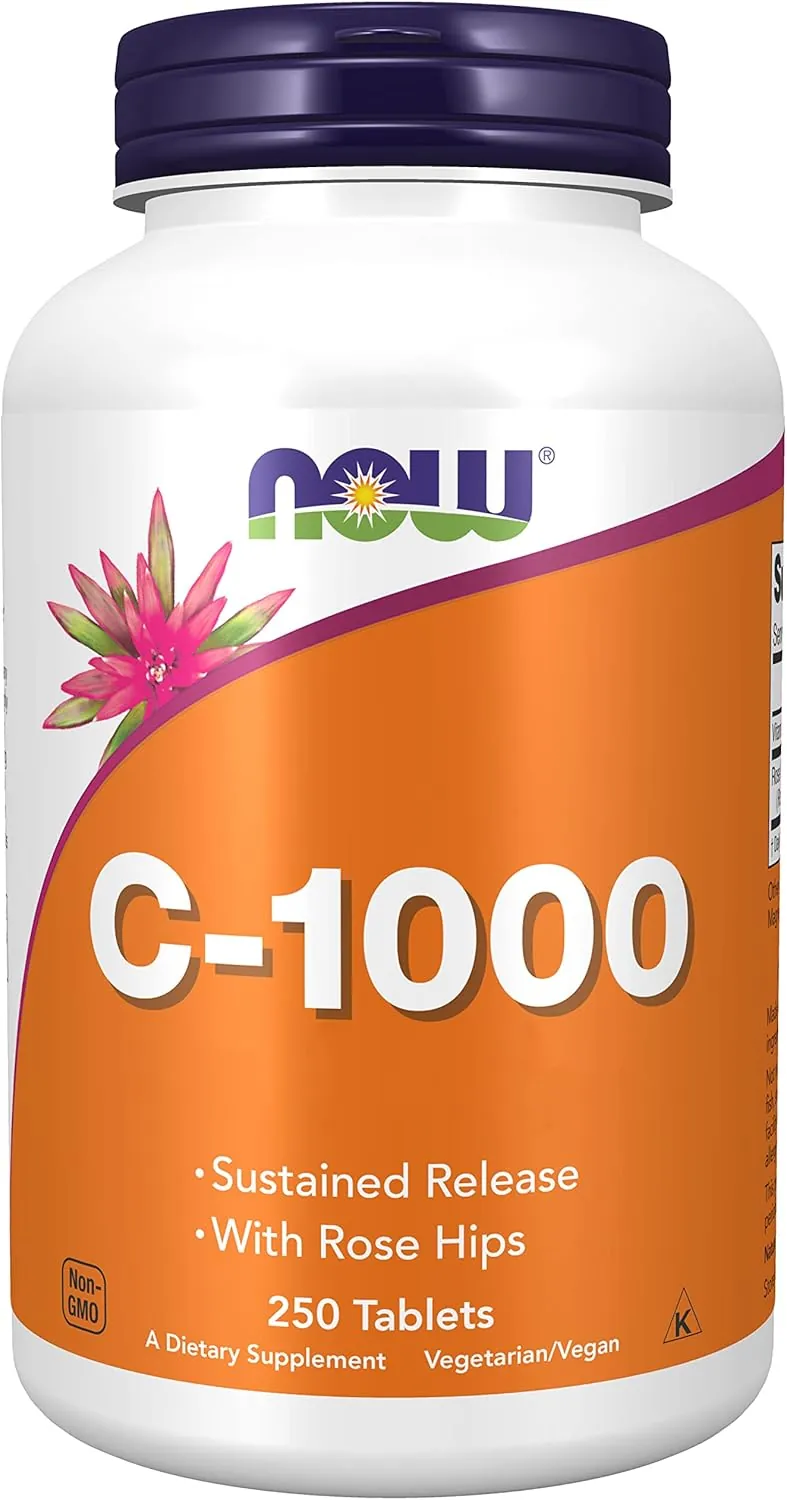
NOW Foods Vitamin C-1000 with Rose Hips & Bioflavonoids - 250 Tablets
Top Zinc Products on AIScored
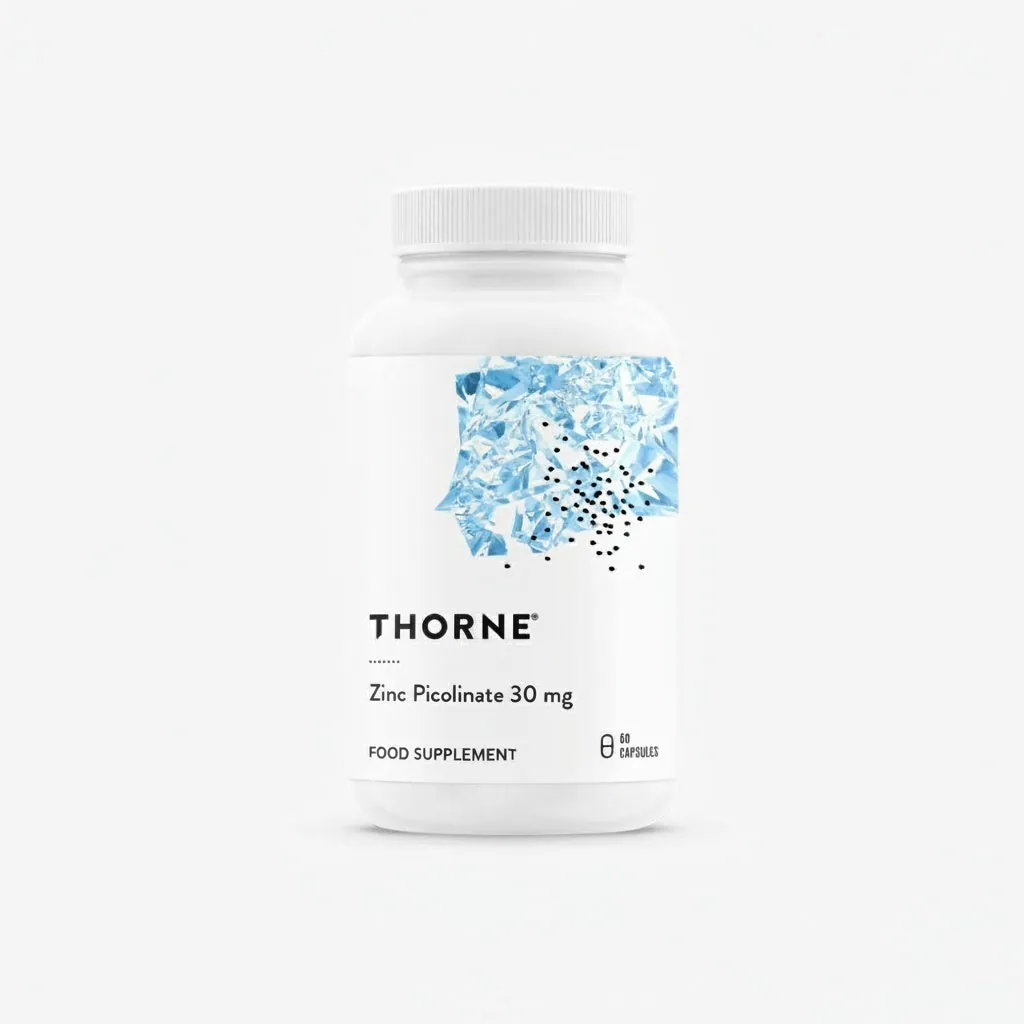
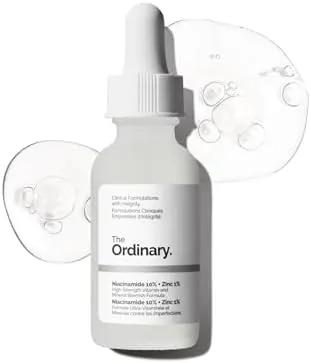
The Ordinary Niacinamide 10% + Zinc 1%, Brightening & Smoothing Serum for Blemish-Prone Skin, 30ml
Want to check more interactions?
Add these and other supplements to our interactive Stack Analyzer for a full analysis.
Build your full stack →